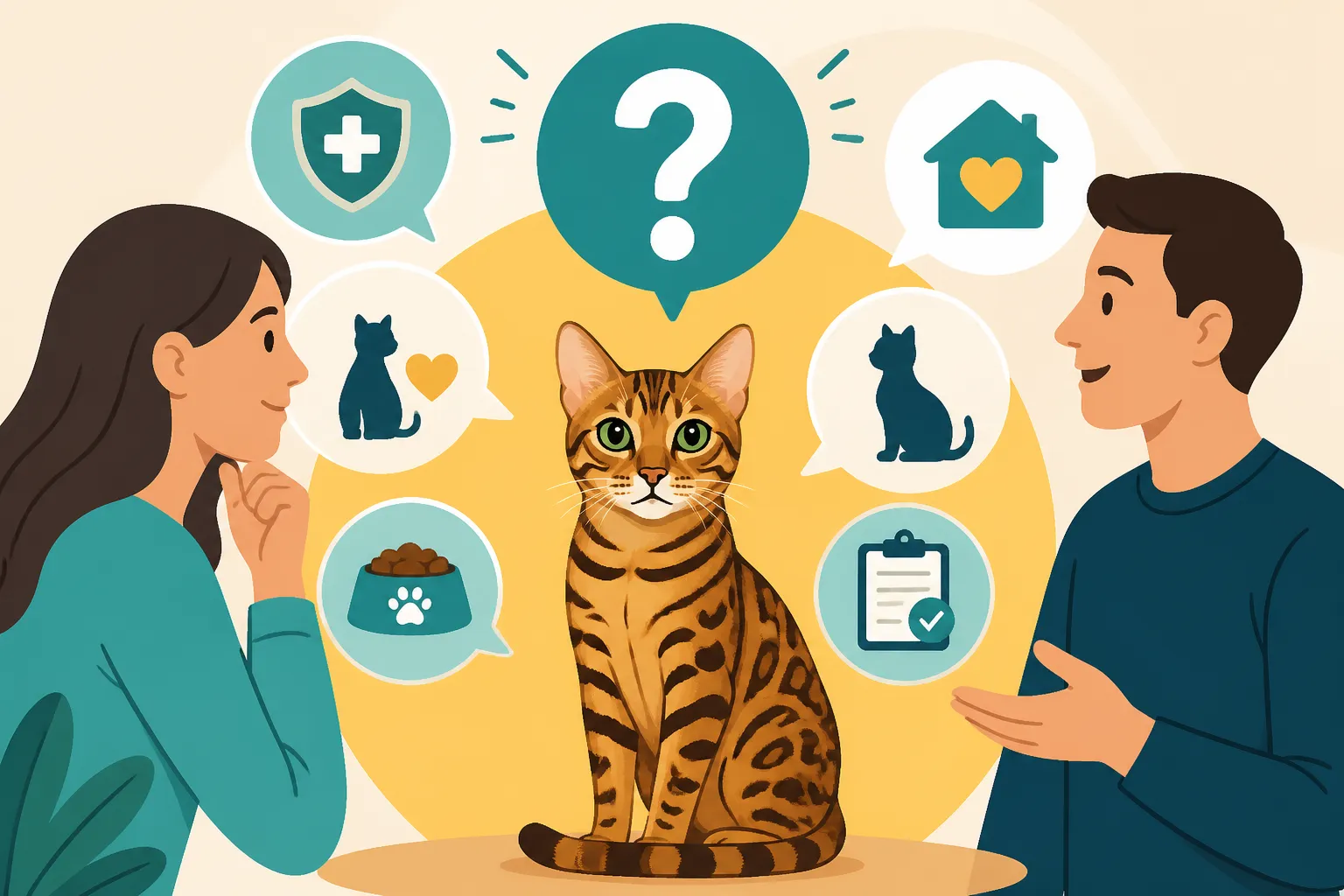
Which Questions to Ask a Bengal Cat Breeder
Bringing a Bengal cat into your home is an incredibly exciting prospect, but it can also feel overwhelming when you start researching breeders. You want to ensure you're getting a healthy, well-socialized kitten from someone who genuinely cares about the breed, not just making a quick sale. This guide is designed to empower you with the right questions to ask, helping you navigate the process with confidence and find the perfect Bengal companion.
Delving into Health: Essential Questions About Your Kitten's Well-being
One of the most crucial aspects of choosing a Bengal kitten is understanding its health background and the preventative measures the breeder takes. Bengals, like many purebreds, can be predisposed to certain genetic conditions, and a responsible breeder will be transparent and proactive about screening for these. Don't be shy about asking direct questions; a good breeder will appreciate your thoroughness.
Understanding Genetic Testing and Parental Health
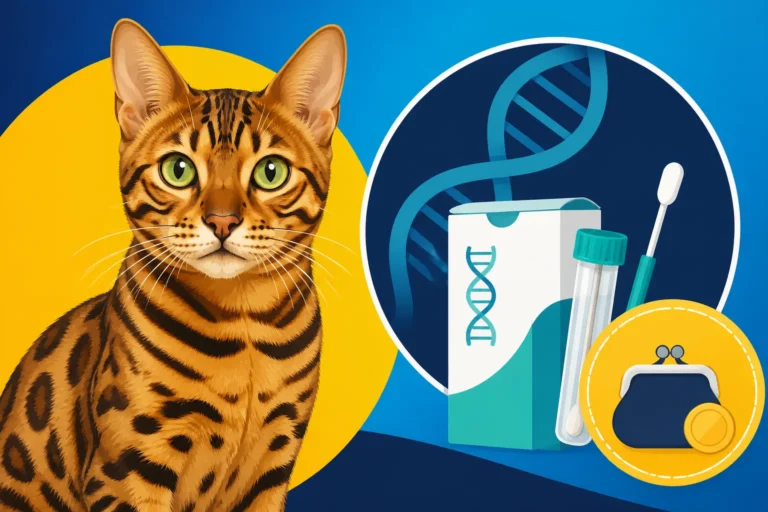
When you’re talking to a potential breeder, one of the first things to discuss is the health testing they conduct on their breeding cats. This isn't just about the kitten you're considering; it's about the health of its parents and the future of the breed itself. You'll want to ask specifically about Pyruvate Kinase Deficiency (PKD) and Progressive Retinal Atrophy (PRA-b). These are two genetic conditions for which there are DNA tests, meaning a breeder can know definitively if their cats are carriers or affected. Asking for proof of these tests for both parents is perfectly reasonable. You can even ask Which Lab Runs the Bengal Cat PRA-b Test if you want to verify the lab.
Beyond DNA tests, inquire about Hypertrophic Cardiomyopathy (HCM) screening. This is a significant concern in Bengal cats, and while there's no DNA test for it yet, regular echocardiograms (heart ultrasounds) performed by a board-certified veterinary cardiologist are the gold standard for screening. Ask for a copy of the parents' most recent HCM screening results, noting when they were performed and by whom. Ideally, you want to see parents with clear echoes, and the breeder should be able to explain their screening schedule. It shows a dedication to the health of their lines. The breeder should readily provide documentation for all these tests, demonstrating that they are following established health protocols. In short, ask What a Bengal Cat Breeder Should Have Tested.
A reputable breeder should be able to explain the implications of these diseases clearly and demonstrate their commitment to breeding healthy cats. They should not get defensive or dismiss your concerns. If a breeder tells you their cats are "healthy" without offering specific test results, that's a significant red flag. You're investing in a living creature, and understanding its genetic predispositions is vital for long-term care and financial planning. Consider What the DNA Panel a Bengal Cat Breeder Runs Costs the breeder, and how that value is passed on to you through healthier kittens.
Inquiring About the Kitten's Early Veterinary Care
It's not enough for the parents to be healthy; the kitten itself needs a strong start. Ask the breeder about the veterinary care the kittens receive before going to their new homes. This should include their vaccination schedule – what vaccines they've had and when they're due for boosters. You'll also want to know about deworming protocols. Kittens are highly susceptible to internal parasites, and a good breeder will have a regular deworming schedule in place, even if they don't see obvious signs.
Another key question is whether the kitten has had a full veterinary check-up by an independent veterinarian. This check-up should happen close to the time of pick-up, ensuring the kitten is healthy, active, and free of any obvious concerns like murmurs or umbilical hernias. Ask for a copy of this vet check certificate. Furthermore, inquire if the breeder offers any health guarantee and what it covers. Some breeders offer guarantees against genetic diseases or congenital defects for a specific period. This shows confidence in their breeding program and offers peace of mind. A common Bengal complaint is chronic diarrhea, so ask if the kitten has had any issues with Chronic Diarrhea Is the Bengal Cat Complaint Nobody Warns About and how it was treated. If your kitten develops health issues, having insurance from a provider like Healthy Paws can be incredibly helpful for managing unexpected vet bills.
It's also important to understand Whether a Bengal Cat Kitten Comes PK Tested or tested for any other genetic issues directly. Some breeders test the whole litter, others only the parents. Knowing this helps you understand the full picture. If a kitten comes with a clean bill of health and a guarantee, it signifies a breeder who stands behind their animals. Remember, the initial vet visit is just the beginning; you'll be responsible for ongoing care, so knowing the kitten's baseline health is critical. Ask about Whether a Bengal Cat Kitten Comes With Test Certificates to ensure you have all necessary documentation.
Discussing Diet and Early Nutrition
Nutrition plays a massive role in a kitten's development and long-term health, especially for a breed as active as the Bengal. Your first question should be: "What food are the kittens currently eating?" A responsible breeder will feed a high-quality, reputable kitten food, often a wet food or a combination of wet and dry. They should be able to explain their feeding philosophy and why they've chosen that particular brand or type of food. Be wary of breeders who feed very low-quality, generic kibble, as this might indicate a lack of investment in the kittens' foundational health.
Beyond what they're currently eating, ask about their recommendations for transitioning to a new food. Sudden dietary changes can upset a kitten's stomach, especially for Bengals who are known for having Why a Bengal Cat's Gut Is So Sensitive. A good breeder will advise on a slow transition over several days or weeks. They might even provide a small supply of the kitten's current food to help with this transition. Some breeders are even exploring fresh food options for their breeding cats, believing it supports optimal health and can be an excellent choice for a new kitten, provided the transition is managed carefully.
Inquire about their thoughts on raw feeding, grain-free diets, or other specific nutritional approaches if you have preferences. While a breeder might have their own convictions, they should be open to discussing your approach and offering advice based on their experience. They might also share tips on managing a Bengal's energetic metabolism, which requires consistent, high-quality fuel. You can find many of these recommended high-quality brands readily available through online retailers like Chewy, which can make consistent feeding much easier.
Uncovering Temperament: Questions About Socialization and Behavior
The Bengal cat is renowned for its wild look, but its domestic temperament is equally important. Early socialization is key to ensuring your kitten grows into a confident, friendly, and well-adjusted adult. A breeder's role in this initial phase is paramount. These questions will help you understand how much effort they put into shaping your kitten's personality.
Learning About the Kitten's Home Environment
Understanding the environment in which your kitten is raised is crucial for predicting its future temperament. Ask the breeder, "Where are the kittens raised?" Ideally, they should be raised inside the home, not isolated in a separate cattery building or basement. Kittens raised underfoot, exposed to the normal sights, sounds, and smells of a busy household – vacuum cleaners, ringing phones, children playing, other pets – tend to be much more adaptable and less fearful as adults. If they're tucked away, they might be more timid or easily startled when introduced to a typical home.
Also, inquire about how much human interaction the kittens receive daily. Are they regularly handled, played with, and cuddled? Do different members of the family interact with them? Kittens that are accustomed to being touched and held from an early age are typically more affectionate and tolerant. A breeder who proudly shares stories of their kittens playing in the living room or snuggling on the couch demonstrates a commitment to early socialization. You want a kitten that sees humans as a source of comfort and fun, not just food. Knowing this will give you a clearer picture of What a Bengal Cat's Temperament Is Really Like.
If the breeder has children or other pets, ask about the kittens' exposure to them. Positive early experiences with children and other animals can significantly impact how well a Bengal integrates into a multi-pet or family household. This also extends to asking How a Bengal Cat Behaves With Children when considering your own family dynamics. A well-socialized kitten is less likely to be fearful or aggressive in new situations, making the transition to your home much smoother for everyone involved.
Gauging Parental Temperament and Handling Early Behavior
The temperament of the kitten's parents offers a valuable glimpse into what you can expect from your future feline family member. Ask to meet both parents if possible, or at least the mother, and observe their demeanor. Are they friendly, calm, and approachable, or do they seem skittish, aggressive, or overly anxious? Remember, temperament is often inherited, and confident parents tend to produce confident offspring. A good breeder will be proud to introduce you to their adult cats, highlighting their individual personalities.
Beyond meeting the parents, discuss with the breeder any specific behavioral traits they've observed in the kittens. Do any stand out as particularly shy or boisterous? How do they handle common kitten behaviors like nipping or rough play? A knowledgeable breeder will have strategies for encouraging appropriate play and gently discouraging unwanted habits from an early age. They can also offer advice on how to continue this training once the kitten is in your home.
This is also a good opportunity to ask about typical Bengal behaviors. Bengals are known for being highly active, intelligent, and vocal. Ask how the breeder manages these traits in their adult cats and kittens. For instance, do they use puzzle feeders to stimulate their minds, or have specific play routines to burn off energy? Their answers will give you insight into what kind of environment and enrichment you'll need to provide. A breeder who can articulate how they nurture positive behaviors is an invaluable resource.
Breeder Practices and Ongoing Support: What to Expect
A good breeder isn't just someone who sells kittens; they are custodians of the breed, dedicated to its improvement and the well-being of their animals. Their practices, ethics, and willingness to provide ongoing support speak volumes about their integrity and passion.
Clarifying Breeding Ethics and Philosophy
It’s important to understand the breeder's motivations and ethical framework. Ask them, "Why do you breed Bengal cats?" Their answer should revolve around a genuine love for the breed, a desire to improve health and temperament, or to produce show-quality cats that meet the breed standard. Be wary of anyone whose primary motivation seems to be profit or who focuses solely on exotic looks without mentioning health or temperament. A responsible breeder will speak passionately about their lines, their goals, and the challenges and rewards of breeding. You might even delve into the broader question of Whether Breeding Hybrids Like the Bengal Cat Is Ethical and hear their perspective.
Inquire about how they select their breeding pairs. Do they consider genetic diversity, health clearances, and temperament when choosing mates? Do they carefully plan each litter, or does it seem more haphazard? Good breeders often have a long-term vision for their cattery and put immense thought into each pairing. Also, ask about their policy for unplaced kittens or retired breeding cats. Do they ensure these animals find loving "forever" homes, or are they simply offloaded? A commitment to the welfare of all their cats, throughout their lives, is a hallmark of an ethical breeder.
Lastly, ask about the number of litters they have per year. Reputable breeders typically have a limited number of litters to ensure each queen gets adequate recovery time and each kitten receives proper attention and socialization. If a breeder seems to have an endless supply of kittens or multiple concurrent litters, it might suggest a commercial breeding operation rather than a dedicated hobby breeder. This isn't always a deal-breaker, but it warrants further investigation into their care standards.
Understanding Their Support System Post-Adoption
Bringing a new kitten home, especially one as unique as a Bengal, can come with questions and challenges. A responsible breeder will view themselves as a lifelong resource. Ask, "What kind of support do you offer after I take my kitten home?" They should be available to answer questions about diet, behavior, health concerns, or anything else that might arise. This is where those realistic scenarios come into play. What if your kitten suddenly stops eating a few days after you get home? Or exhibits a behavior you weren't expecting? A good breeder will offer advice and guidance, providing reassurance and practical solutions.
Many reputable breeders also include a clause in their contract stating that if, for any reason, you cannot keep your Bengal, they expect the cat to be returned to them. This demonstrates their commitment to preventing their cats from ending up in shelters. This "take-back" clause is a significant indicator of a breeder who prioritizes the welfare of their animals over profit. It means they're not just selling a kitten, but finding it a lifelong home, even if that home changes.
Consider this long-term relationship with your breeder as an invaluable asset. They have extensive experience with the breed and their specific lines. They can offer insights you won't find in books or online forums. The ability to call or email them with a concern, knowing you'll get a thoughtful and informed response, is part of the value you're paying for. This ongoing mentorship is part of what sets a responsible breeder apart from a casual seller.
Inquiring About Registration and Pedigree
When you're looking at purebred cats, documentation is key. Ask the breeder about the kitten's registration and pedigree. Bengal cats are typically registered with The International Cat Association (TICA). You should ask if the kitten will come with TICA registration papers. This confirms that your kitten is indeed a purebred Bengal and can be traced back through its lineage. Be sure to understand if the registration papers are provided at the time of purchase, or if they are sent after you provide proof of spay or neuter.
A pedigree chart is essentially the kitten's family tree, listing several generations of ancestors. Ask to see the pedigree of both parents. This not only confirms their lineage but also allows you to research specific cats in the pedigree if you wish. It's a way to verify the health testing and show careers of previous generations, giving you a deeper insight into the genetic background and potential for temperament and conformation. It also helps justify Why a TICA Registered Bengal Cat Costs More – you're paying for the documented lineage and the breeder's adherence to breed standards.
Be wary of breeders who claim their cats are "purebred" but cannot or will not provide registration papers or a pedigree. Without this documentation, there's no way to verify the cat's lineage, and you might inadvertently be supporting a "backyard breeder" who isn't committed to ethical breeding practices. The registration confirms the breeder is working within the recognized framework of the breed association, which typically has rules regarding health, ethics, and record-keeping.
The Practicalities: Contract, Cost, and Logistics
Once you've established the health and temperament aspects, it's time to delve into the practicalities of the purchase. These questions cover the financial investment, the legal agreement, and the logistics of bringing your new kitten home. Don't leave any stone unturned here; clarity upfront prevents misunderstandings later.
Decoding the Purchase Contract and Health Guarantee
Every responsible breeder will have a written purchase contract. This document is designed to protect both you and the breeder, and most importantly, the kitten. Ask for a copy of the contract to review before you commit to anything. Don't rush through it; read every clause carefully. Key things to look for include the health guarantee, which we touched upon earlier. What are the terms if a genetic issue arises? Is there a specified time frame for veterinary checks after purchase?
Another common clause in Bengal contracts, especially for pet-quality kittens, is a spay/neuter agreement. The contract will usually state that you agree to spay or neuter the kitten by a certain age and provide proof to the breeder. Until then, the registration papers might be withheld. Make sure you're comfortable with these terms. The contract should also outline what happens if you can no longer care for the cat, reiterating the breeder's take-back policy. This demonstrates a breeder's commitment to the animal's welfare throughout its life.
Finally, clarify any clauses regarding breeding rights. If you are buying a pet-quality kitten, it will almost certainly be sold on a non-breeding contract. If you are interested in breeding, that’s a completely different conversation and price point, and the contract will reflect that. Understanding these legal aspects upfront ensures you are fully aware of your responsibilities and the breeder's commitments. It's a formal agreement that protects all parties and, most importantly, the future of your new family member.
Understanding the Full Cost and What's Included
The cost of a Bengal kitten can vary widely, so it's essential to get a clear breakdown from the breeder. Ask, "What is the total cost of the kitten, and what exactly does that price include?" This isn't just about the initial purchase price; it's about transparency. The price should typically include the kitten itself, initial vaccinations, deworming, a vet health check, and sometimes even microchipping. Some breeders also provide a small "go-home" kit with food, toys, and relevant paperwork. This helps you gauge What a Bengal Cat Kitten Costs From a Breeder and ensures you're comparing apples to apples when looking at different breeders.
Inquire about the deposit structure. How much is required to reserve a kitten, and is it refundable under any circumstances? Understand their payment plan if they offer one, and when the final payment is due. Don't forget to factor in potential shipping or travel costs if the breeder isn't local. These can add a significant amount to the overall expense. Being upfront about costs ensures there are no hidden surprises later on.
It’s also important to recognize that a higher price often reflects a breeder's significant investment in health testing, quality food, veterinary care for their breeding cats and kittens, and ongoing education. Don't automatically gravitate towards the cheapest option, as that can sometimes indicate corners are being cut elsewhere. The initial cost is just the beginning of your financial commitment; consider What the First Year With a Bengal Cat Costs and plan accordingly for future expenses like food, litter, and ongoing vet care. A breeder should be able to justify their price by detailing the care and quality they provide.
Here's a quick comparison of questions and potential answers:
| Question Category | Good Breeder Answer | Red Flag Answer |
|---|---|---|
| Health Testing | "Yes, both parents are N/N for PRA-b and PK Def. Here are their clear HCM echo results from Dr. Smith last month." | "Oh, my cats are all healthy, I don't believe in all those expensive tests. Never had an issue." |
| Kitten Rearing | "They're raised underfoot in our living room, played with daily by our kids and used to our dog." | "The kittens are in a separate room/building. We check on them a few times a day." |
| Diet | "We feed Royal Canin Bengal Kitten food, both wet and dry. We'll send you home with a starter bag and transition tips." | "They eat whatever's on sale. Just give them any kitten food." |
| Temperament | "Our queen is very outgoing, and the kittens are curious and playful. We handle them a lot to build confidence." | "They're Bengals, so they're a bit wild. They'll calm down eventually." |
| Support | "I'm always available for questions! My contract also states I'll take the cat back at any point if things don't work out." | "Once they leave, they're yours. Good luck!" |
| Registration/Pedigree | "They'll come with TICA registration papers after spay/neuter. Here are copies of their parents' pedigrees for you to see." | "They're purebred Bengals, but I don't bother with papers. It's just extra cost." |
| Contract | "Here's a copy of our comprehensive contract. It covers health guarantees, spay/neuter, and our take-back policy." | "We don't really have a formal contract, just a verbal agreement." |
Discussing Logistics for Pickup or Delivery
Finally, clarify the practical arrangements for bringing your kitten home. Ask, "When will the kitten be ready to leave its mother?" Reputable breeders typically keep kittens until they are between 12 and 16 weeks old. This extended period ensures they are fully weaned, properly socialized, vaccinated, and emotionally mature enough for the transition. Be wary of breeders offering kittens younger than 12 weeks, as this can lead to behavioral and health issues down the line.
Discuss the pickup process. Will you be visiting their home to collect the kitten, or do they offer delivery options? If you're traveling, confirm their availability and any requirements they might have for transport, such as needing a specific type of carrier. If shipping is involved, understand the full process, costs, and any health certificates required for travel. Many breeders prefer in-person pickup to ensure the kitten goes directly to its new owner and to meet you face-to-face.
This conversation is also a chance to confirm what supplies you'll need for the journey home and the first few days. Will the kitten come with a blanket that smells like its mother and littermates to ease the transition? Do they have any specific recommendations for setting up your home to welcome a Bengal? The more prepared you are for the arrival, the smoother the adjustment will be for everyone, especially your new, energetic family member.
Disclaimer
This article is for general informational purposes only and does not constitute professional advice. Laws, prices and regulations vary by location and change over time. Consult a qualified professional for guidance on your specific situation.