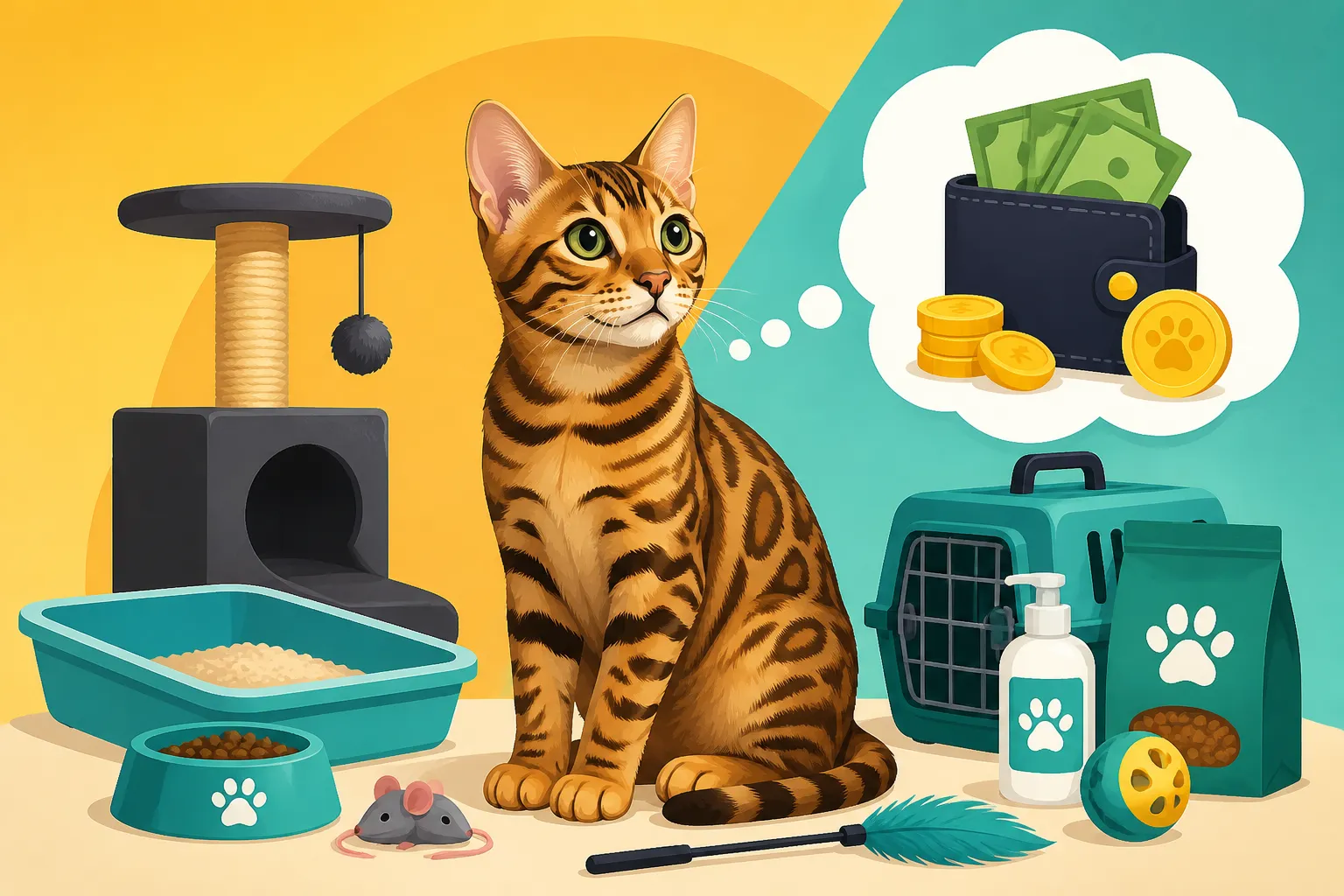
What the First Year With a Bengal Cat Costs
Bringing a Bengal cat into your home is an incredibly exciting adventure, but it’s also one that comes with a lot of questions, especially around cost. Many prospective owners get a general idea of the purchase price but can feel completely overwhelmed trying to figure out the true financial commitment for that crucial first year. This guide is here to unravel those figures, walking you through everything from the initial investment to ongoing care, so you can plan confidently and avoid any unwelcome financial surprises.
The Initial Investment: Purchase Price and Breeder-Related Expenses
The moment you decide a Bengal cat is for you, the first thing that often comes to mind is the price of the kitten itself. It's a significant upfront cost, and it's essential to understand what goes into it and why it varies so widely. This isn't just a simple transaction; it's an investment in a meticulously bred and cared-for animal.
The Sticker Shock: Understanding Bengal Kitten Prices
Let's be frank: Bengal cats are not inexpensive, and their initial purchase price is often a source of genuine concern and surprise for many potential owners. You might see prices that seem astronomical compared to a typical domestic shorthair, and it's natural to wonder why. The truth is, these costs reflect the intensive breeding programs, the careful selection of lineage, and the dedication required to produce healthy, well-socialized Bengals that truly embody the breed's unique qualities. It’s a specialized field, and the expertise comes at a price.
The price range for a Bengal kitten can be quite broad, depending on several factors. For instance, a "pet quality" kitten, which is still a fantastic, healthy Bengal, will generally be less expensive than a "show quality" or "breeder quality" kitten. Show quality Bengals have markings and conformations that meet the stringent breed standards of organizations like TICA, and their rarity and potential to win awards drive up their value. Similarly, the "generation" of the Bengal plays a huge role; early generation Bengals (F1, F2, F3) are closer to their Asian Leopard Cat ancestors and are typically far more expensive, primarily due to their rarity, specialized care needs, and breeding complexities. Understanding the F1 to F5 price ladder for a Bengal cat can give you a clearer picture of how this lineage impacts the initial cost.
Beyond quality and generation, specific aesthetics also influence the price. Highly sought-after patterns like pronounced rosettes, particularly the "donut" or "paw print" varieties, often command a premium. Rare colors, such as a crisp What a Snow Bengal Cat Costs, can also increase the initial investment. A reputable breeder pours countless hours, resources, and often significant financial capital into their breeding program. This includes everything from maintaining healthy breeding cats, ensuring proper nutrition, providing excellent veterinary care, and investing in continuous education about the breed. When you see a higher price tag, it's often a direct reflection of this dedication and the quality of care and genetics you are receiving.
It's tempting to look for a "bargain" Bengal, but this is one area where cutting corners can lead to heartbreak and much greater costs down the line. A significantly cheaper Bengal kitten might come from a "backyard breeder" who hasn't invested in health testing, proper socialization, or quality care for their breeding cats and kittens. Such kittens are far more prone to genetic health issues, behavioral problems, or parasites, which will inevitably lead to substantial veterinary bills and emotional distress. The initial purchase is a foundation; ensuring it's a solid one is paramount for your cat's health and your peace of mind.
Health Testing: What a Reputable Breeder Covers
When you're shelling out a considerable sum for a Bengal kitten, it's not just about the spots and glitter; a large part of that investment goes towards ensuring your kitten has the best possible start in life, free from preventable genetic diseases. A truly responsible breeder views health testing as a non-negotiable part of their program. They don't just hope for the best; they actively work to mitigate risks by screening their breeding cats for known genetic conditions prevalent in the Bengal breed. This proactive approach saves future owners immense heartache and exorbitant vet bills that can quickly overshadow the initial kitten price.
One of the most crucial tests a Bengal breeder undertakes is for Progressive Retinal Atrophy (PRA-b). This is a genetic eye condition specific to Bengals that can lead to blindness. Reputable breeders will DNA test their breeding stock to ensure they are not breeding carriers together, which could produce affected kittens. Understanding How the Bengal Cat PRA-b DNA Test Works highlights the scientific rigor involved. Similarly, Pyruvate Kinase Deficiency (PK Deficiency) is another genetic blood disorder that responsible breeders test for. Affected cats can suffer from anemia. Beyond DNA tests, cardiac health is paramount. Hypertrophic Cardiomyopathy (HCM) is a serious heart condition that affects many cat breeds, including Bengals. Unlike PRA-b or PK Deficiency, there isn't a reliable DNA test for HCM in Bengals, so breeders rely on regular echocardiograms (heart scans) performed by a board-certified veterinary cardiologist. A breeder should be able to show you recent, clear echo results for both parents of your kitten, as explained in Why a Bengal Cat Breeder Must Show an Echo, Not a Gene Test.
While you, as the buyer, don't directly pay for these tests out of pocket, the cost of these comprehensive screenings is inherently built into the kitten's price. Think of it as an upfront insurance policy against potentially devastating and expensive health problems. A breeder who cuts corners on health testing is essentially passing on that financial risk to you. Investing in a kitten from tested parents means you’re significantly reducing the likelihood of facing specialist veterinary consultations, lifelong medications, or difficult decisions related to inherited diseases that could cost thousands of dollars over the cat’s lifespan. It's a testament to the breeder's ethical commitment to the welfare of the breed.
In addition to genetic and cardiac screenings, most reputable breeders will include initial veterinary care in the kitten's first-year cost. This typically covers the first round of vaccinations, deworming treatments, and often a microchip registration. Many breeders will also arrange for an initial health check with their own veterinarian before the kitten goes home, providing you with a clean bill of health. This means your new arrival comes with a foundational level of preventative care already in place, further contributing to a smoother, healthier transition into your home and reducing some of your immediate veterinary expenses once they arrive.
Setting Up for Success: Essential First-Year Supplies
Once you've committed to bringing a Bengal home, the next wave of costs hits as you prepare their new environment. These aren't just arbitrary purchases; they are essential items that will ensure your Bengal's safety, comfort, and provide outlets for their incredibly active nature. Getting these right from day one can prevent a lot of headaches – and expenses – down the line.
Core Necessities: Food Bowls, Beds, and Carriers
Before your Bengal even steps a paw into your home, you'll need to have the absolute basics in place. Starting with food and water bowls, it's wise to invest in high-quality options from the get-go. Stainless steel, ceramic, or glass bowls are excellent choices because they are easy to clean and don't harbor bacteria like some plastic bowls can, which can sometimes lead to feline acne. You’ll want at least two sets: one for food and one for water, perhaps even a third for a separate water station. While these aren't extravagant purchases, opting for durable, hygienic materials means you won't be replacing them frequently, and your Bengal's health will benefit.
When it comes to beds, many first-time Bengal owners imagine their cat curled up in a plush, expensive cat bed. And while Bengals do enjoy a good snooze, their preference often leans towards vertical perches, sunny spots, or a quiet corner rather than a dedicated bed on the floor. However, having a few soft, comfortable sleeping areas around the house is still a good idea. Consider durable, washable options, perhaps a soft blanket in a favorite basket or a small pet bed placed on a window sill or a lower shelf of a cat tree. The key here is flexibility; don't overspend on one elaborate bed, as your Bengal might decide a cardboard box is infinitely superior!
A secure and comfortable cat carrier is not an optional extra; it's a non-negotiable safety item. From that very first trip home from the breeder to countless vet visits, and potentially travel, your Bengal will spend a fair amount of time in their carrier during the first year. Look for a carrier that is sturdy, well-ventilated, and easy to clean. Many owners prefer top-loading carriers, as they make it significantly easier to get a reluctant cat inside without a wrestling match. While soft-sided carriers can be appealing, a hard-sided carrier generally offers more protection and stability, which is especially important for spirited Bengals.
These core necessities represent your first wave of equipment costs. While they might seem minor individually, they quickly add up. The benefit of choosing quality items from the start is that they are primarily one-off purchases that will last for many years, eliminating the need for frequent replacements. Investing in good quality, hygienic items also contributes to your Bengal's overall health and comfort, laying a solid foundation for their first year and beyond.
Litter Box Setup: More Than Just a Box
If there's one area where Bengal cats truly defy the "standard cat" mold, it's often in their litter box habits. These energetic felines are known for their enthusiastic digging, and if you're not prepared, you'll find litter scattered far and wide across your floors. The simple, small litter boxes commonly sold for domestic cats are often completely inadequate for a Bengal, who needs ample space to perform their rituals. Investing in the right litter box setup from day one will save you countless hours of cleaning and reduce frustration for both you and your cat.
The number one rule for a Bengal's litter box is size. They need a large, spacious box that allows them to turn around comfortably and dig without feeling cramped. Many experienced Bengal owners opt for extra-large litter pans, storage totes, or even commercial-sized tubs rather than traditional litter boxes. A high-sided box is also crucial to contain the prodigious amounts of litter that can be flung during an energetic digging session. Some creative owners even build custom enclosures or use modifications to ensure the walls are high enough. To get an idea of what works, you might find tips in Which Litter Box Survives a Bengal Cat. Remember the general rule of thumb: one litter box per cat, plus one extra, strategically placed in quiet, accessible areas.
Beyond the box itself, you'll want to think about what goes around it. A good quality litter mat is not an optional accessory; it's a necessity. These mats are designed to catch litter from your Bengal's paws as they exit the box, significantly reducing tracking throughout your home. Some mats have deep grooves or textured surfaces that are particularly effective. While it's an additional cost upfront, it pays for itself quickly in reduced cleaning effort and a tidier home. You might even consider placing a small rug or old towel under the mat for extra protection against spills or "overshoots" from high-digging cats.
Finally, there's the initial purchase of the litter itself. Your breeder may recommend a specific type of litter that your kitten is already accustomed to, which can help ease their transition. However, you might want to experiment with different types—clumping clay, silica gel, or various natural litters like pine or corn—to see what your Bengal prefers and what works best for your household in terms of odor control and tracking. Buying a few different types in smaller quantities initially, if possible, can help you find the perfect match without wasting money on a large bag your cat refuses to use. This entire setup, from the oversized boxes to the effective mats and the initial bags of litter, forms a significant portion of your first-year expenses but is vital for a harmonious home with a Bengal.
Veterinary Care: Keeping Your Bengal Healthy in Year One
One of the most substantial financial commitments in your Bengal's first year, after the initial purchase, will undoubtedly be veterinary care. This isn't just about reacting to illness; it's about proactive health management, ensuring your active companion stays in peak condition. Budgeting for these essential vet visits is paramount, and understanding what to expect will help you prepare.
Initial Examinations and Vaccinations
The first few weeks after bringing your Bengal kitten home are a flurry of excitement, but they should also include a critical visit to your chosen veterinarian. This initial "well-kitten" exam is essential for establishing a baseline of health and getting your kitten settled with a local vet. Even if your breeder provided a health certificate, a new vet will want to perform their own thorough check-up, review all documentation, and ensure your kitten is thriving. This visit often includes a comprehensive physical examination, checking their eyes, ears, teeth, heart, lungs, and overall body condition, giving you peace of mind that your new family member is indeed healthy.
Following the initial exam, your kitten will need a series of vaccinations to protect them from common feline diseases. Most kittens receive their first round of shots with the breeder, but you will likely be responsible for completing the series. This typically includes multiple doses of the FVRCP vaccine (Feline Viral Rhinotracheitis, Calicivirus, and Panleukopenia) given several weeks apart, as well as a rabies vaccination. Depending on your Bengal's lifestyle and your local area, your vet might also recommend the Feline Leukemia Virus (FeLV) vaccine, particularly if there's any chance of outdoor exposure, even supervised. Each of these vaccine appointments will incur a consultation fee plus the cost of the vaccine itself.
Beyond vaccinations, your vet will likely recommend deworming treatments, even if the breeder already started the process. Kittens are highly susceptible to internal parasites, and a course of dewormer is a standard part of their early care. A fecal test is also highly advisable, especially for Bengal kittens who can be prone to specific gastrointestinal issues. This test helps identify any lingering parasites like Giardia or Tritrichomonas. Knowing How a Vet Tests a Bengal Cat for Tritrichomonas can help you understand the diagnostic process and why it's so important to rule out these potential causes of chronic diarrhea. Catching and treating these early prevents long-term health problems and discomfort for your kitten.
Lastly, during these early visits, your vet will discuss preventative measures such as flea, tick, and heartworm medication. These are typically monthly treatments, and while they represent an ongoing cost, they are crucial for protecting your Bengal from common parasites and vector-borne diseases. The cumulative cost of these initial vet visits, vaccinations, deworming, and preventative medications forms a significant portion of your first-year budget, usually spread out over the first three to six months. It’s a necessary investment to safeguard your Bengal's health and ensure they grow into a robust and happy adult.
Spaying or Neutering: A Crucial Procedure
One of the most significant and often anticipated veterinary expenses in your Bengal's first year is the cost of spaying or neutering. Unless you purchased a Bengal specifically for breeding purposes (which typically involves a different contract and a much higher price tag), this procedure is a fundamental part of responsible pet ownership. It's not just about preventing unwanted litters; spaying or neutering offers a multitude of health and behavioral benefits that contribute to a happier, healthier Bengal and a more harmonious home environment.
For female Bengal cats, spaying (ovariohysterectomy) removes the ovaries and uterus, eliminating the risk of uterine infections (pyometra), ovarian cysts, and mammary cancer, which can be life-threatening. It also prevents the heat cycles, which can be incredibly vocal and messy for an intact queen. For male Bengal cats, neutering (castration) removes the testicles, which significantly reduces spraying behavior, marking territory, and the strong urge to roam in search of a mate. Neutered males are also less likely to develop testicular cancer and some prostate problems. These behavioral improvements alone are often enough for owners to prioritize the procedure, as Bengal males can be particularly prone to demanding and territorial behaviors if left intact.
The typical age for spaying or neutering a Bengal cat is usually between five and six months of age, though some vets and breeders may recommend it earlier or slightly later. The cost of the procedure can vary widely based on your geographic location, the veterinary clinic, and whether there are any complications (such as a cryptorchid male, where one or both testicles haven't descended). Generally, the cost will include the surgery itself, anesthesia, pain medication, and sometimes a post-operative check-up. Many clinics will also offer pre-anesthetic bloodwork as an optional but highly recommended extra; this helps ensure your Bengal is healthy enough for anesthesia and can flag any underlying issues.
Some reputable Bengal breeders will either spay or neuter kittens before they go to their new homes or include a spay/neuter clause in their contract, often offering a partial refund or rebate upon proof of the procedure from your veterinarian. This can sometimes alleviate some of the immediate financial burden for the buyer. However, it's crucial to budget specifically for this procedure if it's not included in your kitten's purchase price. While it’s a single cost, it's a substantial one, typically ranging from a few hundred dollars to potentially more, depending on the factors mentioned. This vital surgical intervention marks a significant step in your Bengal's first year of care, ensuring their long-term health and well-being.
Unexpected Health Concerns: The Cost of the Unforeseen
Even with the most reputable breeder, meticulous health testing, and diligent preventative care, life with a Bengal cat, like any pet, can throw you a curveball in the form of unexpected illness or injury. These unforeseen health concerns can quickly become the most significant and distressing financial burden in your Bengal’s first year, potentially escalating from minor concerns to emergency situations costing thousands of dollars. It's a harsh reality that every pet owner must prepare for, especially with active, curious Bengals who sometimes find themselves in predicaments.
Consider a common scenario: your lively Bengal kitten, in its boundless curiosity, decides to chew on something it shouldn't, leading to an upset stomach or worse, a foreign body ingestion. What starts as a simple observation quickly turns into a vet visit, potentially X-rays, medication, or even emergency surgery if the object causes an obstruction. Or perhaps your Bengal, despite all precautions, develops a sudden and persistent bout of diarrhea. While some cases resolve quickly, chronic issues or those caused by resilient parasites like Tritrichomonas or Giardia can require multiple vet visits, diagnostic tests (like fecal panels), and expensive medications. The cost of What Treating a Bengal Cat's Chronic Diarrhea Costs can add up quickly, especially if special diets or long-term treatments are needed.
The reality is that veterinary care, particularly emergency care or specialist treatments, is expensive. A late-night emergency visit for vomiting might be hundreds of dollars just for the exam and basic diagnostics. If surgery is required, for an orthopedic injury from a jump gone wrong or an internal issue, you could be looking at costs in the thousands. These are the moments when a carefully planned budget for routine care can be completely blown out of the water. The shock isn't just emotional; it's financial, and without a safety net, owners can face incredibly difficult decisions.
This is precisely why planning for the unforeseen is not just a recommendation; it's a necessity for Bengal cat owners. Whether you opt for pet insurance, which we'll discuss shortly, or commit to building a dedicated emergency fund, having resources set aside for these situations is critical. It allows you to make decisions based on what’s best for your cat’s health rather than solely on your immediate financial capacity. Ignoring this potential cost is a gamble that rarely pays off in the long run and can lead to immense stress during an already difficult time.
Fueling the Feline Dynamo: Food and Nutrition Costs
Bengal cats are not your average couch potatoes; they are sleek, muscular athletes with energy levels that demand a specific nutritional profile. The food you choose for your Bengal will be one of the most significant and consistent ongoing costs in their first year, and indeed, throughout their life. Skimping here can lead to health problems and behavioral issues down the line, so understanding this expense is crucial.
High-Quality Diet: Why It Matters for Bengals
The dietary needs of a Bengal cat are directly linked to their lineage and their incredibly active lifestyle. Descended from the Asian Leopard Cat, they thrive on a diet rich in animal protein, mimicking what their wild ancestors would consume. This isn't just a marketing gimmick; a high-protein, meat-based diet provides the necessary fuel for their boundless energy, supports their lean muscle mass, and contributes to their overall vitality. When looking at food, you'll want to see real meat as the first ingredient, not grains or fillers.
Choosing a high-quality diet for your Bengal typically means a higher price point than generic cat foods found at your local grocery store. These premium foods invest in better ingredients, often sourcing human-grade meats and avoiding common allergens or unnecessary additives. While the upfront cost per bag or can might seem higher, the nutritional density often means your cat gets more goodness from smaller portions, and crucially, fewer trips to the vet for diet-related issues. The argument for feeding a premium diet isn't just about preventing illness; it's about optimizing health, giving your Bengal the best chance to thrive.
You have several options when it comes to feeding your Bengal, each with its own cost implications. High-quality dry kibble, typically formulated with a high protein content, can be a convenient and cost-effective choice. However, many Bengal owners supplement or primarily feed wet food, which provides essential hydration often lacking in an exclusively dry diet. Wet food can be more expensive, but its benefits for feline urinary and kidney health are well-documented. Some owners even delve into raw feeding, aiming to replicate a wholly natural diet. While some advocate Whether a Raw Diet Suits a Bengal Cat's Gut, this is often the most expensive and time-consuming option, requiring careful research and preparation to ensure it's nutritionally complete and safe.
Regardless of the specific format, the emphasis remains on quality. A well-nourished Bengal is less prone to chronic health issues that can rack up vet bills. Investing in superior nutrition during their critical first year helps build a strong foundation for a long, healthy life. It’s a proactive expenditure that can save you considerably in reactionary medical treatments later on. Therefore, when budgeting for your Bengal, allocate a significant portion to their food, recognizing it as one of the most impactful daily choices you'll make for their well-being.
Treats and Supplements: The Extras
Beyond their regular meals, Bengal cats often benefit from treats and sometimes specific supplements, all of which add to your first-year nutritional costs. Treats aren't just for spoiling; they are invaluable tools for training and enrichment for these highly intelligent felines. Given a Bengal's cleverness and ability to learn tricks, treats can become a significant part of their daily routine and, consequently, your budget.
When selecting treats, quality matters just as much as with their regular food. High-value, meat-based treats, often freeze-dried or in small, palatable pieces, are excellent for positive reinforcement during clicker training sessions. Bengals respond very well to reward-based training, and a good supply of these treats will be essential as you teach them commands like sit, stay, or even more complex tricks. Dental treats can also be a good addition to help maintain oral hygiene, though they should never replace regular dental care. Be mindful of portion sizes to avoid overfeeding, as even active Bengals can gain too much weight if treats are given indiscriminately.
In some cases, your Bengal might benefit from dietary supplements, especially if they have a sensitive stomach, which is not uncommon for the breed. Probiotics, for example, can be very helpful in maintaining a healthy gut microbiome, particularly during periods of stress, diet changes, or after antibiotic treatment. Many owners wonder Whether Probiotics Help a Bengal Cat, and often, the answer is yes, particularly when dealing with intermittent loose stools. Other supplements might include omega fatty acids for coat health or joint support as they age, though these are less common in the first year. These supplements are an additional ongoing expense, and it’s always best to consult with your veterinarian before introducing any new supplement to ensure it's appropriate for your cat's specific needs.
To manage these ongoing food and treat expenses, many owners find value in utilizing subscription services or online retailers. Services like Chewy often offer auto-ship options with discounts, ensuring you never run out of your Bengal’s favorite food or treats. While these services have their own costs, the convenience and potential savings on bulk purchases or subscription models can often offset the individual item prices. Factor in these “extras” when calculating your first-year budget, as they contribute significantly to your Bengal's well-being and your ability to engage with them.
Keeping Minds and Bodies Active: Enrichment and Entertainment
The Bengal cat is truly in a league of its own when it comes to energy and intelligence. These aren't cats content to merely snooze on the sofa all day. Their innate curiosity and athleticism demand constant mental and physical stimulation. Investing in appropriate enrichment and entertainment is not a luxury; it's an absolute necessity for their well-being and for preventing destructive behaviors born out of boredom.
Vertical Space: Cat Trees and Shelving
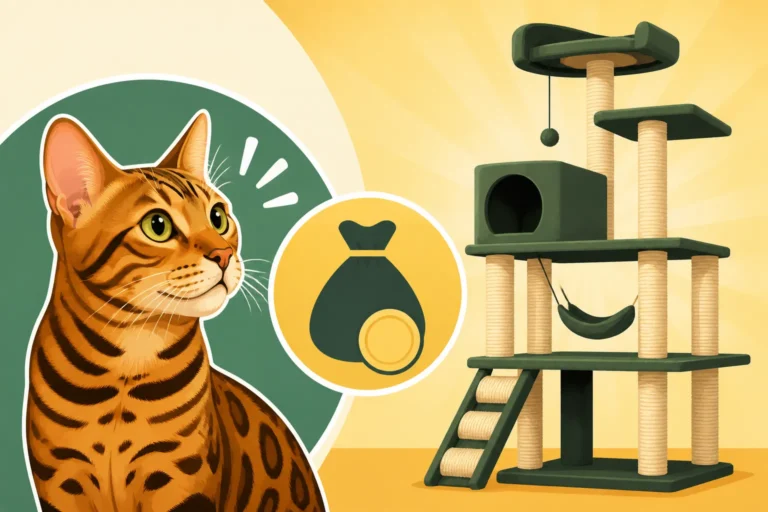
One of the first things you'll learn about Bengal cats is their profound love for climbing and exploring heights. Providing ample vertical space is paramount for their physical and mental health. A tall, sturdy cat tree isn't just furniture; it's a multi-level playground, a lookout perch, and a safe retreat all rolled into one. Unlike many domestic cats that might be satisfied with a small, carpeted tower, Bengals need something substantial that can withstand their vigorous climbing, jumping, and wrestling. Investing in a high-quality cat tree that can handle their athletic prowess is crucial. You'll want to consider Which Cat Tree a Bengal Cat Needs to ensure it's tall enough, stable enough, and offers a variety of textures for scratching and climbing.
The cost of a truly robust cat tree can be surprisingly high, often ranging from hundreds of dollars for a substantial, multi-level unit. It’s tempting to opt for cheaper, flimsier models, but these will quickly be demolished or deemed unstable by a Bengal, leading to repeat purchases and frustration. Look for models with solid wood construction, thick scratching posts (preferably sisal), and securely attached platforms. Think of it as an investment in preventing your Bengal from scaling your curtains or tearing up your furniture due to a lack of appropriate climbing outlets.
Beyond traditional cat trees, wall-mounted shelving systems and cat "superhighways" are another fantastic way to provide enriching vertical territory. These can be custom-built or purchased as modular kits, allowing you to create elevated pathways, perches, and hammocks along your walls. Bengals adore having high vantage points from which to survey their kingdom, and these installations offer both physical challenge and mental stimulation. While the initial setup cost can be considerable, especially if you're hiring someone for installation or buying multiple modules, it provides an invaluable outlet for their natural climbing instincts.
These vertical structures represent a significant upfront cost in your Bengal's first year, but their importance cannot be overstated. A Bengal with insufficient climbing opportunities is a bored Bengal, and a bored Bengal is a destructive Bengal. By providing these essential elements, you're not only fostering their natural behaviors but also safeguarding your home from potential damage, making these investments truly worthwhile for a harmonious coexistence.
Exercise Wheels and Catios: Big Ticket Items
For a cat breed renowned for its endless energy, traditional play sometimes isn't enough. Many Bengal owners find themselves exploring more significant investments in exercise and outdoor enrichment, and two popular options are exercise wheels and catios. These are typically "big ticket" items that can significantly impact your first-year budget, but for the right Bengal and owner, they can be transformative.
An exercise wheel, often resembling a large hamster wheel, is specifically designed for cats to run on. For a Bengal, this isn't a novelty; it's a serious workout tool. Many Bengals take to them naturally, expending incredible amounts of energy, particularly when you might not have the time or space for an extended play session. The cost of a good quality cat wheel, especially one that is sturdy, quiet, and large enough for a muscular Bengal to run comfortably, can be substantial, often ranging into several hundred dollars. However, for a cat that consistently seems to have energy to burn, it can be an invaluable addition, preventing destructive behaviors fueled by pent-up energy.
Catios, or secure outdoor cat enclosures, are another substantial investment that many Bengal owners consider, especially if they want their cat to experience the outdoors safely. Bengals are highly intelligent and agile, making it nearly impossible to keep them contained in a traditional yard without supervision, and free-roaming outdoors poses numerous risks. A catio allows them to enjoy fresh air, sunshine, and natural stimulation without the dangers of traffic, predators, or getting lost. As highlighted in Why a Catio Is the Answer to a Bengal Cat, these structures provide a vital bridge between their wild instincts and domestic safety. The cost of a catio varies dramatically depending on its size, materials, and whether you build it yourself, hire a contractor, or buy a pre-fabricated kit. Prices can range from a few hundred dollars for a small, basic window enclosure to several thousands for a large, elaborate custom-built structure.
While exercise wheels and catios are significant financial outlays, they represent a conscious choice to cater to the unique needs of the Bengal breed. They are not merely accessories but tools that can profoundly enhance your Bengal's quality of life, provide critical enrichment, and even save your sanity by channeling their energy constructively. For many owners, the benefits of seeing their Bengal happy, stimulated, and safely exercising justify the substantial first-year investment in these specialized items.
Toys and Puzzle Feeders: The Ever-Changing Repertoire
Bengal cats are not known for their gentle play or their long-term attachment to a single toy. Their powerful jaws, sharp claws, and intense focus mean that many conventional cat toys simply don't stand a chance. As a Bengal owner, you'll quickly learn that a steady supply of engaging, durable, and frequently rotated toys is crucial for keeping their minds stimulated and their predatory instincts satisfied. This means a recurring cost for toys that often needs to be factored into your first-year budget.
You'll find yourself investing in a variety of interactive toys. Wand toys with sturdy handles and changeable lures are a must for engaging in active "hunt" play, allowing your Bengal to stalk, pounce, and "kill" their prey. However, be prepared for lures to be shredded and wands to snap over time. Laser pointers can offer endless chasing fun, but it's vital to end laser sessions with a physical toy to "catch" to prevent frustration. Small, durable toys that can be batted, carried, and "killed" are also popular, though many will eventually fall victim to your Bengal's enthusiastic play style. The key is variety and rotation to keep things interesting; a bored Bengal will invent its own (often destructive) games, using your furniture or belongings as substitutes.
Puzzle feeders are another excellent investment for a Bengal cat. These intelligent felines thrive on mental challenges, and puzzle feeders force them to "work" for their food, slowing down eating and providing crucial mental stimulation. There are various types, from simple treat balls to complex multi-stage puzzles. You might find that your Bengal quickly masters one, requiring you to purchase new, more challenging ones. This can become an ongoing cost as you seek to keep pace with their intellect. A Bengal that is mentally stimulated through puzzle feeders is less likely to become bored and resort to mischief like opening cabinets, raiding your pantry, or counter surfing.
The ongoing cost of toys might seem minor on a per-item basis, but when you factor in the need for durability, variety, and frequent replacement, it can add up significantly over the first year. It’s a necessary expense because appropriate toys and mental enrichment are vital for preventing frustration, anxiety, and destructive behaviors in a breed as active and clever as the Bengal. Planning for a consistent budget for toys and puzzle feeders is just as important as budgeting for food and vet care when bringing a Bengal cat into your home.
Ongoing Essentials: Litter, Grooming, and Routine Care
While the initial setup and big-ticket items grab a lot of attention, it's the day-to-day, recurring expenses that truly define the long-term cost of Bengal cat ownership. These essentials, though often overlooked in initial budgeting, are non-negotiable for maintaining your cat's health, hygiene, and overall happiness.
Litter: Quantity and Quality
As we touched on with litter box setup, Bengal cats are enthusiastic diggers and require a lot of space. This translates directly into a higher consumption of litter compared to a smaller, less energetic cat. Over the course of the first year, the monthly cost of litter can become a significant recurring expense that many new owners underestimate. Choosing the right litter involves balancing cost, effectiveness, and your Bengal's preferences.
You'll find a vast array of litter types on the market, each with its own price point and characteristics. Clumping clay litter is popular for its ease of scooping and odor control, but it can be heavier and create more dust. Silica gel litters are excellent for odor absorption and last longer, but they tend to be more expensive per bag. Natural alternatives, such as pine, corn, or wheat litters, are often lauded for being eco-friendly and flushable, though their odor control and clumping ability can vary. Your Bengal might have a strong preference, or you might need to experiment to find what works best for containing their energetic digging and managing odors effectively in your home.
Because Bengals use (and often scatter) more litter, you’ll be buying it more frequently. This means budgeting for at least one large bag, or often two, per month. The monthly cost will quickly add up to a substantial yearly sum. To help manage this, some owners buy in bulk from online retailers like Chewy, which can sometimes offer slight discounts or free shipping. However, even with cost-saving measures, litter remains a consistent and necessary expenditure.
A well-maintained litter box with ample, fresh litter is critical not only for your Bengal's hygiene and comfort but also for preventing inappropriate urination outside the box. A Bengal that finds its litter box unappealing due to lack of space or dirty litter may seek other, less desirable places to relieve itself, leading to costly cleaning and damage. Therefore, investing consistently in quality litter, and enough of it, is a key part of ensuring a clean home and a happy, well-adjusted Bengal throughout their first year and beyond.
Grooming Supplies: Minimal but Necessary
One of the pleasant surprises for many Bengal cat owners is how little grooming their coats actually require. Unlike many long-haired breeds, Bengals have a short, dense pelt that is exceptionally low-shedding and generally self-maintaining. As highlighted in A Bengal Cat Needs Almost No Grooming, you won't be spending hours brushing out mats or dealing with excessive fur. However, "minimal" does not mean "non-existent," and there are still a few essential grooming supplies you'll need to purchase in the first year.
The primary grooming tool you'll need is a good pair of nail clippers. Bengal cats, with their active lifestyles and strong predatory instincts, have incredibly fast-growing, sharp claws. Regular nail trims are essential to prevent them from getting too long, causing discomfort, getting snagged, or damaging furniture. You'll want sturdy, sharp clippers designed for cats. While some Bengals might tolerate nail trims with patience and positive reinforcement, others might put up more of a fight, making a high-quality, easy-to-use clipper invaluable. This is a one-time purchase, but the practice of regular trimming is an ongoing commitment.
Beyond nail care, dental hygiene is another crucial, often overlooked, aspect of routine care. Just like humans, cats can develop dental disease, which can lead to pain, infection, and expensive veterinary procedures down the line. Starting a routine of brushing your Bengal's teeth early in their first year can make a huge difference. You'll need a cat-specific toothbrush (often a finger brush or a very small, soft-bristled brush) and cat-friendly toothpaste (never use human toothpaste, as it can be toxic). While it might take some patience and persistence, regular brushing is one of the best preventative measures against future dental problems.
While less frequent, you might also want to have a soft brush or grooming glove on hand. While not strictly necessary for shedding, some Bengals enjoy the sensation of being brushed, and it can be a nice bonding activity. It also helps distribute their natural oils, keeping their coat shiny. Ear cleaner for cats might also be useful for occasional maintenance, especially if your Bengal enjoys playing in water or exploring dusty areas, though Bengals generally have clean ears. These grooming supplies, while not a huge financial burden in the first year, are vital tools for their overall health and cleanliness and should be factored into your initial setup costs.
Protecting Your Investment: Insurance and Emergency Funds
Beyond the routine costs, one of the biggest financial anxieties for any pet owner is the specter of unexpected illness or injury. A Bengal cat's active nature, combined with their potential for certain breed-specific health issues, means that a plan for emergencies is not just smart—it's essential. This usually comes down to two main strategies: pet insurance or a dedicated emergency fund.
Pet Insurance: Peace of Mind for the Unexpected
Pet insurance is designed to mitigate the financial shock of unforeseen veterinary expenses, such as accidents, sudden illnesses, or chronic conditions. For a Bengal cat, whose vet bills can quickly escalate given their unique needs and potential health predispositions like HCM or chronic diarrhea, insurance can provide invaluable peace of mind. It’s a way to ensure that if a major health crisis occurs in that crucial first year (or any year thereafter), you can focus on your cat's recovery rather than being paralyzed by the cost.
Understanding how pet insurance works is key. You typically pay a monthly or annual premium, and in return, the insurance company reimburses you a percentage of eligible veterinary costs after you’ve met a deductible. Plans vary widely: some cover accidents and illnesses only, while others offer more comprehensive coverage that can include wellness add-ons for routine care (though these are often more expensive and don't always pay off). When researching, pay close attention to the deductible amount (how much you pay out-of-pocket before coverage kicks in), the reimbursement percentage (e.g., 70%, 80%, 90%), and the annual maximum payout. Carriers like Healthy Paws are well-known in the pet insurance space and offer various options for comprehensive coverage.
While pet insurance represents an ongoing monthly cost from day one, it can truly save you thousands in a crisis. Imagine your Bengal ingests a foreign object, requiring emergency surgery. Without insurance, that bill could easily be in the thousands. With insurance, after your deductible, you could be reimbursed a significant portion, making the difference between immediate life-saving care and agonizing financial decisions. It's a way to spread the risk and protect your budget from catastrophic veterinary expenses that are, unfortunately, not uncommon in the first year of a curious kitten's life.
It's important to read the fine print: most pet insurance policies do not cover pre-existing conditions, so it's best to enroll your Bengal when they are young and healthy. Some plans might have waiting periods before certain coverages kick in. While routine preventative care (like vaccinations or annual check-ups) is often not covered by accident/illness plans, the core benefit lies in covering the big, unexpected costs. For many Bengal owners, the peace of mind knowing they can afford the best care for their beloved pet makes the monthly premium a worthwhile investment in their first year and beyond.
The Emergency Fund: A Self-Insured Alternative
For some Bengal cat owners, pet insurance doesn't quite fit their financial philosophy or budget. In such cases, establishing a dedicated emergency fund specifically for your cat's health needs is an absolutely critical alternative to pet insurance. This approach means you are essentially "self-insuring" against unforeseen veterinary expenses, requiring discipline and foresight to ensure funds are readily available when a crisis strikes.
The concept is straightforward: you set aside a specific amount of money, typically in a separate savings account, to cover potential large vet bills. The amount you aim for should be substantial, reflecting the high cost of emergency care. Many financial advisors suggest having anywhere from a few thousand dollars to upwards of $5,000 to $10,000 saved, specifically for pet emergencies. This target can feel daunting in your Bengal's first year, but even starting with a smaller, achievable goal and consistently contributing to it is better than having no fund at all. The key is to build it up as quickly as possible, particularly in the kitten stage where curiosity can lead to accidents.
The primary advantage of an emergency fund is that you retain control over your money. If your Bengal remains healthy, that money is still yours, growing with interest, whereas pet insurance premiums are payments for a service you may or may not use. There are no deductibles, no reimbursement percentages, and no claim denials for obscure reasons. When a bill comes, the money is simply there, allowing for immediate payment and reducing financial stress. However, the downside is that if a major emergency happens early in your Bengal's life, before you've had a chance to build up a substantial fund, you could find yourself in a very difficult financial predicament.
Ultimately, whether you choose pet insurance or an emergency fund, having some financial plan in place for your Bengal's health emergencies is non-negotiable. Bengal cats are active and can be prone to specific health issues, making their veterinary care potentially expensive. The first year is a critical period for health development and potential accidents as they explore their new world. Without a safety net, you risk being unable to provide essential, potentially life-saving treatment when your beloved companion needs it most. Planning for this will protect both your Bengal and your wallet.
Beyond the Basics: Hidden and Miscellaneous Costs
Once you've factored in the kitten's price, initial setup, vet care, food, and enrichment, you might think you've covered all your bases. However, there are several less obvious, or "hidden," costs that can add up significantly during your Bengal's first year, impacting your overall budget. These often relate to travel, temporary care, or simply the natural wear and tear that comes with living with an incredibly active and intelligent cat.
Pet Sitting and Boarding: When You Travel
Life happens, and sometimes you need to travel, whether for work or pleasure. When you own a Bengal cat, arranging for their care while you're away is not as simple as asking a neighbor to drop in once a day. Bengal cats are known for their high energy, demand for interaction, and sometimes specific care routines, making them a unique challenge for pet sitters or boarding facilities. This specialized care often comes at a higher price, adding to your first-year expenses if you plan on traveling.
Finding a qualified pet sitter who is experienced with active, intelligent breeds like Bengals is crucial. You'll want someone who understands their need for play, mental stimulation, and consistent routines. A drop-in visit twice a day might suffice for some cats, but a Bengal might require longer, more engaging sessions or even an overnight sitter. The cost for pet sitting varies widely by location and the level of service, but it can quickly add up, especially for longer trips. You might discover that Why Boarding a Bengal Cat Costs More is largely due to their unique needs, such as secure enclosures and specialized enrichment programs often required in dedicated facilities.
Alternatively, boarding facilities can be an option, but again, you'll need to find one that is comfortable and equipped to handle a Bengal. Some standard kennels might not be suitable for their high energy or climbing abilities, and a stressed Bengal can exhibit destructive behaviors. Specialized catteries or those experienced with active breeds might offer more appropriate accommodations, but these generally come with a premium price tag. The cost of boarding your Bengal for a week can easily run into hundreds of dollars, making even a few trips in the first year a significant expense.
It's wise to research and budget for these pet care services even if you don't have immediate travel plans. Knowing the costs upfront allows you to make informed decisions about your travel frequency and duration. Many owners use their Bengal's first year to establish routines and build trust with a sitter, which means planning for these initial engagements. Don't underestimate this category; neglecting proper care for your Bengal while you're away can lead to stress for your cat, damage to your home, and an unpleasant return.
Damage Control: When a Bengal Is Just Being a Bengal
Living with a Bengal cat means accepting a certain level of delightful chaos. Their incredible intelligence, athleticism, and endless curiosity often manifest in ways that can, unfortunately, be destructive to your home. While proper enrichment and training can mitigate much of this, some "damage" is almost an inevitable part of owning a Bengal, and these unexpected costs need to be quietly factored into your first-year budget. It's less about prevention and more about preparedness for when a Bengal is just being a Bengal.
Imagine your Bengal, with its powerful leaps and boundless energy, mistaking your curtains for a new climbing wall, or deciding that the corner of your expensive sofa makes an excellent scratching post, despite having numerous alternatives. You might find yourself researching How to Save a Sofa From a Bengal Cat or investing in specialized furniture protectors. Their innate problem-solving skills mean they're adept at opening cabinets, drawers, and even doors. You might need to invest in child-proof locks or find creative ways to secure areas, as discussed in How to Cat Proof Cabinets From a Bengal Cat, to prevent them from getting into forbidden zones or dangerous items.
Beyond direct damage, there’s the general wear and tear that comes from a constantly active animal. Carpets might show more wear in popular play zones, blinds might get bent, and fragile decorations might become targets. Bengals are notorious for knocking things off shelves or counters, often just for the sheer fun of watching them fall. While these aren't always catastrophic, the cumulative cost of replacing small items, repairing minor damages, or deep cleaning can add up. It’s a subtle drain on your finances that often goes unbudgeted.
The key here is realistic expectation and a bit of a "damage control" fund. While you can invest in durable pet-friendly furniture and implement deterrents, a Bengal will eventually find a way to express their natural instincts. This isn't a reflection of bad ownership; it's simply the nature of the breed. Setting aside a small contingency fund for these minor repairs or replacements can prevent frustration and ensure you don't feel constantly embattled by your lively companion. It's part of the unique financial commitment of welcoming such a wild-hearted domestic cat into your home.
First-Year Bengal Cat Cost Summary
Bringing a Bengal cat into your life is a deeply rewarding experience, but as this guide illustrates, it comes with a substantial financial commitment, especially in that foundational first year. Understanding where your money will go helps you budget wisely and ensures you can provide the best possible care for your energetic companion.
Here’s a summary of the typical costs you might encounter:
| Category | Description | Estimated Cost Range (First Year) |
|---|---|---|
| Initial Purchase | Bengal kitten price from a reputable breeder (health tested, initial shots) | $1,500 – $3,500+ |
| Initial Setup | Bowls, beds, carrier, large litter boxes, litter mats, scratching posts | $300 – $800 |
| Vet Care (Routine) | First vet exam, remaining kitten shots, deworming, spay/neuter | $400 – $900 |
| Vet Care (Preventative) | Monthly flea/tick/heartworm meds for 12 months | $120 – $300 |
| Food & Treats | High-quality dry/wet food, training treats, optional supplements | $400 – $800 |
| Enrichment | Tall cat tree, various toys, puzzle feeders, replacement toys | $250 – $1,000+ |
| Litter (Ongoing) | Monthly litter supply for 12 months | $200 – $400 |
| Grooming Supplies | Nail clippers, toothbrush, toothpaste, brush | $50 – $100 |
| Pet Insurance/Emergency Fund | Monthly premiums (12 months) OR initial savings for emergency fund | $200 – $800 (insurance) or $1,000-$5,000+ (fund) |
| Miscellaneous | Pet sitting/boarding, unexpected minor damages, cleaning supplies | $100 – $500+ |
| Estimated TOTAL | $3,520 – $9,200+ |
Please remember these are estimated ranges. Actual costs will vary significantly based on your location, chosen products, specific veterinary needs of your cat, and your lifestyle choices.
This table highlights that while the initial purchase price is substantial, it’s far from the only cost you’ll incur. The ongoing expenses for food, litter, and preventative care, coupled with the critical need for enrichment and a safety net for unexpected health issues, quickly add up. Being fully aware of these figures allows you to approach Bengal cat ownership with a clear financial picture, ensuring you're prepared to provide a lifetime of love and top-notch care for your magnificent companion.
Disclaimer
This article is for general informational purposes only and does not constitute professional advice. Laws, prices and regulations vary by location and change over time. Consult a qualified professional for guidance on your specific situation.