The Bengal Cat Is the Most Active Cat You Can Own
If you're considering bringing a Bengal cat into your life, or you already share your home with one and find yourself constantly surprised by their boundless energy, you're not alone. Many new Bengal owners quickly realize that these aren't your average couch-potato felines. In fact, many of us veteran Bengal enthusiasts will tell you the Bengal cat is the most active cat you can own, bar none. This isn't just a quirky trait; it's a fundamental aspect of their being, woven into their very DNA. This comprehensive guide will explore the depths of a Bengal's activity levels, helping you understand why they're so energetic, what that looks like in daily life, and how you can successfully channel their incredible drive.
Understanding the Bengal Cat's Primal Energy
Before we dive into the day-to-day antics, it's crucial to grasp why Bengal cats are such bundles of kinetic energy. Their story begins in the wild, which explains so much about their seemingly endless zest for life.
The Wild Ancestry of Relentless Activity
The Bengal cat breed owes its distinctive look and, crucially, its spirited temperament to its wild ancestor: the Asian Leopard Cat (ALC). These small, elusive wild felines are built for survival in diverse, often challenging, environments. They are expert hunters, climbers, and explorers, constantly on the move, stalking prey, navigating complex terrains, and marking their territory. Every fiber of their being is geared towards high-intensity, short-burst activities interspersed with periods of watchful alertness.
When the domestic cat was first crossed with the ALC, these primal instincts were carried over. Even after generations of breeding back to domestic cats to create the F4 (and subsequent) SBT Bengal cats we know today, that ancestral blueprint for activity remains incredibly strong. Your Bengal isn't just playing; it's performing a scaled-down version of its wild ancestor's daily quest for survival. This means they possess an innate drive to run, jump, pounce, and investigate with a vigor that can leave even the most dedicated cat owner feeling a little breathless. It’s not a phase; it's who they are.
Beyond Just "High Energy" – It's a Lifestyle
It's easy to say a cat is "high energy," but with a Bengal, it's truly a different category. Many domestic breeds can have bursts of energy, playing enthusiastically for a bit before curling up for an extended nap. A Bengal's energy, however, is often sustained, demanding, and multifaceted. It's not just about physical exertion; it's also about intense mental engagement. They don't just run; they sprint. They don't just climb; they scale. They don't just bat at a toy; they strategize, stalk, and execute a "kill."
This isn't a cat that's content to merely watch the world go by from a windowsill for hours on end. Their minds are constantly whirring, seeking out new stimuli, new challenges, and new "prey" to conquer. This translates into a cat that needs not only ample opportunities to burn off physical steam but also a steady diet of intellectual puzzles and interactive play to keep their brilliant, busy brains from getting bored. For a Bengal, activity isn't a pastime; it's their entire mode of operation, a lifestyle they embrace with every fiber of their wild-looking, domestic heart.
The Daily Rhythm of a Bengal Cat's Activity
Understanding the sheer volume of a Bengal's energy is one thing, but seeing how it plays out over a typical day can be a whole other experience. Their schedule is rarely predictable, but it's always packed.
Morning Mayhem and Midday Motives
For many Bengal owners, the day begins not with an alarm clock, but with a Bengal cat. As soon as the first hint of dawn light creeps through the window, their internal clocks spring into action, often with impressive, and sometimes exasperating, precision. This can manifest as chirps, trills, demands for attention, or even playful pounces on your sleeping form. They are ready to go, and they expect you to be too. The morning hours are often characterized by intense play sessions – chasing toys, zooming through the house, and generally ensuring everyone knows they are awake and active. If you don't engage them, they'll find their own entertainment, which often involves things you'd rather they didn't.
As the morning transitions into midday, especially if you're out of the house, a Bengal will still find ways to occupy themselves. Unlike some cats who will simply nap until you return, a Bengal is likely to spend part of this time exploring, perhaps attempting to open cabinets or drawers they haven't yet mastered, or scaling the tallest furniture to survey their kingdom. They might nap, but it's usually a lighter, more alert sleep, ready to spring into action at the slightest sound or movement. When you get home, don't expect a sleepy greeting; expect immediate demands for play and interaction. If you're wondering what your energetic companion is up to when you're not around, you can get a better idea by reading What a Bengal Cat Does All Day.
Evening Explosions and Nighttime Nimbleness
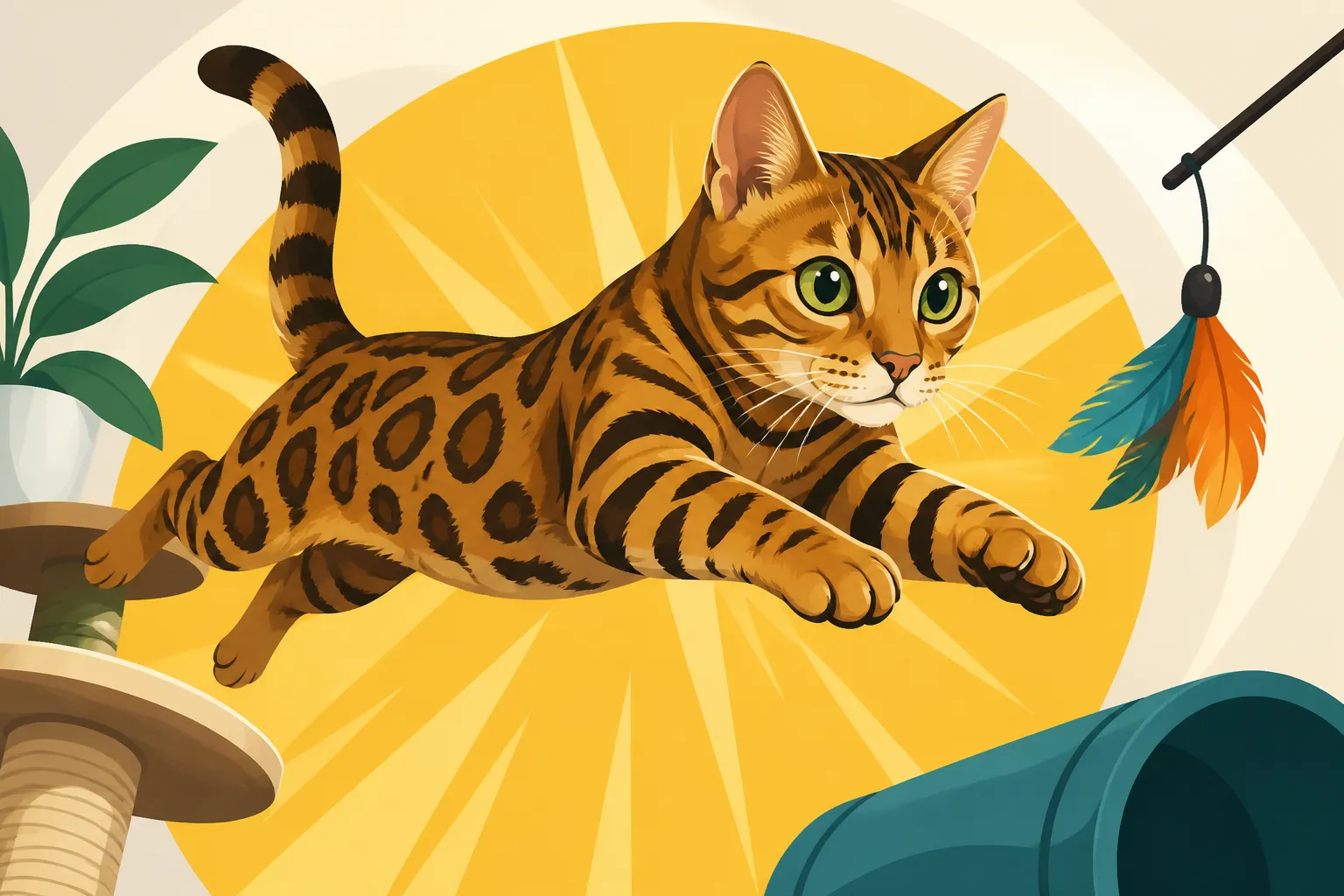
Just when you think you might be able to relax after a long day, the evening often brings on another burst of classic Bengal "zoomies." This is when they might tear through the house at top speed, chasing imaginary prey, ricocheting off furniture, and generally demonstrating their incredible athleticism. These evening explosions are often a way for them to release any pent-up energy from the day and reconnect with their humans through boisterous play. It's a prime time for interactive wand toy sessions, where you can help them burn off some serious steam.
And when night falls? Don't assume your Bengal will simply curl up and sleep soundly until morning. Their wild instincts mean they can be incredibly active under the cover of darkness. Many Bengal owners report their cats becoming quite vocal, exploring, or engaging in quiet (or not-so-quiet) mischief long after the humans have gone to bed. This nocturnal tendency is another vestige of their wild ancestry, where dusk and dawn are prime hunting times. It's not uncommon to wake up to rearranged items, opened cabinets, or even the sound of them running on a cat wheel in the wee hours. If you're ever been abruptly woken by a blur of spotted fur or a mysterious thumping sound, you might find solace, and a good explanation, in What a Bengal Cat Does at Four in the Morning.
The Physical Manifestations of Bengal Activity
A Bengal cat's activity isn't just about their mental drive; it's about their incredible physical prowess. They are built like miniature athletes, ready to leap, climb, and sprint with effortless grace.
Jumping, Climbing, and Scaling Every Surface
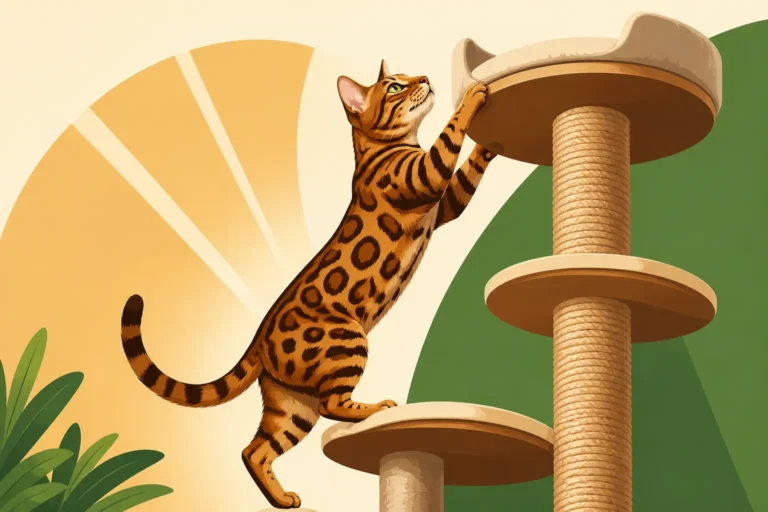
One of the most striking physical characteristics of a Bengal cat is their astonishing ability to jump and climb. These cats aren't content to stay at ground level; they crave vertical space. With powerful hind legs, they can launch themselves upwards with remarkable force, easily reaching the tops of refrigerators, tall bookshelves, and even door frames. For a Bengal, any elevated surface is a potential perch, a lookout, or a challenge to conquer.
This innate desire for height isn't just about showing off; it's deeply ingrained. In the wild, high vantage points offer safety and a superior view for hunting. In your home, it means your Bengal will seek out the highest points available, often surprising you with where they manage to get. If you don't provide adequate climbing opportunities, they will inevitably use your furniture, curtains, or even door jambs as their personal climbing gym, often to their detriment and yours. Understanding their need for verticality is key to a harmonious household, and delving into How High a Bengal Cat Can Jump can offer more insights into their remarkable athletic feats.
Running, Chasing, and the Art of the Bengal Sprint
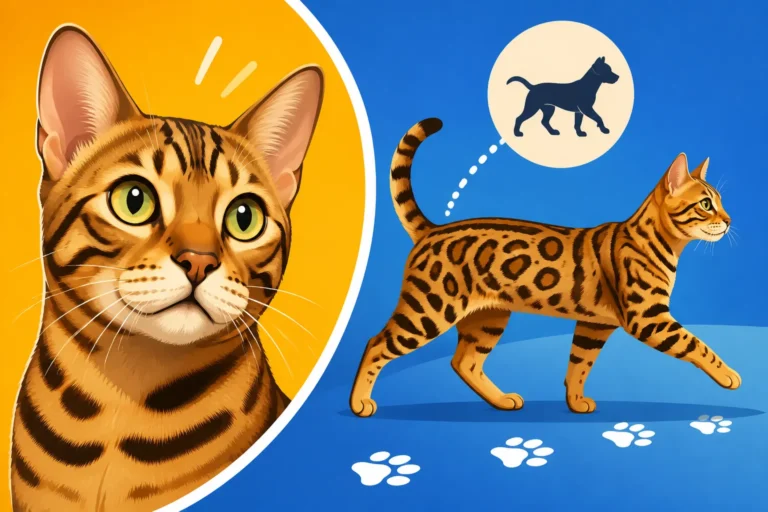
Beyond their climbing abilities, Bengal cats are phenomenal runners. Their sleek, muscular bodies and long, powerful legs are perfectly designed for explosive speed and agile maneuvers. When they get a case of the "zoomies" or engage in a vigorous play session, they move with an intensity that can be breathtaking. They will sprint from one end of a room to another, change direction on a dime, and weave through furniture with the precision of a seasoned predator.
This isn't just a leisurely trot; it's a full-on, high-speed chase. They adore toys that mimic prey, especially those that dart and weave, prompting them to unleash their inner hunter. Without sufficient space and opportunity to run and chase, this powerful instinct can become frustrated, leading to a restless or even destructive cat. Providing them with long corridors, open rooms, or even an enclosed outdoor space like a catio allows them to truly stretch their legs and satisfy this fundamental need. It's not just about letting them run; it's about letting them be a Bengal. For more detailed information on their energy demands, check out How Much Exercise a Bengal Cat Needs a Day.
Mental Stimulation: The Unseen Part of Their Activity
While their physical energy is undeniable, a significant portion of a Bengal cat's activity comes from their incredibly sharp minds. They're not just active; they're intelligent, curious, and constantly problem-solving.
The Cleverness Behind the Chaos
Bengals are notoriously clever cats. Their intelligence isn't just a charming trait; it's another driver of their activity. They are observant, learn quickly, and possess impressive problem-solving skills. This means they're often figuring out how to open doors with lever handles, bypass child locks on cabinets, or even retrieve toys from seemingly inaccessible spots. What might seem like mischief to us is often simply a Bengal engaging their brilliant brain. They watch you, they learn, and then they apply that knowledge, often in ways that catch you completely off guard.
This intellectual curiosity means they can easily become bored with repetitive or simplistic toys. They need challenges, puzzles, and interactive engagement that makes them think. If you've ever wondered how your Bengal managed to get into that sealed bag of treats or open a cupboard you swore was secure, it's their innate cleverness at play. For a deeper dive into their remarkable intelligence, take a look at How Clever a Bengal Cat Is. Ignoring this aspect of their activity can lead to a cat that creates its own, often less-than-ideal, forms of mental exercise.
Engagement, Not Just Exercise: Keeping Their Minds Busy
Because of their high intelligence, physical exercise alone simply isn't enough to satisfy a Bengal. They require consistent mental stimulation to truly thrive. This goes beyond just having toys lying around; it means engaging them in ways that challenge their intellect and satisfy their hunting instincts. Puzzle feeders, for example, are fantastic tools. Instead of simply eating a meal from a bowl, a Bengal has to "work" for its food, pushing, batting, or manipulating the feeder to release kibble. This mimics the natural hunt and reward cycle, providing a sense of accomplishment. You can find a huge variety of these brain-teasing feeders on Amazon, ranging from simple treat balls to complex multi-stage puzzles.
Beyond puzzle feeders, regular interactive play sessions that involve strategy and cunning are crucial. Think about games that involve hiding and seeking, or using a wand toy to simulate a bird or mouse that darts behind furniture, requiring your Bengal to stalk and pounce. Rotating their toys and introducing new challenges keeps their minds fresh and prevents boredom. A bored Bengal is not just a lazy Bengal; it's a Bengal that will invent its own "games," which might include exploring forbidden areas, knocking items off shelves, or even developing unwanted behaviors as a cry for more mental engagement.
Essential Tools and Strategies for Managing Bengal Energy
Managing the prodigious energy of a Bengal cat isn't about curbing it, but about channeling it into appropriate and enriching activities. It's about providing the right outlets and environment.
High-Quality Toys and Interactive Play Sessions
When it comes to toys for a Bengal, durability is key. They play hard, and many standard cat toys simply won't stand up to their intense pouncing, chasing, and "killing" instincts. Invest in sturdy wand toys with robust attachments that can withstand their powerful grabs. Think about feathers, natural fur, or tough fabric strips on a flexible, strong wand. Laser pointers can be fun for short bursts, but always end a laser session with a physical toy they can "catch" and "kill" to avoid frustration. Otherwise, they'll just keep looking for the elusive red dot, which can lead to behavioral issues.
Regular, dedicated interactive play sessions with you are absolutely essential. Aim for at least two to three sessions a day, each lasting 15-20 minutes or until your cat is panting and tired. These sessions aren't just for exercise; they're a bonding experience and a chance for your Bengal to fulfill their hunting drive. Rotate their toy collection regularly to keep things fresh and exciting. If you're looking for durable, engaging toys, Amazon has an extensive selection, and reading reviews from other Bengal owners can help you find the best options. For specific recommendations on frequency and duration, check out How Many Play Sessions a Bengal Cat Needs.
Vertical Spaces and Environmental Enrichment
Given their incredible climbing abilities and instinctual need for high perches, providing ample vertical space is non-negotiable for a Bengal cat. This means investing in tall, sturdy cat trees that reach close to the ceiling, complete with multiple levels, scratching surfaces, and cozy napping spots. But don't stop there! Consider installing cat shelves or "cat superhighways" on your walls, allowing them to traverse rooms without touching the floor. Tunnels, cubbies, and hidden nooks also add to their sense of adventure and security.
Many Bengal owners find immense success with catios – enclosed outdoor patios that allow cats to safely experience the sights, sounds, and smells of the outdoors without any of the dangers. A catio provides a secure space for climbing, sunbathing, bird watching, and simply being "wild" in a controlled environment. Think of it as their own private adventure park. Creating a rich, stimulating indoor and outdoor environment is crucial for their well-being. To get ideas on what kind of climbing structures your agile feline needs, explore Which Cat Tree a Bengal Cat Needs.
The Power of the Cat Wheel
Perhaps the ultimate tool for channeling a Bengal's boundless energy is the cat wheel. If you haven't seen one, imagine a giant hamster wheel, but for cats. These are purpose-built exercise wheels that allow a cat to run at full sprint indoors, burning off an incredible amount of energy. Bengals, with their natural running prowess, often take to cat wheels with enthusiasm, using them for intense bursts of cardio several times a day. It's a fantastic way to satisfy their need to run, especially for cats in smaller homes or apartments where long chases aren't possible.
Introducing a cat to a wheel might take a little patience and positive reinforcement, but once they get the hang of it, many Bengals become addicted. It provides an independent outlet for their energy, allowing them to exercise whenever the mood strikes. While they are a significant investment, the benefits for a Bengal's physical and mental health are often priceless. You can find various models of cat wheels on Amazon, often with different sizes and designs to fit your space and your cat's running style. To learn more about how often these incredible felines utilize this exercise equipment, you might enjoy reading How Often a Bengal Cat Uses a Cat Wheel.
Living with an Ultra-Active Bengal: Expectations and Reality
Embracing a Bengal cat means embracing a lifestyle, not just owning a pet. Their activity levels have a profound impact on what it means to share your home with them.
The Commitment Required for a Bengal Owner
Let's be realistic: owning a Bengal cat is a significant commitment of time, energy, and resources. These are not "set it and forget it" pets. Their high activity levels demand a dedicated owner who is willing to engage with them daily, provide ample enrichment, and understand their unique needs. You'll need to be prepared for regular interactive play sessions, the constant mental challenge of outsmarting their clever antics, and potentially investing in specialized equipment like cat wheels or catios.
This isn't to say it's all work and no play – far from it! The bond you form with an active Bengal is incredibly rewarding. Their zest for life is infectious, and their playful nature brings endless joy and entertainment. But it's important to go into Bengal ownership with open eyes, understanding that their activity isn't something you can ignore or hope they'll "grow out of." They need an active partner in crime, someone who appreciates their wild side and is ready to keep up. If you're still weighing the pros and cons, consider checking out Whether a Bengal Cat Is Right for You.
Signs of a Bored or Under-Stimulated Bengal
One of the most important things to understand about an ultra-active Bengal is that many "bad behaviors" are actually cries for more stimulation. A bored or under-stimulated Bengal will often create its own fun, and that "fun" is rarely convenient for you. This can manifest in a variety of ways:
- Destructive Chewing: Chewing on furniture, wires, or household items.
- Excessive Vocalization: Constant yowling, chirping, or demanding attention.
- Spraying or Inappropriate Elimination: A distressed or anxious cat might resort to marking territory.
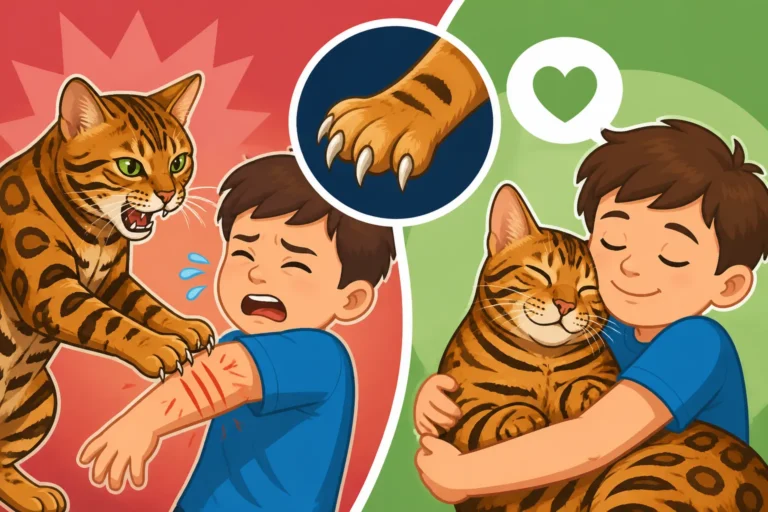
- Aggressive Play: Pouncing on feet, hands, or other pets too roughly.
- Opening Cabinets and Doors: Seeking out forbidden areas for entertainment.
- Counter Surfing: Raiding your kitchen for anything interesting.
These aren't signs of a "mean" or "naughty" cat; they are usually indicators that your Bengal needs more physical exercise, more mental puzzles, or more dedicated interactive time with you. Addressing the root cause – their unmet need for activity and engagement – is the most effective way to modify these behaviors. Being attuned to these signals can save a lot of frustration for both you and your feline friend. For more details on these warning signs, refer to Signs a Bengal Cat Is Bored.
Finding Harmony with Your Wildly Active Companion
Despite the challenges, living with a Bengal cat is an incredibly enriching experience. The key to harmony lies in understanding and respecting their innate need for activity. By proactively providing appropriate outlets for their energy – through dedicated play, environmental enrichment, and mental challenges – you can prevent many common behavioral issues and foster a deep, loving bond.
Embrace their quirks: their love of water, their relentless curiosity, their vocal "conversations." Learn to appreciate their incredible athleticism and intelligence. When you meet a Bengal's needs for activity and stimulation, you are rewarded with a vibrant, engaged, and endlessly entertaining companion who will fill your life with joy and adventure. It's about finding a rhythm that works for both of you, integrating their active nature into your daily routine, and celebrating the unique spirit of this extraordinary breed.
The Myth of "Calming Down" – Age and Activity
Many prospective cat owners, upon hearing about the Bengal's energy, wonder if they eventually "calm down" with age. While some changes occur, it's important to manage expectations realistically.
Do Bengals Ever Really Slow Down?
It's a common hope that an incredibly active cat will eventually mellow out with age. With Bengals, this is largely a myth. While a senior Bengal cat might not have the same frantic kitten-like energy as a youngster, their fundamental activity level remains significantly higher than that of an average domestic cat of any age. They might run for slightly shorter periods, or jump with a touch less spring, but the drive to explore, play, and engage rarely diminishes entirely. They still need mental and physical stimulation; the type might just shift slightly.
Think of it this way: if a young Bengal is a marathon runner, an older Bengal might become a dedicated long-distance hiker. The intensity might lessen, but the need to be active, to move, and to engage with their environment persists. Owners often find that even their elder Bengals retain a playful spark and a keen interest in their surroundings, demonstrating that the "wild" spirit never truly fades. To understand the nuances of this natural transition, you might be interested in reading How Much a Bengal Cat Calms Down With Age.
Adjusting Enrichment for the Senior Bengal
While the core need for activity remains, the way you provide enrichment for a senior Bengal might need some gentle adjustments. Less agile cats might benefit from lower climbing structures or ramps to access their favorite high perches. Play sessions might be shorter but more frequent, focusing on less strenuous activities like puzzle toys, slower wand toy movements that encourage stalking, or gentle chasing games. Mental stimulation becomes even more critical, as it can keep their minds sharp and engaged even if their bodies are a little slower.
Ensuring comfort is also paramount for older Bengals. Provide soft, easily accessible beds, maintain a consistent routine, and be extra vigilant about any signs of discomfort or pain that might affect their mobility. Keeping them active, even in modified ways, helps maintain muscle tone, joint health, and overall well-being. An aging Bengal still benefits immensely from a stimulating environment and dedicated interaction, ensuring their golden years are as vibrant as their youth. For detailed advice on caring for your wise old feline, consider the post Caring for a Bengal Cat Past Ten.
| Feature | Typical Housecat Activity | Bengal Cat Activity |
|---|---|---|
| Activity Level | Moderate; bursts of play, long naps. | Extremely high; constant motion, intense play. |
| Motivation | Play, comfort, curiosity. | Hunting instinct, curiosity, problem-solving, boundless energy. |
| Physical Prowess | Good climber/jumper, moderate speed. | Exceptional climber/jumper, incredible speed & agility. |
| Play Sessions | A few short sessions, often independent. | Multiple long, interactive sessions; demands engagement. |
| Mental Need | Moderate; basic toys, some curiosity. | High; requires puzzle feeders, complex toys, constant mental challenge. |
| Destructive Behavior | Rare, usually due to stress or lack of attention. | Common if bored/under-stimulated; resourcefulness in mischief. |
| Vertical Space Need | Enjoys high spots, but not essential. | Absolutely essential; craves height for exploration & security. |
| Nocturnal Tendencies | Varies; some active, many sleep through night. | Often active at night; retains ancestral hunting schedule. |
| Aging Impact | Significant slowdown in activity. | Gradual decrease in intensity, but maintains high relative activity. |
Disclaimer
This article is for general informational purposes only and does not constitute professional advice. Laws, prices and regulations vary by location and change over time. Consult a qualified professional for guidance on your specific situation.