Why a Bengal Cat Walks Like a Dog
It's quite a common experience for Bengal cat owners to feel like they've adopted a mini-dog rather than a typical feline, especially when it comes to how they move and interact with the world. You see them striding along with a purpose, almost trotting, and then there’s the distinct possibility they’ll join you on a leash walk, leaving you to wonder why your sleek, spotted companion often acts more canine than cat. This guide is here to unravel the unique blend of instinct and characteristics that make your Bengal cat walk, and often behave, so much like a dog.
The Wild Ancestry Behind the Gait
One of the most defining features of the Bengal cat is their immediate connection to their wild heritage. Unlike most domestic breeds that have millennia of separation from their wild ancestors, Bengal cats are still relatively close to the Asian Leopard Cat (ALC), a small wild feline native to Southeast Asia. This proximity means many of their primal instincts and physical traits are still very much present, including how they carry themselves.
The Asian Leopard Cat's Stride
Think about a wild animal moving through its natural habitat. It’s not just sauntering; it’s purposeful, efficient, and often quite powerful. The Asian Leopard Cat moves with an elegant yet athletic stride, covering ground with an economy of motion. They are hunters and explorers, and their bodies are built for fluid, powerful movement across varied terrain. This isn't the dainty, tip-toeing gait you might associate with a more sedentary domestic cat.
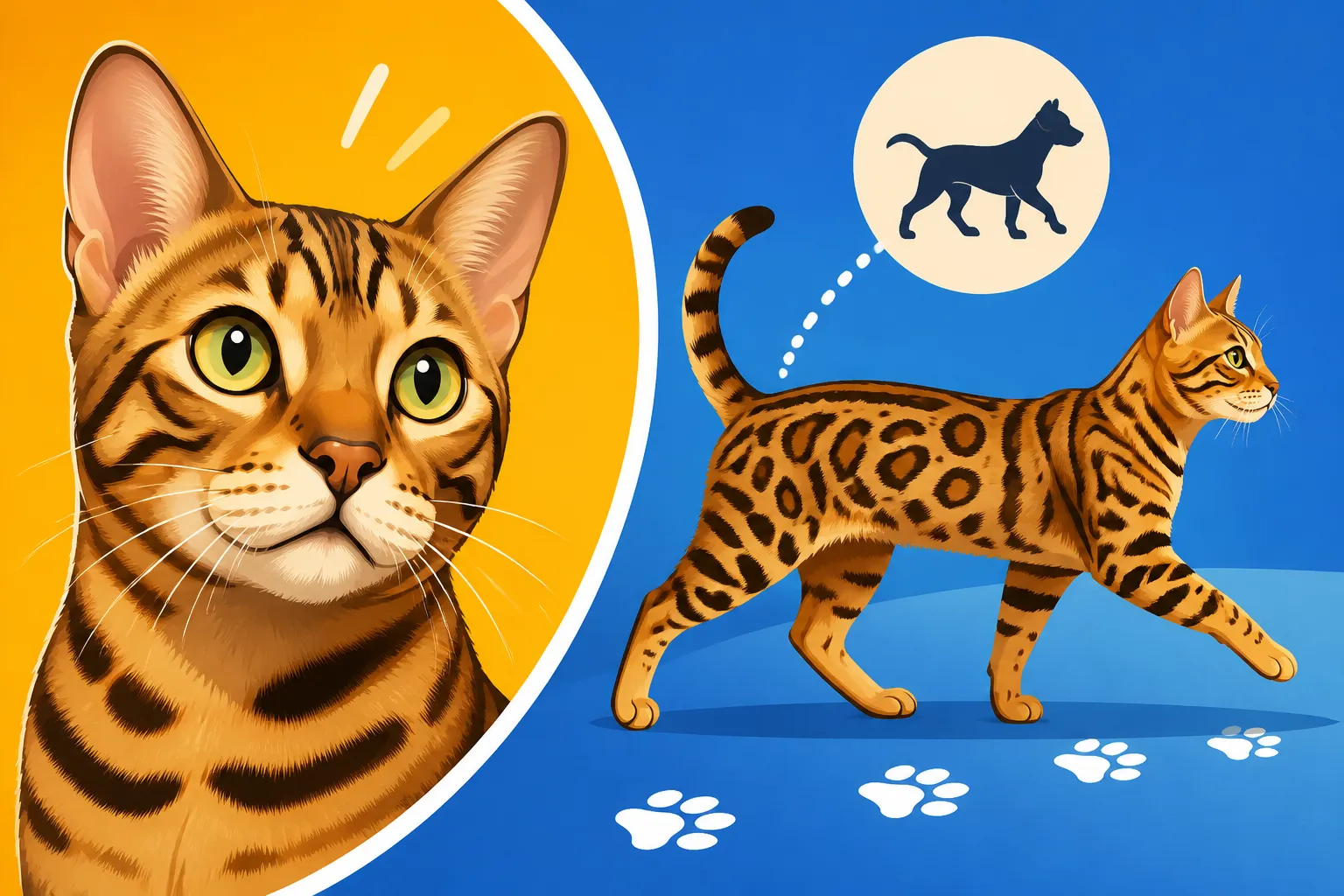
When you observe a Bengal cat, you're seeing a direct echo of this wild grace. Their movement is often less about casual meandering and more about a confident, ground-covering pace. This isn't just about speed; it's about the deliberate placement of paws and the strong, rhythmic flow of their body, which can strike many as remarkably dog-like, especially when compared to the more typically languid movements of other house cats.
Purposeful Movement for Hunting and Territory
Every step a wild cat takes is often imbued with a purpose: hunting, patrolling territory, or escaping danger. This constant need for readiness and efficiency in movement translates into a very distinct way of walking. They don't waste energy, and their movements are calculated, even when they appear relaxed. They track, they stalk, they pounce – all actions that require an efficient, powerful gait.
Your Bengal cat, even when playing with a feather wand in your living room, retains this ingrained pattern of movement. They are constantly surveying their environment, moving with an inherent alertness. This purposeful motion is part of their charm, but it's also why they can be so relentlessly active. They’re not just walking; they’re often exploring, investigating, or preparing for their next "hunt" (which might just be a crinkly ball under the sofa). This drive to move with intent and explore their surroundings is a fundamental aspect of The Bengal Cat Is the Most Active Cat You Can Own.
Physical Characteristics That Influence Movement
Beyond their genetic blueprint, the physical build of a Bengal cat is perfectly adapted for this energetic, almost canine-like locomotion. They aren't built like your average fluffy housecat; they possess a physique that speaks to their athletic prowess and their wild lineage.
Longer Hind Legs and Muscular Build
One of the most striking physical traits of a Bengal cat, especially when they're in motion, is their powerful, well-muscled body, often accompanied by hind legs that appear disproportionately longer than their front legs. This unique skeletal and muscular structure plays a huge role in their distinctive gait. These longer hind legs act like powerful springs, giving them incredible propulsion and contributing to their famous jumping ability.
When they walk, this translates into a longer, more ground-covering stride than many domestic cats. Instead of a short, almost shuffling step, a Bengal cat takes deliberate, powerful steps that allow them to move quickly and efficiently. This isn't just for running; it gives their normal walk a bouncy, almost trotting quality, much like a small dog. Their overall physique, as detailed in Why a Bengal Cat Looks So Muscular, is truly a marvel of feline athleticism. You'll often notice them using their entire body in unison, a fluid motion that emphasizes their strength and agility. This powerful build, including Why a Bengal Cat's Hind Legs Are Longer, is a cornerstone of their active lifestyle.
Balance and Agility
Bengal cats are renowned for their exceptional balance and agility. They are incredibly nimble, capable of navigating tight spaces, climbing to dizzying heights, and performing acrobatic feats that would make other cats (and certainly most dogs) envious. This innate coordination isn't just for climbing; it informs their everyday walk.
Their superb balance allows them to move with a confidence and sure-footedness that can resemble a dog's steadfastness. When a Bengal cat is on a leash, for example, they often don't stumble or pull awkwardly like a typical cat might. Instead, they walk with a steady, almost rhythmic gait, able to adjust their balance instantly to changes in terrain or direction. This agility means they are always in control of their movement, making their "walks" feel more deliberate and controlled, further contributing to the dog-like impression.
Training and Socialization: Mimicking Canine Behavior
While genetics certainly lay the groundwork, the way Bengal cats are raised and the experiences they have can significantly enhance their dog-like behaviors, including their walking habits. They are highly intelligent and surprisingly trainable, making them amenable to activities traditionally associated with dogs.
Leash Training Success and Early Exposure
One of the most remarkable things about Bengal cats is how well they take to leash training. While it's not impossible to leash train other cats, it often requires immense patience and is usually met with less enthusiastic participation. Bengals, however, seem to embrace it. Their natural curiosity, high energy levels, and desire to explore make walking on a leash a stimulating adventure rather than a frightening ordeal.
Starting early is key, as discussed in How Young to Start Leash Training a Bengal Cat. When a Bengal kitten is introduced to a harness and leash at a young age, and the experience is made positive with treats and praise, they often come to associate the leash with exciting outdoor excursions. This repeated positive reinforcement creates a learned behavior where walking on a leash becomes as natural to them as it is for many dogs. You'll find many suitable harnesses and leashes on Amazon that cater specifically to active cats, designed to be escape-proof while still comfortable for your adventurous feline. It really solidifies the idea that A Bengal Cat Walks on a Leash like no other cat.
The "Fetch" Instinct and Play Drive
Another compelling dog-like trait that influences their purposeful movement is their strong instinct to play fetch. Many Bengal owners are delighted (and sometimes exhausted) by their cat's relentless desire to retrieve toys. This isn't just a casual batting around; they often bring the toy back to you, drop it at your feet, and wait expectantly for you to throw it again.
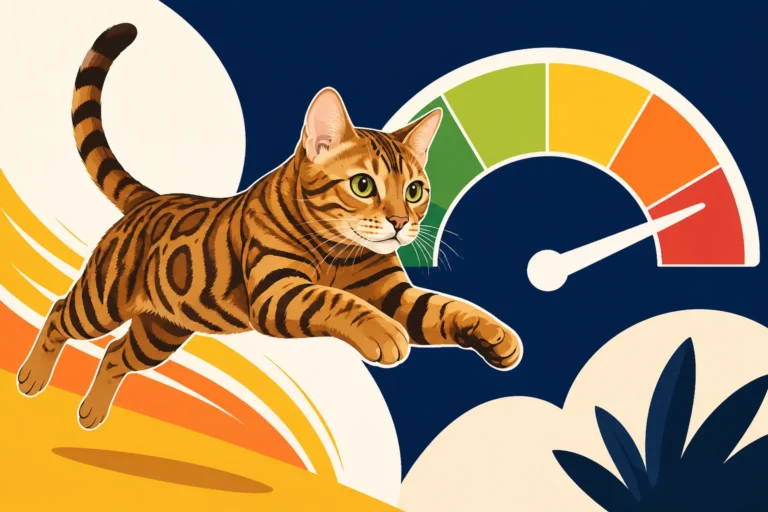
This fetch behavior isn't just cute; it encourages a lot of purposeful running and moving. A Bengal cat chasing a thrown toy moves with intense focus and speed, often with a powerful, ground-covering run that mimics a dog chasing a ball. The repetitive nature of fetch reinforces this energetic, directed movement, making their overall play and interaction feel very "dog-like." Stocking up on durable, interactive toys from Amazon can certainly help satisfy this deep-seated play drive.
Beyond the Walk: Other Dog-Like Bengal Cat Traits
The "dog-like" quality of Bengal cats isn't confined to just their walk; it extends to a myriad of other behaviors that frequently surprise and delight their owners. These traits reinforce the idea that they are truly unique in the feline world.
Vocalizations and Communication
If you're used to a quiet, demure cat, a Bengal will be a revelation. They are notoriously vocal, but not always in the way a typical domestic cat is. While they certainly meow, they also use a wide range of chirps, trills, chuffs, and even distinct yowls that can sound surprisingly wild or, indeed, rather dog-like in their demanding nature. They often "talk" to their owners, engaging in what feels like a back-and-forth conversation, using different tones and sounds to express their desires or simply to greet you.
This extensive vocal repertoire, as explored in How Loud a Bengal Cat Is, can remind owners of a dog's barks, whines, and growls – a more direct and varied form of communication than the simple meow. They're not just making noise; they're communicating their needs, whether it's for food, play, or attention. This interactive vocalization is a hallmark of their dog-like personality, making them feel like a more active participant in your daily life.
Loyalty and Bonding with Humans
While all cats can be affectionate, Bengal cats often exhibit a level of loyalty and devotion that many people associate more with dogs. They frequently choose one or two "their" humans and form incredibly strong, almost possessive, bonds with them. They'll follow you from room to room, supervise your activities, and often insist on being in the same space as you.
This strong bond means they genuinely want to be part of your activities, whether it's joining you on a walk or simply sitting beside you while you work. Their desire for companionship and their willingness to engage in shared experiences strengthens the perception of them as dog-like. They aren't aloof; they are deeply intertwined with their chosen family, much like a loyal canine companion.
Water Fascination
One of the most universally recognized "dog-like" traits in Bengal cats is their inexplicable (for a cat, anyway) love for water. While most domestic cats view water with suspicion or outright disdain, many Bengals are utterly fascinated by it. They'll play in their water bowls, splash in sinks, try to join you in the shower, and some will even swim if given the opportunity. This particular quirk is a common topic of conversation among Bengal owners, and it never ceases to amaze visitors.
This affinity for water is a stark contrast to typical feline behavior and is another strong link to their wild ancestry, where rivers and streams would have been part of their natural hunting grounds. Their playful interaction with water, often involving splashing and batting at the surface, is reminiscent of how many dog breeds enjoy a good romp in a puddle or a swim. This trait is so prevalent it has its own discussion in Why a Bengal Cat Loves Water, and you can find many interactive water toys on Amazon that cater to this playful side.
Providing the Right Environment for a Bengal Cat's Unique Movement
Understanding why your Bengal cat walks like a dog is one thing, but creating an environment that supports and enriches this unique aspect of their personality is crucial for their well-being. Their active, exploratory nature means they thrive when given ample opportunities to move, climb, and investigate.
Importance of Enrichment and Space
Given their high energy levels and instinctual drive to move purposefully, Bengal cats require a highly stimulating environment. A home that might be perfectly fine for a less active cat can quickly become boring for a Bengal, potentially leading to destructive behaviors born out of boredom. They need outlets for their physical prowess and mental acuity.
This means ample vertical space for climbing, exploring, and surveying their territory. Tall cat trees, wall-mounted shelves, and cat superhighways are not luxuries for a Bengal; they are necessities. These structures allow them to exercise their powerful hind legs, practice their agility, and fulfill their natural climbing instincts, all of which contribute to their unique, purposeful movement. A quick search on Amazon for "tall cat tree" or "cat wall shelves" will show you the kind of robust, multi-level structures a Bengal truly needs to stretch those long limbs and truly move like the athletic creatures they are. Providing sufficient How Much Vertical Space a Bengal Cat Needs is essential.
Safe Outdoor Exploration: Catios and Leash Walks
Allowing a Bengal cat to freely roam outdoors is generally not recommended due to their strong prey drive, high risk of getting lost or injured, and potential impact on local wildlife. However, denying them outdoor stimulation entirely can also be detrimental to their energetic, exploratory nature. This is where options like catios and regular leash walks become incredibly valuable.
A catio (a secure outdoor enclosure) provides a safe space for your Bengal to experience the sights, sounds, and smells of the outdoors without the inherent dangers. They can patrol, climb, and observe the world outside, satisfying their innate need for territory and exploration. Similarly, regular leash walks, as we've discussed, allow them to exercise their dog-like gait and purposeful movement in a controlled manner. These activities are vital for their physical fitness and mental stimulation, allowing them to truly "walk like a dog" in a safe and enriching way. Why a Catio Is the Answer to a Bengal Cat speaks volumes about how important these safe outdoor spaces are for this breed. These solutions provide the necessary exercise and stimulation for How Much Exercise a Bengal Cat Needs a Day.
| Trait | Bengal Cat (Dog-Like Aspects) | Typical Domestic Cat (More Feline) |
|---|---|---|
| Gait/Walk | Purposeful, direct stride; often enjoys leash walks. | More meandering, exploratory; less inclined to formal walks. |
| Activity Level | Extremely high, requires significant engagement; rarely "lazy." | Varies widely, but generally content with less structured play. |
| Vocalization | Diverse, often demanding chirps, trills, yowls. | More traditional meows, purrs, hisses; less conversational. |
| Water Affinity | Actively seeks water, plays in sinks, bowls, or even showers. | Generally avoids water, may tolerate baths if accustomed early. |
| Social Bonding | Forms strong bonds with specific humans, seeks companionship. | Affectionate but often more independent, less "pack-oriented." |
| Trainability | Highly trainable for tricks, fetch, and leash walking. | Can be trained, but often requires more patience and specific methods. |
Disclaimer
This article is for general informational purposes only and does not constitute professional advice. Laws, prices and regulations vary by location and change over time. Consult a qualified professional for guidance on your specific situation.