Why a Catio Is the Answer to a Bengal Cat
Many Bengal cat owners find themselves in a unique predicament: their furball of energy has an insatiable curiosity for the outdoors, a seemingly endless motor, and a vocal repertoire that demands attention, but letting them roam free comes with a host of anxieties and very real dangers. This isn't your average couch potato cat we're talking about; Bengal cats often yearn for that stimulating outdoor experience, and ignoring that urge can lead to a very bored, potentially destructive, and certainly unhappy feline. This comprehensive guide is here to tell you why a dedicated, safe outdoor enclosure—a catio—isn't just a nice-to-have, but often the absolute best solution for keeping your adventurous Bengal cat safe, enriched, and thriving within your family.
The Bengal Cat's Innate Drive for the Outdoors
It’s no secret that Bengal cats are a breed apart. Their wild ancestry, stemming from the Asian Leopard Cat, imbues them with a remarkable set of traits that often make traditional indoor-only cat living a bit of a challenge. This isn't just about a desire for fresh air; it's a deep-seated instinct to explore, climb, hunt, and interact with a dynamic environment that a typical living room, no matter how spacious, just can't fully replicate. Owners frequently report their Bengal cats exhibiting behaviors that scream for more than just windows to gaze out of.
The Influence of Wild Ancestry on Bengal Behavior
The fundamental reason your Bengal cat seems to eye every outdoor squirrel with such intensity or tries to dart past your legs every time the door opens lies in their genetic blueprint. While many generations removed from their wild ancestors, the instincts of the Asian Leopard Cat are still very much present. These are intelligent, agile, and incredibly curious creatures in their natural habitat, constantly navigating varied terrains, scent-marking, and engaging in complex play behaviors. Your Bengal, even if born and raised indoors, retains fragments of these ancient drives. They crave mental stimulation that challenges their problem-solving skills and physical activity that truly tires them out. This isn't misbehavior; it's instinct.
For instance, consider how your Bengal stalks a feather wand toy or pounces on a crinkle ball with fierce precision. Now imagine that instinct applied to rustling leaves, chirping birds, or the feel of varied textures under their paws. The thrill of discovery, the ever-changing sensory input, and the sheer vastness of the outdoors speak to a part of them that needs to be acknowledged. When this drive is unfulfilled, you might see your Bengal attempting to open cabinets, scaling curtains, or persistently vocalizing for attention. They’re not being naughty; they’re telling you they’re bored and under-stimulated. This is why you'll often hear that The Bengal Cat Is the Most Active Cat You Can Own.
Unmet Outdoor Needs and Their Consequences
When a Bengal cat's innate desire for outdoor stimulation goes unaddressed, the consequences can be more than just minor inconveniences. A perpetually bored Bengal can quickly become a destructive one. They might resort to behaviors like scratching furniture indiscriminately, even if they have numerous scratching posts, simply because they haven't expended enough energy or intellectual effort during the day. Digging in houseplants, incessant vocalizations at odd hours, or even spraying to mark territory indoors can all be manifestations of an under-stimulated environment.
Beyond property damage, there's a real impact on your cat's emotional well-being. A Bengal cat that is constantly seeking engagement but not finding it can develop anxiety, become withdrawn, or even aggressive. Imagine being a super-intelligent, high-energy individual trapped in a small space with nothing to do – you'd get frustrated too! Providing safe, enriching outdoor access like a catio helps channel these powerful instincts into positive, acceptable outlets, making for a happier cat and a more harmonious home. It's about acknowledging their unique needs, not trying to force them into a mold that doesn't fit.
The Dangers of Unsupervised Outdoor Access
As much as we want our Bengals to experience the joys of the outdoors, simply opening the door and letting them roam free is fraught with peril. The world outside, while exciting, is also a dangerous place for a domestic cat, and especially for a valuable, eye-catching breed like a Bengal. Owners often wrestle with the guilt of keeping their adventurous felines solely indoors, but the risks associated with letting them wander are simply too high to ignore.
Traffic and Environmental Hazards
The most obvious danger for any free-roaming cat is traffic. Even in quiet suburban neighborhoods, a speeding car can appear seemingly out of nowhere, and a cat, no matter how agile, can be tragically caught unaware. Bengal cats, with their strong prey drive, might dart after a bird or squirrel without a second thought for approaching vehicles, leading to devastating accidents. Beyond cars, there are countless other environmental hazards. Antifreeze leaks, rat poisons, toxic plants in gardens, discarded food that can make them sick, and even everyday lawn chemicals pose serious threats.
Think about a hot summer day; a Bengal cat, with its relatively thin coat compared to some domestic long-hairs, can quickly overheat if trapped somewhere without shade or access to water. Conversely, in colder climates, prolonged exposure to freezing temperatures can lead to hypothermia. Predators, both wild and domestic, also present a constant threat. Coyotes, large birds of prey, and even aggressive dogs can view a free-roaming cat as an easy target. This isn't being overprotective; it's simply being realistic about the very real, often hidden dangers that exist just beyond our doorstep. This is one of the main reasons Whether a Bengal Cat Should Free Roam Outdoors is almost universally advised against.
Interactions with Other Animals and People
Unsupervised outdoor access also opens the door to potentially harmful interactions with other animals. Other cats can carry diseases like Feline Immunodeficiency Virus (FIV) or Feline Leukemia Virus (FeLV), which can be spread through bites during territorial squabbles. Fleas, ticks, and other parasites are also easily picked up from shared outdoor spaces. Beyond other felines, a Bengal cat might encounter stray dogs, wildlife like raccoons or skunks, all of which can inflict serious injuries or transmit diseases.
Then there are people. While most people are kind and wouldn't intentionally harm an animal, not everyone is a cat lover. There's the risk of intentional cruelty, or simply people not being careful around an inquisitive cat. Furthermore, a striking and valuable breed like a Bengal cat is unfortunately also a target for theft. A beautiful, distinctive cat wandering freely is an easy mark for someone looking to rehome or sell it, legally or illegally. The heartache of a lost or stolen pet is something no owner wants to endure, and a catio effectively eliminates these worries, providing a secure space where your Bengal can enjoy the outside world without these stressors.
What Exactly Is a Catio?
Okay, so we've established that Bengal cats need outdoor stimulation and that free-roaming isn't safe. So what's the middle ground? Enter the catio. This isn't just a fancy term for a cage; it's a specially designed, secure outdoor enclosure that allows your cat to safely experience the sights, sounds, and smells of nature without any of the associated risks. Think of it as a bridge between the safety of your home and the allure of the great outdoors.
Defining a Catio and Its Purpose
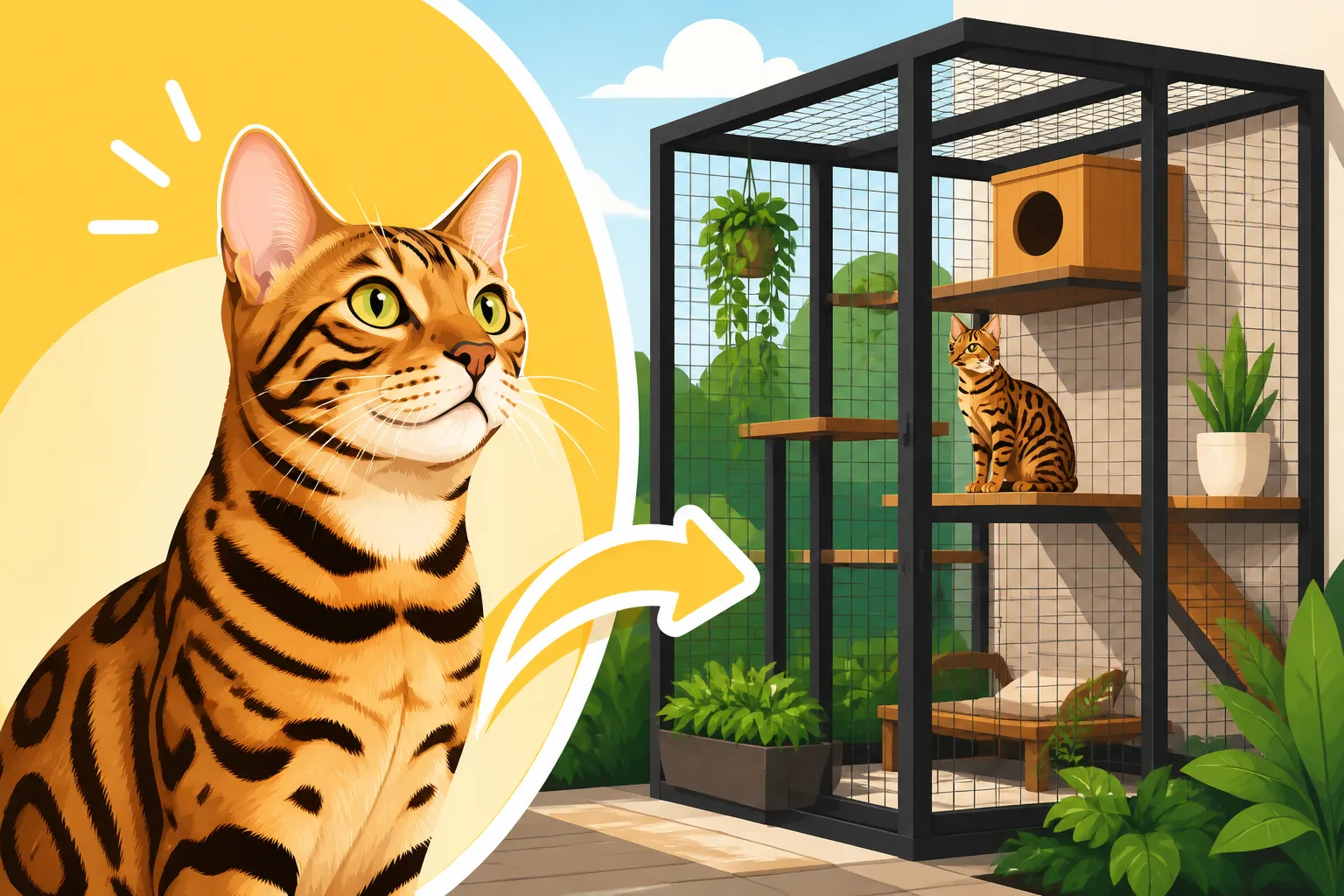
At its core, a catio is a contained outdoor space that is completely escape-proof, built or attached to your home. Its primary purpose is to enrich your cat's life by providing safe access to the natural environment, tapping into their instincts to climb, explore, and observe. For Bengal cats, whose wild heritage gives them such a strong drive for outdoor adventure, a catio is absolutely invaluable. It protects them from traffic, predators, poisons, and disease, while simultaneously protecting local wildlife from their formidable hunting prowess.
Imagine your Bengal perched high on a shelf, watching birds flutter by, feeling the sun on their fur, and smelling the fresh air, all within a secure structure. That's the catio experience. It offers a designated "safe zone" for outdoor time, removing the stress of worrying about your cat's whereabouts or safety. It promotes physical exercise, mental stimulation, and can significantly reduce boredom-induced behaviors indoors. It truly is the "answer" because it addresses both your Bengal's needs and your peace of mind.
Various Types of Catios to Consider
Catios come in a wide range of styles, sizes, and complexities, meaning there's likely a solution for almost any home and budget. The best type for you will depend on factors like your living space, how many Bengals you have, your budget, and how handy you are.
- Window Box Catios: These are smaller, often square or rectangular enclosures that attach directly to a window frame. They are perfect for apartments or homes with limited yard space, offering a safe perch for your Bengal to sunbathe and watch the world. They might not offer much climbing space, but they provide crucial sensory enrichment. You can find ready-to-assemble versions on platforms like Amazon.
- Modular Catios: These are kits that come with panels you can assemble yourself, much like a large pet crate but designed for outdoor use. They can be expanded over time by adding more panels. They offer more space than a window box and can be configured in various shapes, freestanding or attached to a house.
- Patio/Deck Enclosures: If you have a patio or deck, you can enclose a portion or the entirety of it, turning it into a giant, open-air room for your Bengal. This allows for excellent indoor-outdoor flow and can integrate seamlessly with your existing living space. These often require more planning but offer significant space.
- Custom-Built Catios: For the ultimate Bengal paradise, a custom-built catio can be designed to fit your specific yard, home architecture, and your cat's unique needs. These can include tunnels, multiple levels, bridges, and extensive climbing structures. While more expensive and requiring professional installation or advanced DIY skills, they offer unparalleled enrichment.
No matter the type, the key is security. Every catio must be fully enclosed with sturdy materials to prevent escapes and keep out unwanted visitors.
Designing Your Bengal Cat's Dream Catio
Creating a functional and stimulating catio for your Bengal involves more than just putting up a fence. You need to think about their natural behaviors, safety, and comfort. A well-designed catio will cater to their instinctual needs, turning it into a true extension of their home environment.
Size and Location Considerations
When planning your catio, size truly does matter for an active breed like a Bengal. While a small window box is better than nothing, a larger enclosure will allow for more dynamic play and exploration. Think about horizontal running space and, crucially, vertical climbing space. Bengals love to climb, jump, and perch at heights, so don't skimp on verticality. Consider how high a Bengal cat can jump; you want to ensure there's plenty of space for them to use that athleticism.
The location of your catio is also paramount.
- Sunlight and Shade: Your Bengal will want to bask in the sun, but also needs ample shade to cool down. A catio that gets both morning sun and afternoon shade, or has covered areas, is ideal.
- Connection to Home: Direct access from a window, cat door, or human door is best. This allows your Bengal to come and go as they please, promoting autonomy and making it easier for you to supervise.
- Viewpoints: Position the catio to offer interesting views of birds, squirrels, or neighborhood activity. Bengals are natural observers and will spend hours watching the world go by.
- Wind and Rain Protection: While they love the outdoors, they don't love being drenched or blasted by wind. Integrate solid roofing, partial walls, or windbreaks.
- Security: Ensure the location is secure, away from potential intruders, and not easily accessible by other animals. If it’s near a fence, make sure other animals can’t use that fence to get into the catio.
Material Choices for Durability and Safety
The materials you choose for your catio are critical for both durability and your Bengal's safety. Cheap materials won't stand up to an active Bengal or the elements, and flimsy construction is an escape waiting to happen.
- Framing: Treated wood, aluminum, or PVC are common choices. Wood offers a natural look but requires maintenance. Aluminum is lightweight and rust-proof. PVC is affordable and easy to work with. Whatever you choose, ensure it's robust enough to withstand a Bengal's energetic leaps and bounds.
- Enclosure Material: Galvanized or powder-coated wire mesh (such as hardware cloth, not chicken wire) is usually the safest and most durable option. The mesh size should be small enough to prevent escapes (no larger than 1" x 2", preferably smaller) and predator entry. Avoid plastic netting, which can be chewed through. Some catios use heavy-duty pet screen, which offers good visibility but might not be suitable for the most determined chewers.
- Flooring: Concrete, pavers, or outdoor decking can provide a solid, easy-to-clean base. If it's on grass, consider laying down wire mesh under the grass to prevent digging out. Remember that a Bengal cat's claws outrun the clippers, so the enclosure needs to be robust.
- Roofing: Solid roofing (like corrugated plastic or metal) provides shade and protection from rain. A portion could be open mesh to allow more sunlight and fresh air, but ensure enough coverage.
Always double-check that all materials are non-toxic and pet-safe. Avoid any treated wood that might contain chemicals harmful to animals, or paints and sealants that aren't pet-friendly.
Enrichment and Comfort Elements
A catio isn't just about containment; it's about enrichment. Without stimulating features, it becomes just a cage. For a Bengal, you need to think dynamic and engaging.
- Vertical Space: This is non-negotiable. Install multiple shelves, ramps, and platforms at varying heights. Think about creating a climbing wall or a series of steps your Bengal can use to survey their domain. Consider platforms that are wide enough for them to comfortably lie down.
- Scratching Posts: Bengals love to scratch, and offering dedicated outdoor scratching surfaces will help save your indoor furniture. Use natural materials like sisal rope or untreated wood logs.
- Perches and Hiding Spots: Provide cozy spots where your Bengal can observe without being seen, or simply nap in peace. Elevated perches are always a hit. A small, enclosed box or a covered hammock can offer a sense of security.
- Toys and Playthings: Hang sturdy toys that can withstand outdoor conditions. Rotate them regularly to keep things interesting. Puzzle feeders can also be integrated to provide mental stimulation.
- Water Feature: Bengals are fascinated by water. A small, sturdy water fountain or even a shallow basin of water (changed daily) can provide hours of entertainment. This taps into Why a Bengal Cat Loves Water and encourages hydration.
- Live Plants: Incorporate cat-safe plants (check a comprehensive list to ensure they aren't toxic) to add natural elements, shade, and sensory appeal. Catnip or cat grass can be a delightful addition.
- Comfort: Include outdoor pet beds or soft mats for lounging. In colder climates, consider a sheltered, insulated sleeping box.
Remember that Bengals are highly intelligent and easily bored. Continually assess how your Bengal is using the catio and look for ways to add new elements or rearrange existing ones to keep their interest piqued.
Building or Buying Your Catio
Once you've dreamed up the perfect catio, it's time to decide how to bring it to life. Are you a seasoned DIY enthusiast ready for a weekend project, or would you prefer a ready-made solution? Both options have their merits, depending on your skills, budget, and time commitment.
DIY Catio Projects: Pros and Cons
Building your own catio can be a deeply rewarding experience, offering you complete creative control over the design and features. However, it's not without its challenges.
Pros of DIY:
- Customization: You can tailor every aspect of the catio to your Bengal's specific needs and your home's aesthetic. Want a tunnel leading to a specific window? Done. Need extra high shelves for a dedicated climber? You got it.
- Cost Savings (Potentially): If you're good at sourcing materials and have the tools, building it yourself can often be cheaper than buying a pre-fabricated unit, especially for larger, more complex designs. You're paying for materials and your own labor, not someone else's.
- Sense of Accomplishment: There's immense satisfaction in seeing a project you built with your own hands provide joy and safety for your beloved pet.
Cons of DIY:
- Time and Effort: Building a catio, especially a substantial one, is a significant time commitment. It requires planning, multiple trips to the hardware store, and hours of construction.
- Skill Required: You'll need basic carpentry and construction skills. Cutting, measuring, securing, and ensuring structural integrity are crucial for safety. If you're not confident with tools, mistakes can be costly or dangerous.
- Tools: You'll need a variety of tools, which can add to the initial cost if you don't already own them.
- Potential for Mistakes: Incorrect measurements, flimsy construction, or insecure attachment points can compromise safety, leading to potential escapes or collapses.
If you decide to go the DIY route, there are countless plans and tutorials available online. Many experienced catio builders share their insights, helping you navigate the process. Just remember, safety and security are paramount. Every joint must be secure, every mesh panel tightly affixed.
Pre-Fabricated or Professional Installation Options
For those who lack the time, tools, or confidence for a DIY project, buying a pre-fabricated catio or hiring a professional offers a streamlined solution.
Pros of Pre-Fabricated/Professional Installation:
- Convenience: Simply order and assemble (for kits) or have professionals handle everything. This saves you significant time and effort.
- Guaranteed Quality: Reputable manufacturers and installers design catios with safety and durability in mind, using appropriate materials and construction techniques.
- Variety of Options: There's a wide array of ready-made kits, from simple window boxes to multi-level modular systems. Searching for "catio kit" on Amazon will show you many options.
- Less Risk of Error: Professionals ensure proper installation, reducing the chances of structural failures or escape routes.
Cons of Pre-Fabricated/Professional Installation:
- Higher Cost: This is often the biggest drawback. You're paying for design, materials, manufacturing, and potentially installation labor. What a Catio Costs to Build for a Bengal Cat can vary greatly, but pre-fab options might seem more expensive upfront.
- Limited Customization: While modular kits offer some flexibility, you're generally restricted to the designs and sizes offered by the manufacturer. True bespoke integration with your home might not be possible.
- Assembly Required (for kits): Even pre-fabricated kits still require some assembly on your part, though it's typically simpler than building from scratch.
When choosing a pre-fabricated option, always read reviews, check the materials carefully, and ensure it's specifically designed to be escape-proof for active cats. If opting for professional installation, get multiple quotes, check references, and ensure they have experience with pet enclosures.
Here's a quick comparison of popular catio types:
| Catio Type | Description | Best For | Pros | Cons |
|---|---|---|---|---|
| Window Box | Small, attaches to a single window | Apartments, small homes, limited space | Easy installation, affordable, quick outdoor access | Limited space for movement, minimal climbing opportunities |
| Modular Kit | Pre-cut panels assembled into various shapes | Renters, adaptable needs, moderate DIY skills | Expandable, customizable shapes, relatively easy assembly | Can be more expensive than DIY, some assembly required |
| Patio/Deck Enclosure | Encloses an existing outdoor living space | Homes with existing patios/decks, multiple cats | Seamless indoor-outdoor flow, ample space, secure | Requires significant planning, potentially higher cost, may need professional help |
| Custom-Built | Designed from scratch to fit specific needs | Dedicated Bengal owners, unique spaces, large yards | Ultimate customization, perfectly integrated, maximum enrichment | Most expensive, requires significant DIY skill or professional builder |
Enrichment Within the Catio
Simply having a catio isn't enough; what you put inside it is just as important as its structure. For a Bengal cat, the catio should be a dynamic, ever-changing landscape that engages their body and mind. It's about bringing the excitement of the wild into a safe, controlled environment.
Climbing Structures and Perches
Bengals are natural climbers, with incredible agility and a desire to survey their territory from on high. Without adequate vertical space, even a large catio can quickly become boring.
- Multi-Level Shelves: Install shelves at different heights and depths. These aren't just for climbing; they become prime napping spots in the sun or observation decks. Stagger them to create a natural climbing path, encouraging your Bengal to leap and bound.
- Ramps and Bridges: Ramps are great for older or less agile cats, while bridges can connect different sections or platforms, adding an element of adventure. A small, sturdy rope bridge, for instance, can be a lot of fun.
- Natural Branches: If you can safely secure sturdy, non-toxic tree branches (properly cleaned and treated to prevent pests), they make fantastic, natural climbing elements that mimic their wild instincts. Ensure they are firmly anchored and can support your Bengal's weight.
- Cat Trees and Towers: Just like indoors, outdoor-rated cat trees can be a great addition, offering scratching surfaces, perches, and hiding spots. Look for durable, weatherproof materials. Remember that Why a Bengal Cat Destroys Cheap Cat Furniture applies to the outdoors too, so invest in quality.
Vary the textures and materials of your climbing structures. Rough wood, smooth platforms, and sisal-wrapped posts will all provide different sensory experiences for their paws and claws.
Play and Hunting Stimulation
A Bengal cat's prey drive is strong, and the catio is a perfect place to safely indulge it.
- Wand Toys and Danglers: Hang sturdy, weather-resistant wand toys from the ceiling or shelves. These can sway in the breeze, simulating prey movement and enticing your Bengal to pounce. Rotate them often to maintain interest.
- Puzzle Feeders: Incorporate outdoor-friendly puzzle feeders, hiding treats or portions of their kibble inside. This makes mealtime a mental challenge, mimicking the effort they'd expend hunting in the wild. You can find many options on Amazon that are designed for outdoor use or are easily cleaned.
- Bird Feeders (External): Install bird feeders outside the catio, but within clear view. Your Bengal will spend hours observing the birds and squirrels, engaging their natural hunting instincts without posing any threat to wildlife. This passive entertainment is incredibly enriching.
- Water Play: As mentioned earlier, many Bengals adore water. A small, robust pet fountain or even a shallow, heavy ceramic bowl of water with some floating toys can provide endless amusement. Watch them bat at the water or even try to "fish" for toys. Why a Bengal Cat Plays in the Sink is just a hint of their water fascination.
Remember to regularly check toys and structures for wear and tear, especially since they're exposed to the elements. Replace anything that could become a choking hazard or pose a risk of injury.
Catio Maintenance and Safety
A catio is an investment in your Bengal's well-being, and like any investment, it requires ongoing care and attention to remain safe, clean, and enjoyable. Regular maintenance ensures its longevity and continues to provide a secure environment for your adventurous feline.
Routine Cleaning and Inspection
Just because it's outdoors doesn't mean it doesn't need to be cleaned! A clean catio is a healthy catio.
- Daily Scoop: If your catio has a litter box (which is highly recommended if your Bengal spends significant time out there), scoop it daily, just as you would an indoor box. This prevents odors and discourages your cat from finding alternative, less desirable spots.
- Weekly Wipe-Down: Wipe down all surfaces—shelves, walls, and flooring—with a pet-safe cleaner. This removes dirt, dust, pollen, and any potential bacteria. Pay special attention to high-traffic areas and perches.
- Seasonal Deep Clean: A few times a year, give the entire catio a deep clean. This might involve hosing it down (if materials allow), scrubbing stubborn grime, and thoroughly disinfecting all surfaces. Check for mold or mildew, especially in damp areas.
- Regular Inspections: This is crucial for safety. Periodically walk around the entire catio, inside and out. Look for:
- Loose mesh or wire: Are there any gaps or weak spots where your Bengal could squeeze out, or a predator could get in? Reinforce immediately.
- Damaged wood or frame: Check for rot, splinters, or weakened joints. Make repairs promptly.
- Rust: Address any rust on metal components to maintain structural integrity.
- Wear and tear on toys/beds: Replace anything that's broken or worn out.
- Insect nests: Be on the lookout for wasp nests, spiderwebs, or other unwelcome inhabitants.
By staying on top of cleaning and inspections, you'll prevent small problems from becoming big, costly, or dangerous ones.
Weather Preparedness and Security Measures
Outdoor structures are exposed to the elements, so preparing your catio for varying weather conditions is essential.
- Extreme Heat: Ensure ample shade is always available. Add more solid roofing or tarps if necessary. Provide multiple water sources, perhaps even a frozen treat or two. If temperatures become dangerously high, limit catio access or bring your Bengal indoors during the hottest parts of the day.
- Cold Weather: While Bengals can tolerate some cold, they don't have the thick undercoat of some breeds. Provide insulated shelters or cozy, weather-resistant beds in a protected corner. If snow or ice accumulates, clear paths and ensure traction. During severe cold, again, indoor access might be necessary. How a Bengal Cat Copes With Cold is a good read if you live in extreme climates.
- Rain and Wind: Solid roofing is a must to protect from rain. Consider adding partial side panels or tarps to block wind and blowing rain. Ensure all elements are securely fastened to prevent them from becoming projectiles in strong winds.
- Predator and Pest Control: Beyond checking for loose mesh, ensure the catio is securely anchored to the ground to prevent digging under. If you have issues with ants or other pests, use pet-safe deterrents or traps placed outside the catio. Avoid any poisons that could harm your cat.
- Locking Mechanisms: If your catio has a human-sized door, ensure it has a sturdy lock to prevent accidental openings by children or unwanted entry by others.
Security is not just about keeping your cat in, but also keeping unwanted visitors out. A well-maintained and secure catio offers true peace of mind.
Integrating the Catio into Your Home and Life
A catio isn't just an addition to your yard; it's an extension of your Bengal's living space and needs to be thoughtfully integrated into your daily routine. Making it a seamless part of their life, and yours, will maximize its benefits.
Seamless Access for Your Bengal
The easier it is for your Bengal to access their catio, the more they will use and enjoy it.
- Cat Doors: The ideal setup is a cat door that allows your Bengal to come and go as they please between the house and the catio. This gives them autonomy and ensures they can always retreat to indoor comfort or seek outdoor adventure. Choose a sturdy, weather-sealed cat door appropriate for their size.
- Window Access: If a cat door isn't feasible, a window that's easily opened (and securely locked when closed) can work. You might need to build a small ramp or steps from the window sill into the catio.
- Human Door Integration: For larger catios, direct access from a human door can be convenient for both you and your cat, allowing you to easily enter for cleaning, play, or just to hang out with your Bengal.
The goal is to eliminate barriers, making the transition between indoor and outdoor as natural as possible. This ensures that the catio truly becomes an integral part of their territory.
Supervision and Interaction
While a catio provides a safe environment, it doesn't mean you can just ignore your Bengal when they're out there.
- Observation is Key: Spend time observing your Bengal in their catio. How are they using it? Are they engaging with the features? Are there areas they avoid? This feedback can help you make improvements or add new enrichment.
- Playtime in the Catio: Join them for play sessions! Bring out a new wand toy or toss some treats for them to hunt. This reinforces positive associations with the catio and strengthens your bond. It's also a great way to ensure they're getting How Much Exercise a Bengal Cat Needs a Day.
- Company and Comfort: For some Bengals, especially those who are highly social, they might enjoy you simply sitting in the catio with them, reading a book, or having your morning coffee. Your presence can make the experience even more enjoyable for them. If you have multiple Bengals, ensure the catio is large enough to prevent territorial disputes over prime perching spots.
Remember, the catio is a tool for enrichment, not a substitute for human interaction. Your Bengal still needs your love, attention, and playtime indoors, especially for How Long a Bengal Cat Copes Alone when you are away.
The Long-Term Benefits of a Catio for Your Bengal
Investing in a catio isn't just about solving a problem today; it's about making a long-term commitment to your Bengal cat's health, happiness, and overall well-being. The benefits extend far beyond simply keeping them safe from outdoor hazards.
Enhanced Health and Well-being
A well-designed catio directly contributes to both the physical and mental health of your Bengal cat.
- Physical Fitness: The climbing, jumping, and patrolling they do in a catio provide excellent exercise, helping them maintain a healthy weight and strong muscles. This is particularly important for such an active breed, helping them burn off How Many Calories a Bengal Cat Burns. Regular exercise reduces the risk of obesity and related health issues.
- Mental Stimulation: The ever-changing sights, sounds, and smells of the outdoors provide unparalleled mental enrichment. This constant sensory input helps prevent boredom, reduces stress, and keeps their intelligent minds sharp. A Bengal that is mentally stimulated is less likely to develop behavioral problems like destructive scratching or excessive vocalization indoors.
- Reduced Stress and Anxiety: Having a safe, predictable outlet for their outdoor instincts can significantly reduce anxiety. They can fulfill their natural desires to explore and observe without you worrying about their safety, leading to a more relaxed and content cat.
- Better Sleep Patterns: A Bengal cat that has had ample physical and mental stimulation during the day is more likely to settle down and sleep soundly at night. If your Bengal often wakes you at four in the morning, a catio might be the answer to tiring them out properly.
By providing this dedicated outdoor space, you are actively promoting a holistic approach to their health, ensuring they thrive in every sense.
A Happier, More Content Companion
Ultimately, the goal of a catio is to cultivate a happier and more content Bengal cat, which in turn leads to a more harmonious household.
- Fulfilling Natural Instincts: The catio allows your Bengal to engage in species-appropriate behaviors like climbing, stalking, watching prey, and experiencing different weather conditions. This fulfillment is crucial for their psychological well-being.
- Reduced Destructive Behaviors: When their energy and curiosity are channeled positively in the catio, you'll likely see a significant decrease in unwanted behaviors indoors. Your furniture will thank you, and your sanity will remain intact.
- Stronger Bond: Providing such a thoughtful and enriching environment demonstrates your commitment to their happiness. Sharing the catio space, playing with them out there, or simply observing their joy can strengthen the bond between you and your Bengal.
- Peace of Mind for Owners: Knowing your beloved Bengal is safe, stimulated, and happy while enjoying the outdoors is perhaps the greatest benefit for you. No more worrying about cars, predators, or poisons. You can relax, knowing you've provided the best of both worlds.
For a breed as unique and demanding as the Bengal, a catio isn't just a luxury; it's often a necessity for a truly enriched and balanced life. It allows them to embrace their wild side in the safest, most loving way possible, ensuring they live their best life as your treasured companion.
Disclaimer
This article is for general informational purposes only and does not constitute professional advice. Laws, prices and regulations vary by location and change over time. Consult a qualified professional for guidance on your specific situation.