How Well a Bengal Cat Swims
It’s a common sight for many cat owners to see their feline friends react with utter disdain, or even outright terror, at the mere sight of a running faucet or a full bathtub. The thought of their cat enjoying water, let alone swimming in it, often seems completely outlandish. But if you're a Bengal cat parent, you know this stereotype doesn't apply to your striped, spotted, and often soaking-wet companion. You're probably wondering just how deep this love for water goes and how well they actually manage once they dive in. This guide will explore the unique aquatic abilities of Bengal cats, covering everything from why they're so drawn to water to what you can do to safely encourage this fascinating natural instinct.
The Bengal Cat's Unusual Relationship with Water
Bengal cats truly stand apart from their domestic counterparts when it comes to water. While most housecats view a bath as a harrowing ordeal, many Bengals approach it with curiosity, playfulness, and sometimes, outright enthusiasm. This isn't just a quirky individual trait; it's deeply ingrained in their genetic makeup, a clear echo of their wild heritage.
Ancestral Roots of Water Love
The primary reason for the Bengal cat's affinity for water traces back to their wild ancestor, the Asian Leopard Cat (ALC). Unlike many domestic cat ancestors who evolved in arid environments, Asian Leopard Cats often live near bodies of water in their native habitats across Asia. These small wild felines are adept hunters, and part of their hunting strategy includes fishing for prey in shallow streams and rivers. They're not afraid to get their paws wet, or even fully submerge themselves, if it means a meal. This survival instinct, honed over generations in the wild, was passed down through the generations to our modern Bengal cats.
So, when your Bengal is batting at the running tap, splashing in their water bowl, or even attempting to join you in the shower, they're not just being mischievous. They're exhibiting a natural, instinctive behavior that has been part of their lineage for millennia. This is why you'll often see them dipping their toys in water or even attempting to "fish" items out of their bowls, much to the amusement (or sometimes, exasperation) of their human companions. Why a Bengal Cat Loves Water delves deeper into this fascinating ancestral connection.
Distinguishing Water Play from True Swimming
It's important to differentiate between a Bengal cat who loves playing with water and one who actually swims. Many Bengals will happily splash in a sink, dabble their paws in a tub, or even walk through shallow puddles. This is water play. True swimming, however, involves full body immersion and purposeful propulsion through water. While many Bengals are capable of swimming and may do so willingly, not all of them will take that plunge, and it’s crucial never to force them.
Think of it this way: your Bengal might love a good splash in their water fountain, perhaps one of the sturdy ceramic or stainless steel options available on Amazon that can withstand their playful paws. They might even try to "catch" the stream as it flows. This is fantastic enrichment. But this doesn't automatically mean they're ready to jump into a swimming pool. Observing your cat's comfort level and never pushing them beyond it is paramount for their safety and well-being.
The Mechanics of Bengal Cat Swimming
When a Bengal cat does decide to swim, you'll find they are surprisingly graceful and efficient in the water. Their physique, inherited from their wild ancestors, is actually quite well-suited for aquatic activity.
Physical Adaptations for Swimming
Bengal cats possess several physical characteristics that make them more competent swimmers than your average housecat. Firstly, their sleek, muscular bodies are less cumbersome than some fluffier breeds. Their short, dense coats are designed to repel water efficiently, preventing them from becoming waterlogged quickly. Unlike many domestic cats with thick undercoats that can trap water and weigh them down, the Bengal's pelt-like coat is more similar to that of their wild ancestor, allowing water to shed off easily.
Their powerful hind legs, which give them their incredible jumping and climbing abilities, also serve as excellent propellers in the water. They use a dog-paddle style, moving their paws in a coordinated fashion to push themselves through the water. While they may not be as streamlined as an otter, they are certainly more agile in the water than a fluffy Persian. Their strong, athletic build means they have the stamina to swim for short periods, and their natural curiosity often overrides any typical feline aversion to getting wet.
What Their Swimming Style Looks Like
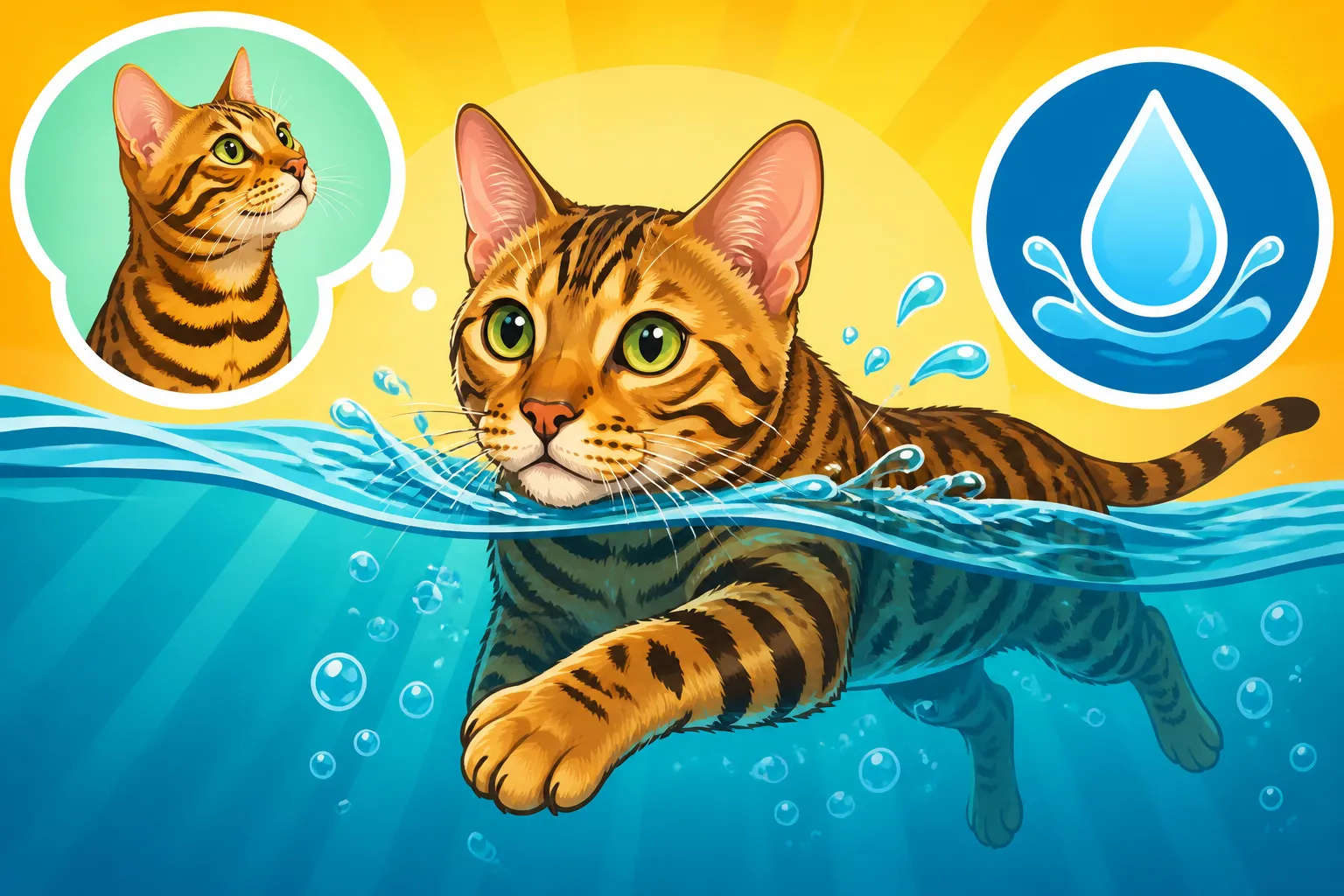
When a Bengal cat swims, it's typically a very deliberate and focused act. You'll often see their head held high above the water, their ears pricked forward, constantly assessing their surroundings. Their strong, muscular legs work in a quick, efficient dog-paddle motion, propelling them forward with surprising speed. Their tail acts as a rudder, helping them to steer and maintain balance. It's a testament to their innate athleticism and primal instincts.
Unlike some animals who panic in water, a Bengal who chooses to swim often appears calm and in control. They might even seem to enjoy the sensation, exhibiting playful swats at the water or chasing a floating toy. However, it's essential to remember that even for a water-loving Bengal, swimming is still an energy-intensive activity. Short, supervised sessions are always best to prevent exhaustion and ensure their safety. How Well a Bengal Cat Swims is a topic that truly highlights their unique physical prowess.
Safety First: Water Activities for Bengals
While their love for water is endearing, it’s crucial to prioritize safety whenever your Bengal is around water, especially if they are swimming. What might seem like harmless fun can quickly turn dangerous without proper precautions.
Dangers of Unsupervised Water Access
Leaving a Bengal cat unsupervised around significant bodies of water, such as swimming pools, ponds, or even full bathtubs, poses serious risks. Even the most confident swimmer can become disoriented, exhausted, or accidentally fall into water they cannot easily escape. A Bengal cat's strong prey drive might lead them to chase a reflection or an insect into a pool, and if the edges are too high or slippery, they might struggle to get out.
Consider the layout of your home and yard. If you have an in-ground pool, ensuring it has a secure cover when not in use, or installing pet-friendly ramps, is critical. Even a simple doggy ramp designed for small pets from a site like Amazon could offer a safe exit point. Small children's paddling pools can also be a risk if they're too deep for a kitten or a smaller Bengal to climb out of easily. Always drain them after use. Remember, even though they can swim, it doesn't mean they're impervious to drowning or hypothermia, especially in colder water. Whether a Pool Is Dangerous for a Bengal Cat covers these risks in detail.
Recognizing Signs of Distress in Water
It's vital for any Bengal owner to be able to recognize the signs that their cat is in distress in the water. While a playful splash might involve some vocalizations and energetic movements, distress signals are different. These can include:
- Excessive panting or gasping: Indicating they are struggling to breathe or are exhausted.
- Wide, panicked eyes: A clear sign of fear or disorientation.
- Frantic, uncoordinated splashing: Unlike purposeful swimming, this looks chaotic and desperate.
- Attempting to climb on you or anything nearby: They are trying to get out of the water.
- Shivering or trembling: Suggests they are getting too cold.
- Sudden silence and limpness: This is a critical emergency and means they are nearing exhaustion or unconsciousness.
If you observe any of these signs, gently and calmly remove your Bengal from the water immediately. Wrap them in a warm towel, and provide a safe, quiet space for them to recover. If they seem to have ingested a lot of water or are still struggling to breathe, contact your veterinarian immediately.
Encouraging Safe Water Play
While safety is paramount, you can absolutely foster your Bengal's natural inclination towards water in a controlled and enriching way. It’s all about positive reinforcement and creating a secure environment.
Starting with Shallow Water
The best way to introduce your Bengal to water, or to encourage their natural play, is to start small and shallow. Think of a shallow tray, a partially filled sink, or a bathtub with just an inch or two of warm water. The goal is to make it a positive, low-stress experience. You can drop in some floating toys – perhaps a few lightweight plastic balls or specially designed cat bath toys from a range you might find on Amazon.
Sit with your cat, talk to them calmly, and offer treats for positive interaction with the water. Let them explore at their own pace. They might just dip a paw at first, then gradually become more confident. Never force them into the water. This could create a negative association and make them fearful, undoing any natural inclination they have. The idea is to tap into their curiosity, not trigger their fear response.
Appropriate Water Toys and Enrichment
Providing the right kind of toys can significantly enhance safe water play. Look for toys that float, are easy to retrieve, and are made from non-toxic, durable materials. Balls, rubber ducks, or even simple ice cubes can be fascinating for a Bengal. Some cats enjoy trying to "fish" for toys that are partially submerged.
Many Bengals also adore playing with running water. A pet fountain, especially a sturdy one that can withstand their playful antics, is a fantastic investment. Not only does it encourage hydration, but it also provides a constant source of flowing water for them to bat at. This satisfies their natural inclination to play with moving water without the risks associated with larger bodies of water. You can find excellent options for Which Water Fountain Survives a Bengal Cat by checking out reviews for durability.
Leash Walking Near Water Bodies
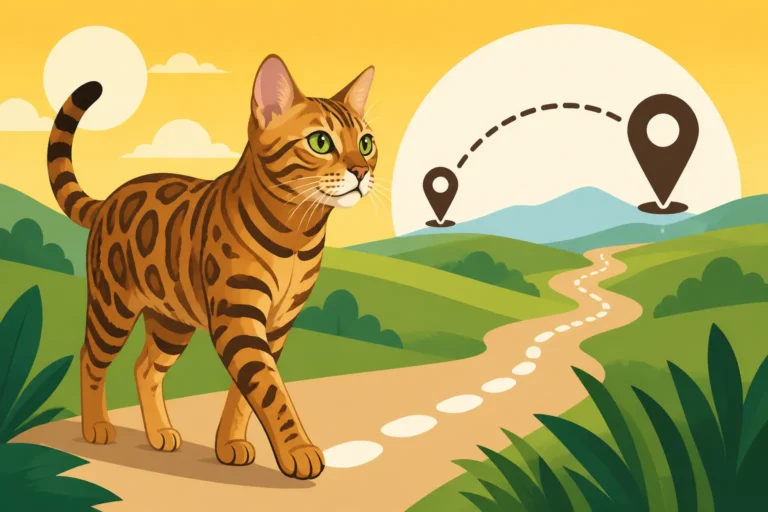
For Bengal cats who are leash-trained and enjoy outdoor adventures, walking near safe, clean water bodies can be another form of enrichment. Imagine a leisurely stroll near a calm stream or a quiet lakeside path. Your Bengal might enjoy dipping their paws in, batting at the water, or simply observing the reflections. How to Leash Train a Bengal Cat is a great resource if you're just starting this journey.
However, always ensure the water is clean and free of strong currents or hazards. Never let your Bengal off-leash near open water, as their curious nature could lead them into dangerous situations. A secure, escape-proof harness is non-negotiable for these adventures. If you’re ever unsure about the safety of a particular body of water, it’s always better to err on the side of caution and keep your adventurous feline at a safe distance.
Beyond the Bathtub: Unique Water Preferences
The Bengal cat's relationship with water extends far beyond just swimming or splashing; it influences many of their daily behaviors and preferences. Understanding these nuances can help you provide an even more enriching environment for your water-loving companion.
The Shower Companion Bengal
Many Bengal owners will attest to the fact that their cats are not just tolerating water, but actively seeking it out in the most unexpected places – like the shower. It's not uncommon for a Bengal to follow their human into the bathroom and, if allowed, jump right into the shower stream. This is often driven by curiosity and a desire for interaction, combined with their inherent love of running water. Whether a Bengal Cat Gets in the Shower is a common question among new Bengal parents!
If your Bengal enjoys this, ensure the water temperature is lukewarm and never too hot. Avoid using human shampoos or soaps near them, as these can irritate their skin and eyes. For many Bengals, this is less about getting clean and more about the sensory experience and being close to their person. It's another example of their unique personality shining through, making them truly different from other domestic breeds.
Obsession with Running Water
The fascination with running water is a hallmark of the Bengal breed. From dripping faucets to overflowing bathtubs, if water is moving, a Bengal is likely to be mesmerized by it. This is why you'll often find them attempting to turn on taps themselves or playing vigorously with any available water source. This isn't just a cute quirk; it speaks to their deep-seated instinctual drives.
To safely channel this obsession, a good quality pet drinking fountain is invaluable. Look for one that's sturdy and difficult for them to knock over. You can also occasionally offer supervised playtime with a gently running faucet or even a small, pet-safe outdoor fountain. This provides mental and physical stimulation, satisfying their primal instincts in a controlled environment. However, always ensure they can't flood your bathroom by leaving a tap running unattended!
The Bengal and the Toilet Bowl
While perhaps not the most glamorous aspect of their water fascination, many Bengal owners find their cats are irresistibly drawn to the toilet bowl. This is often because the water is fresh, circulating (after a flush), and readily accessible. For a cat whose instincts tell them that moving water is safer and fresher than still water, the toilet can seem like an attractive drinking spot.
Of course, this is not ideal from a hygiene perspective. The simplest solution is to keep your toilet lid closed at all times. This not only prevents them from drinking potentially unsanitary water but also prevents them from playing in it or accidentally falling in. Redirect their attention to their designated water sources, especially a running fountain, which appeals to the same instinct in a much safer way.
Understanding the Bengal Cat's Temperament and Water
It’s not just their physical attributes that make Bengals unique around water; their overall temperament plays a huge role in their aquatic adventures. Their intelligence, curiosity, and high energy levels all contribute to their distinct approach to water.
High Intelligence and Curiosity
Bengal cats are known for being incredibly intelligent and intensely curious creatures. This sharp intellect means they are constantly exploring their environment, testing boundaries, and figuring out how things work. When they encounter water, their curiosity kicks into overdrive. They want to know what it is, how it moves, and what happens when they interact with it. This drives their playful pawing at water, their attempts to open faucets, and their general investigative approach to anything wet. How Clever a Bengal Cat Is is a topic that could fill volumes, and their water antics are just one example.
This intelligence also means they can learn quickly. If they discover that batting at a stream of water from a tap is fun, they'll repeat the behavior. If they find a toy floats and can be "fished" out, they'll turn it into a game. This makes them highly trainable and receptive to enrichment activities, including water play, as long as it's introduced positively.
Energetic and Playful Nature
Bengals are famously high-energy cats, requiring significant playtime and mental stimulation to stay happy and healthy. This boundless energy often manifests as a desire to interact with everything in their environment, and water is no exception. For a Bengal, a splash in the sink or a chase after a floating toy isn't just a drink; it's a full-body engagement that burns off some of that incredible energy. How Active a Bengal Cat Is truly distinguishes them from other breeds.
Water play can be an excellent form of enrichment for these active felines. It provides both physical exercise and mental stimulation as they try to "catch" the water or retrieve items. Incorporating supervised water play into their routine can help prevent boredom, which, for a Bengal, often leads to destructive behaviors. A bored Bengal is a creative Bengal, and that creativity can sometimes lead to mischief that involves your plumbing!
The Importance of Early Exposure
Just like with leash training or introduction to other pets, early, positive exposure to water can greatly influence a Bengal kitten's comfort level. If a kitten is introduced to shallow water play in a fun, gentle way from a young age, they are much more likely to embrace their natural water instincts as an adult. This doesn't mean forcing them to swim, but rather creating opportunities for positive, low-stress interactions.
A breeder who understands the Bengal temperament might even begin this process, making the transition to a water-friendly home much smoother. If you adopt an adult Bengal, don't despair if they aren't immediately keen on water. Patience and gentle encouragement, always respecting their boundaries, are key. Some Bengals may never progress beyond dipping a paw, and that's perfectly fine. The goal is enrichment and fun, not turning every Bengal into an Olympic swimmer.
The Verdict: Can Your Bengal Cat Swim?
So, after all this discussion, what’s the definitive answer? Can your Bengal cat swim? Yes, absolutely. Most Bengal cats possess the innate physical capabilities and genetic predisposition to be competent swimmers. Their short coats, muscular bodies, and ancestral background equip them well for navigating water.
However, the more important question is whether they will swim, and whether they should swim. While many Bengals will happily engage with water, not all will take to full-body immersion, and crucially, not all water environments are safe. It's vital to:
- Respect individual personality: Some Bengals are more adventurous than others.
- Prioritize safety: Always supervise water play and ensure easy escape routes.
- Provide positive experiences: Never force them, and make it fun.
By understanding their unique water affinity and taking appropriate safety measures, you can encourage your Bengal's natural instincts and provide them with a truly enriching and engaging experience.
| Aspect of Water Interaction | Typical Domestic Cat | Bengal Cat |
|---|---|---|
| Initial Reaction to Water | Avoidance, fear, disgust | Curiosity, intrigue, playfulness |
| Physical Adaptations | Thick fur can get waterlogged, less streamlined | Short, pelt-like coat sheds water, muscular & agile |
| Swimming Capability | Possible, but often awkward and panicked | Generally graceful and efficient, natural dog-paddle |
| Interest in Running Water | Minimal, sometimes a cautious drink | High, often bats at taps, loves fountains |
| Willingness to Get Wet | Extremely low, often a frantic escape | High, may join owner in shower or bath |
| Ancestral Influence | Often evolved in arid regions | Asian Leopard Cat ancestry, often lived near water |
| Safety Considerations | Risk of accidental falls, drowning if panicked | Risk of accidental falls, exhaustion, hypothermia (though generally less panicked) |
| Enrichment Potential | Low, generally not a source of fun | High, excellent for physical and mental stimulation |
This table clearly illustrates why the Bengal is truly in a league of its own when it comes to water. They’re not just cats who don't mind getting wet; they’re often cats who actively seek it out, making them one of the most unique and engaging feline companions you could ever have.
Disclaimer
This article is for general informational purposes only and does not constitute professional advice. Laws, prices and regulations vary by location and change over time. Consult a qualified professional for guidance on your specific situation.