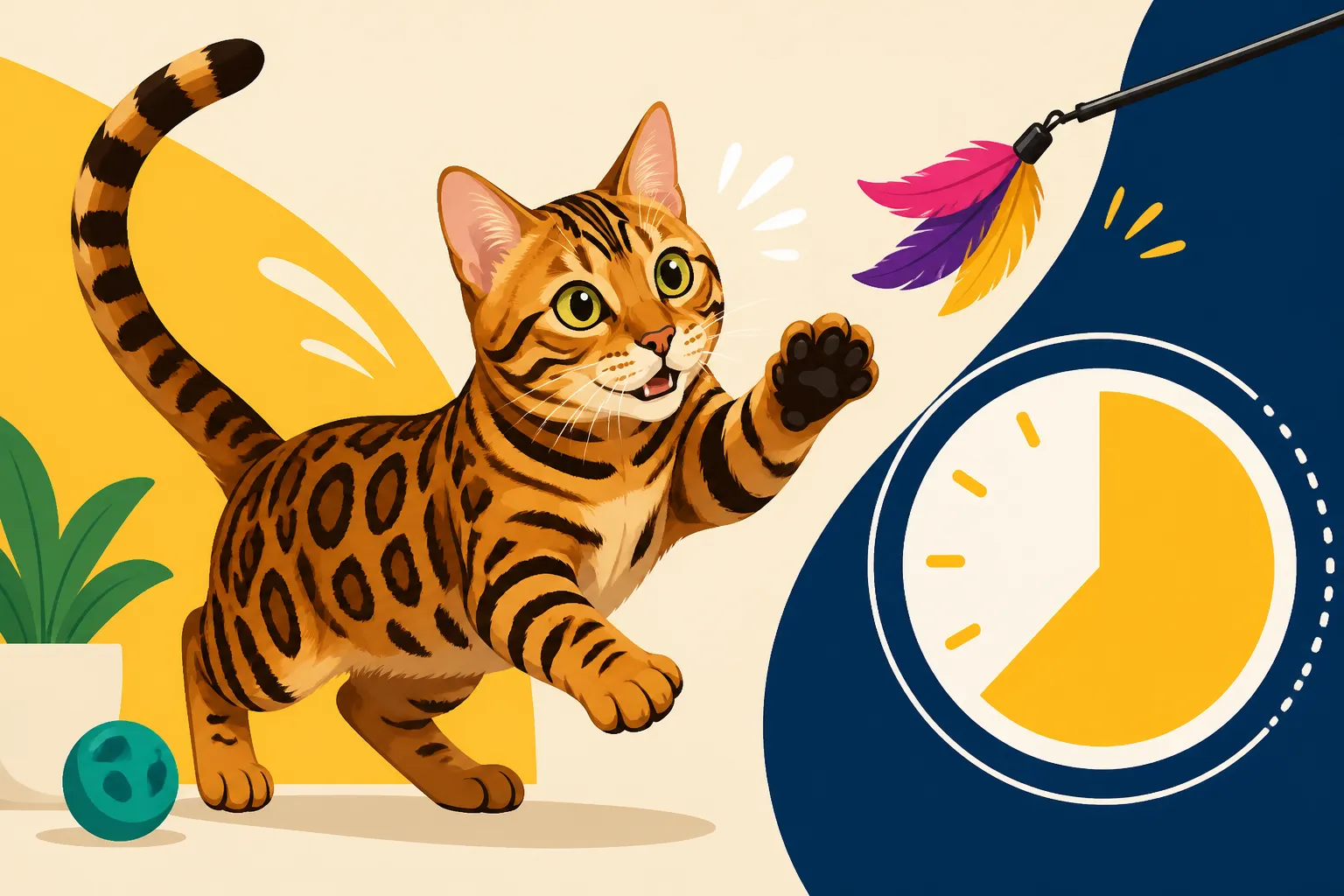
How Long a Bengal Cat Plays in One Session
One of the most common questions I get from folks bringing a Bengal cat into their home is, "How much play do they really need?" It's not just about how many sessions, but how long each one lasts and what that really looks like. Many owners feel like they're constantly trying to keep up, wondering if their Bengal's play sessions are long enough to truly satisfy that boundless energy, and frankly, it can be exhausting trying to figure it out. This guide is here to shed light on what a typical play session entails for these incredible cats and how you can make the most of it without burning out yourself.
Understanding the Bengal Cat's Innate Drive for Play
If you've ever watched a Bengal cat in full flight, chasing a wand toy or batting at a crinkle ball, you know it's not just casual batting. It's a full-body, high-intensity engagement that speaks volumes about their wild ancestry. These aren't your average couch potato companions; they are descendants of the Asian Leopard Cat, and that heritage profoundly influences their approach to play. It’s why so many Bengal owners feel perpetually baffled by their cat’s seemingly endless energy reserves.
The Hunter's Instinct: Short Bursts, High Intensity
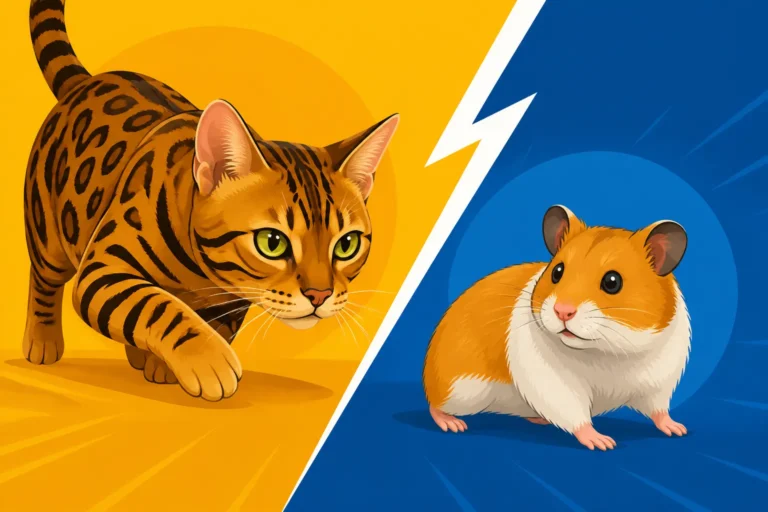
The natural hunting cycle of a wild cat isn't one long, drawn-out chase. Instead, it's characterized by periods of intense focus, stalking, pouncing, and then a quick "kill." This intense burst of activity is followed by a period of rest, observation, and regrouping before the next hunt begins. A domestic Bengal cat, even generations removed from their wild relatives, still carries this primal programming.
What this means for a play session is that your Bengal isn't necessarily built for a continuous, uninterrupted hour of play like a dog might be. Instead, you'll often see them engage with incredible fervor for anywhere from 10 to 20 minutes. During this time, they'll put everything into it: leaping, running, rolling, and executing acrobatic maneuvers that would make a gymnast jealous. They might pant a little, their pupils dilated, fully immersed in the "hunt." After this intense burst, don't be surprised if they suddenly disengage, flop down, and start grooming or simply observing. This isn't a sign they're done for the day, but rather that they've completed a "hunt" and are now in a natural recovery phase. Think of it as their internal cooldown, preparing for the next "prey" appearance. It's a cycle of high energy, quick recovery, and then back to high energy. It's truly fascinating to watch their instincts kick in, right there in your living room.
Why a Single Session Isn't Always a Single Session
Here's where it gets a little tricky and often confuses new Bengal owners. You might start a play session with a feather wand toy, and your Bengal is going wild for 15 minutes. Then, they suddenly walk away, grab a small toy mouse, and start batting it around on their own for another five minutes before disappearing for a nap. Was that one session or two? For a Bengal, the line can be blurry.
Their play isn't always neatly compartmentalized into "dedicated human-led play" and "solitary play." Often, these flow into each other. A "session" might be a 15-minute intense interaction with you, followed by a 10-minute independent exploration of a puzzle feeder, and then a 5-minute wrestle with a stuffed animal, all within a larger "active period." It's less about a singular, unbroken block of time and more about a cluster of activities that fulfill their need for physical and mental stimulation. This interconnectedness is crucial to understanding How Many Play Sessions a Bengal Cat Needs throughout the day. What feels like a brief 10-minute interaction to us might be a satisfying "hunt" in their eyes, especially if it's followed by self-directed play that keeps their mind and body engaged. Don't underestimate the value of these seemingly short, but highly potent, bursts of activity.
Factors Influencing Bengal Cat Play Session Length
While the average intense play session might hover around 10-20 minutes, this isn't a hard and fast rule set in stone. Several factors can significantly influence how long your Bengal will engage in play at any given time. Understanding these can help you tailor your approach to ensure your Bengal is getting the most out of their enrichment. It also explains why some days feel like an endless carnival and others a quiet library.
Age and Energy Levels
Just like us, a Bengal cat's energy levels ebb and flow throughout their life.
- Kittens and Young Adults (Up to 2-3 years): These are the true perpetual motion machines. Bengal kittens, and even young adults, often seem to have an inexhaustible supply of energy. Their play sessions might indeed last longer, sometimes pushing towards 20-30 minutes of intense, non-stop action before a quick break. They're exploring their world, building muscles, and refining their hunting skills. You'll find yourself running ragged trying to keep up. This is the period where they most embody the description: The Bengal Cat Is the Most Active Cat You Can Own.
- Prime Adulthood (3-10 years): While still incredibly active, adult Bengals often settle into a more predictable rhythm. Their play sessions remain intense, but they might be more efficient with their energy. Those 10-20 minute bursts become more standard, and they're better at self-regulating when they need a pause. They still need consistent play, but the frantic, kitten-like energy has matured into powerful, controlled movements.
- Senior Years (10+ years): As Bengals enter their senior years, their play sessions will naturally shorten and become less intense. A 5-10 minute session might be perfectly adequate, followed by longer rest periods. They may still enjoy the thrill of the chase, but their bodies simply can't sustain the same level of exertion. It's important to adjust your play style to accommodate their changing needs, focusing on mental stimulation and gentler physical activities. This is a good time to revisit Caring for a Bengal Cat Past Ten.
Type of Play and Engagement
Not all play is created equal, especially for a Bengal cat. The kind of toy or activity you introduce can drastically impact how long they stay engaged.
- Wand Toys and Laser Pointers: These are often the holy grail of Bengal cat play. A good quality wand toy with feathers or various attachments can elicit incredible responses. For these, you might find your Bengal engaged for the full 15-20 minutes, especially if you're good at mimicking prey movements. Laser pointers, while mentally stimulating, should always end with a tangible toy to "catch" to prevent frustration, and their effectiveness might wane after a similar duration of intense pursuit. I've found that my Bengals will absolutely demolish a feather wand from Amazon in record time because they're so captivated by the movement.
- Puzzle Feeders and Interactive Toys: These engage their minds as well as their bodies, often leading to shorter, more focused bursts of activity. A Bengal might work on a puzzle for 5-10 minutes, then wander off, only to return later for another go. These are excellent for independent enrichment and can stretch out their overall active time across the day. If you're wondering Whether a Puzzle Feeder Tires a Bengal Cat, the answer is yes, mentally more than physically in a single sitting, but it adds to their overall satisfaction.
- Solo Play Toys (Balls, Kicker Toys): While Bengals will often engage in solo play, these sessions are typically shorter and less intense than direct interaction with you. They might bat a ball around for a few minutes, carry a kicker toy, or stalk a toy mouse. These brief, self-directed moments are important, but they don't replace the need for interactive play.
Environmental Enrichment and Stimulation
A Bengal cat thrives on novelty and challenge. A dull, unchanging environment will quickly lead to boredom, regardless of how many toys they have.
- Vertical Space: Bengals are climbers. Having tall cat trees, shelves, or catio access provides endless opportunities for exploration and exercise. The more interesting their environment, the more likely they are to engage in spontaneous, self-directed play throughout the day, extending their overall activity levels far beyond structured play sessions. How High a Bengal Cat Climbs is a testament to their need for vertical territory.
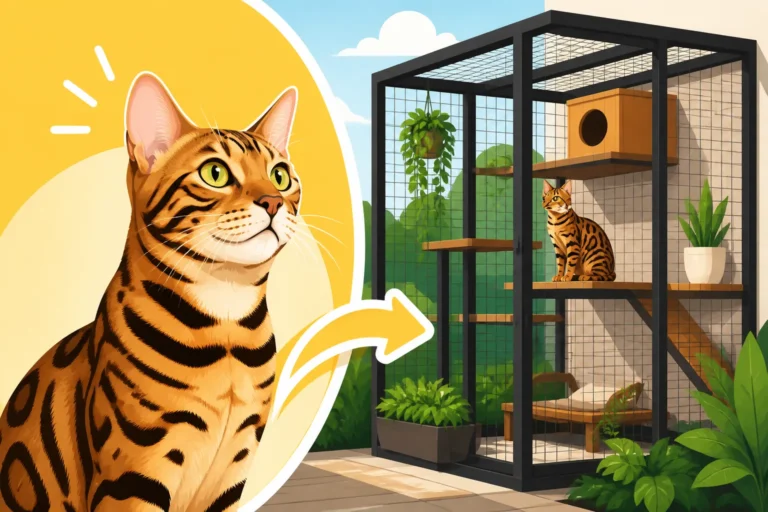
- Outdoor Access (Catios!): A secure outdoor enclosure, or "catio," is a game-changer for many Bengals. The sights, sounds, and smells of the outdoors provide constant stimulation. They might spend an hour observing birds, stalking insects, or simply patrolling their territory, breaking up their day with natural, engaging activities that feel like play. This is why Why a Catio Is the Answer to a Bengal Cat is a common refrain among owners.
- Rotating Toys: Even the best toy gets boring. By rotating toys every few days or weeks, you introduce novelty and keep their interest piqued. A toy they ignored for a month might become their favorite again after a brief "disappearance." My Bengal acts like an old Amazon box is the greatest invention ever if it hasn't been seen for a week.
Individual Personality and Mood
Just like people, every Bengal cat has its own unique personality, and their mood on a given day can influence their willingness to play and for how long.
- High-Drive vs. More Mellow Bengals: While Bengals are generally active, there's still a spectrum. Some will demand play constantly, extending sessions to their maximum length, while others might be content with shorter, more frequent bursts. Observing your individual cat's preferences is key.
- Stress or Illness: A stressed or unwell Bengal will have significantly reduced play drive and shorter sessions. If your usually energetic cat suddenly shows a marked decrease in play, it’s a red flag that warrants investigation. Signs a Bengal Cat Has Heart Disease or other health issues can manifest as lethargy.
- Bond with Owner: Bengals often thrive on interaction with their humans. A strong bond can make them more eager to engage in play with you, potentially extending the duration and intensity of those interactive sessions.
Maximizing Play Effectiveness and Duration
Okay, so we know a typical intense play session is often around 10-20 minutes, influenced by many factors. But how do you, as the dedicated Bengal owner, ensure you’re making those sessions count and keeping your furry little leopard happy and healthy? It's about working smarter, not just harder, and understanding their unique needs. Nobody wants to feel like they're failing to meet their Bengal's enrichment needs, and these strategies can help you feel more confident.
Strategic Play Scheduling
Bengals are crepuscular, meaning they are most active during dawn and dusk. This is often the prime time for their "hunting" instincts to kick in.
- Morning Wake-Up Call: An energetic play session first thing in the morning can help burn off some of that overnight energy and set a positive tone for the day. Even 15 minutes of intense wand play before you head off to work can make a huge difference in their daytime demeanor.
- Evening Wind-Down: Another substantial play session in the evening, perhaps before dinner, is crucial. This allows them to "hunt" and exert themselves before settling down for the night, potentially leading to a more peaceful sleep for everyone. If you find your Bengal yowling at night, it might be that they haven't had enough appropriate stimulation during their active hours.
- Mid-Day Mini-Bursts: If possible, short 5-10 minute bursts during the day can also be beneficial, especially if your Bengal is alone for long stretches. This could be a quick game of fetch, a puzzle feeder deployment, or even just some focused attention. Remember, How Long a Bengal Cat Copes Alone often depends on how well their environment and routine support their high energy needs.
Rotating Toys and Introducing Novelty
Imagine eating the same meal every single day. Even your favorite food would get boring eventually, right? The same goes for your Bengal's toys.
- The Toy Box Strategy: Don't leave all the toys out all the time. Instead, have a rotating selection. Keep a "toy box" (perhaps a lidded container from Amazon that's cat-proof!) and swap out toys every few days or weekly. This keeps things fresh and exciting. A toy that was ignored last week might be met with renewed enthusiasm when it reappears.
- DIY Enrichment: Sometimes, the simplest things are the best. A crumpled paper ball, a toilet paper roll, or a cardboard box can provide immense entertainment for a short burst. These "found" toys offer novelty without breaking the bank.
- Interactive Gadgets: Consider battery-operated toys that move unpredictably. While they don't replace human interaction, they can provide moments of unexpected fun and mental stimulation, especially during times when you're busy. Just be aware that Which Wand Toy a Bengal Cat Destroys Fastest might also apply to some automated toys!
Integrating Puzzle Toys and Mental Stimulation
Physical exertion is only half the battle; a Bengal's intelligent mind needs a workout too. How Intelligent a Bengal Cat Is means they need more than just chasing.
- Food Puzzles: Instead of just putting food in a bowl, use puzzle feeders. These make your Bengal "work" for their meal or treats, engaging their problem-solving skills and slowing down their eating. This is a fantastic way to extend their engagement and reduce boredom.
- Clicker Training: Bengals are highly trainable and love learning new tricks. Short, positive clicker training sessions (5-10 minutes) can be incredibly mentally stimulating and strengthen your bond. Teaching them to sit, stay, or high-five can be just as tiring for their brains as a physical chase.
- Hidden Treats: Hide treats around the house, encouraging them to use their nose and problem-solving skills to sniff them out. Start easy and gradually increase the difficulty. This taps into their natural foraging instincts.
Knowing When to Stop (or Pause) a Session
Learning your Bengal's cues is paramount. Pushing them past their comfortable limits can lead to over-exertion or, conversely, a loss of interest.
- Signs of Fatigue: Look for heavy panting (beyond a slight, occasional breath after a sprint), slowness in movement, or simply walking away and losing interest. If they're clearly tired, respect that.
- Signs of Over-Stimulation: Some Bengals can get over-stimulated, leading to rough play, swatting, or even biting. If you see signs of agitation, it's time for a calm cool-down or a change of activity.
- The "Re-engagement" Break: Sometimes, a quick 5-minute break is all they need. Let them grab a drink of water, groom themselves, or simply lie down. Then, try re-engaging them with a different toy or a slightly altered play style. Often, they'll come back refreshed and ready for round two. This cyclical nature of intense play and short breaks is very typical of them.
| Play Type | Typical Duration (Intense Focus) | Primary Benefit | Best Time of Day |
|---|---|---|---|
| Wand/Interactive Play | 10-20 minutes | High physical exertion, predatory fulfillment | Dawn/Dusk, before meals |
| Puzzle Feeders | 5-15 minutes (intermittent) | Mental stimulation, problem-solving, slow eating | Anytime, especially when alone |
| Fetch | 5-10 minutes | Short bursts of cardio, bonding | Short breaks, throughout the day |
| Solo Play (Toys) | 2-5 minutes (intermittent) | Self-entertainment, independent exploration | Anytime, complements interactive play |
| Training Sessions | 5-10 minutes | Mental challenge, strengthens bond, skill building | Anytime, when focused and calm |
| Outdoor Catio Time | 30-60+ minutes (observational) | Environmental enrichment, sensory stimulation | Daytime, supervised |
Common Misconceptions About Bengal Play Time
It’s easy to fall into traps when you own such a high-energy, intelligent breed. Misconceptions about how long and how intensely a Bengal should play can lead to owner fatigue, frustration, or even inappropriate expectations for your cat. Let's clear up a couple of big ones that I hear often, because understanding them can truly change your perspective on keeping your Bengal happy. Many people feel guilty if their Bengal isn't playing every waking moment, and that's simply not realistic.
The Myth of Non-Stop Play
One of the biggest misunderstandings about Bengal cats is that they need to be playing every single waking moment, constantly running, jumping, and chasing. While it's true that they have immense energy, they are not perpetual motion machines. This misconception often leads owners to feel overwhelmed and exhausted, believing they must endlessly entertain their cat. This is simply not sustainable or necessary.
Think back to their wild ancestors. An Asian Leopard Cat isn't chasing prey for eight hours straight. They hunt in intense, focused bursts, then rest, groom, or patrol their territory. Your Bengal operates on a similar principle. They need these intense bursts of activity – those 10 to 20-minute power sessions – but these need to be punctuated by periods of rest, observation, and self-directed activity. If you try to force continuous play, you'll likely find your Bengal getting over-stimulated, losing interest, or becoming frustrated. Their bodies and minds need those breaks to process, recover, and gear up for the next "hunt." It's important for their physical health to have downtime, and for their mental well-being to not be constantly 'on'. This is part of How Much Exercise a Bengal Cat Needs a Day but it's not a single, continuous block.
Assuming Boredom vs. Rest
Another common pitfall is misinterpreting a Bengal's quiet moments. You might see your Bengal lying down, calmly observing the room, or even napping, and immediately think, "Oh no, they're bored! I need to get the wand toy out!" While Bengal cats can get bored (and What a Bored Bengal Cat Destroys is a clear sign), not every moment of calm is a cry for entertainment.
Often, these periods are essential rest and processing times. After an intense play session, a Bengal needs to cool down. They might be conserving energy, simply observing their surroundings (which is a form of mental stimulation in itself), or genuinely resting. Continuously interrupting these natural breaks can be counterproductive. It can prevent them from truly recuperating, leading to an agitated or less engaged cat later on. Learning to distinguish between genuine signs of boredom (like destructive behavior, excessive vocalization, or repetitive actions) and normal periods of rest or quiet observation is key. Sometimes, a Bengal just needs to chill out. It's a natural part of their daily cycle, and respecting that can actually make their active play times even more effective and enjoyable for both of you. Don't feel guilty for letting your Bengal simply exist calmly; it's a sign of a well-adjusted cat who feels secure in their environment.
Disclaimer
This article is for general informational purposes only and does not constitute professional advice. Laws, prices and regulations vary by location and change over time. Consult a qualified professional for guidance on your specific situation.