Which Cat Tree a Bengal Cat Needs
Oh, the quest for the perfect cat tree for a Bengal! If you've ever brought home one of these magnificent, energetic felines, you've quickly learned that your average, flimsy carpeted tower from the big box pet store simply doesn't cut it. They'll scale it, shake it, and quite possibly dismantle it within a week, leaving you with a sad, wobbly testament to their boundless energy. This guide is all about helping you navigate the unique demands of a Bengal cat to find a climbing structure that truly stands a chance and provides the enriching vertical space they desperately need.
Understanding the Bengal Cat's Unique Needs for a Cat Tree
When it comes to a cat tree, a Bengal isn't just looking for a cozy spot to nap. They're looking for an entire jungle gym, a lookout tower, a launchpad for aerial acrobatics, and a strategic vantage point from which to survey their domain. Their innate athleticism and intelligence mean they require more than the standard feline furniture. If you’ve ever wondered why your Bengal eyes the top of your bookshelf with such intense focus, it’s because their instincts are screaming for height.
The Instinct to Climb and Observe from Above
Let's be real, the Bengal cat descends from the Asian Leopard Cat, a creature of the wild. That wild heritage isn't just in their stunning coat; it's deeply ingrained in their behavior. These cats have an undeniable, primal urge to climb and perch as high as possible. In the wild, this means safety from predators and a superior hunting vantage point. In your living room, it translates to a profound need for vertical space. A good cat tree isn't just a luxury for a Bengal; it's a fundamental part of their psychological well-being. Without adequate opportunities to climb and observe from above, your Bengal might decide your curtains, bookshelves, or kitchen cabinets make for perfectly acceptable climbing alternatives – and believe me, you don't want that! Providing safe, designated climbing spaces channels this natural instinct productively. Think of it as creating an indoor wilderness trail for them. This inherent desire for height is also why a truly comprehensive enrichment plan for a Bengal cat must factor in ways to satisfy their arboreal ambitions. You'll quickly see why How High a Bengal Cat Can Jump is no exaggeration when you witness them scale furniture with effortless grace.
The Sheer Power and Agility of a Bengal Cat
If you've ever seen a Bengal launch itself from a standing start, twist in mid-air, and land silently on a narrow ledge, you know they're not your average domestic housecat. These felines are powerhouse athletes. Their muscular bodies and incredible agility mean that a flimsy, particle board cat tree covered in thin carpet won't last. They'll hit it with the force of a small leopard, and if it wobbles even slightly, they'll either destroy it in a fit of playful exuberance or simply decide it's unsafe and ignore it. Many a well-meaning owner has invested in a standard cat tree only to find it quickly reduced to a sad, leaning tower of splintered wood and shredded carpet. It’s not about malice; it’s about their sheer kinetic energy. They need structures that can handle repeated, vigorous assaults of climbing, pouncing, and scratching without toppling or breaking. The frustration of seeing a brand-new cat tree fail within weeks is a common lament among Bengal owners, underscoring the importance of choosing wisely from the start.
The Desire for Multiple Play and Rest Zones
A Bengal cat isn't satisfied with a single perch or a small cubby. Their inquisitive and active nature means they thrive on variety and challenge. They need a multi-level structure that offers various platforms, hideaways, and scratching surfaces. Imagine a multi-story mansion for your feline friend, not a studio apartment. They want to dart up, pounce down, hide in a tunnel, scratch a post, and then survey their kingdom from the highest peak. These different zones cater to their complex needs: observation posts, napping nooks, ambush points for play, and dedicated areas for stretching and scratching. A tree that offers diverse textures and opportunities for different activities keeps them engaged and prevents boredom, which, as many Bengal owners know, is the enemy of household peace. Without sufficient stimulation, a bored Bengal is a destructive Bengal. They thrive on having options, on being able to choose where to play, rest, or simply observe the world.
Key Features of a Bengal-Proof Cat Tree
Now that we understand why a Bengal needs a specific kind of cat tree, let's dive into what makes a cat tree truly Bengal-proof. This isn't just about size; it's about engineering, materials, and thoughtful design that can withstand the unique challenges posed by this active breed. Investing in a high-quality tree now will save you countless headaches (and potentially damaged furniture) down the line.
Superior Stability and Construction Materials
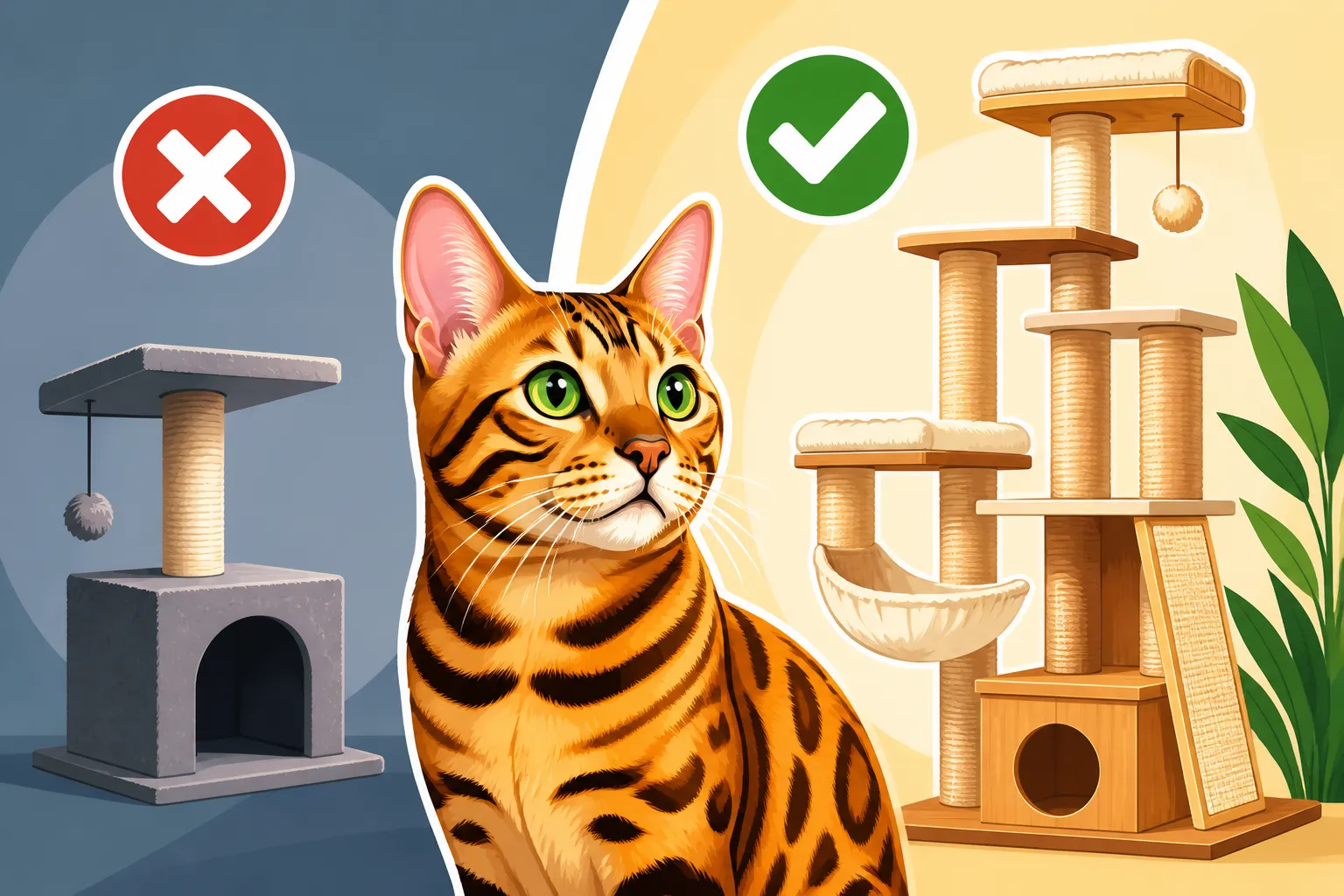
The absolute cornerstone of a Bengal-proof cat tree is stability. It cannot wobble, sway, or show any sign of weakness, even under the most enthusiastic assault. This means looking for a heavy, wide base – often a good indicator of overall sturdiness. If the base is small and lightweight, the whole structure is compromised from the start. Solid wood posts are vastly superior to particle board wrapped in thin fabric. Particle board tends to splinter and degrade over time, especially with the repeated impact of a Bengal jumping on and off. Look for thick, sturdy sisal rope on scratching posts, securely wrapped and glued, rather than stapled, to prevent it from unraveling quickly. Many reputable cat tree manufacturers, and even some custom builders you might find online, understand this need for robust construction. While you might find options on sites like Amazon, be sure to scrutinize reviews for comments on durability and stability specifically from owners of active breeds. Remember, Why a Bengal Cat Destroys Cheap Cat Furniture isn't because they're naughty, it's because they test the limits of everything!
Ample Height and Multi-Level Platforms
As we discussed, Bengals crave height. A truly satisfying cat tree for your Bengal should aim for the ceiling, or at least be significantly taller than you are. We're talking 6 to 8 feet, or even floor-to-ceiling pressure-mounted designs. This gives them the vertical territory they need to satisfy their climbing instincts and survey their surroundings from a safe, elevated position. Beyond just height, the tree needs multiple, generously sized platforms. Tiny perches that barely fit a housecat won't work for a Bengal. They need ample space to stretch out, turn around comfortably, and launch themselves from without feeling cramped or unstable. Consider platforms that are at least 16×16 inches, or even larger, especially for the top perches. The spacing between platforms is also important; it should allow for easy, energetic leaps, providing a challenging but navigable ascent and descent. Don't forget, How Much Vertical Space a Bengal Cat Needs is often underestimated by new owners!
Durable Scratching Surfaces and Materials
Bengal cats will scratch. It's a natural, healthy behavior for them, sharpening claws, stretching muscles, and marking territory. A good cat tree must incorporate multiple, durable scratching surfaces. Sisal rope is usually the preferred material, as it provides excellent resistance and mimics tree bark. Ensure the sisal is tightly wound and covers the entire post section, not just small patches. Some cat trees also incorporate sisal fabric panels or thick, dense carpet in certain areas, which can be great for variety. Avoid trees with thin, loosely woven carpet or plush fabric as the primary scratching surface; these will be shredded in no time, leaving a messy trail of fibers and a frustrated cat. The durability of the scratching material directly impacts the lifespan of your cat tree and, importantly, the safety of your furniture. If they don't have suitable scratching alternatives, your sofa becomes the next best option.
Different Types of Cat Trees for Bengal Cats
Thinking outside the box (or rather, outside the standard cat tower) can open up a world of possibilities for enriching your Bengal's environment. There are several innovative types of climbing structures that are far more suited to their energetic antics and desire for vertical challenges. Don't limit yourself to what you see at the typical pet store; a bit of research can uncover truly exceptional options.
Floor-to-Ceiling Cat Trees
For Bengals, these are often the gold standard. Floor-to-ceiling cat trees are exactly what they sound like: structures that extend from your floor all the way to your ceiling, usually secured with a tension rod or mounting bracket. This design eliminates wobble by providing maximum stability and offers an incredible amount of vertical climbing space. They can feature multiple levels of platforms, hammocks, cubbies, and sisal-wrapped poles, creating a true indoor playground. Because they are anchored at both ends, they can withstand even the most vigorous climbing and pouncing from a powerful Bengal. This type of tree truly leverages the vertical dimensions of your home, satisfying your Bengal's instinct to climb to the highest point possible. Many custom builders or specialty pet furniture stores offer variations on this design, and you might even find some robust options on platforms like Amazon if you search for "heavy duty floor-to-ceiling cat tree." These can be a fantastic focal point for play, allowing your Bengal to expend their incredible energy. Consider how much The Bengal Cat Is the Most Active Cat You Can Own, and you'll see why these towering structures are a fantastic investment.
Wall-Mounted Shelves and Climbers
If you're dealing with limited floor space or just want to create a truly dynamic and customizable climbing experience, wall-mounted shelves and climbers are an excellent solution. These systems consist of individual shelves, bridges, scratching posts, and even small cubbies that you securely mount directly to your walls. The beauty of this approach is that you can design a unique, challenging obstacle course tailored to your space and your Bengal's abilities. You can create a winding path up to a high perch near a window, or connect different wall-mounted elements to a freestanding cat tree. When properly installed into wall studs, these shelves are incredibly stable and can support the weight and impact of a jumping Bengal. This allows your cat to literally "walk the walls," providing both exercise and a sense of elevated security. Brands specializing in cat furniture often offer modular wall systems that can be mixed and matched, allowing for expansion as your cat's needs evolve or as you wish to add more excitement. This option allows for creative design, ensuring that How to Build Shelves for a Bengal Cat effectively uses every inch of vertical real estate.
Outdoor Catios with Integrated Climbing Structures
For the ultimate adventurous Bengal, an outdoor catio with integrated climbing structures is a dream come true. A catio, a secure outdoor enclosure, allows your Bengal to safely experience the sights, sounds, and smells of the outdoors without the risks of free-roaming. Within these enclosures, you can build or install custom climbing trees, ramps, shelves, and even tunnels. Imagine a multi-tiered catio with sturdy branches, sisal-wrapped posts, and platforms at varying heights, all within a safe, enclosed space. This provides an unparalleled level of enrichment, allowing them to bask in the sun, watch birds, and engage in their natural climbing behaviors in a truly expansive environment. While this is a larger investment and undertaking, the benefits for a Bengal's physical and mental health are immense. It's the perfect blend of indoor security and outdoor stimulation, especially when you think about Why a Bengal Cat Needs a Catio and how much they thrive with varied environments. For those Bengal owners who have the space, a catio can dramatically improve their cat's quality of life.
| Cat Tree Type | Pros | Cons | Ideal For |
|---|---|---|---|
| Floor-to-Ceiling Tree | Max stability, max height, multi-level options | Can be bulky, requires ceiling tension/mounting, harder to move | Active Bengals, multi-cat households, maximizing vertical space |
| Wall-Mounted Shelves | Custom design, saves floor space, very stable when installed | Requires drilling into walls, more complex installation, higher initial effort | Small spaces, creative owners, enhancing existing structures |
| Heavy-Duty Freestanding | Easier to move than fixed options, still very sturdy | Can still wobble if not heavy enough, limited by height | Moderate spaces, those who prefer flexibility, smaller Bengals |
| Catio Climbing Structures | Ultimate outdoor enrichment, natural elements, expansive | Requires outdoor space, significant investment, weather exposure | Adventurous Bengals, owners with outdoor space, warm climates |
Assessing Quality and Value: What to Look For Beyond the Price Tag
It's tempting to go for the cheapest option when looking for a cat tree, but for a Bengal, that's almost always a false economy. A cheap, flimsy tree will break, frustrate your cat, and likely lead to your Bengal finding less desirable climbing spots. Thinking about quality and long-term value will save you money and stress in the end.
Reading Reviews and Breeder Recommendations
One of the best ways to gauge the true quality and suitability of a cat tree for a Bengal is to tap into the experience of other owners. Look for reviews, especially on sites like Amazon or specialty pet supply stores, that specifically mention large, active breeds or even Bengal cats themselves. Pay close attention to comments regarding stability, durability of materials (like sisal rope and carpet), and how well the tree has held up over time. If you’re getting your Bengal from a reputable breeder, don’t hesitate to ask them for their recommendations. Breeders often have years of experience with various cat trees and can point you towards brands or types that have proven resilient for their own energetic litters and adult cats. They might even have custom builders they swear by. This kind of real-world feedback is invaluable and can save you from making a costly mistake.
Checking for Safety Features and Non-Toxic Materials
When your Bengal is flying through the air and vigorously scratching, safety is paramount. Ensure that all components of the cat tree are securely fastened and that there are no sharp edges or exposed nails that could injure your cat. The platforms should be large enough to comfortably support your Bengal's weight without tipping, and any enclosed spaces should offer adequate ventilation. Furthermore, consider the materials used. Many cheaper cat trees can contain glues, fabrics, or particle boards that off-gas harmful chemicals. Since cats groom themselves and chew on things, choosing non-toxic, pet-safe materials is crucial. Look for natural wood, tightly woven sisal, and carpets made from safe, low-VOC (volatile organic compound) materials. If a manufacturer boasts about eco-friendly or pet-safe materials, that's often a good sign. You want your Bengal to be safe and healthy while enjoying their vertical kingdom, not inhaling questionable fumes. This attention to detail extends beyond the cat tree, it’s about providing a safe home environment where your Bengal can thrive.
Longevity and Warranty Considerations
A high-quality cat tree for a Bengal is an investment. You're not just buying a piece of furniture; you're buying a piece of your cat's daily enrichment and exercise routine. Therefore, considering the longevity of the product and any warranties offered is a smart move. A well-built cat tree, even if it costs a bit more upfront, should last for many years, standing up to the abuse only a Bengal can dish out. Cheaper trees might need replacing every year or two, making them more expensive in the long run. Some premium cat tree manufacturers offer warranties that cover manufacturing defects or premature wear, which can provide peace of mind. While an "Amazon Basics" tree might seem appealing, a specialized pet furniture brand with a commitment to quality and customer service might be a better long-term choice for a Bengal owner. Ask about replacement parts as well – if a sisal post gets worn out, can you buy just that section, or do you have to replace the entire tree? These considerations speak volumes about a product's true value.
Placement and Integration into Your Home Environment
Finding the right cat tree is only half the battle; integrating it effectively into your home and your Bengal's routine is just as important. The best cat tree in the world won't be used if it's placed in an unappealing spot or if your Bengal isn't encouraged to interact with it. Remember, these cats are clever and have definite opinions!
Strategic Location for Maximum Engagement
Where you place the cat tree matters immensely. Bengals are curious and social creatures. They don't want to be relegated to a quiet, forgotten corner of the house. Position your cat tree in a central location where your Bengal can feel like part of the family, yet still have their own elevated space. Next to a large window is often ideal, as it provides endless entertainment with bird-watching and people-watching opportunities. Place it in a living room or a frequently used common area so they can observe household activities from a safe, high vantage point. A cat tree near a sunny spot will also be a major draw for sunbathing. If you have multiple Bengals, or other cats, consider having more than one high perch or cat tree to prevent territorial disputes and ensure everyone has their own space. Strategic placement encourages regular use, allowing your Bengal to engage with their environment in a natural way.
Enhancing the Cat Tree Experience with Toys and Treats
Once you have your magnificent Bengal-proof cat tree, don't just leave it bare! Make it an even more enticing and enriching part of your cat's life by integrating toys and treats. Hang interactive toys from the platforms or sisal posts, encouraging your Bengal to bat, pounce, and climb. Puzzle feeders or treat-dispensing toys can be hidden on various levels, turning exploration into a rewarding scavenger hunt. Sprinkle a little catnip on the higher perches to initially draw them up. You can even use a wand toy to lead them up and down the tree, turning it into an engaging play session. Regularly rotating toys keeps things fresh and exciting, preventing boredom. Remember, How Much Exercise a Bengal Cat Needs a Day is significant, and an engaging cat tree can contribute greatly to meeting those needs. A dynamic cat tree setup transforms a static piece of furniture into an ever-evolving adventure zone.
Maintaining and Cleaning Your Bengal's Cat Tree
Let's face it, a busy Bengal cat will make their mark on their cat tree. From shedding hair (even though How Little a Bengal Cat Sheds for a Shorthair is often a pleasant surprise) to claw marks and the occasional hairball, regular maintenance is key to keeping the tree inviting and hygienic. Vacuum the carpeted surfaces regularly to remove loose hair and dust. For sisal posts, a stiff brush can help remove trapped fur and keep the fibers clean. Spot clean any accidents or spills immediately with a pet-safe cleaner. Check all connections and bolts periodically to ensure they remain tight and stable, especially on floor-to-ceiling or wall-mounted units. Over time, sisal rope might fray and need replacing; some manufacturers offer replacement parts, or you might need to re-wrap sections yourself with new sisal. Keeping the cat tree clean and well-maintained not only extends its lifespan but also ensures it remains a desirable and healthy space for your Bengal to enjoy for years to come.
Disclaimer
This article is for general informational purposes only and does not constitute professional advice. Laws, prices and regulations vary by location and change over time. Consult a qualified professional for guidance on your specific situation.