How Well a Bengal Cat Fetches
It's a common sight to see a dog enthusiastically bring a ball back to its owner, tail wagging, ready for the next toss. But for many cat owners, the idea of their feline friend participating in a game of fetch seems like a far-fetched dream (pun intended!). However, if you're a Bengal cat parent, you might have already discovered that your spotted companion defies this stereotype. This guide is dedicated to shedding light on just how remarkable Bengal cats are when it comes to fetching, exploring the instincts behind this behavior, and offering practical advice on how to nurture this unique bond-building activity.
The Instinct Behind a Bengal Cat's Fetching Prowess
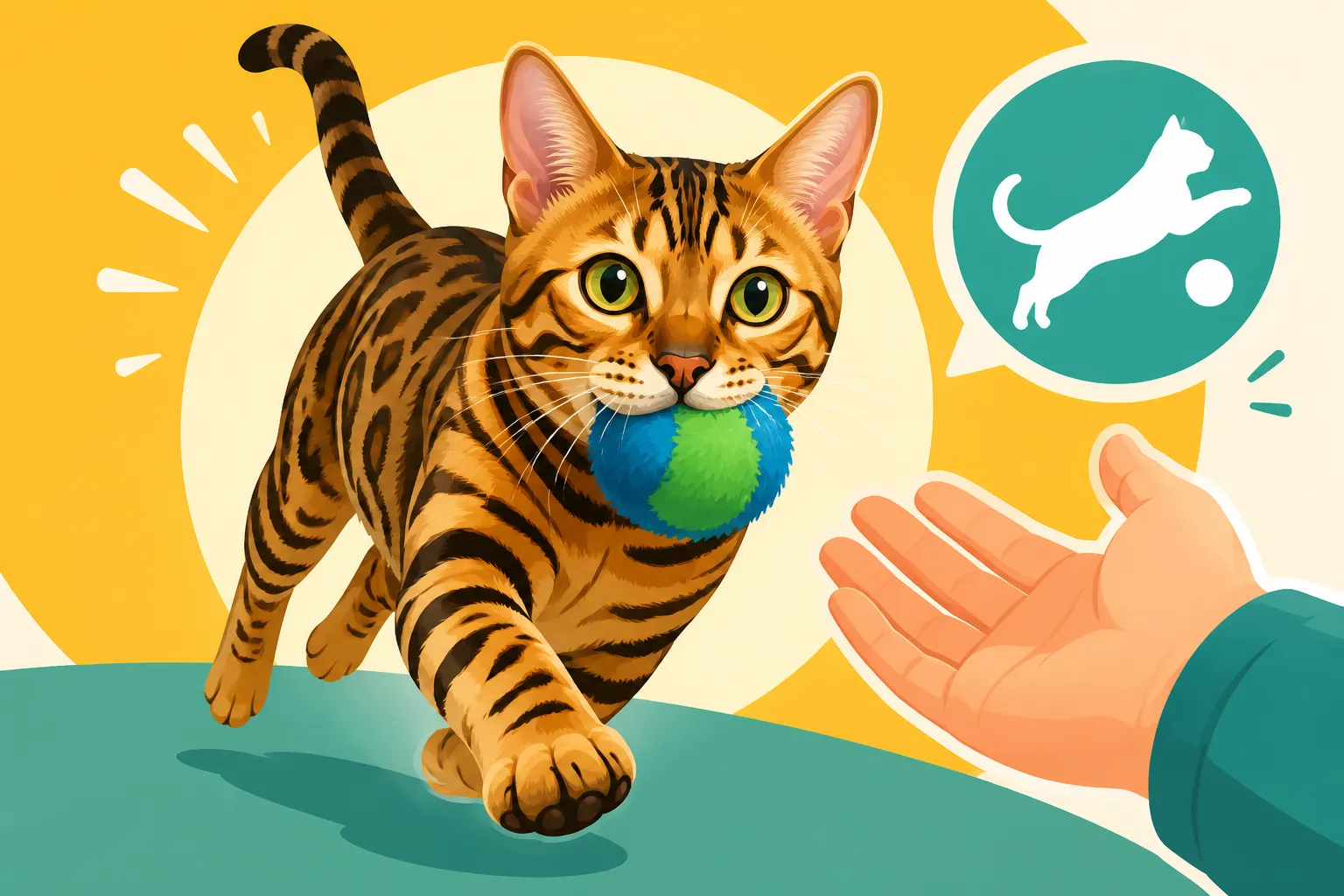
When you see your Bengal cat dashing across the room, pouncing on a crinkly ball, and then proudly trotting it back to you, it’s not just a cute quirk. This behavior is deeply rooted in their fascinating ancestry and inherent traits, making them stand out in the feline world.
The Wild Ancestor's Influence on Play
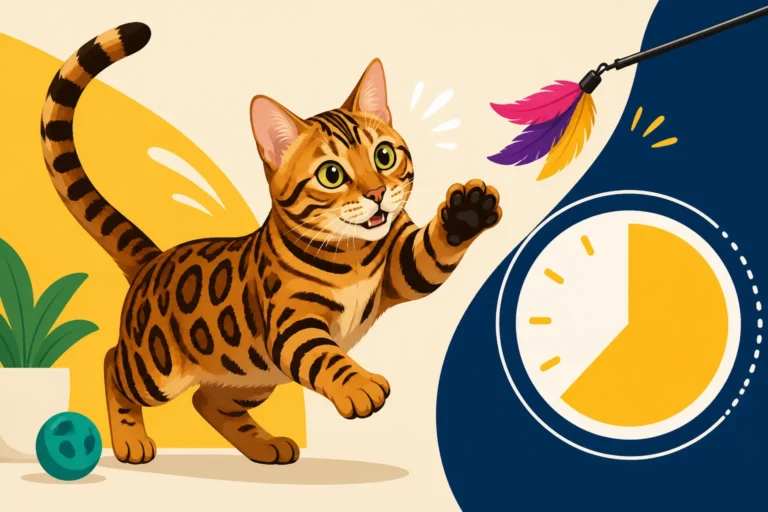
Every Bengal cat carries the legacy of its wild ancestor, the Asian Leopard Cat. These incredible small wildcats are natural hunters, and their survival depends on their ability to stalk, chase, pounce, and secure their prey. When you observe your Bengal playing, you're witnessing these ancient instincts come to life in a domestic setting. A toy isn't just a toy; it's a simulated piece of prey that triggers their innate hunting sequence. They chase it, capture it, and in a surprising twist for many cat owners, they often "retrieve" it.
Think about it from a hunter's perspective: a successful hunt often involves bringing the catch back to a safe den. While your living room isn't exactly a den in the wild sense, it’s their perceived safe space. When they bring a toy back to you, it’s almost as if they’re sharing their "kill" or asking for a repeat of the thrilling chase. Unlike many domestic cats who might bat a toy around for a bit and then lose interest or leave it where it falls, a Bengal's drive to engage in this full cycle of hunt-capture-retrieve is often much stronger. Small, lightweight objects that mimic the size and movement of small prey are usually the biggest hit. This isn't just about chasing; it's about the entire engagement, right down to the "return."
Why Bengals Are Different: Intelligence and Energy
Bengals aren't just pretty faces with stunning coats; they are incredibly intelligent animals. This high level of intelligence means they require significant mental stimulation to stay happy and out of trouble. Fetching isn't just physical exercise for them; it's a mental puzzle, a game they can play with you that satisfies their clever minds. They quickly learn the cause-and-effect of the game: you throw, they retrieve, and the fun continues. This makes them highly trainable, especially when the reward is more play or a tasty treat. You might be surprised by How Intelligent a Bengal Cat Is when you start engaging them in more complex games.
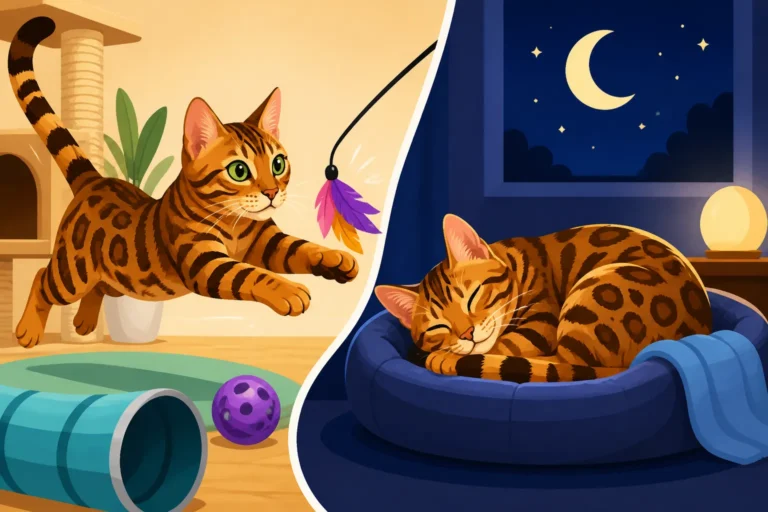
Beyond their intellect, Bengals are also famously high-energy cats. The Bengal Cat Is the Most Active Cat You Can Own, and this isn't an exaggeration. They have an almost boundless energy supply that needs a productive outlet. Repetitive, engaging actions like fetching are perfect for burning off some of that steam. If a Bengal cat doesn't have enough appropriate outlets for their energy, they can become destructive or excessively vocal. Fetching provides a structured, positive way for them to express their natural athleticism and stamina. It’s not uncommon for a Bengal to play fetch for surprisingly long periods, much like a canine companion, showcasing their unique "dog-like" traits in how they bond and interact through play.
How to Cultivate a Fetching Bengal Cat
So, you're convinced your Bengal has the potential to be a fetching superstar? Great! It's not always instant, but with the right approach, patience, and understanding of your cat's individual personality, you can definitely encourage this delightful behavior.
Choosing the Right "Prey"
The first step in cultivating a fetching Bengal is finding the right "prey." Not all toys are created equal when it comes to retrieval. You need items that are small enough for your Bengal to comfortably pick up and carry in their mouth, lightweight so it's not a struggle, and often intriguing enough to spark that initial chase instinct.
Consider soft, crinkle balls, which often come in multi-packs on sites like Amazon. The crinkly sound is often irresistible, mimicking the rustle of leaves or the movement of small animals. Soft, plush mice or bird toys (without too many loose parts that can be swallowed) are also excellent choices because they tap directly into their hunting instincts. Some Bengals love the springy, unpredictable bounce of plastic springs. The key is to experiment. What one Bengal adores, another might ignore. Have a variety on hand and observe which ones they naturally gravitate towards picking up and carrying, even if they're just moving it from one room to another initially. Avoid anything too large, too heavy, or made of a material that's uncomfortable for them to grip with their teeth. Remember, this "prey" needs to be something they can easily transport. If you're looking for durable options, Amazon is a good place to start, as many reviewers will comment on how well the toys stand up to rigorous play.
Starting the Training: Patience and Positive Reinforcement
Beginning the fetching journey requires a calm environment and a positive attitude. Don't expect immediate results; patience is truly a virtue here.
- Find a Quiet Space: Start in a room with minimal distractions. Your Bengal needs to focus on you and the toy.
- Initial Attraction: Present the chosen toy to your Bengal. Wiggle it, throw it a short distance. If they chase it, that's a fantastic start!
- The Return: The tricky part for many cats is bringing it back. If your Bengal chases the toy and just bats it around, try walking towards them and picking it up yourself, then immediately throwing it again. This teaches them that the game restarts when the toy is returned.
- Reward Proximity: Initially, reward them (with praise, a small treat, or another throw) even if they just bring the toy near you. The goal is to associate bringing the toy back with a positive outcome. As they get better, gradually only reward when they drop it closer and closer, eventually right at your feet or into your hand.
- Use a Second Toy: If your Bengal chases but doesn't bring the toy back, try having a second identical toy. When they grab the first one, immediately show them the second one. Often, they'll drop the first toy and come for the second, allowing you to pick up the first and continue the game.
- Keep it Fun and Short: Always end on a high note before your Bengal gets bored. Short, frequent sessions (5-10 minutes) are much more effective than one long, tedious one. Over time, these sessions can lengthen naturally. If you're looking to deepen their understanding of commands, consider exploring How to Clicker Train a Bengal Cat, which can be very effective for smart cats like Bengals.
Remember, never scold or punish your Bengal if they don't fetch. This will only make them associate the game with negative feelings and they'll be less likely to participate. Positive reinforcement, excitement, and consistent praise are your best tools.
Overcoming Common Fetching Hurdles
Even with the best intentions, you might hit a few bumps on your fetching journey. It's completely normal, and there are ways to work through them.
- "My Bengal chases but doesn't bring it back!" This is probably the most common hurdle. As mentioned above, using a second toy can be incredibly effective. Another trick is to stand up and walk away a short distance when they have the toy, making them feel like they need to "re-engage" with you to continue the game. Some Bengals just need a little more motivation; a particularly enticing treat or a favorite toy they only get during fetch time can make a difference. The goal is to make them realize that bringing the item to you is part of the fun, not the end of it.
- "My Bengal gets bored quickly." Bengals are active but can also have short attention spans if the activity isn't stimulating enough. If your Bengal seems to lose interest, try varying the types of toys you use. Keep an eye on new and exciting toys on platforms like Amazon that might pique their interest. Don't always throw it in the same direction or with the same force. Hide the toy slightly before throwing to make it more of a "hunt." This keeps their intelligent minds engaged. Remember, How Many Play Sessions a Bengal Cat Needs might be more than you think, so consistency is key.
- "They just bat it under the furniture!" Ah, the classic cat move. This often happens because they're treating it purely as "prey" they've captured. Try to play in areas where there aren't many hiding spots or deep crevices for toys to disappear into. Reward them heavily for bringing it back in an open space. Sometimes, if they get it under furniture, a long wand toy can help retrieve it and restart the game without frustration. If you're constantly losing toys, consider durable, brightly colored ones you can spot easily, available from many online retailers.
The Joy and Benefits of Fetching with Your Bengal
Beyond the sheer amusement of watching your cat play like a dog, engaging in fetch with your Bengal offers a wealth of benefits for both of you, cementing your bond and ensuring their overall well-being.
Strengthening Your Bond and Providing Enrichment
There’s something truly special about the shared activity of playing fetch. It’s an interactive game that requires your participation, unlike solitary play with a toy. This one-on-one time deeply strengthens the bond between you and your Bengal cat. They learn to trust you as a playmate and a source of fun, building a foundation of positive interaction.
For such an intelligent and energetic breed, fetching is a fantastic form of enrichment. Bengals thrive on mental and physical challenges. A game of fetch taps into their natural predatory instincts in a safe, controlled environment, satisfying their need to chase, pounce, and retrieve. When a Bengal is adequately enriched, they are less likely to exhibit unwanted behaviors born from boredom or frustration. If you've ever wondered What a Bored Bengal Cat Destroys, you'll know that a well-exercised and entertained Bengal is a much happier housemate, and your furniture will thank you! This kind of focused play can prevent things like excessive scratching on inappropriate surfaces or trying to open every cupboard in your home.
Physical Exercise and Mental Engagement
It's no secret that Bengal cats are athletic powerhouses. They need a lot of exercise to stay healthy and fit. Fetching provides an excellent full-body workout. The sprints, jumps, and pounces involved in chasing and retrieving a toy are perfect for burning off excess energy and maintaining their lean, muscular physique. How Much Exercise a Bengal Cat Needs a Day is a significant amount, and fetch can contribute greatly to meeting those needs. Instead of just sitting around, your Bengal is actively engaged, moving their whole body, which is vital for their physical health. It also helps in maintaining a healthy weight, especially considering What a Healthy Bengal Cat Weighs can vary, but a lean body is always best for their long-term health.
On the mental side, fetching isn't just mindless running. When you vary the throw, hide the toy slightly, or make them "hunt" for it before the chase, it engages their clever minds. They have to anticipate, react, and problem-solve. This mental engagement is just as important as the physical exercise for a breed known for its sharp intellect. While a simple wand toy is great for chasing, for retrieval, they're actively processing the game and their role in it. If you want to further challenge them, you could even introduce puzzle feeders as part of their routine, which is another great way to provide mental stimulation, and you can learn Whether a Puzzle Feeder Tires a Bengal Cat.
Fetching as a Long-Term Activity
One of the most rewarding aspects of teaching your Bengal to fetch is that it’s an activity they can enjoy throughout their lives. While a Bengal kitten might play with wild abandon, a senior Bengal will still appreciate the engagement, albeit at a slower pace. As cats age, it's crucial to keep them active, both physically and mentally, to maintain their quality of life.
For an older Bengal, you might adjust your fetching style. Instead of long, vigorous throws, opt for softer, shorter tosses. Use toys that are easy for them to pick up and aren't too bouncy, which might be harder on their joints. The joy for them will still be in the interaction and the "hunt," even if the retrieval takes a little longer. It's a wonderful way to keep their minds sharp and their bodies moving, even if they're not as spry as they once were. Caring for a Bengal Cat Past Ten involves adapting to their changing needs, and fetch can still be a valuable part of that. Seeing an older Bengal still bringing back their favorite toy, perhaps with a slightly slower gait but the same glint in their eyes, is truly heartwarming and a testament to the enduring playfulness of this magnificent breed.
| Toy Type | Description | Bengal Fetching Suitability | Notes |
|---|---|---|---|
| Crinkle Balls | Lightweight, crinkly texture, often colorful. | Excellent | Easy to carry, sound attracts attention. Many available on Amazon. |
| Soft Mice/Birds | Small, plush, sometimes with feathers or catnip. | Very Good | Mimics prey, easy to grip. Check for durability of added features. |
| Plastic Springs | Small, coiled plastic, bouncy. | Good | Great for chasing, can be a bit harder to carry consistently. |
| Feather Wands | Feathers on a stick, interactive, but on a string. | Moderate (for actual fetch) | Excellent for chasing and pouncing, less about direct retrieval. |
| Laser Pointers | Light dot for chasing, no physical object. | Poor (for actual fetch) | High energy outlet, but doesn't teach bringing an item back. |
| Pom-pom Balls | Soft, lightweight yarn or felt balls. | Excellent | Easy to carry, gentle on teeth. Ensure they are tightly wound. |
Disclaimer
This article is for general informational purposes only and does not constitute professional advice. Laws, prices and regulations vary by location and change over time. Consult a qualified professional for guidance on your specific situation.