Why a Bengal Cat Drinks From the Toilet
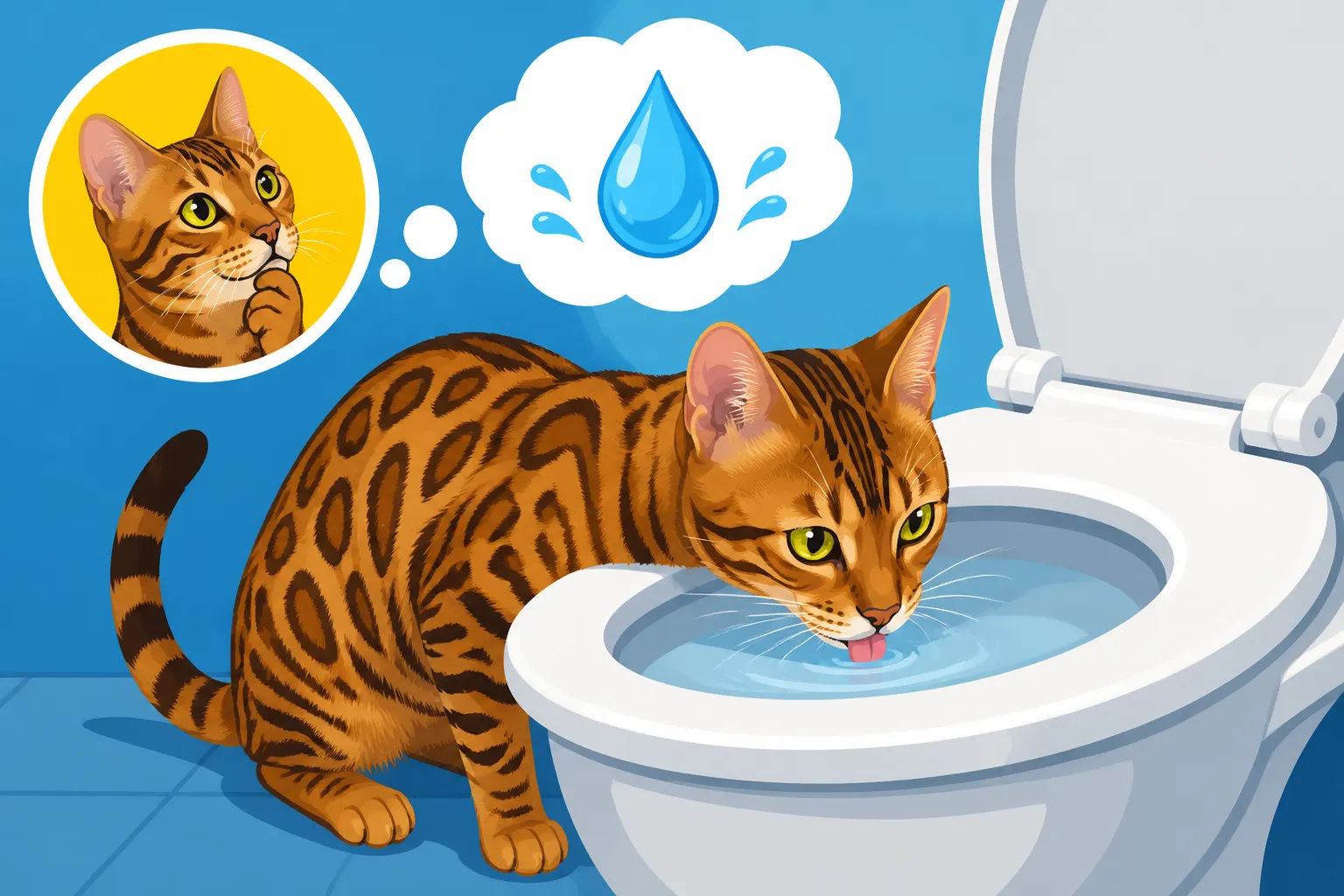
Oh, the sheer bewilderment, right? You bring home this magnificent, wild-looking creature, a Bengal cat with ancestors that roamed the jungles, and what's the first thing you catch them doing? Dipping their regal head into the toilet bowl for a drink. It's enough to make you scratch your own head in confusion and maybe a little disgust. You're not alone in wondering why your seemingly sophisticated feline friend engages in such a peculiar habit. This guide is here to unravel that mystery, explaining why your Bengal is drawn to the porcelain throne and, more importantly, what you can do about it.
The Call of the Wild: Why Bengals Love Water
Let's face it, Bengal cats are not your average housecats. They come with a little extra wild in their DNA, thanks to their Asian Leopard Cat ancestry, and this heritage manifests in some truly fascinating (and sometimes bewildering) behaviors. One of the most prominent traits is their undeniable fascination, even obsession, with water. While many domestic cats view water with suspicion, a Bengal often sees it as a source of endless entertainment and, yes, refreshment.
Their wild ancestors, the Asian Leopard Cats, are known to be skilled hunters who live near water sources. They're not afraid to get their paws wet, or even go for a full swim, to catch prey or simply cool down. This inherent love for water has been passed down through the generations to your Bengal. So, when you see your Bengal batting at the faucet, playing in their water bowl, or even joining you in the shower, it's just their wild side shining through. It's not uncommon to find them fascinated by anything that mimics a running stream or a fresh pool of water. This deep-seated instinct can often explain why they gravitate towards unconventional water sources in your home, including that ceramic pool in your bathroom. It’s all part of Whether a Bengal Cat's Water Love Comes From the Wild.
Decoding the Toilet's Allure: What Makes It So Appealing?
Given their general affinity for water, the toilet might seem like a natural, albeit unhygienic, extension of their watery world. But there are several specific reasons why your Bengal might choose the toilet bowl over their pristine water dish. Understanding these factors is the first step in redirecting their behavior.
The Temperature Advantage
Think about it from your Bengal's perspective. The water in a ceramic toilet bowl often feels refreshingly cool. Unlike water left sitting in a regular bowl, especially if it's in a warm room, toilet water tends to stay at a lower, more consistent temperature. For an active, high-energy breed like the Bengal, who expends a lot of energy playing and exploring, a cool drink can be incredibly appealing, especially after a vigorous play session. It's like finding a cold spring on a hot day. This subtle temperature difference can be a significant draw, making the toilet water seem like the freshest, most inviting option available to them.
Freshness and Perceived Cleanliness
While we humans know the toilet isn't exactly the epitome of cleanliness, a cat's perception can be different. From a cat's point of view, the regular flushing action of a toilet constantly refreshes the water, introducing a new, clean supply. This mimics a natural stream or river, where water is always moving and being renewed. Stagnant water in a bowl, no matter how clean it appears to us, can quickly become unappealing to a discerning feline palate. Cats have a highly developed sense of smell, and water that has been sitting out can pick up subtle odors from the air, the bowl material, or even residual food particles on their whiskers. The toilet, with its frequent "renewal," might simply smell and taste fresher to them.
The Thrill of the Novel and the Forbidden
Bengals are incredibly intelligent and curious creatures. If you've spent any time with one, you'll know they love to explore, solve puzzles, and often do the exact opposite of what you want them to. The toilet, with its lid (often closed by humans) and its intriguing flushing mechanism, can become a source of great fascination. It's a "forbidden" water bowl, which, for a clever Bengal, might make it even more enticing. They see you using it, they hear the captivating sound of the flush, and their innate curiosity drives them to investigate.
It’s also a giant, interactive toy. They might bat at the water, watch it swirl, or even try to "fish" in it. For a Bengal that needs a lot of mental and physical stimulation, the toilet can offer a unique form of entertainment. This novelty factor is a huge draw for a breed known for its need for constant engagement, as discussed in What a Bengal Cat Does All Day.
Practical Solutions to End the Toilet Drinking Habit
Now that we've delved into why your Bengal might be drinking from the toilet, let's talk about how to stop it. This isn't just about hygiene; it's about ensuring your cat has access to truly clean, safe water and preventing them from potentially ingesting cleaning chemicals.
The Easiest Fix: Keep the Lid Down!
This might seem glaringly obvious, but consistency is key. Every single time you finish using the toilet, put the lid down. Make it a habit for everyone in the household. If the lid is down, your Bengal simply cannot access the water. This is the most straightforward and effective preventative measure you can take, and it requires no special equipment or training. It merely requires diligence from every human in the home. It’s a simple rule that can save you a lot of worry about your cat's health.
Elevate Their Water Experience: Beyond the Still Bowl
Since Bengals are drawn to fresh, cool, and often moving water, the best way to deter them from the toilet is to offer superior alternatives.
Invest in a High-Quality Water Fountain
This is arguably the most effective solution. Cat water fountains are designed to filter and recirculate water, providing a constant flow that mimics a natural stream. Many Bengals absolutely adore them because they cater directly to their preference for running water.
- Benefits: Fountains keep water oxygenated and often cooler than a still bowl. The sound of trickling water can also be very appealing. They encourage increased water intake, which is vital for feline health.
- Types: You can find ceramic, stainless steel, and plastic fountains. Ceramic and stainless steel are often preferred as they are less likely to harbor bacteria and are easier to clean. When looking, search on Amazon for "stainless steel cat water fountain" or "ceramic pet drinking fountain" to find durable and hygienic options.
- Maintenance: Remember to clean the fountain regularly and change the filter as recommended by the manufacturer. Even with a fountain, cleanliness is paramount. Which Water Fountain Survives a Bengal Cat often depends on how well it's maintained.
Offer Multiple Water Bowls in Strategic Locations
Don't just have one water bowl tucked away in a corner. Provide several options throughout your home.
- Material Matters: Experiment with different bowl materials. Ceramic, glass, and stainless steel bowls are generally preferred over plastic, as plastic can leach chemicals and scratch easily, creating microscopic havens for bacteria.
- Placement: Place bowls in quiet, low-traffic areas, away from their food bowl and, crucially, away from the litter box. Cats instinctively don't like to drink near where they eat or eliminate. This is a common mistake many cat owners make without realizing it. Also, consider placing a bowl on a higher surface, like a sturdy table, as some cats prefer drinking from elevated positions.
- Freshness: Change the water in still bowls at least twice a day, or more frequently if it looks dirty or has been sitting for a while. A good rule of thumb is to refresh the water whenever you refill your own glass.
Address the Cleanliness Factor of Their Current Bowls
If your Bengal is choosing the toilet, it might also be a silent protest against their current water bowl setup.
- Daily Cleaning: Wash your cat's water bowls daily with soap and hot water. Residue from their mouth or environmental dust can quickly make water unappealing.
- Location, Location, Location: Ensure their bowls are not near anything that might contaminate the water or make them feel vulnerable, like a noisy appliance or a doorway where they might be startled. Cats prefer a safe, calm environment for drinking, and a busy thoroughfare can make them anxious. Why a Bengal Cat Plays in Its Water Bowl might also be a sign they're trying to refresh or clean the water themselves!
Here's a quick comparison of different water sources:
| Water Source | Pros | Cons | Appeal to Bengal Cat |
|---|---|---|---|
| Toilet Bowl | Cool, frequently refreshed (by flushing), novel | Unhygienic, risk of chemicals, hard to prevent access | High |
| Still Water Bowl | Simple, easy to set up | Water gets stagnant, can warm up, perceived as less fresh | Low to Medium |
| Water Fountain | Flowing water, filtered, cool, encourages drinking | Requires cleaning/filter changes, electricity, initial cost | High |
| Running Faucet | Very fresh, stimulating | Wastes water, requires human interaction to provide | High |
Provide Ample Enrichment to Combat Boredom
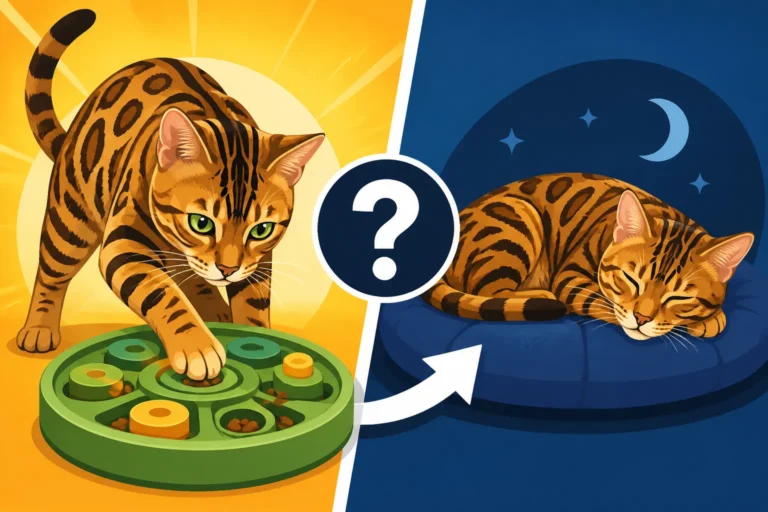
As we discussed, a Bengal's intelligence and curiosity can lead them to unconventional places, including the toilet. If your Bengal isn't getting enough mental and physical stimulation, they might turn to the toilet out of sheer boredom or as a form of self-entertainment.
- Interactive Play: Engage your Bengal in daily interactive play sessions with wand toys, laser pointers (used carefully and always ending with a tangible catch), or puzzle toys. These intelligent cats thrive on challenges. How Many Play Sessions a Bengal Cat Needs is often more than what an average cat requires.
- Vertical Space: Bengals love to climb! Provide tall cat trees, wall-mounted shelves, and perches where they can survey their domain from above.
- Cat Wheel: A cat wheel can be an excellent outlet for their boundless energy, offering them a safe and engaging way to run to their heart's content.
- Cat-Proofing and Exploration: Redirect their curiosity by cat-proofing safe cabinets and drawers, then occasionally opening them for supervised exploration. Offer them crinkly balls, spring toys, or other interactive toys found on Amazon.
When to Consult Your Vet: A Sudden Change in Behavior
While often behavioral, a sudden, marked increase in water consumption (polydipsia) can sometimes indicate an underlying health issue. If your Bengal suddenly starts drinking significantly more water than usual, including from the toilet, and you notice other changes like increased urination, weight loss, or lethargy, it's always best to consult your veterinarian. Conditions like kidney disease, diabetes, or hyperthyroidism can manifest with increased thirst, so it's important to rule out medical causes.
Understanding and Adapting to Your Bengal's Quirks
Living with a Bengal cat is an adventure, and their unique behaviors, even the puzzling ones like toilet drinking, are part of their charm. While you definitely want to curb the toilet habit for health and hygiene, understanding why they do it helps you find appropriate and enriching alternatives. Embrace their love for water by providing safe, clean, and stimulating water sources. Play with them, keep them engaged, and give them plenty of appropriate outlets for their intelligence and energy.
By consistently keeping the toilet lid closed and offering enticing alternatives like multiple clean bowls and especially a good quality water fountain (you can find fantastic durable options on Amazon), you can gently guide your Bengal away from the porcelain throne and ensure they stay hydrated in a healthy, hygienic way. It's all about making your home a Bengal-friendly environment that respects their instincts while keeping them safe and happy. Sometimes, it's less about stopping a "bad" behavior and more about providing a "better" one, channeling their natural inclinations into appropriate outlets, just as you might with How to Cat Proof Cabinets From a Bengal Cat.
Disclaimer
This article is for general informational purposes only and does not constitute professional advice. Laws, prices and regulations vary by location and change over time. Consult a qualified professional for guidance on your specific situation.