How Long a Bengal Cat Runs on a Wheel
It's a question I hear so often from hopeful Bengal cat owners: "How long will my super-energetic cat actually spend on one of those fancy cat wheels?" You've heard the stories, seen the videos, and probably dreamed of your Bengal gracefully galloping away all that boundless energy. But the reality can sometimes feel a little less like a majestic wildlife documentary and a bit more like a hesitant sniff and then a walk away. Don't despair! This guide is here to walk you through what to realistically expect when it comes to your Bengal cat and their cat wheel, and how you can encourage them to embrace this fantastic enrichment tool.
Understanding the Bengal Cat's Endless Energy Reservoir
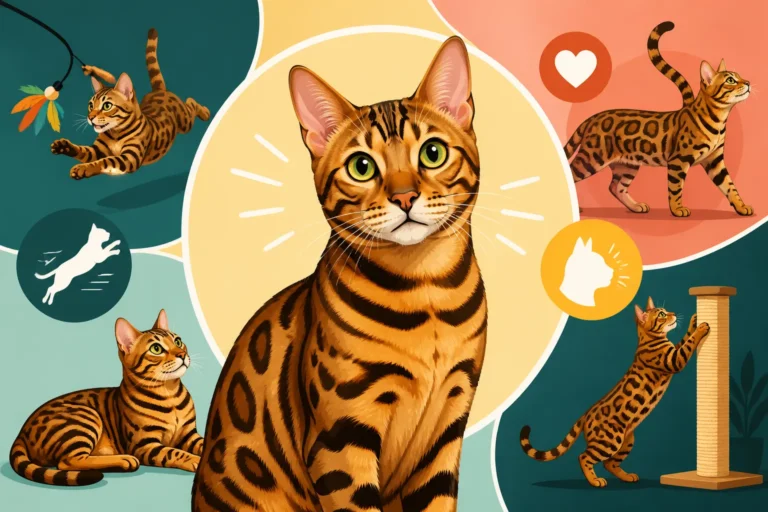
Before we even talk about a cat wheel, let's acknowledge the elephant in the room – or rather, the leopard-spotted dynamo zooming around your living space. Bengal cats are in a league of their own when it comes to activity levels. They're not your average couch potato feline; they're more like miniature, high-performance athletes perpetually seeking their next workout. This isn't a flaw; it's a fundamental part of their unique charm, stemming directly from their wild ancestry.
Their genetics compel them to hunt, climb, explore, and run. If you've ever watched a Bengal stalk a feather toy or scale a cat tree in seconds, you know exactly what I mean. This innate drive means they possess an almost insatiable need for physical activity and mental stimulation. Without adequate outlets, this powerful energy often manifests in ways we owners find… less than ideal. We're talking about things like scaling curtains, emptying cabinets, or even developing destructive habits out of sheer boredom. It’s a very real frustration many owners face, feeling like they can never do enough. You might find yourself constantly trying to figure out How Much Exercise a Bengal Cat Needs a Day just to keep up.
This isn't just about preventing naughtiness; it's about their well-being. A Bengal cat that isn't sufficiently exercised is a stressed Bengal cat. They need to burn off those calories and satisfy those primal instincts to truly thrive in a domestic environment. This intense activity also contributes to their lean, muscular physique, which is part of what makes them so striking. Recognizing and respecting this core aspect of their breed is the first step in providing them with a truly fulfilling life, and it’s precisely why tools like cat wheels become so appealing. You want to offer them something that can genuinely match their vigor.
Introducing the Cat Wheel: An Ideal Energy Outlet
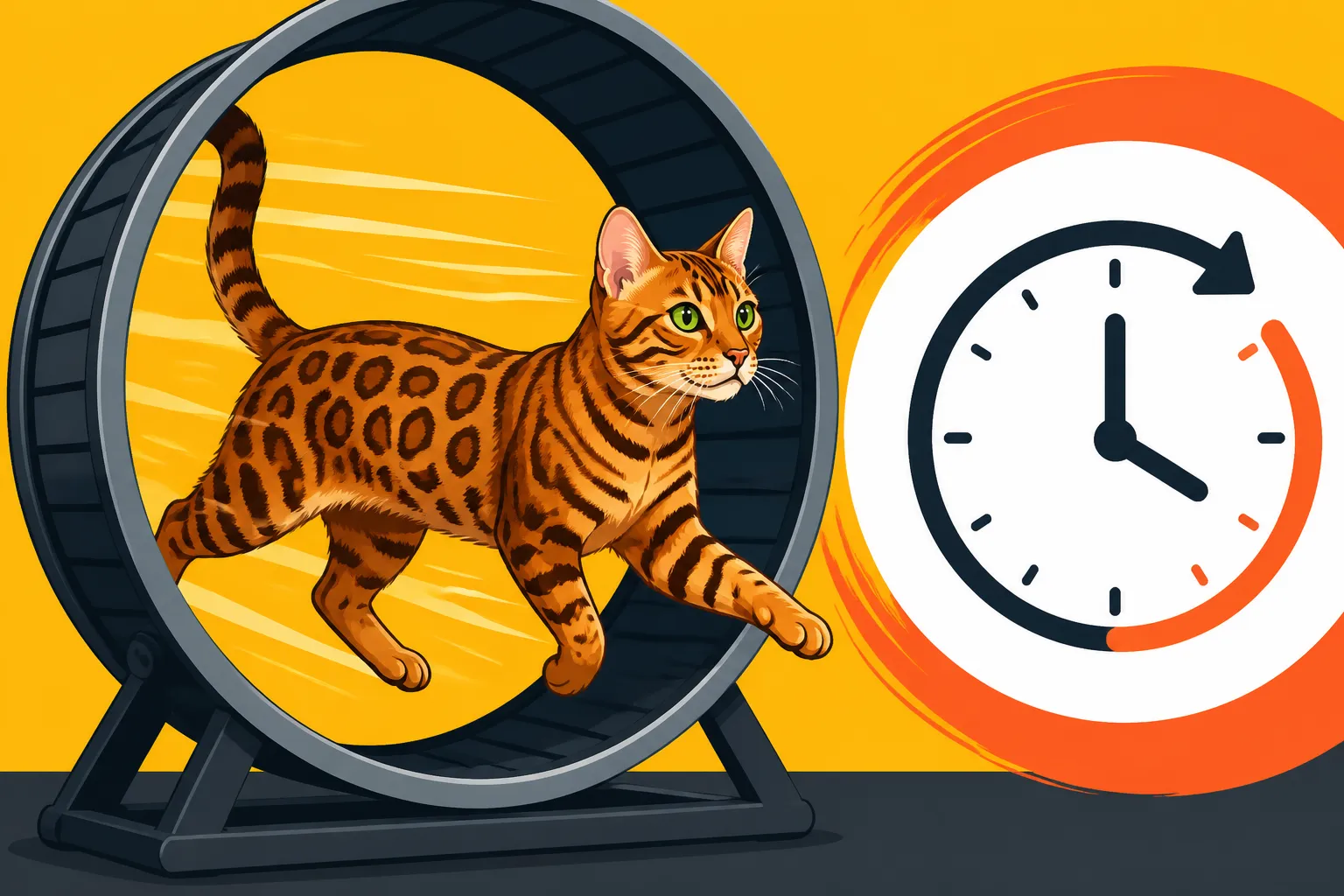
Given their extraordinary energy levels, it's no surprise that cat wheels have become incredibly popular in the Bengal cat community. A cat wheel is essentially a giant hamster wheel designed for felines, allowing them to run at full sprint within the safety of your home. It provides a fantastic way for them to engage in vigorous physical activity, mimicking the long-distance running their wild ancestors might undertake. Think of it as a treadmill for cats, but much more engaging and self-directed.
Many owners consider a cat wheel to be a crucial piece of equipment for their Bengal, especially if they're an indoor-only cat. While a Catio for a Bengal Cat Costs money and time to build, a cat wheel offers a concentrated burst of exercise indoors. It taps into their natural desire to run and expend energy in a powerful, focused way. It's a fantastic alternative or supplement to interactive play sessions, which, let's be honest, can leave even the most dedicated human utterly exhausted trying to keep up with a Bengal! The beauty of the wheel is that your cat can use it whenever the mood strikes, allowing for spontaneous bursts of activity.
When choosing a cat wheel, size and stability are paramount. Bengals are larger and more powerful than many domestic cats, so a flimsy or too-small wheel won't cut it. You'll want a sturdy, well-built model that can withstand their powerful sprints and provide a safe, comfortable running surface. Many options are available from retailers like Amazon, but always check reviews for durability and size recommendations specifically for larger, active breeds. Investing in a good quality wheel might feel like a significant upfront cost, but consider it an investment in your Bengal's physical and mental health, potentially saving you from damaged furniture or vet bills for stress-related issues down the line. It's truly a game-changer for many households struggling to manage their Bengal's energy.
Typical Usage Patterns on a Cat Wheel
So, how long does a Bengal cat actually run on a wheel? The honest answer is: it varies wildly from cat to cat, and even from session to session! There's no single "normal" duration, as each Bengal has its own personality, motivation, and stamina. What you see on social media—those viral videos of cats running for seemingly endless minutes—is often the highlight reel, not the everyday reality for every cat. Don't let those clips set an unrealistic expectation for your own feline friend; your experience will be unique.
Some Bengal cats will take to the wheel immediately, practically leaping onto it with unbridled enthusiasm, running for several minutes at a time, sometimes even in bursts of 10-15 minutes or more. These are the natural athletes who genuinely love the sensation of sustained running and quickly integrate the wheel into their daily routine. They might use it for a sprint, take a break, and then come back for another round. It's amazing to watch them. For these cats, it's not uncommon to see multiple sessions throughout the day, adding up to a good chunk of physical activity. They might just jump on whenever they feel a burst of energy, giving them an excellent self-directed workout.
On the other hand, many Bengals require a bit more encouragement and training. For these cats, a typical session might be shorter, perhaps just a few minutes of trotting or a couple of quick sprints. The key here is consistency and positive reinforcement. Even short, frequent sessions are incredibly beneficial. A cat might do five quick 30-second sprints throughout the morning, then another few in the afternoon. It all adds up! What's important is the regularity and the fact that they are engaging in physical activity. Think of it like interval training for humans; short, intense bursts can be just as effective as longer, sustained efforts for cardiovascular health and burning energy. You might notice they prefer to use it at certain times of day, perhaps first thing in the morning when their energy is highest, or just before dinner.
Here's a general idea of what usage patterns might look like:
| Usage Style | Typical Session Length | Frequency Per Day | Total Daily Use (Approx.) | Key Characteristics |
|---|---|---|---|---|
| The Sprinter | 30 seconds – 2 minutes | 10-15+ short bursts | 5-15 minutes | Fast, intense bursts; often self-directed; high-energy. |
| The Jogger | 2-5 minutes | 3-5 sessions | 10-25 minutes | Moderate pace; consistent but not always top speed. |
| The Marathoner | 5-15 minutes (or longer!) | 1-3 longer sessions | 15-45+ minutes | Sustained running; highly motivated; less frequent but longer. |
| The Casual User | 15 seconds – 1 minute | Intermittent; 5-10 times | 2-10 minutes | Jumps on and off quickly; needs more encouragement. |
Remember, this table is a guide. Your Bengal cat's engagement will evolve. A young kitten might be more of a sprinter, while an older, The Age a Bengal Cat Is Considered Senior cat might prefer slower, more consistent jogs. The goal isn't to make them run for a specific amount of time, but to provide an appealing option for physical activity that they choose to use. Don't be discouraged if your cat isn't an instant marathoner; celebrating every bit of engagement is important for building their confidence and enjoyment.
Maximizing Cat Wheel Engagement and Safety
Getting your Bengal cat to truly embrace their new cat wheel can sometimes feel like a puzzle, but with the right approach, most will eventually get the hang of it. The key is to make it a positive experience right from the start, tapping into their natural curiosity and play drive. Consistency is your best friend here.
Training and Encouragement
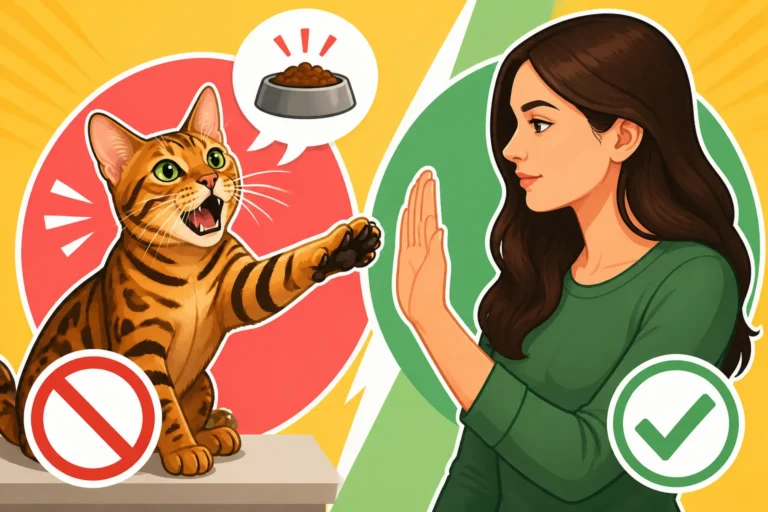
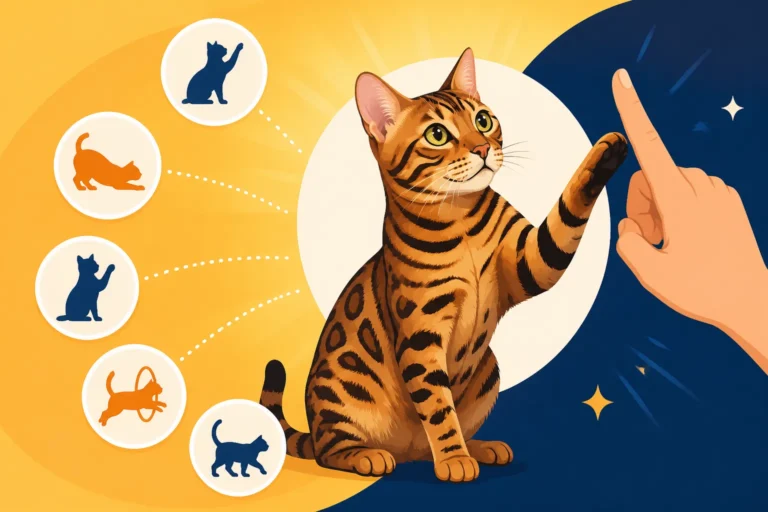
Start with short, positive sessions. Never force your cat onto the wheel. Instead, use their favorite wand toy or a laser pointer (with caution, always ending on a physical reward!) to entice them onto the track. Dangle the toy just out of reach, encouraging them to take a few steps. As soon as they move the wheel even a little bit, shower them with praise and treats. This immediate positive reinforcement helps them associate the wheel with good things. You can often find excellent training treats on Amazon that your Bengal will go wild for. Think of it as clicker training for exercise; every small step forward earns a reward. For more on how they learn, you might want to read How a Bengal Cat Learns From Watching You.
Consistency is key. Dedicate a few minutes each day to working with them, even if it's just for a minute or two. Over time, they'll build confidence and stamina. Some cats might even learn the wheel on their own (Whether a Bengal Cat Learns a Wheel on Its Own) through observation or sheer exploratory drive, but active encouragement almost always speeds up the process. Place the wheel in a high-traffic area where your cat spends a lot of time, or near a window for added stimulation, so it becomes a natural part of their environment. However, ensure it's in a safe, uncluttered space.
Safety First
While cat wheels are generally safe, proper setup and supervision are crucial. Ensure the wheel is stable and on a flat surface to prevent wobbling or tipping. Check that there are no pinch points where paws or tails could get caught. Regularly inspect the running surface for wear and tear, especially if your cat has strong claws. While rare, accidents can happen, so it's always best to be present, especially during those initial training phases.
One common question is Which Cat Wheel Size a Bengal Cat Needs. Always opt for a wheel that is large enough for your Bengal to run comfortably with a straight back. If the wheel is too small, it can cause spinal strain and make them reluctant to use it. A good rule of thumb is that the diameter should be large enough that your cat can stand fully extended without their back arching when running. Also, consider the weight capacity, as Bengals are known for their powerful build.
Beyond the Wheel
Even with a cat wheel, a Bengal cat still needs varied enrichment. The wheel is an excellent tool, but it's not the only tool. Continue to engage them with interactive wand toys, puzzle feeders, and plenty of vertical climbing spaces. A cat wheel helps burn physical energy, but their intelligent minds also crave challenges. Boredom can lead to destructive behaviors, even if they're physically tired. You might be interested in What a Bored Bengal Cat Destroys if you're not providing enough mental stimulation.
Rotating toys, teaching tricks, and providing opportunities for "hunting" (like hiding treats or kibble around the house) can keep their minds sharp. Remember, a well-adjusted Bengal is one whose physical and mental needs are met. The cat wheel is a fantastic addition to your arsenal of enrichment, offering them the chance to unleash their inner wild cat in a safe, controlled, and endlessly entertaining way.
Disclaimer
This article is for general informational purposes only and does not constitute professional advice. Laws, prices and regulations vary by location and change over time. Consult a qualified professional for guidance on your specific situation.