Why a Bengal Cat Turns on a Faucet
Oh, the sheer joy (and occasional exasperation) of living with a Bengal cat! If you've ever walked into your bathroom or kitchen to find a steady stream of water flowing from an otherwise untouched faucet, you're not alone. This baffling, charming, and sometimes downright troublesome habit of turning on taps is a classic Bengal trait, leaving many owners wondering if their wild-looking housemate is secretly a plumber in training. This guide will dive deep into the fascinating reasons behind your Bengal's aquatic antics and arm you with realistic strategies to keep your home from becoming an indoor water park.
The Deep-Rooted Love for Water: Why Faucets are Irresistible
Bengals are famously, almost notoriously, obsessed with water. Unlike many domestic felines who treat water with suspicion, a Bengal often views it as a source of endless fascination and entertainment. This isn't just a quirky individual personality trait; it's a characteristic deeply woven into their genetic tapestry, harkening back to their wild ancestors. Understanding this fundamental connection is the first step in making peace with their faucet-fiddling ways.
Tracing Back to the Asian Leopard Cat Ancestry
The Bengal cat's direct ancestor, the Asian Leopard Cat (ALC), is a wild furball found across Southeast Asia. These wild cats are known for their comfort around water, often hunting fish, insects, and small amphibians in shallow streams and rivers. While they aren't exactly 'swimmers' in the way an otter is, they are certainly not averse to getting wet. This contrasts sharply with the typical domestic cat, whose desert ancestors taught them to conserve moisture and avoid large bodies of water. Your Bengal's instinct to play with, drink from, and even sit in water is a direct echo of this heritage.
Imagine a pristine jungle stream: cool, clear, and ever-moving. For an ALC, this isn't just a place to drink; it's a hunting ground, a playground, and a source of cooling relief. Your Bengal carries this primal appreciation. So when they see a faucet, they're not just seeing a metallic spout; they're seeing a miniature, controlled, and perfectly intriguing version of that ancestral stream. The running water is dynamic, interesting, and unlike the stagnant water in a bowl. It's a sensory wonderland for them.
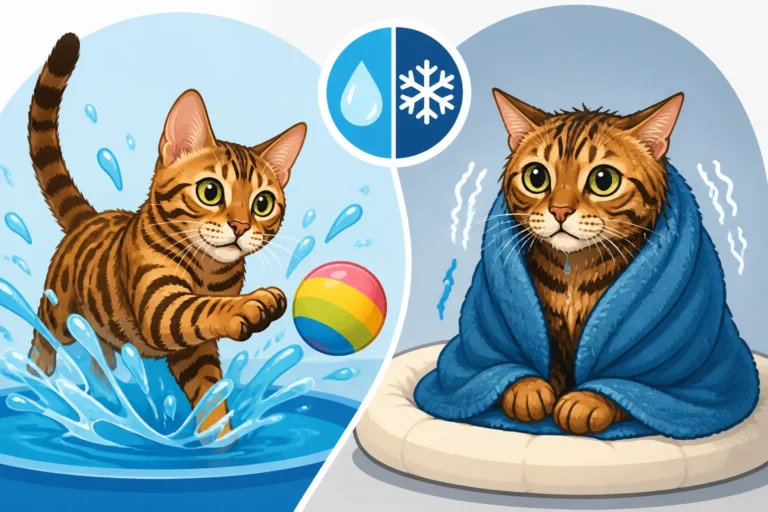
This inherited trait means that no amount of scolding or gentle dissuasion will truly erase their innate pull toward water. It's part of who they are. Instead of fighting it, we need to understand it and learn to redirect it constructively. Many owners share hilarious stories of their Bengals joining them in the shower or playing in the tub. If you have a Bengal that enjoys the bath, you'll know exactly what I mean when I say their affinity for water is unlike any other cat you've encountered. You can learn more about this unique trait in Why a Bengal Cat Loves Water.
The Allure of Running Water
Cats are often finicky about their drinking water, and running water holds a special appeal for many felines, not just Bengals. However, for a Bengal, this appeal is amplified tenfold. The movement, the sound, the freshness – it all acts like a beacon. Stagnant water in a bowl can quickly become stale, collect dust, or even grow bacteria, making it less appealing. Running water, on the other hand, often tastes better, is cooler, and visually suggests purity and safety.
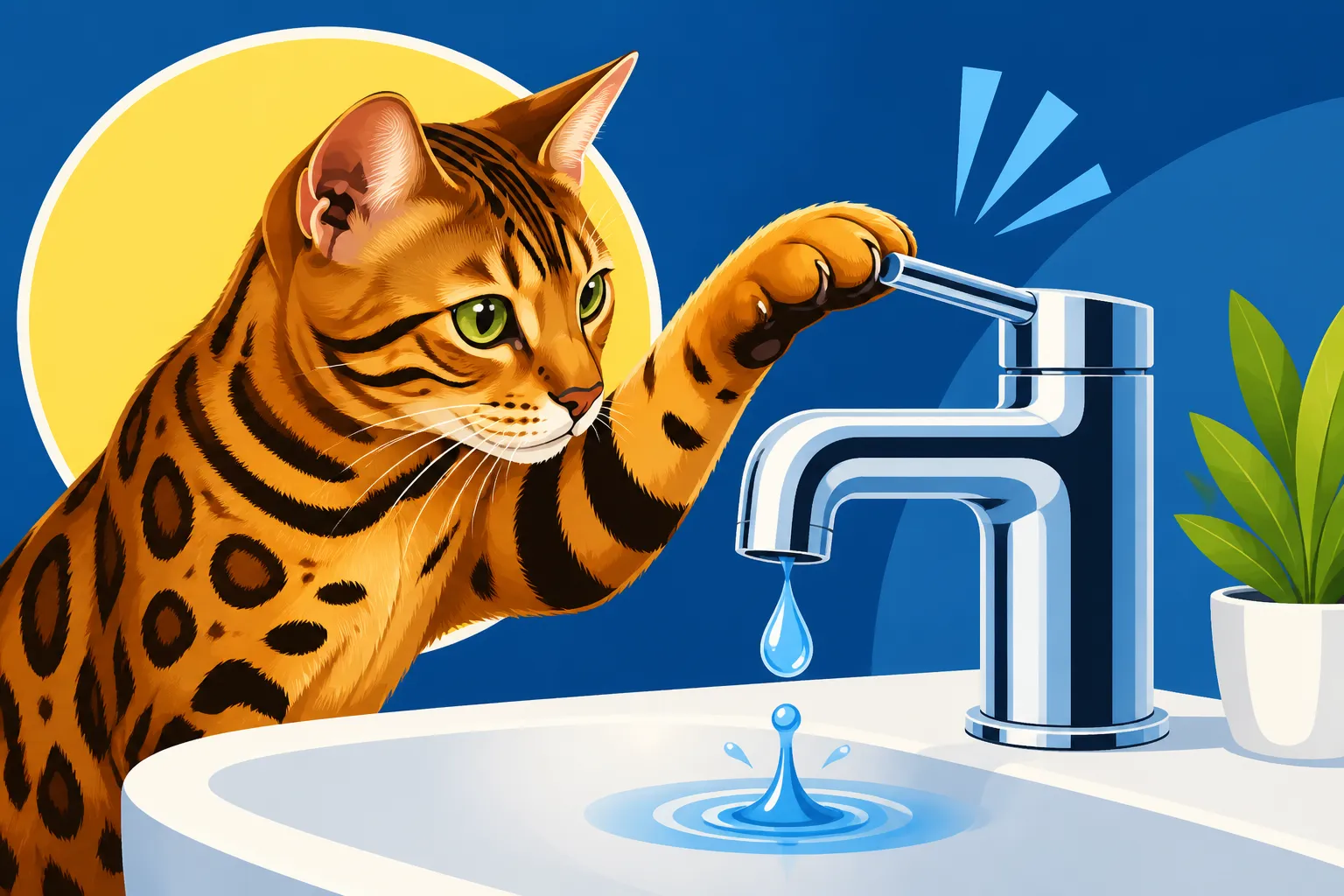
Think about it from your Bengal's perspective. Their keen senses are tuned to detect the subtle differences. The gentle gurgle or consistent flow of a faucet sounds like a tiny waterfall or stream, drawing them in. They might approach cautiously at first, pawing at the stream, testing its temperature, and perhaps even attempting to "hunt" the moving droplets. It's an interactive experience, far more engaging than simply dipping their face into a still bowl.
This preference for running water is why many cat experts recommend using a cat water fountain. A fountain continuously filters and recirculates water, keeping it fresh and aerated. It mimics the natural allure of a flowing source, often satisfying that instinctual drive without requiring them to raid your bathroom sink. You can find many excellent options for these on Amazon, from ceramic to stainless steel, designed to withstand a Bengal's curious paws.
Understanding the Motivation: What Your Bengal is Really After
Beyond their ancestral instincts and general love for flowing water, there are specific motivations that drive your Bengal to become a self-appointed tap operator. It's not usually out of malice or a desire to annoy you (though it can feel that way at 3 AM!). More often, it's a combination of intelligence, boredom, and a quest for stimulation.
It's a Game: Curiosity and Play
Bengals are incredibly intelligent and endlessly curious creatures. They love to investigate, problem-solve, and interact with their environment. For a Bengal, a faucet isn't just a water dispenser; it's a puzzle, a toy, and a source of captivating sensory input. The act of pushing a lever handle or turning a knob to release water is a learned behavior, often discovered through accidental nudges followed by the delightful surprise of flowing water. Once they figure out the cause and effect, it becomes a thrilling game.
Imagine the satisfaction your Bengal feels when they successfully manipulate the shiny object and behold the reward: fresh, moving water! They might bat at the stream, try to catch the droplets, or even attempt to drink directly from the flow. This interactive play is highly stimulating. It engages their natural hunting instincts – the quick reflexes, the focused attention, the tactile feedback of the water. For an intelligent cat like a Bengal, these small victories are incredibly rewarding and reinforce the behavior.
This "game" aspect is often why they might turn on the faucet even when they don't seem particularly thirsty. It's about the action, the discovery, and the engagement. If your Bengal doesn't have enough other outlets for their high energy and clever mind, the faucet becomes an easy, accessible source of entertainment. Neglecting their need for active play can lead to destructive behaviors, including excessive faucet turning. How Many Play Sessions a Bengal Cat Needs is a great resource to help ensure they are adequately stimulated.
Seeking Fresh Hydration
While play is a huge factor, the desire for fresh water cannot be overlooked. As mentioned, cats are instinctively drawn to fresh, moving water. If their water bowl is perpetually still, lukewarm, or has any debris, your Bengal might opt for the "superior" source: the tap. Even if you change their water frequently, the allure of directly flowing water can be stronger.
Some Bengals will wait patiently by the sink, observing your movements, perhaps even chirping or meowing insistently, trying to communicate their desire for "the good water." Once you've obliged, they might lap at the stream for a bit and then wander off, leaving the faucet running. This isn't forgetfulness; it's often because they got what they wanted (a quick, refreshing sip or two) and then moved on to the next interesting thing. The concept of "wasting water" doesn't quite translate in the feline world!
Providing consistently fresh water in multiple locations can help. Beyond just a regular bowl, a good quality cat water fountain can be a game-changer. These devices are designed to continuously filter and circulate water, keeping it appealing and reducing the temptation of the faucet. Many reputable pet supply retailers on Amazon offer various types of fountains that can cater to your Bengal's preferences.
Boredom and Attention-Seeking
Let's be honest, Bengals are smart, energetic cats who demand attention and stimulation. A bored Bengal is a destructive Bengal, and a running faucet can be both an antidote to boredom and a successful attention-getting strategy. If your Bengal isn't getting enough interactive play, mental challenges, or human interaction, they might resort to behaviors that guarantee a reaction from you.
Turning on a faucet, especially in the middle of the night, is almost guaranteed to get you out of bed. Even a frustrated shout or a quick dash to turn off the water is a form of attention. Your Bengal quickly learns this cause and effect. "Faucet on = human appears = interaction!" For a cat craving engagement, any attention is often better than no attention. This is especially true if they are left alone for long periods without adequate enrichment.
Consider your Bengal's daily routine. Are they getting enough dedicated play time with you? Are they surrounded by puzzle toys, climbing structures, and opportunities for mental engagement? If not, the faucet might be serving as their primary form of self-entertainment and a cry for more interaction. A truly well-enriched Bengal is often less prone to engaging in these attention-seeking behaviors because their needs are already being met. For a deeper look into their daily needs, check out What a Bengal Cat Does All Day.
Practical Strategies to Manage Faucet Fascination
Okay, so we know why they do it. Now, what can we actually do about it? Living with a water-loving, highly intelligent Bengal requires a multi-pronged approach, combining prevention, redirection, and plenty of positive reinforcement. There's no single magic bullet, but a combination of these strategies can significantly reduce faucet incidents.
Cat-Proofing Your Faucets
The most direct approach is to make it physically difficult for your Bengal to turn on the taps. This might sound extreme, but for persistent faucet-turners, it's often the most effective first line of defense, especially in bathrooms or utility sinks that aren't constantly in use.
One common solution is to use child safety locks on lever-style faucet handles. These plastic covers or straps can make it challenging for tiny paws to manipulate the levers. You can find a variety of child locks on Amazon that are designed to secure cabinet doors or drawers, but many can be adapted for faucets. For knob-style faucets, it's a bit trickier, but some owners have found success with removable knob covers or by simply ensuring the knobs are turned off tightly and facing away from the wall.
Another, more aesthetically displeasing but effective, option is to place a heavy, stable object (like a sturdy decorative jar or a small, heavy planter) over the faucet when not in use. The goal isn't to punish them, but to create a physical barrier. You could also temporarily remove the faucet handles if they are easily detachable in areas where it's a major problem, though this is obviously less convenient for you! The key is consistency; if they can't access it, they can't turn it on.
Providing Better Water Alternatives
Since a major driver is the desire for fresh, moving water, providing a superior alternative can often mitigate the problem. This is where cat water fountains shine. Investing in a good quality fountain specifically designed for pets can make a huge difference.
Look for fountains made from ceramic or stainless steel, as these are more durable and easier to clean than plastic, which can sometimes harbor bacteria or retain odors that deter sensitive cats. Choose one with multiple flow settings or different drinking surfaces to cater to your Bengal's preferences. Some fountains even have free-falling streams that are highly enticing. Place the fountain in a quiet, accessible location, away from their food bowl and litter box. It’s important to clean the fountain regularly and change the filter as recommended by the manufacturer to ensure the water always stays fresh and appealing. You'll find a wide selection of durable and attractive cat fountains on Amazon. For specific recommendations, check out Which Water Fountain Survives a Bengal Cat.
Beyond a fountain, consider placing multiple water bowls around your home. Use wide, shallow ceramic or glass bowls that are easy to keep spotless. Change the water at least twice a day, and even consider adding an ice cube or two to keep it extra cool and appealing. The more attractive and accessible fresh water sources you provide, the less incentive your Bengal will have to seek out the faucet.
Enrichment and Redirection
A bored Bengal is a problematic Bengal. One of the most powerful strategies you have is to ensure your cat is adequately stimulated, both mentally and physically. If they're busy and happy, they're less likely to be causing mischief with your plumbing.
Increase interactive play sessions: Dedicate at least two to three times a day to active play with wand toys that mimic prey. Bengals love to chase, pounce, and "kill" their toys. These sessions should be intense and truly tire them out. You might be surprised at how much energy they have! How Much Exercise a Bengal Cat Needs a Day provides excellent guidance.
Provide mental puzzles: Puzzle feeders, where your Bengal has to work to extract treats, can be fantastic for engaging their clever minds. There are many different types available, from simple treat balls to complex multi-stage puzzles. Rotate them regularly to keep them interesting. You can find a variety of highly rated puzzle feeders on Amazon that can challenge even the smartest Bengal.
Offer vertical space: Bengals love to climb and survey their territory from high vantage points. Invest in tall, sturdy cat trees, wall-mounted shelves, or even build a custom catio. Giving them outlets for their climbing instincts helps burn energy and provides mental stimulation. See How Much Vertical Space a Bengal Cat Needs for ideas.
Consider a cat wheel: For the ultimate energy burner, a cat wheel can be a fantastic investment for a Bengal. These wheels allow them to run to their heart's content in a safe, indoor environment. While an initial investment, it can pay dividends in a calmer, more satisfied cat.
If your Bengal is getting enough engaging activity and has plenty of appropriate outlets for their energy and curiosity, they will often naturally reduce their undesirable behaviors, including turning on the faucets.
Living with a Water-Obsessed Bengal: Long-Term Solutions
Managing a Bengal's faucet fixation isn't just about quick fixes; it's about developing a lifestyle and an environment that caters to their unique needs. This means a commitment to consistent enrichment, ongoing management, and understanding that some level of water fascination will always be part of their charm.
Training and Positive Reinforcement
While you can't completely train away an instinct, you can certainly redirect behavior. When your Bengal is trying to turn on the faucet, gently interrupt them without scolding. Immediately redirect their attention to an appropriate activity, like a favorite wand toy or their water fountain. When they engage with the appropriate item, reward them lavishly with praise or a small treat.
For instance, if you catch them pawing at the faucet, pick them up, carry them to their water fountain, and encourage them to drink from it. As soon as they take a sip, praise them enthusiastically. This teaches them that engaging with the fountain leads to positive outcomes, while the faucet attempt doesn't. Consistency is key here. Everyone in the household needs to be on the same page.
You can also use clicker training to teach your Bengal to "leave it" or to go to their water fountain on command. Bengals are very intelligent and respond well to positive reinforcement training. How Clever a Bengal Cat Is highlights just how capable they are of learning new commands and tricks. Make it a fun, engaging process, and they'll be more likely to cooperate.
Environmental Design and Containment
Sometimes, certain areas of the house are just too tempting. If a particular sink or tub faucet is a constant battleground, you might need to limit your Bengal's access to that specific room, at least temporarily. This isn't about punishment, but about managing the environment.
Consider installing pet-friendly latches or hooks on bathroom doors if your Bengal is adept at opening them. How a Bengal Cat Opens a Door goes into detail about their uncanny ability to bypass conventional door handles. For a truly persistent cat, childproof doorknob covers might be necessary. The goal is to make these high-risk areas inaccessible when you can't supervise them.
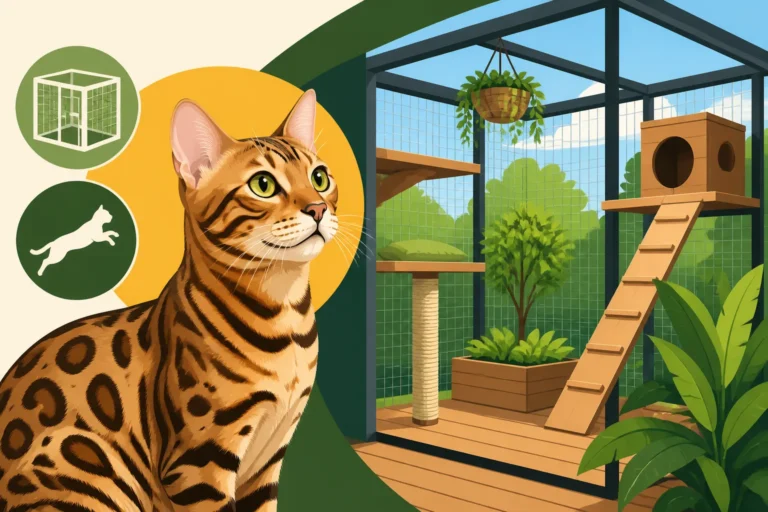
Think about your overall home setup. Are there designated "Bengal zones" where they have ample opportunities for play, climbing, and exploration? Creating a stimulating environment in approved areas can reduce their motivation to explore "forbidden" zones like the kitchen sink. Consider a secure catio as a dedicated outdoor-safe space where they can safely indulge their adventurous side without access to indoor plumbing. Why a Catio Is the Answer to a Bengal Cat offers great insights.
Accepting Their Quirks (with Limits)
Ultimately, living with a Bengal means embracing some of their unique, wild-at-heart quirks. Their love for water is a fundamental part of their identity. While you want to prevent property damage and wasted resources, you might also find opportunities to safely indulge their fascination.
Perhaps you designate a specific bathroom sink as "the Bengal's water playground." Turn it on for them for a supervised play session, let them bat at the stream, drink, and splash, and then turn it off yourself. This satisfies their urge in a controlled environment. You can even add some floating toys to the sink for extra fun. This supervised playtime can be a bonding experience and a healthy outlet for their water obsession.
It’s about finding a balance: protecting your home while also understanding and accommodating the magnificent, mischievous creature that is your Bengal cat. With patience, consistency, and a little creativity, you can ensure both you and your water-loving companion live harmoniously, and mostly, dryly. How to Stop a Bengal Cat Flooding the Bathroom offers more tips on managing their aquatic antics.
| Strategy | Description | Effectiveness (1-5) | Requires Consistency | Common Amazon Solutions |
|---|---|---|---|---|
| Cat-Proof Faucets | Install child locks, use covers, or place heavy objects over handles. | 4 | Yes | Child safety locks, faucet handle covers |
| Water Fountains | Provide multiple, fresh, moving water sources. | 5 | Yes | Ceramic/stainless steel pet fountains |
| Increased Play | Dedicate intense interactive play sessions daily. | 4 | Yes | Wand toys, laser pointers, fetch toys |
| Puzzle Feeders | Engage their intellect with food puzzles and treat dispensers. | 3 | Yes | Interactive treat dispensers, slow feeder bowls |
| Vertical Space | Offer tall cat trees, wall shelves, and climbing structures. | 3 | No | Tall cat trees, wall-mounted cat shelves, hammocks |
| Supervised Water Play | Allow controlled access to running water at specific times. | 3 | Yes | Floating cat toys, small pool for a bathtub |
| Door Management | Use childproof latches or keep doors closed to problem areas. | 4 | Yes | Childproof doorknob covers, door latches |
Disclaimer
This article is for general informational purposes only and does not constitute professional advice. Laws, prices and regulations vary by location and change over time. Consult a qualified professional for guidance on your specific situation.