Whether a Bengal Cat Gets Cold After Water Play
Many Bengal cat owners, myself included, often marvel at their feline friend's uncanny attraction to water – whether it's splashing in the sink, batting at a running faucet, or even joining you in the shower. This unique trait, so unlike most domestic cats, can leave you wondering if their wild side makes them impervious to the chill or if they, like us, might get a little cold after an enthusiastic dip. This guide will explore the unique characteristics of your Bengal's coat and behavior to help you understand if they get cold after water play and, more importantly, how to keep them comfortable and safe.
The Bengal Cat's Unique Coat and Its Water Affinity
The Bengal cat is truly a marvel, distinct from your average housecat in many ways, and their coat is a prime example. Unlike most felines that sport a fluffy, insulating fur, Bengal coats are often described as "pelted" – a nod to their wild Asian Leopard Cat ancestors. This unique texture plays a significant role in how they interact with water.
Understanding the Bengal Cat's Pelt
When you run your hand over a Bengal's coat, you'll immediately notice the difference. It's incredibly short, dense, and feels almost like silk or velvet. This isn't just for show; it's a functional characteristic. A Bengal Cat's Coat Is a Pelt, Not Fur, and this pelage is quite different from the typical double-coat found on many domestic breeds designed for insulation against cold weather. The guard hairs are fine and lie very close to the body, often with little to no noticeable undercoat, especially in warmer climates or during non-shedding seasons. This means their coat, while beautiful and shiny with its signature glitter, doesn't trap air in the same way a thick, long-haired coat would to keep them warm when wet. It's more about protection against abrasions in their natural environment and allowing for swift movement.
Why Bengals Love Water So Much
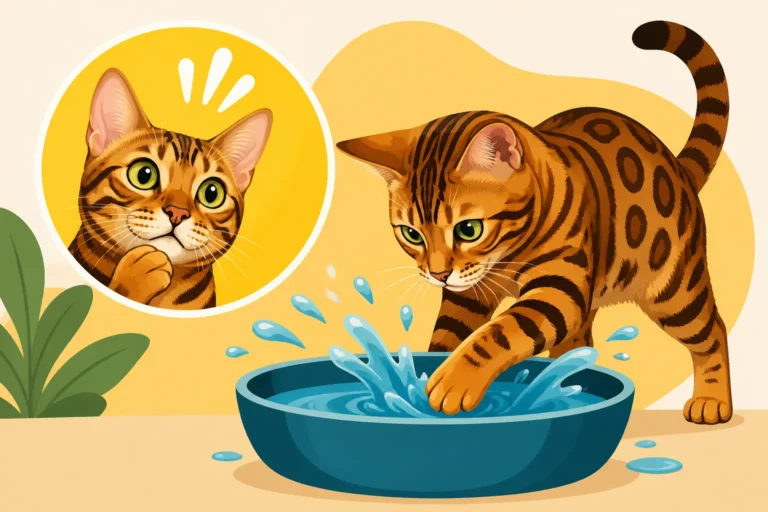
It's a common stereotype that cats hate water, and for good reason—most do! But Bengals? They break the mold. Their love for water is one of the most endearing, albeit sometimes baffling, traits. It's believed this affinity stems directly from their wild ancestors, the Asian Leopard Cats, who are known to hunt and fish in shallow waters. It's not uncommon to find a Bengal dipping a paw into their water bowl, playing with dripping taps, or even boldly stepping into a tub or shower. My own Bengal, Luna, will sit by the bathroom door and chirp impatiently until I let her in to watch the faucet run. This natural curiosity and comfort around water mean they are often quite happy to get themselves soaked, which then brings up the question of temperature regulation. If you've ever wondered Why a Bengal Cat Loves Water, it really comes down to this ancestral programming and their inquisitive, active nature.
How the Coat Interacts with Water
While a Bengal's pelt is beautiful and smooth, it doesn't offer much in the way of waterproofing or rapid drying compared to, say, a Labrador retriever. When a Bengal gets wet, their short, dense coat can become saturated relatively quickly. Without a thick, oily undercoat to repel water or an abundant fluffy topcoat to trap warm air, the water can easily penetrate down to their skin. This direct contact means that their body heat can dissipate more rapidly through evaporation, especially if they are in a cool environment or if the water they've been playing in is cold. While A Bengal Cat Needs Almost No Grooming in terms of brushing, drying them off after a water adventure becomes much more important for their comfort than it might for a standard short-haired cat.
Factors Influencing a Cat's Body Temperature After Water Play
Just like with humans, a Bengal cat's comfort and body temperature after getting wet aren't determined by a single factor. Several elements combine to dictate how quickly they might cool down and whether that dip becomes a chilly experience.
Environmental Conditions Matter
Think about it: taking a quick dip in a warm swimming pool on a sunny 80-degree day is very different from falling into a cold pond on a breezy 50-degree afternoon. The same principle applies to your Bengal. If your cat has been playing in a warm, humid bathroom with a running shower, they are far less likely to get significantly chilled than if they've somehow managed to get soaked outdoors on a cooler day. Drafts, air conditioning, or even just a naturally cool house can exacerbate the evaporative cooling effect. My friend's Bengal, Simba, loves to jump into the bathtub after she's drained it, just to roll in the residual puddles. On a hot summer day, it's a fun cool-down, but in winter, she makes sure the bathroom is warm first. Understanding How a Bengal Cat Copes With Cold reveals they aren't inherently cold-hardy, especially with their unique coat.
Duration and Intensity of Water Play
A quick splash of the paws in a water bowl is vastly different from a full-body immersion. The longer and more thoroughly your Bengal is wet, the more body heat they stand to lose. An enthusiastic cat that dives into a large tub of water for five minutes will be much colder than one who merely dips a paw or two. Similarly, the temperature of the water itself is crucial. Cold water will draw heat away from their body much faster than lukewarm water. While Bengals are known for their high energy and love for activity – truly, The Bengal Cat Is the Most Active Cat You Can Own – this vigorous play can mean they get thoroughly soaked, increasing the risk of getting cold afterward.
Individual Cat Differences and Health
Every cat is an individual, and this extends to their tolerance for cold and their overall health. A young, healthy, and robust Bengal with a good fat layer might handle a momentary chill better than an older, thinner, or less healthy cat. Kittens, with their smaller body mass, are particularly vulnerable to getting cold quickly. Cats with underlying health conditions, such as heart disease or compromised immune systems, may also struggle more with temperature regulation. It's always wise to observe your particular cat's reaction. If you have an older Bengal, perhaps one that is Caring for a Bengal Cat Past Ten, their ability to bounce back from a chill might be reduced, and extra care should be taken.
| Factor | Impact on Cold Sensation | Considerations for Bengal Cats |
|---|---|---|
| Coat Type | High | Pelted, short coat offers less insulation when wet. |
| Environmental Temp | High | Cooler air temps and drafts increase heat loss. |
| Water Temp | High | Cold water rapidly draws body heat away. |
| Duration of Play | Medium-High | Longer exposure to water means more heat loss. |
| Body Mass/Size | Medium | Smaller cats (kittens, very lean adults) cool faster. What a Bengal Cat Weighs varies, so consider size. |
| Activity Level | Medium | Vigorous play can lead to more thorough wetting. |
| Underlying Health | High | Compromised health makes temperature regulation harder. |
Recognizing Signs of Cold or Hypothermia in Your Bengal Cat
Being able to spot the signs that your Bengal cat is getting too cold is crucial for their well-being. Sometimes the cues can be subtle, but other times they are quite obvious and demand immediate attention.
Subtle Cues of Discomfort
Before full-blown hypothermia sets in, a cat that's feeling chilly will often show more subtle signs of discomfort. They might start shivering lightly, though this can sometimes be mistaken for excited post-play jitters. You might notice them hunching up or curling into a tight ball, trying to conserve body heat. Their ears and paws might feel cooler to the touch than usual. Some Bengals might become a little more subdued or less active than their usual energetic selves, seeking out warm spots like sunny windows or burrowing under blankets. If your Bengal has just finished playing in water and then immediately seeks out a heat vent, it's a good indicator they're feeling a bit nippy.
Clear Indicators of Hypothermia
If your Bengal cat progresses beyond just feeling a bit chilly, they can enter a state of hypothermia, which is a dangerous drop in core body temperature. Clear signs of this serious condition include persistent and uncontrollable shivering, lethargy, weakness, and a general lack of coordination. Their breathing might become shallow and slow, and their heart rate could decrease. Their gums and paw pads may appear pale or bluish, indicating poor circulation. They might be unresponsive or even lose consciousness in severe cases. It's important to remember that cats are masters at hiding discomfort, so if you're seeing these more pronounced signs, it's likely they've been cold for a while and are in a more critical state.
When to Seek Veterinary Attention
If you suspect your Bengal cat is experiencing anything more than a mild chill – especially if you see any of the clear indicators of hypothermia – it's time to contact your veterinarian immediately. Even a seemingly minor drop in body temperature can be serious, and professional intervention might be needed to safely warm your cat and address any underlying issues. While waiting for veterinary advice or transport, you can try to provide warmth by wrapping your cat in dry, warm towels or blankets. Avoid using direct, intense heat sources like heating pads on high or very hot water bottles, as these can cause burns to already compromised skin. Gentle, gradual warming is key. Being proactive about their health means understanding Whether the Bengal Cat Is a Healthy Breed and knowing when their unique traits might lead to specific vulnerabilities.
Practical Steps to Keep Your Bengal Cat Warm and Safe Post-Splash
Knowing your Bengal loves water is one thing; ensuring they remain safe and warm after their aquatic adventures is another. A few simple practices can make all the difference.
Immediate Post-Play Care
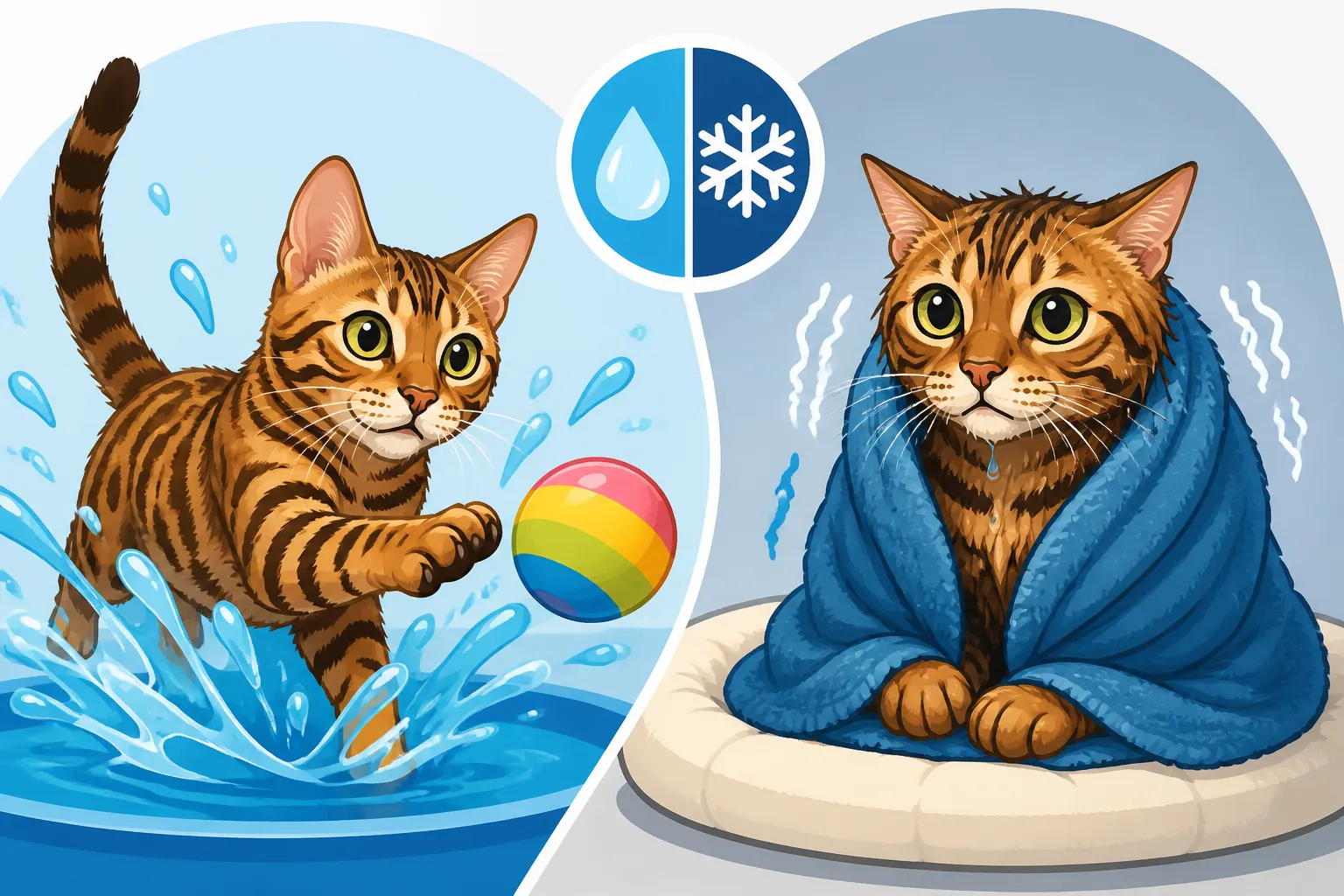
After your Bengal has had their fun in the water, the first and most crucial step is to dry them off thoroughly. Don't just let them air dry, especially if the air isn't warm. Use a soft, absorbent towel to gently rub down their coat, removing as much moisture as possible. You might find several highly absorbent pet towels on Amazon that are perfect for this task. For very enthusiastic water-lovers, a quick, gentle blow-dry on a low, cool setting (never hot!) can help, but many cats are terrified of the noise, so gauge your cat's comfort level carefully. If they are prone to getting particularly soaked, keep a dedicated "splash-zone" towel handy in the bathroom. This immediate action prevents excessive evaporative cooling and helps them regulate their body temperature more effectively.
Providing a Warm, Dry Environment
Once towel-dried, ensure your Bengal has a cozy, warm spot to retreat to. This might be a soft blanket in a sunbeam, a comfortable cat bed, or even a specialized heated cat bed. During colder months, you might want to increase the ambient temperature of the room where they usually play with water. Avoid leaving windows open or running air conditioning in areas where a wet cat might linger. Remember that vertical space is often preferred by Bengals, so having a warm, elevated perch or a cat tree near a gentle heat source (but not directly on it) can be a great idea. Just make sure the cat tree material is easy to clean in case of damp paws! Offering extra blankets for them to burrow into can also provide that extra layer of warmth and security. For those curious about the specifics of their daily routine, understanding What a Bengal Cat Does All Day can inform where they might seek comfort.
Prevention is Key
While we celebrate their unique love for water, prevention is always better than cure. If you know your Bengal enjoys playing with water, try to schedule their "water time" when the house is warmest, perhaps during the sunniest part of the day. Ensure the water they're playing in isn't excessively cold. If they enjoy playing in the sink, use lukewarm water. Consider supervised play in a shallow tub or basin with just an inch or two of warm water, rather than letting them get completely submerged for long periods. Having a ready supply of dry towels and perhaps even a pet-safe hair dryer (again, on a cool setting!) at hand can make the post-play routine quick and efficient. If you live in a cooler climate, you might even consider an enclosed, heated Amazon pet blanket or a cozy cave bed as a designated warm-up zone after their water antics. For ensuring they stay hydrated, a water fountain can also encourage them to drink, and there are many good options on Amazon that can withstand a Bengal's playful nature. How Much Water a Bengal Cat Drinks a Day is important, so make sure they always have access to fresh water, even if they prefer playing in it!
Disclaimer
This article is for general informational purposes only and does not constitute professional advice. Laws, prices and regulations vary by location and change over time. Consult a qualified professional for guidance on your specific situation.