The Glitter Gene and What It Does to a Bengal Cat’s Coat
Anyone who's had the pleasure of running their hand over a Bengal cat's coat knows there's something truly special about it. It's not just soft; it's almost impossibly sleek and shimmery, a tactile marvel that feels more like velvet or polished silk than typical cat fur. This unique characteristic, often described as "glitter," isn't just a fancy term; it's a specific genetic trait that gives the Bengal its distinctive, almost iridescent shimmer. If you've ever wondered why your Bengal seems to sparkle in the sunlight, or how breeders achieve that dazzling effect, this guide is going to shed some light on the fascinating science and beauty behind the Bengal cat's glitter gene.
What Exactly is the Bengal Cat's Glitter Gene?
When you hear people talk about "glitter" in a Bengal cat, they're not talking about something applied to the fur, like a sparkly powder. This is an inherent, genetic quality that makes the individual hair shafts reflect light in a way that creates a stunning, almost metallic sheen. It’s one of those magical traits that truly sets the Bengal apart and makes their wild leopard-like patterns even more breathtaking.
The Genetic Basis of Glitter: A Unique Trait
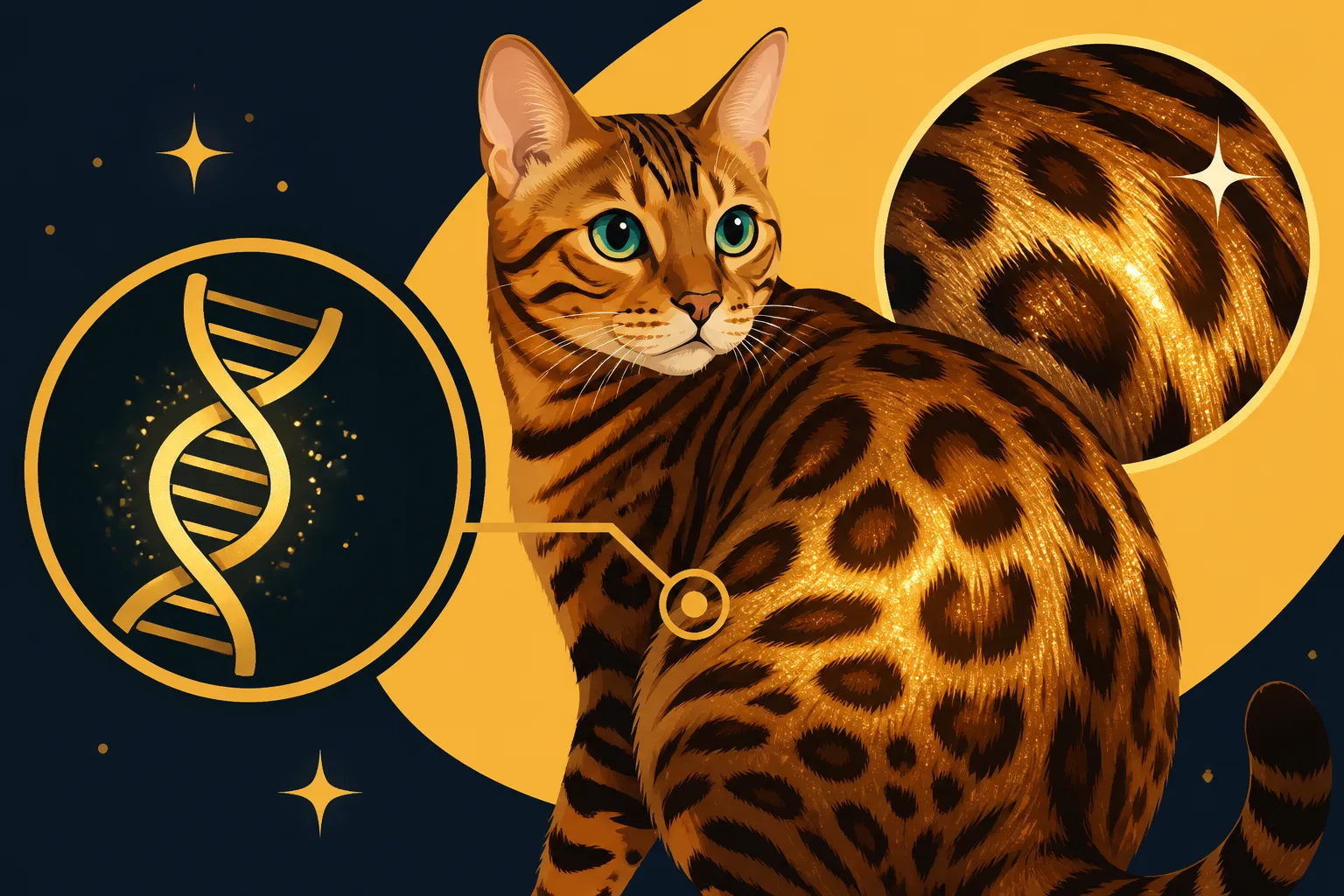
At its heart, the Bengal cat's glitter is a genetic marvel. While the exact gene responsible is complex and likely involves multiple factors, it's generally understood to be related to the unique structure of the individual hair shafts. Instead of being completely opaque, each hair on a glittered Bengal is somewhat hollow or translucent, allowing light to penetrate and bounce back in a way that creates a shimmering effect. Think of it like a tiny fiber optic cable for each strand of fur. This isn't just about color; it's about the very architecture of the hair itself. This translucency means that even in different lighting conditions, the coat seems to possess an inner glow, making their patterns pop even more vividly.
How the Glitter Manifests Visually
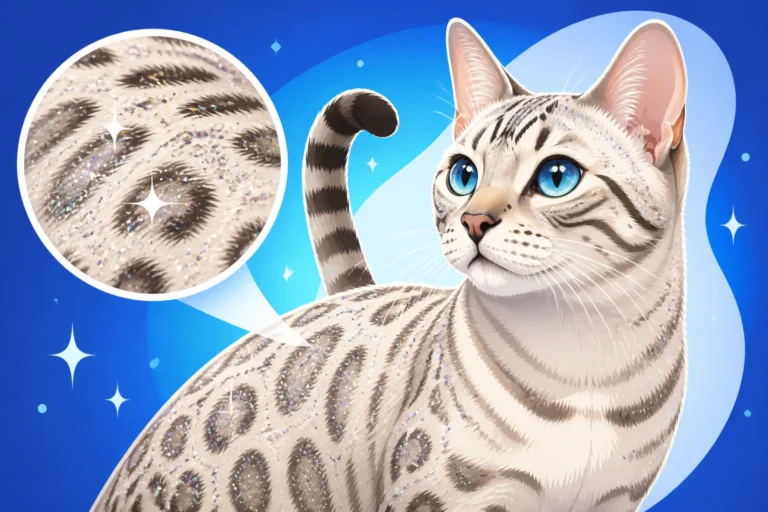
The visual manifestation of glitter can range from a subtle, soft shimmer to an almost blinding, golden or silver dust sprinkled over the cat's entire coat. It's particularly noticeable in bright sunlight or under direct indoor lighting. When light hits the coat, it doesn't just reflect off the surface; it seems to be absorbed and re-emitted, creating that deep, luminous glow. On a brown Bengal, this often appears as a rich, golden or coppery dust. On snow or silver Bengals, it looks like fine silver or icy sparkle. It literally looks like someone has sprinkled a fine, precious dust over their entire body, enhancing the contrast of their rosettes and making their movements seem almost fluid with light.
Is Every Bengal Cat Born With Glitter?
This is a common question, and the answer is no, not every Bengal cat possesses the glitter gene, although it's highly prized and sought after by breeders and enthusiasts alike. The presence of glitter depends on the genetic lineage of the cat. Breeders specifically select for this trait, aiming to produce kittens that exhibit a strong, clear glitter. If you're looking for a Bengal with that characteristic sparkle, it's important to ask breeders about the glitter in their lines. While many Bengals today do carry and express the glitter gene, it’s not a universal trait like their spots or rosettes. Some Bengals might have a wonderfully soft and sleek coat without that iridescent sheen, and they are beautiful in their own right, but they wouldn't technically be considered "glittered." For more on this, you might be interested in Whether Every Bengal Cat Has Glitter.
The Asian Leopard Cat Connection: Tracing the Glitter's Origins
The Bengal cat's lineage is fascinating, directly tracing back to the wild Asian Leopard Cat (ALC). This wild heritage is responsible for many of the Bengal's most striking features, from their athletic build to their exotic patterns. And yes, the glitter gene is very much a part of this wild ancestry.
The Wild Ancestor's Influence on Coat Traits
The Asian Leopard Cat, with its naturally sleek and often beautifully patterned coat, passed down many desirable traits to its domestic descendants. The ALC's fur is designed for camouflage in its natural habitat, offering a sophisticated blend of patterns and textures. While the wild cat doesn't necessarily "glitter" in the same pronounced way a show-quality Bengal does, the foundational genetic material for that unique hair structure comes from them. Breeders then selectively enhanced and refined these natural characteristics over generations, bringing out the dazzling glitter we see today. It's a testament to the power of selective breeding that a subtle wild trait could be magnified into such a defining feature.
Why Glitter is Distinct to the Bengal Breed
You won't typically find this specific type of glitter in other domestic cat breeds. This is because the genetic combination that creates it is intrinsically linked to the Asian Leopard Cat DNA and the specific breeding programs that established the Bengal breed. While other cats might have shiny coats, the translucent hair shaft characteristic of Bengal glitter is unique. It's not just a healthy, well-conditioned coat; it's a structural difference at the microscopic level of each hair. This distinctiveness contributes significantly to the Bengal's exotic appeal and sets it apart in the feline world. It's one of the primary reasons the breed captures so many hearts – that little bit of wild sparkle.
Early Bengal Cat Breeding and the Emergence of Glitter
When Jean Mill, the pioneer of the Bengal breed, started her work, she was focused on creating a domestic cat with the striking appearance of its wild ancestor but with the loving temperament of a housecat. As these early generations of Bengals were bred, specific traits from the ALC emerged, and glitter was one of them. It wasn't necessarily the primary goal, but as breeders began to appreciate the added luminescence, it became a desirable trait to perpetuate. The specific genetics responsible for this feature were passed down and concentrated through careful selection. You can imagine the excitement in the early days when a kitten with an exceptionally sparkling coat was born! For more about the breed's history, you might find Which Founding Bengal Cat Carried the Glitter Gene interesting. It highlights the pivotal roles certain individuals and cats played in shaping the breed.
The Visual Impact of Glitter on Different Bengal Colors and Patterns
The beauty of glitter is that it enhances every Bengal cat's coat, regardless of their base color or pattern. It adds a layer of depth and richness that truly makes the wild patterns pop, turning what would already be a stunning feline into a living piece of art.
How Glitter Enhances Brown Bengals
Brown Bengals are perhaps the most classic representation of the breed, closely resembling their wild ancestors. On a brown Bengal, glitter typically manifests as a warm, golden or coppery shimmer. This golden dust highlights the dark rosettes or spots, making them stand out against the lighter background. Imagine a rich, caramel-colored coat suddenly infused with thousands of tiny flecks of gold, catching the light as the cat moves. It brings an incredible vibrancy to their already stunning patterns, making them look even more magnificent. The depth of color, combined with the glitter, creates a truly luxurious and dynamic appearance. If you want to dive deeper into this specific coloration, check out How Glitter Looks on a Brown Bengal Cat.
The Sparkle on Snow and Silver Bengals
Snow Bengals, with their ethereal creamy, ivory, or pale fawn base coats, and Silver Bengals, with their cool, icy white-silver backgrounds, are transformed by glitter in a breathtaking way. On a Snow Bengal, the glitter often appears as an icy-white or silver sparkle, making their light coats seem to shimmer like fresh snow under a winter sun. Their patterns, whether they are seal lynx, seal mink, or seal sepia, gain an almost frosted quality. For Silver Bengals, the glitter intensifies their cool tones, creating a dazzling, almost chrome-like effect that is incredibly striking. The silver glitter on a silver coat makes them look truly regal and exquisite. To see the specific impact on these lighter coats, read How Glitter Looks on a Snow Bengal Cat and How Glitter Looks on a Silver Bengal Cat.
Glitter's Effect on Marbled and Charcoal Coats
Glitter isn't exclusive to spotted or rosetted Bengals; it equally enhances the mesmerizing patterns of marbled Bengals. A marbled Bengal, with its swirling, horizontal patterns reminiscent of marble cake or flowing water, takes on an entirely new dimension with glitter. The shimmer follows the contours of their patterns, making the intricate swirls appear to move and shift with the light, adding a hypnotic quality to their already unique appearance.
Similarly, for the increasingly popular charcoal Bengals, which feature a darker, almost smoky overlay and often a "Zorro mask" on their face, glitter adds an incredible depth. The glitter on a charcoal coat can appear more silver or gunmetal, enhancing the contrast between the dark markings and the slightly lighter background. It gives their already dramatic appearance an extra layer of mystique and sophistication, making their striking patterns even more pronounced and captivating.
Beyond Aesthetics: How Glitter Affects Coat Texture and Maintenance
While the visual appeal of glitter is undeniable, this unique genetic trait also plays a role in the overall texture and maintenance of a Bengal cat's coat. It's part of what gives their fur that distinct, luxurious feel and often contributes to them being perceived as lower-shedding cats.
The "Pelted" Feel and Why It's Unique
One of the most remarkable characteristics of a Bengal cat's coat is its "pelted" feel. This isn't just a descriptive term; it refers to a specific genetic inheritance from their wild ancestor, the Asian Leopard Cat. Unlike the soft, fluffy fur of many domestic breeds, a Bengal's coat is remarkably short, dense, and lies incredibly flat against their body. When you run your hand over it, it feels like polished velvet or silk rather than a typical furry coat. This pelted quality is intimately linked with the glitter gene. The translucent, hollow hair shafts that create the glitter also contribute to this sleek, smooth texture. There's very little undercoat, which means no fluffy insulation, and instead, a dense, smooth layer of outer guard hairs. This unique texture is a huge part of the Bengal experience. For a deeper dive into this, check out A Bengal Cat's Coat Is a Pelt, Not Fur.
Reduced Shedding and Grooming Needs
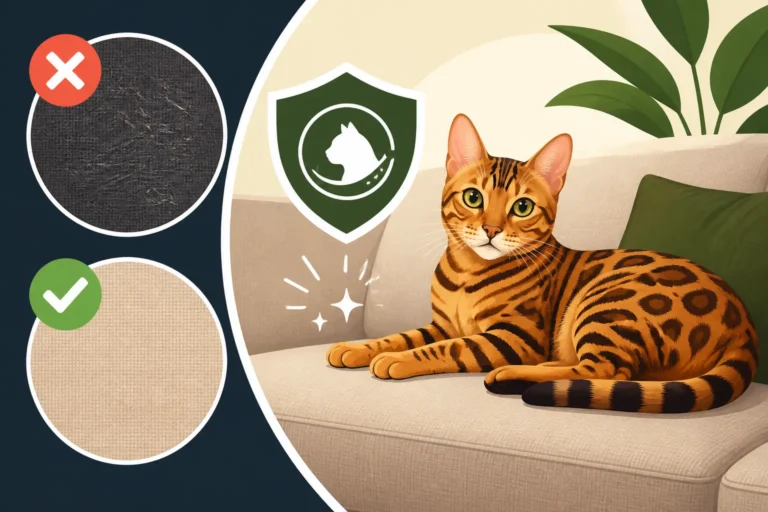
Because of their unique coat structure—specifically, the short, dense, flat-lying hairs and minimal undercoat—Bengal cats are often considered to be lower-shedding than many other breeds. While no cat is truly non-shedding, Bengals certainly shed less noticeably. This is a huge bonus for owners! The pelted coat with its glittery strands tends to cling less to furniture and clothing.
This reduced shedding naturally leads to minimal grooming requirements. Unlike long-haired breeds that need daily brushing to prevent mats and tangles, a Bengal cat with a glittered coat generally requires very little intervention. A quick brush once a week to remove loose hairs and distribute natural oils is usually more than enough. Many Bengal owners find that their cats maintain their sleek appearance with very little effort, though they do enjoy the attention of a gentle grooming session. This low-maintenance aspect is another wonderful benefit of their unique coat. You might also wonder Why a Bengal Cat Has Almost No Undercoat, which further explains their low-shedding nature.
How Glitter Changes with Age and Environment
While glitter is a genetic trait, its vibrancy can be influenced by several factors throughout a Bengal's life. Bengal kittens, for example, go through a stage known as "fuzzies," where their patterns and glitter might be obscured by longer, duller baby fur. As they mature, this fuzzy coat gives way to the clearer, glittered adult coat. Environmental factors like diet and sun exposure can also play a subtle role. A high-quality diet rich in omega fatty acids can contribute to overall coat health and shine, enhancing the glitter's appearance. Similarly, spending time in natural light can make the glitter more noticeable, as sunlight best illuminates its reflective qualities. However, excessive direct sun can sometimes cause some fading in certain coat colors over time, so it's a balance. The glitter itself doesn't "fade" genetically, but its perceived intensity can vary.
Understanding Bengal Coat Development: From Fuzzies to Full Glitter
Observing a Bengal kitten's coat development is an exciting journey for any owner or breeder. What starts as a somewhat muted, fuzzy appearance quickly transforms into the dazzling, glittered coat we adore. It's a natural process, but understanding it can help set expectations and appreciate the transformation.
The "Fuzzy" Stage in Bengal Kittens
When Bengal kittens are very young, typically from about three weeks to a few months old, they often go through what breeders affectionately call the "fuzzy" stage. During this period, a kitten's coat will appear somewhat muted, with longer, coarser guard hairs temporarily obscuring their beautiful patterns and the emerging glitter. This is a natural camouflage mechanism inherited from their wild ancestors, designed to help young cubs blend into their surroundings and avoid predators in the wild.
It can be a little surprising for new owners expecting immediate vibrant patterns and sparkle. The fuzzies make the kitten look a bit duller than their adult counterparts. But don't worry, this stage is temporary and a completely normal part of Bengal development. It's a reminder of their wild origins, even in a cuddly domestic package. For more details on this temporary phase, read What Fuzzies Are on a Bengal Cat Kitten.
When the Adult Coat and Glitter Fully Emerge
The fuzzy stage is just a prelude to the magnificent adult coat. Typically, around 4 to 6 months of age, sometimes a bit later, the fuzzies begin to recede. The longer, duller hairs are replaced by the shorter, sleeker adult coat, and that characteristic glitter starts to become truly noticeable. The patterns, whether spots, rosettes, or marbling, become sharper, clearer, and more defined, and the shimmering glitter emerges, making the coat appear to sparkle in the light. This transformation is one of the most exciting aspects of raising a Bengal kitten, watching their true beauty unfold. By around one year of age, most Bengals have developed their full adult coat and vibrant glitter, though some might continue to refine for a bit longer. For information on when this happens, see When a Bengal Cat Kitten's Fuzzies Clear.
Factors Influencing Glitter Development and Vibrancy
While glitter is primarily genetic, its full expression and vibrancy can be influenced by several factors, including genetics, diet, and overall health. Kittens from lines with strong, well-defined glitter are more likely to exhibit this trait prominently. A balanced, high-quality diet rich in essential fatty acids (like Omega-3 and Omega-6) is crucial for a healthy, lustrous coat. These nutrients contribute to skin health and hair quality, which in turn can enhance the natural shine and reflective qualities of the glitter. Products found on Chewy or Amazon, such as salmon oil supplements or premium cat foods, can support optimal coat health. Regular veterinary check-ups and a stress-free environment also play a role in maintaining a cat's overall well-being, which is often reflected in the vibrancy of their coat.
| Trait / Factor | Non-Glittered Bengal Coat | Glittered Bengal Coat |
|---|---|---|
| Visual Appearance | Shiny, healthy, but no internal shimmer | Iridescent, sparkling, appears dusted with gold/silver |
| Hair Shaft Structure | Opaque, typical cat fur | Translucent/hollow, allows light penetration and reflection |
| Texture | Soft, dense, often described as "pelted" | Extraordinarily smooth, silky, velvety, distinctly "pelted" |
| Light Reflection | Reflects light off surface | Reflects light from within the hair shaft, creating depth |
| Pattern Enhancement | Clear and distinct | Patterns appear more defined, vibrant, and "pop" |
| Rarity | More common in general cat population, less prized in Bengals | Highly prized, selectively bred for, distinct to Bengals |
Debunking Myths: Glitter, Hypoallergenic Claims, and Breeding Ethics
With any unique genetic trait, myths and misunderstandings can arise. The Bengal cat's glitter is no exception. It's important to separate fact from fiction, especially when it comes to claims about allergies or the ethics of breeding for specific aesthetic traits.
The Misconception About Glitter and Allergies
One common misconception is that the Bengal's glitter, or their unique coat in general, makes them "hypoallergenic." This is a tricky area. While many people with cat allergies report fewer reactions to Bengals, no cat breed is truly 100% hypoallergenic. Allergies are caused by dander (dead skin cells), saliva, and urine, not directly by the fur itself.
However, the Bengal's unique pelted coat, which sheds less and has minimal undercoat, may distribute fewer allergens into the environment compared to some other breeds. The individual hair structure that gives them glitter doesn't inherently reduce allergens. It simply means less fur floating around, which might carry fewer dander particles. So, while a glittered Bengal might be better tolerated by some allergy sufferers, it's never a guarantee. It’s always crucial for allergic individuals to spend time with a specific Bengal cat before committing to adoption. For more information on this, you might want to read Whether the Bengal Cat Hypoallergenic Claim Holds Up.
Breeding for Glitter: Ethical Considerations
The practice of breeding for specific aesthetic traits like glitter raises ethical considerations within the cat fancy. Reputable breeders prioritize health and temperament above all else. While glitter is a highly desirable trait, it should never come at the expense of a cat's well-being. Ethical breeders ensure that their breeding cats are thoroughly health-tested for genetic conditions common in Bengals, such as Hypertrophic Cardiomyopathy (HCM) and Pyruvate Kinase Deficiency (PKD), regardless of their glitter status.
Responsible breeding involves careful selection of breeding pairs to enhance desirable traits like glitter while maintaining genetic diversity and robust health. It’s a delicate balance. A truly ethical breeder will be transparent about their breeding practices, health testing, and will never compromise health for appearance. This commitment ensures that the breed remains strong and healthy for future generations. If you're considering buying a kitten, always ask about the parents' health screening. This extends to broader discussions on Whether Breeding Hybrids Like the Bengal Cat Is Ethical and highlights why responsible breeding is so important.
Does a Lack of Glitter Mean a Lesser Bengal?
Absolutely not. While glitter is a beautiful and highly prized characteristic, its absence does not diminish the value, beauty, or "Bengal-ness" of a cat. Many Bengals, particularly those from older lines or bred without a specific focus on glitter, might not display this trait, yet they possess all the other wonderful qualities of the breed: the stunning patterns, the sleek pelt, the athletic build, and the engaging, intelligent personality.
A Bengal without glitter is still a Bengal. Their exotic appearance, playful nature, and vibrant intelligence are what truly define them. For many owners, the connection with their cat, its personality, and its health far outweigh any aesthetic preferences. While glitter adds an extra layer of visual appeal, it's just one aspect of a truly remarkable breed. It’s important to remember that judging a cat's worth solely on a single aesthetic trait misses the bigger picture of what makes a Bengal so special.
Caring for a Glittering Coat: Simple Tips for Maximum Shine
Maintaining that stunning glittery coat doesn't require excessive effort, thanks to the Bengal's natural low-maintenance fur. However, a few simple care routines can help ensure your Bengal's coat stays healthy, vibrant, and sparkling for years to come.
Gentle Grooming to Maintain Luster
As mentioned, Bengals are not high-maintenance when it comes to grooming. Their short, pelted coats rarely mat or tangle, even for those with long-standing habits like playing in water. A weekly grooming session, perhaps a bit more frequently during seasonal shedding (which is minimal for Bengals), is generally sufficient. Use a soft rubber curry brush or a grooming mitt. These tools effectively remove loose hairs, stimulate circulation, and help distribute the natural oils in their skin, enhancing the coat's natural luster and making that glitter truly pop. Many Bengals actually enjoy these short grooming sessions, viewing them as a bonding experience. Resist the urge to over-brush, as their skin is sensitive. The goal is gentle maintenance, not vigorous scrubbing.
Nutritional Support for a Healthy Coat
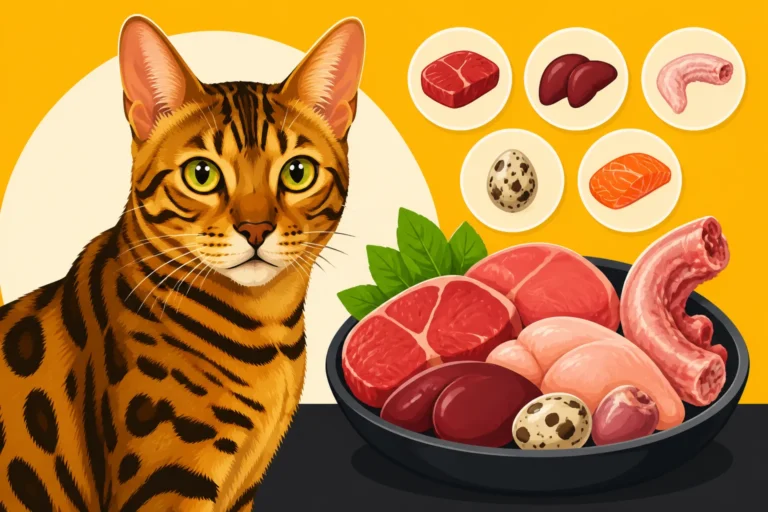
A healthy coat truly begins from the inside out. Providing your Bengal with a high-quality, nutritionally complete diet is paramount for maintaining their skin health and the brilliance of their glittery coat. Look for foods that are rich in animal protein, as cats are obligate carnivores, and contain essential fatty acids like Omega-3 and Omega-6. These fatty acids are crucial for skin hydration and the production of a shiny, healthy coat.
Many premium cat food brands offer formulas specifically designed to support skin and coat health. If your Bengal's coat ever seems dull, or their glitter less prominent, consult your vet. They might recommend specific supplements, such as fish oil, to boost omega fatty acid intake. Remember, How Much a Bengal Cat Eats to Fuel That Activity means they need good, nutrient-dense food. A well-fed Bengal will naturally have a more vibrant and dazzling coat.
Protecting Their Coat in Different Climates
While Bengal cats don't have a thick undercoat, which contributes to their low-shedding nature, it also means they might be more sensitive to extreme temperatures than some other breeds. In colder climates, if your Bengal enjoys supervised outdoor access (like in a secure catio), ensure they have a warm, insulated shelter available. Their sleek coat might not offer the same level of protection as a fluffier cat's fur.
In warmer, sunnier climates, while direct sunlight makes their glitter truly shine, prolonged exposure can potentially lead to some subtle fading of coat color over time, especially in darker areas. Providing shaded areas for outdoor play and ensuring they have access to cool indoor spaces is always a good idea. The primary goal is always their comfort and health, which in turn will keep their beautiful glittery coat looking its best.
Disclaimer
This article is for general informational purposes only and does not constitute professional advice. Laws, prices and regulations vary by location and change over time. Consult a qualified professional for guidance on your specific situation.