What a Bengal Cat Weighs Before It Fills Out
It's incredibly common for new Bengal cat parents to gaze at their sleek, lanky kitten and wonder, "Are they eating enough? When will they actually fill out?" You see all these gorgeous, muscular adult Bengals online, but your little one still looks like a string bean with magnificent spots. This guide is here to reassure you and walk you through the fascinating growth journey of your Bengal, explaining what to expect regarding their weight and development before they truly mature into those powerful, athletic adults.
The Early Growth Spurt: Bengal Kitten Weights
Bringing home a Bengal kitten is an exciting time, full of zoomies and endless curiosity. During these early months, their bodies are undergoing incredible changes, and it's easy to second-guess if they're developing "correctly."
From Wee Wonders to Lanky Teenagers
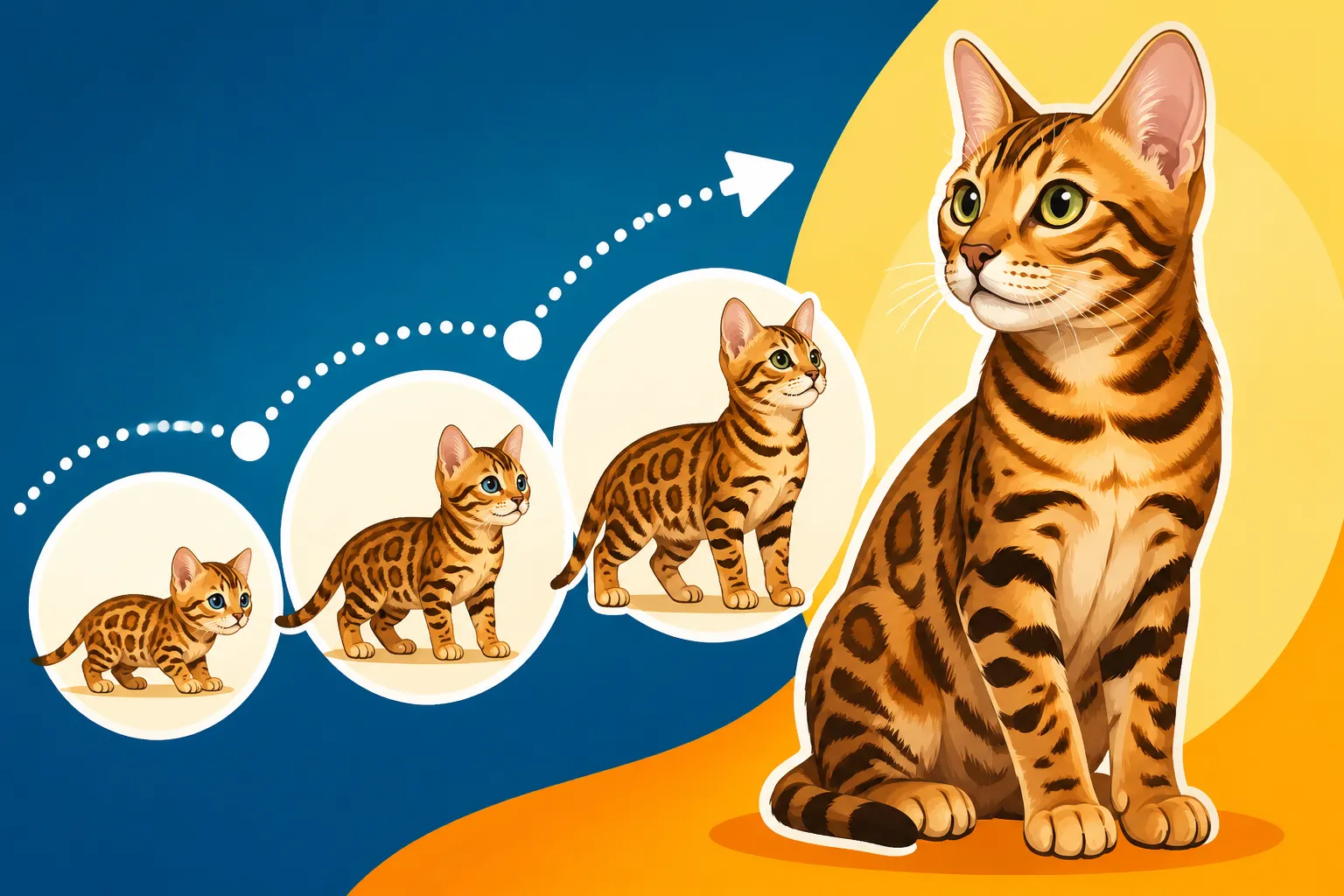
When your Bengal kitten first arrives, typically around 12 to 16 weeks old, they're often in what I affectionately call their "lanky teenager" phase. They've usually packed on pounds rapidly since birth, growing from tiny, palm-sized fluffballs to energetic, elongated adolescents. At this stage, they tend to grow up and out in length before they start packing on the dense muscle that defines the adult Bengal physique.
You might notice their legs seem disproportionately long, their body rather slim, and their overall frame almost delicate compared to the stocky build of some other kitten breeds. This isn't a sign of underfeeding or ill health, but rather a characteristic growth pattern for the breed. They're built for agility and climbing, and this lean framework is a precursor to the athletic powerhouse they'll become. So, don't fret if your Bengal kitten looks more like a graceful gazelle than a mini leopard; they're simply on their way to greatness, and the "filling out" process is still a little further down the road.
Average Kitten Weights by Age
It's helpful to have a general idea of what healthy Bengal kittens weigh at different stages, though remember that these are just averages. Individual kittens can vary based on genetics, litter size, and even their activity levels. A larger-boned male might weigh more than a petite female of the same age.
Generally, an 8-week-old Bengal kitten might weigh anywhere from 2.5 to 4 pounds. By 12 weeks, when many come home, they'll often be in the 4 to 6-pound range. As they hit 6 months, you can expect them to be around 7 to 10 pounds, still very much in their growth phase. They gain steadily, but it’s a lot of skeletal growth and lengthening before the real muscle mass starts to build.
Here’s a rough guide to typical Bengal kitten weights:
| Age (Approx.) | Average Weight Range (lbs) | Notes |
|---|---|---|
| 8 Weeks | 2.5 – 4.0 | Rapid initial growth |
| 12 Weeks | 4.0 – 6.0 | Often when kittens come home, still quite lanky |
| 4 Months | 5.5 – 8.0 | Continuing to grow in length |
| 6 Months | 7.0 – 10.0 | Entering the adolescent growth phase |
| 9 Months | 9.0 – 12.0 | Still actively growing, starting to look more substantial |
| 12 Months | 10.0 – 14.0+ | Nearing adult size, but not fully mature in muscle mass |
Keep in mind that while these numbers provide a benchmark, a healthy, energetic kitten with a good appetite is often more important than hitting an exact number on the scale. Always consult your vet if you have concerns about your kitten's growth.
Understanding "Filling Out" for a Bengal Cat
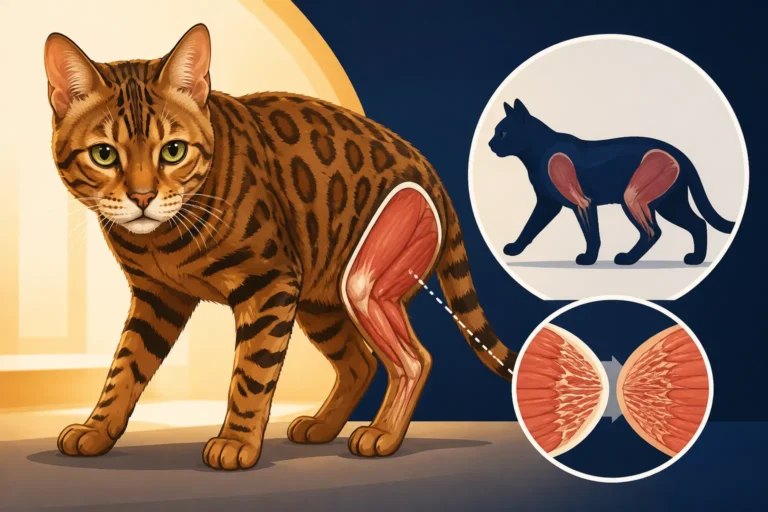
When we talk about a Bengal "filling out," it’s not about them becoming round or chunky. Far from it! A truly healthy Bengal maintains a sleek, athletic physique. Their "filling out" is all about developing that incredible musculature and bone density that gives them their powerful, wild look.
The Adolescent Phase: Lean Muscle Development
Bengals are known for their incredibly active, almost boundless energy. This high level of activity isn't just for entertainment; it's a crucial part of their physical development. During their adolescent phase, roughly from 6 months to 2 years, your Bengal will continue to grow in size, but more importantly, they'll start to build serious lean muscle. This is the period where they transition from that lanky teenager into a truly athletic adult.
Their constant running, jumping, climbing, and exploring all contribute to strengthening their muscles and bones. Think of them as feline athletes in perpetual training. This is why a good, high-quality diet, which we'll discuss shortly, is so vital during this time. They're burning a significant number of calories daily, and those calories need to be packed with the right nutrients to support muscle development, not just fat. You might find yourself wondering How Many Calories a Cat as Active as a Bengal Burns just to keep up with their demands! This lean, muscular look is not just aesthetically pleasing; it's a hallmark of their health and genetic heritage. They should feel solid and powerful when you pick them up, even if they still appear trim.
When Do Bengals Reach Their Full Weight?
One of the biggest misconceptions about cats, and Bengals especially, is that they are fully grown by their first birthday. While many domestic shorthairs might reach their peak size around 12 months, Bengals often take a little longer to truly mature. While they might reach most of their height and length by a year, their musculature and bone density continue to develop.
Many Bengal cats, particularly males, can continue to "fill out" and add muscle mass until they are two, or even three, years old. So, if your Bengal is still looking a bit slender at 18 months, don't despair! They are likely still on their growth journey. When a Bengal Cat Reaches Full Weight can vary widely, but generally, expect a slower, more subtle development in their second year. During this time, you might notice their chest broadening, their legs becoming more substantial, and their overall frame becoming more robust. It’s a marathon, not a sprint, when it comes to Bengal cat maturity.
Factors Influencing a Bengal's Growth and Final Weight
While you can provide the best possible care, several factors outside of your immediate control also play a significant role in determining your Bengal's growth trajectory and final adult weight. Understanding these can help manage expectations and provide peace of mind.
Genetics and Lineage
The genetic blueprint inherited from your Bengal's parents and their lineage is perhaps the single most important factor influencing their ultimate size and build. Just like in humans, some cat families are naturally larger, while others are more petite. A kitten from large, well-muscled parents is more likely to grow into a large, well-muscled adult. Conversely, if both parents are on the smaller side of the breed standard, their offspring will likely follow suit.
While the "F-numbers" (F1, F2, F3) refer to how many generations removed a Bengal is from its wild Asian Leopard Cat ancestor, and early generations (F1-F3) can often be larger due to the wild cat's influence, most pet Bengals are SBT (Studbook Tradition) or F4 and beyond. Their size is more influenced by the domestic Bengal lines behind them. A responsible breeder will be able to tell you about the size and build of the kitten's parents and often show you pictures or even allow you to meet them. This gives you a good indication of the potential adult size of your kitten. Reputable breeders also conduct health screenings, and understanding Which Health Results a Bengal Cat Breeder Must Show can give you confidence in the overall health and genetic predisposition of your kitten.
Nutrition and Diet Quality
This one feels obvious, but it's critically important for a Bengal. Because they are so active and require so much energy for their daily adventures and muscle development, the quality and type of food you provide can make a huge difference in how well they "fill out." A diet that is high in animal protein is absolutely essential for a growing Bengal. Their bodies are designed to process protein efficiently to build and maintain lean muscle mass.
Look for high-quality wet and dry foods that list real meat (chicken, turkey, fish) as the first ingredients, and avoid fillers like excessive grains, corn, or soy. While many foods are marketed as “complete and balanced,” not all are created equal, especially for a high-energy breed like a Bengal. You'll want to aim for Which Protein Percentage Suits a Bengal Cat that is on the higher side, typically 30-40% crude protein or even more for wet food. Many owners find great options on platforms like Chewy, which offers a vast selection of premium cat foods. Some even opt for fresh-prepared meal services, which prioritize human-grade ingredients and high protein content, though you should always consult your vet before making significant dietary changes. Ensuring they get enough protein helps them build that dense, powerful musculature.
Activity Levels and Environment
You could provide the best food and have fantastic genetics on your side, but if your Bengal isn't given the opportunity to exercise and explore, they won't develop that full, athletic physique. Bengals are not couch potatoes; they thrive on activity. Their natural inclination is to run, jump, climb, and stalk. This constant engagement is what builds and tones their muscles.
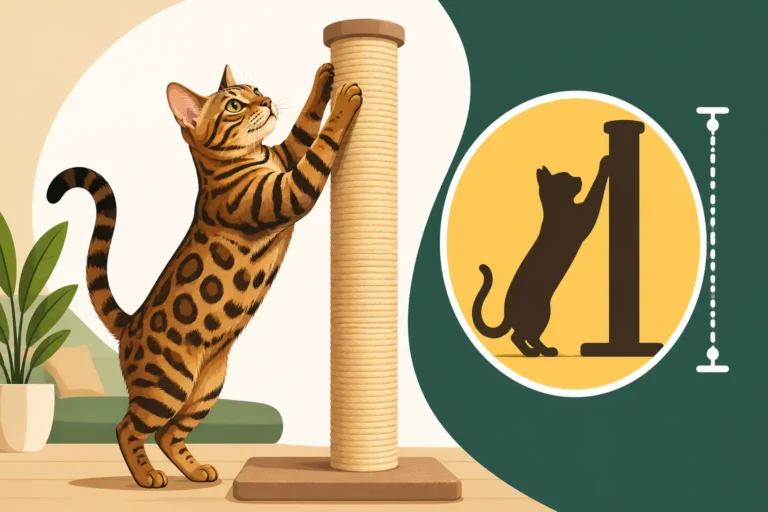
An environment that encourages this natural behavior is paramount. Tall cat trees, wall-mounted shelves, and engaging toys are not just luxuries for a Bengal; they are necessities for their physical and mental well-being. Think about How Much Exercise a Bengal Cat Needs a Day – it's significantly more than your average house cat! Interactive play sessions with wand toys that mimic prey can provide intense bursts of exercise. Investing in a cat wheel can also be an excellent way for them to burn off energy indoors. You can find a wide range of durable and stimulating toys, cat trees, and even cat wheels on sites like Amazon, often at competitive prices. The more opportunities they have to use their bodies, the more those muscles will develop, contributing to their "filled out" appearance. Just remember, a Bengal will probably destroy a cheaper cat tree quickly, so invest in quality! What a Tall Cat Tree for a Bengal Cat Costs might seem like a lot, but it's worth it for their health and your furniture's survival.
Recognizing Healthy Growth vs. Concerns
As a Bengal owner, it's natural to observe your cat's development closely. While it's important to understand the breed's unique growth patterns, it's equally important to know the signs of healthy development and when something might be amiss, requiring veterinary attention.
Signs of a Healthy, Growing Bengal
A healthy, growing Bengal, even during its lanky phases, will exhibit several key indicators of well-being. Firstly, their energy levels should be consistently high. They should be playful, curious, and always ready for an adventure. Lethargy is a red flag for any cat, but especially for such an active breed. Their coat should be shiny and feel smooth, indicating good internal health and nutrient absorption. Their eyes should be bright and clear, and their gums a healthy pink.
When it comes to their physique, even if they appear lean, they should feel muscular and solid, not bony or frail, when you gently touch their ribs or spine. You should be able to feel their ribs under a thin layer of muscle and skin, but they shouldn't protrude sharply. They should also maintain a good appetite and consistent, firm stools. Any significant changes in these areas warrant attention. A steadily increasing weight, even if it's not a dramatic "filling out" every month, generally indicates healthy growth. What a Healthy Bengal Cat Weighs is less about a single number and more about their overall condition and vitality.
When to Consult Your Vet
While some variations in growth are normal, there are definite signs that should prompt a call to your veterinarian. Sudden or unexplained weight loss in a growing kitten or young cat is always a cause for concern. If your Bengal seems to stop gaining weight altogether, or if they appear consistently underweight despite a good appetite, it's time for a professional check-up.
Other red flags include persistent lethargy, a dull coat, chronic diarrhea, or a noticeable decrease in appetite. Bengal cats are prone to certain gastrointestinal sensitivities, and conditions like Chronic Diarrhea Is the Bengal Cat Complaint Nobody Warns About can interfere with nutrient absorption, preventing them from gaining weight or thriving. If your kitten is consistently producing loose or watery stools, even if their energy is still high, it's crucial to get it investigated. Early intervention for any health issues can make a significant difference in their long-term health and ability to grow and "fill out" properly. Your vet can rule out underlying medical conditions and provide guidance on diet or supplements if needed.
Disclaimer
This article is for general informational purposes only and does not constitute professional advice. Laws, prices and regulations vary by location and change over time. Consult a qualified professional for guidance on your specific situation.