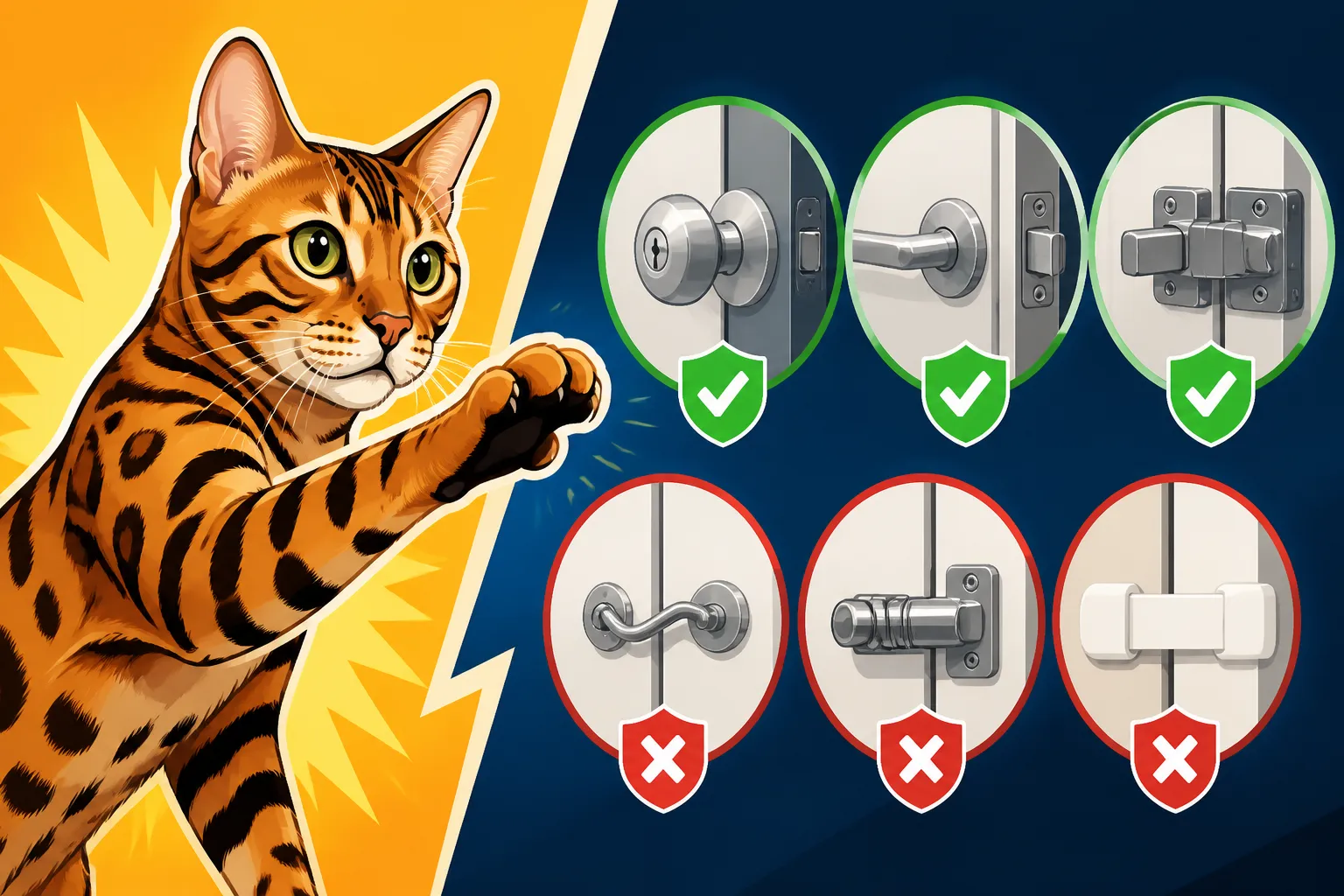
Which Locks Stop a Bengal Cat
The sheer intelligence and boundless curiosity of a Bengal cat can turn your perfectly organized home into their personal puzzle box. If you've ever walked into a room to find cabinet doors ajar, drawers pulled open, or even interior doors stubbornly refusing to stay shut, you know the unique frustration of living with a feline Houdini. This guide is here to walk you through the various locking mechanisms and strategies that stand a chance against your clever, adventurous Bengal, helping you reclaim your privacy and keep your treasured (and sometimes dangerous) items safe.
Understanding the Bengal Cat's Inquisitive Nature
It's not just mischief; it's genuine intelligence and a profound desire to explore. Bengal cats aren't content to simply survey their kingdom from afar; they want to know how everything works, what's inside, and if it's edible or movable. This innate drive, a remnant of their wild ancestry, makes them formidable opponents when it comes to household security. You might think a simple latch will do, but a Bengal will study it, bat at it, chew on it, and often, triumphantly open it.
Their physical prowess matches their mental agility. Bengals are incredibly strong, agile, and possess remarkable fine motor skills in their paws. They can manipulate objects with surprising dexterity, often using their claws like tiny tools to pry open gaps or hook onto handles. This combination of brains and brawn means that locks designed for toddlers might be a mere warm-up exercise for a determined Bengal. You'll need solutions that are more robust, less intuitive to feline logic, and potentially even multi-layered. When you consider How a Bengal Cat Learns to Open a Cabinet, you realize their problem-solving skills are seriously impressive.
Why Your Bengal Cat Becomes a Door and Cabinet Detective
There's a method to their perceived madness, I promise. Your Bengal isn't just randomly attacking your cupboards; they're learning. Every time they bat at a door and it wiggles, or push a drawer and it budges, they're gathering data. They learn cause and effect with astonishing speed. If opening a cabinet once led to a treat falling out, or discovering a hidden toy, they'll repeat that action endlessly. They're also keen observers of human behavior. If they watch you open a pantry door with a twisting motion, they'll attempt to mimic that motion themselves.
Beyond simple curiosity, there are a few common motivators for their investigative habits. Food is a huge one – any cabinet that might contain snacks or their own kibble is a prime target. Sometimes it's just about novelty; they love exploring new spaces. A closet that's usually closed represents a whole new world of smells and textures. They're also often seeking attention, knowing that a clattering drawer or an opened door will almost certainly get a reaction from you. Ignoring them often isn't an option, especially if they're about to get into something dangerous. This constant quest for interaction and stimulation is why What a Bengal Cat Does All Day often involves trying to get into places they shouldn't.
Securing Cabinets and Drawers from Prying Paws
The kitchen and bathroom are often ground zero for Bengal cat mischief, simply because they contain so many interesting (and potentially dangerous) items. Cleaning supplies, human food, sharp objects, and medicines are all common targets. The good news is that there's a wide variety of child-proofing locks on the market, many of which can be adapted or are robust enough to thwart even the most persistent Bengal. The key is to think like your cat: where will they pull, push, or paw?
When selecting locks, consider not just how effective they are, but also how easy they are for you to use, and how they look in your home. Some require drilling, others use adhesive. Some are visible, others are hidden. It's often a trade-off between absolute security and convenience. Remember, your goal isn't just to make it impossible, but to make it too difficult or unrewarding for your Bengal to bother.
Magnetic Cabinet Locks
These are often hailed as the holy grail of cat-proofing for cabinets and drawers, and for good reason. Magnetic locks are installed inside the cabinet or drawer, making them completely invisible from the outside. A small magnetic key is then used to unlock them from the exterior.
The biggest advantage here is that your Bengal has no visible mechanism to attack. There's no strap to chew, no lever to bat, no button to push. They simply encounter a door that won't open. Installation can be a bit trickier than other types, often requiring a template and some precision to ensure the lock aligns correctly with the catch. Once installed, however, they are incredibly secure. Most sets come with several locks and one or two magnetic keys. You can often find multi-packs on platforms like Amazon that offer great value for securing an entire kitchen. Just be mindful of where you store the magnetic key – if your Bengal can find it and bat it around, they might accidentally (or purposely!) unlock a cabinet. How to Cat Proof Cabinets From a Bengal Cat often starts with these.
Adhesive Strap Locks and Latches
These are perhaps the most common and easiest to install. They consist of two adhesive pads connected by a flexible strap or a rigid latch. One pad sticks to the cabinet door, the other to the adjacent cabinet frame or another door. To open, you typically press a button or squeeze a mechanism to release the strap.
While simple, their effectiveness against Bengals can vary widely. The flexible strap types can sometimes be chewed through by a determined cat, especially if they have some purchase to get their teeth on. Bengals are also incredibly strong and can sometimes pull hard enough to weaken the adhesive over time, especially if the surfaces aren't perfectly clean and dry during installation. Look for strap locks with a very strong adhesive and a robust, difficult-to-manipulate release mechanism. Many brands offer reinforced versions. These are often readily available at big box stores and online through retailers like Amazon, offering a quick fix for problem areas.
Spring-Loaded or Tension Rod Locks
These are another popular choice for those who don't want to drill. Spring-loaded latches often involve a hook that latches onto a small pin or loop on the cabinet frame. Tension rod locks, though less common for individual cabinets, can be useful for securing double-door cabinets by placing a rod across the handles or knobs.
For spring-loaded latches, the challenge for a Bengal is figuring out the specific motion needed to release the latch (often a push-down and slide motion). Some cats will eventually learn this, so choose models that require more than one simple action. Tension rods work well if your cabinet doors have handles that are close enough to each other to secure. These are particularly effective at deterring a cat from pulling open a drawer if you place the rod inside the drawer, effectively locking it. These aren't always ideal for aesthetics, but they can be very effective in utility spaces like laundry rooms or garages.
Here's a quick comparison of common cabinet and drawer lock types:
| Lock Type | Installation Difficulty | Visibility | Bengal Resistance | Best For | Pros | Cons |
|---|---|---|---|---|---|---|
| Magnetic Locks | Moderate (internal) | Hidden | High | Cabinets with dangerous contents, aesthetics | Invisible, highly secure, no visible parts for cats to manipulate | Requires magnetic key, can be harder to install, keys can get lost |
| Adhesive Strap Locks | Easy (external) | Visible | Medium to High | Quick fixes, lighter items, temporary needs | Easy to install, no drilling, widely available on sites like Amazon | Can be chewed, adhesive may fail over time, less aesthetic |
| Spring-Loaded Latches | Easy to Moderate | Visible | Medium | Drawers, lighter cabinets | Relatively easy for humans to open, often durable | Some Bengals can learn the release mechanism, visible |
| Tension Rods | Very Easy | Visible | High | Double-door cabinets, securing drawers internally | No installation, highly effective in specific scenarios | Limited application, can look clunky, must be replaced each time |
Preventing Door Openings
It's one thing for your Bengal to explore a cabinet; it's quite another for them to open doors, especially if it means escaping the house, getting into a forbidden room, or even just letting themselves into your bedroom at 4 AM to tell you about the empty food bowl. What a Bengal Cat Does at Four in the Morning is often related to these door-opening antics!
The common problem here often lies with lever-style door handles, which are incredibly easy for a Bengal to operate. With a simple jump and a downward push of their weight, they can often turn the lever and open the door. Standard round doorknobs are generally more challenging, but not impossible for a truly determined cat.
Lever Handle Locks
If you have lever-style door handles, you know the struggle is real. These are practically designed for a Bengal's opportunistic paw. A simple child-proof lever lock often consists of a cover that goes over the handle or a mechanism that prevents the lever from being pushed down. These are usually adhesive-backed or clip-on, making them easy to install and remove.
When choosing a lever lock, look for one that completely immobilizes the handle, not just makes it harder to depress. Some designs allow the lever to move slightly, which a clever Bengal might still be able to exploit. The best ones often have a dual-button release mechanism that requires two actions at once, making it incredibly difficult for a single paw (or even two paws simultaneously) to operate. You'll find a vast selection of these on Amazon, often labeled as "child safety door lever locks," which are perfectly suited for our feline friends.
Doorknob Covers
While doorknobs are harder for Bengals to open than levers, some master the art of grabbing and twisting. Doorknob covers are usually spherical plastic shells that fit over the existing doorknob, making it impossible to grip and turn. They typically allow the human hand to squeeze and turn the knob underneath, but a cat's paw simply slides off.
These are incredibly effective for doorknobs and are simple to install. They are a great solution for bedrooms, bathrooms, or any room you absolutely need to keep your Bengal out of. The main consideration is ensuring you get a cover that fits snugly over your specific doorknob size. They are inexpensive and widely available.
High-Mounted Bolt Latches
For rooms where absolute security is paramount, or if your Bengal has defeated every other solution, a high-mounted bolt latch is a more permanent and robust option. These are typically slide bolts or barrel bolts installed at a height that your Bengal cannot reach, even when jumping.
This option requires drilling into your door frame and the door itself, so it's a more permanent modification. However, it offers superior security against a jumping and pawing cat. It's often reserved for rooms containing hazardous materials, a nursery, or perhaps your home office where you need uninterrupted work time. While not the most aesthetically pleasing, their effectiveness is undeniable. Consider where you place it – eye-level for humans is often too high for a cat to even attempt. Just remember that it needs to be opened manually every time you enter or exit. You can learn more about how they defeat various home barriers in How a Bengal Cat Opens a Door.
Beyond Locks: Integrated Strategies for Bengal-Proofing Your Home
Simply locking things up is often just one piece of the puzzle. A truly Bengal-proof home takes into account their intelligence, their need for stimulation, and their incredible athletic abilities. If you just lock everything, a bored Bengal might just find another way to entertain themselves, possibly by destroying something else. What a Bored Bengal Cat Destroys can be a long and expensive list!
The goal is to provide acceptable outlets for their energy and curiosity, while simultaneously making off-limits areas genuinely inaccessible. It's a balance of redirection and deterrence.
Vertical Space and Cat-Friendly Entertainment
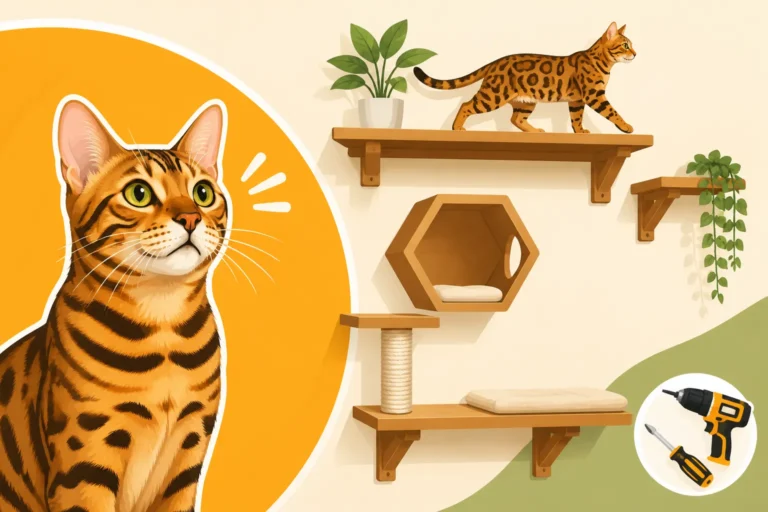
One of the best ways to keep your Bengal out of trouble is to give them approved "trouble" to get into. Bengals thrive on vertical space. Tall cat trees, wall-mounted shelves, and cat "highways" give them places to climb, survey their territory, and expend energy. A cat tree that reaches the ceiling can be a fantastic diversion, making them less interested in climbing your curtains or bookshelves.
Puzzle feeders are also brilliant. Instead of simply putting their food in a bowl, make them work for it. This engages their minds and satisfies their hunting instincts. An intelligent Bengal might make short work of simple puzzle feeders, so you might need to invest in more complex ones over time. Look for multi-stage feeders or those requiring specific manipulations. Amazon has a huge selection of advanced puzzle feeders that can truly challenge a clever cat. These activities can help fulfill their innate desire for mental stimulation, making them less inclined to try and break into your cabinets.
Consistent Training and Redirection
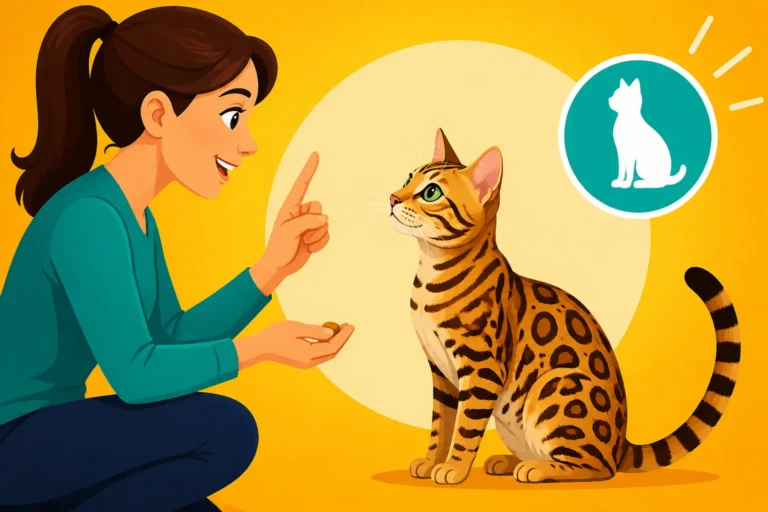
While you can't "train" a Bengal not to be curious, you can certainly redirect their behaviors. If you see your Bengal attempting to open a cabinet, immediately intervene with a firm "no" and then redirect them to an appropriate activity. This could be a favorite wand toy, a laser pointer session, or even a different, accessible puzzle toy. The key is consistency. Everyone in the household needs to use the same commands and redirection techniques.
Sometimes, creating an "approved" digging or exploring box can help. A large cardboard box with crinkle paper, some catnip, and hidden toys can provide a safe and engaging outlet for their instincts. This is a common strategy to prevent behaviors like How to Keep a Bengal Cat Out of the Trash. If they have their own approved digging zone, they might leave your bins alone.
Addressing the Root Cause: Boredom and Attention Seeking
Many destructive behaviors, including relentless attempts to open things, stem from boredom or a desire for attention. Bengal cats are high-energy, highly intelligent animals that need a lot of interaction. If they're not getting enough playtime, mental stimulation, or social interaction, they will find ways to entertain themselves, and those ways often involve things you'd prefer they didn't touch.
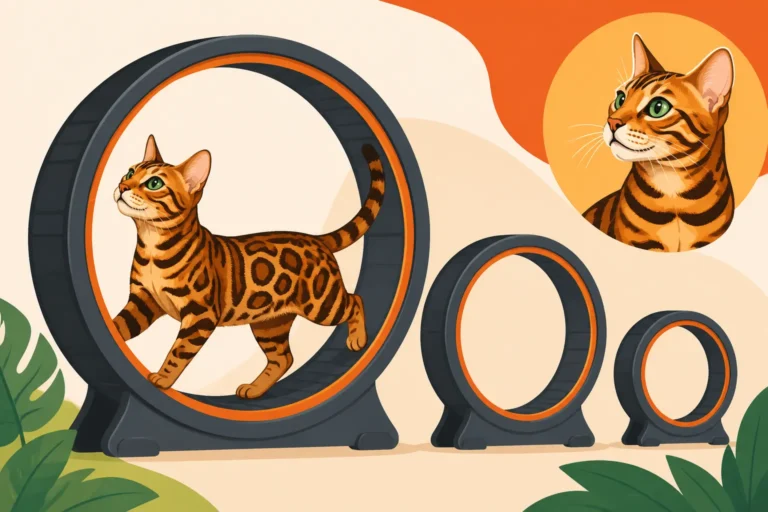
Schedule dedicated playtimes throughout the day, not just a quick five minutes. Aim for 15-20 minute sessions where you actively engage with them using interactive toys. Consider getting a cat wheel if you have space; many Bengals adore running on them. Even just having a second cat for companionship, if carefully introduced, can sometimes alleviate boredom. Remember, How Long a Bengal Cat Can Be Left Alone is often shorter than for a typical housecat. An enriched environment goes a long way in managing their natural inclinations.
When All Else Fails: Professional Guidance and Advanced Solutions
Sometimes, despite all your best efforts, a Bengal cat's determination can simply overwhelm standard solutions. If you're truly struggling to keep your cat safe and your home intact, it might be time to consider professional advice or more advanced, customized solutions.
It's not a sign of failure; it's recognizing that Bengals are truly unique and sometimes require specialized approaches. A certified feline behaviorist or even a skilled custom carpenter might be able to offer insights and solutions you hadn't considered.
Consulting a Feline Behaviorist
If your Bengal's door-opening and cabinet-raiding habits are extreme, persistent, or causing significant safety concerns, a certified feline behaviorist can be a game-changer. These professionals specialize in understanding cat behavior and can help identify the underlying motivations for your cat's actions. They can observe your home environment, your cat's routines, and your interactions, then develop a tailored behavior modification plan.
They might suggest specific enrichment strategies you haven't tried, new training techniques, or even dietary adjustments that could indirectly impact behavior. Sometimes, what looks like mischief could be a sign of stress or an unmet need. A behaviorist can help you differentiate and address these issues holistically. They can also offer expert advice on how to prevent undesirable behaviors and encourage positive ones, leading to a happier cat and a more peaceful home.
Custom Solutions for Unique Challenges
For particularly tricky situations, or if you have an unusual home layout, you might need custom solutions. This could involve hiring a carpenter to build secure, cat-proof cupboards or pantry doors that incorporate robust, hidden locking mechanisms. For example, a heavy-duty sliding bolt that's integrated into the door frame and only accessible with a specific tool might be necessary for a pantry storing dangerous chemicals.
Some owners even consider installing double doors for key areas, creating an airlock-like system that makes escape much harder. Or, for a catio access point, a particularly secure cat flap with a locking mechanism that requires a specific sequence of actions might be needed. While these are more significant investments, they can provide long-term peace of mind, especially if you have an exceptionally skilled escape artist on your hands. Just remember, your Bengal is How Clever a Bengal Cat Is, so sometimes you need to think outside the box entirely!
The Importance of Ongoing Vigilance
Even with the most robust locks and clever strategies, owning a Bengal means a certain level of ongoing vigilance. Their intelligence means they are constantly learning and adapting. A lock that worked perfectly last year might suddenly be defeated this year as your cat figures out a new angle or simply gets stronger. Regular checks of all your locks, ensuring they are still securely attached and functioning correctly, is essential.
Keep valuable or dangerous items out of reach entirely, even if they're behind a locked door. Never underestimate your Bengal's ability to find a way. Child-proofing techniques are a great start, but remember, your Bengal isn't a child – they're a highly athletic, intelligent predator in a domestic setting, and they operate on different motivations entirely. Embrace their cleverness, but always stay one step ahead in safeguarding your home and their well-being.
Disclaimer
This article is for general informational purposes only and does not constitute professional advice. Laws, prices and regulations vary by location and change over time. Consult a qualified professional for guidance on your specific situation.