Whether a Bengal Cat’s Rosettes Change With Age
It's a common question for us Bengal cat lovers: will those stunning, wild-looking rosettes that drew us in stay exactly the same throughout our cat's life? Many of us are captivated by the crisp, high-contrast patterns of a Bengal kitten, only to wonder if this unique beauty will endure. This guide will walk you through the natural progression of a Bengal's coat, from those adorable fuzzy kitten days to the subtle changes that can occur in their senior years, giving you a realistic picture of what to expect.
The Early Transformation: From Kitten Fuzzies to Defined Patterns
When you first bring home a Bengal kitten, you might notice something a little… fuzzy. Those distinct rosettes you admired in photos might seem softer, less defined, almost blurred. This isn't a flaw; it's a completely natural part of their development, a remnant of their wild ancestry designed to keep them safe.
The Phenomenon of Kitten Fuzzies
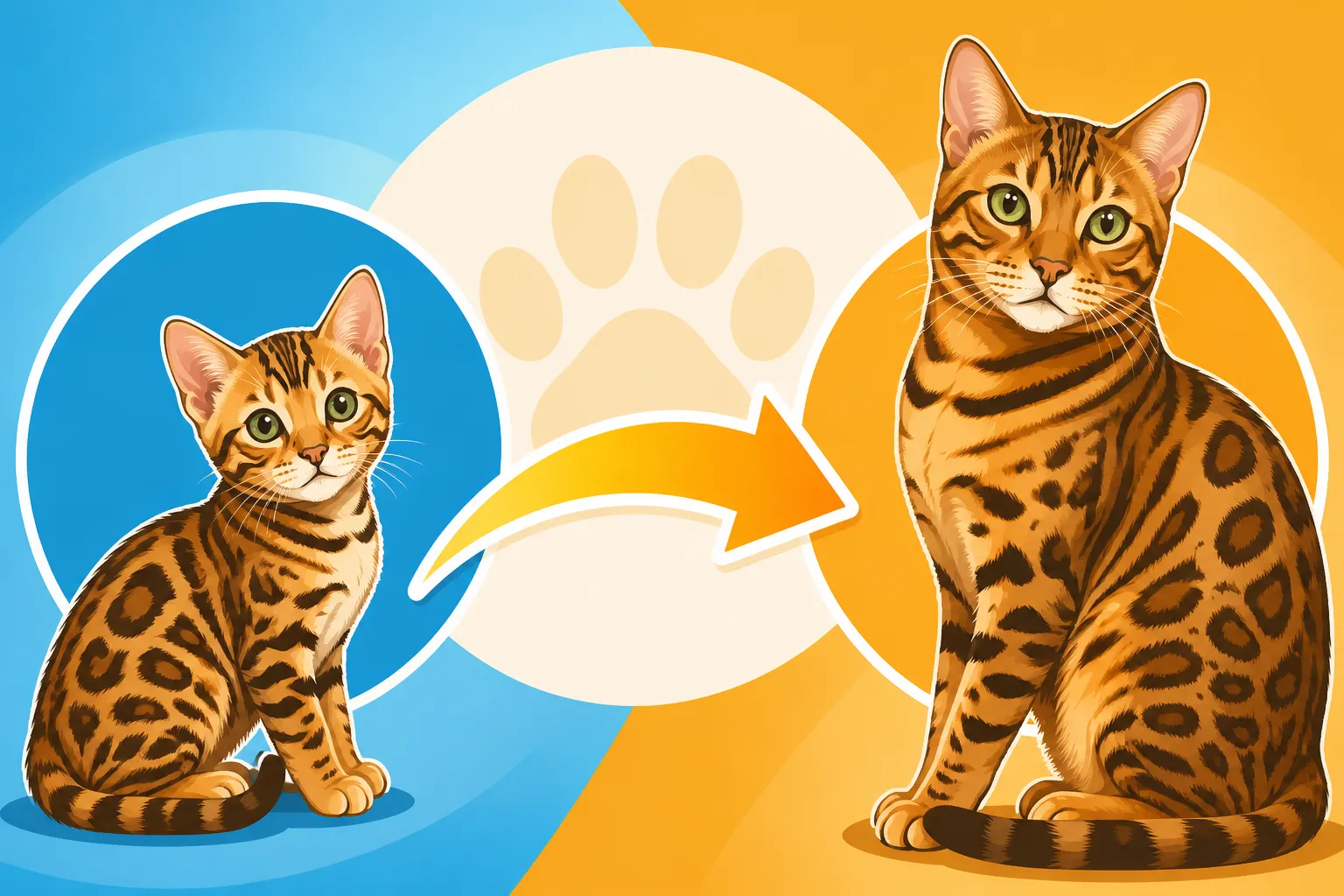
Bengal kittens, much like their wild Asian Leopard Cat ancestors, go through a stage known as "fuzzies." This is typically seen between about 4 weeks and 5 months of age, though it can vary slightly from kitten to kitten. During this time, a layer of longer, softer guard hairs grows over their clear, crisp kitten pattern. Think of it like a wild camouflage cloak. In nature, a leopard cub wouldn't want to stand out with bold, high-contrast spots; it needs to blend into its surroundings to avoid predators. This fluffy, obscuring layer serves that exact purpose, making them harder to spot. It can be a little disheartening for new owners who are expecting those sharp, defined markings right away, but rest assured, it’s a sign of a healthy, developing Bengal. This is a temporary stage, and patience is key. You'll often see this discussed when breeders talk about preparing kittens for their new homes. What Fuzzies Are on a Bengal Cat Kitten provides more insight into this fascinating stage.
The intensity of the fuzzies can differ greatly. Some kittens might have a very thick, dense layer that almost completely obscures their rosettes, making them appear quite dull and muted. Others might have a lighter fuzz, where you can still discern the underlying pattern, albeit softly. It’s all within the normal range for a Bengal. This stage is a wonderful opportunity to appreciate the subtle beauty of their developing coat and watch the magic unfold over several weeks or months. It’s also a time when the kitten's temperament is forming, so focus on bonding and play rather than solely on their appearance.
The Unveiling of Adult Rosettes
As your Bengal kitten matures, typically around 5 to 9 months of age, those fuzzies will gradually start to "clear." This is when the true splendor of their rosettes begins to emerge. The longer guard hairs shed, revealing the shorter, denser, and incredibly soft "pelted" coat beneath, with its vibrant, high-contrast markings. It's truly like watching a work of art being unveiled. The rosettes, whether they are arrowhead, paw print, or donut shapes, will become sharper, more distinct, and the background color will gain clarity. When a Bengal Cat Kitten's Fuzzies Clear delves deeper into this exciting transformation.
This period of clearing can be quite quick for some, happening over a few weeks, while for others, it might be a more gradual process, extending into their first year. The contrast between the markings and the background color often becomes more pronounced during this time, creating that stunning, wild look that is so characteristic of the Bengal breed. You might also notice the "glitter" – a shimmer that makes their coat look like it’s been dusted with gold – becoming more apparent as the fuzzies recede. This glittering effect is due to the unique translucent quality of the hair shaft. Understanding this natural progression helps set realistic expectations and allows you to truly appreciate the evolving beauty of your Bengal. What a Rosette Is on a Bengal Cat can give you more details about the different types of rosettes.
Maintaining the Pattern: What to Expect Through Adulthood
Once your Bengal has shed its kitten fuzzies and its adult pattern has emerged, you can generally expect a good deal of stability through its prime adult years. These are the years when their coat is at its most vibrant and their patterns are most distinct.
Rosette Stability Through the Prime Years
For most of their adult lives, from about one year old up until their senior years, a Bengal cat's rosettes tend to remain remarkably stable. The size, shape, and general placement of their markings are largely genetically determined and won't undergo drastic alterations. That doesn't mean they'll look exactly the same every single day – lighting, angle, and even the cat's posture can make them appear slightly different – but the fundamental pattern will be consistent. The rich contrast between the dark markings and the lighter background color, which is a hallmark of the breed, is usually at its peak during these years. This is why when you see pictures of adult Bengals, their patterns are often so striking and clear.
This stability is one of the many reasons Bengal owners fall in love with the breed's aesthetic. You can truly appreciate the intricate design that nature has bestowed upon your feline companion. While diet and overall health contribute to the sheen and quality of the coat, the underlying pattern itself is pretty much set in stone during their mature years. If you've been nurturing your Bengal kitten through its fuzzy stage, these adult years are your reward, showcasing the full glory of their wild-looking coat.
Minor Variations You Might Notice
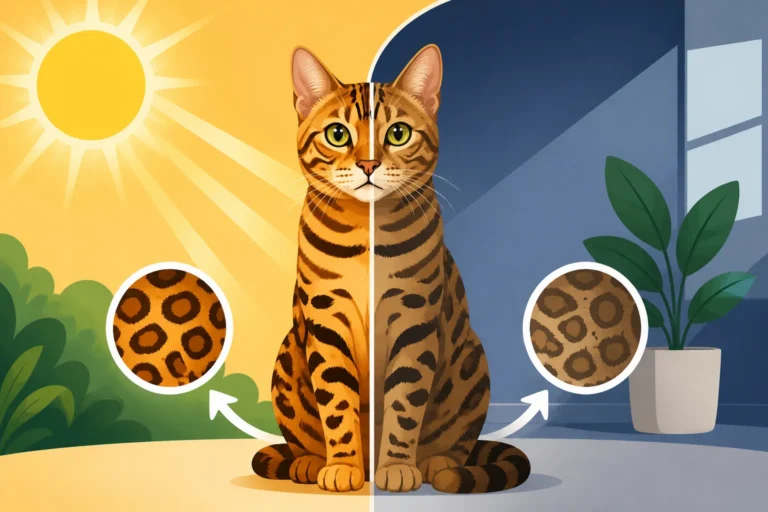
While the core pattern remains stable, there can be minor, subtle variations you might observe over the years. These aren't changes to the rosette itself, but rather to its presentation. For instance, the intensity of the color might fluctuate slightly. A Bengal that spends time basking in a sunny window might experience a very gradual, slight lightening or "sun bleaching" of its coat over extended periods, which could subtly soften the contrast of its rosettes. This is much like how human hair can lighten in the sun.
Another factor could be their seasonal coat. While Bengal cats are known for shedding very little, they do still have a very subtle seasonal cycle. In warmer months, their coat might be a little thinner and lay flatter, which can make the rosettes appear even crisper. In colder months, they might develop a slightly denser undercoat, which could make the pattern look a touch softer or less stark. These are not changes to the rosettes themselves, but rather minor shifts in how they appear. Think of it as the difference between looking at a painting in bright daylight versus soft lamplight. Furthermore, a cat’s hydration and nutrition play a role in the health and luster of its coat. A well-fed, hydrated Bengal will often have a shinier, healthier coat that makes its markings pop, whereas a cat experiencing nutritional deficiencies might have a duller coat where the patterns seem less vivid. High-quality food found on platforms like Chewy or Amazon can significantly contribute to maintaining a healthy coat.
When Age Softens the Spots: Rosettes in Senior Bengal Cats
As our beloved Bengal cats enter their golden years, typically past the age of ten, we start to notice more widespread changes, and their beautiful rosettes are not entirely immune to the march of time. These changes are usually subtle and gradual, reflecting the overall aging process.
Softening and Fading in the Golden Years
For senior Bengal cats, the most common observation regarding their rosettes is a general softening of their edges and a slight fading of color. The crisp, sharp contrast that was so prominent in their younger adult years may become less defined. The dark markings might appear a shade lighter, and the background color can sometimes deepen or become a little more muted. It’s not a dramatic alteration where their rosettes disappear or transform entirely, but rather a gentle softening, like a cherished old photograph that's slightly faded with time. This is a natural part of the aging process, similar to how human hair might thin or lose some of its original vibrancy. How an Aging Bengal Cat's Rosettes Soften provides additional context on this particular aspect of aging.
This softening of pattern is often accompanied by other changes in their coat, such as a potential decrease in the famous “glitter” and a slight increase in the overall density of their coat, sometimes making it feel less like that sleek “pelt” and a bit more like traditional fur. It’s important to remember that these are signs of a life well-lived and do not diminish their inherent beauty. Just like us, our cats experience physical changes as they age, and their coat is one visible indicator. Continuing to provide excellent nutrition and care is crucial during this phase to support their overall health and maintain the best possible coat quality. You might consider specific senior cat formulas or even fresh food options, which can offer tailored nutrition. Caring for a Bengal Cat Past Ten will offer more general insights into looking after your senior Bengal.
Factors That Can Influence Aging Patterns
Several factors can contribute to how and when a Bengal cat's rosettes might soften or fade with age. Genetics, as always, plays a significant role; some bloodlines might show more pronounced aging changes than others. Beyond genetics, lifestyle and environment are key.
One major influence is sun exposure. Cats that spend a lot of time in direct sunlight, whether indoors by a window or enjoying a catio, are more prone to their coat colors lightening over time. UV rays can break down the pigments in their hair shafts, leading to a faded appearance. While a little sun is good, excessive exposure over many years can contribute to this subtle fading.
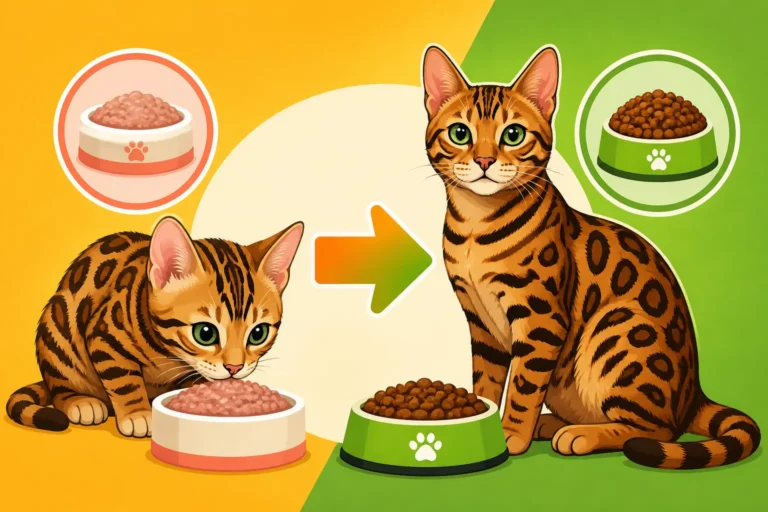
Nutrition is another critical factor. A high-quality, balanced diet rich in essential fatty acids and proteins is vital for maintaining healthy skin and a vibrant coat throughout a cat's life. As cats age, their nutritional needs can shift, and deficiencies can impact coat quality, potentially making patterns appear duller or less defined. Ensuring your senior Bengal receives optimal nutrition helps support skin elasticity and coat pigmentation. What Changes in a Bengal Cat After Ten also touches upon how their physical needs evolve. You might find that a diet specifically formulated for senior cats, with easily digestible proteins and added omega fatty acids, available on Amazon, makes a noticeable difference.
Finally, overall health and chronic conditions can manifest in a cat's coat. Any underlying health issue, even if subtle, can affect the vibrancy and texture of their fur. Illness, stress, or medications can all contribute to a duller coat or less distinct patterns. Regular veterinary check-ups are paramount for senior Bengals to catch any health issues early and ensure their continued well-being, which in turn reflects in their coat health.
| Age Stage | Rosette Characteristics | Common Observations |
|---|---|---|
| Kitten (0-5 months) | Soft, blurred, indistinct patterns | "Fuzzies" present, camouflage layer, lower contrast, soft coat |
| Juvenile (5-12 months) | Patterns begin to clear and sharpen, increasing contrast | Fuzzies receding, true rosettes emerging, higher contrast, developing glitter |
| Adult (1-9 years) | Clear, crisp, well-defined patterns with high contrast | Stable pattern, vibrant colors, strong glitter, sleek "pelted" coat |
| Senior (10+ years) | Rosettes may soften, slightly fade, less distinct edges | Subtle loss of contrast, slight dulling of color, possible less glitter, coat may feel denser |
Supporting Coat Health at Every Age
While some changes to a Bengal cat's rosettes are a natural part of aging and development, there's a lot we can do as owners to support their coat health and ensure their patterns look their best throughout their lives. It's about proactive care, not just reacting to changes.
Essential Nutrition for a Vibrant Coat
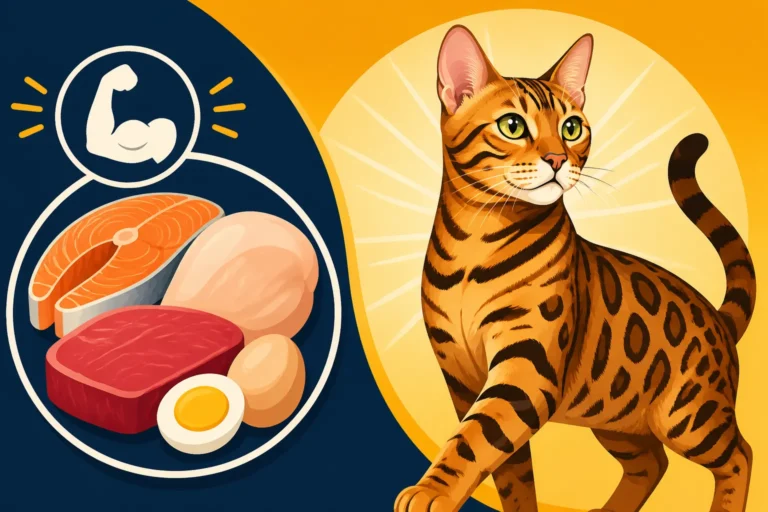
A truly healthy coat, with vivid patterns and that gorgeous glitter, starts from within. Nutrition is paramount. For Bengal cats, who are incredibly active and have unique digestive sensitivities, providing a high-quality, protein-rich diet is crucial. Look for cat foods that list meat as the first ingredient and avoid excessive fillers. Essential fatty acids, particularly Omega-3s and Omega-6s, are vital for skin health and coat luster. These often come from sources like fish oil or flaxseed. If your Bengal's coat seems dull, or you notice excessive shedding, consulting your vet about dietary supplements or a change in food might be beneficial. Many specialized cat foods or supplements can be found on Chewy or Amazon, but always discuss with your vet first to ensure it's appropriate for your cat's specific needs. Feeding a Bengal Cat Four Generations From a Wild Ancestor offers more context on their dietary requirements.
For senior Bengals, nutritional needs can shift. They might require easily digestible proteins and specific nutrients to support aging skin and coat. Some owners explore fresh food options, which can provide highly digestible, human-grade ingredients that might benefit coat health. Whatever you choose, ensuring consistency and monitoring your cat's response is key. A balanced diet doesn't just keep their patterns looking great; it supports their overall health and vitality, which in turn reflects in a shiny, healthy coat.
Grooming and Environmental Considerations
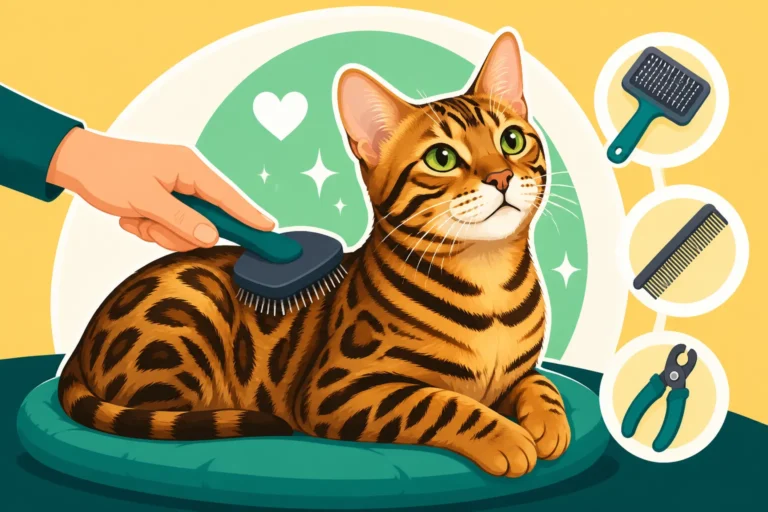
Even though Bengal cats are renowned for their low-maintenance "pelted" coats, a little grooming goes a long way. Regular, gentle brushing, even just once a week, helps to distribute natural oils, remove any loose hairs (especially during the "fuzzies" clearing stage or in senior years), and stimulates circulation in the skin. This can enhance the natural luster of their coat and keep it feeling soft. While they rarely need baths, a quick wipe-down with a damp cloth can help remove dust and keep their coat pristine. The Grooming a Bengal Cat Will Actually Sit Still For has some excellent tips for making this a pleasant experience for your cat.
Environmentally, consider managing sun exposure. If your Bengal loves to lounge in a sunbeam for hours every day, rotating their favorite spots or providing some shade can help mitigate long-term fading of their patterns. A comfortable cat bed in a spot with indirect sunlight can still offer warmth without intense UV exposure. Furthermore, ensuring they have clean water available at all times is crucial for hydration, which contributes directly to skin and coat health. Investing in a good water fountain, perhaps one available on Amazon, can encourage them to drink more. Keeping their living environment clean and free of excessive allergens can also prevent skin irritations that might indirectly affect coat quality.
When to Consult Your Vet About Coat Changes
While many changes in a Bengal cat's rosettes and coat are normal aspects of development and aging, there are times when these changes can signal an underlying health issue. It's important for us as owners to be observant and know when to seek professional advice.
Distinguishing Normal from Concerning Changes
A Bengal kitten's fuzzies clearing, or a senior Bengal's rosettes softening slightly, are generally normal. However, sudden, drastic, or uneven changes in coat pattern, color, or texture can be a red flag. For instance, if your adult Bengal suddenly develops bald patches, a dull, greasy, or excessively dry coat, or if their skin appears irritated, flaky, or develops unusual lesions, these are not typical aging changes. Similarly, if the "glitter" seems to disappear or their coat becomes unexpectedly coarse, it warrants attention. These could be signs of parasites, allergies, fungal infections, hormonal imbalances, or other systemic diseases.
It’s also important to consider behavioral changes alongside coat changes. If your cat starts excessively scratching, licking, or grooming specific areas, leading to hair loss, that’s a clear indication of discomfort. Any changes in appetite, energy levels, or litter box habits combined with coat issues should prompt a veterinary visit. A healthy Bengal should have a clean, shiny, soft coat that reflects their overall vitality. What a Bengal Cat's Yearly Bloodwork Should Cover highlights the importance of regular check-ups that can catch early signs of health issues.
The Role of Your Veterinarian in Coat Health
Your veterinarian is your best resource for evaluating any concerning changes in your Bengal's coat. They can perform a thorough physical examination, looking for signs of skin conditions, parasites (like fleas or mites), or underlying health problems. They might recommend specific diagnostic tests, such as skin scrapings, blood work, or even biopsies, to pinpoint the cause of the coat change. For example, if a vet suspects nutritional deficiencies, they might suggest specific dietary adjustments or supplements.
Don't hesitate to reach out to your vet if you're worried. It's always better to be proactive than to let a minor issue become a major problem. They can help you differentiate between cosmetic aging and a health concern requiring intervention. Early diagnosis and treatment can often resolve coat issues and prevent further discomfort for your beloved Bengal, ensuring they remain as healthy and magnificent as possible, with their beautiful patterns shining through for years to come.
Disclaimer
This article is for general informational purposes only and does not constitute professional advice. Laws, prices and regulations vary by location and change over time. Consult a qualified professional for guidance on your specific situation.