Why a Bengal Cat’s Eyes Stay Clear
It’s a truly wonderful thing to look into the bright, alert eyes of your Bengal cat and see them sparkling with health and curiosity. For many Bengal owners, those clear, vibrant eyes are a testament to their pet's overall well-being and one less thing to worry about. This guide dives into the various factors that contribute to why your Bengal cat's eyes typically remain so remarkably clear, from their genetic makeup to their specific care needs and active lifestyle.
The Genetic Blueprint for Keen Vision
One of the cornerstones of a Bengal cat's robust eye health lies deep within its genetic heritage. While no breed is entirely immune to health issues, Bengal cats often benefit from a strong genetic foundation when it comes to their vision.
Inherited Traits and General Feline Eye Health
When we talk about inherited traits, we’re looking at the big picture of feline health. Cats, in general, are equipped with incredible vision, finely tuned for hunting and navigating diverse environments, especially in low light. The Bengal cat, with its close lineage to the Asian Leopard Cat, carries many of these wild traits, including those that contribute to strong, healthy eyes. This means a natural resilience that often translates to fewer common genetic eye conditions seen in some other pedigreed breeds. You often hear stories of breeds prone to specific retinal degenerations or glaucoma, but Bengals generally don't carry the same burden of widespread, breed-specific eye diseases as a primary concern. Instead, their genetic makeup tends to support clear vision and healthy ocular structures from the start.
However, it's not a free pass. It’s crucial for any responsible breeder to screen for any inheritable conditions, even if rare, to ensure the health of their lines. While not directly related to eye clarity, conditions like PRA-b Blinds a Bengal Cat by Two and There Is a DNA Test are critical genetic screenings that good breeders perform to prevent blindness, underscoring the importance of understanding a cat’s full genetic health panel. This proactive approach helps maintain the overall health of the breed, including features that contribute to clear eyes.
Anatomy of the Bengal Cat Eye
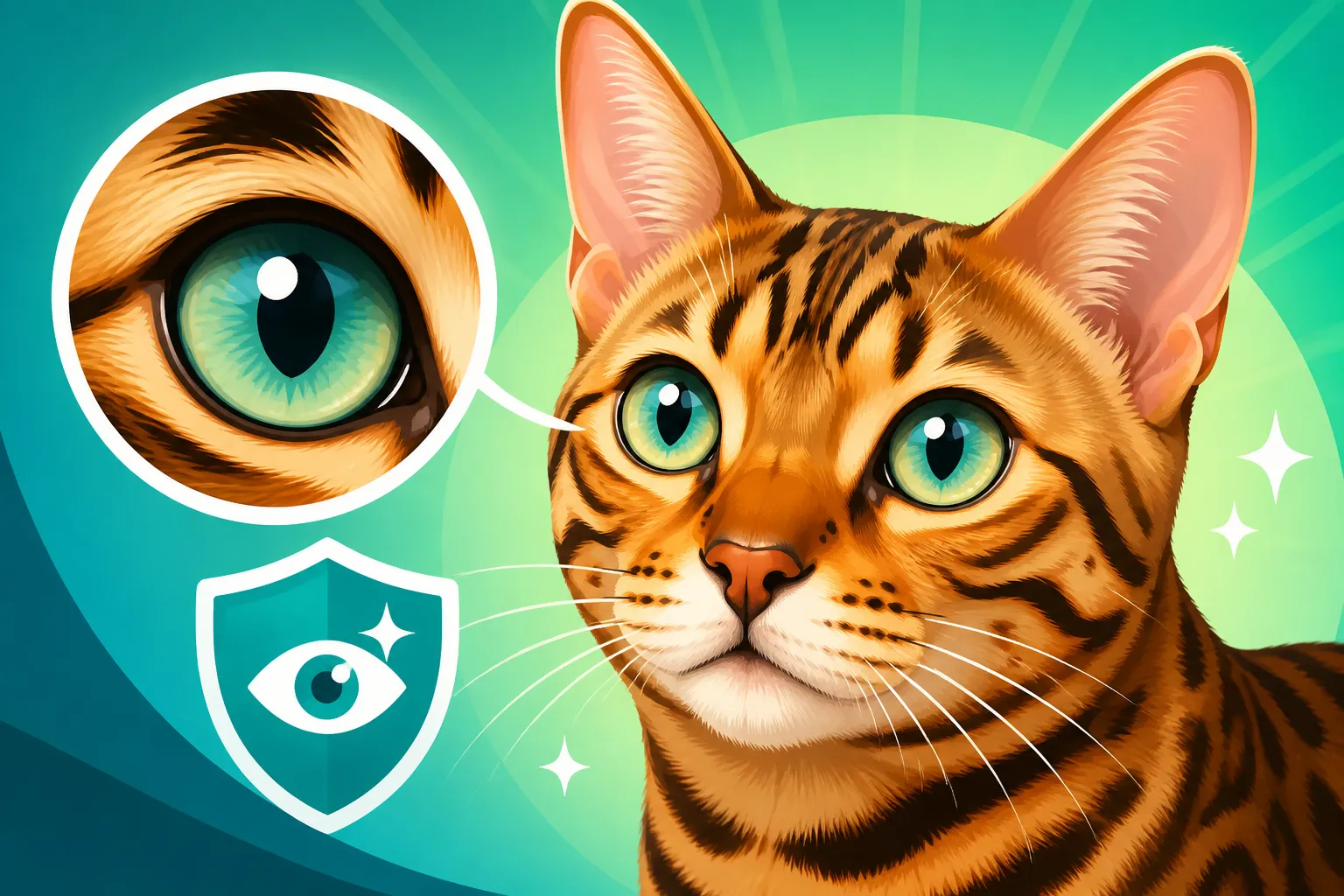
Let’s get a little scientific for a moment, but I promise to keep it engaging! The physical structure of a Bengal cat’s eye is remarkably efficient, contributing significantly to its clarity and overall health. Their eyes are typically large, almond-shaped, and set widely apart, giving them a broad field of vision. The cornea, the transparent outer layer of the eye, is usually smooth and free from cloudiness, which is vital for clear sight. Inside, the lens is also clear, allowing light to pass through unobstructed to the retina. The tear ducts are generally efficient, producing just enough tears to keep the eye lubricated and to wash away small irritants without excessive overflow. This natural cleansing mechanism is often very effective, meaning you'll rarely see goop or discharge unless something is truly amiss.
Their eyelids also play a role, protecting the delicate surface of the eye and distributing tear film evenly with each blink. The presence of a third eyelid, or nictitating membrane, acts as an additional protective shield, emerging to sweep across the eye when needed, such as during sleep or if an irritant is present. All these anatomical components work in harmony, forming a robust system that is naturally well-maintained, giving those Bengal eyes their signature sparkle.
Environmental Factors and Lifestyle Contributions
Beyond genetics, the way Bengal cats live their lives plays a huge role in keeping their eyes pristine. Their environment and activity levels are far more impactful than you might think.
The Indoor Lifestyle Advantage
Most Bengal cats live predominantly indoors, and this is a significant factor in their consistently clear eyes. Think about it: an indoor cat is largely protected from a multitude of environmental hazards that outdoor cats face daily. They aren't constantly exposed to dust, pollen, and other airborne allergens that can irritate eyes, leading to redness or discharge. They're also less likely to suffer from physical trauma, such as scratches from branches, fights with other animals, or encounters with thorns, all of which can cause corneal abrasions or infections.
Furthermore, an indoor environment drastically reduces their exposure to outdoor parasites and infectious diseases, many of which can manifest with ocular symptoms. For instance, upper respiratory infections that often affect the eyes with discharge and inflammation are less commonly picked up when a cat isn't mingling with a wide variety of other animals. Keeping them safe inside, perhaps with a secure catio for supervised outdoor time, truly minimizes these risks, acting as a preventative shield for their precious peepers. If you're wondering about general health, consider How Long a Bengal Cat Lives on Average which often benefits from this protected indoor lifestyle.
Enrichment and Active Play
Bengal cats are renowned for their boundless energy and need for stimulating play. They are The Bengal Cat Is the Most Active Cat You Can Own, and this high level of activity isn't just good for their physique; it contributes to their overall health, including their eye clarity. A cat that is regularly engaged in play, chasing toys, or exploring its environment (whether indoors or in a secure outdoor space like a catio) is a happy, healthy cat. Regular exercise promotes good blood circulation, reduces stress, and helps maintain a strong immune system – all factors that indirectly support healthy eyes.
When a Bengal is truly enriched, their focus is on play, not on self-soothing behaviors that might involve excessive rubbing of the face or eyes due to boredom or stress. Engaging them with interactive toys, puzzle feeders, and regular play sessions also keeps them mentally stimulated, which contributes to a vibrant, alert demeanor, reflected in their bright eyes. Investing in good quality toys and climbing structures, available through retailers like Amazon, can go a long way in ensuring your Bengal gets the How Much Enrichment a Bengal Cat Actually Needs they need to thrive, body and soul.
Nutritional Support for Optimal Vision
Just like with us humans, what a Bengal cat eats profoundly impacts their health, and their eyes are no exception. A well-balanced, high-quality diet provides the essential building blocks for clear vision and overall ocular well-being.
Essential Nutrients for Eye Health
To maintain those famously clear eyes, a Bengal cat needs a diet rich in specific nutrients. Here are some key players:
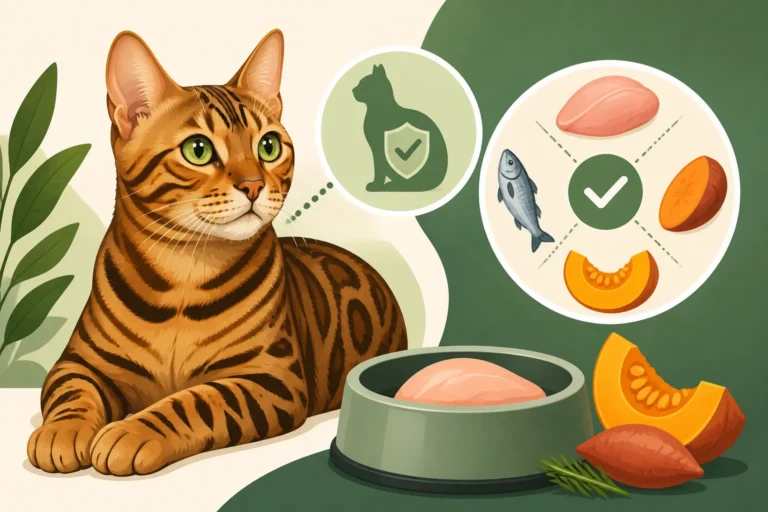
- Taurine: This is an absolute must-have for all cats. Taurine is an amino acid vital for heart function and vision. A deficiency can lead to irreversible retinal degeneration, which would certainly not result in clear eyes! High-quality commercial cat foods are always supplemented with taurine.
- Vitamin A: Essential for good vision, particularly in low light. Cats cannot convert beta-carotene into Vitamin A efficiently, so they need pre-formed Vitamin A from animal sources in their diet.
- Omega-3 Fatty Acids: EPA and DHA, commonly found in fish oil, support overall eye health and can help reduce inflammation.
- Antioxidants: Vitamins C and E, along with other antioxidants like lutein and zeaxanthin, help protect the delicate cells of the eyes from oxidative damage caused by free radicals. This protection is crucial for long-term clarity and function.
Ensuring your Bengal gets these nutrients consistently is a huge part of why their eyes typically remain so healthy.
The Role of a Balanced Diet
It really boils down to feeding a high-quality, balanced diet specifically formulated for cats. A diet that meets all their nutritional requirements prevents deficiencies that could manifest as eye problems. Many Bengal owners advocate for high-protein diets, often discussing Which Protein Level a Bengal Cat Needs, as it aligns with their wild ancestry. Whether you opt for a high-quality kibble, wet food, or a raw diet, the source of ingredients matters. Cheap, filler-heavy foods simply won't provide the optimal nutrition for dazzlingly clear eyes.
When choosing food, look for reputable brands that list real meat as the first ingredient and avoid excessive fillers. A well-fed Bengal is a healthy Bengal, and a healthy Bengal typically has bright, clear eyes. If you ever have concerns about your cat's diet, especially if they have a sensitive gut (many Bengals do, prompting questions like Why a Bengal Cat's Gut Is So Sensitive), always consult with your veterinarian to ensure they're getting everything they need.
Grooming and Preventative Care
While Bengal cats are often lauded for being low-maintenance in the grooming department, a little bit of mindful care and consistent preventative measures go a long way in maintaining their pristine eye health.
Minimal Grooming Needs, Maximum Impact
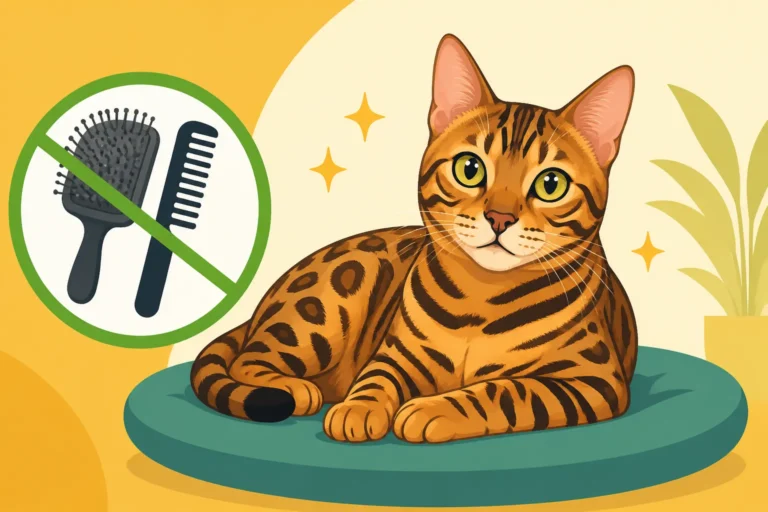
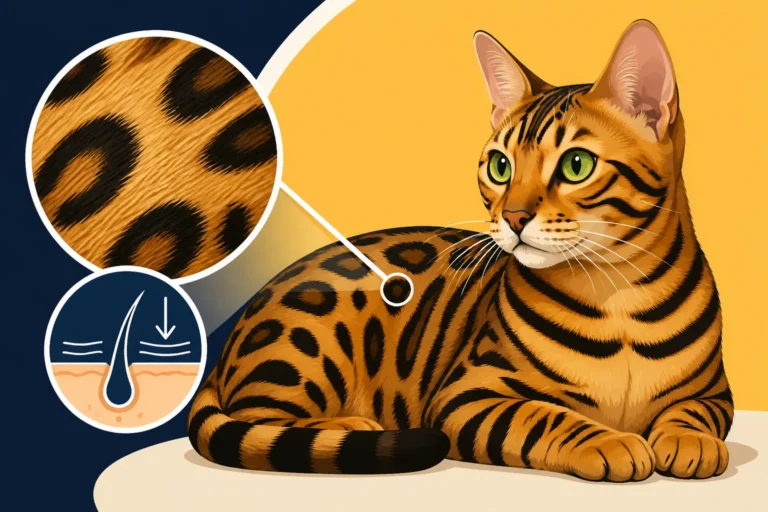
It's true that A Bengal Cat Needs Almost No Grooming. Their short, dense coats, often described as a pelt, don't tend to mat and generally shed less than many other breeds. This also means fewer loose hairs floating around to potentially irritate their eyes. Unlike long-haired breeds that might get hair in their eyes or develop tear staining due to facial fur, Bengals rarely have these issues.
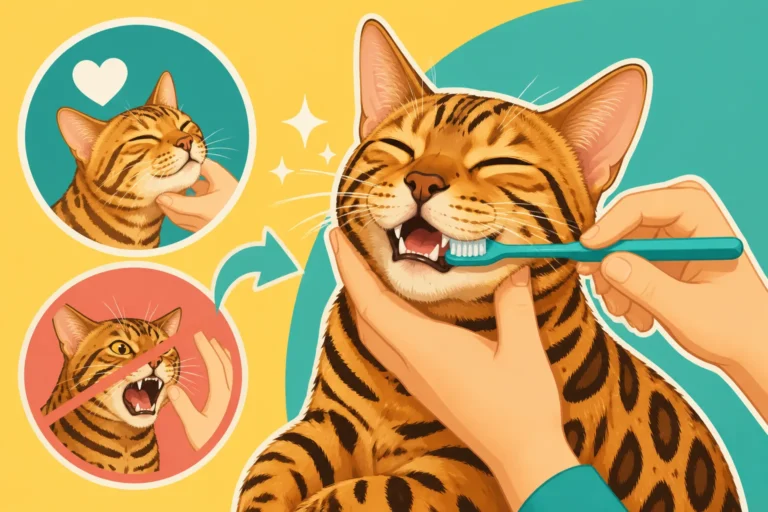
However, "minimal" doesn't mean "no" grooming. A quick, gentle wipe around their eyes with a soft, damp cloth (just plain water, please!) can remove any tiny dust particles or sleepy bits that accumulate. This simple act can prevent minor irritations from escalating. Most Bengals are surprisingly tolerant of this small gesture, and it's certainly part of The Grooming a Bengal Cat Will Actually Sit Still For routine. It's a proactive step that, combined with their natural tear production and good anatomy, keeps their eyes looking their best.
Regular Veterinary Check-ups
Even if your Bengal's eyes look perfectly clear year after year, routine veterinary check-ups are non-negotiable for maintaining overall health, which includes eye health. These annual (or bi-annual for seniors) visits allow a professional to catch any subtle changes you might miss. During a wellness exam, the vet will typically perform a thorough visual inspection of the eyes, checking for clarity, pupil response, and any signs of inflammation or infection. They might also check for general health indicators like What a Healthy Bengal Cat Weighs and discuss their diet.
Early detection of any potential issues, even non-eye related ones, can prevent them from impacting your cat's vision down the line. For instance, certain systemic diseases can have ocular manifestations. Regular check-ups, including What a Bengal Cat's Yearly Bloodwork Should Cover, ensure that your vet has a baseline of your cat's health and can address problems before they become severe. This consistent preventative care is a key reason why many Bengal cats maintain clear, healthy eyes throughout their lives. You can also discuss questions like How Often a Bengal Cat Needs a Wellness Exam with your vet to tailor a schedule that's right for your cat.
Common Eye Issues and When to Be Concerned
While Bengal cats are typically blessed with clear eyes, it’s important for owners to know what to look for and when to seek veterinary advice. No cat is immune to all eye problems, and being observant is crucial.
Normal Eye Discharges vs. Warning Signs
It's normal for a cat to have a tiny bit of "sleep" in the corner of their eyes when they wake up, much like humans do. This is usually clear or slightly reddish-brown and is easily wiped away with a clean finger or a damp cloth. This is the eye's natural way of clearing out small debris.
However, certain signs should always prompt a call to your vet:
- Excessive Tearing: If one or both eyes are constantly watery, it could indicate irritation, allergies, or a blocked tear duct.
- Colored Discharge: Yellow, green, or thick white discharge is a strong indicator of infection (bacterial or viral) and needs immediate veterinary attention.
- Redness or Swelling: The whites of the eyes (sclera) or the eyelids becoming red or swollen suggest inflammation, conjunctivitis, or an injury.
- Squinting or Pawing at the Eye: These are signs of pain or discomfort. Your cat might be trying to rub something out of its eye or indicating an underlying problem.
- Cloudiness or Change in Eye Color: Any haziness on the cornea or a noticeable change in the color of the iris could be serious.
- Unequal Pupil Sizes: While some cats naturally have slightly different pupil sizes, a sudden change or a significant difference can indicate neurological issues.
It's always better to be safe than sorry when it comes to your cat's eyes. What seems minor can quickly escalate into something more serious, potentially affecting their vision if left untreated.
Specific Eye Conditions to Watch For
While Bengals are generally robust, they can still fall victim to common feline eye conditions that can affect any cat. Understanding these can help you act quickly if you notice any changes.
- Conjunctivitis: This is inflammation of the conjunctiva, the membrane lining the eyelids and covering the white part of the eye. It can be caused by allergies, irritants, or infections (viral, bacterial, or fungal). Symptoms include redness, swelling, and discharge.
- Feline Herpesvirus (FHV-1): A common viral infection that can cause recurrent conjunctivitis, corneal ulcers, and upper respiratory symptoms. Stress can trigger flare-ups.
- Corneal Ulcers: These are open sores on the cornea, often caused by trauma, infection, or chronic irritation. They are painful and require prompt veterinary care to prevent vision loss.
- Uveitis: Inflammation of the uvea, the middle layer of the eye. This can be caused by systemic diseases, infections, or trauma and can be very serious if not treated.
- Glaucoma: While less common in Bengals than some other breeds, this condition involves increased pressure within the eye, leading to pain and potential blindness.
- Cataracts: Clouding of the lens, which can impair vision. These are often seen in older cats but can sometimes be congenital or secondary to other diseases.
Recognizing the signs of these conditions is vital. Even for a breed known for clear eyes, vigilance is key. If you ever suspect an eye problem, don't hesitate to contact your vet. Early intervention is almost always the best course of action.
Identifying Healthy vs. Unhealthy Bengal Cat Eyes
To help you quickly assess your Bengal’s eye health, here’s a simple table outlining what to look for:
| Feature | Healthy Bengal Cat Eye | Unhealthy Bengal Cat Eye |
|---|---|---|
| Clarity | Clear, bright, reflective | Hazy, cloudy, dull, appears unfocused |
| Discharge | Minimal, clear "sleep" in morning, easily wiped | Excessive tearing, yellow/green/white thick discharge |
| Color | Irises are consistent, whites of eyes are white | Redness, bloodshot, visible blood vessels in whites |
| Lids/Surroundings | Pink, not swollen, no crusting, hair-free | Swollen, red, crusty, matted fur around eyes, sores |
| Pupil Size/Shape | Equal in size, symmetrical, respond to light | Unequal pupils, dilated/constricted abnormally, irregular shape |
| Behavior | Alert, open wide, no squinting or pawing | Squinting, rubbing, pawing, blinking excessively, light sensitivity |
This table can serve as a quick guide, but remember, any persistent change or concern warrants a professional opinion. Your vet can provide accurate diagnosis and treatment, ensuring those beautiful Bengal eyes stay clear and healthy for as long as possible.
Disclaimer
This article is for general informational purposes only and does not constitute professional advice. Laws, prices and regulations vary by location and change over time. Consult a qualified professional for guidance on your specific situation.