Why a Bengal Cat Does Better on Three Meals
If you're a Bengal cat parent, you've likely noticed one thing: they are not your average couch potato feline. Their boundless energy and insatiable curiosity can leave them constantly hungry, often leading to frantic meows at meal times or, worse, digestive upsets from eating too much, too fast. This guide is here to walk you through why dividing your Bengal's daily food intake into three smaller, more frequent meals can be a game-changer for their health, happiness, and even your peace of mind.
The High-Octane Metabolism of a Bengal Cat
Owning a Bengal cat is truly an experience unlike any other. These incredible felines are a constant whirl of motion, a vibrant testament to their wild heritage. Their energy isn't just a quirk; it's deeply ingrained in their physiology, influencing everything from their sleep patterns to their dietary needs. Understanding this fundamental aspect of your Bengal is the first step toward optimizing their feeding schedule.
More Than Just a Pretty Pattern: Their Energy Needs
The Bengal cat descends from the Asian Leopard Cat, a small, lithe wild feline known for its agility and constant hunting. While generations separate your domestic Bengal from its wild ancestors, that innate drive for activity hasn't been bred out. These cats are natural athletes, constantly exploring, climbing, leaping, and playing. They don't just "play" for a few minutes; they often engage in intense, prolonged bursts of activity that would leave a regular housecat panting. You'll see them scaling cat trees with effortless grace, chasing wand toys with the ferocity of a miniature predator, or performing acrobatics off your furniture. This constant movement means their bodies are burning through calories at a much faster rate than a more sedentary pet. They require consistent fuel to maintain that impressive musculature and keep their brains engaged in their next grand adventure. Their robust physique isn't just for show; it's a finely tuned engine that demands premium fuel, delivered efficiently. The Bengal Cat Is the Most Active Cat You Can Own dives deeper into just how active these magnificent creatures truly are, giving you a full picture of their unique energy profile.
Think about it this way: if a human athlete trained intensely for several hours a day, would you expect them to thrive on just two large meals? Probably not. They'd need smaller, more frequent fuel stops to maintain peak performance and avoid energy crashes. The same principle applies to your Bengal. Their digestive system is designed for processing smaller, frequent meals, mimicking the way their wild ancestors would catch and eat multiple small prey items throughout the day. This constant energy expenditure, coupled with their unique physiology, necessitates a feeding strategy that aligns with their high metabolic rate. Ignoring this can lead to a cat who is perpetually hungry, restless, and seeking out alternative (and often undesirable) ways to satisfy their caloric demands.
Why Two Meals Aren't Always Enough Fuel
For many domestic cats, a breakfast and dinner routine works just fine. They might nap the day away, only rousing for a short play session before their next meal. A Bengal cat, however, operates on a completely different schedule. Giving them two large meals often means long stretches between eating, especially overnight or during your workday. For a cat that burns calories like a tiny furnace, these gaps can lead to intense hunger pangs. You might notice them becoming vocal, pacing, or even trying to steal food off your counters as their blood sugar dips and their stomach growls in protest. This isn't just a minor inconvenience; it can be genuinely distressing for them.
These long stretches without food can also trigger a "feast or famine" instinct. When a Bengal is extremely hungry, they might gobble down their food at an alarming rate, sometimes leading to regurgitation or overeating. This isn't because they're greedy, but because their body is trying to compensate for the perceived scarcity. It's a primal response to ensure they get enough fuel before the next long fast. This rapid consumption can also put a strain on their digestive system, setting the stage for discomfort. Understanding How Many Calories a Cat as Active as a Bengal Burns truly highlights why those two traditional meals might just be leaving your energetic friend feeling short-changed. It's about optimizing their nutrition to match their extraordinary lifestyle, ensuring they stay vibrant and content throughout the day.
Digestive Health and Smaller, More Frequent Meals
It's a truth universally acknowledged among Bengal cat owners: these cats often come with a sensitive digestive system. It's one of those aspects of the breed that breeders and experienced owners will often discuss at length. Trying to feed them like a regular housecat can quickly lead to some rather unpleasant discoveries in the litter box, or even around the house. Adopting a feeding strategy that caters to their delicate tummies is not just a preference; it's often a necessity for their overall well-being.
The Sensitive Bengal Tummy: A Common Complaint
Let's be frank: many Bengal cats are notorious for having what can only be described as a "delicate" stomach. While some sail through life with ironclad digestion, a significant number of owners find themselves battling intermittent or even Chronic Diarrhea Is the Bengal Cat Complaint Nobody Warns About. It's a frustrating situation for everyone involved, often leading to multiple vet visits, dietary changes, and endless cleanup. This sensitivity can stem from a variety of factors, including their unique gut flora, potential genetic predispositions, or even stress. Regardless of the underlying cause, what's clear is that their digestive system can be easily overwhelmed.
When a Bengal cat consumes a large amount of food in one sitting, their digestive tract is suddenly hit with a substantial workload. This can be especially problematic if they tend to eat very quickly, as often happens when they're particularly hungry. The rapid intake can lead to insufficient chewing (though cats aren't big chewers anyway), less enzyme production, and a larger bolus of food moving through the system than it's comfortably equipped to handle all at once. For a sensitive Bengal, this can result in indigestion, gas, bloating, and ultimately, loose stools or diarrhea. It's like trying to put too much laundry in a washing machine – it just can't handle the load efficiently, and the results are less than ideal.
How Three Meals Aid Digestion
The beauty of a three-meal-a-day schedule for a Bengal cat lies in its ability to better mimic their natural eating patterns and, consequently, support healthier digestion. By dividing their daily caloric intake into three smaller, more manageable portions, you're essentially providing their digestive system with a steadier, less overwhelming stream of food to process. This approach helps in several key ways. First, it prevents the stomach from being overfilled, which reduces the likelihood of rapid transit or regurgitation. When food moves through at a more appropriate pace, there's ample time for digestive enzymes to break it down properly and for nutrients to be absorbed effectively in the small intestine.
Secondly, these smaller, more frequent meals help maintain a more consistent pH balance within the digestive tract, creating a more stable environment for beneficial gut bacteria to thrive. A healthier gut microbiome is fundamental to robust digestion and a stronger immune system. Many Bengal owners report a significant improvement in stool consistency and a reduction in digestive upsets once they switch to a three-meal plan. It’s a subtle shift that can lead to profound benefits, transforming a cat with chronic loose stools into one with predictable, firm output. Moreover, pairing this schedule with the right kind of food, like the high-moisture options often discussed in Why Wet Food Suits a Bengal Cat's Gut, can further enhance their digestive health, ensuring they get the hydration and nutrient density they need for their active lives.
Managing Blood Sugar and Preventing Hunger-Related Behaviors
Just like with humans, a cat's energy levels and mood can be heavily influenced by their blood sugar. For an active, intelligent, and often demanding Bengal, unstable blood sugar can translate into a host of undesirable behaviors that leave owners scratching their heads (or pulling their hair out!). A structured feeding routine isn't just about nutrition; it's about behavioral management and emotional stability too.
Stable Energy Levels for a Stable Cat
Imagine going for hours without food, especially if you're constantly on the go, then suddenly gorging yourself, only to feel sluggish soon after. That's often what a Bengal experiences with a two-meal-a-day schedule. Long gaps between meals can cause their blood sugar levels to dip, leading to a noticeable drop in energy, irritability, or even lethargy. Then, upon receiving a large meal, their blood sugar spikes, providing a temporary burst of energy before crashing again. This roller-coaster can be unsettling for any animal, but for a Bengal, whose natural state is one of high alertness and activity, these fluctuations can be particularly disruptive.
By offering three smaller, consistently timed meals, you help to stabilize their blood glucose levels throughout the day. This provides a more even, sustained release of energy, preventing those uncomfortable dips and dramatic spikes. A Bengal with stable blood sugar is generally a more content, focused, and well-behaved cat. They have the consistent fuel they need to engage in their intense play sessions, learn new tricks, and explore their environment without experiencing the physical discomfort or behavioral changes associated with fluctuating energy. This balanced energy contributes significantly to their overall well-being, allowing their vibrant personalities to shine through without the interference of hunger-induced mood swings.
Curtailing the "Hangry" Bengal and Counter-Surfing
Let's face it, a hungry Bengal can quickly become a "hangry" Bengal. Their vocalizations, already known for being unique and often demanding, can escalate into persistent yowls and cries when their tummies are empty. They might weave around your legs incessantly, jump on counters, or even attempt to open cabinets in a desperate search for food. These behaviors aren't malicious; they're simply a cat's way of communicating intense hunger and anxiety about when their next meal is coming. It's incredibly frustrating for owners who want their cats to be happy, but also want to enjoy a moment of peace without a demanding feline orchestra.
Implementing a three-meal-a-day schedule significantly reduces the likelihood of your Bengal reaching that extreme state of hunger. When they know food is coming at regular, relatively short intervals, the urgency dissipates. They're less likely to engage in frantic food-seeking behaviors because their needs are being consistently met. This proactive approach helps to curb undesirable habits like How to Keep a Bengal Cat Off the Counter or raiding the pantry, because the intense motivation for such actions—starvation—is largely removed. When your cat is well-fed and feels secure about their food supply, they're more likely to engage in constructive play or restful sleep. Having high-quality food delivered to your door can make it easier to maintain a consistent diet. Having a reliable source for your Bengal's favorite, appropriate food can also help avoid situations where Why a Bengal Cat Refuses a Food It Ate Last Week suddenly becomes an issue, ensuring mealtime continues to be a positive experience.
Practicalities of Implementing a Three-Meal Schedule
Switching to a three-meal-a-day schedule for your Bengal might sound like a daunting task, especially if you're used to the convenience of two meals. However, with a little planning and the right tools, it's entirely manageable and often far less disruptive than you might imagine. The key is to create a routine that works for both you and your energetic feline companion.
Timing is Everything: Structuring the Day
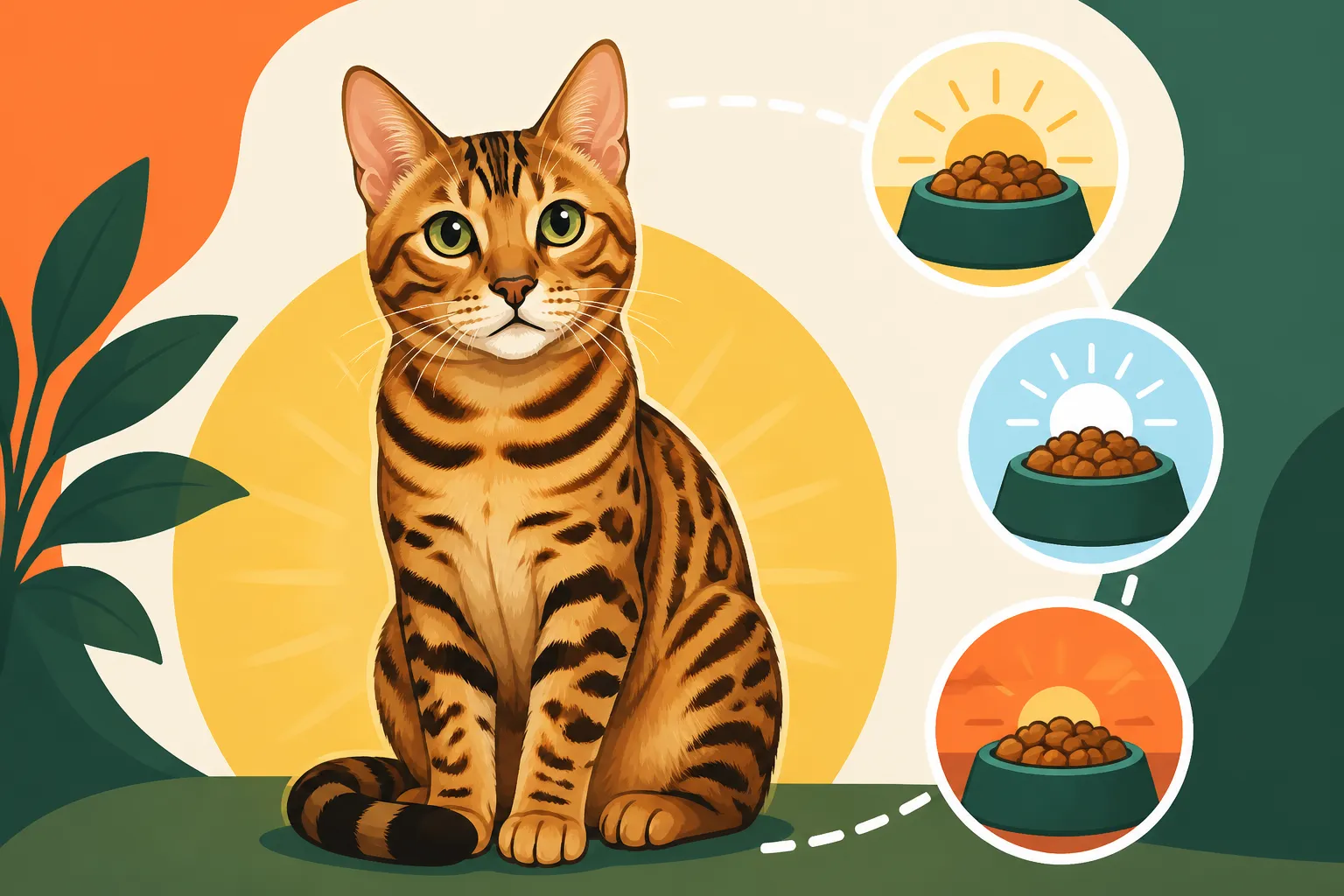
The good news is that "three meals a day" doesn't necessarily mean you have to be present for every single feeding. The goal is consistent nutrient delivery, and there are plenty of ways to achieve this. A common and effective schedule might look something like this:
- Meal 1: Morning: As soon as you wake up, or before you leave for work. This sets a positive tone for their day, curbing early morning hunger demands.
- Meal 2: Midday/Afternoon: This is where many owners utilize technology. If you work from home, a quick break for a feeding is easy. If you're out, a reliable automatic feeder becomes your best friend. These devices, readily available on Amazon, can be programmed to dispense a specific portion at a set time, ensuring your Bengal gets their midday sustenance without you needing to be there.
- Meal 3: Evening: When you return home from work, or before your own dinner. This provides them with enough fuel to last through the evening and comfortably into the night, reducing the chances of early morning "wake-up calls" for food.
The exact timing can be flexible, adapting to your own routine. What's crucial is consistency. Cats thrive on routine, and a predictable meal schedule helps manage their expectations and reduces anxiety. Don't worry about being perfectly punctual to the minute; cats have an incredible internal clock, but they also adapt. The main thing is to aim for roughly similar times each day to create that stable rhythm. When considering How Much to Put Down for a Bengal Cat at Each Meal, remember that the total daily amount remains the same, just divided into smaller portions.
Choosing the Right Food and Portions
Implementing a three-meal schedule isn't just about when you feed; it's also about what and how much. The total amount of food your Bengal eats in a 24-hour period should remain consistent with their caloric needs, which are often quite high due to their activity levels. The only difference is that you're now dividing that total into three portions instead of two. Always consult with your veterinarian to determine the appropriate daily caloric intake for your specific cat, taking into account their age, weight, activity level, and any underlying health conditions.
When it comes to food type, most Bengal cats thrive on a high-quality, high-protein diet. This often means a significant portion of their diet comes from wet food, which provides essential moisture and is typically richer in protein than dry kibble. Many owners choose to feed a mix of wet and dry, or even incorporate raw feeding, depending on their philosophy and their cat's individual needs. Specialized high-protein foods that cater to active breeds like the Bengal are easy to find. Exploring Which Protein Percentage Suits a Bengal Cat can provide further insight into selecting the best nutritional profile for your adventurous companion. Remember, the goal is not just to fill their stomach, but to provide nutrient-dense fuel that supports their robust health and vibrant energy.
Addressing Specific Scenarios and Common Concerns
Even with the best intentions, implementing a new feeding schedule can raise questions or present unique challenges. Bengal cats, with their strong personalities and specific needs, often require a tailored approach. Let's tackle some common scenarios you might encounter.
The Bengal Who Guzzles: Slowing Down Mealtime
Some Bengals, especially if they've been used to longer stretches between meals or are particularly food-motivated, will treat every meal like it's their last. They gulp down their food with alarming speed, sometimes leading to indigestion, regurgitation, or simply not feeling satisfied. This isn't just messy; it can hinder proper digestion and nutrient absorption. If your Bengal is a speed eater, simply dividing their food into three meals might not be enough to slow them down.
This is where puzzle feeders and slow-feeder bowls become invaluable tools. These innovative feeding solutions are designed to make your cat "work" for their food, dispensing it in smaller amounts over a longer period. This not only forces them to eat more slowly but also provides crucial mental enrichment, tapping into their natural hunting instincts. Instead of a quick devour, mealtime becomes a stimulating activity. There's a vast array of puzzle feeders available, from simple mazes to more complex interactive toys, and many excellent options can be found easily on platforms like Amazon. Experimenting with different types can help you find Which Puzzle Feeder Beats a Bengal Cat and keeps them engaged. The added benefit is that by slowing down their eating, you're further supporting their digestion and reducing the chances of upset tummies.
What About Kittens and Senior Bengals?
The nutritional needs of a Bengal cat change throughout their life, but the principle of smaller, more frequent meals often remains beneficial across all age groups.
Kittens: Bengal kittens are tiny powerhouses of growth and development. They are constantly exploring, learning, and expanding their bodies. Their energy demands are incredibly high, and their tiny stomachs can only hold so much food at one time. For these reasons, kittens naturally require more frequent meals – often four to five times a day, or even free-feeding for a short period, as they grow. As they mature, you can gradually transition them to a three-meal schedule. Why a Bengal Cat Kitten Stays on Kitten Food Longer highlights their unique growth curve and sustained need for kitten-specific nutrition. The three-meal pattern simply adapts to their developing digestive system while still providing consistent energy.
Senior Bengals: As a Bengal cat enters their senior years, usually around age ten, their activity levels might decrease somewhat, and their metabolism can slow down. However, their digestive system might also become less efficient, and they may be more prone to certain health issues. For senior Bengals, smaller, more digestible meals can be incredibly beneficial. It reduces the strain on their aging organs, helps maintain a stable weight (preventing both unwanted gain and unhealthy loss), and ensures they're getting consistent nutrients even if their appetite isn't as robust as it once was. An older cat might also benefit from increased moisture in their diet, making wet food even more crucial, and multiple smaller meals can help with hydration. This approach supports their comfort and health as they age gracefully, allowing you to continue Caring for a Bengal Cat Past Ten with confidence and tailored nutritional support.
Here's a quick comparison of the two main feeding approaches for Bengal cats:
| Feature | Two Meals Per Day (Traditional) | Three Meals Per Day (Recommended for Bengals) |
|---|---|---|
| Energy Levels | Peaks and valleys; potential for hunger crashes. | More stable, sustained energy throughout the day. |
| Digestion | Larger meals can overwhelm sensitive stomachs; higher risk of upset. | Smaller, manageable portions reduce strain and improve absorption. |
| Behavior | Increased likelihood of "hangry" vocalizations, counter-surfing, food-seeking. | Reduced extreme hunger, leading to calmer, more predictable behavior. |
| Blood Sugar | Fluctuations with potential dips between meals. | More consistent blood sugar levels, contributing to overall stability. |
| Convenience | Easier for owners with busy schedules, less equipment needed. | Requires more planning or use of automated feeders. |
| Regurgitation | Higher risk if eating too quickly due to intense hunger. | Lower risk as eating speed tends to naturally decrease. |
| Mental Enrichment | Less opportunity for feeding-based enrichment. | Can easily incorporate puzzle feeders for mental stimulation. |
Conclusion
Ultimately, moving your Bengal cat to a three-meal-a-day schedule is more than just changing how often you put food in their bowl. It's about aligning their nutrition with their unique physiological and behavioral needs. From supporting their high-octane metabolism and sensitive digestive system to stabilizing their mood and curbing undesirable hunger-driven behaviors, this approach offers a wealth of benefits. While it might require a little initial adjustment and perhaps an investment in an automatic feeder for that midday meal, the payoff in terms of a healthier, happier, and more contented Bengal cat is absolutely worth it. Observe your own feline friend, talk to your vet, and be prepared to see a positive transformation in your magnificent companion once you adopt this more frequent feeding strategy.
Disclaimer
This article is for general informational purposes only and does not constitute professional advice. Laws, prices and regulations vary by location and change over time. Consult a qualified professional for guidance on your specific situation.