How a Bengal Cat’s Pelt Is Judged in the Ring
When you dream of bringing home a Bengal cat, you're likely picturing that stunning, wild-looking coat – those vivid spots and striking contrast. But if you've ever found yourself scrolling through show photos or watching a judging panel at a TICA event, you might wonder, "What exactly are they looking for in that coat?" It's not just about pretty spots; there's a specific, almost scientific appreciation for the texture and presentation of a Bengal's pelt that sets it apart. This guide will pull back the curtain on how a Bengal cat's coat is truly evaluated in the show ring, delving into the nuances of texture, glitter, and overall condition that make a champion pelt.
Understanding the Bengal Cat's Unique Coat: Beyond Just "Pretty"
The Bengal cat's coat is arguably its most defining feature, the very thing that makes people stop and stare. But in the show ring, it's not just a superficial beauty contest. Judges are looking for specific characteristics that trace directly back to the breed's wild ancestor, the Asian Leopard Cat. This isn't just fur; it's a pelt, and that distinction is crucial.
The 'Pelted' Feel: What it Truly Means
Imagine running your hand over a wild leopard. You'd expect a short, dense, incredibly smooth coat, not a fluffy one. That's the essence of the "pelted" feel in a Bengal cat. Unlike most domestic cats, which often have a soft, somewhat woolly undercoat and longer guard hairs, a true Bengal pelt is incredibly sleek and close-lying. It should feel like silk to the touch, dense yet without any noticeable fluffiness or cottony texture.
For a judge, this means the hairs are extremely short, uniform in length across the body, and lie flat against the skin. There's almost no discernible undercoat, which contributes to that smooth, almost painted-on appearance. When a judge strokes a Bengal's back, they're feeling for that luxurious, almost velvety resistance – a sign of healthy, dense hair that feels unlike typical domestic cat fur. This unique quality is precisely why A Bengal Cat's Coat Is a Pelt, Not Fur. Anything that feels coarse, sparse, or too long immediately detracts from this ideal, suggesting a deviation from the desired wild type.
Why Glitter Isn't Just Sparkle: Its Role in the Standard
Ah, glitter! This is one of those magical traits that often captivates new Bengal owners and seasoned enthusiasts alike. If you've ever seen a Bengal shimmer under natural light, you've witnessed the "glitter" gene in action. It's not actual sparkle or tinsel; rather, it's caused by hollow, translucent hair shafts that reflect light in a way that creates a stunning, iridescent sheen.
In the show ring, glitter isn't just a pretty bonus; it's an important part of the breed standard. Judges evaluate its presence and intensity. A good glitter will be evenly distributed throughout the coat, giving the cat an almost golden or pearlized dust effect, depending on their base color. It enhances the overall richness and depth of the coat, making the patterns truly pop. Think of it like a perfectly polished gemstone; the glitter adds that final layer of brilliance. A judge will look for an obvious, shimmering quality. While some glitter is always preferred, too much can sometimes make the coat appear oily, and a complete lack of it is a significant fault in the ring. This fascinating trait truly shows The Glitter Gene and What It Does to a Bengal Cat's Coat. The way glitter presents can differ slightly depending on the cat's primary color, creating subtle variations in shimmer, which you might notice if you compare How Glitter Looks on a Brown Bengal Cat, How Glitter Looks on a Snow Bengal Cat, and How Glitter Looks on a Silver Bengal Cat.
Fuzzies and Maturity: When a Bengal Cat's Coat Peaks
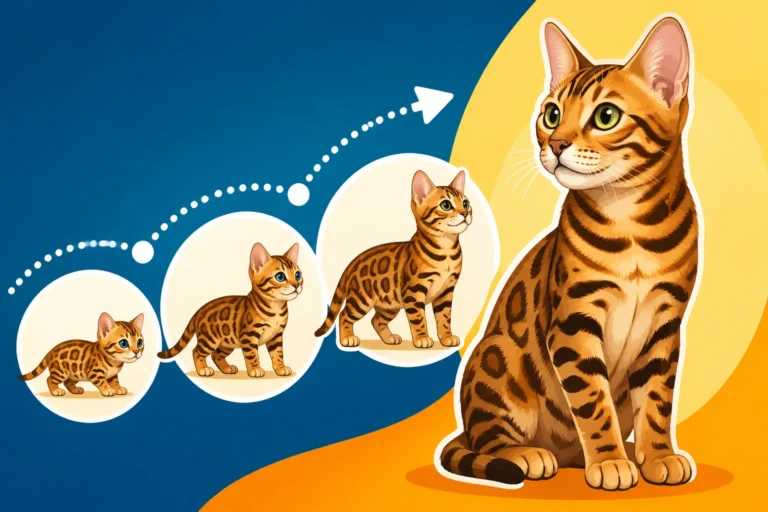
If you've ever brought home a Bengal kitten, you might have noticed something a little… fluffy. This is what we lovingly call "fuzzies," and it's a completely normal developmental stage. Bengal kittens often go through a period where their coat isn't quite as clear or sleek as an adult's. Their markings might seem blurred or muted, and the fur can feel a bit longer and less dense than what the breed standard calls for. This is Mother Nature's camouflage mechanism at work, designed to help wild kittens blend into their surroundings.
Judges, of course, understand this. They aren't judging an eight-week-old kitten on the same coat clarity and density as an adult. However, they are looking for potential. As a Bengal cat matures, usually between six months and a year, these "fuzzies" should gradually recede, revealing the stunning adult pelt beneath. What Fuzzies Are on a Bengal Cat Kitten is a common question among new owners. The coat should become shorter, denser, and the patterns should become crisp and distinct. For a cat to truly shine in the adult ring, its coat must have cleared completely, showing off that pristine, pelted texture and vibrant pattern. Knowing When a Bengal Cat Kitten's Fuzzies Clear helps breeders and owners understand when their cat is ready for serious competition.
Key Aspects of Pelt Judging: Texture, Density, and Length
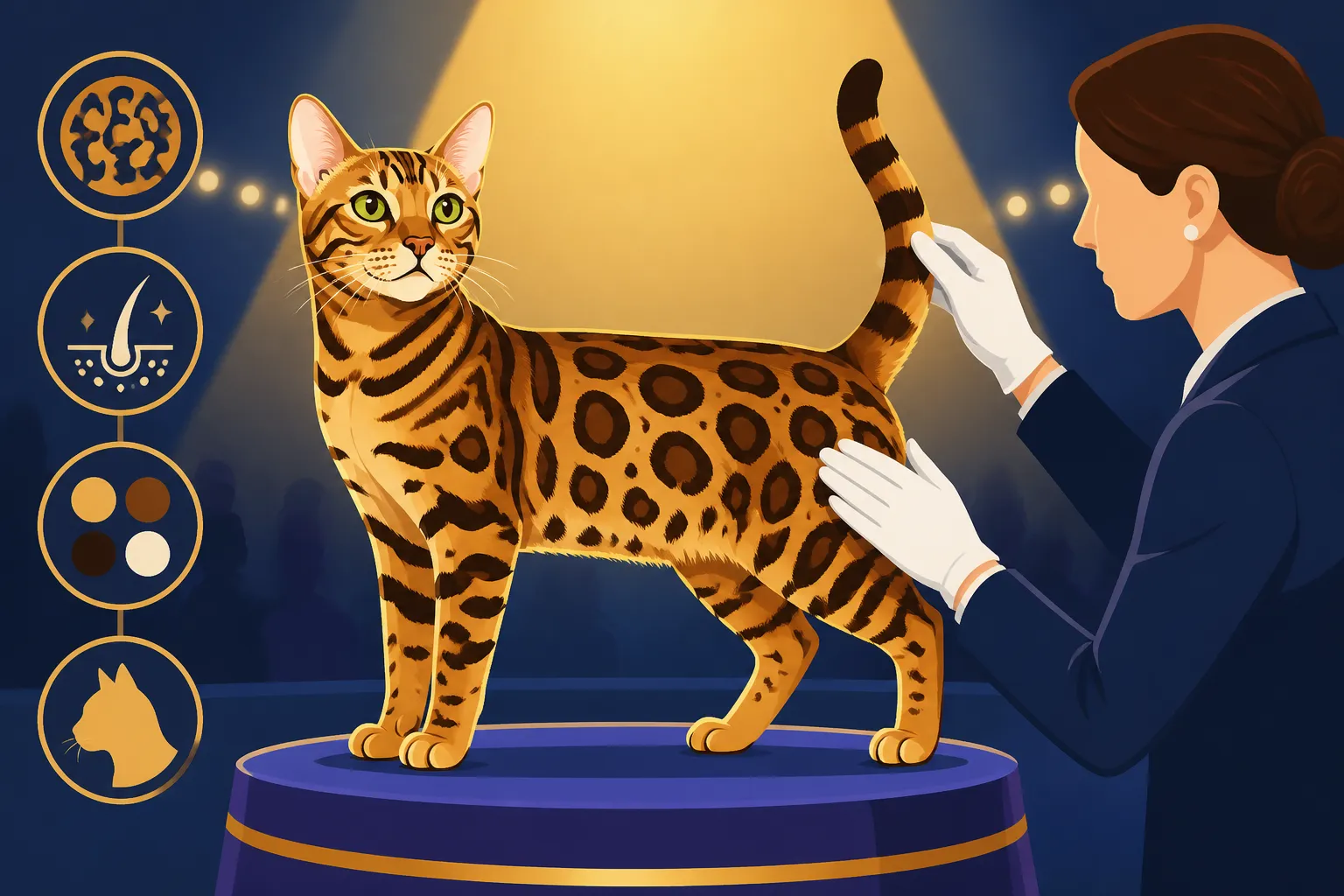
When a Bengal cat steps into the show ring, the judge's hands are often the first tools to evaluate the pelt. They aren't just looking; they're feeling, assessing every characteristic against the meticulous breed standard. It's a tactile experience that reveals a great deal about the cat's genetic lineage and overall health.
The Tactile Experience: What Judges Feel For
The texture of a Bengal's coat is paramount. It should be unbelievably soft and luxurious to the touch, almost like velvet or silk. When a judge runs their hand down the cat's back and sides, they are feeling for that short, dense, smooth quality. There should be very little "give" or bounce, meaning the hairs lie exceptionally close to the body. This feeling is often described as "pelted" because it mimics the texture of a wild animal's hide. The hairs should feel fine, not coarse or bristly.
Any hint of a woolly or cottony texture, especially on the flanks or belly, is considered a significant fault. This "wooliness" suggests an excess of undercoat, which deviates from the desired sleekness derived from their Asian Leopard Cat ancestry. Judges are also on the lookout for coats that feel dry, brittle, or greasy, as these indicate either poor coat quality or a lack of proper care. A truly exceptional pelt will glide under the hand, leaving an impression of supreme smoothness and density.
Density and Shortness: The Hallmarks of a Superior Pelt
Hand-in-hand with texture is the density and length of the coat. A superior Bengal pelt is incredibly dense, meaning there are a vast number of hair follicles packed tightly together. This density contributes to the smooth, rich appearance and the luxurious feel. When you look closely, you should struggle to see the skin through the fur, even when it's parted.
The shortness of the hair is equally critical. The ideal Bengal coat is very short, lying flat against the body like a perfectly tailored garment. This short length, combined with density and the minimal undercoat mentioned earlier, creates that distinctive "pelted" look. Why a Bengal Cat Has Almost No Undercoat is a crucial factor here, as a fluffy undercoat would contradict the desired sleekness. Longer guard hairs or a generally shaggy appearance are definite faults, as they obscure the clarity of the patterns and detract from the wild aesthetic. Think of it this way: a longer, less dense coat would make the cat look more like a typical domestic shorthair, which is precisely what the breed standard aims to avoid.
Overall Condition: A Reflection of Health and Care
While genetics largely determine the potential of a Bengal's pelt, its actual presentation in the ring speaks volumes about the cat's health and the care it receives. A cat can have fantastic genetics, but if its coat is dull, greasy, or matted, it won't impress a judge. A pristine pelt is a clear indicator of a well-nourished and healthy cat.
Judges assess for a clean, glossy appearance. The coat should be free of dandruff, oiliness, or any sign of poor hygiene. This means regular, appropriate grooming – though for a Bengal, A Bengal Cat Needs Almost No Grooming due to their naturally low-shedding, self-cleaning coats. However, a healthy diet plays an enormous role. High-quality nutrition, rich in protein and essential fatty acids, is vital for a vibrant, shimmering coat. Many owners opt for premium cat foods, with some choosing fresh, human-grade options or specialized diets tailored to an active cat's needs. Proper hydration also contributes significantly to skin and coat health, ensuring the natural oils keep the pelt supple and shiny. Any signs of a poor diet, stress, or underlying illness will often manifest in a dull, coarse, or shedding coat, which will undoubtedly be marked down in the ring. Even simple things like using the right brush, available readily on sites like Amazon, can make a difference if a quick tidy-up is needed before a show.
The Impact of Pattern and Color on Pelt Presentation
While the pelt's texture and density are judged on their own merits, they are inextricably linked to how a Bengal's iconic patterns and colors are perceived. A truly outstanding pelt doesn't just feel good; it makes the cat's wild markings sing, elevating the entire visual presentation.
Pattern Clarity and Contrast: How the Pelt Serves the Markings
The primary purpose of a Bengal's sleek, dense pelt is to serve as the perfect canvas for its striking patterns. Whether the cat displays rosettes (like paw prints, arrowheads, or donuts) or a dramatic marble pattern, the quality of the pelt directly influences how clear, crisp, and well-defined these markings appear. A short, close-lying coat allows the spots and rosettes to lie flat, preventing them from looking fuzzy or blurred.
Judges are looking for high contrast between the pattern and the ground color. A tight, un-woolly pelt enhances this contrast, making the individual markings stand out sharply against the lighter background. If the coat is too long or fluffy, the edges of the rosettes or marble swirls can become indistinct, losing that crucial "pop" that defines a show-quality Bengal. The pelt ensures that each spot, each rosetted ring, each marbled ribbon, looks as though it has been painted on with precision. This clarity is what makes the pattern truly captivating. It's not just about having rosettes; it's about having rosettes that are perfectly showcased by the underlying coat structure.
Whited Tummy and Other Specific Traits
Beyond the main body pattern, the quality of the pelt also contributes to the appearance of other specific Bengal traits, such as the "whited tummy." Many desirable Bengals exhibit a lighter, often off-white or cream-colored belly with clear, distinct spots. The pelt here needs to be just as short and dense as on the back, ensuring that the whited area looks clean and bright, and that the spots against it are sharply defined. What Whited Tummy Means in a Bengal Cat is a feature often specifically called out in judging.
Similarly, other details like strong "mascara" markings around the eyes or clear horizontal striping on the cheeks are made more prominent by a smooth, unblemished pelt. The overall sheen and healthy condition of the pelt ensure that these subtle yet important features are not lost or dulled. Every aspect of the coat, down to these fine details, contributes to the overall impression of a miniature wild cat.
Grooming for the Ring: Enhancing Natural Beauty
Given the emphasis on natural qualities, heavy grooming or artificial enhancements are generally frowned upon in the Bengal show ring. The philosophy is that a truly exceptional pelt should require minimal intervention. A Bengal Cat Needs Almost No Grooming is a common refrain, and it's largely true. Their short, dense coats are remarkably self-maintaining.
For a show cat, preparation typically involves ensuring the cat is impeccably clean, free of any loose hairs, and has a healthy sheen. This might mean a gentle bath a few days before the show to allow the natural oils to redistribute, followed by a light buffing with a silk cloth on the day to bring out the glitter and shine. No powders, sprays, or harsh products are typically used, as these can alter the natural texture or leave a residue. The goal is to present the cat's coat in its most natural, healthy state, letting its inherent quality speak for itself. Any effort to artificially alter the coat's feel or appearance would likely be noticed and penalized by a discerning judge. A proper diet, with Which Protein Percentage Suits a Bengal Cat, is far more impactful than any last-minute grooming trick.
Common Faults and Disqualifications in Pelt Judging
Even the most beautiful Bengal cats can have areas where their pelt doesn't quite meet the stringent show standards. Understanding these common faults is key to appreciating the ideal, and for breeders, it's crucial for making informed decisions. Judges are not just looking for perfection; they're also identifying deviations that move the cat away from the desired wild type.
Texture Faults: When a Coat Isn't 'Pelted' Enough
One of the most frequently encountered faults in the show ring relates directly to the texture of the pelt. As we discussed, the ideal is a short, dense, silky, close-lying coat. Any significant departure from this can lead to deductions.
- Woolliness: This is a major fault. A woolly coat feels soft but has too much undercoat, making it appear fluffy or thick rather than sleek and pelted. It often stands away from the body slightly, rather than lying flat. This texture obscures the pattern clarity and detracts from the wild look.
- Coarseness: The opposite of woolliness, a coarse coat feels rough or bristly to the touch. It lacks the luxurious silkiness desired and can indicate poor coat quality or health.
- Long Hair: While Bengal cats are shorthaired, some individuals can have longer guard hairs, particularly along the spine or on the tail. A coat that is simply too long, making the cat appear shaggy, is a fault. The preferred length is very short, enhancing the definition of the markings.
- Lack of Density: A sparse coat, where the hair follicles are not packed tightly, will feel thin and lack the rich body of a good pelt. It can also make the cat look less substantial and detract from the vibrant appearance of the pattern.
These texture faults are critical because they fundamentally alter the defining characteristic of the Bengal coat.
Condition Issues: Signs of Neglect or Poor Health
Beyond genetic predispositions, the current condition of a cat's pelt offers a snapshot of its immediate well-being. Judges are trained to spot any signs of neglect or underlying health problems that manifest in the coat.
- Dullness: A healthy pelt should have a natural sheen, especially with the presence of glitter. A dull, lifeless coat suggests poor nutrition, dehydration, or an underlying health issue that is affecting skin and hair health.
- Grease or Oiliness: While natural oils are good, an excessively greasy coat indicates an imbalance. This can sometimes be due to diet, stress, or a lack of proper grooming (even if minimal). It can make the fur feel clumpy and detract from the clean appearance.
- Dandruff or Flakiness: Visible dandruff is a clear sign of dry skin, which can be caused by dietary deficiencies, environmental factors, or even stress. It's unsightly and indicates the skin isn't in optimal health.
- Patchy Hair Loss or Mats: While rare in Bengals due to their short coats, any signs of matting (usually in longer-coated individuals or specific areas) or unexplained hair loss are serious faults. These can indicate parasites, skin conditions, or systemic health problems. An older Bengal cat's coat may change subtly, and while How an Aging Bengal Cat's Rosettes Soften is natural, significant deterioration is not.
A Bengal's coat should be a testament to its vitality. Any condition issue that makes the pelt appear unhealthy or poorly maintained will lead to significant point deductions.
Understanding the Judge's Eye: What They Prioritize
Ultimately, a judge's assessment of a Bengal cat's pelt comes down to how well it embodies the breed standard's description of a "wild miniature leopard." They are looking for a coat that not only feels exquisite but also visually amplifies the cat's exotic appearance. The priority is a short, dense, very soft, and sleek pelt that lies close to the body, possesses the desirable glitter, and showcases the clarity and contrast of the pattern.
The judge considers the overall picture: does the coat complement the cat's musculature and athletic build? Does it enhance the "wild look" or detract from it? They are looking for balance and harmony, where every aspect of the pelt contributes to the powerful, elegant impression of a Bengal. Any feature that makes the cat look more like a generic domestic cat, or that obscures its unique wild ancestry, will be seen as a fault. It's a holistic evaluation, where the pelt is a cornerstone of the breed's distinct identity.
Disclaimer
This article is for general informational purposes only and does not constitute professional advice. Laws, prices and regulations vary by location and change over time. Consult a qualified professional for guidance on your specific situation.