What Makes a Bengal Cat’s Hair Shafts Translucent
If you've ever had the pleasure of stroking a Bengal cat, you've probably noticed something truly unique about their coat. It's not just soft; it feels different, almost like silk or velvet, and there’s a distinct shimmer to it that sets it apart from other cat breeds. Many owners wonder what magic gives their Bengal's fur this incredible sheen and depth. This guide delves into the fascinating biological and genetic factors that contribute to the remarkable translucency of a Bengal cat’s hair shafts, explaining why their coat is so visually stunning and unlike any other.
The Unique Anatomy of a Bengal Cat's Coat
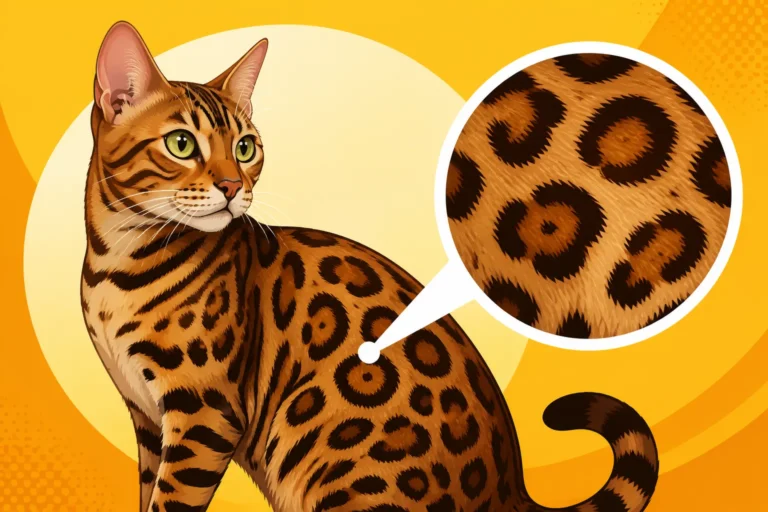
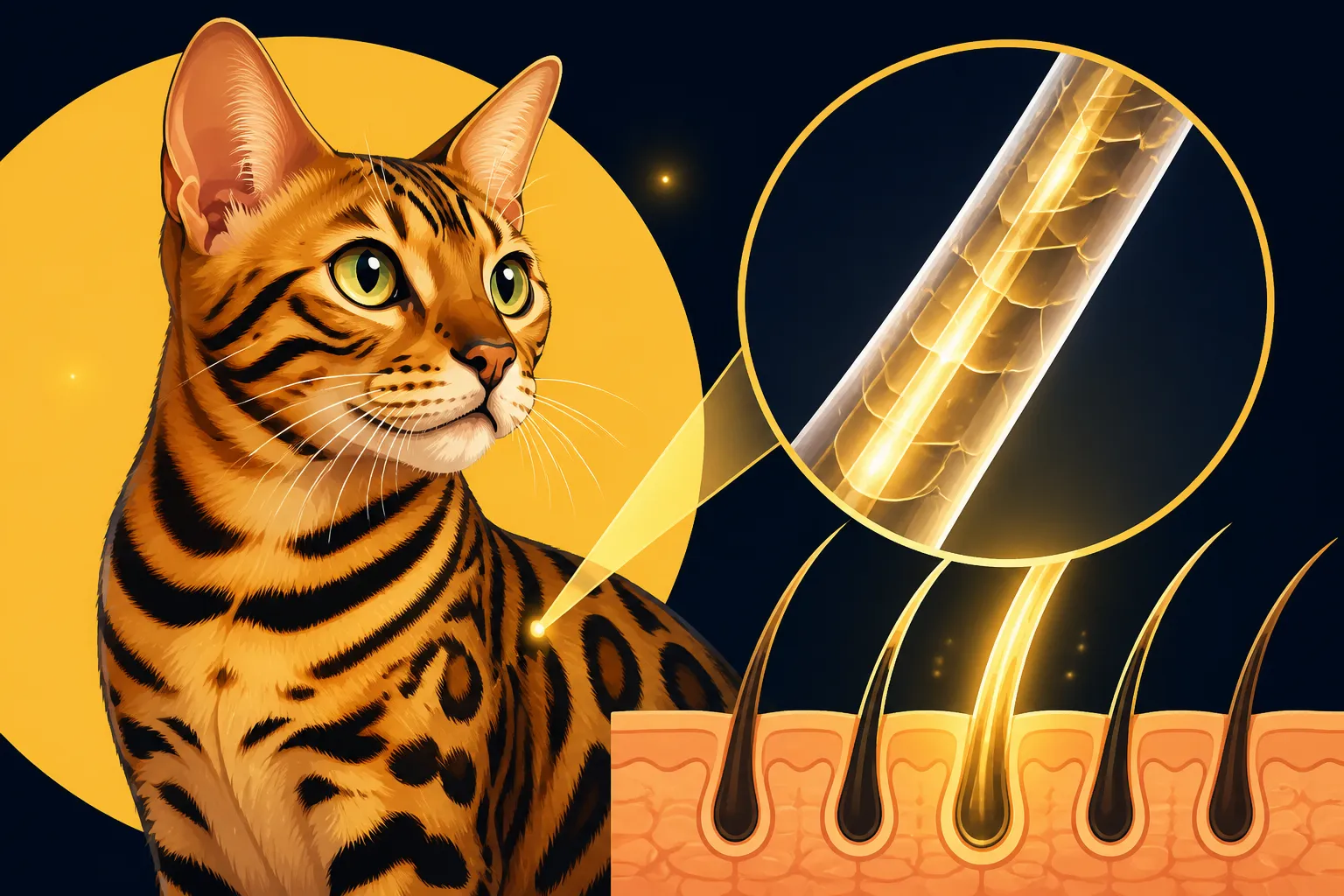
The Bengal cat's coat is a marvel of nature, feeling more like a luxurious pelt than typical cat fur. This distinctive quality isn't just a subjective observation; it's rooted in the very structure of their individual hair shafts. Unlike many domestic cats whose hair shafts are densely packed with opaque pigment, a Bengal's hair shafts possess a unique translucency that allows light to penetrate and reflect in a truly special way. It’s this anatomical difference that creates the depth and shimmer that Bengal owners adore.
When you look closely at a Bengal's coat, especially in good lighting, you'll see a clarity in the color and pattern that seems to glow from within. This isn't just surface-level shine; it's a result of how light interacts with the unusually structured hair. Imagine holding a finely spun glass fiber versus a solid plastic one – the glass allows light to pass through, giving it a luminous quality. The Bengal cat's hair shafts operate on a similar principle, albeit on a microscopic scale. This characteristic is a direct inheritance from their wild ancestor, the Asian Leopard Cat, whose survival in dense jungle environments likely benefited from a coat that provided both camouflage and a unique ability to blend into dappled sunlight and shadow.
The Lack of a Dense Undercoat
One of the most significant factors contributing to the Bengal cat's translucent coat and its "pelt-like" feel is the notable absence of a dense undercoat. Most domestic shorthair cats, and certainly longhaired breeds, have two distinct layers to their fur: a softer, insulating undercoat and coarser, protective guard hairs. The undercoat is typically very fine, dense, and serves to trap air for warmth, often giving the coat a fluffy appearance and feeling.
In Bengal cats, this dense undercoat is largely reduced or even absent, particularly in the later generations (SBT Bengals and beyond). What you're primarily feeling and seeing are the sleek, resilient guard hairs. These guard hairs are not just protective; their structure is key to the coat's unique aesthetic. Because there isn't a thick, opaque layer of undercoat obscuring them, the individual guard hairs are more exposed. This allows for greater light penetration and reflection, enhancing the visual depth of their markings. Without the "fuzz" of a heavy undercoat, the hair lies flatter and closer to the body, giving it that characteristic smooth, almost "wet-look" appearance. It's why their patterns, whether rosetted or marbled, appear so crisp and defined, standing out with incredible contrast against the base color. This absence of a dense undercoat also contributes to the perception that Bengal cats shed less, though they do shed, just often less noticeably than a cat with a thick fluffy coat. You can read more about Why a Bengal Cat's Coat Lies So Flat.
Pigmentation and Light Interaction
The way pigment is distributed within the hair shaft, coupled with the hair's structure, plays a crucial role in its translucency and the resulting visual effects. In many cats, pigment granules are densely packed throughout the hair shaft, making it largely opaque. In Bengal cats, however, the pigment granules (melanin) are often distributed in a way that allows light to pass through certain parts of the hair shaft.
Think of it like this: instead of a solid block of color, a Bengal's hair shaft might have pigment concentrated in certain areas, leaving other sections more clear. This allows light to enter the hair shaft, bounce around internally, and then reflect back, creating a luminous, almost iridescent quality. This phenomenon is particularly noticeable in their striking patterns, where the contrast and clarity seem to pop.
This unique light interaction is responsible for the "glitter" effect we'll discuss next, but it's also fundamental to the overall vibrancy of their coat colors. The light isn't just reflecting off the surface; it's interacting within the hair, which creates a much richer, more dynamic appearance. This is why a Bengal's coat can look subtly different depending on the angle of the light, appearing to shift and shimmer as they move. It’s a trick of light and biology working in perfect harmony, making their spots and swirls appear incredibly vivid and alive.
The "Glitter" Gene: Enhancing Translucency and Shine
Beyond the fundamental structure of their hair shafts, many Bengal cats possess a truly enchanting trait known as "glitter." This isn't literal sparkle, of course, but a genetic characteristic that further amplifies the coat's translucency and gives it an almost metallic or iridescent sheen, as if dusted with gold, silver, or pearl dust. It's one of the most highly prized features in the breed and undeniably contributes to their wild, exotic appeal. When a Bengal with glitter moves, their coat seems to catch every speck of light, creating a breathtaking display of shimmer that truly needs to be seen in person to be fully appreciated.
This "glitter" is not a separate substance on the fur; rather, it’s an intrinsic quality of the hair shaft itself. It's often described as tiny, transparent, hollow air pockets within the individual hair strands that refract and reflect light, creating a sparkling effect. While not every Bengal cat possesses this trait, it's highly sought after by breeders and enthusiasts alike, as it significantly enhances the unique beauty of their coats. For many, it's the crowning glory of an already stunning animal. You can learn more about What the Glitter Gene Does to a Bengal Cat.
What the Glitter Gene Is and How It Works
The "glitter" in a Bengal cat's coat is believed to be caused by a specific recessive gene, though the precise genetic mechanism is still being fully researched. What we understand is that this gene influences the physical structure of the hair shaft at a microscopic level. Instead of having solid, opaque hair shafts, Bengal cats with the glitter gene have hair shafts that are either partially hollow or have a modified cuticle structure that allows light to scatter and reflect in a more pronounced way.
Imagine a tiny, transparent glass bead embedded in each hair strand. When light hits these "beads" or modified sections, it doesn't just reflect off the surface; it penetrates, refracts, and is dispersed, creating a shimmering effect. This isn't surface oil or dirt; it's the very fiber of the hair shaft performing a natural light show. Breeders have worked diligently to select for this trait, recognizing its undeniable beauty and its contribution to the exotic look of the breed. It’s a testament to the intricate genetics that can create such stunning visual effects in animals. For those looking for a truly "wild" look, glitter is often high on the list of desirable traits, especially on How Glitter Looks on a Brown Bengal Cat.
Visual Impact of Glitter on the Coat
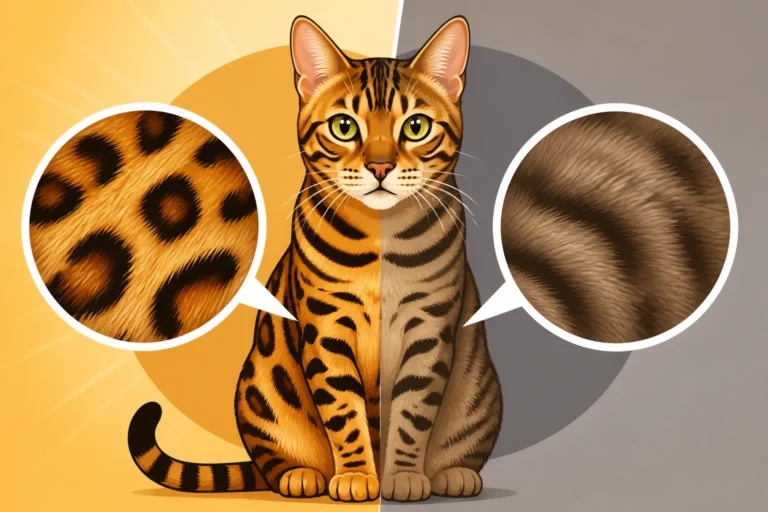
The visual impact of the glitter gene is simply mesmerizing. It transforms an already beautiful coat into something truly spectacular. Instead of a flat, matte appearance, the Bengal's coat with glitter takes on a three-dimensional quality, appearing to glow with an inner luminescence. The effect can range from a subtle golden or silver sheen, like finely dusted metallic powder, to a more pronounced, almost "wet" look that makes the coat appear polished and vibrant.
When a Bengal cat with glitter moves, the light catches these translucent hair shafts at different angles, creating a constantly shifting sparkle across their body. It enhances the definition of their rosettes or marbling, making the patterns stand out with even greater clarity and depth. On a brown Bengal, the glitter often has a warm, golden hue, while on snow or silver Bengals, it appears as a cool, sparkling silver. This effect is not dependent on specific lighting conditions, though it is certainly more noticeable in bright sunlight or under direct indoor lights. Even in dimmer light, a keen eye can detect the subtle shimmer, adding to the mystique of the breed. It's a hallmark of a well-bred Bengal and a constant source of admiration for their owners. You can read more about How Glitter Looks on a Snow Bengal Cat or How Glitter Looks on a Silver Bengal Cat.
| Glitter Type | Appearance Description | Effect on Coat |
|---|---|---|
| Gold Glitter | Warm, golden shimmer, like finely crushed gold dust. | Enhances richness of brown and charcoal coats; adds depth. |
| Silver Glitter | Cool, sparkling silver sheen, like scattered diamonds. | Brightens silver and snow coats; provides a crisp, luminous finish. |
| Pearl Glitter | Soft, pearlescent glow, subtle and iridescent. | Gives a delicate, ethereal quality, especially in snow Bengals. |
Why This Translucency Matters for Bengal Owners
Understanding what makes your Bengal's hair shafts translucent isn't just a fun fact; it has practical implications for how you care for them and appreciate their unique beauty. As owners, we often marvel at their wild appearance and sleek coats, but knowing the "why" behind it helps us cater to their specific needs and truly appreciate the artistry of their genetics. The unique structure of their coat means their grooming requirements are often different from other cats, and it's a huge part of what makes them stand out in the feline world.
This characteristic is also deeply tied to the breed's standard and the visual expectations people have when they seek out a Bengal cat. It's part of the package that makes them so distinct, so understanding its role can help you appreciate your cat even more. It's a reflection of their heritage, tracing back to their Asian Leopard Cat ancestors, and a constant reminder of the wild beauty that has been selectively bred into these incredible domestic companions.
Grooming Implications
The translucent, pelt-like coat of a Bengal cat, particularly when enhanced with glitter, has significant implications for their grooming needs – or rather, the lack thereof compared to many other breeds. Because they have very little to no undercoat, Bengals shed considerably less than many domestic cats. Their hair shafts are fine and lie flat against the body, meaning loose hair doesn't get trapped in a dense underlayer or cling to furniture as readily. This is a huge bonus for owners who are tired of constantly de-furring their homes!
While they still shed, you'll find that regular brushing isn't typically required to prevent matting or tangles, simply because their coat structure doesn't lend itself to those issues. Most Bengals will appreciate a gentle brushing with a rubber curry brush or a grooming glove a few times a week, mostly for bonding and to remove loose hairs, rather than out of necessity for coat health. This light routine is often enough to keep their coat gleaming. Many Bengals also enjoy playing in water, and their sleek coats dry relatively quickly, another testament to their efficient hair structure. If you need a brush, options are available on Amazon or Chewy. This low-maintenance aspect of their coat is a huge relief for busy owners and contributes to their overall appeal. You can read more about How Little a Bengal Cat Sheds for a Shorthair.
Aesthetic Appeal and Breed Standard
The translucent quality of a Bengal cat's hair shafts, especially with the addition of glitter, is not just a pleasant feature; it's a cornerstone of the breed's aesthetic appeal and a highly valued trait within the breed standard set by organizations like The International Cat Association (TICA). When judges evaluate Bengal cats in the show ring, the clarity of their pattern, the richness of their color, and the overall "wild" appearance are paramount. The translucent hair shafts contribute directly to all these factors.
The way light plays through the hair enhances the contrast of their rosettes or marbling, making them look sharper and more distinct. This depth of color and pattern is what truly makes a Bengal cat's coat "pop." Without this unique quality, their patterns might appear flatter and less vibrant, losing some of that coveted exotic allure. The glitter, when present, adds another layer of visual luxury, making the coat appear dynamic and alive, shimmering with every movement. This is what gives a Bengal cat that coveted "frosted" or "burnished" look that is so unique to the breed. For enthusiasts, this distinctive coat is a constant source of pride and admiration, embodying the very essence of the breed's wild beauty. It's a major reason why What Rosettes and Glitter Add to a Bengal Cat's Price and Which Bengal Cat Patterns Cost the Most.
Dispelling Common Misconceptions About Bengal Coats
There's a lot of chatter and a fair few myths swirling around Bengal cats, especially concerning their unique coats. Because they look so wild and feel so different, people often jump to conclusions that aren't quite accurate. As a Bengal owner, you've probably heard a few of these, like the idea that they're completely hypoallergenic or that their coat changes dramatically with diet. It’s important to separate fact from fiction to ensure you have realistic expectations and provide the best care for your shimmering companion. Let's tackle a couple of the most common misconceptions head-on.
Is it Truly Hypoallergenic?
This is one of the most persistent and often misleading claims associated with Bengal cats, frequently tied to their unique coat structure. The idea is that because their coat is "pelt-like" and they shed less, they must produce fewer allergens, making them suitable for people with cat allergies. Unfortunately, while it's a lovely thought, it's largely a misconception.
The primary allergen in cats isn't their fur itself; it's a protein called Fel d 1, found in their saliva, skin oils (sebum), and urine. When a cat grooms itself, this protein-rich saliva dries on their fur, flakes off, and becomes airborne as dander. While Bengal cats might shed less hair, they still produce Fel d 1 protein. Some anecdotal evidence suggests that some individuals with mild allergies might react less to Bengals, possibly because less dander becomes airborne due to the reduced shedding and sleek coat. However, this is highly individual and not a universal truth. There's no scientific evidence to conclusively prove that Bengal cats are truly hypoallergenic. If you have severe cat allergies, spending time with a Bengal before committing to one is absolutely essential, as their unique coat structure does not eliminate the root cause of allergic reactions. For more detail, refer to Whether the Bengal Cat Hypoallergenic Claim Holds Up.
Coat Changes and Maintenance
Another common question, especially from new owners, revolves around how a Bengal's coat might change over time or whether specific diets can significantly alter its unique qualities. While diet plays a crucial role in overall health, skin, and coat condition, it's not going to fundamentally change the translucent nature of a Bengal's hair shafts or add "glitter" if it's not genetically present.
A high-quality diet rich in protein and healthy fats, such as those found in premium cat foods, will certainly help your Bengal maintain a healthy, shiny coat. Proper nutrition ensures the hair follicles produce strong, vibrant hair. However, it won't magically make a non-glittered Bengal sparkle, nor will it drastically change the underlying structure of the hair shaft that makes it translucent.
You might notice some subtle changes in your Bengal's coat as they age. Kittens go through a "fuzzies" stage, where their patterns are less defined, and the coat can appear duller; this clears as they mature. Adult coats are typically at their peak vibrancy. As Bengals enter their senior years, their coat might soften slightly, and the glitter could become a little less pronounced, much like human hair can change with age. Environmental factors, like excessive sun exposure, might also cause some color lightening, but the inherent translucent quality remains. The key is consistent good care, proper nutrition, and regular vet check-ups to ensure their coat, and their overall health, remains in top condition.
The Journey of the Bengal Cat Coat: From Wild to Wonderful
The story of the Bengal cat's translucent and often glittered coat is a fascinating journey that mirrors the breed's very origin. It all begins with their wild ancestor, the Asian Leopard Cat (ALC). The ALC possesses a naturally short, sleek coat with vivid spotting, designed for camouflage in their natural habitat. This coat doesn't have the dense, woolly undercoat of many domestic cats, allowing their markings to stand out sharply. This is the foundation upon which the domestic Bengal's unique coat was built. Why a Bengal Cat's Coat Came From the Asian Leopard Cat explains this heritage well.
When Jean Mill, the pioneering breeder, first crossed an ALC with a domestic cat, she was captivated by the wild beauty and sought to preserve it. Through careful selective breeding over generations, breeders worked to retain that incredible wild appearance while cultivating a truly domestic temperament. The translucent hair shafts and the glitter gene are specific traits that were either inherited directly from the ALC or emerged and were selected for within the breeding program because they enhanced that desired exotic look. It’s a testament to the dedication of breeders who recognized and nurtured these unique genetic gifts, transforming a functional wild coat into the luxurious, sparkling pelt we adore in our modern Bengal cats. You can explore What Jean Mill Was to the Bengal Cat for more on her pivotal role.
Caring for Your Bengal's Exceptional Coat
While your Bengal's coat is relatively low maintenance thanks to its unique structure, there are still best practices to ensure it remains as magnificent as possible. It’s about working with their natural attributes, not against them. Remember, a healthy coat is often a reflection of overall health, so holistic care is always the best approach.
Nutrition for Optimal Coat Health
Even though diet won't change the genetic makeup of your Bengal's coat, it absolutely impacts its condition. A dull, dry coat can be a sign of nutritional deficiencies. Bengals are highly active and have specific dietary needs, leaning towards higher protein content, reflective of their carnivorous nature.
Look for high-quality cat foods where meat is the primary ingredient, and avoid excessive fillers. Ensuring sufficient omega fatty acids in their diet is crucial for skin and coat health. These can be found in fish oils or specially formulated cat foods. Some owners opt for raw or homemade diets, which can be excellent for coat health, but these require careful balancing to ensure all nutritional requirements are met. Always consult with a veterinarian or a feline nutritionist if you're considering a specialized diet for your Bengal. Regardless of the type of food, quality makes a difference. The coat’s natural sheen will be at its best when your Bengal is internally nourished. You can also explore Which Food Firms Up a Bengal Cat's Stool if your cat has digestive issues that could impact coat health.
Gentle Grooming and Skin Care
As mentioned, Bengals don't typically require extensive brushing, but gentle and consistent grooming sessions can still be beneficial. These aren't just for hair removal; they're excellent opportunities for bonding and for you to perform a quick health check.
Use a soft-bristled brush, a rubber curry comb, or a grooming glove. Many Bengals enjoy the sensation of being stroked, and these tools can help distribute natural skin oils, which contribute to their coat's natural luster, while also removing any loose hairs or dander. This minimal grooming routine also helps you spot any skin irritations, lumps, or parasites early on. Since their coats are short and sleek, skin issues are often more visible than on long-haired breeds. A Bengal’s unique skin and coat rarely encounter issues like matting, which is another blessing for owners! However, if you notice excessive scratching or skin flaking, it's always a good idea to consult your vet. A healthy skin barrier is crucial for that famous Bengal shine.
Environmental Factors and Protection
Even with a naturally robust coat, environmental factors can still influence its appearance and health. While Bengal cats enjoy sunbathing, prolonged, intense sun exposure can potentially lighten their coat colors over time, especially in lighter areas. It's similar to how human hair can get sun-bleached. This won't affect the translucency of the hair shaft itself, but it can subtly alter the overall hue of their patterns.
Ensuring your Bengal has access to shaded areas if they spend time outdoors in a catio, or simply managing their sun exposure indoors, can help preserve the vibrancy of their coat. Providing a clean living environment also contributes to coat health. Dust and dirt can accumulate on any coat, dulling its appearance. Regular cleaning of bedding and common resting spots will help keep their fur clean and pristine. While Bengal cats are masters of self-grooming and often enjoy water, maintaining a clean home environment is a silent partner in keeping their unique coats looking their absolute best. For those considering outdoor access, a What a Catio Costs to Build for a Bengal Cat might be a consideration to keep their coat, and them, safe.
Conclusion
The translucent hair shafts that grace the coat of a Bengal cat are far more than just a pretty feature; they're a testament to the breed's wild heritage and unique genetic makeup. From the reduced undercoat that allows light to penetrate deeply to the fascinating glitter gene that makes their fur shimmer and glow, every aspect contributes to that signature wild look that Bengal owners cherish. Understanding these intricacies not only deepens our appreciation for these incredible felines but also informs how we provide them with the best care, ensuring their pelt remains as vibrant and healthy as they are. So next time you're admiring your Bengal's stunning coat, you'll know it's not just beautiful, it's a small biological miracle.
Disclaimer
This article is for general informational purposes only and does not constitute professional advice. Laws, prices and regulations vary by location and change over time. Consult a qualified professional for guidance on your specific situation.