Why a Bengal Cat’s Coat Is Called Pelted
If you've ever had the pleasure of stroking a Bengal cat, you know their coat feels unlike any other feline's. It's not just "short hair"; it's a dense, luxurious, almost velvety texture that surprises many first-time owners. This distinctive feel often leads people to wonder why this incredible coat is so different, and the answer lies in understanding why a Bengal cat's coat is affectionately, and accurately, called "pelted." This guide will dive deep into the unique characteristics of the Bengal coat, exploring its wild origins and what makes it truly special.
Understanding the Unique Bengal Coat
When you first encounter a Bengal cat, you might expect fur. Most cat owners are familiar with the soft, sometimes fluffy, sometimes sleek, but always unmistakably "furry" feel of a domestic shorthair or longhair. But with a Bengal, that expectation shifts the moment your hand glides over their back. It's a completely different tactile experience, one that breeders and enthusiasts alike refer to as "pelted."
More Than Just 'Fur'
The common image of a cat's coat is one of individual hairs, sometimes fine, sometimes coarse, but generally yielding and soft. With a Bengal, you're presented with something far more robust and yet exquisitely soft. Imagine the dense, smooth covering of a wild animal, built for protection and stealth, yet with a surprising silkiness. This is why simply calling it "fur" feels inadequate. It doesn't capture the unique texture, the way the hairs lie so flat and close to the body, or the incredible shine that often accompanies it. It's a coat designed for functionality in the wild, yet refined through generations into a luxurious domestic marvel.
Why the Term "Pelted"
The term "pelted" is intentionally evocative, drawing a direct line to the wild ancestors of the Bengal. A pelt refers to the skin and fur of a fur-bearing animal, often implying a dense, protective, and smooth covering. For the Bengal, this means their coat is not fluffy or prone to matting; instead, it's short, incredibly dense, and lies flat against the body like a finely tailored garment. This characteristic is a direct nod to their heritage, distinguishing them sharply from the more common domestic cat breeds. It hints at a primal quality, a connection to the natural world that few other domestic cats possess, and it's a key part of their allure.
The Asian Leopard Cat Connection
To truly understand why a Bengal's coat is pelted, we have to journey back to its origins: the Asian Leopard Cat (ALC). This small, wild feline is the foundation of the entire Bengal breed, and its influence is profoundly visible in every aspect of the Bengal, especially its striking coat.
The Wild Ancestor's Influence
The Asian Leopard Cat (ALC), Prionailurus bengalensis, possesses a naturally short, dense, and remarkably sleek coat. This coat is not just for warmth; it's designed for camouflage and protection in a varied environment, allowing the ALC to move silently through dense foliage and blend seamlessly into its surroundings. When the very first Bengal cats were bred by crossing an ALC with a domestic cat, the goal was to retain this wild, exotic appearance while integrating the gentle temperament of a housecat. Why a Bengal Cat's Coat Came From the Asian Leopard Cat This meant that the distinctive short, close-lying, and dense texture of the ALC's coat was a highly sought-after trait. Breeders meticulously selected for kittens that exhibited this "pelted" feel, ensuring that this characteristic became a defining feature of the emerging Bengal breed.
Genetic Heritage and Evolution
Over successive generations, breeders worked tirelessly to refine the Bengal cat, moving from the initial F1 (first generation) crosses to the SBT (Stud Book Tradition) generations that are now considered fully domestic. Despite the introduction of domestic cat genes, the powerful genetic markers for the unique pelted coat endured. This isn't just a superficial trait; it's deeply embedded in their genetic makeup, a testament to the strength of the ALC's contribution. Even today, many generations removed from their wild ancestor, a well-bred Bengal cat retains that characteristic short, dense, and close-lying texture that feels distinctly different from other domestic cats. It's a living legacy, a visible link to their wild past that continues to enchant owners and define the breed standard.
Characteristics of a Pelted Coat
The description "pelted" isn't just a fancy term; it speaks to several tangible characteristics that make the Bengal's coat so extraordinary. From its density to how it lies, every aspect contributes to its unique feel and appearance.
Density and Texture
One of the most immediate impressions you get from a Bengal's coat is its incredible density combined with a surprising softness. It's often likened to velvet, silk, or even mink. When you run your hand over it, you'll notice there's very little 'fluff' or loft. Instead, the hairs are packed tightly together, creating a uniform, smooth surface. This dense packing is largely due to the absence of a significant undercoat, which many other cat breeds possess to provide insulation. Without that fluffy layer, the Bengal's coat remains sleek and streamlined. This distinctive texture is not just pleasant to touch; it contributes to the cat's striking appearance, making their patterns appear sharp and vivid against the smooth canvas of their coat. Why a Bengal Cat's Coat Feels Like Nothing Else
Close-Lying and Short Hair
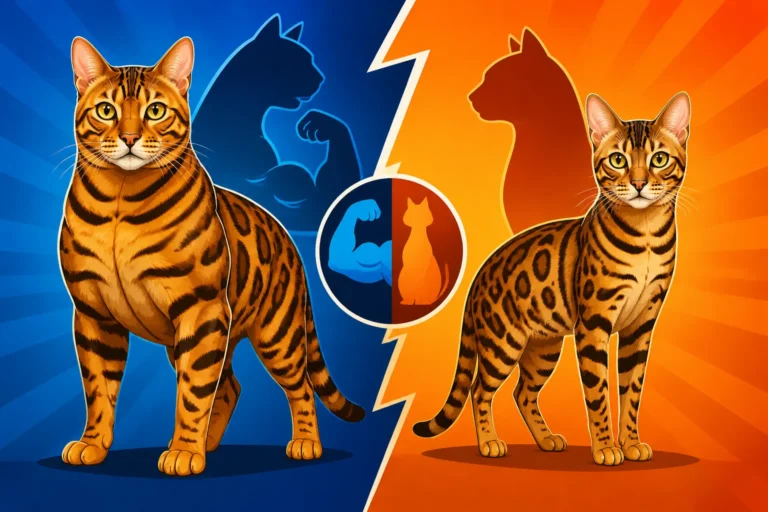
The hairs of a Bengal cat’s pelt lie exceptionally close to the body. This isn't just about length; it's about how the hairs are structured and oriented. They don't stand out or create volume like the fur of, say, a Persian or even a typical domestic shorthair. Instead, they hug the contours of the cat's muscular physique, enhancing their athletic build and giving them a streamlined, almost sculpted look. Why a Bengal Cat's Coat Is Shorter Than a Housecat's This close-lying characteristic is a key factor in their minimal shedding, as loose hairs are less likely to detach and float around your home. It also contributes to the clarity of their patterns, as the individual spots and rosettes are not obscured by a unruly coat.
Patterns and Clarity
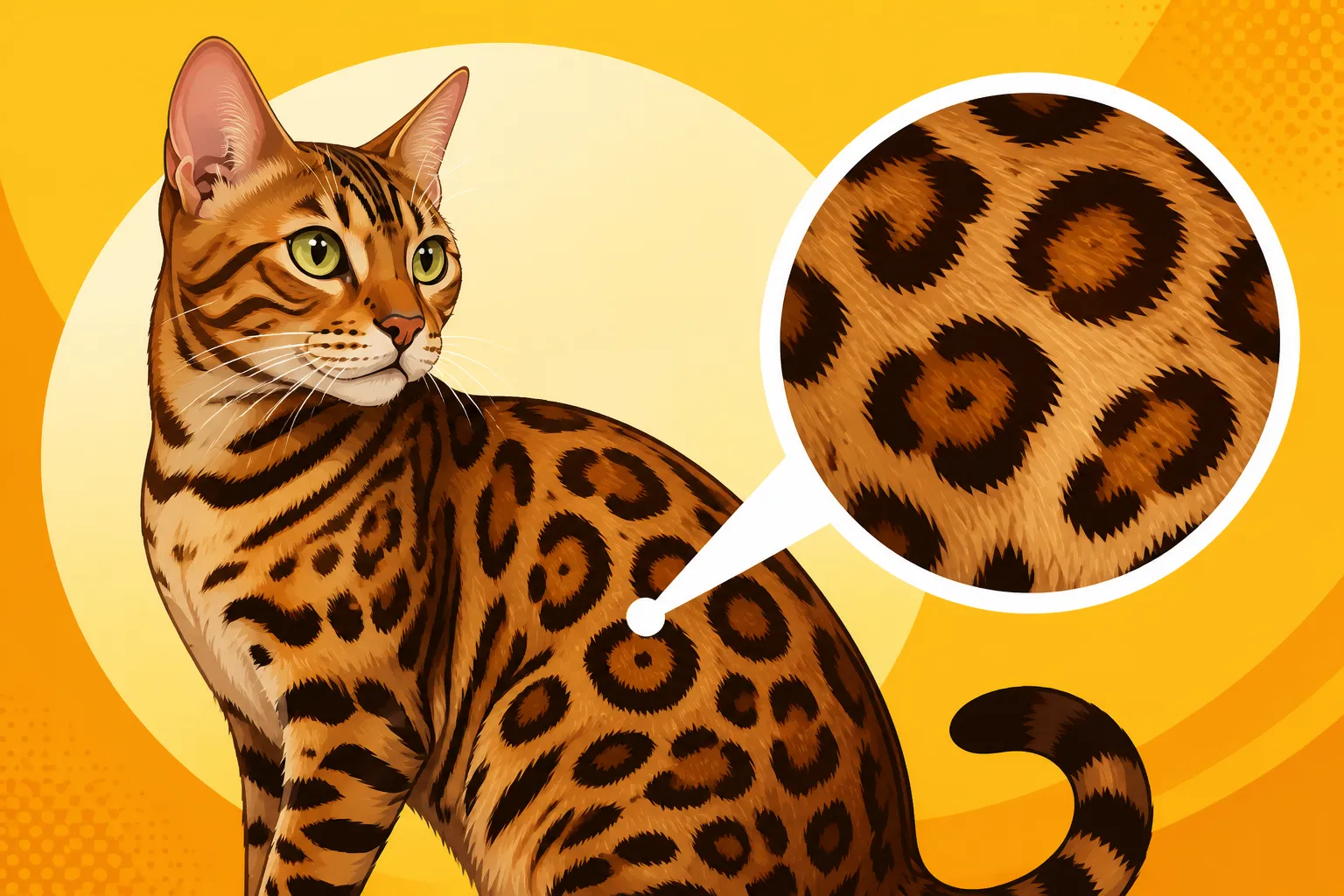
The pelted nature of a Bengal's coat is what truly allows its stunning patterns to shine. Whether you're admiring rosettes – those multi-toned spots that resemble those of a leopard or jaguar – or the beautiful swirls of a marbled pattern, the short, dense, and close-lying hair ensures maximum contrast and definition. There's no long fur to blur the edges or hide the intricacies of the markings. This clarity is a cornerstone of the Bengal breed standard, with judges looking for sharp, distinct patterns that pop against the background color. How a Bengal Cat's Pelt Is Judged in the Ring The combination of the luxurious pelt and the vivid patterns creates a truly wild and captivating aesthetic, making each Bengal cat a unique work of art.
Beyond the Pelt: The Glitter Gene
While the pelted texture is a foundational aspect of the Bengal coat, many Bengals possess another magical trait that further enhances its exotic beauty: glitter. This isn't actual glitter from a craft store, of course, but a natural genetic characteristic that adds an undeniable sparkle to their already stunning appearance.
What is "Glitter"
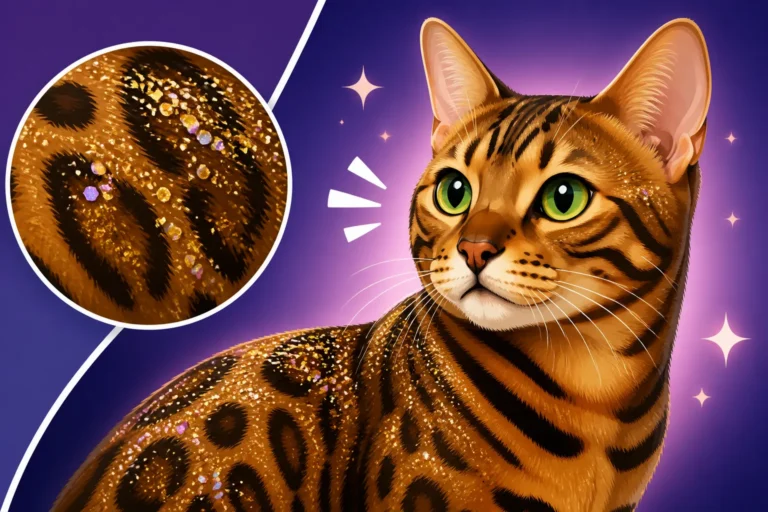
Bengal cat "glitter" refers to a genetic trait that gives the individual hair shafts a translucent quality. When light hits these microscopic, hollow hair shafts, it reflects and refracts in a way that creates a shimmering, iridescent effect across the entire coat. It's as if the cat has been sprinkled with fine, gold or silver dust, particularly noticeable in natural sunlight or under bright lights. It adds a depth and richness to the coat that is quite unlike anything seen in other breeds. This captivating sparkle contributes significantly to the Bengal's wild look, making them even more visually striking and luxurious. What the Glitter Gene Does to a Bengal Cat
How Glitter Enhances the Pelt
The presence of the glitter gene, combined with the pelted texture, creates an extraordinary synergistic effect. The density and close-lying nature of the pelt act as a perfect canvas for the glitter, allowing the light to play across the uniform surface without obstruction. The sheen from the glitter highlights the sleekness of the pelt, making the coat appear even more vibrant and alive. This combination elevates the Bengal's appearance from merely beautiful to truly breathtaking. It's a prized trait among breeders and owners alike, as it underscores the exotic, wild aesthetic that the Bengal breed strives to embody, transforming their dense, soft coats into shimmering masterpieces.
Grooming and Care for a Pelted Coat
One of the lesser-known benefits of a Bengal's pelted coat is how incredibly low-maintenance it is. Owners often find themselves pleasantly surprised by the minimal grooming requirements, especially when compared to other breeds.
Minimal Shedding and Grooming Needs
Because a Bengal's coat is so short, dense, and lacks a thick undercoat, they shed significantly less than many other cat breeds. This isn't to say they don't shed at all – every cat sheds to some degree – but the amount is often so negligible that it barely registers. You're far less likely to find significant amounts of Bengal hair on your furniture or clothes, which is a huge relief for many cat owners. How Little a Bengal Cat Sheds for a Shorthair
This minimal shedding translates directly into minimal grooming needs. Unlike breeds that require daily brushing to prevent mats and tangles, a Bengal typically needs very little, if any, brushing to maintain their coat's health and appearance. A weekly quick brush with a soft rubber grooming mitt or a specialized de-shedding tool can help remove any loose hairs and distribute natural oils, keeping their coat gleaming. Many owners find their Bengals tolerate grooming gloves quite well, especially if started from a young age. You can easily find suitable grooming tools for Bengals on platforms like Amazon, offering a wide array of options from simple mitts to more advanced de-shedding brushes. Why a Bengal Cat Barely Needs Brushing at All
Bathing Habits and Water Love
The unique structure of the Bengal's pelted coat also influences their relationship with water. Unlike many domestic cats who abhor getting wet, Bengals are famously intrigued by, and often enjoy, water. This playful curiosity means they might join you in the bathroom, investigate running faucets, or even jump into the shower with you. Why a Bengal Cat Loves Water Their short, dense coats are naturally more resistant to becoming waterlogged compared to cats with longer, fluffier fur or thick undercoats. When they do get wet, their pelt dries relatively quickly, which is another convenient aspect for owners who have a water-loving Bengal. This doesn't mean you need to bathe them often; their self-grooming is usually sufficient. But if a bath is needed after a particularly adventurous outdoor (or indoor!) escapade, their coat is well-equipped to handle it.
Debunking Myths About the Bengal Coat
With such a distinctive and exotic appearance, the Bengal coat often generates a lot of interest and, unfortunately, some common misconceptions. It's important to separate fact from fiction when it comes to what their pelted coat truly means for owners.
The Hypoallergenic Misconception
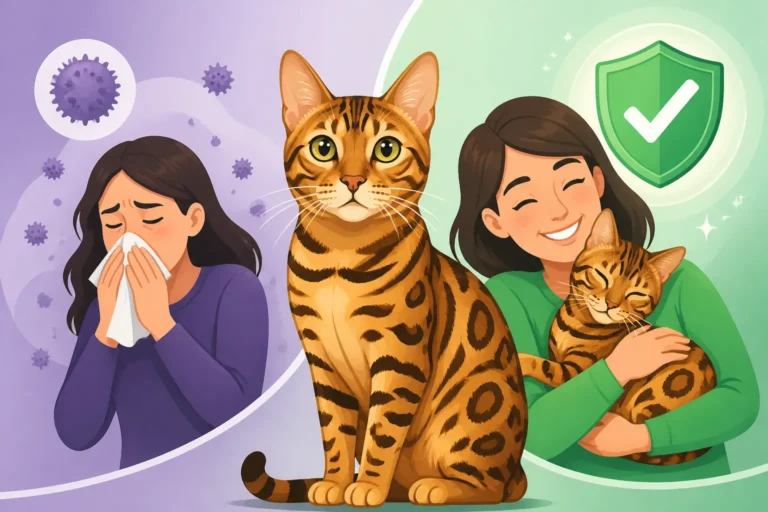
One of the most persistent myths surrounding the Bengal cat is the idea that they are hypoallergenic. This belief often stems from the fact that they shed very little. Many people, understandably, associate shedding with allergies. However, cat allergies are primarily triggered by proteins found in a cat's dander (dead skin flakes), saliva, and urine, not just their hair itself. While a Bengal's minimal shedding might mean less dander is distributed throughout your home, they still produce these allergenic proteins. Therefore, no cat, including the Bengal, can be truly 100% hypoallergenic. Whether the Bengal Cat Hypoallergenic Claim Holds Up Individuals with severe cat allergies will still likely react to a Bengal. It's always best for prospective owners with allergies to spend time with a Bengal cat before committing, to test their personal reaction.
Pelt vs. Standard Cat Hair
Another misunderstanding is that a "pelted" coat is simply a fancy way of saying "short-haired." While Bengal cats do have short hair, the term "pelted" conveys much more than just length. It describes the entire unique structure and feel of their coat – its exceptional density, the way the hairs lie flat against the body, its luxurious texture (often described as velvety or silky), and the striking clarity it allows for their patterns. It's fundamentally different from the short, often somewhat coarser, hair found on many domestic shorthairs. The wild ancestry truly sets it apart, giving it qualities that are reminiscent of their leopard cat relatives rather than a typical housecat. It's this unique combination of characteristics that makes the Bengal's pelted coat a defining feature and a source of constant admiration.
Comparing Bengal Pelt to Other Cat Coats
To fully appreciate the Bengal's pelted coat, it helps to see how it stacks up against the more common types of cat fur you might encounter. This comparison highlights the unique evolutionary advantages and aesthetic qualities that set the Bengal apart.
| Feature | Bengal Cat (Pelted Coat) | Domestic Shorthair (Typical Fur) | Longhair Cat (e.g., Persian) |
|---|---|---|---|
| Texture | Dense, silky, velvety, smooth | Soft, can be slightly coarse, variable | Luxurious, fine, fluffy, silky |
| Hair Length | Very short, lies flat against body | Short to medium, can have some loft | Long, flowing, often with thick undercoat |
| Undercoat | Minimal to non-existent | Present, variable density | Very dense and fluffy |
| Shedding | Very low, less noticeable | Moderate to high, noticeable | High, requires regular management |
| Grooming Needs | Minimal, occasional brushing | Moderate, weekly brushing | High, daily brushing to prevent mats |
| Water Affinity | Often enjoys water, dries quickly | Generally dislikes water, dries slower | Dislikes water, becomes waterlogged, dries very slowly |
| Pattern Clarity | High, patterns are sharp and vivid | Variable, patterns can be less defined | Low, patterns often obscured by length |
| "Glitter" | Often present (translucent hair shafts) | Absent | Absent |
This table truly shows how distinct the Bengal's pelt is. It’s not merely a variation of fur, but a unique characteristic that influences everything from grooming to how they interact with their environment. The low shedding is a massive bonus for many owners, reducing the constant battle against cat hair. And the ease with which their coats dry is a blessing given their playful curiosity around water. Just imagine trying to dry a long-haired cat after it's decided to take a dip in the bathtub – a Bengal makes it a much simpler affair! This combination of beauty and practicality is part of what makes the Bengal so appealing.
Living with a Pelted Bengal
Embracing a Bengal cat means appreciating their wild beauty, and a large part of that comes from their exceptional pelted coat. It's a coat that commands attention, inviting touch, and consistently surprises those unfamiliar with the breed.
The low maintenance aspect of their coat is a huge plus for busy individuals or families. You won't spend hours battling mats or constantly vacuuming up excessive shed hair. This leaves more time for interactive play, leash training, or simply enjoying their company. After all, a Bengal is the most active cat you can own, and they thrive on engagement. The Bengal Cat Is the Most Active Cat You Can Own
Understanding the true nature of their coat also helps in selecting appropriate products. When considering food, for example, while their coat health is generally robust, a high-quality, protein-rich diet supports overall vitality and skin health. Foods that cater to a cat's carnivorous needs can indirectly contribute to a healthy, gleaming pelt. Similarly, for the occasional brush, a gentle rubber brush is usually more than sufficient.
Ultimately, the pelted coat of a Bengal cat is a remarkable trait that speaks volumes about their heritage and unique place in the feline world. It's a daily reminder of their wild ancestors, providing a touch of exotic luxury right in your home. What a Bengal Cat's Temperament Is Really Like It's one of the many reasons why owning a Bengal is such a distinctive and rewarding experience.
Disclaimer
This article is for general informational purposes only and does not constitute professional advice. Laws, prices and regulations vary by location and change over time. Consult a qualified professional for guidance on your specific situation.