Whether a Bengal Cat Steals Human Food
If you're reading this, chances are you've caught your sleek, spotted companion with their paws where they don't belong – perhaps halfway into a bag of chips or delicately extracting a piece of chicken from your dinner plate. The frustration is real: you love your Bengal cat, but their uncanny ability to sniff out and pilfer human food can be both amusing and utterly maddening. This guide is here to shed light on why your Bengal acts like a tiny, domestic bandit and, more importantly, how you can curb this opportunistic behavior and keep your pantry (and your sanity) intact.
The Inevitable Truth: Yes, Your Bengal Cat Will Steal Human Food
Let's just get it out there: if you own a Bengal cat, you've likely already experienced, or are about to experience, the sheer audacity of their food-snatching prowess. Unlike some more sedate housecats who might politely wait for a dropped morsel, a Bengal considers anything within reach (or even out of reach, thanks to their climbing skills) as fair game. It's not a matter of if they'll try, but when and how often.
Why Bengal Cats Are Such Masterminds of Mischief
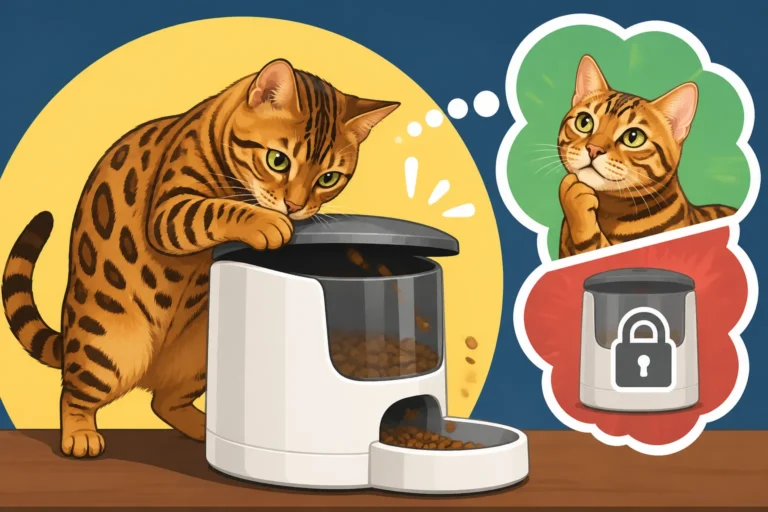
Bengal cats are not your average couch potatoes; they're intelligent, athletic, and incredibly curious creatures. These traits, while wonderful for their playful nature, also make them exceptionally adept at getting into things they shouldn't. Their problem-solving skills are often far superior to many other domestic breeds. I’ve heard stories of Bengals figuring out child-proof latches on cabinets, unscrewing jar lids, and even working together to knock over a trash can. They watch you, they learn your routines, and they exploit any weakness in your food security system. If you leave a loaf of bread on the counter, it's not just "sitting there" to a Bengal; it's a challenge, a puzzle, and a potential meal waiting to be claimed. Their nimble paws and strong jaws are perfect for tearing open packaging, and their agility means no counter is too high, no shelf too precarious. You might think you've secured the kitchen, only to return to a half-eaten avocado on the floor, a testament to their unwavering determination.
Common Targets of a Bengal Cat's Food Heist
While a Bengal cat will likely try to sample anything they can get their paws on, some foods are more tempting than others. Think about what smells strong, what's easy to grab, or what has an interesting texture. Cooked meats, especially chicken or fish, are high on the list, as are dairy products like cheese or yogurt. They’re also surprisingly keen on bread, pastries, and anything sugary, even if these items aren't good for them. I once had a Bengal who managed to unravel an entire string cheese stick from its wrapper and consume it before I even noticed it was gone. Fruits and vegetables can sometimes catch their attention too, particularly if they roll or are easily batted around. Leftovers cooling on the counter, open cereal boxes in the pantry, or even a forgotten sandwich on the coffee table are prime targets. It’s important to remember that many human foods are not safe for cats, so preventing these "heists" is crucial for their health, not just your peace of mind.
Understanding the Motivation Behind the Snatching
It’s easy to get angry or frustrated when your Bengal is caught red-pawed, but understanding why they do it can help you address the behavior more effectively. It’s rarely out of spite or malice; rather, it’s a complex mix of instinct, intelligence, and environmental factors.
The Wild Ancestor's Influence on Food Drive
The Bengal cat's wild heritage, stemming from the Asian Leopard Cat, plays a significant role in many of their behaviors, including their intense food drive. A Leopard Cat and a Housecat Made the First Bengal Cat is a good read on this. Wild felines are opportunistic hunters and scavengers; they don't know when their next meal will come, so they eat when food is available. This instinct is still very much alive in your domestic Bengal. While your cat probably has a regular meal schedule, that primal urge to secure extra resources can override their learned manners. They’re not just eating because they’re starving; they’re eating because they can, and it feels inherently rewarding. This deep-seated drive means you're not just fighting a bad habit, but a natural predisposition that requires consistent management.
Boredom and a Lack of Mental Stimulation
A bored Bengal cat is a destructive Bengal cat, and food stealing is often a symptom of insufficient mental and physical exercise. These cats are incredibly active and intelligent, and if their environment doesn't offer enough enrichment, they will create their own entertainment. Climbing on counters, exploring forbidden territories, and successfully "hunting" a snack from your plate are all stimulating activities for them. If your Bengal is often left alone for long periods without engaging toys, puzzle feeders, or regular interactive playtime, they might turn to raiding the kitchen out of sheer boredom. How Many Hours a Day a Bengal Cat Plays can give you an idea of their activity needs. A Bengal needs to burn off calories and exercise their brain, and if they're not doing that with appropriate toys or activities, they'll find other ways, like staging a food heist.
The Lure of Novelty and "Forbidden" Flavors
Let's be honest: human food often smells and tastes much more appealing to a cat than their regular kibble or wet food. It's often richer, saltier, or has a greater variety of textures and aromas. The novelty of something different, combined with the thrill of getting away with it, can be a huge motivator for your Bengal. They see you enjoying these delicious smells, and their curiosity (another strong Bengal trait) kicks in. They want to try what you're having. Plus, the act of "stealing" itself can be a game. The chase, the quick grab, the successful escape – it's all part of the fun for a clever cat. This thrill of the forbidden can make them incredibly persistent, even if they've been caught multiple times.
Strategies to Protect Your Plate and Your Pantry
Dealing with a food-stealing Bengal cat requires a multi-faceted approach that combines prevention, training, and ensuring their legitimate nutritional needs are met. It’s about outsmarting your clever companion, not just punishing them.
Prevention is Key: Securing Your Food
The first and most crucial step is to make stolen food as difficult as possible to obtain. This means being meticulously tidy and proactive about food storage.
- Counter Clearances: Never leave food unattended on counters, tables, or anywhere your Bengal can reach. If you step away from your plate for even a moment, cover it or put it away. Leftovers should go directly into airtight containers and into the refrigerator.
- Pantry and Cabinet Security: Invest in child-proof locks for your pantry and lower cabinets, especially those that hold tempting snacks. Remember, your Bengal cat is probably smarter than the average toddler when it comes to opening doors. Brands like Amazon and Chewy offer a variety of options for pet-proof latches that can withstand persistent paws.
- Trash Can Discipline: Secure your trash can with a lid that latches or keep it inside a locked cabinet. Bengals are notorious for dumpster diving, and discarded food can be dangerous.
- Supervised Eating: When you're eating, keep your Bengal in another room or confined to a secure area with their own meal or a puzzle toy to distract them. This prevents them from learning that jumping on the table or counter yields rewards.
- Designated Eating Spots for Them: Make sure your Bengal always has access to their own food and water bowls in a quiet, safe location. This reinforces that their food comes from their bowls, not your plate.
Training and Redirection Techniques
While prevention is powerful, training your Bengal cat is also vital to managing this behavior long-term.
- "Off" Command: Teach your Bengal a firm "off" command for counters or tables. When they jump up, immediately say "off" and gently guide them down. Reward them with praise or a treat when their paws are on the floor, reinforcing the correct behavior. Consistency is key here. Everyone in the household needs to use the same command and follow through.
- Positive Reinforcement: When your Bengal approaches the kitchen counter but doesn't jump up, or if they stay off when you're eating, praise them. You can use clicker training to mark the desired behavior. How to Clicker Train a Bengal Cat can provide useful tips for this.
- Redirection with Appropriate Toys: If you see your Bengal eyeing your food or starting to jump, immediately redirect their attention with an enticing toy. A wand toy or a crinkle ball can quickly shift their focus from your dinner to playtime. This fulfills their natural hunting instincts in a constructive way.
- Puzzle Feeders: Incorporate puzzle feeders into their daily routine. These toys require your cat to use their brains and paws to extract treats or kibble, providing mental stimulation and reducing boredom. Many robust and engaging options are available on Chewy. This taps into their intelligence positively. Which Puzzle Feeder a Bengal Cat Cannot Solve might be a good starting point for finding the right challenge.
Ensuring Nutritional Satisfaction
Sometimes, a Bengal cat's relentless pursuit of human food can stem from an underlying feeling of hunger or a lack of satisfaction from their regular diet.
- Adequate Calories: Bengal cats are incredibly active and burn a lot of calories. Ensure they are receiving enough food for their activity level and age. An underfed Bengal will naturally seek out extra food wherever they can find it. Consult your vet to determine the appropriate caloric intake for your specific cat. How Many Calories a Bengal Cat Burns goes into more detail on this topic.
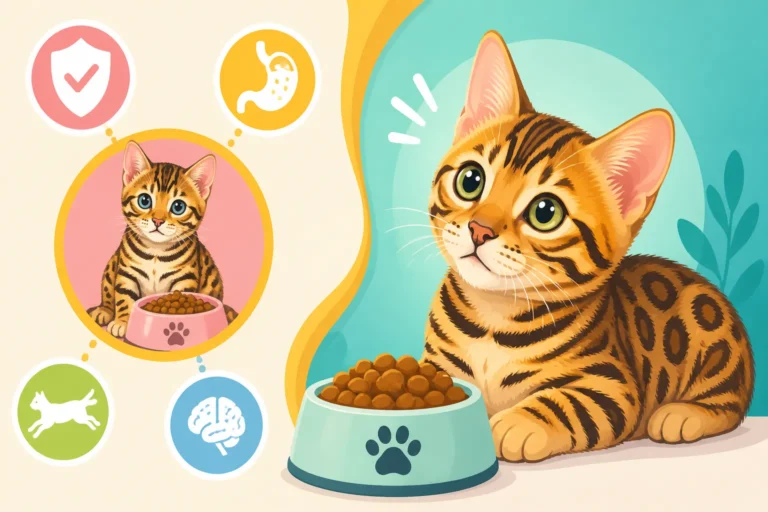
- High-Quality, High-Protein Diet: As descendants of wild felines, Bengals thrive on a high-protein diet. Ensure their food is rich in animal-based protein, which can help them feel fuller and more satisfied. Look for foods where meat is the first ingredient. Which Protein Percentage Suits a Bengal Cat explains why this is so important. Some owners even explore fresh, high-quality, pre-portioned cat food that can be very appealing and satisfying.
- Scheduled Meals vs. Free Feeding: While some cats do fine with free-feeding, for a Bengal that steals food, scheduled meals can be more effective. Feeding them 2-3 times a day can regulate their hunger and reinforce that you are the provider of food. Whether a Bengal Cat Can Be Free Fed discusses the pros and cons of different feeding styles.
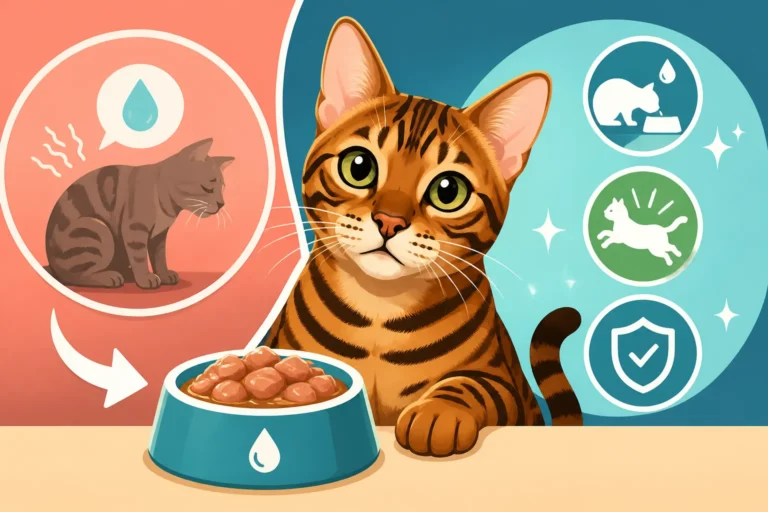
- Wet Food Inclusion: Wet food has a higher moisture content and can be more filling than dry kibble alone. It also often has a stronger aroma and palatability, which can be very satisfying for a Bengal. Integrating wet food into their diet, or feeding it exclusively, can sometimes reduce their interest in human food.
Here’s a quick overview of common scenarios and strategies:
| Scenario | Why it Happens | Prevention Strategy | Redirection/Training Tip |
|---|---|---|---|
| Jumping on counters for leftovers | Curiosity, opportunistic, natural instinct | Clear counters immediately, secure leftovers | "Off" command, provide puzzle feeder in their area |
| Raiding trash cans | Strong smells, easy access, boredom | Latching trash cans, secure in cabinet | Ensure regular meals, offer engaging toys |
| Snatching food from your plate | Novelty, attention-seeking, learned behavior | Eat in a separate room, supervise closely | Redirect with a favorite toy, praise staying on floor |
| Breaking into cabinets/pantry | High intelligence, problem-solving, food drive | Child-proof locks on all tempting cabinets | Increase mental stimulation with interactive play |
| Chewing on packaged food | Boredom, texture exploration, hunger | Store all food securely, provide chew toys | Offer sturdy chew toys, ensure adequate protein intake |
When Food Stealing Becomes a Bigger Problem
While an occasional stolen piece of kibble might be harmless, persistent food stealing can lead to several concerns. Beyond the annoyance of a missing snack, there are genuine health risks if your Bengal is consuming human foods that are toxic to cats (like onions, garlic, chocolate, grapes, or xylitol). A sudden increase in food-seeking behavior could also indicate an underlying health issue, such as hyperthyroidism or malabsorption, where they aren't properly digesting their own food and are genuinely always hungry. If you notice a drastic change in their appetite, weight, or energy levels alongside increased food theft, it's always best to consult your veterinarian. They can rule out medical conditions and provide tailored dietary advice for your energetic Bengal cat. Remember, your Bengal's health and happiness are paramount, and a vet can offer professional guidance when at-home strategies aren't enough.
Disclaimer
This article is for general informational purposes only and does not constitute professional advice. Laws, prices and regulations vary by location and change over time. Consult a qualified professional for guidance on your specific situation.