Which Founding Bengal Cat Carried the Glitter Gene
Many people are captivated by the stunning, almost iridescent shimmer they see on a Bengal cat's coat, often referred to as "glitter." It's a truly unique feature that sets them apart, but the story of how this sparkling gene came to be part of the breed is a fascinating journey through early Bengal cat history. This guide will delve into the origins of the glitter gene, identifying the specific founding Bengal cat credited with introducing this dazzling trait into the lineage.
Understanding the Bengal Cat's Unique Coat
Before we pinpoint the origin of glitter, it’s helpful to understand what makes a Bengal cat’s coat so extraordinary in the first place. It's not just a pattern; it's a whole experience, from its texture to its sheen.
The Distinctive Feel of a Bengal's Pelt
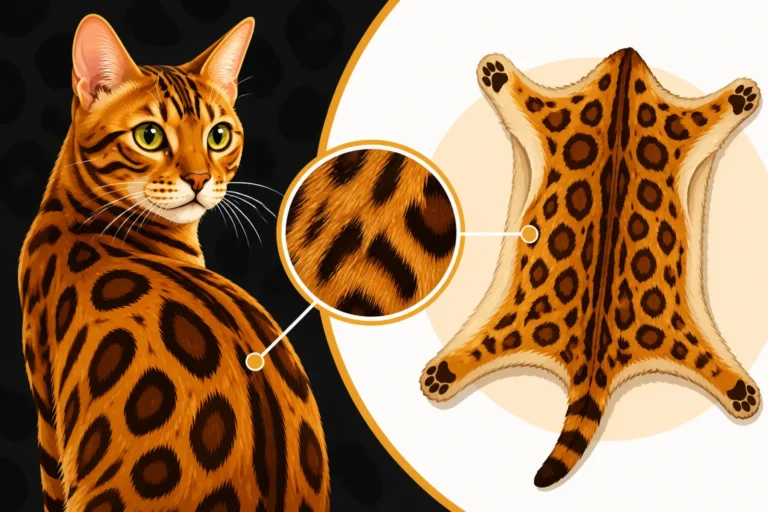
When you first touch a Bengal cat, you'll immediately notice that their coat isn't like that of your average domestic shorthair. It's often described as feeling like a "pelt" – incredibly soft, dense, and remarkably sleek, lying very flat against their body. This isn't just a fancy term; it truly feels distinct. Unlike many domestic cats that have a thick, fluffy undercoat, Bengals typically have very little to none, giving their coat a smoother, silkier feel. It's this unique texture that allows their patterns to stand out with such clarity and sharpness, almost like velvet under your fingertips. Why a Bengal Cat's Coat Feels Like Silk delves deeper into this tactile difference.
This "pelted" quality is a direct inheritance from their wild ancestor, the Asian Leopard Cat (ALC). The ALC's coat is designed for camouflage and protection in its natural habitat, where a dense, water-resistant, and low-shedding coat is beneficial. When breeders set out to create the Bengal cat, they intentionally selected for traits that mimicked this wild appearance and feel, resulting in the luxurious, low-maintenance coat we admire today. It’s part of their exotic charm, hinting at their wild heritage with every stroke.
What Makes a Bengal Cat's Coat So Shiny?
Beyond the incredible softness and distinct patterns, many Bengal cats possess an almost magical quality: their coat seems to shimmer and sparkle, particularly in direct sunlight. This phenomenon is what we breeders and enthusiasts affectionately call "glitter." It's not literal glitter flakes applied to their fur, of course, but rather a unique optical effect created by the structure of their individual hair shafts.
The secret lies in the translucent nature of the hair fibers themselves. Instead of being completely opaque, the hair shafts of a glittered Bengal are hollow or semi-hollow, allowing light to pass through them and reflect off the core, much like fiber optics. This scattering and reflection of light creates a golden, iridescent, or pearlescent sheen that makes the cat appear as if it's been dusted with fine gold dust. It gives their coat an added dimension, making the colors pop and the rosettes appear even more defined. This isn't just about aesthetics; it's a testament to the unique genetics woven into the Bengal breed.
Tracing the Glitter Gene's Origins in the Bengal Breed
Understanding the glitter itself leads us to the crucial question: where did this remarkable genetic trait come from? The journey takes us back to the early days of the Bengal breed's development.
The Early Days of Bengal Breeding
The Bengal cat breed itself originated from crosses between domestic cats and the wild Asian Leopard Cat (ALC). This pioneering work was largely spearheaded by Jean Mill, a dedicated and visionary breeder who is often called the "Mother of the Bengal Cat." Her goal was not just to create a beautiful cat, but one that possessed the stunning patterns and wild look of the ALC, yet had the gentle, affectionate temperament of a domestic housecat. A Leopard Cat and a Housecat Made the First Bengal Cat explains this foundational breeding in detail, and Who Jean Mill Was to the Bengal Cat sheds light on her pivotal role.
In the initial generations, breeders like Mill were primarily focused on establishing the health, temperament, and signature rosetted or marbled patterns that define the Bengal. They were looking for clear, contrasting spots, often in a horizontal flow, and those mesmerizing large rosettes. At this stage, while the overall wild aesthetic was paramount, specific traits like "glitter" weren't necessarily the primary focus of selection. It was a time of experimentation and careful genetic planning, laying the groundwork for all the beautiful variations we see today. The breed was in its infancy, with each successive generation moving further from its wild roots and closer to the domestic ideal, while retaining that coveted exotic appearance.
The Key Player: Millwood Tory of Delhi
So, which specific cat brought the sparkle to the Bengal breed? The widely accepted answer among Bengal enthusiasts and historians points to a remarkable cat named Millwood Tory of Delhi. Tory was a significant early Bengal female, born in the mid-1980s, descending from Jean Mill's breeding program. She wasn't one of the initial F1 crosses directly from an ALC, but rather a later-generation cat (often cited as an F4 or SBT, meaning Stud Book Tradition, effectively purebred Bengal status) that helped solidify many of the desired traits within the developing breed.
The glitter gene is believed to have originated from the domestic cat side of the Bengal's ancestry, not the Asian Leopard Cat itself. This might surprise some, as many assume all exotic traits come from the wild ancestor. However, in the case of glitter, it appears to have been introduced through one of the domestic shorthair cats used in the foundational breeding program, and then propagated and refined within Jean Mill's lines. Millwood Tory of Delhi consistently passed this iridescent trait to her offspring, and as her descendants were used in breeding programs around the world, the glitter gene became a hallmark of the Bengal cat. It wasn't the ALC that contributed the shimmer; it was the careful selection and propagation of a serendipitous trait found in the domestic foundation stock. For more on this distinction, you might find Whether the Asian Leopard Cat Gave the Bengal Cat Glitter insightful.
The Impact of the Glitter Gene on Bengal Cats
Once the glitter gene was established in the Bengal gene pool through cats like Millwood Tory of Delhi, it quickly became a highly desirable trait, adding an extra layer of allure to an already stunning breed.
How Glitter Manifests Across Different Colors
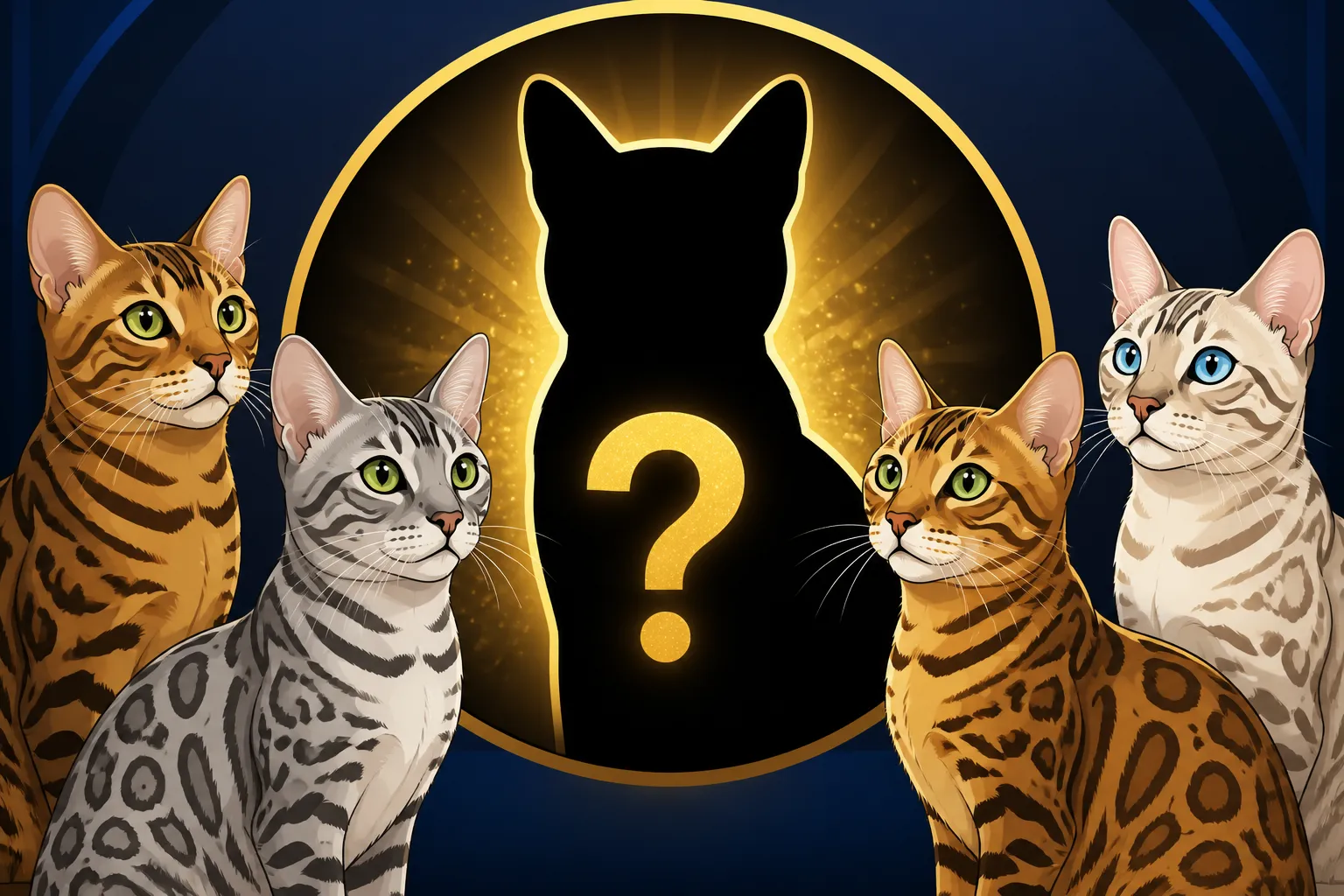
The beauty of the glitter gene is that it doesn't discriminate; it enhances the coat of nearly all Bengal color varieties, adding a captivating dimension to their appearance. On a classic brown spotted or rosetted Bengal, the glitter creates a warm, golden sheen, as if the cat has been dusted with precious metal. In bright sunlight, these cats truly look like miniature leopards walking in a sun-dappled jungle, their rosettes gleaming. How Glitter Looks on a Brown Bengal Cat offers a closer look at this specific manifestation.
For the various "snow" Bengals – the Seal Lynx Point, Seal Mink, and Seal Sepia – glitter tends to appear more like a silver or pearlescent shimmer, sometimes described as a "diamond dust" effect. This subtle, cool-toned sparkle beautifully complements their lighter coats and blue or aqua eyes. If you're curious about this, How Glitter Looks on a Snow Bengal Cat explores this enchanting quality. Even on a striking silver Bengal, the glitter adds another layer of metallic brilliance, intensifying their icy beauty. How Glitter Looks on a Silver Bengal Cat delves into how this gene enhances the silver variant. It's important to remember, however, that while glitter is prized, not every Bengal cat carries this gene or expresses it strongly. Whether Every Bengal Cat Has Glitter is a common question, and the answer is no, though it is quite prevalent.
Glitter and the Bengal Breed Standard
Given its unique beauty, it's no surprise that glitter quickly became a recognized and highly valued trait within the Bengal breed standard set by organizations like The International Cat Association (TICA). When Bengal cats are evaluated in the show ring, judges look for a clear, shimmering quality to the coat, indicating the presence and quality of the glitter gene. While it's just one component of many that contribute to a show-quality Bengal – alongside pattern clarity, body type, head shape, and temperament – a beautiful glitter can certainly catch a judge's eye and add to a cat's overall appeal.
The breed standard aims for a cat that embodies the wild look of its ALC ancestors while being fully domestic in nature. Glitter enhances this wild aesthetic, making the coat appear richer and more exotic. It's not just a superficial characteristic; it speaks to the careful selection and preservation of desirable traits throughout the breed's development. Breeders meticulously choose breeding pairs to ensure that desirable traits like glitter continue through the generations, maintaining the breed's distinctiveness. What the Bengal Cat Standard Asks For provides a comprehensive overview of all the traits judges consider.
Beyond Glitter: Other Unique Coat Characteristics
While glitter adds an undeniable sparkle, the Bengal cat's coat has other fascinating characteristics that contribute to its unique appeal and tell part of its genetic story.
The "Fuzzy" Stage in Bengal Kittens
One of the most charming, if sometimes puzzling, aspects of Bengal kittens is a phase they go through known as the "fuzzies" or "grizzlies." This is a temporary stage, typically starting a few weeks after birth and lasting for several months, where their beautiful, developing patterns become obscured by a longer, coarser guard hair. The coat temporarily dulls and looks less defined, making their spots and rosettes appear blurry or "fuzzy."
This fuzzy stage is actually another throwback to their wild heritage. In the wild, baby leopard cats are born vulnerable, and this temporary camouflaging coat helps them blend into their surroundings, offering protection from predators. It's nature's way of giving them a better chance at survival in their early months. For Bengal breeders and owners, it requires a bit of patience! Just when you think your kitten's stunning pattern might not come through, the fuzzies typically start to clear between 4-7 months of age, revealing the clear, contrasting patterns and often the shimmering glitter beneath. What Fuzzies Are on a Bengal Cat Kitten explains this developmental stage in detail.
Minimal Shedding and Hypoallergenic Claims
Due to their unique pelt-like coat with minimal undercoat, Bengal cats are often perceived as being low-shedding. While it's true they tend to shed less profusely than many other domestic breeds, particularly those with thick, long hair, it's important to understand that all cats shed. A Bengal's shed hairs are often finer and less visible, contributing to the perception of minimal shedding. This characteristic can be a boon for owners who prefer less cat hair around the house.
This lower shedding, combined with anecdotal reports, has sometimes led to the claim that Bengal cats are "hypoallergenic." This is a common misconception that needs to be clarified. No cat breed is truly 100% hypoallergenic, as allergies are typically triggered by a protein found in cat saliva, dander, and urine, not just the hair itself. However, some individuals with mild cat allergies might react less to Bengals due to their different coat type and potentially lower dander production, or simply the reduced spread of allergens due to less shedding. It's always crucial for allergic individuals to spend time with a Bengal cat before committing to ownership. For those researching the breed's characteristics, comprehensive books and guides found on platforms like Amazon can be invaluable resources for understanding these nuances and making informed decisions.
Living with a Glittering Bengal: Care and Admiration
Owning a Bengal cat is a joy, and part of that joy comes from admiring their stunning, glittering coat. Fortunately, maintaining this wild beauty is surprisingly straightforward.
Simple Grooming for a Stunning Coat
Despite their exotic appearance and the intricate beauty of their patterns and glitter, Bengal cats are remarkably low-maintenance when it comes to grooming. Their short, pelt-like coat, largely devoid of a thick undercoat, is naturally resistant to matting and tangling. This means you won't spend hours untangling knots or dealing with extensive shedding seasons like you might with a long-haired breed. A Bengal Cat Needs Almost No Grooming highlights just how easy they are to care for in this regard.
An occasional brush with a soft rubber grooming mitt or a fine-toothed comb is usually more than sufficient. This helps to remove any loose hairs, distribute natural oils, and, of course, enhances that magnificent glitter and shine. You can find excellent, gentle grooming tools on pet supply sites like Chewy, ensuring your Bengal enjoys the experience. Many Bengals even enjoy the attention of a gentle brushing session, turning it into a bonding opportunity. The fact that their coat prevents matting means less stress for both you and your feline companion, leaving more time for play and cuddles. Why a Bengal Cat's Pelt Cannot Mat further explains the practical benefits of their unique coat structure.
Appreciating the Wild Look
Ultimately, the glitter gene, traced back to the likes of Millwood Tory of Delhi, is a beautiful testament to the artistry of Bengal cat breeding. It's one of those subtle yet striking details that elevates the Bengal from merely "spotted" to truly "sparkling." It connects them visually to the mystique of their wild ancestors, even if the gene itself came from the domestic side of the family. Every time the light catches your Bengal's coat and you see that iridescent shimmer, you're witnessing a little piece of genetic history that makes them truly unique among domestic cats.
Embrace and appreciate this wild beauty. The careful combination of striking patterns, soft pelts, and that magical glitter makes the Bengal cat a living work of art. It's a reminder of the dedicated breeders who painstakingly developed this magnificent breed, blending the allure of the wild with the comfort of a cherished companion.
Disclaimer
This article is for general informational purposes only and does not constitute professional advice. Laws, prices and regulations vary by location and change over time. Consult a qualified professional for guidance on your specific situation.