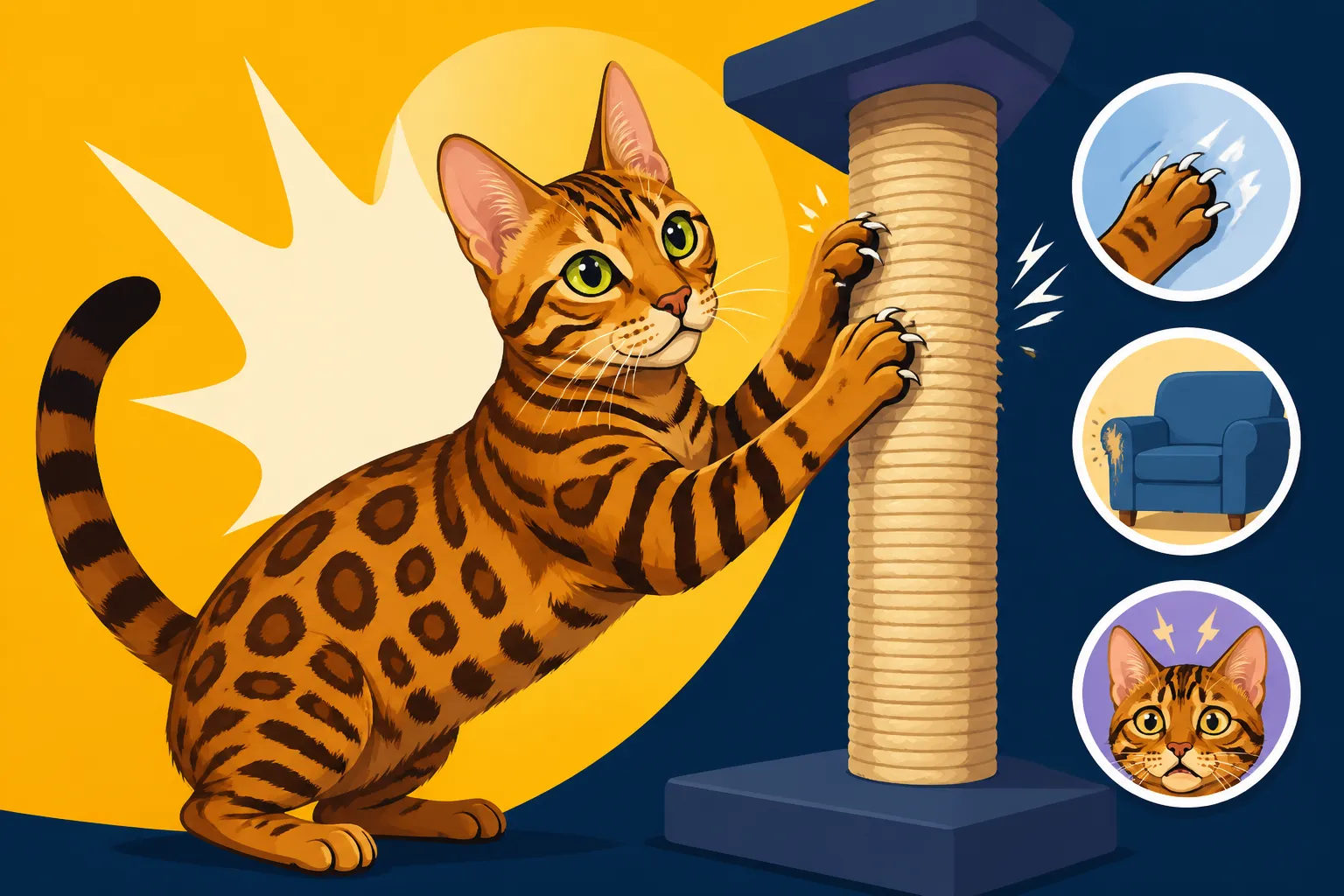
Why a Bengal Cat Scratches So Much
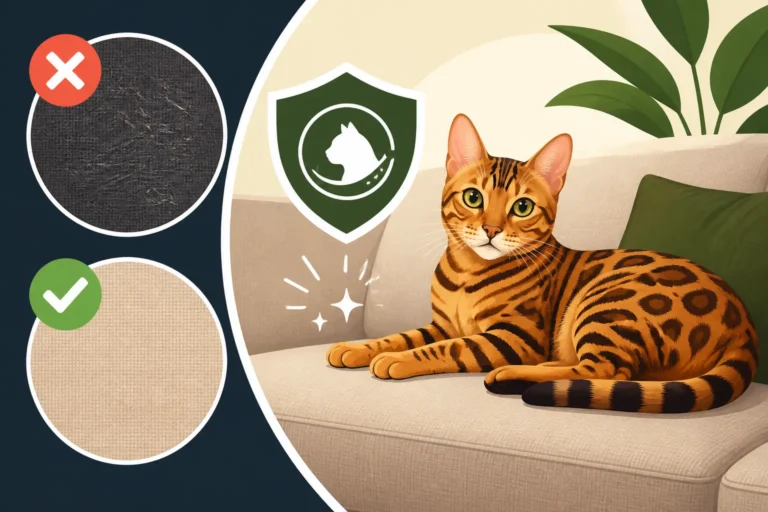
You've probably found yourself staring in dismay at a beloved armchair, its once-pristine fabric now bearing the undeniable evidence of your Bengal cat's vigorous claw-sharpening routine. It’s a common frustration for many Bengal owners – these magnificent felines seem to scratch with an intensity that can put even the most robust furniture to the test. This guide will delve into the powerful instincts behind your Bengal's scratching, explain why they seem to do it so much more than other cats, and offer practical, empathetic solutions to protect your home while keeping your energetic companion happy and healthy.
The Primal Urge to Scratch: Why Every Cat Does It
Scratching isn't just a quirky habit; it's a fundamental, deeply ingrained behavior for all cats, stemming from their wild ancestors. For Bengal cats, with their closer ties to the wild, these instincts are often amplified, making their need to scratch even more pronounced. Understanding these root causes is the first step to redirecting their energy productively.
Sharpening Claws and Marking Territory
At its core, scratching is about maintaining claw health and communicating. When your Bengal digs their claws into a surface, they're actually shedding the outer layers of their claws, revealing the sharper, healthier claw underneath. Think of it as a natural manicure system. Without proper outlets, these layers can build up, leading to discomfort or even ingrown claws. This isn't just about looking good; it's essential for their ability to climb, grip, and defend themselves, even if the "defending" in your home usually involves batting a feather wand.
Beyond nail care, scratching is a significant form of territorial marking. Cats have scent glands in their paws, and each vigorous scratch leaves behind a unique scent, essentially broadcasting "I was here!" to any other cat (or human) who might enter their space. They also leave visual marks, a clear sign of their presence. For an active, confident breed like the Bengal, marking their territory prominently is particularly important for their sense of security and ownership within your home. They're not trying to be naughty; they're simply being a cat, a very assertive one at that!
Stretching and Stress Relief
Imagine waking up and not being able to stretch out fully – that's how a cat might feel if they couldn't indulge in a good, long scratch. Scratching allows cats to stretch out their entire body, from their toes to their shoulders and back. It's an excellent full-body workout that keeps their muscles limber and joints healthy. For a breed known for its incredible agility and athleticism, like the Bengal, this daily stretch is vital.
Furthermore, scratching is a fantastic stress reliever. Whether it's boredom, excitement, or a little anxiety, the act of scratching provides an outlet for pent-up energy and emotions. A quick, satisfying scratch can help them calm down or burn off excess exuberance. If your Bengal is feeling a bit understimulated or stressed, you might notice an increase in scratching. It's their way of coping, and it's far better for them to express it this way than through more destructive behaviors that are purely stress-induced without the primal instinct behind them.
The Bengal Factor: Why Their Scratching Is Next Level
If you've owned other domestic cats, you've likely noticed that your Bengal's scratching seems… different. More frequent, more vigorous, and often, more damaging. This isn't your imagination; there are very real reasons why Bengal cats take their scratching game to a whole new level.
Wild Ancestry and Instinct
The most significant factor influencing a Bengal cat's intense scratching habits is their direct lineage from the Asian Leopard Cat (ALC). Unlike many domestic breeds that have been refined over centuries, the Bengal cat is a relatively new breed, still very close to its wild roots. Why a Bengal Cat's Coat Came From the Asian Leopard Cat explains how much of their wild appearance and behaviors trace back to this magnificent small wildcat. The ALC is an agile, powerful hunter that relies heavily on its strong claws for climbing, hunting, and navigating its environment.
When you bring a Bengal into your home, you're essentially welcoming a cat with these deeply ingrained, powerful instincts. They're not just idly scratching; they're engaging in a behavior that was crucial for their ancestors' survival. This means their need for substantial, satisfying scratching surfaces is paramount. They're not satisfied with flimsy cardboard; they want something they can really sink their claws into, something that simulates the bark of a tree or a sturdy log. If these primal needs aren't met, they will find alternatives, often to the detriment of your furniture.
High Energy and Boredom
Bengal cats are renowned for their boundless energy and intelligence. The Bengal Cat Is the Most Active Cat You Can Own is not an exaggeration. These are not your typical lounge-around-all-day housecats. They need constant mental and physical stimulation to thrive. When a Bengal cat is bored or has pent-up energy, they will find ways to entertain themselves, and scratching is often a go-to activity. A bored Bengal doesn't just sit there; they become a feline whirlwind of curiosity and mischief, and that often translates into vigorous scratching.
Consider a scenario: you've been busy all day, and your Bengal hasn't had their usual vigorous play sessions. As you settle down for the evening, your cat might decide that the leg of your favorite wooden table is the perfect outlet for their unspent energy. It's not malicious; it's simply a high-energy animal seeking release. Providing ample opportunities for play, exercise, and mental enrichment is crucial. If they are left without enough stimulation, What a Bored Bengal Cat Destroys can quickly become a very real and expensive problem in your home.
Stronger Claws, More Damage
Another undeniable truth about Bengal cats is their physical prowess. They are muscular, athletic, and possess incredibly strong claws. How Fast a Bengal Cat's Claws Grow Back is often surprising to new owners; they grow quickly and are naturally very sharp. This combination of powerful limbs and sharp, rapidly growing claws means that when a Bengal scratches, they can inflict significantly more damage than many other domestic breeds.
A casual scratch from a smaller, less robust cat might leave a minor mark, but a determined Bengal can shred upholstery, dig deep grooves into wood, and make short work of carpet fibers. Their claws are designed for serious business, and they use them with gusto. This isn't just about the frequency of scratching but the impact of each session. This physical reality means that investing in truly durable and effective scratching solutions is not a luxury, but a necessity, if you want to preserve your home.
Safeguarding Your Home: Providing Appropriate Outlets
Now that we understand why your Bengal is scratching with such fervor, the next step is to channel that energy and instinct into appropriate outlets. This isn't about stopping them from scratching altogether, which is impossible and unhealthy; it's about giving them irresistible alternatives to your furniture.
The Right Scratching Posts and Surfaces
Choosing the right scratching post for a Bengal is paramount, and it's not a one-size-fits-all solution. These cats need sturdy, tall posts that can withstand their powerful stretches and vigorous attacks. How Tall a Scratching Post a Bengal Cat Needs is often much taller than you'd imagine – tall enough for them to stretch out fully, extending their body vertically. Look for posts wrapped in sisal rope or sisal fabric, as these materials offer the satisfying resistance and texture that Bengals crave. Avoid flimsy carpet-covered posts; your Bengal will likely shred them in days and then move on to your sofa.
Variety is also key. While vertical posts are excellent for stretching, some Bengals also enjoy horizontal scratching surfaces. Flat cardboard scratchers or sisal mats placed on the floor can be highly appealing. Experiment to see what your individual Bengal prefers. You might find a combination of a tall, stable sisal post and a flat cardboard scratcher works best. Many pet supply stores, like Chewy, offer a wide array of options, from simple posts to elaborate cat trees with integrated scratchers. Don't be afraid to invest in quality; a durable scratcher will save you money (and furniture) in the long run.
Strategic Placement and Abundance
One scratching post is simply not enough for a Bengal cat. Given their territorial nature and high activity levels, you need multiple scratching options placed strategically throughout your home. Think about where your Bengal likes to hang out, where they stretch after waking up, and where they typically scratch your furniture. These are prime locations for a new, appropriate scratcher.
For example, place a tall sisal post near their favorite sleeping spot, or right next to the armchair they've been eyeing. If they tend to scratch near entryways, put a post there. The goal is to make the designated scratching areas more appealing and more readily available than your prohibited items. How Many Scratching Posts a Bengal Cat Household Needs often surprises people, but for an active Bengal, it could mean having a few different types in various rooms to satisfy all their urges. Don't hide the scratchers away; make them prominent and accessible.
Diversion and Enrichment
Beyond just providing scratchers, a crucial part of managing a Bengal's scratching is ensuring they are adequately stimulated and entertained. A tired Bengal is often a less destructive Bengal. Daily interactive play sessions with wand toys, laser pointers (used carefully and always ending with a tangible reward), and chase games can burn off a significant amount of energy. How Much Enrichment a Bengal Cat Actually Needs is far more than most people expect – these cats thrive on challenges and activity.
Puzzle feeders can engage their minds and make them "work" for their food, reducing boredom. Cat wheels are another fantastic investment for Bengals, allowing them to run off steam safely indoors. Ensure your home also offers plenty of vertical space, such as cat trees, shelves, or catio access, which allow them to climb, explore, and survey their domain from above. A catio, in particular, can be a game-changer for providing safe outdoor stimulation. By keeping your Bengal physically and mentally engaged, you reduce their overall stress and boredom, which in turn reduces the likelihood of them seeking out your furniture as an outlet.
Training and Discouragement: Gentle Guidance for Your Fierce Friend
While providing appealing alternatives is key, sometimes a little gentle guidance and discouragement are needed to steer your Bengal away from forbidden scratching zones. This isn't about punishment, which can damage your bond and cause stress; it's about consistent redirection and positive reinforcement.
Positive Reinforcement
The best way to encourage good scratching habits is through positive reinforcement. Whenever you see your Bengal using a designated scratching post or mat, offer immediate praise, a favorite treat, or a short play session with a favorite toy. This helps them associate the act of scratching the right surface with positive outcomes. Over time, they'll learn that using their scratchers is a rewarding experience.
You can also make the preferred scratchers more enticing by sprinkling a little catnip on them or hanging a favorite toy nearby. If your Bengal is still a kitten, start early! Introducing multiple types of scratchers and rewarding their use from a young age can establish excellent habits that last a lifetime. What a Bengal Cat Kitten Needs to Build Muscle also highlights the importance of appropriate physical outlets for their development. The key is to be consistent and patient; it takes time for cats to learn new habits, especially when overriding strong instincts.
Deterrents and Nail Maintenance
For areas you absolutely want off-limits, gentle deterrents can be effective. Sticky tape designed for furniture (cats dislike the feel), or citrus-scented sprays (many cats dislike the smell) can make a sofa or chair less appealing. Always test any spray on an inconspicuous area first to ensure it doesn't stain your fabric. Another common trick is to place a designated scratcher directly in front of the forbidden item, offering an immediate and acceptable alternative.
Regular nail trims are also incredibly helpful, not just for reducing damage but for your cat's overall health. Shorter, blunter claws are less likely to snag and tear at surfaces. Whether a Bengal Cat Sits for a Nail Trim depends heavily on early socialization and patience. Start young, make it a positive experience with treats, and do just a few claws at a time if needed. Your vet or a professional groomer can also demonstrate the proper technique. Nail caps, which are plastic covers glued onto the claws, are another option that can protect furniture, though some cats tolerate them better than others.
Understanding the Underlying Cause
Sometimes, increased or destructive scratching isn't just about instinct or boredom; it can be a sign of an underlying issue. A sudden increase in scratching, especially in unusual places, could indicate stress, anxiety, or even a medical problem. Changes in household dynamics, new pets, moving, or even just feeling unwell can trigger stress. If your Bengal is suddenly scratching more aggressively or in places they never did before, it's worth considering if something in their environment has changed or if a trip to the vet is in order to rule out any physical discomfort.
It's also important to remember that Bengal cats are incredibly sensitive to their environment and human interaction. Pay attention to their body language and daily routine. Are they getting enough one-on-one attention? Are their litter boxes clean and accessible? Small changes can sometimes have a big impact on their behavior. A happy, well-adjusted Bengal who feels secure in their territory and has ample appropriate outlets is much less likely to engage in destructive scratching.
| Scratching Post Type | Description | Bengal Suitability | Pros | Cons |
|---|---|---|---|---|
| Vertical Post | Tall, upright post, often sisal-wrapped. | Excellent. Ideal for full-body stretching and mimicking tree climbing. Must be tall and heavy enough for stability. | Allows full vertical stretch, satisfies climbing instinct, good for marking. | Flimsy ones will be ignored or destroyed. Needs to be very stable and durable. |
| Horizontal Mat | Flat mat, often sisal or cardboard, laid on the floor. | Good. Some Bengals prefer horizontal scratching, especially for hind claws. | Great for ground-level stretching, versatile placement, often affordable. | May not satisfy the full vertical stretch need; some Bengals prefer vertical. |
| Incline Scratcher | A wedge-shaped scratcher, usually cardboard. | Good. Offers a different angle for scratching; can double as a lounge spot. | Provides varied scratching angle, can be comfortable for resting. | Less stable than a tall post, may be too small for larger Bengals to fully stretch. |
| Cat Tree/Condo | Multi-level structure with integrated scratchers. | Excellent. Combines vertical scratching with climbing, perching, and play. High activity Bengals love these. | Offers multiple functions (scratch, climb, perch, play), satisfies vertical needs. | Can be expensive and take up a lot of space. Quality varies widely. |
Disclaimer
This article is for general informational purposes only and does not constitute professional advice. Laws, prices and regulations vary by location and change over time. Consult a qualified professional for guidance on your specific situation.