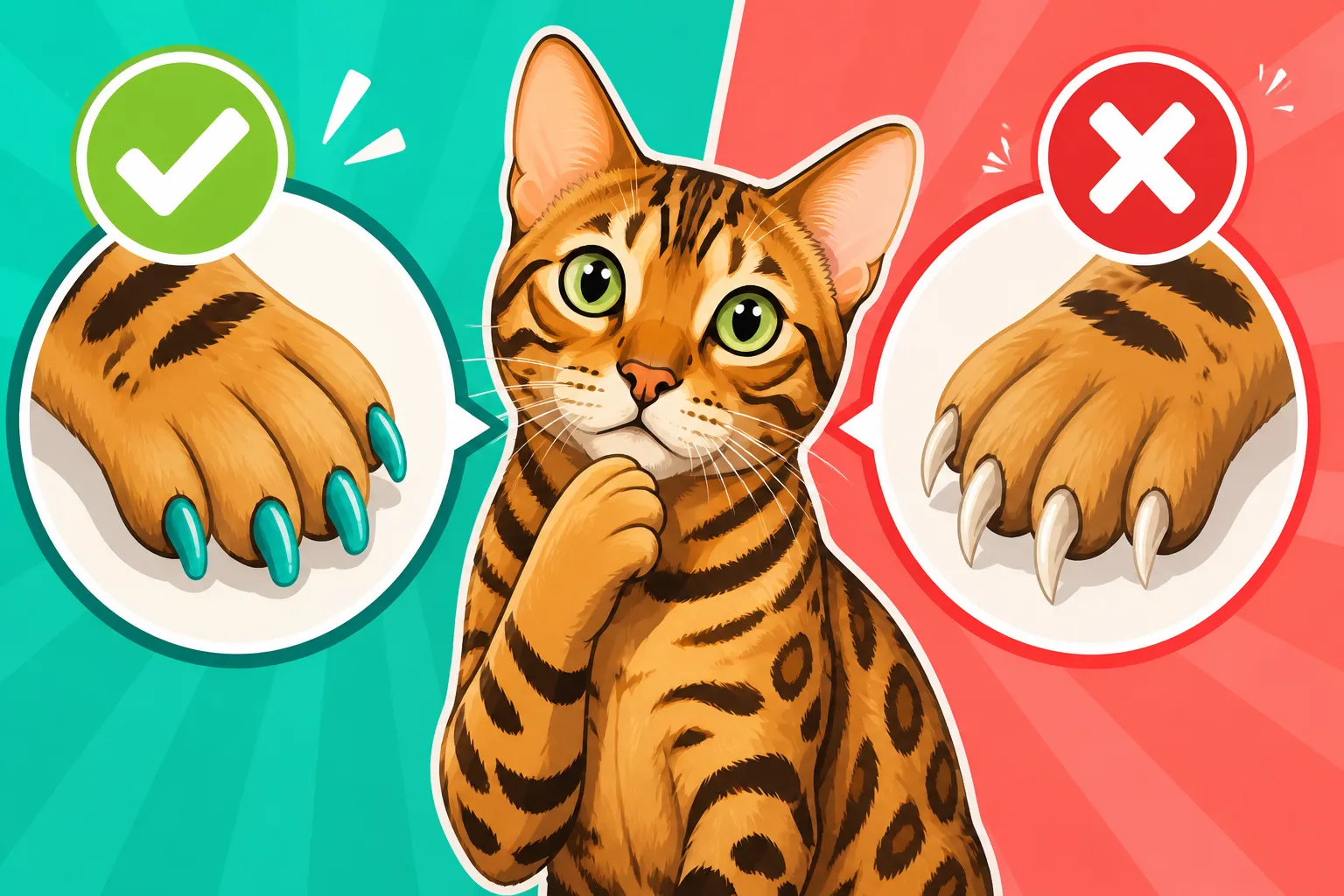
Whether Nail Caps Work on a Bengal Cat
The constant battle against your Bengal cat's razor-sharp claws is a common frustration for many owners. You adore their wild beauty and boundless energy, but your furniture, your skin, and even your other pets might be showing the signs of their enthusiastic scratching. When you’re at your wit’s end, the idea of nail caps can seem like a beacon of hope – a simple solution to a thorny problem. But do these little vinyl covers truly hold up to the challenge of a Bengal cat's dynamic nature? Let’s dive into whether nail caps are a viable option for your spirited companion.
What Exactly Are Cat Nail Caps? Understanding the Concept
Before we talk about whether they "work" on a Bengal, it's important to understand what cat nail caps actually are. Essentially, they are tiny, lightweight caps made from a soft vinyl or silicone material that are glued onto each of your cat's claws. Think of them as tiny, blunt covers that effectively sheath the sharp tip of the nail, preventing it from doing damage when your cat scratches.
These caps aren't meant to be permanent. They're designed to stay on for about 4-6 weeks, after which they typically fall off as your cat's natural nail grows and sheds its outer layer. You apply them using a non-toxic, pet-safe adhesive that usually comes with the kit. The idea is simple: if the sharp point of the claw can't make contact, then scratching becomes harmless to surfaces, and playful swatting becomes much less painful for human skin. Many owners initially view them as a humane alternative to declawing, which is a surgical procedure that carries significant ethical and welfare concerns.
The application process involves trimming the cat's nails first, then applying a small amount of adhesive into the cap, and finally slipping it over the claw. It sounds straightforward enough, but as any Bengal owner knows, "straightforward" often goes out the window when dealing with these intelligent and often opinionated felines! Companies like those found on Amazon and Chewy offer various sizes and colors, making them readily accessible for those looking to try them out.
The Promise vs. The Reality: Do Nail Caps Truly Work for Your Bengal?
So, you're picturing your sofa safe, your arms scratch-free, and your Bengal happily going about their business with their new blunt claws. That's the promise. But the reality for a Bengal cat owner can be a little more complex. Bengals are not your average housecats; they're known for their incredible athleticism, high intelligence, and sometimes, a strong aversion to anything that restricts them.
The Allure of Nail Caps: Why Owners Consider Them
The primary appeal of nail caps is undeniably the protection they offer. For homes with expensive furniture, delicate fabrics, or small children and other pets, the thought of preventing destructive scratching is incredibly tempting. Nail caps provide a physical barrier, meaning your Bengal can still go through the motions of scratching – stretching, marking, and exercising those important paw muscles – without causing damage. It also means you don't have to worry about accidental scratches during playtime, which can be a real relief, especially if your Bengal gets a little too enthusiastic. They're also often seen as a temporary solution, unlike permanent procedures. For individuals or families who absolutely cannot have their cat cause damage, but love the breed, nail caps offer a way to coexist peacefully.
The Bengal Factor: Where the Reality Bites
However, the question of whether they "work" for a Bengal is highly dependent on the individual cat and your patience as an owner. Bengals are typically more active and more prone to chewing and grooming than many other breeds. This can lead to a few significant challenges:
- Tolerance for Application: Many Bengals absolutely detest being restrained, even for short periods. Trying to apply 20 individual caps to a squirming, vocal, and incredibly strong cat can be a Herculean task. What might take minutes for a docile housecat could become an hour-long wrestling match, ending in frustration for both you and your cat.
- Chewing and Removal: Bengals are smart. If something feels "off" on their paws, they are very likely to notice it and try to remove it. Many will chew, lick, and pull at the caps until they come off. This not only wastes time and money but can also lead to ingestion of the caps or irritation if they chew too aggressively.
- Interference with Natural Behavior: While caps allow the motion of scratching, they do change the feel. Bengals use their claws for much more than just scratching your sofa; they use them for grip when climbing How High a Bengal Cat Can Jump, for digging in the litter box Why a Bengal Cat Digs to the Bottom of the Box, and for general exploration. Caps can make climbing less effective and even dangerous if they slip. Some cats become visibly frustrated or uncomfortable, altering their gait or refusing to climb.
- Potential for Complications: If applied incorrectly, nail caps can cause problems. If the glue is applied too heavily, it can get onto the paw pad or into the quick of the nail, causing pain, irritation, or even infection. If a cap is too tight, it can restrict blood flow or cause pressure. You need to be vigilant for signs of discomfort, limping, excessive licking, or swelling.
For some Bengals, especially those introduced to caps at a young age and with a very patient owner, they might be an acceptable solution. But for many, the stress of application and the cat's determination to remove them make them more trouble than they're worth.
Navigating Application and Potential Pitfalls with a Wildcat Spirit
If you've weighed the pros and cons and decided to give nail caps a try, especially with a high-energy Bengal, preparation and patience are your best friends. This isn't a quick fix, and your Bengal will definitely have opinions about it.
The (Hopeful) Application Process
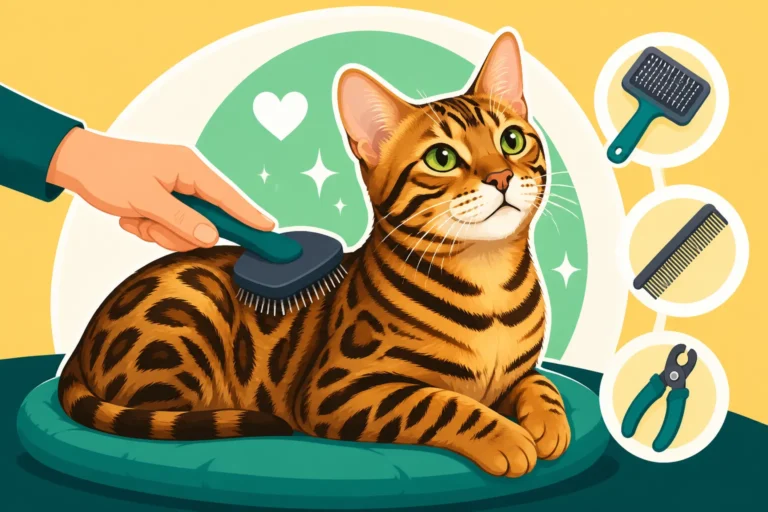
First, gather all your supplies: the nail caps, the adhesive, a good pair of cat nail clippers Which Clippers Suit a Bengal Cat, and plenty of high-value treats. Find a calm, quiet space where you won't be interrupted.
- Trim the Nails: This is a crucial first step. Your Bengal's claws grow quickly, so trim them carefully, avoiding the quick. Shorter nails provide a better surface for the cap to adhere to and reduce the chance of the cap hitting the ground when your cat walks, which can cause discomfort.
- Prepare the Caps: Have the caps ready and organized by size.
- Apply Adhesive: Squeeze a small amount of adhesive into the cap – just enough to coat the inside without overflowing. Too much glue is a common mistake that leads to discomfort and potential sticking to fur or paw pads.
- Attach the Cap: Gently but firmly extend your Bengal's claw. Slide the cap over the nail until it sits snugly at the base. Hold it for about 5-10 seconds to allow the glue to set.
- Repeat (if you can): Realistically, you might only get a few claws done at a time, especially with a spirited Bengal. Break the process into multiple sessions if needed. Reward heavily after each successful cap with treats, praise, and gentle petting.
It's absolutely vital to ensure the caps aren't too tight and that no glue gets on the skin or fur. If your Bengal struggles excessively, you might need an extra pair of hands or even consider asking your vet or a professional groomer for assistance with the initial application. They often have techniques and experience that can make the process smoother, especially for a less-than-cooperative feline.
What to Watch For: Signs of Trouble
After application, monitor your Bengal closely for the first few hours and days.
- Excessive Licking or Chewing: If your cat is obsessively licking, chewing, or trying to pull the caps off, it's a sign they're uncomfortable. This could be due to poor application, irritation, or simply their intolerance to the foreign object on their claws.
- Limping or Altered Gait: Observe how they walk. If they're limping, favoring a paw, or walking strangely, a cap might be too tight, causing pain, or simply interfering with their natural movement.
- Swelling or Redness: Check their paws regularly for any signs of swelling, redness, or discharge around the base of the nail. This could indicate an infection.
- Changes in Behavior: Are they less active? Refusing to climb? Hiding? These can all be signs of discomfort or stress.
If you notice any of these signs, it's best to try to remove the offending cap (you can often gently pry them off or soak the paw in warm water to loosen the glue) and consult your vet. While some brands are sold on Chewy and Amazon, remember that proper use is key to avoiding issues. Ultimately, if your Bengal is highly distressed or you're seeing repeated problems, nail caps may not be the right choice for them.
A Holistic Approach: Effective Alternatives to Protect Your Home and Your Bengal
For many Bengal owners, nail caps prove to be an uphill battle. The good news is that there are many other highly effective strategies to manage scratching behavior that are often less stressful for both you and your feline friend. The key is understanding why Bengals scratch and providing appropriate outlets.
High-Quality Scratching Surfaces
Bengals need to scratch, it's an instinctual and essential behavior for them. They scratch to stretch their muscles, mark their territory visually and with scent glands in their paws, and to keep their claws in good condition. Simply put, they must scratch, so you need to give them irresistible options.
- Variety is Key: Don't just get one scratching post. Bengals often prefer different textures and orientations. Offer tall, sturdy vertical posts, horizontal scratchers, and even ramp-style scratchers.
- Material Matters: Many Bengals love sisal rope, corrugated cardboard, and even untreated wood. Experiment to see what your cat prefers. A sisal-wrapped post taller than your Bengal can stand on their hind legs is a must. You can find excellent, durable scratching posts on Amazon that can stand up to a Bengal's vigor.
- Placement is Everything: Put scratchers where your Bengal already likes to scratch (near furniture they target) and in prominent areas. Cats use scratching as a form of communication and marking, so don't hide their scratchers in a back room.
- Reinforce Positive Behavior: Reward your Bengal with treats and praise when they use their scratchers. Make the scratcher more appealing by rubbing catnip on it or hanging toys from it.
Investing in robust, appropriate scratching furniture will go a long way. You might want to read Which Scratching Post a Bengal Cat Needs and How Tall a Scratching Post a Bengal Cat Needs for more specific guidance.
Regular Nail Trimming
This might seem obvious, but consistent nail trimming is one of the most effective ways to minimize damage. Keeping your Bengal's claws trimmed short means there's less sharp material to cause damage. While it can be a challenge, many Bengals can be conditioned to tolerate nail trims with patience, positive reinforcement, and starting young. Make it a routine, offering treats and praise after each successful trim. If your Bengal is particularly resistant, enlist the help of a vet tech or groomer. For more tips, check out Whether a Bengal Cat Sits for a Nail Trim.
Environmental Enrichment and Play
A bored Bengal is often a destructive Bengal. Their high energy and intelligence mean they need a lot of mental and physical stimulation. When they're not adequately stimulated, they might turn to scratching (or other undesirable behaviors) as an outlet for their pent-up energy.
- Vertical Space: Provide plenty of climbing opportunities, such as tall cat trees, wall-mounted shelves, and catio access. This satisfies their natural urge to climb and survey their territory from high vantage points. See How Much Vertical Space a Bengal Cat Needs for ideas.
- Interactive Play: Engage in daily, vigorous play sessions with wand toys that mimic prey. This helps burn off energy and satisfy their hunting instincts. Rotate toys to keep things interesting.
- Puzzle Feeders: Challenge their minds with puzzle feeders that require them to "hunt" for their food. This mental engagement can significantly reduce boredom.
- Catios: A secure outdoor enclosure (catio) can provide safe outdoor stimulation, allowing them to climb, explore, and observe nature without risking escape or harm. This often helps with Why a Bengal Cat Needs a Catio.
By providing a rich, stimulating environment, you can redirect your Bengal's wild instincts toward positive, acceptable behaviors. It’s all about meeting their needs proactively, rather than reacting to unwanted behaviors. A Bengal on a high-quality diet will also likely have the energy and robust health to engage in all the healthy, stimulating play they need.
Behavioral Training and Redirection
Finally, don't underestimate the power of positive reinforcement training. When you see your Bengal scratching something inappropriate, don't yell or punish them. Instead, gently redirect them to an approved scratching post. As soon as they use it, lavish them with praise and a tasty treat. Consistency is key. You can also use deterrents on forbidden surfaces, like double-sided sticky tape or motion-activated air sprayers, to make those spots less appealing.
Ultimately, while nail caps offer a seemingly easy solution, they often present more challenges than they solve for a unique and demanding breed like the Bengal. A comprehensive approach that focuses on understanding and fulfilling their innate needs, combined with appropriate tools and training, will almost always lead to a happier cat and a more harmonious home.
Disclaimer
This article is for general informational purposes only and does not constitute professional advice. Laws, prices and regulations vary by location and change over time. Consult a qualified professional for guidance on your specific situation.