Why a Bengal Cat Kitten Should Meet a Toothbrush Early
One of the most insidious problems pet parents face is realizing their beloved feline friend is in pain, especially when it comes to dental issues that cats are so adept at hiding. For your spirited Bengal cat kitten, establishing good oral hygiene early is not just a nice idea; it's a critical step in setting them up for a lifetime of comfort and good health, saving you and your vet a lot of heartache down the road. This guide will walk you through why an early introduction to toothbrushing is paramount for your Bengal kitten and how to make it a positive experience.
The Hidden Threat of Feline Dental Disease
It’s easy to overlook what’s happening inside our cats’ mouths. They’re masters of disguise when it comes to discomfort, and dental pain is no exception. By the time many owners notice a problem, the issue is often quite advanced, requiring extensive veterinary intervention.
Why Dental Health Is Overlooked in Cats
Cats, including our Bengals, are incredibly stoic creatures. In the wild, showing weakness or pain is an open invitation for predators. This deeply ingrained survival instinct means they often suffer in silence, even when dealing with significant dental pain. You might only notice subtle changes: a slight hesitation before crunching kibble, a less enthusiastic approach to their favorite chewy toy, or perhaps just a very subtle change in their breath that you might dismiss as typical "cat breath."
The insidious nature of dental disease begins simply: with plaque. Just like in humans, bacteria in a cat's mouth mix with saliva and food particles to form a sticky film. If this plaque isn't removed, it hardens into tartar. Tartar is rough and irritating to the gums, leading to inflammation known as gingivitis. Left untreated, gingivitis can progress to periodontal disease, where the supporting structures of the teeth – the gums, bone, and ligaments – become infected and destroyed. This leads to pain, tooth loss, and in severe cases, the bacteria can enter the bloodstream and affect vital organs like the heart, kidneys, and liver. It's a silent threat that can significantly impact The Twelve to Sixteen Years a Bengal Cat Gets.
The Unique Challenges of a Bengal Cat's Mouth
While Bengal cats aren't necessarily predisposed to more dental problems than other breeds, their inherent traits present unique challenges when it comes to managing their oral health. Bengals are known for their high energy, intense curiosity, and sometimes a certain level of independence. Getting an adult Bengal, who has never had their mouth handled, to accept daily toothbrushing or even a routine dental exam can be a monumental task. They are powerful, intelligent, and often vocal when they're unhappy, making forced procedures incredibly stressful for both cat and owner.
Moreover, given their potential for a long and active life, good dental hygiene from kittenhood becomes even more critical. Imagine a vibrant Bengal who lives to be Caring for a Bengal Cat Past Ten years old, but who has suffered from untreated dental pain for half their life. The cumulative effect of chronic infection and pain can reduce their quality of life, affect their appetite, and make them generally miserable, despite their outward appearance of toughness. Ensuring their comfort and health means being proactive, not reactive, when it comes to their pearly whites.
The Power of Early Introduction: Why Kittens Are Key
The window of opportunity for introducing new experiences and training is wide open during kittenhood. This early period is crucial for setting lifelong habits, including acceptance of handling and oral care.
Building Positive Associations from the Start
Think of it like teaching a child to enjoy brushing their teeth – you start young, make it fun, and offer rewards. The same principle applies to your Bengal kitten. Their natural curiosity and adaptability as youngsters make them much more receptive to new sensations and routines than an adult cat who might already have formed strong opinions (and objections!) about having their mouth touched.
When you introduce toothbrushing early, you're not just cleaning teeth; you're building a positive association. Each session should be brief, gentle, and always end on a good note. This means plenty of praise, a favorite treat, or even a short play session immediately afterward. If their first experiences are positive, they'll be less likely to resist in the future. We want them to think, "Oh, it's toothbrush time! That means yummy toothpaste and then a cuddle!" not "Oh no, they're coming for my mouth again – time to run!" This early conditioning can make a world of difference in their overall willingness to cooperate with necessary care throughout their life, contributing to whether they are considered Whether the Bengal Cat Is a Healthy Breed.
Acclimating to Touch and Handling
Beyond just the brush itself, early introduction to oral care helps your Bengal kitten become comfortable with having their face, lips, and mouth handled. This is invaluable not only for home care but also for veterinary visits. A cat that tolerates having its mouth opened and examined will have far less stressful check-ups. Vets can more easily perform routine oral assessments, spot potential problems earlier, and even administer medications if needed, without it turning into a wrestling match.
Start by simply touching their face gently, gradually moving to their lips, and then carefully lifting a lip to expose their tiny kitten teeth. Always be slow, gentle, and follow with praise and a treat. Once they accept this, you can move to gently rubbing their gums with your finger or a piece of gauze wrapped around your finger. The goal is to gradually desensitize them to the sensation of something in their mouth. This phased approach, consistently applied, builds trust and familiarity, preparing them for the actual toothbrush.
Practical Steps for Brushing Your Bengal Kitten's Teeth
Alright, so we know why it's important. Now, let's get down to the how. It might seem daunting at first, but with patience and the right approach, you can turn toothbrushing into a manageable, even enjoyable, part of your routine.
Gathering Your Arsenal: Tools for Tiny Teeth
Before you even think about putting a brush in their mouth, make sure you have the right tools. Using human toothpaste is a big no-no; it contains fluoride and other ingredients that are toxic if swallowed by cats. You'll need cat-specific toothpaste, which comes in appealing flavors like chicken or fish, and is safe for them to ingest. Many brands are enzymatic, meaning they help break down plaque even with minimal brushing action.
For brushes, you have a few options:
- Finger Brushes: These slip over your finger and have soft bristles. They offer a good transition from just using your finger, giving you direct control and feel. They’re often quite small, perfect for a kitten's mouth.
- Small Cat Toothbrushes: These look like miniature human toothbrushes with soft bristles designed for a cat's mouth. Some are angled to reach different areas.
- Gauze Pads: As an initial step, a small piece of gauze wrapped around your finger can work to gently clean and acclimate your kitten to the sensation.
You can find a wide variety of these dental care products, including different flavors of toothpaste and various brush styles, at pet supply retailers like Chewy or Amazon. Look for products specifically labeled for feline use.
| Tool Type | Description | Best For |
|---|---|---|
| Cat Toothpaste | Enzymatic, flavored, safe for ingestion (e.g., chicken, tuna). | Essential for cleaning and making the experience palatable. |
| Finger Brush | Slips over your finger, soft bristles. | Initial training, maximum control, gentle introduction. |
| Small Cat Toothbrush | Mini toothbrush with soft, angled bristles. | Once kitten is accustomed to finger brush, more effective cleaning. |
| Gauze Pad | Small piece of sterile gauze wrapped around a finger. | Very first steps, gentle gum massage and initial cleaning. |
| Rewards | Favorite treats, praise, play. | Critical for positive reinforcement after each session. |
The Step-by-Step Kitten Brushing Routine
Now that you have your tools, let’s establish a gentle routine. Remember, consistency and patience are your best friends here.
- Choose Your Time Wisely: Pick a time when your kitten is calm and relaxed, perhaps after a nap or a play session that has tired them out slightly. Avoid times when they're super energetic or feeling grumpy.
- Start with Handling: Begin by gently petting their head and face. Gradually move your fingers around their mouth. Lift their lip for just a second or two. Praise them and give a tiny treat. Repeat this several times a day for a few days until they're completely relaxed with it.
- Introduce the Paste: Let your kitten lick a tiny bit of the cat toothpaste off your finger or the brush. Most cats find the flavors appealing, and this helps create a positive association with the paste itself. Do this for a few days.
- Finger or Gauze First: Once they like the paste, put a tiny dab on your finger or a gauze pad. Gently rub it along their gumline, focusing on the outside surfaces of their upper teeth first. These are often the easiest to reach and tend to accumulate the most plaque. Aim for just 5-10 seconds. Praise and reward immediately.
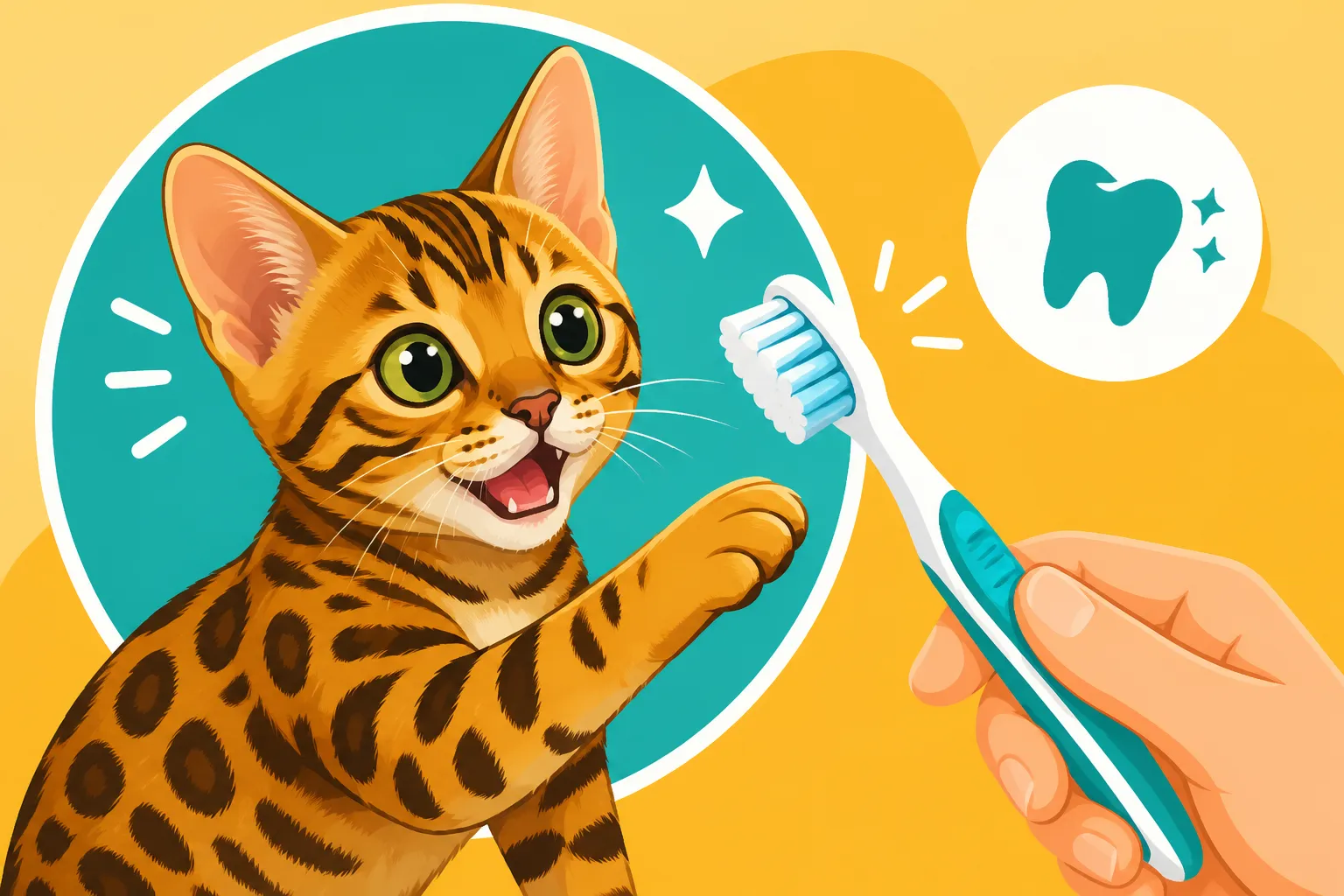
- Transition to the Brush: When they're comfortable with your finger, introduce the finger brush or a small cat toothbrush with a pea-sized amount of paste. Again, focus on the outside surfaces of the teeth, using gentle circular motions. Don't worry about getting the inside surfaces; the tongue generally keeps those cleaner.
- Keep it Short and Sweet: Initially, your brushing sessions should be very short – just 10-20 seconds. As your kitten becomes more accustomed, you can gradually increase the duration to a minute or two, eventually aiming for brushing all teeth.
- Always End Positive: The moment you finish, even if it was just a few seconds, offer that high-value treat, a loving pet, or a quick game. This reinforces the positive experience. Never scold or force them; if they resist strongly, stop and try again later or the next day. A little progress daily is better than one traumatic session.
Making it a Habit: Consistency is Key
The key to long-term success is consistency. Ideally, you want to brush your Bengal kitten's teeth daily. If daily is too much, aim for at least three times a week. Even occasional brushing is better than none at all, but daily is truly the gold standard for preventing plaque and tartar buildup.
Integrate it into your daily routine. Perhaps it's right before their evening meal, or just after their morning cuddle session. The more predictable the routine, the easier it becomes for your Bengal to accept it. Remember, these are intelligent cats. They pick up on routines quickly. If you always do it at the same time, in the same quiet spot, they'll learn what to expect. This consistent effort in kittenhood will pay dividends in their overall How Long a Bengal Cat Lives on Average and comfort.
Beyond Brushing: Other Dental Health Considerations for Bengals
While toothbrushing is the cornerstone of at-home dental care, it's part of a larger picture that contributes to your Bengal's overall oral health.
Diet's Role in Oral Health
The food your Bengal eats can have some impact on their dental health, though it's rarely a substitute for regular brushing. Some specialized dental diets are formulated with larger kibble pieces or specific textures designed to mechanically scrape plaque off teeth as the cat chews. These can be helpful as an adjunct to brushing, especially for cats who are particularly resistant to having their teeth cleaned. However, they don't reach all tooth surfaces, and many cats tend to swallow kibble whole rather than truly chewing it.
There's also ongoing discussion about whether raw diets contribute to better dental health. Proponents suggest that chewing raw meaty bones can help scrape teeth clean naturally, mirroring what their wild ancestors might do. However, feeding raw bones carries risks, such as choking, broken teeth, or bacterial contamination. If you're considering a raw diet for your Bengal, particularly if you're interested in Whether a Raw Diet Suits a Bengal Cat's Gut, it's crucial to research thoroughly and consult with your veterinarian to ensure it's balanced and safe. For overall health, a high-quality diet, whether wet or dry, is foundational for a muscular breed like a Bengal, helping them maintain What a Healthy Bengal Cat Weighs and providing What a Bengal Cat Kitten Needs to Build Muscle.
Regular Vet Check-ups and Professional Cleanings
Even with diligent at-home brushing, professional veterinary dental check-ups are essential. Your veterinarian can assess your Bengal's overall oral health during their annual wellness exams. They can spot issues you might miss, such as receding gums, broken teeth, or signs of infection beneath the gumline. These regular check-ups also usually involve a discussion about What a Bengal Cat's Yearly Bloodwork Should Cover to ensure all systems are go.
Sometimes, despite your best efforts, tartar builds up, or a more serious dental problem arises that requires a professional dental cleaning. These cleanings are performed under general anesthesia, allowing the vet to thoroughly examine every tooth, take dental X-rays to assess the health of the tooth roots and jawbone, and perform a deep cleaning and polishing, scaling away all tartar above and below the gumline. They can also address extractions or other procedures needed. Your vet can advise you on How Often a Bengal Cat Needs a Dental based on their individual needs and your home care routine. While anesthesia always carries a slight risk, the benefits of addressing painful dental disease often far outweigh those risks.
Recognizing Signs of Dental Trouble
Even if you're a brushing superstar, it's vital to know the signs that your Bengal might be experiencing dental problems. Being observant is key, especially since cats try to hide their pain. If you notice any of these symptoms, it's time for a veterinary visit:
- Bad Breath (Halitosis): While "cat breath" isn't usually minty fresh, unusually foul breath is a strong indicator of bacterial overgrowth and dental disease.
- Difficulty Eating: This can manifest as dropping food, chewing on only one side of the mouth, avoiding hard kibble, or showing a reluctance to eat altogether.
- Pawing at the Mouth or Face: Your Bengal might be trying to relieve discomfort.
- Excessive Drooling: More drool than usual, especially if it's thick or tinged with blood.
- Swelling Around the Face or Jaw: This could indicate an abscess or severe infection.
- Bleeding from the Mouth: Any blood, especially after eating or playing, is a red flag.
- Changes in Behavior: Increased irritability, lethargy, or hiding can all be signs of pain.
- Visible Tartar or Red, Swollen Gums: While you might only see this if you're comfortable examining their mouth, it's a clear sign of disease.
If you suspect your Bengal has any of these issues, don't delay. Prompt veterinary attention can prevent further pain and more complex treatments. For a deeper dive into what to look for, you might want to read Signs a Bengal Cat Has Dental Disease.
By combining early, consistent toothbrushing with regular veterinary check-ups and a keen eye for any signs of trouble, you can help ensure your magnificent Bengal cat enjoys a lifetime of healthy, happy chompers and a vibrant, comfortable existence. It’s a commitment, but one that truly pays off in the long run for your feline companion.
Disclaimer
This article is for general informational purposes only and does not constitute professional advice. Laws, prices and regulations vary by location and change over time. Consult a qualified professional for guidance on your specific situation.