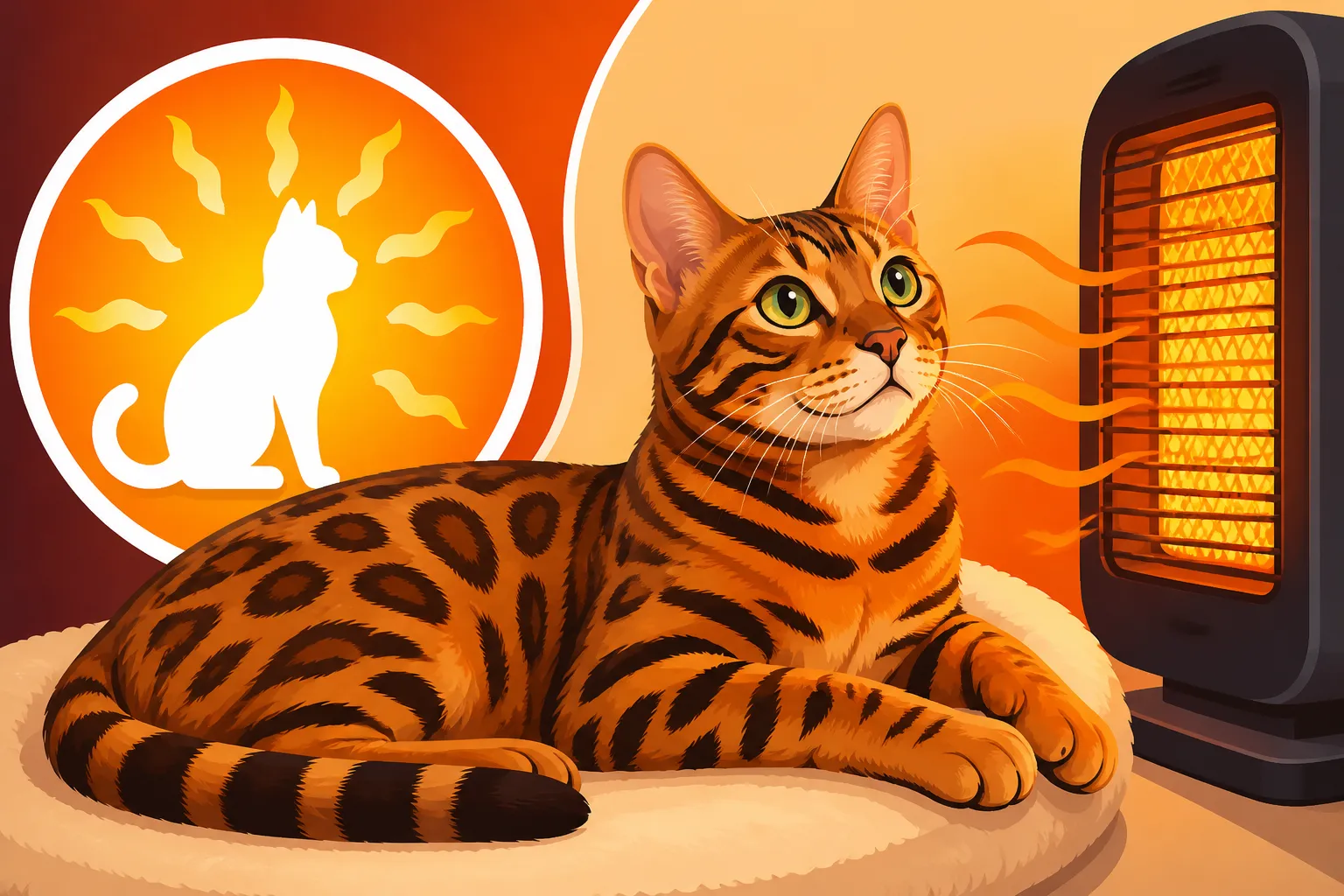
Why a Bengal Cat Seeks Heat More Than Most Cats
If you’re a Bengal cat owner, you've probably noticed it: that uncanny ability your furry friend has to sniff out the warmest spot in any room, whether it's a sunbeam on the rug, a freshly vacated laundry basket, or right on top of your laptop. It’s not just a cute quirk; your Bengal’s persistent quest for warmth is deeply rooted in their unique biology and ancestry. This guide will dive deep into why your Bengal is such a heat-seeker and how you can ensure they're always cozy and comfortable.
The Wild Roots of Your Bengal's Love for Warmth
It might seem odd that a domestic cat could be so particular about temperature, but remember, your Bengal isn't just any housecat. They carry the majestic heritage of the Asian Leopard Cat (ALC) in their genes, and this wild ancestry plays a huge role in their preferences, especially when it comes to staying warm.
Tracing Back to the Asian Leopard Cat's Climate
The Asian Leopard Cat, the founding ancestor of the Bengal breed, hails from the warmer, often tropical and subtropical regions of Asia. Think lush forests, warm plains, and climates where "sweater weather" isn't exactly a common concern. These environments mean that the ALC, over millennia, didn't evolve the need for a super-dense, thick coat to withstand harsh winters. Their natural habitat simply didn't demand it.
When you look at domestic cat breeds that originated in colder climates, like the Maine Coon or the Norwegian Forest Cat, you see a clear difference. Those breeds developed thick, multi-layered coats with insulating undercoats to trap body heat and protect them from frigid temperatures, snow, and ice. The ALC, living in its balmier ancestral lands, didn't have these same evolutionary pressures. This fundamental difference in their wild origins directly translates to how your Bengal perceives and handles cold. They're wired for warmth, not for battling blizzards.
The Thinner Coat of a Bengal Cat
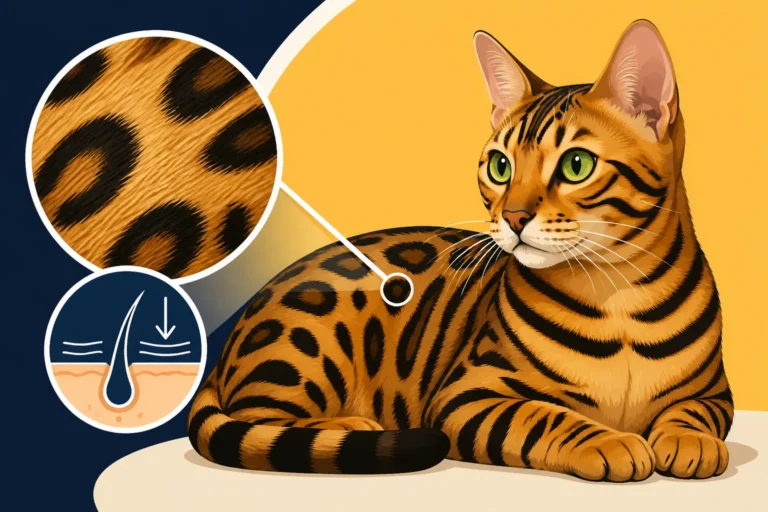
One of the most striking features of a Bengal cat is their incredible coat. It’s often described as feeling like a luxurious pelt rather than typical fur, and it’s truly unique among domestic cats. This distinct texture isn't just for aesthetics; it's a direct inheritance from their ALC ancestors and a key reason why your Bengal is always looking for a warm spot. Unlike many other domestic cat breeds, a Bengal’s coat is typically short, incredibly soft, and lies exceptionally flat against their body. If you feel it, you'll notice how fine the hairs are and how little bulk there is. This sleek, close-lying coat also means they often have Why a Bengal Cat Has Almost No Undercoat compared to many other breeds.
What this translates to for your Bengal is less insulation. That gorgeous, shimmering coat, often enhanced by the "glitter gene" that makes their fur sparkle, simply isn't designed for retaining heat in cooler environments. It's fantastic for movement through dense foliage without snagging, and it helps them stay cool in hot weather, but it's not a winter warrior's armor. Think of it this way: if you wore a thin silk shirt outside on a chilly day, you’d quickly feel the bite of the cold, whereas a thick wool sweater would keep you toasty. Your Bengal's pelt is more like that silk shirt. They simply don’t have the natural fluff and density to keep themselves warm when temperatures drop, making them much more sensitive to cooler air currents or cold surfaces. This is why A Bengal Cat's Coat Is a Pelt, Not Fur and Why a Bengal Cat's Coat Is Shorter Than a Housecat's are not just fun facts, but critical aspects of their comfort.
Metabolic Rates and Activity Levels
Bengal cats are renowned for their boundless energy and incredible athleticism. If you own one, you know they're The Bengal Cat Is the Most Active Cat You Can Own, often described as "perpetual motion machines." They love to play, climb, run, and explore, burning through calories at a much higher rate than many of their lazier domestic cousins. This high metabolic rate and constant activity, while generating heat during play, also means they burn through their internal fuel reserves faster.
Think about a human athlete: they might get warm during a strenuous workout, but once they stop, their body can cool down quite rapidly. The same principle applies to your Bengal. When they're zooming around, chasing toys, or scaling their cat tree, their muscles are generating heat. However, once they settle down for a nap or a quiet moment, their bodies, with their thinner coats and lower fat insulation, don't hold onto that heat as effectively. This is where their high metabolism, which demands a good amount of energy to maintain, works against them in cooler temperatures. They need to work harder to stay warm when at rest. This constant energy expenditure is why Bengals often need How Much a Bengal Cat Eats to Fuel That Activity and explains How Many Calories a Cat as Active as a Bengal Burns. When they're not actively burning calories through play, they'll instinctively seek external heat sources to conserve their energy and maintain their core body temperature, ensuring they have enough reserves for their next adventure.
Instinctual Behavior and Comfort Seeking
Beyond the purely physical and ancestral reasons, your Bengal's love for warmth also stems from deep-seated primal instincts and a simple desire for comfort. Just like us, cats seek environments that feel safe, secure, and pleasant, and for a Bengal, warmth often equates to all three.
The Primal Need for Warmth
For any animal, especially a small predator like a cat, maintaining a stable body temperature is crucial for survival. Warmth aids in many biological processes, including digestion and overall metabolic efficiency. When an animal is cold, its body has to expend valuable energy just to stay warm, diverting resources that could be used for hunting, healing, or growth. For their wild ancestors, finding a warm spot meant conserving energy, which was vital for hunting and avoiding predators. This primal directive is still hardwired into your Bengal's brain.
So, when your Bengal is meticulously seeking out that patch of sunlight or burrowing under a blanket, they aren't just being finicky. They're responding to an ancient instinct that tells them warmth is good for them, helping their body function optimally and conserving energy. It's a quiet, internal command to maximize comfort and efficiency, deeply rooted in millions of years of evolutionary success.
Sunbathing and Cozy Naps
Any Bengal owner can attest to their cat's incredible talent for finding and occupying the most coveted warm spots in the house. A shaft of sunlight hitting the living room rug? It's immediately claimed. A warm pile of freshly dried laundry? Irresistible. The top of a warm cable box or a laptop that's been running for hours? Prime real estate. These aren't just random choices; they are calculated moves to absorb and retain as much external heat as possible.
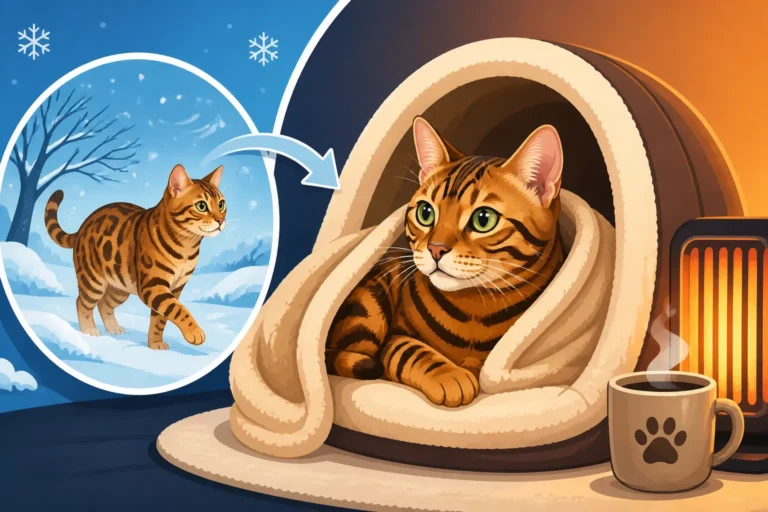
You'll often see your Bengal stretched out, exposing their tummy to the sun or snuggling into a blanket, completely at peace. These moments of sunbathing and cozy naps are critical for them. They're not merely being lazy; they're actively regulating their body temperature, especially given their thin coats. Providing these inviting warm spaces, such as a plush bed positioned near a sunny window or a soft blanket on the sofa, isn't just about pampering your pet; it's about meeting a fundamental need. When you offer them a warm, secure place to rest, you're tapping into their innate desire for comfort and helping them maintain their ideal core temperature, especially after one of their famous high-energy play sessions. How a Bengal Cat Copes With Cold is directly related to how well they can find and utilize these warm havens.
Post-Activity Cool-Down
Bengal cats are, without a doubt, powerhouses of energy. They can go from zero to sixty in a blink, tearing through the house, climbing curtains, and pouncing on imaginary prey with incredible enthusiasm. While all this intense activity generates a lot of body heat during the exercise, their bodies also have to work hard to dissipate that heat, and then, once they stop, they can cool down remarkably quickly.
Think of it like this: a high-performance engine gets hot when it's running, but once you shut it off, it doesn't retain that heat for long without a constant energy source. After a vigorous play session, your Bengal's body might be warm, but that thinner pelt-like coat, which we discussed earlier, doesn't do a great job of holding onto the heat once they're resting. They've just expended a massive amount of energy, and their metabolism is still revving, but their body temperature can drop quite fast. This sudden cool-down after a burst of activity can make them feel chilly, even if they were just steaming hot. That’s why you’ll often see them immediately seek out a warm lap, a sunny spot, or burrow into a blanket right after a long play session. It's their way of recovering, conserving energy, and bringing their core temperature back up to a comfortable level without having to burn more calories to do it themselves.
Practical Considerations for Keeping Your Bengal Warm
Knowing why your Bengal loves heat so much is one thing, but making sure they have access to adequate warmth is another. It's about proactive care, especially during cooler months, to ensure your high-energy companion is always comfortable and healthy.
Providing Warm Sleeping Areas
Since your Bengal naturally seeks out warmth, one of the kindest things you can do for them is to ensure they have an abundance of inviting, warm spots around your home. Don't just rely on them finding a sunbeam; those disappear with the sun! Consider providing dedicated warm sleeping areas that they can retreat to at any time.
This could include a variety of options:
- Elevated beds: Getting them off a cold floor can make a big difference. Many elevated beds allow air to circulate around the bed, rather than transferring cold from the floor directly to their body.
- Insulated cat houses or caves: These provide a snug, enclosed space that traps body heat, mimicking the secure, warm dens their wild ancestors might have sought.
- Self-warming pet beds: These clever beds often contain a thermal layer that reflects the cat's own body heat back to them, creating a warm pocket without any electricity. You can find excellent options on retailers like Chewy or Amazon.
- Safe, low-wattage heating pads designed specifically for pets: These are fantastic for providing consistent, gentle warmth. Always choose a pad made for animals, as human heating pads can get too hot and cause burns. Make sure it has an automatic shut-off or a low, regulated temperature. Place it under a blanket or inside a cat bed. This can be especially helpful for older Bengals who might feel the cold more acutely. Offering diverse choices means your Bengal can pick their favorite, whether it's a When a Bengal Cat Needs a Warm Bed near a heater or a sunny window perch.
Managing Household Temperatures
While you don't need to turn your home into a sauna, being mindful of your household's ambient temperature is crucial for a Bengal cat's comfort. They are simply not as tolerant of cool temperatures as some other breeds, and what feels "brisk" to you might feel genuinely cold to them. Pay particular attention to drafts, especially near windows and doors, or uninsulated floors, which can leach heat away from your cat quickly.
Consider keeping your thermostat set a few degrees higher than you might for other pets, especially during colder seasons or at night. If you're going out for the day, avoid dropping the temperature too drastically, as this can make your Bengal uncomfortably cold for extended periods. Even if they are running around, they will eventually settle, and then that chill will become more apparent. A warm home environment helps ensure that even when they are just lounging, they aren't constantly fighting to stay warm.
Sun Access and Safe Outdoor Spaces
There's nothing quite like watching a Bengal cat luxuriate in a sunbeam, stretching out every muscle, soaking up every ray. They truly adore the warmth of the sun, and providing them with ample opportunities for safe sunbathing is a wonderful way to cater to their heat-seeking nature. Position cat trees or window perches in spots that receive direct sunlight throughout the day. These elevated spots also give them a vantage point, which appeals to their instinctual desire to observe their surroundings from above.
If you have the space, a catio can be an absolute game-changer for a Bengal. Why a Catio Is the Answer to a Bengal Cat isn't just about enrichment; it's about providing a secure outdoor experience where they can enjoy fresh air and, crucially, bask in the sun's warmth without any risk of escape or exposure to outdoor hazards. When designing or choosing a catio, ensure it offers both sunny spots and sheltered areas. This way, your Bengal can chase the sun as it moves across the sky but also retreat to a wind-protected corner if it gets a bit breezy. Just remember, while they love the sun, prolonged direct exposure to extreme heat should be avoided, especially on very hot days, as they can overheat too. Balance is key.
Addressing Misconceptions and Specific Scenarios
Understanding your Bengal's unique relationship with heat also involves knowing when their behavior is normal and when it might signal something more. It also means dispelling common myths about how adaptable they are to all environments.
Is This a Sign of Illness?
It’s completely normal for your Bengal to seek out warm spots; in fact, it's a healthy sign that they are regulating their body temperature and finding comfort. However, like any change in an animal's routine, it's important to differentiate normal warmth-seeking from a potential indicator of illness. If your Bengal suddenly becomes excessively lethargic, seems weaker than usual, refuses to play, or is constantly shivering, in addition to seeking warmth, these could be signs that something more serious is at play.
For instance, a cat that is fighting off an infection or experiencing pain might feel colder than usual and seek external heat more aggressively. Pale gums, decreased appetite, or changes in litter box habits accompanying increased heat-seeking are also red flags. If you observe these additional symptoms, or if your Bengal's behavior seems unusually intense or out of character, it's always best to consult your veterinarian. They can rule out any underlying health issues and give you peace of mind.
Bengal Cats and Cold Weather
Despite their adventurous spirit and hardy appearance, Bengal cats are simply not well-equipped for prolonged exposure to cold outdoor temperatures. Their ancestry from warmer climates, coupled with their thin coats and lower insulating undercoats, makes them quite vulnerable to cold. This isn't just about being uncomfortable; sustained exposure to cold weather can lead to serious health issues like hypothermia or frostbite, particularly affecting their ears, paw pads, and tail.
Therefore, the idea of a Bengal cat being an "outdoor cat" in anything but the mildest, warmest climates is simply not safe or responsible. Whether a Bengal Cat Can Live Outdoors is a firm no in most environments, especially where temperatures drop. Even brief unsupervised excursions in chilly weather can be risky. If your Bengal enjoys supervised outdoor time, such as in a catio or on a leash, always monitor the temperature and wind chill, and bring them inside well before they show any signs of discomfort or shivering. Their love for warmth means they need you to be their advocate against the cold.
Ensuring Safety with Heat Sources
While providing warmth is paramount for your Bengal's comfort, it's equally important to ensure that any heat sources you introduce are completely safe. Bengals are incredibly curious and often fearless, which means they might investigate potential hazards without understanding the danger. Never leave an unsupervised heating pad that isn't specifically designed for pets, as these can reach dangerously high temperatures. Human heating pads are often too hot for prolonged direct contact with an animal's skin and can cause burns.
Be incredibly cautious with open flames, such as fireplaces or candles, and radiant heat sources like space heaters. A Bengal's adventurous nature means they might get too close, knock something over, or even jump into an unsafe area. Always use sturdy fireplace screens, never leave candles unattended, and ensure space heaters are modern, tip-over protected, and placed well out of your cat's jumping and climbing range. Think about potential hazards from a cat's perspective; if they can get to it, they might try to play with it. When looking for safe products, always check for pet-specific items from reputable brands available through retailers like Chewy or Amazon. These products are designed with pet safety in mind, offering regulated temperatures and durable materials. Your Bengal will thank you for the warmth, but only if it's provided safely.
Comparing Warmth-Providing Options for Your Bengal
To help you decide on the best ways to keep your Bengal cat toasty, here's a quick comparison of popular warmth-providing options.
| Warmth Source | Description | Pros | Cons | Ideal for |
|---|---|---|---|---|
| Natural Sunbeams | Patches of sunlight on floors or furniture. | Free, natural vitamin D, highly appealing. | Not available 24/7, moves with the sun. | Daytime naps, mental enrichment. |
| Plush Cat Beds/Blankets | Soft, insulated beds or fleece blankets. | Affordable, mobile, creates a cozy nest. | Provides limited warmth unless self-warming type. | Anytime comfort, supplementary warmth. |
| Self-Warming Pet Beds | Beds with thermal layers that reflect body heat. | No electricity needed, safe, uses cat's own warmth. | Heat level depends on cat's body heat, less intense than electric. | Energy conservation, all-day comfort. |
| Electric Pet Heating Pads | Low-wattage pads designed for pets with regulated temperatures. | Consistent, reliable heat, great for colder homes. | Requires electricity, must be pet-specific for safety. | Senior cats, cooler climates, recovery from illness. |
| Radiators/Vents | Warm spots near household heating elements. | Utilizes existing home heating. | Can be too hot, direct contact risky, placement limits access. | Short-term warmth, caution required. |
| Cat Cuddles | Snuggling with you under a blanket. | Emotional bonding, natural body heat. | Not always available (e.g., when you're busy or asleep). | Bonding, immediate comfort. |
| Enclosed Cat Caves/Tents | Small, enclosed structures that trap body heat. | Provides security and warmth, helps retain body heat. | Some cats may not like enclosed spaces, can be bulky. | Shy cats, seeking privacy and warmth. |
Disclaimer
This article is for general informational purposes only and does not constitute professional advice. Laws, prices and regulations vary by location and change over time. Consult a qualified professional for guidance on your specific situation.