F1 to SBT: How a Bengal Cat’s Generation Is Counted
Navigating the world of Bengal cats can feel like deciphering a secret code, especially when you encounter terms like F1, F2, F3, and SBT. For many hopeful owners, this string of letters and numbers is a source of confusion and even frustration, leaving them wondering what it truly means for the cat they hope to bring home. This comprehensive guide will demystify the Bengal cat's generation system, explaining the journey from their wild roots to the beloved domestic companions we know today, and what each generation signifies for ownership, temperament, and legality.
Understanding Filial Generations: The Foundation of the Bengal Breed
The "F" numbers you see associated with Bengal cats aren't just arbitrary labels; they represent the cat's filial generation, which essentially tells you how many generations removed the cat is from its wild ancestor, the Asian Leopard Cat (ALC). This system is fundamental to understanding the Bengal breed's development and its unique characteristics. It's not just a breeder's term; it's a critical piece of information for potential owners to grasp before committing to one of these magnificent felines.
The "F" in F-Numbers: What It Really Means
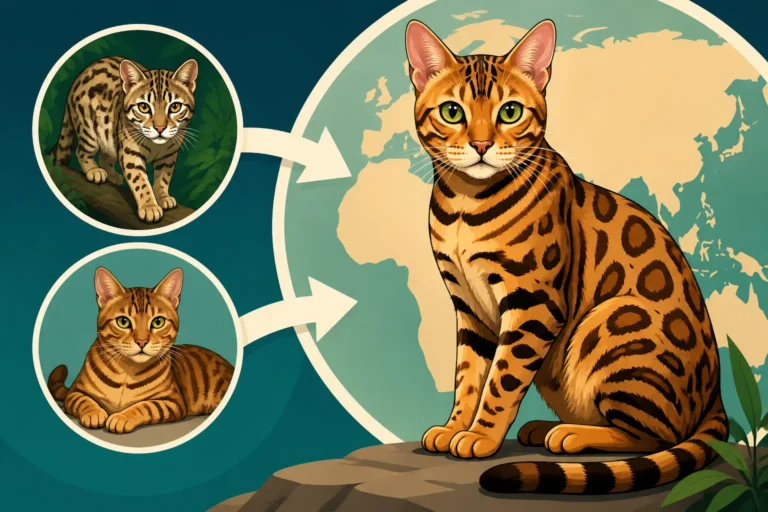
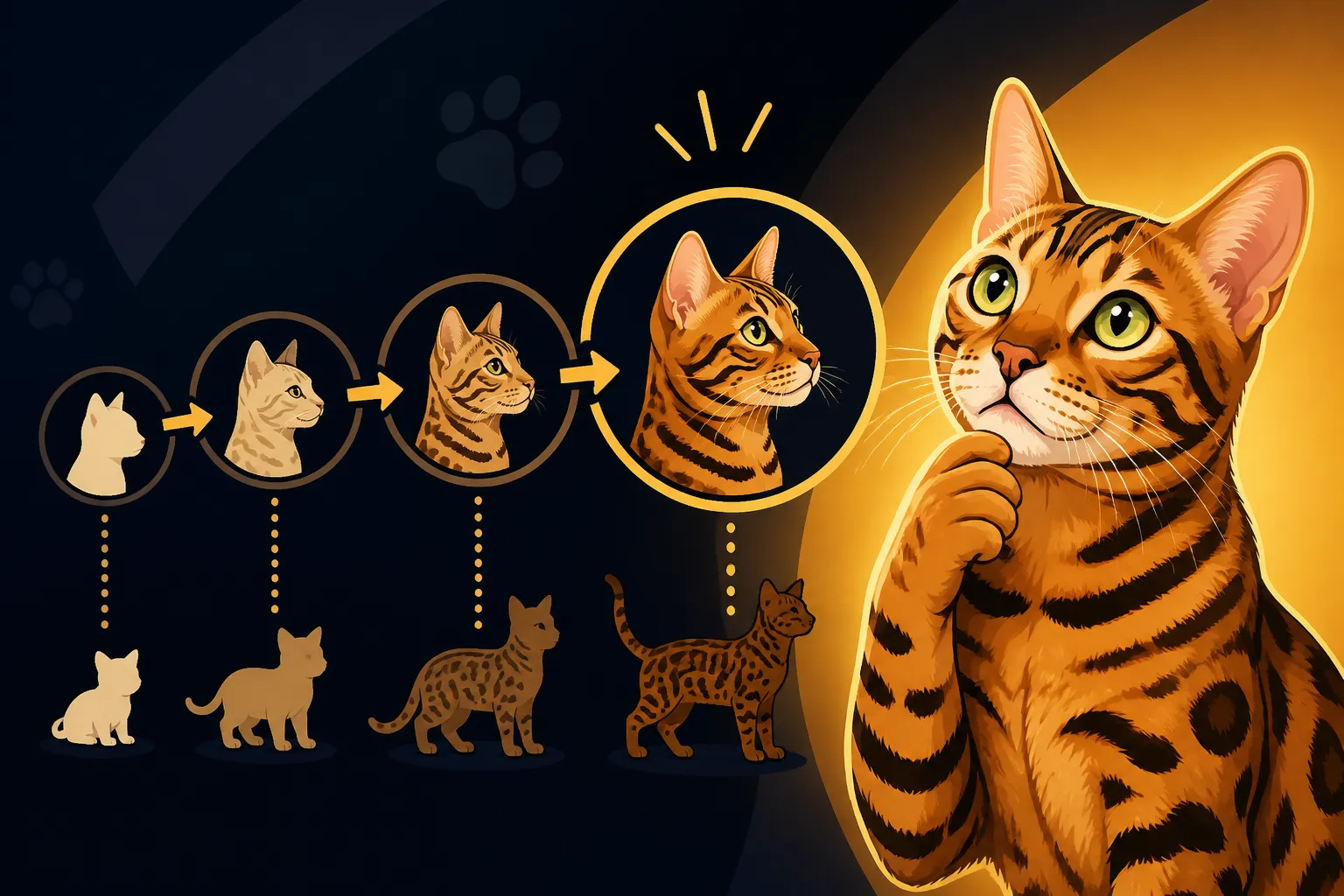
The "F" stands for "filial," a scientific term referring to a generation of offspring in a genetic cross. In the context of Bengal cats, F1 means "first filial generation," indicating the first direct cross between an Asian Leopard Cat and a domestic cat. An F2 is the offspring of an F1 Bengal and another domestic cat, an F3 is the offspring of an F2 and a domestic cat, and so on. This numerical progression directly correlates with the amount of wild blood, or "wild DNA," remaining in the cat's lineage. The higher the number, the further removed the cat is from its wild ancestor. This progressive dilution of wild traits is precisely why these numbers are so important for owners to understand.
Each generation represents a step further away from the wild, both genetically and behaviorally. It's a journey from a truly wild animal with specific needs and instincts to a fully domesticated companion. Understanding this numerical system is the first step in appreciating the complexities and nuances of owning a Bengal cat. It’s also crucial for managing expectations about what kind of pet you’re actually getting. Many people see the beautiful rosetted coats and assume all Bengals are the same, but the reality is far more intricate than that.
The Crucial Role of the Asian Leopard Cat Ancestry
At the heart of every Bengal cat's existence is the Asian Leopard Cat, a small, wild feline native to Southeast Asia. This beautiful wild cat, with its striking spotted coat and athletic build, is the reason Bengals possess their distinctive appearance and many of their unique traits. The initial purpose of breeding these cats was not just for their beauty; it was to study their natural resistance to feline leukemia, which proved successful. However, the resulting hybrids captured the hearts of breeders, and the Bengal breed was born.
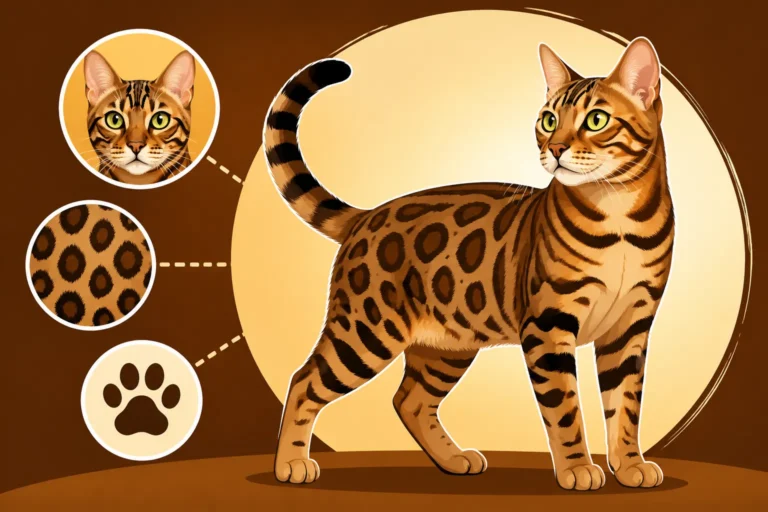
The presence of ALC genetics impacts everything from the Bengal's physical appearance, like their muscular build and luxurious "pelted" coat, to their energetic personality and even certain behavioral quirks, such as their well-known love for water. The degree of this influence is strongest in the early generations and gradually diminishes with each subsequent cross to a domestic cat. It's this wild ancestry that makes Bengals such captivating, yet often demanding, pets. What an Asian Leopard Cat Is Behind Every Bengal Cat delves deeper into the wild ancestor's characteristics. Without the ALC, there would be no Bengal cat as we know it, making its genetic contribution the cornerstone of the entire breed.
The Wild Side: F1 Bengal Cats
The F1 Bengal cat is where the wild truly meets the domestic. These are the direct offspring of an Asian Leopard Cat (ALC) and a domestic cat. Because of this immediate lineage, F1 Bengals are significantly different from typical housecats, both in their physical characteristics and, more importantly, in their temperament and needs. They are truly magnificent animals, but they come with a set of responsibilities and challenges that few pet owners are equipped to handle.
Temperament and Behavior of an F1 Bengal
An F1 Bengal cat retains a substantial portion of its wild instincts and behaviors. Think of them as wild animals living in a domestic setting. They are often incredibly shy and wary of strangers, preferring to observe from a distance rather than interact. Their energy levels are off the charts, far exceeding that of even the most active domestic cat. They possess a fierce prey drive, which means small pets like hamsters, birds, or even small dogs could be seen as legitimate prey. This is not a cat that will curl up on your lap and purr the evening away, at least not in the conventional sense. They are often fiercely independent and can be very vocal, with a range of chirps, growls, and demanding howls that are distinctly un-domestic cat-like. How an Early Generation Bengal Cat Behaves Differently provides more insights into these unique traits.
Their intelligence is astounding, but it often manifests as a talent for escaping, opening cabinets, and generally outsmarting their human companions. They require immense mental and physical stimulation, or they will find their own, often destructive, ways to entertain themselves. Owners of F1s often describe them as feeling more like owning a mini-leopard than a housecat. This isn't a cat you can just leave alone for long stretches; they thrive on interaction, even if it's on their own terms, and require an environment specifically designed to meet their complex needs.
Ownership Realities and Legalities for F1s
The ownership of an F1 Bengal cat comes with significant practical and legal hurdles. Due to their wild nature, many jurisdictions, including various states and cities, have strict regulations or outright bans on F1 Bengals. Obtaining permits is often required, involving rigorous inspections of enclosures and proof of ability to care for such an animal. These aren't just suggestions; they are serious legal requirements. Violating these laws can lead to fines, confiscation of the cat, and even criminal charges. It's vital to research your local laws thoroughly before even considering an F1. Where a Bengal Cat Is Illegal in the United States highlights these restrictions.
Beyond legalities, the daily care of an F1 is demanding. They need specialized, secure enclosures (often large outdoor catios or dedicated "cat rooms") to prevent escapes and provide adequate space for their intense activity levels. Their diet may need to be tailored, mimicking a more natural prey-based intake. Finding a veterinarian experienced with early-generation hybrids can also be a challenge, as their needs sometimes differ from standard domestic cats. The cost of acquiring an F1 is typically higher than later generations, reflecting their rarity and the specialized breeding required, and their ongoing care expenses, from housing to veterinary bills, will also be substantial. It's a commitment that requires deep pockets, extensive knowledge, and an incredible amount of dedication.
Bridging the Gap: F2 and F3 Bengal Cats
As we move past the F1 generation, we start to see the gradual blending of wild instincts with more domestic traits. F2 and F3 Bengals are still considered "early generation" hybrids, meaning they are relatively close to their Asian Leopard Cat ancestor. While they begin to soften some of the extreme wildness of an F1, they nonetheless demand a dedicated owner who understands their unique requirements. These cats aren't just "cuter" or "more spotted" versions of a regular cat; they are a distinct experience.
Life with an F2 Bengal Cat
An F2 Bengal is the offspring of an F1 Bengal and a domestic cat, making them two generations removed from their wild ancestor. This means their wild DNA percentage is reduced compared to an F1, often leading to a slightly more manageable temperament, but still far from a typical housecat. F2s often retain the impressive size, muscular build, and stunning rosetted coats that are so prized in the breed. They are still incredibly active, intelligent, and possess a strong prey drive. They might be a bit more accepting of their human family members, though they can remain shy or aloof with strangers. How Much Wild DNA an F2 Bengal Cat Has details their genetic makeup.
Owners of F2s still need to provide a highly stimulating environment, complete with plenty of vertical space, interactive toys, and opportunities for vigorous play. They might tolerate a leash and harness for outdoor adventures more readily than an F1, but they are not "cuddly" cats for everyone. Their vocalizations might be less intense than an F1 but are still powerful and frequent. Securing your home against their clever escapades remains crucial. These cats thrive with consistent routines and owners who are patient and dedicated to understanding their specific communication and needs.
The F3 Generation: Further Domesticated Traits
The F3 Bengal cat is three generations removed from the Asian Leopard Cat, typically being the offspring of an F2 Bengal and a domestic cat. At this stage, the wild traits are further diluted, and the cat begins to exhibit more predictable domestic cat behaviors. While still retaining the striking appearance and high energy of their wild lineage, F3s are generally more amenable to being part of a family home than their F1 or F2 predecessors. They often show more affection, though usually on their own terms, and may even seek out lap time.
However, don't mistake "more domestic" for "fully domestic." F3 Bengals are still incredibly active, intelligent, and can be quite demanding. They require consistent engagement, environmental enrichment, and owners who are prepared for a cat that needs a lot more interaction and play than an average moggy. Their strong voices and love for water often persist, and they can still be escape artists if not properly managed. Legally, restrictions may start to ease in some areas for F3s compared to F1s or F2s, but it's still absolutely essential to verify local laws. Why F1 to F3 Bengal Cat Males Cannot Breed is another important consideration for these early generations, highlighting a unique biological aspect. An F3 Bengal can be a wonderful companion for the right household, but it's still a significant step up in commitment from a standard domestic cat.
The First Fully Domesticated Generations: F4 and Beyond
When we talk about the F4 generation and beyond, we're crossing a significant threshold in the Bengal breed's development. This is where the cat is considered truly "domestic" for most purposes, shedding the majority of the wild traits that define the earlier generations. This is the sweet spot for many potential owners who are drawn to the Bengal's exotic look but want a companion with a more predictable, housecat-like temperament.
Why F4 is a Significant Milestone
The F4 generation marks a pivotal moment because, by this point, the Bengal cat is four generations removed from its Asian Leopard Cat ancestor. This distance means that most of the intense, challenging wild traits have been largely bred out, or at least significantly toned down. F4 Bengals are generally considered fully domesticated and typically behave much like any other highly active, intelligent domestic cat breed. They are usually affectionate with their families, often enjoy interacting with strangers, and are less prone to the extreme shyness or territoriality seen in earlier generations.
This generation also typically falls outside of most legal restrictions that apply to F1, F2, and F3 Bengals. While it's always critical to check local ordinances, an F4 Bengal is generally legal to own without special permits in most places where cats are allowed. This makes them far more accessible to the average pet owner. While they retain the stunning leopard-like appearance, muscular physique, and playful energy that makes Bengals so unique, they do so within a more manageable domestic framework. For a deeper understanding of the genetic shift, consider How Much Wild DNA an F4 Bengal Cat Has. This shift means F4 Bengals are often the first generation truly suitable for typical family environments, provided those families are prepared for their energy.
The Journey to True Domestication
The path from F1 to F4 and beyond is a deliberate and dedicated effort by breeders to selectively breed for desired domestic traits while preserving the Bengal's iconic wild appearance. This isn't a quick process; it takes multiple generations of careful pairing and evaluation. Breeders are looking for cats that are not only visually stunning but also possess a stable, friendly temperament suitable for companionship. Each generation is a step in refining these traits, ensuring that the wild beauty remains, but the challenging behaviors fade.
This long journey ensures that by the time a Bengal reaches F4 or later, they are robust, healthy, and emotionally well-adjusted to life as a cherished family member. They are cats that can integrate seamlessly into a busy household, playing fetch, learning tricks, and showering their owners with affection. The transformation from a wary, wild hybrid to a confident, affectionate domestic cat is truly remarkable and speaks to the dedication of the Bengal breeding community. The commitment to this domestication process is what has allowed the Bengal cat to become one of the most popular and recognizable breeds in the world today.
SBT: The Standard for the Modern Bengal Cat
The term "SBT" is arguably the most important generation marker for anyone considering a Bengal cat as a pet. It stands for "Stud Book Tradition" and signifies that the cat is at least four generations removed from its Asian Leopard Cat ancestor, with only Bengal-to-Bengal breedings in its pedigree for those four generations. This is the universally recognized standard for a fully domestic Bengal cat, and it's the generation that can be registered and shown in championship classes with major cat registries like TICA.
What "SBT" Truly Represents
When a Bengal cat is designated as SBT, it means its lineage is well-established within the breed standard. It's not just F4; it could be F5, F6, or even further down the line. The key is that for at least four generations, every cat in its pedigree has been a Bengal cat, solidifying its domestic temperament and ensuring consistency in type. This distinction is paramount because it offers a level of predictability in behavior and health that earlier generations simply cannot. An SBT Bengal has undergone sufficient selective breeding to be considered a stable, domesticated companion.
This is the generation most often recommended for first-time Bengal owners, or indeed, any owner looking for a pet that fits comfortably into a typical home environment. The SBT designation means you're getting a cat that looks wild but acts domestic, possessing that wonderful blend of exotic beauty and playful affection. It's the goal of every reputable breeder to produce healthy, well-socialized SBT Bengals that embody the best qualities of the breed.
SBT Bengal Cats in Homes and Show Rings
SBT Bengal cats are the stars of the show ring and the beloved companions in countless homes. Their stunning appearance, marked by vivid rosettes, glittered pelts, and striking contrast, makes them instantly recognizable. In the show ring, SBT Bengals are judged against a detailed breed standard, evaluating everything from their head shape and ear placement to their body type and tail length. They compete for titles and honors, showcasing the pinnacle of the breed's development.
In a home setting, SBT Bengals are known for their high energy, intelligence, and engaging personalities. They are often incredibly playful, enjoying games of fetch, learning tricks, and exploring vertical spaces. They bond deeply with their families and can be very vocal, communicating their desires with an array of chirps and trills. While still needing significant enrichment and interaction, they are generally affectionate and outgoing, making wonderful, dynamic pets for active households. When looking for a pet Bengal, the SBT designation is what you should always be seeking. What SBT Means in a Bengal Cat covers this more in-depth. You can easily find suitable enrichment toys, specialized foods, and durable cat trees for these active cats from retailers like Chewy, ensuring they stay entertained and healthy.
Why Generation Matters: Behavior, Health, and Legality
Understanding a Bengal cat's generation isn't just a matter of trivia; it has profound implications for every aspect of ownership. From the cat's personality and suitability for your home to potential health concerns and the legal hoops you might have to jump through, the F-number is a critical piece of information. Ignoring it can lead to significant challenges and heartbreak.
Behavioral Differences Across Generations
The most significant impact of a Bengal's generation number is on its behavior. Early generations (F1-F3) retain more of the wild instincts of the Asian Leopard Cat. This means they can be more independent, more prone to shyness or aggression towards strangers, possess a stronger prey drive, and have an almost insatiable need for activity and mental stimulation. They might mark their territory, be difficult to litter train, and generally behave less like a traditional housecat. These behaviors are deeply ingrained and not easily trained out.
In contrast, later generations (F4 and SBT) have been selectively bred to mitigate these wilder traits. While still exceptionally active and intelligent, they are typically more sociable, adaptable, and affectionate. They are generally reliable with litter boxes, enjoy human companionship, and can integrate well into a family environment. The energy and cleverness are still there, but they are channeled into more domestic-appropriate behaviors, such as playing with toys or learning commands. It's a spectrum, and knowing where your potential cat falls on it is key to a successful adoption. How Active a Bengal Cat Is is a good read on their general energy levels.
Health Considerations and Breeding Ethics
While Bengal cats are generally a robust breed, there are some health considerations that can be indirectly tied to their lineage, and breeding ethics are paramount across all generations. Early generations, particularly F1 and F2 males, are often sterile, a common characteristic in hybrid animals. This means they cannot be used for breeding, which is a natural consequence of mixing two distinct species. Reputable breeders will always conduct genetic health screening for common Bengal issues such as Pyruvate Kinase Deficiency (PKDef) and Progressive Retinal Atrophy (PRA-b), regardless of generation. What a Bengal Cat Breeder Should Have Tested provides a list of important tests.
Ethical breeding practices are crucial. Breeders should be transparent about the generation of their cats and the health testing performed on the parents. The goal is to produce healthy, well-socialized cats. While early generations might carry unique genetic resilience from their ALC heritage, they also come with their own set of potential challenges regarding temperament and integration into a domestic setting. Ensuring a cat's well-being means understanding its genetic background and providing for its specific needs.
Navigating Legal Restrictions and Permits
The legal landscape for Bengal cats varies dramatically depending on their generation. Many regions, including entire states or specific cities, have strict laws regarding the ownership of early generation hybrids. For F1, F2, and F3 Bengals, owners may need to apply for special permits, register their animals, or even prove they have adequate, secure enclosures. In some places, these generations are outright banned due to concerns about public safety and the welfare implications of housing a quasi-wild animal. Why the Generation Number Decides Whether You Can Own a Bengal Cat explains this legal nuance.
For F4 and SBT Bengals, restrictions are generally far less common, as these cats are legally considered fully domestic. However, it is an absolute necessity for every prospective owner to thoroughly research their local and state laws before acquiring any Bengal cat. What might be legal in one county could be banned in the next. Failure to comply with these regulations can result in severe penalties, including fines and the confiscation of your beloved pet. Never assume; always verify.
Deciphering Pedigrees and Breeder Claims
When you're looking for a Bengal cat, especially if you're keen on a specific generation, understanding how to verify a cat's lineage is paramount. Unfortunately, not all breeders are equally scrupulous, and knowing how to read a pedigree and what questions to ask can protect you from misrepresentation and ensure you bring home the cat you expect.
Reading a Bengal Cat's Pedigree
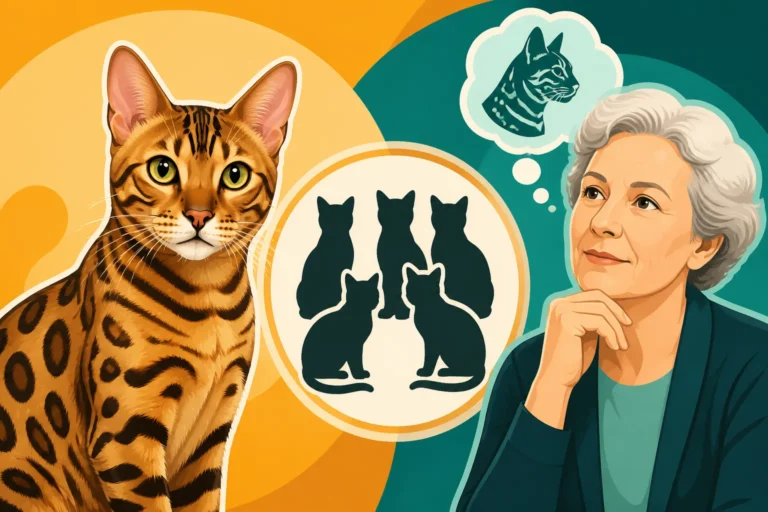
A Bengal cat's pedigree is its family tree, a document that traces its ancestry back multiple generations. It's the official record of a cat's lineage, registered with organizations like The International Cat Association (TICA). This document will clearly show the "F" numbers for each ancestor, allowing you to definitively determine the generation of the cat you are considering. For an SBT Bengal, you should see at least four generations of Bengal x Bengal breedings listed. The pedigree will also often include registration numbers, sire (father) and dam (mother) information, birth dates, and colors.
Learning to read a pedigree is a valuable skill for any serious cat owner, as it provides transparency and proof of a cat's heritage. A reputable breeder will always provide you with a copy of the pedigree, usually after the purchase is complete, and be able to walk you through it. If a breeder is hesitant to show you a pedigree or claims it's "not ready," that should be a significant red flag. This document is your assurance of the cat's generational status and part of How to Find a Bengal Cat's Generation on Its Pedigree. It's crucial for confirming you are indeed getting an SBT if that's what you are seeking.
Questions to Ask Your Breeder
Engaging with a reputable breeder involves asking a lot of questions – and a good breeder will welcome them. Beyond asking about the generation, inquire about the health testing done on the parents (e.g., PRA-b, PK deficiency, HCM screenings). Ask to see the actual test results and certifications, not just a verbal assurance. You should also ask about the kitten's socialization, how they are raised, and what their daily routine looks like. A breeder should be able to tell you about the typical temperament of their lines and explain what kind of home environment would best suit their kittens.
It's also wise to ask about their breeding philosophy, what kind of food they feed (many reputable breeders recommend high-protein options available at retailers like Chewy), and what kind of post-adoption support they offer. A breeder who truly cares about their cats will be a resource for you throughout your cat's life. Be wary of breeders who offer kittens at unusually low prices, have many different breeds available, or cannot provide satisfactory answers to your questions. A transparent, knowledgeable breeder is your best ally in bringing home a healthy, well-adjusted Bengal cat of the desired generation.
Here's a quick reference table to summarize the key differences between Bengal cat generations:
| Generation | Parentage (Approx.) | Wild DNA (Approx.) | Typical Temperament | Legality/Permits | Suitability for Average Home |
|---|---|---|---|---|---|
| F1 | ALC x Domestic Cat | 50% | Very wild, shy, high prey drive, independent | Often restricted/banned, needs permits | Extremely challenging, not recommended |
| F2 | F1 Bengal x Domestic Cat | 25% | Still wild traits, cautious, high energy | Often restricted/banned, may need permits | Challenging, experienced owners only |
| F3 | F2 Bengal x Domestic Cat | 12.5% | More domestic, active, can be affectionate | Some restrictions, check local laws | Still demanding, experienced owners preferred |
| F4 | F3 Bengal x Domestic Cat | 6.25% | Fully domestic, active, affectionate, adaptable | Generally legal, check local laws | Good for active, committed families |
| SBT | At least F4, 4+ generations Bengal x Bengal | <6.25% | Fully domestic, active, intelligent, friendly | Generally legal, no permits needed | Excellent for active families |
Remember, this table provides a general overview. Individual personalities can vary, and thorough research and communication with a reputable breeder are always essential.
Disclaimer
This article is for general informational purposes only and does not constitute professional advice. Laws, prices and regulations vary by location and change over time. Consult a qualified professional for guidance on your specific situation.