Where the Bengal Cat Ranks Among Cat Breeds
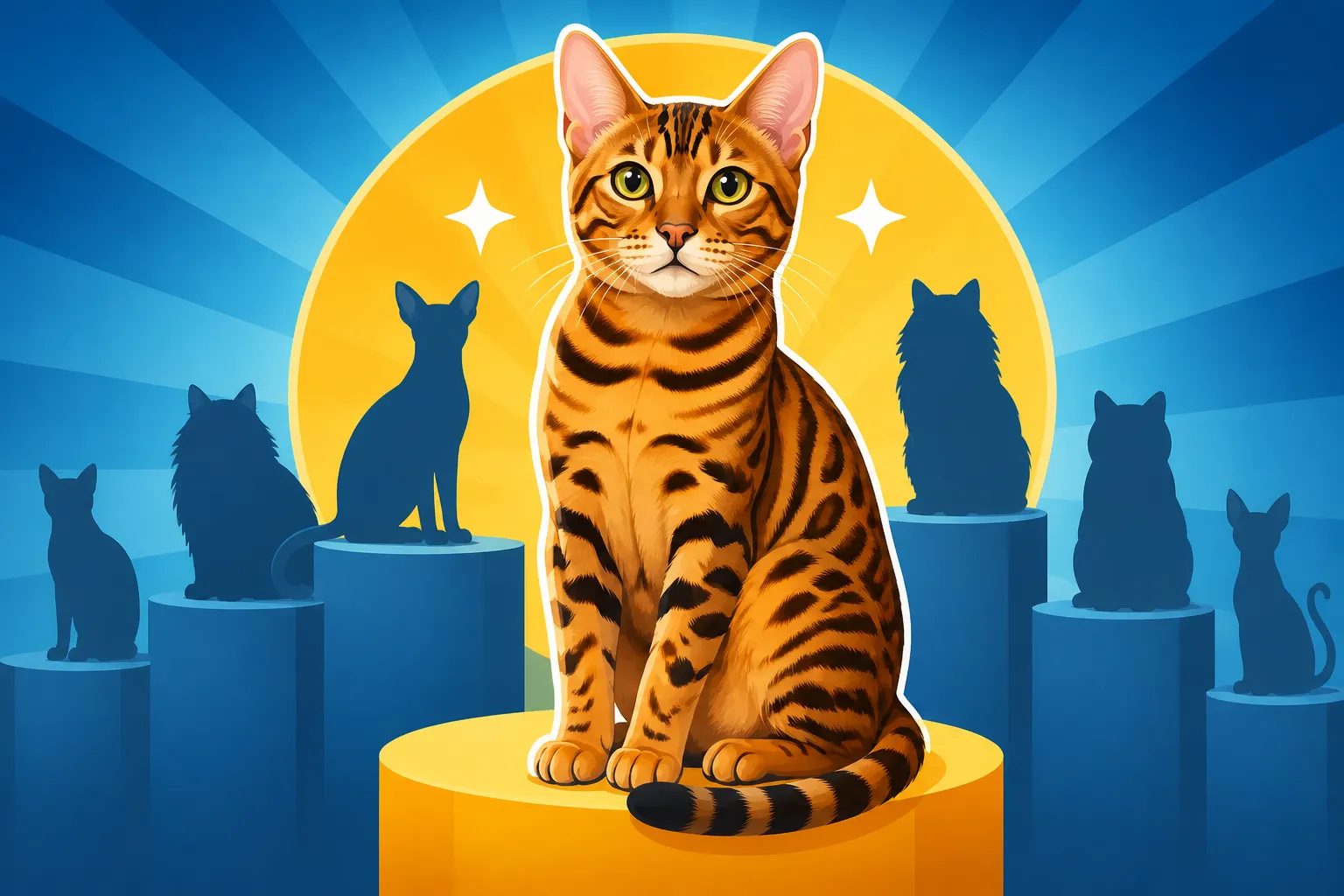
When you first see a Bengal cat, it's natural to wonder how such a striking, wild-looking creature fits into the world of domestic felines. They truly stand apart, often prompting questions about their lineage, their place in the cat fancy, and whether they're really "just" another housecat. This comprehensive guide will explore exactly where the Bengal cat ranks among other cat breeds, delving into their unique characteristics, their journey to recognition, and what makes them such a captivating, yet demanding, companion.
The Allure of the Bengal Cat: A Unique Blend
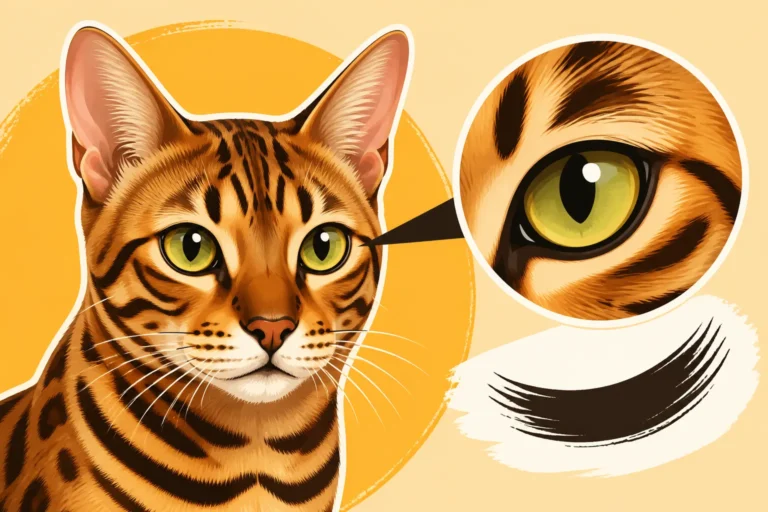
There’s no denying the immediate impact a Bengal cat makes. Their distinctive spotted or marbled coats, often adorned with shimmering glitter, make them look like miniature wildcats strutting through your living room. It's this visual appeal, combined with their spirited personality, that has captivated so many cat lovers and propelled them into the spotlight.
Tracing the Wild Roots: Asian Leopard Cat Ancestry
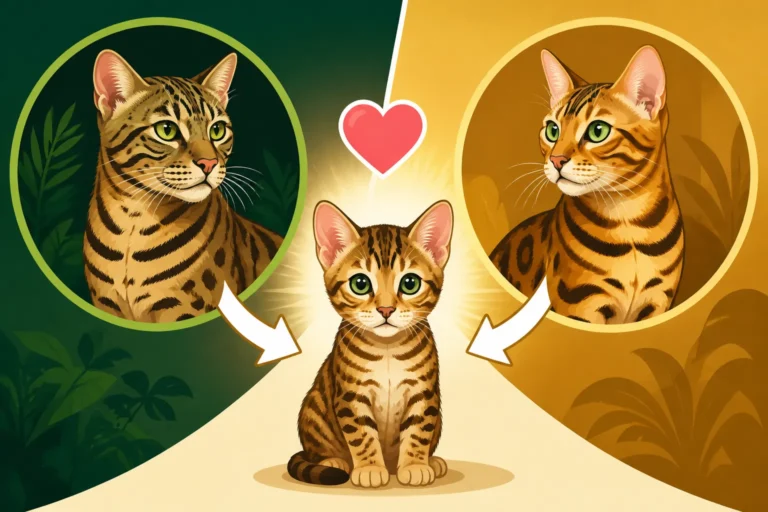
The Bengal cat's story begins with its wild ancestor, the Asian Leopard Cat (ALC). Imagine a small, sleek wild cat, native to Asia, with breathtaking spots and an agile grace – that's the ALC. The goal of early breeders wasn't just to create a pretty cat; it was to bring the beauty and look of the jungle into a domesticated companion. This involved carefully crossing the ALC with domestic cats, a process that started decades ago. The genetic blueprint of that wild ancestor still profoundly influences the Bengal cat today, giving them many of their most cherished, and sometimes challenging, traits. It's a fascinating origin story that always draws people in, making them wonder if they truly can have a "mini leopard" in their home.
The Domesticated Wildcat: What Makes Them Different
While modern Bengal cats are many generations removed from their wild counterparts, they retain a remarkable array of traits that set them apart from your average tabby. Their physical appearance, with that muscular, athletic build and often glowing "glitter" in their fur, is certainly one aspect. But it goes deeper than that. Bengals are notoriously intelligent, often described as problem-solvers who can figure out how to open doors, turn on faucets, and retrieve toys from improbable places. This isn't just a quirk; it's a testament to their sharp minds and high energy needs, which we'll dive into more later. They often have a deep love for water, a trait not commonly associated with most domestic cats, and an insatiable curiosity that can lead to both hilarious antics and mischievous escapades. These unique differences are what truly define the breed and contribute to its distinct ranking among other felines.
Understanding Breed Registries and Recognition
For any cat breed to truly "rank" in the broader feline world, it needs formal recognition from established registries. These organizations set the standards, maintain pedigrees, and ultimately decide which breeds are considered legitimate. The Bengal cat's journey to widespread acceptance is a tale of perseverance and a testament to their growing popularity.
TICA's Role in Bengal Cat Acceptance
When it comes to the Bengal cat, The International Cat Association (TICA) is the absolute champion of the breed. TICA recognized the Bengal cat much earlier than many other organizations, understanding the potential and unique appeal of this hybrid feline. This pivotal step gave the breed legitimacy and a platform to grow within the cat fancy. TICA's acceptance meant that breeders could register their cats, establish clear pedigrees, and compete in shows, all of which are crucial for a breed's development and recognition. If you're looking for proof of lineage or a well-regarded breeder, TICA registration is usually a key indicator. It's important to remember that this recognition wasn't immediate, but rather a carefully considered process that acknowledged the breed's stabilization and distinct characteristics. For a deeper dive into this historical moment, you can read about TICA Accepted the Bengal Cat in 1986.
The CFA and Other Registries: A Broader Perspective
While TICA has been a stalwart supporter, not all cat registries share the same enthusiasm for hybrid breeds like the Bengal. The Cat Fanciers' Association (CFA), one of the oldest and most prestigious cat registries in the world, traditionally has a more conservative approach. The CFA does not currently recognize the Bengal cat for championship status, a decision rooted in their focus on naturally occurring domestic breeds. This isn't a judgment on the Bengal itself, but rather a reflection of differing philosophies on breed origins.
Other smaller registries might have their own policies, some accepting the Bengal, others not. This patchwork of recognition can be confusing for new owners trying to understand the breed's standing. It highlights a common frustration in the cat world: a lack of universal standards. However, despite the CFA's stance, the Bengal's popularity hasn't waned. In fact, their strong presence in TICA-affiliated shows and the sheer demand for these cats globally speaks volumes. To understand more about this, you might find Whether the CFA Recognizes the Bengal Cat interesting. This varied recognition shapes public perception and the overall ranking of the Bengal cat, placing it as a unique entity within the spectrum of recognized feline breeds.
Bengal Cat Popularity: Rising Stars in the Feline World
It's hard to walk into a pet store or browse online cat communities without encountering the stunning image of a Bengal. Their striking looks and vibrant personalities have propelled them into a remarkable position of popularity. But how do we actually measure this, and what's driving their continuous rise?
Metrics of Popularity: Registrations and Owner Interest
Measuring a breed's popularity often comes down to statistics: how many cats are registered each year, the number of active breeders, and perhaps most tellingly, public interest through online searches and social media engagement. When you look at TICA's registration numbers, the Bengal cat consistently ranks among the top breeds, if not the top breed, year after year. This isn't a small feat, especially considering the vast number of cat breeds out there. This high registration volume indicates a robust breeding community and consistent demand from individuals and families eager to welcome a Bengal into their homes.
Beyond official registrations, you can see the Bengal's popularity in less formal ways. Just type "Bengal cat" into any search engine, and you'll be inundated with results: forums, fan pages, YouTube videos, and even products specifically marketed for their unique needs, like specialized food or extra-durable toys from retailers like Chewy. This level of engagement speaks to a broad, passionate owner base and a general public fascination. For more on the numbers, check out How Many Bengal Cats Are Registered a Year.
Why the Bengal's Appeal Continues to Grow
The reasons behind the Bengal's soaring popularity are multifaceted. First and foremost, their appearance is undeniably captivating. That wild, untamed look in a domestic package is a powerful draw for many. People are often looking for something a bit different, a cat that stands out from the crowd, and the Bengal certainly delivers on that front. The "glitter" in their coat, which makes them shimmer, or their distinct rosettes, are features not commonly found in other breeds.
Secondly, their reputation for intelligence and playful antics appeals to those who want a highly interactive pet. They're not content to just lounge on the sofa all day; they want to engage, play, and explore. This makes them incredibly entertaining companions, though they do require a significant commitment of time and energy.
Finally, there's the persistent, though often misunderstood, claim about them being "hypoallergenic." While no cat is truly hypoallergenic, some people find that Bengals cause fewer allergic reactions due to their unique coat type and lower dander production. This can be a huge selling point for allergy sufferers dreaming of a feline friend. However, it's crucial for prospective owners to spend time with Bengals before committing, as individual reactions vary widely. This combination of stunning looks, engaging personality, and potential for allergy compatibility continues to fuel their rise. To learn more about this phenomenon, take a look at Whether Bengal Cat Popularity Is Rising.
Comparing Bengals to Other Popular Breeds
To truly understand where the Bengal cat ranks, it's helpful to place them in context alongside other well-known and loved breeds. They often defy easy categorization, standing out in several key areas that make them a unique proposition for potential owners.
Activity Levels: More Than Just a Pretty Face
If you're envisioning a quiet, sleepy lap cat, the Bengal cat is probably not the breed for you. They are, without a doubt, one of the most active domestic cat breeds you can own. Their energy levels are off the charts, often compared to those of a dog rather than a typical feline. This isn't just puppy-like exuberance; it's a deep-seated need for physical and mental stimulation. They love to run, jump, climb to the highest points, and engage in vigorous play sessions. Many Bengal owners find that a single wand toy isn't enough; they need a rotation of interactive toys, puzzle feeders, and often a cat wheel just to burn off some steam.
Contrast this with a more sedate breed like a Persian or even a British Shorthair, which are generally content with a few short play sessions and long naps. Even active breeds like the Siamese, while energetic, typically don't match the sheer endurance and intense focus on play that a Bengal displays. This high activity level is a significant factor in their ranking, as it places them in a category of their own, requiring specific lifestyle adjustments from their human companions. It's a truth that The Bengal Cat Is the Most Active Cat You Can Own explores in much greater detail.
Vocalization and Intelligence: Chatterboxes and Clever Claws
Bengals are not shy about using their voices. They have a wide range of vocalizations, from chirps and trills to full-blown yowls and demanding meows. Their voices can sometimes sound a bit wild, reminiscent of their ancestry, and they're not afraid to use them to communicate their desires, whether that's for food, attention, or a particular toy. This can be a charming trait for some, but it can also be a challenge for others, especially those accustomed to quieter breeds. Compared to the distinctive "Mee-YOW!" of a Siamese or the soft purr of a Ragdoll, a Bengal's vocal repertoire is often more varied and insistent. You can explore this further in How Vocal a Bengal Cat Is.
Beyond their vocal prowess, Bengals are exceptionally intelligent. Their problem-solving abilities are legendary. They'll figure out how to open cabinets, turn on faucets, and even retrieve items from seemingly impossible places. This sharp intellect means they need constant mental enrichment to prevent boredom, which can lead to destructive behaviors. Think about the strategic planning of a cat trying to get to a treat hidden in a complex puzzle toy; a Bengal will often dissect the mechanics of the puzzle itself. Many owners report that their Bengals quickly learn tricks, respond to their names, and even fetch with enthusiasm, traits more commonly associated with canines.
Physicality: Size, Coat, and Unique Features
Physically, the Bengal cat is a masterpiece of feline aesthetics. They are generally medium to large-sized cats, with males often reaching a substantial weight and having a noticeably muscular build. They are sleek, agile, and possess a powerful athleticism that is evident in their every movement. Their hind legs are often slightly longer than their front legs, contributing to their distinctive gait.
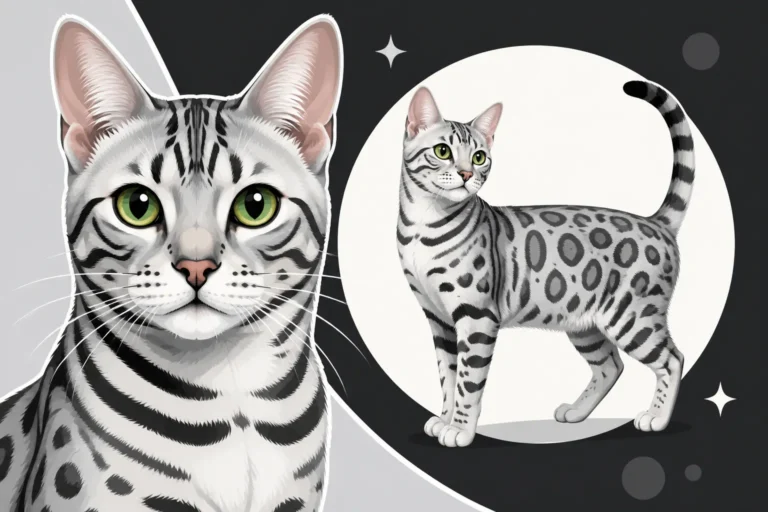
However, the most defining physical characteristic is undoubtedly their coat. Unlike the fur of most domestic cats, a Bengal's coat is often described as feeling like a "pelt" – incredibly soft, dense, and close-lying, with minimal shedding. And, of course, there's the "glitter" – a unique genetic trait that makes their fur appear as if it's been dusted with gold or iridescent dust, especially in sunlight. Their patterns, whether spotted with rosettes (like those of a leopard or jaguar) or marbled, are also highly prized and judged according to specific breed standards. This distinct coat and musculature set them apart from fluffy long-haired breeds or even the sleek, fine coats of other shorthairs. For a comprehensive look at their physical traits, check out What a Bengal Cat Looks Like by the Standard.
| Feature | Bengal Cat | Typical Domestic Shorthair | Maine Coon (example of large breed) |
|---|---|---|---|
| Origin | Hybrid (ALC x domestic cat) | Natural | Natural |
| Activity Level | Extremely High, constant need for stimulation | Moderate | Moderate to High, playful |
| Vocalization | Wide range, often loud and demanding | Moderate | Varied chirps, trills, soft meows |
| Coat Type | "Pelt-like," soft, close-lying, often glittered | Varied, short, coarse/soft | Long, shaggy, dense, water-resistant |
| Shedding | Low to Moderate | Moderate to High | Moderate to High, seasonal |
| Water Fascination | High, often loves water | Low, generally dislikes | Moderate, some enjoy water |
| Intelligence | Extremely High, problem-solvers | Moderate | High, trainable |
| Size | Medium to Large, muscular | Small to Medium | Large, robust |
| Common Patterns | Rosetted, Marbled | Tabby, solid, bicolor | Tabby, solid, bicolor |
| Registry Acceptance | TICA, various others (not CFA) | All major registries | All major registries |
The "Hybrid" Factor: Perception and Reality
The term "hybrid" is central to the Bengal cat's identity and, consequently, its standing among other breeds. It defines their origin, influences perceptions, and directly impacts their legality in various regions. Understanding this aspect is crucial to appreciating their place in the feline world.
The Hybrid Debate: Ethics and Understanding
The very existence of hybrid breeds like the Bengal cat often sparks passionate debate. On one side, proponents celebrate the successful blending of wild beauty with domestic temperament, highlighting the unique traits and engaging personalities that result. They see it as an opportunity to conserve the striking visuals of wild felines in a responsible, domesticated form.
However, critics often raise concerns about the ethics of breeding wild animals with domestic ones. They worry about the welfare of early-generation (F1, F2, F3) cats, which may retain more wild instincts and behaviors, potentially making them challenging to keep as pets. There are also debates about whether such breeding practices dilute the genetic integrity of truly wild species or contribute to the exotic pet trade. These discussions are complex, without easy answers, and often reflect deeper philosophical differences about humanity's relationship with animals. It's a conversation that responsible breeders take seriously, focusing on producing well-socialized, truly domesticable cats by the time they reach the SBT (Stud Book Traditional) generations. For a nuanced look at these issues, the article Whether Breeding Hybrids Like the Bengal Cat Is Ethical provides valuable context.
Legality and Restrictions: A Complex Landscape
Due to their hybrid nature, Bengal cats face a unique legal landscape that varies dramatically from one location to another. While later generations (typically F4 and beyond, or "SBT" Bengals) are widely accepted as domestic cats, early generations (F1, F2, F3) are often subject to strict regulations, permits, or outright bans. These restrictions stem from concerns about potential wild behaviors, public safety, and the welfare of the cats themselves.
For example, some states or cities might require special permits for F1 or F2 Bengals, or they might ban them entirely, treating them more like exotic animals than housecats. Even within a state that allows Bengals, a specific city ordinance could impose different rules. This means that a Bengal cat owner needs to be incredibly diligent in researching local laws before acquiring one, and certainly before moving with one. The consequences of not adhering to these regulations can be severe, ranging from hefty fines to the confiscation of the cat. This legal complexity is a significant factor in how the Bengal cat ranks, as it impacts accessibility and ownership. It’s a frustration for many owners who simply want to provide a loving home but find themselves navigating a bureaucratic maze. The article Where a Bengal Cat Is Illegal in the United States provides crucial information on this very topic.
Lifespan and Health: Debunking Myths
When considering any breed, understanding their general health and expected lifespan is paramount. Bengal cats, like all purebreds, have certain predispositions, but many myths circulate that need to be addressed realistically.
General Health and Breed-Specific Concerns
It's common for people to assume that because Bengals have wild blood, they must be inherently healthier or more robust than typical domestic cats. While they are generally considered a healthy and hardy breed, this isn't entirely true. Like any breed, Bengals have specific genetic predispositions that responsible breeders screen for. Two of the most commonly discussed are Pyruvate Kinase Deficiency (PK Deficiency) and Progressive Retinal Atrophy (PRA-b). PK Deficiency can lead to a form of anemia, while PRA-b causes vision loss and eventually blindness. Reputable breeders perform DNA tests for these conditions to ensure they are not breeding affected or carrier cats inappropriately.
Another significant health concern in Bengals, as in many larger cat breeds, is Hypertrophic Cardiomyopathy (HCM), a form of heart disease that causes the heart muscle to thicken. Unlike PK Deficiency or PRA-b, there isn't a reliable DNA test for HCM in Bengals, making regular cardiac ultrasounds (echocardiograms) by a board-certified veterinary cardiologist the gold standard for screening.
Beyond these, Bengals can, of course, experience the same common ailments as any domestic cat, such as dental disease, kidney issues, or arthritis in old age. A well-balanced diet, regular veterinary care, and an enriching environment are key to their overall well-being. The notion that their wild heritage makes them immune to common feline health problems is simply not accurate. For a more detailed discussion on their health, please see Whether the Bengal Cat Is a Healthy Breed.
Longevity: How Long Do They Really Live?
The average lifespan of a Bengal cat is generally comparable to that of many other domestic cat breeds, typically ranging from 12 to 16 years. Some individuals, with excellent genetics, nutrition, and veterinary care, may even live into their late teens. However, factors like diet, activity levels, genetics, and whether they are kept indoors or allowed supervised outdoor access can all influence their longevity.
It's important to differentiate between early-generation Bengals (F1-F3) and later generations (SBT). Early generations might have slightly different health profiles or specific care needs due to their closer proximity to their wild ancestor, but once an SBT Bengal is reached, they are essentially domestic cats in terms of their physiological needs and lifespan expectations. Providing a high-quality diet, perhaps sourced from reliable online retailers like Chewy that offer specialty formulas, is vital. Regular vet check-ups, prompt attention to any health concerns, and a stimulating, safe environment are the best ways to ensure your Bengal cat lives a long, happy, and healthy life. The reality is, they are not immune to the aging process or common health issues, just like any other beloved pet. You can gain more insights into their expected lifespan by reading How Long a Bengal Cat Lives on Average.
The Bengal Cat in Your Home: A Commitment Like No Other
Bringing a Bengal cat into your home isn't just about admiring their stunning looks; it's about embracing a lifestyle. These cats demand more than the average feline companion, and prospective owners need to be prepared for the unique commitment required.
Meeting Their High Demands: Enrichment and Interaction
If there's one thing every Bengal cat owner will tell you, it's that these cats need a lot of mental and physical stimulation. Their high intelligence and boundless energy mean they get bored easily, and a bored Bengal can quickly become a destructive Bengal. This isn't out of malice, but simply a redirect of their natural drive and curiosity. They need constant engagement, which translates to dedicated playtimes, interactive toys, puzzle feeders, and plenty of vertical space for climbing and exploring. A simple scratch post won't cut it; they need tall cat trees, wall shelves, and perhaps even a cat wheel to truly thrive.
Leaving a Bengal cat alone for long stretches without adequate enrichment can lead to undesirable behaviors like counter-surfing, opening cabinets, destroying furniture, or excessive vocalization. Many owners find success with routines that include structured play sessions, clicker training, and even leash training for outdoor adventures. Investing in durable, engaging toys is crucial, and you might find yourself frequently restocking your supply from places like Chewy, looking for the latest and greatest to keep their minds sharp. Understanding this inherent need for engagement is critical, as highlighted in How Much Enrichment a Bengal Cat Actually Needs.
Suitability as a Pet: Is the Bengal Right for You?
Given everything we've discussed – their wild ancestry, high energy, intelligence, vocal nature, and specific care requirements – the big question remains: Is a Bengal cat the right pet for you? They are not a "set it and forget it" kind of pet. They thrive in active households where they receive ample attention and engagement. They often bond deeply with their families and can be incredibly affectionate, but it's on their terms, often involving playful wrestling rather than quiet cuddles.
They are generally good with children and other pets, provided they are properly socialized and introduced, and the children understand how to interact with an active, playful cat. However, their strong prey drive means they might not be the best choice for homes with small, vulnerable pets like hamsters or birds. Prospective owners must be willing to dedicate time, energy, and resources to meeting their needs, ensuring they have plenty of space, mental challenges, and companionship. If you're looking for an independent cat who prefers its own company, a Bengal might prove to be overwhelming. But for those who embrace their vibrant personality and unique demands, a Bengal can be an incredibly rewarding and loving member of the family, truly ranking as a standout breed experience. To help you make that crucial decision, take a moment to read Whether a Bengal Cat Is Right for You.
Disclaimer
This article is for general informational purposes only and does not constitute professional advice. Laws, prices and regulations vary by location and change over time. Consult a qualified professional for guidance on your specific situation.