Caring for a Bengal Cat Past Ten
It’s a truly special milestone when your Bengal cat reaches their tenth birthday, and even more so as they move beyond it. After years of watching their boundless energy, incredible acrobatics, and sometimes bewildering antics, it’s only natural to wonder how their needs will shift. Caring for a Bengal cat past ten years old means recognizing that while they might not be scaling every bookshelf or demanding zoomies at 3 AM quite as often, their vibrant spirit remains, simply expressed in new ways. This guide will walk you through understanding these changes and providing the best possible care for your aging Bengal companion.
Understanding the Aging Bengal Cat
As our beloved Bengal companions journey into their senior years, which typically begins around age ten, we start to notice subtle shifts that indicate they're entering a new phase of life. It’s not an overnight transformation from wild kitten to placid senior, but a gradual evolution that calls for our attentive understanding and gentle adaptation. You might be surprised to learn that The Twelve to Sixteen Years a Bengal Cat Gets can still be incredibly fulfilling and active, albeit in a different rhythm.
The Subtle Shift in Activity Levels
When we think of Bengal cats, we often picture a blur of spotted fur, an endless spring of energy, and a cat that seems to defy gravity. They’re notorious for their high activity levels, their passion for play, and their insatiable curiosity. So, it can be a bit of a shock when you start to notice your ten-year-old Bengal isn't quite as keen on that intense chase with the feather wand, or perhaps they're taking more naps in sunny spots than they used to. This isn't a sign they're unhappy or unwell necessarily, but a natural progression.
Their boundless youthful energy gradually mellows, giving way to a more considered approach to their daily routines. Instead of scaling the tallest cat tree in a single bound, they might take a more leisurely path, or even opt for a lower perch. They may still enjoy interactive playtime, but perhaps for shorter bursts, preferring mental stimulation over purely physical exertion. It's crucial not to mistake this for boredom or depression. Many senior Bengals simply appreciate a slower pace, and it’s our job to respect that while still providing engaging opportunities. You might find yourself asking Whether an Aging Bengal Cat Slows Down, and the answer is almost always yes, but it’s a gentle deceleration, not a sudden stop.
Physical Changes to Watch For
The famous Bengal coat, often described as a luxurious pelt, and their lean, muscular physique are hallmarks of the breed. As they age, you might observe changes in these defining characteristics. Their once sleek, tightly laid coat might become a touch softer, perhaps even slightly duller, and some owners report a subtle softening of their distinctive rosettes or marbling. Their impressive musculature, which once allowed for incredible feats of agility, can also start to diminish, leading to a general loss of lean body mass. This is a common part of aging in all animals, and for Bengals, it’s often one of the first What Changes in a Bengal Cat After Ten signs that appear.
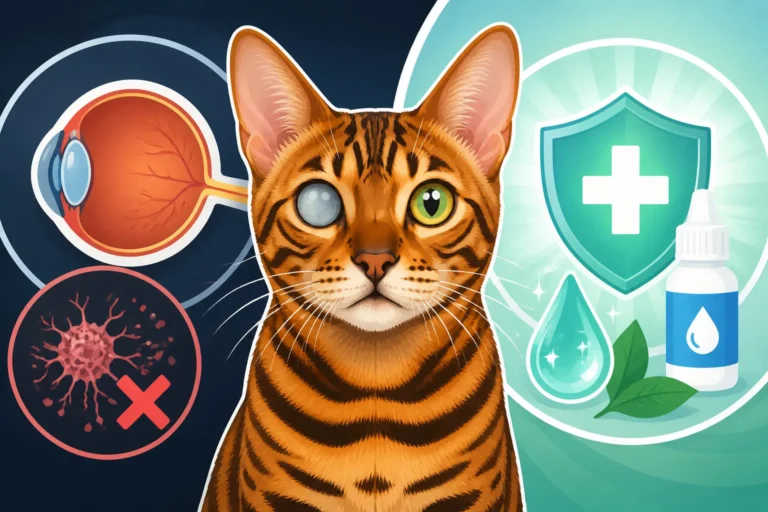
Beyond the visible coat and muscle, other physical changes are important to monitor. Their senses, particularly hearing and sight, may not be as sharp as they once were. You might notice them startled more easily if approached from behind, or perhaps they bump into furniture more often in dimly lit rooms. Dental health becomes a more pressing concern; tartar buildup and gum disease are incredibly common in older cats and can lead to significant pain and systemic health issues. You may also notice Whether an Aging Bengal Cat Gets Stiff, particularly after long naps, indicating potential joint discomfort. Paying close attention to these subtle physical cues allows us to proactively address any discomfort and keep our senior Bengals as comfortable as possible.
Mental and Behavioral Adjustments
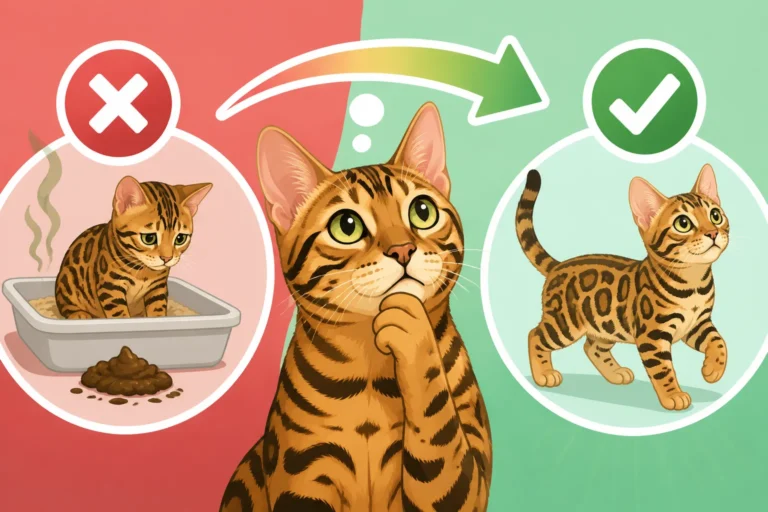
Bengal cats are renowned for their sharp intellect and complex personalities. They are problem-solvers, often figuring out how to open doors, cabinets, and even childproof locks. As they age, their cognitive function can also undergo changes, much like in humans. While many Bengals retain their quick wit and curious nature well into their senior years, some may exhibit signs of cognitive dysfunction. This can manifest as disorientation, altered sleep-wake cycles (perhaps more nocturnal activity), reduced interaction, or even changes in litter box habits.
Their personality might also shift slightly. A highly vocal Bengal might become a little quieter, or conversely, a previously reserved cat might start demanding more attention. Some senior Bengals might become more prone to anxiety or stress, especially if their routine is disrupted, or their environment changes. They thrive on predictability and comfort. Understanding these mental and behavioral adjustments isn't about bracing for the worst, but about being prepared to provide extra reassurance, a consistent routine, and an environment that supports their evolving emotional needs. It's about cherishing their individuality and adapting our interactions to match their pace and preferences, ensuring they continue to feel loved, secure, and mentally engaged.
Nutritional Needs for the Senior Bengal
Just like with people, what a Bengal cat eats needs to evolve as they get older. The diet that perfectly fueled their youthful escapades might not be the ideal choice for their golden years. Their metabolism slows, their muscle mass changes, and their digestive system can become more sensitive. Getting nutrition right for your senior Bengal is one of the biggest ways you can support their health and longevity.
Adjusting Diet for Slower Metabolism
One of the most significant changes in an aging Bengal cat is their metabolism. That lightning-fast energy burn that characterized their younger years starts to slow down. This means they generally require fewer calories to maintain a healthy weight. Continuing to feed them the same high-calorie, growth-oriented diet they had as a kitten or young adult can quickly lead to weight gain, which puts undue stress on their joints and organs. Obesity can exacerbate existing health conditions and even shorten their lifespan.
It's not just about calorie restriction, though; it’s about nutritional density. Senior cats still need high-quality protein to maintain muscle mass, even if they're losing it due to age. In fact, Why an Old Bengal Cat Loses Muscle First is a common concern, and adequate protein intake can help mitigate this. Look for foods specifically formulated for senior cats, which often have a slightly lower calorie count but are rich in easily digestible proteins and essential nutrients. Consulting with your vet can help determine the exact caloric needs for your individual cat, as activity levels can still vary widely among senior Bengals. Brands like Healthy Paws often emphasize the importance of preventative care, and diet is a huge part of that.
Supporting Joint Health and Mobility
As we discussed, Whether an Aging Bengal Cat Gets Stiff is a real concern. Many senior Bengals, like older cats of any breed, can develop arthritis or other joint issues, making movement less comfortable. Their incredible jumping ability might diminish, and you might notice hesitation before leaping onto furniture they once scaled with ease. Nutrition plays a vital role in supporting joint health.
Look for senior cat foods that include supplements like glucosamine, chondroitin, and omega-3 fatty acids (DHA and EPA). These ingredients are known to help support cartilage health, reduce inflammation, and improve joint lubrication, potentially easing discomfort. Even if your Bengal isn't showing obvious signs of stiffness, incorporating these nutrients can be a proactive measure. You might also consider specific joint supplements, but always discuss these with your veterinarian before adding them to your cat's regimen. Making sure their diet supports their mobility can keep them active and comfortable for longer, even if "active" now means a gentle stretch rather than a full sprint.
Managing Common Digestive Changes
Bengal cats are notorious for their sensitive stomachs; owners often find themselves asking Why a Bengal Cat's Gut Is So Sensitive. This can become even more pronounced as they age. Their digestive system might not be as efficient at processing certain foods, leading to issues like constipation, diarrhea, or decreased appetite. Food sensitivities that were minor when they were younger can become more bothersome.
Choosing highly digestible ingredients is key. Wet food can be particularly beneficial for senior Bengals for a couple of reasons. Firstly, it provides much-needed hydration, which is vital for kidney function and preventing constipation. Secondly, it’s often easier for older cats, who may have dental issues, to eat. If your Bengal has recurring digestive upset, your vet might recommend a limited ingredient diet or a prescription gastrointestinal formula. Small, frequent meals can also be easier on an aging digestive system than one or two large meals. Always monitor their stool consistency and eating habits, and report any significant changes to your vet promptly.
Veterinary Care Becomes Even More Critical
Bringing your Bengal cat into their senior years is a testament to the love and care you've given them, but it also means their veterinary needs will become more focused and frequent. The goal isn't just to treat illness when it arises, but to proactively monitor their health and maintain their quality of life for as long as possible. Early detection of potential problems is key.
The Importance of Regular Senior Wellness Checks
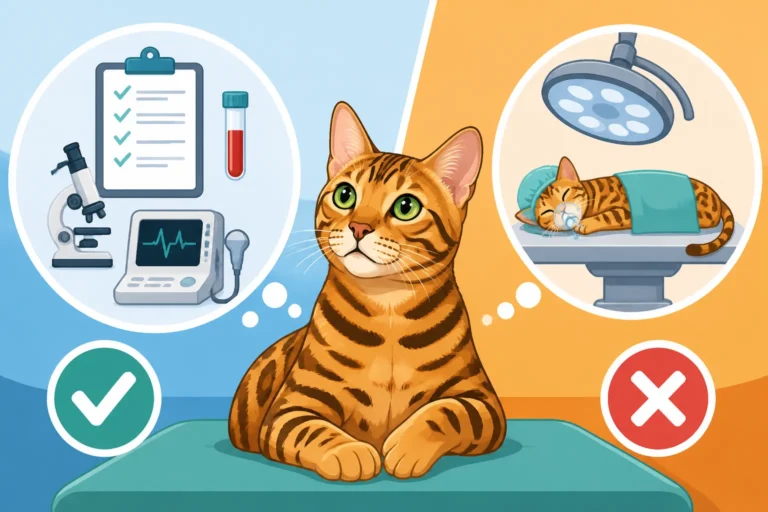
For younger Bengals, a yearly vet visit might feel like enough, but once they hit ten, those annual check-ups should ideally become semi-annual. Think of it this way: a cat ages much faster than a human, so six months for them is like several years for us. A lot can change in that time. These more frequent visits allow your veterinarian to closely monitor their weight, dental health, joint mobility, and overall physical condition. It's a chance to catch subtle changes that might indicate the beginning of an age-related condition.
During these appointments, your vet will perform a thorough physical examination, checking everything from their coat and skin to their heart and lungs. They'll also discuss any behavioral changes you've observed at home, because as we know, How a Bengal Cat Hides Pain can be remarkable, often only showing subtle shifts in routine or demeanor. These regular visits are foundational to senior Bengal care, establishing baselines and allowing for prompt intervention if something seems off.
Common Health Issues in Older Bengal Cats
Aging brings with it an increased risk for certain health conditions, and Bengal cats are no exception. While they are generally a robust breed, understanding these common ailments can help you be a more vigilant advocate for your cat's health. Kidney disease is incredibly prevalent in older felines. Signs can be subtle at first, like increased thirst and urination, and early detection through bloodwork is crucial. Hyperthyroidism, an overactive thyroid gland, is another common condition that can lead to weight loss despite a good appetite, hyperactivity, and a poor coat. Diabetes can also develop, particularly in overweight cats, requiring dietary changes and sometimes insulin therapy.
Other concerns include hypertension (high blood pressure), which can affect the eyes, kidneys, and heart, and various forms of cancer. Your vet will often recommend What a Bengal Cat's Yearly Bloodwork Should Cover to screen for these and other conditions. It might seem like a lot, but this comprehensive testing allows your vet to create a tailored health plan, potentially delaying the progression of disease or managing symptoms effectively. This is where pet insurance, like policies offered by Healthy Paws, can be incredibly helpful, easing the financial burden of these diagnostic tests and ongoing treatments.
Managing Chronic Conditions
If your senior Bengal is diagnosed with a chronic condition, the focus shifts to management rather than a cure. The goal is to control symptoms, slow disease progression, and maintain the best possible quality of life. For instance, if your Bengal develops arthritis, your vet might prescribe pain medication, anti-inflammatory drugs, or recommend specific joint supplements. Dietary changes are also often part of the management plan, such as prescription foods for kidney disease or diabetes.
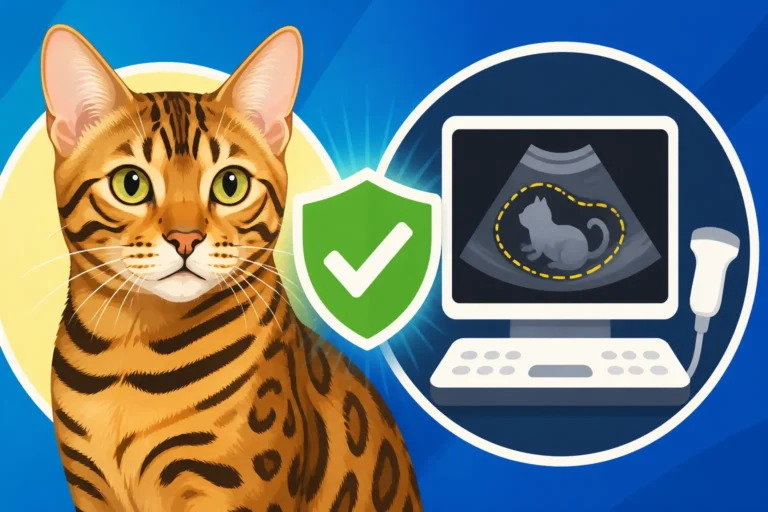
Managing a chronic condition is a partnership between you and your vet. It often involves regular medication administration, dietary adjustments, and ongoing monitoring through follow-up appointments and blood tests. For example, How Often a Bengal Cat Needs an Echo might increase if they develop heart disease. It's a commitment, but seeing your cat comfortable and happy despite their condition makes it all worthwhile. Always communicate openly with your veterinary team about any concerns or difficulties you're experiencing with the treatment plan. They are there to support you both.
Maintaining an Active Mind and Body
Just because your Bengal cat is past ten doesn't mean they've lost their zest for life or their need for engagement. Their incredible intelligence and natural athleticism still need outlets, even if those outlets look a little different now. Adapting how you play and interact with them can ensure they remain mentally stimulated and physically comfortable.
Adapting Playtime for Less Mobile Cats
The days of your Bengal leaping to the top of the refrigerator might be behind them, but their predatory instincts and love for play endure. You simply need to adjust the intensity and accessibility of playtime. Instead of high-impact games that involve a lot of jumping and running, focus on ground-level play. Wand toys, for example, are still fantastic, but keep the "prey" lower to the ground, allowing them to stalk and pounce without excessive strain on their joints. Laser pointers can still be engaging, but be mindful of frustrating them if they can't quite "catch" the dot as easily.
Puzzle feeders are excellent for mental stimulation without requiring much physical exertion. They tap into your Bengal's natural problem-solving skills and predatory drive, making mealtime an engaging challenge rather than a simple chow-down. Incorporate shorter, more frequent play sessions rather than one long, exhausting one. A few five-minute bursts throughout the day can be more beneficial and less strenuous than a single twenty-minute session that leaves them sore. Observe your cat's cues – if they seem tired or uncomfortable, it's time to rest.
Enriching Their Environment as They Age
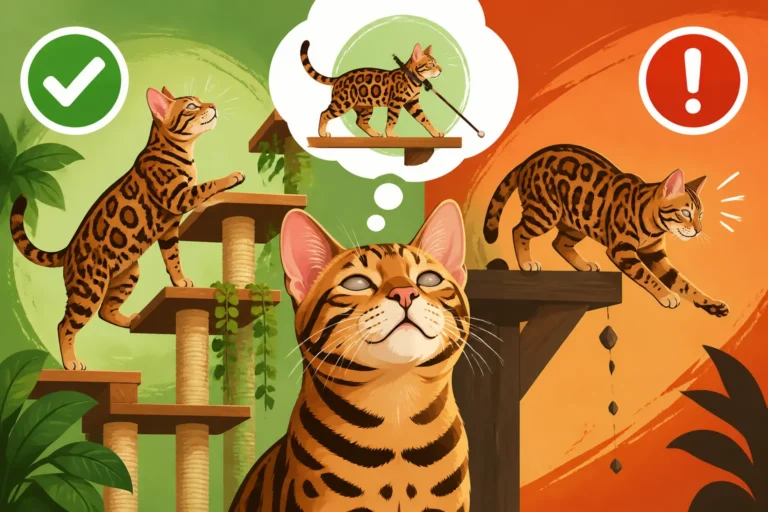
An enriched environment is vital for a Bengal cat at any age, but it takes on new meaning for seniors. Now, it's about accessibility and comfort without sacrificing mental engagement. If your Bengal used to love looking out the window from a high perch, consider adding steps or a ramp to make that spot easier to reach. Low-impact cat trees with wide, easily accessible platforms become more appropriate than towering, narrow structures.
Think about vertical space in a different way. Instead of encouraging climbing up, perhaps focus on creating interesting, easy-to-reach ledges and shelves at mid-level heights where they can survey their kingdom without straining. Warm, soft beds placed in sunny spots or quiet corners are often highly appreciated. Some senior Bengals might develop a greater sensitivity to temperature, so ensure they have cozy, draft-free sleeping areas in winter and cool, shaded spots in summer. Even simply rotating their favorite toys or introducing new, soft ones can provide novel stimulation.
Considering a Companion for an Older Bengal
This is a decision that requires careful thought, as every cat is different. Some Bengals are lifelong solo artists, content with their human companions. Others thrive on feline company. If your senior Bengal has always lived with other cats, maintaining that social structure, if healthy, can be comforting. However, if they've been alone for a long time, or are showing signs of increased anxiety or loneliness, you might consider if a companion would be beneficial.
Introducing a new, younger, highly energetic kitten to a senior Bengal might not be the best idea, as it could overwhelm them and cause stress. A calmer, older cat or even another gentle senior might be a more suitable match. The key is a slow, gradual introduction, respecting both cats' boundaries and personalities. A new companion can provide mental stimulation, warmth, and subtle social interaction that combats loneliness. However, if your senior Bengal is experiencing significant health issues or prefers solitude, adding a new pet could be an unnecessary stressor. Always prioritize your existing cat's well-being and consult with your vet about the best approach.
Grooming and Hygiene for Comfort
While Bengal cats are known for their low-maintenance, pelt-like coats, as they age, they might need a little extra help with their grooming and hygiene routines. Self-grooming can become more challenging due to stiffness, dental pain, or general weakness, making our assistance even more crucial for their comfort and health.
Keeping Their Aging Coat Pristine
The Bengal's short, sleek coat is one of its most defining features, often requiring minimal brushing in their younger years. However, an aging Bengal might find it harder to contort their body to reach all areas, leading to mats, tangles, or a dull, greasy appearance, especially around the lower back or tail. Whether an Aging Bengal Cat Needs More Grooming is often a yes, for their comfort and health. Regular, gentle brushing becomes more important, not just for coat health but also as a bonding experience.
A soft brush or grooming glove can help distribute natural oils, remove loose fur, and stimulate circulation. This can also be an opportunity to check for any lumps, bumps, skin irritations, or parasites that might be hidden beneath their coat. If your Bengal has developed a dry, flaky coat, talk to your vet. It could be a sign of underlying health issues or simply indicate a need for a diet rich in omega fatty acids. Keeping their coat clean and free of debris will prevent skin problems and ensure they feel fresh and comfortable.
Nail Care and Paw Health
Bengal cats have strong, fast-growing claws, a legacy of their wild ancestry. While younger Bengals are often adept at keeping their claws in check through scratching posts and climbing, older cats might become less diligent or physically capable of doing so. This can lead to overgrown claws that curl into their paw pads, causing pain, infection, and difficulty walking. Regular nail trims become essential.
If your Bengal is resistant to having their paws handled, start slowly and gently, making it a positive experience with treats. Consider using softer, quieter clippers or even a nail dremel if they tolerate it. Beyond nail length, regularly inspect their paw pads for cracks, sores, or any foreign objects that might be lodged there. Older cats are less agile and might step on things without realizing it, or their skin might be more fragile. Keeping their paws healthy ensures they can move around comfortably and maintain their independence for as long as possible.
Dental Health Remains Paramount
Dental disease is one of the most common health problems in older cats, and Bengal cats are no exception. By the time they reach senior status, many cats have some degree of periodontal disease, which can range from mild gingivitis to severe infections, tooth loss, and systemic issues. Ignoring dental health can lead to significant pain, difficulty eating, and even impact heart, kidney, and liver function. Whether a Bengal Cat Gets Dental Disease is not a matter of if, but often when, without proper care.
Regular professional dental cleanings under anesthesia are the gold standard for removing tartar and addressing issues below the gumline. Your vet will advise How Often a Bengal Cat Needs a Dental based on their individual needs. In between cleanings, you can try to brush your Bengal’s teeth with cat-specific toothpaste (never human toothpaste!) or use dental wipes. Dental chews and water additives designed to reduce plaque can also be beneficial, but they are not a substitute for professional veterinary care. Addressing dental pain is a crucial step in improving your senior Bengal’s overall comfort and quality of life.
Creating a Comfortable and Safe Home Environment
Your Bengal cat's world is primarily their home, and as they age, adapting that environment to meet their changing needs becomes increasingly important. What was once a stimulating jungle gym might now present accessibility challenges. Thoughtful adjustments can make a huge difference in their comfort, safety, and overall well-being.
Accessibility in the Home
The incredible agility of a Bengal cat is a joy to behold in their youth, but as they get older, those spectacular leaps might become difficult or even painful. You'll want to ensure that all their favorite spots – window perches, high beds, or even just the sofa – are easily accessible. Consider placing ramps or pet steps next to furniture so they don't have to jump. If they use a multi-level cat tree, ensure all platforms are wide and stable, and perhaps remove higher levels they can no longer comfortably reach.
Litter box accessibility is also critical. An older Bengal with arthritis might struggle to climb into a high-sided litter box. Switch to a box with lower sides, or even a shallow storage container that’s easier to step into. If you have multiple floors, consider adding an extra litter box on each level to reduce the distance they need to travel. Water and food bowls should also be easily reachable, perhaps elevated slightly if bending down causes neck or back pain. These small adjustments can prevent falls and make daily activities less stressful.
Temperature Sensitivity and Comfort
As cats age, their ability to regulate their body temperature can become less efficient. Older Bengals might feel the cold more keenly due to thinner fur or less muscle mass, or they might overheat more easily. Providing comfortable resting spots that cater to these sensitivities is vital. In colder months, ensure they have warm, cozy beds away from drafts. Heated pet beds, or simply extra blankets, can provide immense comfort, especially for those with arthritis.
Conversely, in warmer weather, make sure they have access to cool, shaded areas. A cool mat or a tiled floor might be preferred over a sun-drenched window sill. Always ensure fresh water is readily available in multiple locations to encourage hydration. Monitoring your home's temperature and your Bengal's behavior will help you understand their comfort levels and make necessary adjustments to keep them cozy without overheating.
Reducing Stress and Anxiety
Aging can sometimes bring increased anxiety or stress for cats, especially if their senses are diminishing or they're experiencing pain. A stable, predictable routine becomes a source of comfort and security. Try to keep meal times, play times, and cuddle sessions consistent. Sudden changes in household dynamics, moving furniture, or introducing new pets can be particularly stressful for a senior Bengal.
Create quiet, safe havens where your Bengal can retreat and feel secure. This could be a cozy bed under a table, a dedicated cat cave, or a secluded spot in a low-traffic room. Feliway diffusers, which release calming pheromones, can also be helpful in reducing general anxiety. Gentle, predictable interactions from family members are important, and making sure children understand the need for respectful, calm engagement with an older cat is paramount. An environment that promotes peace and predictability will help your senior Bengal feel loved and secure.
Recognizing Signs of Pain and Discomfort
Bengal cats are incredibly stoic animals, a trait inherited from their wild ancestors. They have a remarkable ability to mask pain and discomfort, often to their own detriment. This makes it challenging, but vitally important, for us as their caregivers to become attuned to the subtle cues that indicate they might be hurting. Understanding How a Bengal Cat Hides Pain is crucial for their well-being.
Subtle Indicators of Pain
Unlike a dog who might limp or vocalize when in pain, a cat, especially a Bengal, will often try to hide it. Instead of an obvious cry, you might notice very subtle behavioral shifts. These can include a reluctance to jump or climb, even if steps are provided. They might spend more time hiding or become unusually irritable when handled, particularly in certain areas of their body. A once-gregarious Bengal might withdraw, or a normally fastidious groomer might suddenly neglect their coat.
Changes in posture, such as a hunched back, or an altered gait – walking more slowly, stiffly, or with a slight head bob – can also be indicators. You might notice changes in their eating habits, not necessarily refusing food, but perhaps struggling to chew, or approaching their bowl with hesitation due to dental pain. Reduced engagement in play, an increase in sleep, or even changes in litter box habits (missing the box, straining) can all signal discomfort. Become an expert observer of your Bengal's normal behavior, and any deviation, no matter how small, warrants attention.
When to Seek Veterinary Attention
It's tempting to think these subtle changes are just "part of getting old," but that's a dangerous trap to fall into. Pain is not a normal part of aging; it's a symptom that something needs to be addressed. As soon as you notice persistent changes in your Bengal's behavior, mobility, appetite, or litter box habits, it's time to call your veterinarian. Don't wait until the signs are obvious or severe, because by then, your cat has likely been experiencing discomfort for a significant period.
Your vet will be able to perform a thorough physical examination, potentially including blood tests, X-rays, or other diagnostics, to pinpoint the cause of the discomfort. Early intervention can make a significant difference in managing pain and improving their quality of life. For instance, if Whether a Bengal Cat Gets Dental Disease is a concern, a vet visit can confirm it and lead to a treatment plan before it becomes a severe infection. Even if it turns out to be a minor issue, peace of mind is invaluable. Don't hesitate to seek professional advice when your Bengal's comfort is at stake. This is precisely the kind of situation where having robust pet insurance, like Healthy Paws, can remove financial barriers to getting prompt care.
Quality of Life Considerations
As much as we want our Bengals to live forever, there comes a point in every pet's life where we must consider their overall quality of life. This is perhaps one of the hardest conversations to have, but it’s an act of love and responsibility. When a chronic condition progresses to the point where pain cannot be adequately managed, or your cat consistently loses interest in eating, playing, or interacting, it's time for an honest discussion with your veterinarian.
Your vet can help you assess various factors: Is their pain controlled? Are they still able to enjoy basic pleasures like eating and cuddling? Are they having more good days than bad? This isn't about giving up; it's about preventing prolonged suffering. Making difficult decisions regarding end-of-life care is a deeply personal journey, but your veterinary team is there to provide guidance, support, and empathy every step of the way. The goal is always to ensure your beloved Bengal lives their golden years with dignity, comfort, and joy, to their very last purr.
| Age-Related Change Observed | Potential Cause | Action to Take |
|---|---|---|
| Reduced Jumping/Climbing | Arthritis, muscle loss, pain | Provide ramps/steps, lower perches, vet check for pain. |
| Increased Napping | Slower metabolism, pain, illness | Monitor duration/location, vet check for underlying issues. |
| Changes in Coat Condition | Self-grooming difficulty, nutritional deficit, illness | Gentle brushing, vet check for skin/nutritional issues. |
| Increased Thirst/Urination | Kidney disease, diabetes, hyperthyroidism | Immediate vet visit for blood/urine tests. |
| Weight Loss (despite eating) | Hyperthyroidism, kidney disease, dental pain | Immediate vet visit for full diagnostic workup. |
| Difficulty Eating/Bad Breath | Dental disease, oral pain | Vet check for dental cleaning/extractions. |
| Accidents Outside Litter Box | Arthritis, cognitive dysfunction, UTIs | Low-sided litter box, vet check for physical/medical issues. |
| Increased Irritability/Hiding | Pain, anxiety, cognitive dysfunction | Provide safe spaces, vet check for pain/illness. |
Disclaimer
The information provided in this guide is for general informational purposes only and is not a substitute for professional veterinary advice, diagnosis, or treatment. Always seek the advice of your veterinarian or other qualified health provider with any questions you may have regarding a medical condition or the health and welfare of your Bengal cat.