What a Snow Bengal Cat Is
Many aspiring Bengal cat owners dream of a sleek, spotted feline with a snowy white coat, often picturing a striking, almost ethereal companion. However, the term "Snow Bengal" actually encompasses a fascinating spectrum of colors and patterns, all rooted in specific genetics that create stunning, lighter variations of the breed. If you've ever wondered about the true nature of these captivating cats and what sets them apart, this guide will delve deep into the origins, types, and unique characteristics of what we lovingly call a Snow Bengal.
Understanding the "Snow" in Bengal Cats
When people first hear "Snow Bengal," they often imagine a pristine white cat, perhaps like a fluffy Persian or a pure white domestic shorthair. But in the world of Bengal cats, "snow" isn't about being pure white at all. It’s a term of endearment and an accurate descriptor for Bengals with a significantly lighter base coat, achieved through specific genetic dilutions that pull back the richer, warmer tones of traditional brown Bengals. This isn't just a random color variation; it's a carefully understood genetic expression that produces some of the most sought-after coats in the breed.
What Makes a Cat "Snow"?
At its heart, what makes a cat "snow" is the presence of the albino gene series, specifically a recessive gene that modifies the expression of color. Think of it like a dimmer switch on a light bulb: instead of turning the light completely off (which would be a true albino cat, very rare and often with red eyes), this gene dims the intensity of the base color. For Bengals, this means their typical brown or black pigment is softened, diluted, and transformed into various shades of cream, ivory, or pale gold. It's a beautiful interplay of genetics that results in a lighter canvas, allowing their wild rosettes and patterns to truly pop in a unique way.
These lighter coats are not only visually distinct but also feel incredibly luxurious. Just like their brown counterparts, A Bengal Cat's Coat Is a Pelt, Not Fur, possessing that famously short, dense, and soft texture. The "snow" aspect refers to this lighter hue that forms the backdrop for their patterns.
The Genetic Science Behind Snow Bengal Colors
The science behind the Snow Bengal's stunning appearance lies in a recessive gene called the "Colorpoint" gene (or cs/cb series, related to the Siamese and Burmese genes). There are actually three main variations of this gene that result in the three types of Snow Bengals. When a Bengal cat inherits two copies of this recessive gene – one from each parent – it expresses as a "snow" cat. If a cat only inherits one copy, it's a "carrier" and looks like a normal brown Bengal, but can pass the gene to its offspring. This is why careful breeding programs are so important to produce these beautiful variations consistently.
For instance, two "carrier" brown Bengals can produce Snow Bengal kittens. It's a testament to the intricate dance of genetics that we can predict and understand these outcomes. Responsible breeders perform What a Bengal Cat Breeder Should Have Tested, including genetic panels, to identify carriers and ensure healthy breeding practices. This foresight helps them plan litters that will produce these enchanting Snow Bengals.
Why They Aren't Actually Pure White
Despite the "snow" moniker, these Bengals are never truly pure white, nor are they albinos. If you're hoping for a cat that matches your white furniture perfectly, you might be a little surprised! Instead, their base coats range from creamy ivory to a pale, almost silvery off-white, often with warmer tones developing as they mature. The "points" – areas like the ears, tail, face, and paws – are typically darker than the rest of the body, a hallmark of the colorpoint gene. This phenomenon is similar to how a Siamese cat gets its dark extremities. The colder areas of the body allow pigment to develop more intensely.
This subtle variation in color intensity across their body is part of what makes them so captivating. Their patterns, whether spotted or marbled, are still very much present, but instead of being bold black or dark brown on a golden background, they appear in shades of seal, sepia, or mink on their pale canvas. This contrast, even if subtle, is what breeders strive for and what gives Snow Bengals their unique allure, distinguishing them from any truly white cat.
The Three Faces of the Snow Bengal
The term "Snow Bengal" isn't just one thing; it's a glorious umbrella that covers three distinct color variations, each with its own charm and genetic signature. Understanding these differences is key to appreciating the full spectrum of their beauty. Each type of Snow Bengal arises from a slightly different genetic combination within that colorpoint gene series, resulting in variations in both coat color and eye color.
Seal Lynx Point: The Lightest of the Snows
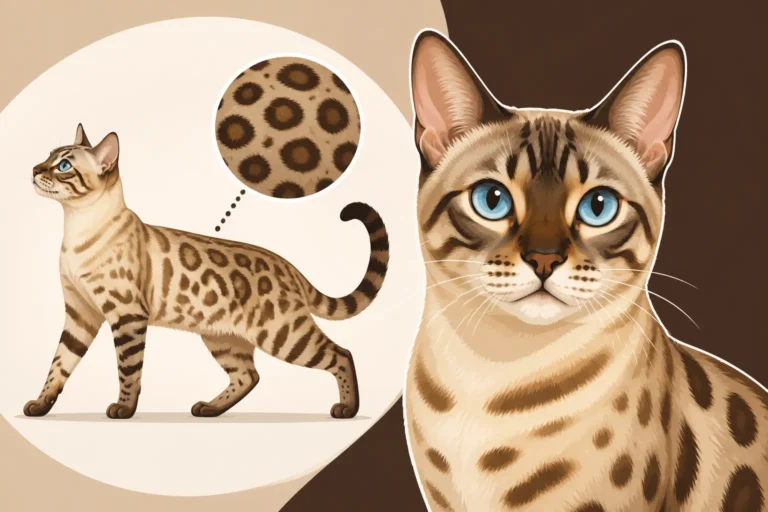
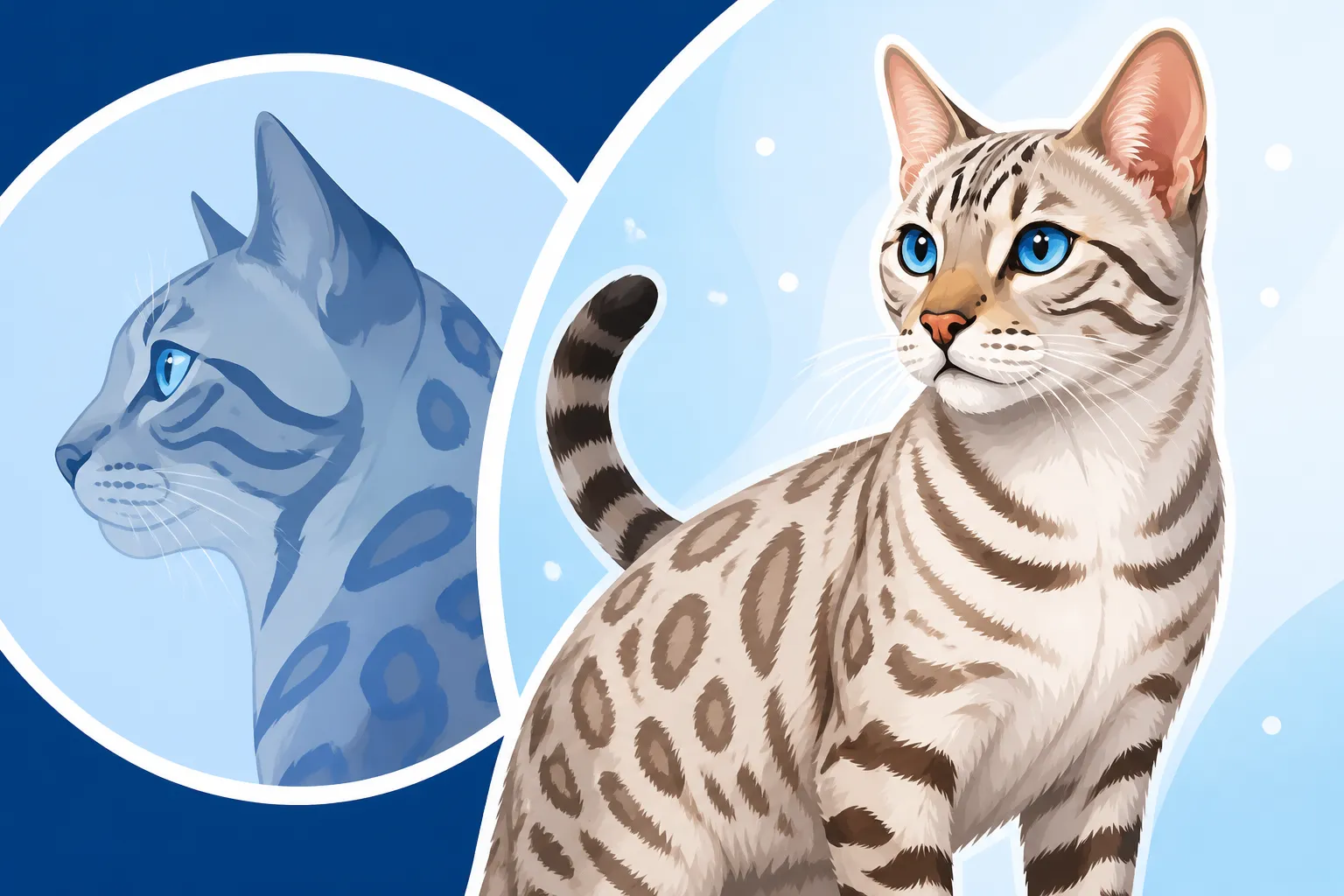
The Seal Lynx Point Bengal is often considered the "classic" Snow Bengal and is typically the lightest of the three types. Genetically, they carry two copies of the Siamese colorpoint gene (cs/cs). This genetic makeup results in a strikingly pale, almost white or creamy body color, with very pronounced darker "points" on their ears, tail, and paws. What truly sets them apart, however, are their eyes: all Seal Lynx Points will have brilliant blue eyes. This is a non-negotiable trait, a direct result of their genetic coding. You can read more about this specific trait in Why a Snow Bengal Cat Has Blue Eyes.
Their patterns – be it rosettes or marbling – are usually a delicate seal brown, offering a beautiful, often high-contrast display against their light background. As kittens, they might appear almost pure white, with their points and patterns developing more clearly as they grow. This gradual darkening is common in colorpoint cats as their fur reacts to cooler temperatures. A Seal Lynx Point is truly a living work of art, with an elegant, cool-toned palette.
Seal Mink: A Beautiful Intermediate Shade
Next up is the Seal Mink Bengal, a gorgeous intermediate between the Lynx Point and the Sepia. Genetically, the Seal Mink carries one copy of the Siamese colorpoint gene and one copy of the Burmese colorpoint gene (cs/cb). This combination gives them a slightly warmer, creamier, or sometimes even a light caramel tone to their base coat compared to the Lynx Point. Their points are also darker, but tend to blend a bit more smoothly into the body color, creating a less stark contrast.
The eye color of a Seal Mink Bengal is also distinctive: they will almost always have aqua or greenish-blue eyes. This unique eye color, combined with their warmer coat, gives them a captivating look that is instantly recognizable. Their patterns appear in shades of rich mink-brown, providing a lovely depth against their creamy foundation. Many find the Seal Mink to be a perfect blend, offering both the lightness of a Snow Bengal and a touch of warmth.
Seal Sepia: The Warmest, Darkest Snow Bengal
The Seal Sepia Bengal is the third and often the warmest, darkest variation of the Snow Bengals. Genetically, they carry two copies of the Burmese colorpoint gene (cb/cb). This genetic blueprint results in a much richer, warmer cream, golden, or even light tan base coat. While still considerably lighter than a traditional brown Bengal, they don't have the stark white appearance of a Lynx Point. Their points are a darker, often warm brown, blending very smoothly with the body color, making the overall appearance more cohesive and less "pointed."
Seal Sepias typically have gold, green, or hazel eyes, never blue or aqua. This further differentiates them from their Lynx Point and Mink cousins. Their patterns are usually a deep, warm seal brown, often with excellent contrast, appearing as if painted in rich, earthy tones. If you appreciate the look of a traditional brown Bengal but desire a lighter, creamier canvas, the Seal Sepia offers that beautiful balance. Here's a quick comparison of the three types:
| Feature | Seal Lynx Point | Seal Mink | Seal Sepia |
|---|---|---|---|
| Genotype | cs/cs (Siamese/Siamese) | cs/cb (Siamese/Burmese) | cb/cb (Burmese/Burmese) |
| Body Color | Creamy white to ivory | Cream to light caramel | Warm cream to light tan/gold |
| Point Color | Dark seal brown, distinct | Richer mink-brown, moderate contrast | Darker warm brown, soft contrast |
| Eye Color | Blue | Aqua or bluish-green | Gold, green, or hazel |
| Contrast | High | Moderate | Moderate to good |
| Overall Tone | Coolest | Intermediate | Warmest |
Distinctive Features of a Snow Bengal
Beyond their captivating lighter coats, Snow Bengals share many of the magnificent physical attributes of their brown counterparts, all while having certain features that are uniquely enhanced by their color. These include their eye color, the way their patterns are displayed, and the presence of that magical "glitter" gene.
Eye Color: A Defining Trait
As touched upon earlier, eye color is one of the most immediate giveaways for distinguishing between the different types of Snow Bengals, and it's absolutely stunning to behold. The brilliant blue eyes of a Seal Lynx Point are truly piercing, often seeming to glow with an intense sapphire hue. This is a direct genetic link to their Siamese ancestry. In contrast, the Seal Mink's aqua or greenish-blue eyes are equally captivating, offering a softer yet still vibrant gaze that complements their warmer coat. The Seal Sepia, with its gold, green, or hazel eyes, typically has the most variation, reflecting the earthier tones of their fur.
It's important to remember that eye color in kittens can change slightly as they mature. However, the fundamental color group (blue, aqua, or gold/green) will always remain consistent with their genetic snow type. These striking eye colors, often rimmed with a darker "mascara" line, contribute significantly to the exotic and wild look that Bengal cats are so famous for, making their gaze truly unforgettable.
Pattern and Contrast: Rosettes and Marbling on a Lighter Canvas
The patterns on a Snow Bengal are just as varied and intricate as those on a traditional brown Bengal, but they take on a different kind of artistry due to the lighter base coat. Whether a Snow Bengal sports classic rosettes or a flowing marbled pattern, the contrast is what truly makes them shine. On a Seal Lynx Point, the rosettes or marbling will be a dark seal brown against an almost pristine ivory, creating a dramatic, high-contrast effect that resembles delicate charcoal drawings on snow. It’s a truly elegant look that emphasizes the individual markings.
For Seal Minks, the patterns are a rich mink-brown, and while still distinct, they tend to have a slightly softer edge against the creamy background. This gives a beautiful, blended depth to their markings. The Seal Sepia's patterns, usually a warm dark brown, often stand out with excellent contrast on their golden or tan base, giving a rich, almost antique feel to their coat. Regardless of the snow type, the unique quality of How a Bengal Cat's Pelt Differs From Ordinary Fur ensures that these patterns lie close to the body, making them appear painted on. This lighter canvas really allows the intricate details of paw print, arrowhead, or donut rosettes to be admired.
The "Glitter" Gene in Snow Bengals
Ah, glitter! This magical trait is a hallmark of the Bengal breed, and Snow Bengals are certainly no exception. The "glitter" gene is a fascinating characteristic that gives the Bengal cat's fur a unique iridescent shimmer, almost as if it's been dusted with fairy dust. This isn't just a sheen; it's due to hollow hair shafts that capture and reflect light in a truly special way. What the Glitter Gene Does to a Bengal Cat is to make their individual hair shafts translucent, giving the coat an almost metallic or pearlized finish.
On a Snow Bengal, this glitter can be particularly breathtaking. Imagine shimmering, delicate rosettes catching the light, adding another layer of depth and luxury to their already stunning appearance. Whether it's a subtle golden sparkle on a Seal Sepia or a silvery gleam on a Seal Lynx Point, the glitter enhances the overall exotic appeal. It's truly a sight to behold, especially in natural sunlight, making their already wild appearance even more captivating. Breeders often look for prominent glitter when assessing What a Bengal Cat Looks Like by the Standard, as it's a highly desired trait.
Living with a Snow Bengal: Care and Considerations
Bringing a Snow Bengal into your home is an incredibly rewarding experience, but like all Bengals, they come with a unique set of needs and characteristics. Their stunning appearance is only one part of the equation; understanding their care, personality, and what makes them tick is crucial for a happy household.
Maintaining the Snow Bengal's Stunning Coat
One of the great joys of owning any Bengal, including a Snow Bengal, is how low-maintenance their coat is. Unlike long-haired breeds that require daily grooming, the Bengal's short, pelt-like coat is remarkably easy to care for. You won't find yourself battling mats or excessive shedding. In fact, Why a Bengal Cat Barely Needs Brushing at All is a common refrain among owners. A weekly brush with a soft rubber curry brush or grooming mitt is usually more than enough to remove loose hairs and keep their coat looking pristine. This occasional grooming session also provides a lovely bonding opportunity.
For Snow Bengals specifically, a clean coat is even more important as any dirt or oils can be more visible on their lighter fur. However, Bengals are fastidiously clean cats and excellent self-groomers. They might even join you in the shower or play in the sink, as A Bengal Cat Gets in the Shower With You is a classic Bengal trait, making bathing often unnecessary. Keep their nails trimmed to protect your furniture and their delicate skin.
Dietary Needs and Coat Health
Just like their brown counterparts, Snow Bengals are highly active, muscular cats that thrive on a high-quality diet. Given their wild ancestry, a diet rich in animal protein is paramount for their overall health, energy levels, and indeed, the vibrancy of their coat. Which Protein Percentage Suits a Bengal Cat is often debated, but generally, a diet with a high meat content (over 40-50% protein) is recommended. Look for foods where meat is the first ingredient, and avoid excessive fillers.
Some owners find that certain foods can affect coat clarity or contribute to tear staining, which might be more noticeable on a lighter-faced Snow Bengal. Experimenting with different high-quality brands or formulations might be necessary. Online retailers like Chewy offer a vast selection of premium, high-protein cat foods, and even limited-ingredient diets, making it easier to find what works best for your specific Snow Bengal's digestion and coat health. A well-nourished Bengal will have a soft, shiny coat that highlights their beautiful patterns.
Common Misconceptions and Expectations
It’s easy to fall in love with the striking look of a Snow Bengal, but it’s important to remember that beneath that lighter coat is still a true Bengal cat – a breed known for its boundless energy, intelligence, and vocal personality. They are not simply a prettier version of a docile housecat. Expect an active, curious, and often demanding companion. The Bengal Cat Is the Most Active Cat You Can Own, and this holds true for all color variations.
They need plenty of mental and physical enrichment, whether it's through interactive toys, puzzle feeders, or even A Bengal Cat Walks on a Leash. If you're looking for a quiet lap cat, a Bengal might not be the best fit. Snow Bengals are still incredibly playful, athletic, and can be quite vocal, making their presence known with chirps, trills, and occasional yowls. Their beauty is undeniable, but it comes wrapped in a vibrant, engaging personality that requires dedication and understanding.
Finding Your Snow Bengal: What to Look For
The allure of a Snow Bengal is undeniable, and many people specifically seek out these lighter-colored beauties. However, finding a healthy, well-socialized Snow Bengal from a responsible breeder requires careful research and patience. It's about more than just finding a pretty face; it's about ensuring you bring home a happy, healthy companion who has been ethically raised.
Working with Reputable Breeders
The first and most critical step is to find a reputable Bengal breeder. A good breeder will prioritize the health and temperament of their cats above all else, not just desirable coat colors. They should be transparent, willing to answer all your questions, and happy to show you their cattery environment. Expect to be asked as many questions as you ask them, as they want to ensure their kittens go to good homes. Avoid any breeder who pressures you into a sale, won't allow you to visit, or doesn't provide health records. You can also research breeders through organizations like TICA (The International Cat Association).
A reputable breeder will be able to tell you the specific type of Snow Bengal you're looking at (Lynx, Mink, or Sepia) and explain the genetic background of the parents. They should also provide a comprehensive health guarantee and a clear contract. Websites like Chewy or local pet stores often provide resources for finding ethical breeders in your area, or can guide you towards reputable online communities where you can seek recommendations.
Understanding Pedigrees and Genetic Testing
A pedigree is a family tree for your kitten, outlining its ancestors, and can tell you a lot about the kitten's lineage and potential genetic traits. For a Snow Bengal, the pedigree should clearly show the ancestry of both parents, indicating how the colorpoint gene was passed down. Understanding this documentation is key to confirming the kitten's generation and true colorpoint type.
Beyond pedigree, ask about genetic health testing. Reputable breeders routinely screen their breeding cats for common Bengal health issues. This includes genetic tests for conditions like PRA-b (Progressive Retinal Atrophy) and PK Deficiency (Pyruvate Kinase Deficiency), as well as regular cardiac screening for HCM (Hypertrophic Cardiomyopathy). A breeder should be eager to share the results of What a Bengal Cat's DNA Panel Costs and the individual health certificates for the kitten's parents. This transparency is a hallmark of responsible breeding and helps ensure you're getting a healthy cat.
Ensuring Health and Temperament
When visiting a breeder or picking up your kitten, pay close attention to the kitten's overall health and temperament. A healthy kitten should be playful, curious, and alert, with clear eyes, clean ears, and a soft, shiny coat. They should not be sneezing, coughing, or have any discharge. Check their litter box habits and ensure they are eating well.
Observe how the kittens interact with each other and with people. While Bengals are active, a well-socialized kitten should be friendly and outgoing, not overly shy or aggressive. A breeder who handles their kittens regularly from birth will produce more confident and well-adjusted pets. Don't be afraid to ask about the parents' temperaments too, as this can give you an idea of what to expect from your own kitten as it grows. Investing time in finding a good breeder will lead to a more joyful and healthy experience with your exquisite Snow Bengal.
Disclaimer
This article is for general informational purposes only and does not constitute professional advice. Laws, prices and regulations vary by location and change over time. Consult a qualified professional for guidance on your specific situation.