What a Charcoal Bengal Cat Is
Many prospective Bengal cat owners hear the term "charcoal" and picture a solid dark cat, or perhaps confuse it with a specific pattern. However, the charcoal Bengal is a distinct and striking genetic variation, not just a shade, that gives these magnificent cats a truly wild, almost ancient appearance. This guide will delve into what precisely makes a Bengal cat "charcoal," exploring its unique genetics, physical traits, and how this captivating color variant stands apart in the diverse world of Bengal cats.
What Makes a Charcoal Bengal Cat Unique?
The charcoal Bengal isn't just a darker version of a brown Bengal; it's a specific genetic expression that results in a cat with a much deeper, richer coat color and often a distinctive facial mask. It’s one of those traits that, once you see it, you can instantly recognize it in a lineup of other Bengals. This unique appearance isn't simply about tone, but about the very way their markings are expressed.
The Melanistic Gene and its Impact
At the heart of the charcoal Bengal's distinct look is a specific genetic combination involving the "agouti" gene (A) and the "melanistic" gene (apb). Without getting too bogged down in a biology lecture, think of it this way: most domestic cats have a dominant agouti gene (A) which allows for banding on each hair shaft, creating patterns like stripes or spots. The melanistic gene (apb), however, is a non-agouti gene found specifically in Asian Leopard Cats (ALCs) – the wild ancestor of our beloved Bengals. When a Bengal cat inherits one copy of the domestic non-agouti gene (a) from one parent and one copy of the ALC non-agouti gene (apb) from the other, they become a charcoal Bengal (genetically, Aa/apb). This specific pairing creates that intense, dense pigmentation that defines the charcoal look. It truly sets them apart, giving them a more saturated color than a typical brown or snow Bengal. This unique genetic combination is why they often look like a miniature black panther or a deeply shadowed leopard, rather than just a very dark brown cat.
Distinguishing Charcoal from Other Colors
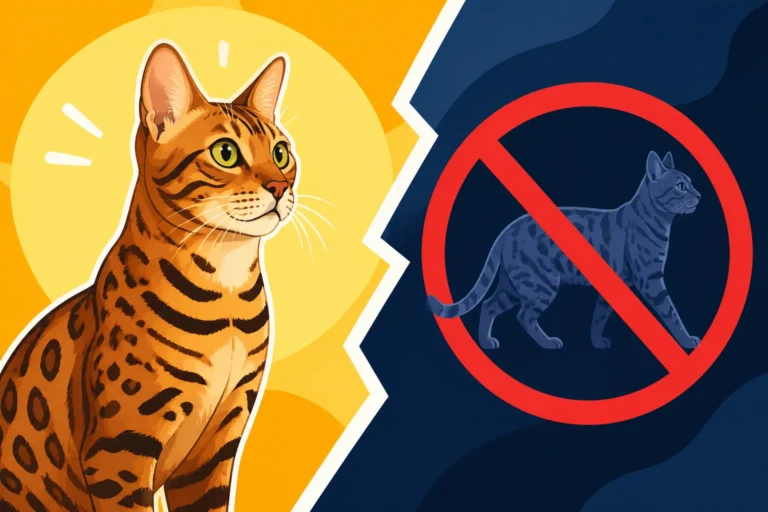
The charcoal gene acts almost like a deep filter over other base colors. You'll primarily see charcoal in two main color categories: brown charcoals and snow charcoals (which can be seal lynx, seal mink, or seal sepia charcoal). A brown charcoal Bengal will have a much darker, often sooty or smoky brown background color compared to a standard brown Bengal. Their spots or marbling will be incredibly well-defined, with almost no rufousing (reddish tones) that you often see in traditional browns. Snow charcoals, on the other hand, will display a markedly darker overall "snow" color than their non-charcoal snow counterparts, with much more dramatic dark markings and a prominent mask. The contrast is usually much sharper and the colors far more intense, making them truly stand out. It's not just a subtle difference; it's a profound shift in the overall color palette of the cat, giving them an unmistakable presence that many people find incredibly striking.
The "Zorro Mask" and Other Defining Features
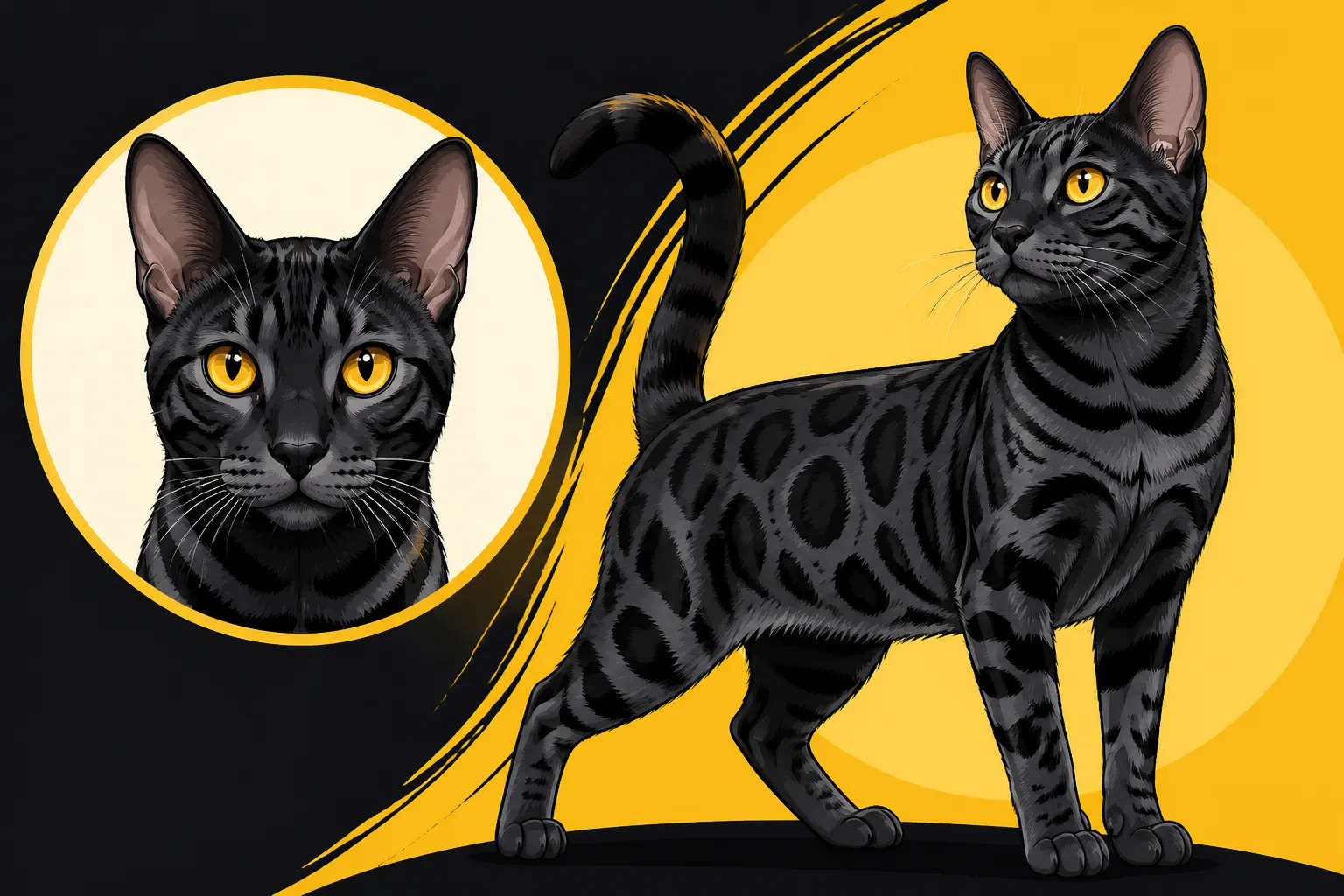
One of the most captivating and definitive features of a charcoal Bengal is its facial mask. This isn't just a slight darkening around the eyes; it's a prominent, almost painted-on look that contributes significantly to their wild appeal. But it's not the only trait that sets them apart.
The Dark Facial Mask
The "Zorro mask," as it's affectionately known among Bengal enthusiasts, is arguably the most recognizable trait of a charcoal Bengal. This mask is characterized by a very dark, often black, area around the eyes that extends up the forehead and sometimes down the cheeks, creating a striking contrast with the lighter areas of the face. It's like they've been custom-painted by a master artist to enhance their already captivating gaze. This dark pigmentation isn't just superficial; it's deeply ingrained in their genetic makeup, a direct result of the charcoal modifier.
Beyond the eyes, this mask can sometimes extend to create a darker nose bridge, almost like a dark spectacle, which further accentuates their piercing eyes. It's a hallmark that immediately tells you you're looking at a charcoal Bengal, even if you're not familiar with the intricate genetics. This feature lends an undeniable air of mystery and a truly wild aesthetic that is highly prized. It evokes the powerful, stealthy image of their Asian Leopard Cat ancestors, making them look perpetually ready for an adventure.
The Sooty Back and Absence of Whited Tummy
Another key indicator of a charcoal Bengal is the presence of a "sooty" back. This refers to a dark, often dusty-looking overlay of color across their shoulders, back, and sometimes their flanks, giving them a rich, smoky appearance. This sooty overlay dramatically deepens their base coat color, making their markings pop even more. Instead of the clear, often warm-toned browns or creams you might see on a standard Bengal's back, a charcoal will exhibit a much cooler, grayer, or darker brown hue, almost as if they've been dusted with charcoal powder.
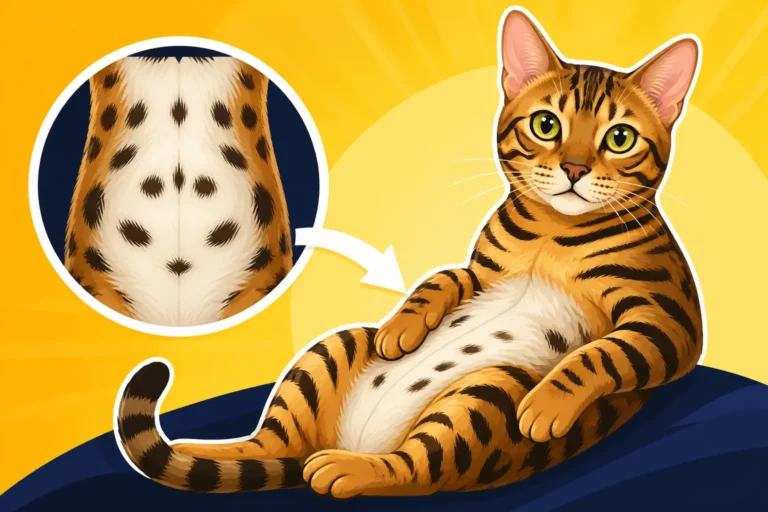
Accompanying this sooty back is the typical absence of the "whited tummy" trait, which is a lighter, often off-white or cream-colored belly that many traditional Bengals exhibit. While some charcoal Bengals might have slightly lighter undersides, they generally lack that crisp, bright white contrast. Instead, their belly color tends to be a continuation of their darker, sooty tones, or a slightly muted version thereof. This absence of strong whiting contributes to their overall dark, uniform, and powerfully wild appearance, making them look even more like their undomesticated relatives. What a Bengal Cat Looks Like by the Standard often highlights these unique traits in charcoal variations, showcasing how they meet breed expectations while still maintaining their distinct characteristics.
Charcoal Colors and Patterns
The beauty of the charcoal gene is that it works in conjunction with the Bengal's existing color and pattern genes, creating a stunning array of possibilities. It's not a pattern itself, but a modifier that enhances and deepens the existing patterns.
Brown Charcoal vs. Snow Charcoal
When we talk about charcoal Bengals, we're primarily referring to two main categories based on their underlying color genetics: brown charcoals and snow charcoals.
Brown Charcoal Bengals are perhaps the most common and striking examples of the charcoal trait. These cats will have a dark brown, almost black, background color that can range from a deep, rich sepia to a stark, smoky grey-brown. The markings, whether spotted or marbled, are usually a rich, solid black, creating an incredibly high-contrast and dramatic appearance. Unlike standard brown Bengals, which can often have warmer, reddish, or golden tones, brown charcoals tend to lean towards cooler, ashier, or more intense dark hues. Their rosettes or marbling will be exceptionally well-defined, often with little to no "ticking" (small speckles of color) within the lighter areas. Imagine a mini black leopard, but with subtle hints of brown and grey peeking through in just the right light. These cats possess an undeniable intensity in their gaze, often further emphasized by their dark "Zorro mask." Their presence is truly commanding, looking like they just stepped out of the wild jungle.
Snow Charcoal Bengals, while perhaps less immediately recognizable as "charcoal" by a novice, are equally stunning. The snow gene itself dilutes the color, but the charcoal modifier re-intensifies it, resulting in a fascinating interplay. Snow charcoals can come in Seal Lynx Point Charcoal, Seal Mink Charcoal, and Seal Sepia Charcoal varieties. In all cases, their base coat will be a darker, cooler shade of cream, fawn, or light brown compared to a non-charcoal snow Bengal. Their markings, however, will be incredibly dark – often a rich, deep brown or black – providing a stark contrast against their lighter bodies. For example, a Seal Lynx Point Charcoal will have piercing blue eyes and a noticeably darker overall cream or ivory body with very dark brown or black markings. A Seal Mink Charcoal will have aqua eyes and a medium-dark cream-to-fawn body with rich, almost black markings. A Seal Sepia Charcoal will have gold/green eyes and a darker fawn or light brown body, again with very dark, well-defined markings. The "Zorro mask" is still very much present and prominent in snow charcoals, making their facial features particularly captivating against their lighter, yet still intense, coats.
Charcoal Marbled and Charcoal Spotted
Just like their non-charcoal counterparts, charcoal Bengals can display either a spotted or a marbled pattern. The charcoal gene doesn't create a new pattern; it simply enhances the existing one with its characteristic dark intensity.
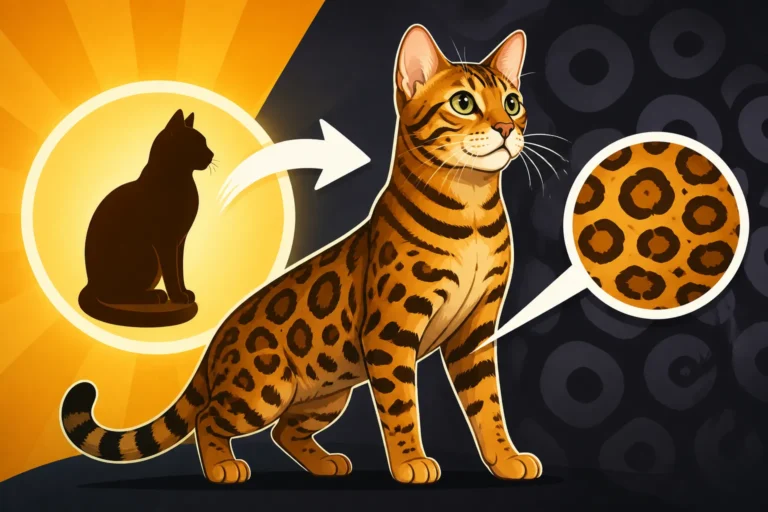
Charcoal Spotted Bengals are truly reminiscent of their wild Asian Leopard Cat ancestors. Their spots, which can be single spots, paw-print rosettes, or even full donut rosettes, are typically solid black against the deep, sooty brown or darker snow background. The contrast is often breathtaking, making each spot stand out with incredible clarity and definition. What you'll notice immediately is the sheer depth of color in both the background and the markings, creating a three-dimensional effect that draws the eye. The spots themselves tend to be bolder and more pronounced, sometimes appearing slightly larger than those on a standard Bengal because the surrounding coat is so much darker, allowing the entire silhouette of the marking to dominate. For those who dream of a miniature leopard, the charcoal spotted Bengal often fulfills that vision with its untamed beauty and dramatic coat.
Charcoal Marbled Bengals are equally magnificent, showcasing flowing, horizontal patterns that resemble swirling clouds or intricate marble slabs. In a charcoal marbled Bengal, these patterns are intensely dark, often black, against a rich, deeply toned background. The effect is one of dramatic, sweeping beauty, with the dark swirls creating a striking contrast and a sense of dynamic movement across the cat's body. Where a standard marbled Bengal might have more varied shades and tones within its pattern, a charcoal marbled Bengal will usually present with a much more uniform and intense dark pattern, almost like obsidian streaks through smoke. The definition of the marble pattern is often incredibly sharp, without the 'blurring' that can sometimes occur in lighter marbled cats. This gives them a powerful, almost artistic appearance that is truly unique. Regardless of whether they are spotted or marbled, the charcoal gene ensures that these patterns are displayed with maximum impact, showcasing the Bengal's wild heritage in a profoundly beautiful way.
The Genetics Behind the Charcoal Look
Understanding the genetics behind the charcoal Bengal isn't just for breeders; it helps prospective owners appreciate the rarity and specific traits that make these cats so special. It’s all about a unique combination of genes that has to come together perfectly. How the Bengal Cat PRA-b DNA Test Works and What the DNA Panel a Bengal Cat Breeder Runs Costs can give you a deeper understanding of the genetic testing involved in responsible breeding.
The Agouti and Melanistic Genes
To truly grasp the charcoal Bengal, we need to talk about two key genes: the Agouti (A/a) gene and the Melanistic (apb) gene.
The Agouti gene (symbolized as 'A' for dominant agouti, 'a' for recessive non-agouti) dictates whether a cat can have patterns (like spots or stripes) or is solid colored. A dominant 'A' means the cat's hair shafts will have bands of color, allowing patterns to show through. A recessive 'a' (inherited from both parents as 'aa') means the cat will be solid black or melanistic, with no discernible pattern.
Now, here's where the Melanistic gene (apb) comes in. This isn't just any 'a' gene; it's a special kind of non-agouti gene that originated specifically from the Asian Leopard Cat (ALC) and isn't found in typical domestic cats. So, you have three possibilities for the agouti locus:
- AA or Aa: Standard patterned cat (spots, stripes, rosettes, marbling).
- aa: Solid colored (e.g., black panther look, but generally no pattern visible).
- apb apb: Melanistic ALC type, rare in Bengals but means solid colored.
- A apb: A standard patterned Bengal, but a carrier of the ALC non-agouti gene.
- a apb: This is the magic combination for a charcoal Bengal. One copy of the domestic non-agouti gene ('a') and one copy of the ALC non-agouti gene ('apb').
This specific 'a apb' combination is what produces the charcoal phenotype. It means the cat is technically patterned (because of the 'A' from the other parent, if present at all, or a dilute version if only 'a' and 'apb' are considered in the general sense of patterning) but with a massively intensified and darkened expression of those patterns and background color. Without both the 'a' and the 'apb' alleles, you simply won't get a charcoal Bengal. It’s a very precise genetic dance that leads to that stunning, dark appearance.
How Two Parents Create a Charcoal Kitten
For a kitten to be born charcoal, both parents must contribute specific genes. This isn't a dominant trait, meaning you can't just have one charcoal parent and guarantee charcoal kittens.
Here's the breakdown of what's needed:
- Parent 1: Must carry at least one copy of the domestic non-agouti gene ('a'). This parent could be a solid black cat (aa), a carrier of solid (Aa), or even a charcoal Bengal themselves (a apb).
- Parent 2: Must carry at least one copy of the Asian Leopard Cat non-agouti gene ('apb'). This parent could be a normal patterned Bengal who is a carrier (A apb), or even a charcoal Bengal themselves (a apb).
So, if you breed a Bengal who is 'Aa' (a patterned cat carrying solid) with a Bengal who is 'A apb' (a patterned cat carrying the ALC non-agouti), you have a 25% chance of getting a charcoal kitten (a apb).
Let's look at it more simply:
- If you breed two charcoal Bengals (a apb x a apb), you can get charcoals, solid blacks (aa), and even the rare homozygous ALC melanistic (apb apb, which would also appear solid).
- If you breed a charcoal Bengal (a apb) to a normal patterned Bengal who carries solid (Aa), you have a good chance of charcoals.
- If you breed a charcoal Bengal (a apb) to a normal patterned Bengal who carries the ALC non-agouti (A apb), you also have a good chance of charcoals.
This complex interplay means that responsible breeders need to know the genetic makeup of their breeding cats, usually through DNA testing, to predict the likelihood of producing charcoal kittens. It’s not a simple roll of the dice; it's a calculated genetic strategy to achieve these beautiful, sought-after cats. Understanding these genetics is crucial for anyone considering breeding or even just purchasing a charcoal Bengal, as it speaks to the breeder's knowledge and commitment to the breed.
Living with a Charcoal Bengal Cat
Bringing any Bengal into your home is an adventure, and a charcoal Bengal is no exception. Their wild looks often come with that signature Bengal energy and intelligence. It's vital to be prepared for their unique personality and needs. The Bengal Cat Is the Most Active Cat You Can Own and How Intelligent a Bengal Cat Is are excellent resources to help you understand what you're getting into.
Temperament and Activity Levels
The charcoal gene primarily influences appearance and doesn't inherently change a Bengal's core temperament or activity level. Therefore, you can expect a charcoal Bengal to exhibit the same spirited, intelligent, and highly active personality that the breed is famous for. These are not cats content to laze on the sofa all day, though they certainly appreciate a good nap after an intense play session. They thrive on interaction, mental stimulation, and plenty of physical exercise.
Expect your charcoal Bengal to be endlessly curious, always investigating new smells, sounds, and objects. They are often incredibly vocal, communicating with a range of chirps, meows, and even howls that can be quite distinct. Their high energy means they'll need ample opportunities to climb, jump, and run. A tall cat tree, like those you can find on Chewy, is an absolute must, as are interactive toys that challenge their minds. Without sufficient engagement, a bored Bengal can quickly become a destructive Bengal, turning their intelligence towards opening cabinets, exploring forbidden spaces, or finding creative ways to entertain themselves—sometimes at the expense of your curtains! Early socialization and consistent training, including How to Leash Train a Bengal Cat, are key to ensuring a well-adjusted and happy charcoal Bengal.
Care and Grooming Considerations
Thankfully, despite their exotic looks, charcoal Bengals require relatively low-maintenance grooming, much like other Bengals. Their short, dense coats, often described as a "pelt," lie flat and typically don't shed excessively. This means less loose hair around your home, a pleasant bonus for any cat owner. Regular brushing, perhaps once a week with a soft brush or grooming mitt, is usually sufficient to remove any loose hairs and help distribute their natural oils, keeping their coat shiny. Many Bengals even enjoy this bonding time!
However, "low-maintenance" doesn't mean "no maintenance." Beyond brushing, you'll need to pay attention to their claws, which grow quickly due to their active nature. Regular trimming every few weeks is essential to prevent them from becoming too long or sharp, protecting both your furniture and yourself. Providing plenty of sturdy scratching posts and surfaces, perhaps even a large vertical scratcher from Chewy, will also help satisfy their natural urge to scratch. Dental care is another important aspect; ideally, introduce teeth brushing early on to prevent future dental issues. While charcoal Bengals don't have specific dietary needs directly related to their color, all Bengals thrive on a high-quality, high-protein diet that supports their active lifestyle. Consistent care and attention to these details will ensure your charcoal Bengal remains healthy, happy, and looking their magnificent best.
Finding a Reputable Charcoal Bengal Breeder
If you've fallen in love with the striking appearance of a charcoal Bengal, finding a reputable breeder is paramount. This ensures you're bringing home a healthy, well-socialized kitten that truly embodies the breed's characteristics. Unfortunately, not all breeders are created equal, and it's essential to do your homework. What a Bengal Cat Costs to Buy in 2026 will give you a general idea of pricing, but remember that the cost reflects the investment a good breeder makes.
Health Testing and Pedigrees
A truly reputable breeder will be transparent about the health of their breeding cats and their kittens. For charcoal Bengals, this means understanding the specific genetic tests relevant to the breed as a whole. Key health screenings include:
- PRA-b (Progressive Retinal Atrophy-b): A genetic eye disease that can lead to blindness. The Age a Bengal Cat With PRA-b Goes Blind is a critical concern.
- PK Deficiency (Pyruvate Kinase Deficiency): A genetic blood disorder that can cause anemia.
- HCM (Hypertrophic Cardiomyopathy): A heart condition common in many cat breeds, including Bengals. Reputable breeders will perform regular echocardiograms (heart scans) on their breeding cats, usually annually. Why a Bengal Cat Breeder Must Show an Echo, Not a Gene Test explains why this is so vital.
A good breeder will provide documentation for these tests for both parent cats, demonstrating that they are either clear or carriers (and if carriers, bred responsibly to a clear cat to avoid affected kittens). Beyond health tests, a pedigree is crucial. A pedigree details a cat's ancestry, showing its lineage and confirming it is a purebred Bengal, and importantly, its generation (F1, F2, SBT, etc.). For a charcoal Bengal, the pedigree should show that both parents carry the necessary 'a' and 'apb' genes to produce charcoal offspring. It's your guarantee that the kitten is genuinely a charcoal Bengal with a documented heritage, not just a dark-colored domestic cat being passed off as one.
What to Ask Your Breeder
When you're ready to speak with breeders, prepare a list of questions. A reputable breeder will welcome your inquiries and be happy to provide thorough answers. Here are some essential questions to ask, specific to a charcoal Bengal:
- "What are the genetic test results for PRA-b, PK Deficiency, and HCM for both parents of this kitten?" Ask to see copies of the certificates.
- "Can you explain the specific genetic combination that produced this charcoal kitten?" A knowledgeable breeder should be able to articulate the 'a apb' combination and show you how it aligns with the parents' genetics.
- "What generation is this kitten, and can I see its full pedigree?" This confirms its purebred status and helps you understand its closeness to the Asian Leopard Cat, which can influence temperament.
- "How do you socialize your kittens, and what is their daily routine like?" This gives you insight into their early environment and whether they're being raised in a loving, stimulating home.
- "What kind of food are the kittens currently eating?" This helps you plan for their transition to your home and ensures you continue a healthy diet. You might even find some excellent options for their high-protein needs on Chewy.
- "What is your health guarantee, and what happens if a genetic issue arises?" A reputable breeder will offer a health guarantee, often covering specific genetic conditions for a period after purchase.
- "Can I visit your cattery and meet the parents?" This is often the best way to assess the living conditions and the temperament of the adult cats, giving you a strong indicator of what your kitten will be like.
Don't be afraid to ask follow-up questions or to speak with multiple breeders until you find one you feel comfortable with. A responsible breeder will be just as interested in you as you are in them, ensuring their precious kittens go to good homes. Taking the time to find the right breeder is an investment in a healthy, happy charcoal Bengal for many years to come.
Disclaimer
This article is for general informational purposes only and does not constitute professional advice. Laws, prices and regulations vary by location and change over time. Consult a qualified professional for guidance on your specific situation.