The Age a Bengal Cat With PRA-b Goes Blind
It's heartbreaking to imagine your energetic, curious Bengal cat slowly losing their sight, especially when you know it's due to an inherited condition that no one could prevent once they're born. The thought of them stumbling in their own home, or not being able to chase their favorite wand toy, can be truly devastating for any Bengal parent. If you're grappling with the reality of Progressive Retinal Atrophy (PRA-b) in your beloved spotted companion, or just trying to understand what it might mean for their future, you're in the right place. This comprehensive guide will walk you through the specifics of PRA-b, focusing intently on the age a Bengal cat with PRA-b goes blind, what signs to look for, and how you can support them every step of the way.
Unpacking PRA-b in Bengal Cats: A Genetic Overview
Understanding PRA-b means diving a little into genetics, but I promise we'll keep it as straightforward as possible. It's not some mystery illness; it's a specific, inherited condition that affects the retina, the light-sensitive tissue at the back of your cat's eye. For Bengal cats, this particular variant of PRA, known as PRA-b, is a serious concern, and unfortunately, it's not as uncommon as we might wish.
What is Progressive Retinal Atrophy PRA-b?
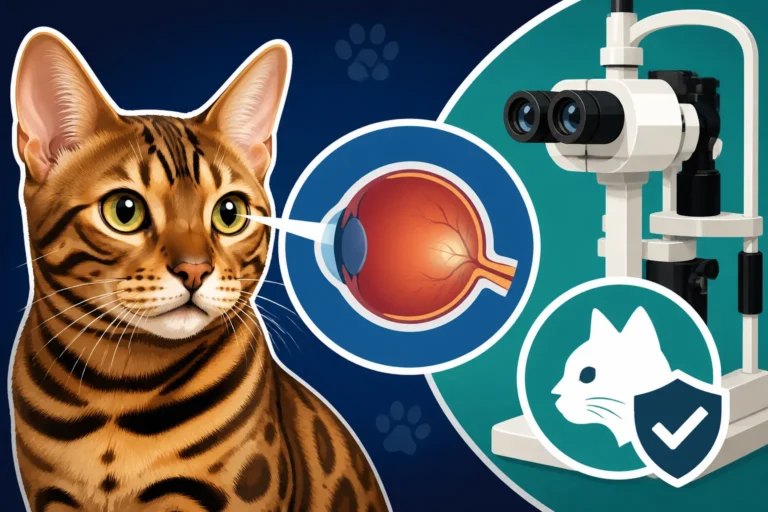
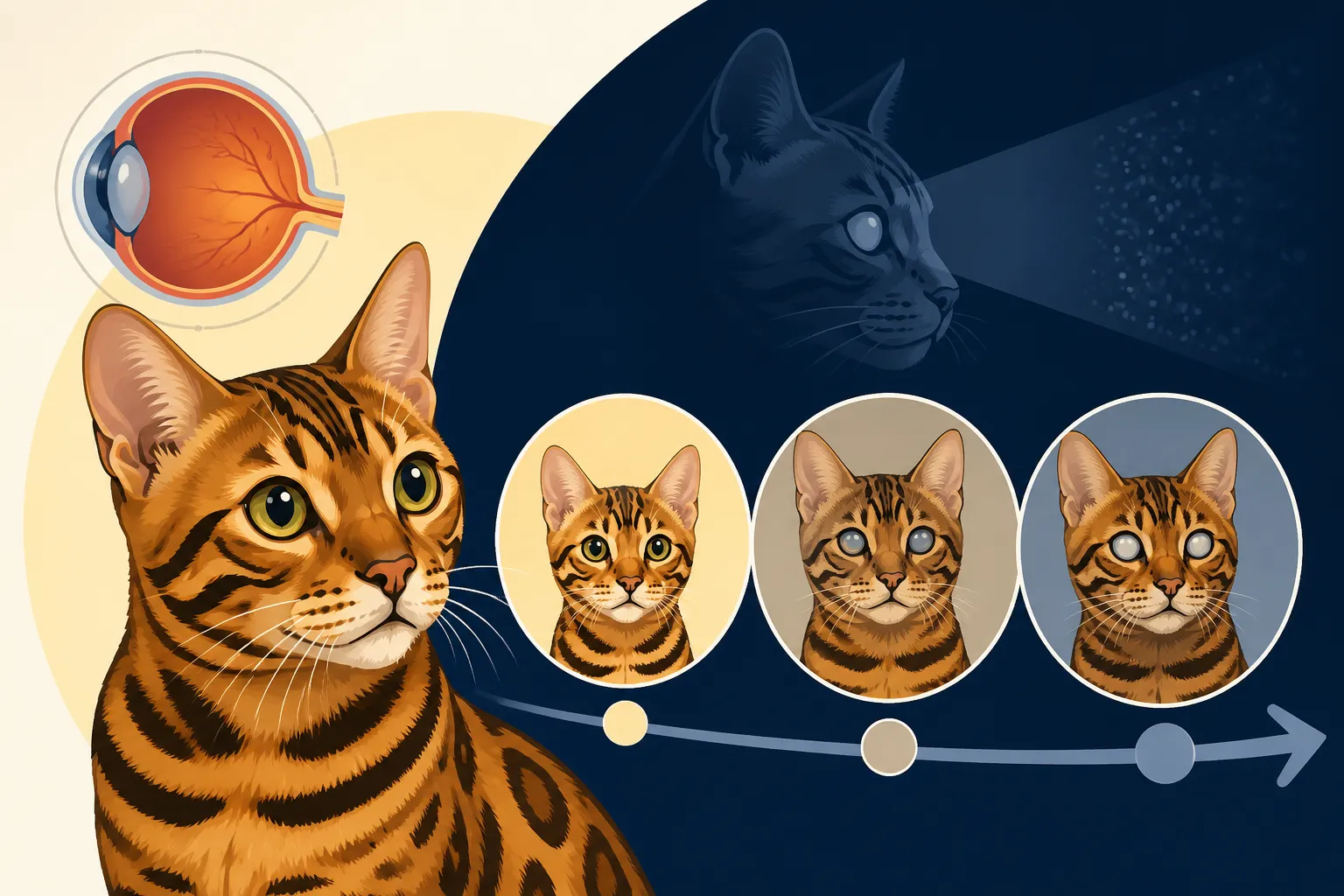
Progressive Retinal Atrophy (PRA) isn't a single disease but rather a group of genetic disorders that affect the retina, causing it to degenerate over time. Think of the retina as the film in a camera; it captures light and sends those signals to the brain to form images. When PRA-b is at play, the cells in this "film" start to break down, first affecting the rods (responsible for night vision) and then the cones (responsible for day vision and color perception). This gradual degeneration leads to irreversible blindness. It's a progressive disease, meaning it gets worse over time, not suddenly. The frustrating part is that it often doesn't show obvious signs until a significant amount of vision has already been lost.
Many cat parents might confuse PRA-b with other eye conditions, but it's distinctly different from things like cataracts or glaucoma, which affect other parts of the eye and might be treatable. PRA-b, unfortunately, has no cure or treatment to halt its progression, making early detection and understanding its timeline even more critical.
The Genetic Mechanism Behind Bengal Cat PRA-b
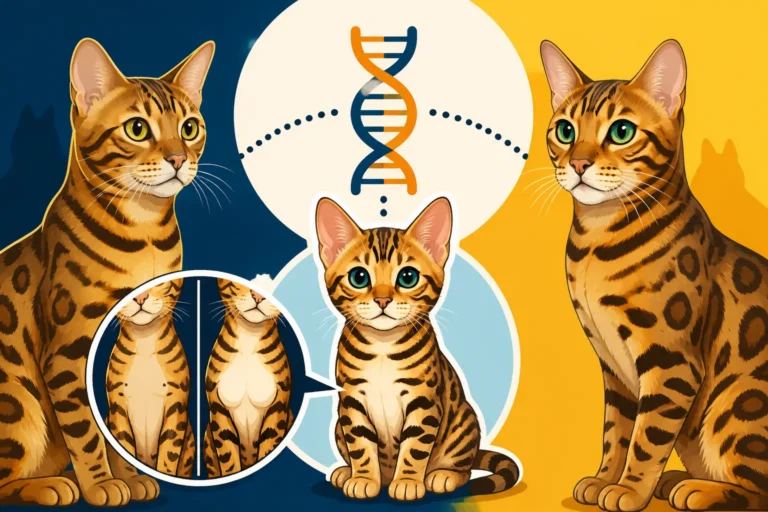
The scientific community has made significant strides in understanding the genetic roots of PRA-b in Bengal cats. We know that this specific form of PRA is caused by a mutation in a particular gene. If you're curious about Which Gene Causes PRA-b in a Bengal Cat, you can delve deeper into the specifics, but for now, know that it's an autosomal recessive condition. What does "autosomal recessive" mean for you and your cat? It means that a Bengal cat must inherit two copies of the faulty gene—one from each parent—to develop PRA-b and eventually go blind.
If a cat inherits only one copy of the faulty gene, they are considered a "carrier." Carriers typically have normal vision and won't develop the disease themselves, but they can pass the gene on to their offspring. This is where responsible breeding becomes incredibly important. Two carrier parents can produce affected kittens, and this is why genetic testing is so vital for breeders. Knowing a cat's genetic status for PRA-b is the only way to make informed decisions about breeding and prevent the heartache of producing kittens destined for blindness.
Why PRA-b is Specific to the Bengal Cat
You might wonder why we're talking about PRA-b specifically in Bengal cats when other breeds can also get different forms of PRA. The reason is that PRA-b is a distinct mutation that was identified specifically within the Bengal breed. While other cat breeds, like the Abyssinian or Persian, can suffer from different types of PRA caused by other gene mutations, the PRA-b variant is unique to Bengals. This specificity is why we have a dedicated DNA test for it.
This particular genetic predisposition means that any Bengal cat, regardless of their lines or location, could potentially carry or be affected by this condition if their ancestry includes carriers. It underscores the importance of thorough health screening, even for pet-only Bengals, if their lineage is unknown. Knowing How Many Bengal Cats Carry PRA-b can also give you a perspective on its prevalence within the breed. It’s a stark reminder that while Bengals are generally considered a healthy breed, certain genetic conditions require our vigilance.
The Timeline of Vision Loss: When Blindness Sets In
This is often the most pressing question for Bengal cat parents facing a PRA-b diagnosis: "When will my cat go blind?" It's a tough question because while there's a general pattern, every cat's progression can be slightly different. However, PRA-b in Bengal cats typically follows a predictable course, leading to blindness by a relatively young age.
Early Onset Signs in Bengal Kittens
One of the most challenging aspects of PRA-b is its insidious onset. While the retinal degeneration starts early in life, often in kittenhood, the visible signs of vision loss are usually subtle at first. You might not even notice anything amiss with a young Bengal kitten because their other senses—smell, hearing, and whiskers—are incredibly sharp and compensate remarkably well for declining vision. They're also incredibly adaptable. However, the retina can start to show degeneration changes as early as 7-12 weeks of age. If you're curious about How Early a Bengal Cat Kitten's Retina Starts to Degenerate, it truly begins before they even leave their mother.
At this early stage, the primary impact is on their night vision. Kittens might hesitate in dimly lit rooms, or be more prone to bumping into furniture in the dark. Their play might become less confident in low light. These are such minor things that a busy breeder or new owner might easily miss them, attributing them to normal kitten clumsiness or a momentary distraction. This is why a breeder should ideally be testing for PRA-b even before kittens are sold, because by the time clinical signs are undeniable, the disease has often progressed significantly.
The Progression Through Adulthood
As the Bengal cat matures, the retinal degeneration continues its relentless march. For many Bengal cats with PRA-b, the period from early adulthood (around 1 to 3 years of age) is when the vision loss becomes more apparent, affecting both night and day vision. Owners might start noticing their cat being more hesitant in unfamiliar environments, bumping into objects more frequently, or even having trouble tracking fast-moving toys during playtime. This is often the time when people begin to realize something is truly wrong, prompting a vet visit.
The progression isn't always linear; some cats might have periods where their vision seems stable, only to decline further. The rods, which handle low-light vision, typically degenerate before the cones, which handle bright light and color. This means night blindness is usually the first noticeable symptom. As the disease advances, day vision deteriorates as well. During this stage, your Bengal might still be able to navigate well in a familiar, unchanging environment, but any new furniture arrangement or a trip to the vet can cause significant disorientation and anxiety. This is where conditions like PRA-b truly highlight the need for comprehensive pet insurance, such as that offered by Healthy Paws, to help manage ongoing veterinary care and diagnostic costs.
The Age a Bengal Cat is Fully Blind from PRA-b
Based on scientific research and observations within the Bengal breed, most Bengal cats affected by PRA-b will experience full, irreversible blindness by the age of two to three years old. Some might retain a very small percentage of vision for a bit longer, perhaps up to five years, but this is less common. For a cat, especially an active breed like the Bengal, losing their sight so early in life can be a profound challenge, though their resilience often surprises us. This means that by the time many Bengals are just reaching the prime of their energetic lives, their world may have gone completely dark.
It’s crucial to understand that "fully blind" means there is no functional vision left. They can't see shapes, shadows, or light changes. The retina has completely atrophied. This rapid timeline is why it’s so important to be aware of the condition and why breeders should be proactively testing their breeding animals. The statement that "PRA-b Blinds a Bengal Cat by Two and There Is a DNA Test" is unfortunately, a stark reality for many. While it's a grim prognosis, it doesn't mean their quality of life must drastically diminish; it simply means their human companions need to step up and provide the necessary support and adaptations.
Here's a table to summarize the typical progression:
| Age Range | Stage of Vision Loss | Notable Signs & Impact |
|---|---|---|
| 0-6 Months (Kitten) | Initial Retinal Degeneration | Subtle night blindness, slight hesitation in dim light, easily missed. |
| 6-18 Months (Juvenile) | Progressive Night Blindness | Increased clumsiness in low light, hesitation in new dark areas. Day vision largely unaffected. |
| 18 Months – 3 Years (Adult) | Significant Vision Loss, Approaching Blindness | Obvious night blindness, difficulty tracking objects, bumping into familiar furniture. Anxiety in new environments. |
| 2-5 Years (Adult) | Full Blindness | No functional vision, relies entirely on other senses. Navigates familiar spaces by memory. |
Recognizing the Subtle Shifts: Signs of Declining Vision
Catching vision loss early in a cat, especially one as agile and adaptable as a Bengal, can be tricky. They are masters of disguise when it comes to illness or impairment. However, if you know what to look for, you can pick up on subtle cues that indicate their sight is fading, allowing you to prepare and support them sooner.
Changes in Night Vision and Navigational Challenges
The very first signs of PRA-b almost always involve a decline in night vision. This is because the rod cells, which are responsible for vision in low light, are usually affected first. You might notice your Bengal cat becoming more hesitant to move around in dimly lit rooms or at night. They might cling closer to walls or furniture, rather than confidently striding across open spaces. They might bump into things they usually avoid, particularly if the lighting changes or if there are new objects in their path. A classic sign is hesitation before jumping onto or off furniture, especially if it's not well-lit.
Another indicator is a change in their play behavior during the evening hours. If they suddenly seem less interested in chasing their favorite laser pointer or a toy thrown across a dark room, it could be that they simply can't see it as well anymore. They might start relying more on sound to locate toys. These early changes are often dismissed as a cat just being "sleepy" or "not in the mood," but consistent observations of these patterns, especially in a young Bengal, warrant attention. Paying close attention to Signs a Bengal Cat Kitten Is Losing Night Vision can be extremely helpful.
Behavioral Cues and How They Manifest
Beyond just navigating, vision loss can manifest in a variety of behavioral changes. A Bengal cat losing its sight might become more clingy or vocal, seeking reassurance from their human companions. Conversely, some might become more withdrawn, choosing to stay in familiar, safe spots rather than exploring. You might notice changes in their blinking or eye movements, or their pupils might appear more dilated than usual, even in normal light, as their eyes try to gather as much light as possible. Their pupils might not react as quickly to changes in light, a phenomenon sometimes referred to as "tapetal shine" or a hyper-reflective retina when a vet shines a light.
When approached, especially from an unexpected angle, a vision-impaired Bengal might startle more easily or become more defensive, potentially swatting out if they don't realize someone is there. Their hunting instincts might shift; instead of visually tracking prey, they might rely almost entirely on sound and scent. They might also start to groom less thoroughly or have difficulty locating their litter box if it's moved. If you notice your Bengal changing their habits, especially if they are usually outgoing and confident, it's a strong sign that something is amiss.
The Importance of Regular Vet Check-ups
Given how subtle the early signs can be, regular veterinary check-ups are paramount. A veterinarian, particularly one with experience in exotic or purebred cats, might pick up on subtle eye changes that you, as an owner, might miss. They can perform an ophthalmoscopic exam to look directly at the retina. While an eye exam can give clues, it's important to know Whether an Eye Exam Finds PRA-b in a Bengal Cat definitively – typically, a DNA test is required for a conclusive diagnosis of PRA-b.
If PRA-b is suspected, your vet will likely recommend a genetic DNA test, which is a simple cheek swab. This test can confirm the presence of the genetic mutation. Early diagnosis, even if it's just knowing your cat is affected, allows you to proactively prepare your home and lifestyle to support your Bengal as their vision declines, making the transition much smoother for everyone. It also helps you understand the situation thoroughly, ensuring you provide the best possible care for your unique companion. Investing in a good pet insurance plan from a provider like Healthy Paws can certainly ease the financial burden of these diagnostic tests and subsequent supportive care.
Adapting Your Home for a Vision-Impaired Bengal
Once you know your Bengal cat is losing their vision, or is already blind, the focus shifts to creating an environment where they can thrive, feel secure, and continue to live a rich, engaging life. It’s amazing how well cats adapt, but they rely heavily on their humans to make their world safe and predictable.
Creating a Safe and Predictable Environment
The golden rule for a blind or vision-impaired cat is consistency. Avoid moving furniture, especially large items like couches, tables, and cat trees. Their internal map of your home is built on memory and scent, and changing it can be incredibly disorienting and stressful. If you absolutely must move something, do it gradually and guide your cat around the new arrangement multiple times. Block off any dangerous areas, like open stairwells or fireplaces, until they are fully secure. Use baby gates or other barriers if necessary.
Consider placing different textured mats at the entrance to rooms or before obstacles, giving them tactile clues about their location. For instance, a rough mat could signal the kitchen entrance, while a soft one could mean they're nearing their favorite napping spot. Keeping pathways clear of clutter is also essential. A laundry basket left in a familiar walkway can turn into a painful collision for a cat who can't see it. Think about the layout from their perspective, always maintaining clear routes to their food, water, and litter boxes. This consistency is key to helping them maintain confidence and independence, especially when you need to How to Rearrange a Home for a Blind Bengal Cat.
Enhancing Other Senses to Aid Navigation
Since their sight is compromised, we need to lean into their other incredibly powerful senses. Scent is a huge one for cats. You can use subtle, distinct scents in different areas to help your Bengal orient themselves. For example, a lavender sachet near their bed, or a specific air freshener in a particular room. Be careful not to overwhelm them, though; cats have a much more sensitive sense of smell than humans. You could also use different sound cues. Gentle wind chimes near a window, or a small bell on your own shoes, can help them locate you and understand the layout of a room.
Their whiskers are also powerful navigational tools. Avoid trimming their whiskers, as these help them gauge distances and navigate tight spaces. Furthermore, keeping their environment clean is important, not just for hygiene, but because strong odors (like a dirty litter box) can overwhelm their sensitive noses and make it harder to discern specific markers. Think about providing vertical spaces they can safely explore, like sturdy cat trees with textured ramps instead of sheer jumps, and always ensure they have a secure landing spot.
Maintaining Enrichment and Play for Blind Bengals
Just because a Bengal cat is blind doesn't mean their innate desire to play, hunt, and explore vanishes. In fact, providing consistent enrichment is vital for their mental and physical well-being. Focus on toys that engage their hearing and smell. Crinkly balls, toys with bells inside, or even puzzle feeders that dispense treats based on scent can be fantastic. Interactive wand toys can still be used, but instead of relying on visual tracking, drag them along the floor or rustle them in a way that creates sound and vibration, allowing your cat to "hunt" by sound and touch.
Food puzzles are excellent for engaging their minds and natural foraging instincts. You can hide treats around a familiar room, encouraging them to use their nose to hunt, which is incredibly stimulating. Scent games, where you introduce new, safe smells for them to investigate, can also provide mental enrichment. Remember that they are still Bengals, and they still have that incredible drive and intelligence. Activities like "Whether a Blind Bengal Cat Can Still Be Leash Walked" are definitely possible with patience and a secure harness, allowing them to safely experience the world through scent and sound, just like their sighted counterparts. And of course, consistent, loving interaction with you is the most important enrichment of all.
The Role of Genetic Testing and Responsible Breeding
For future Bengal cat parents, or for current breeders, understanding the genetics of PRA-b and the importance of testing is non-negotiable. This is where we can truly make a difference in reducing the incidence of this heartbreaking condition.
How the Bengal Cat PRA-b DNA Test Works
The good news is that there's a reliable and straightforward DNA test available for PRA-b. This test screens for the specific genetic mutation that causes the condition in Bengal cats. It's usually done via a buccal swab—a simple, non-invasive process where a soft brush is rubbed inside the cat's cheek to collect cells. This sample is then sent to a specialized veterinary genetics lab for analysis. If you're wondering How a Bengal Cat's PRA-b Swab Is Taken, it's really quite easy and causes no stress to the cat.
The results will typically come back as one of three classifications:
- N/N (Clear/Homozygous Normal): The cat does not carry the gene mutation and cannot pass it on to offspring.
- N/PRA-b (Carrier/Heterozygous): The cat carries one copy of the gene mutation. They will not develop PRA-b themselves but can pass it on to 50% of their offspring.
- PRA-b/PRA-b (Affected/Homozygous Affected): The cat has two copies of the gene mutation and will develop PRA-b and eventually go blind.
This test is incredibly powerful because it identifies affected cats before they show any symptoms, and identifies carriers who might otherwise unwittingly pass the gene along. It’s an essential tool for responsible breeding programs and helps prevent the propagation of PRA-b within the breed.
Ethical Breeding Practices to Prevent PRA-b
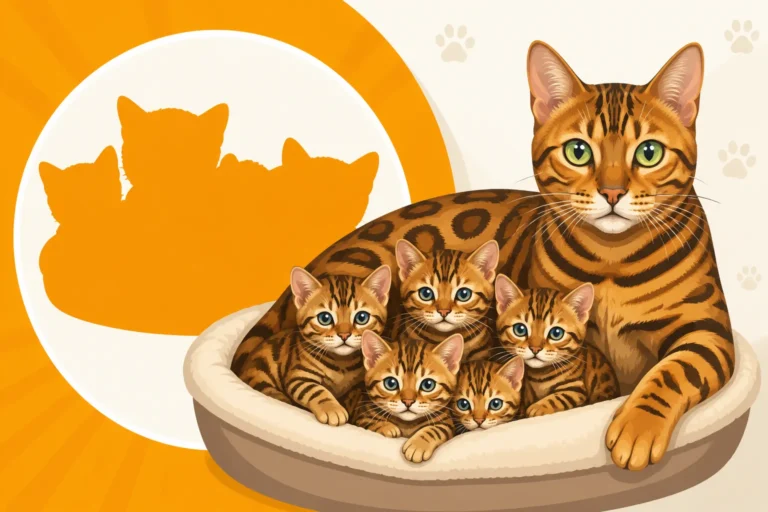
Responsible breeders understand the profound responsibility they have to the health of their lines and the future of the breed. This means ensuring that all breeding cats are tested for PRA-b. If a cat tests as a carrier (N/PRA-b), they can still be bred, but only if they are mated with a cat that is genetically clear (N/N). This pairing ensures that no kittens will be affected by PRA-b, though approximately half of the kittens will still be carriers. A responsible breeder will then test all kittens from such a pairing to identify carriers, allowing future owners to make informed decisions.
The absolute golden rule is never to breed two PRA-b carriers together, and never to breed an affected cat (PRA-b/PRA-b). If two carriers are bred, there is a 25% chance that each kitten will be affected and destined for blindness, a 50% chance they will be carriers, and a 25% chance they will be clear. This is an unacceptable risk for ethical breeders. Knowing Whether Two PRA-b Carrier Bengal Cats Should Be Bred is fundamental to safeguarding the health of the Bengal cat breed. Breeders should be transparent about their testing protocols and provide documentation of clear results for breeding cats.
Whether a PRA-b Carrier Bengal Cat Loses Sight
This is a common and very valid question, and it’s important to clarify: a Bengal cat who is a PRA-b carrier (N/PRA-b) will not lose their sight due to PRA-b. They only carry one copy of the faulty gene, which is not enough to cause the disease. Their retina will develop and function normally, and they will enjoy full vision throughout their lives. The only significance of being a carrier is their ability to pass that single gene copy to their offspring.
This distinction is important for owners of carrier cats, reassuring them that their beloved pet will not go blind from this specific condition. For breeders, it means that carrier cats, if healthy and exceptional in all other regards, can still contribute to the gene pool responsibly, as long as they are bred only to clear mates. This helps maintain genetic diversity within the breed without compromising health. It's truly a testament to advancements in genetic understanding that we can differentiate between these statuses and make such informed decisions. Always ask a breeder for proof of their Bengal cat's PRA-b results, as "Whether a Breeder Must Show a Bengal Cat's PRA-b Result" is a clear indication of their commitment to ethical practices.
A Full and Happy Life: Supporting Your Blind Bengal Cat
Discovering your Bengal cat has PRA-b and is losing their sight is undoubtedly distressing, but it’s crucial to remember that a diagnosis is not a death sentence. Blind cats are incredibly resilient and can lead exceptionally full, happy, and active lives with the right support from their dedicated humans.
The Resiliency of Blind Bengal Cats
Cats are masters of adaptation. When one sense is diminished, their other senses become hyper-tuned to compensate. A blind Bengal cat will rely heavily on their acute hearing, their powerful sense of smell, and their sensitive whiskers and paws to navigate their world. They build a detailed mental map of their home through memory, scent markers, and subtle air currents. It's truly astonishing to watch them learn to move with confidence, often appearing almost as capable as a sighted cat in a familiar environment.
Many blind Bengals continue to run, play, and explore, albeit perhaps with a bit more caution or a different style of play. They can still enjoy interactive toys, puzzle feeders, and even leash walks in safe, familiar areas. Their zest for life often remains undiminished. The key is to provide that stable, enriching environment and to approach their care with patience and understanding, rather than pity. Remember, your Bengal doesn't know they are "missing" something; they simply adapt to their reality. This inherent adaptability is why "How a Blind Bengal Cat Copes" is often a story of courage and surprising capability.
Tips for Introducing a Blind Bengal to New Situations
While blind Bengals thrive in consistent environments, life sometimes throws curveballs. Moving to a new home, introducing a new pet, or even just a visit to the vet can be incredibly stressful for a vision-impaired cat. When introducing new situations, go slowly and systematically.
For a new home, start by confining your Bengal to one small, safe room with their food, water, litter box, and bed. Let them explore this space thoroughly, memorizing every corner and scent. Once they are confident there, gradually open up access to other rooms, one at a time, always supervising and guiding them gently. Use consistent verbal cues and maintain a calm, reassuring demeanor.
When bringing a new pet into the home, a very slow, controlled introduction is even more critical. Allow them to get used to each other's scents first, then brief visual (or in this case, auditory and olfactory) encounters. Ensure your blind Bengal always has a safe escape route and a high, protected perch if they feel overwhelmed. Even a simple trip to the vet requires preparation. Use a familiar carrier, keep your Bengal calm with pheromone sprays if needed, and alert the veterinary staff that your cat is blind so they can handle them with extra care and avoid startling them.
Long-Term Care and Quality of Life Considerations
The long-term care for a blind Bengal mostly revolves around maintaining their enriched environment and providing consistent, loving attention. Regular vet check-ups are still crucial, not just for general health but to monitor their eyes for any secondary issues, though PRA-b itself has no cure. Discuss nutrition with your vet, ensuring they're getting appropriate sustenance, and remember to keep their weight in check, as an overweight cat might find navigation more challenging. Insurance providers like Healthy Paws can be invaluable here, helping to cover regular check-ups, specialist consultations, and any unforeseen health issues that may arise over their lifespan.
Perhaps the most important aspect of long-term care is your emotional support. Your Bengal cat relies on you more than ever for security and reassurance. Consistent routines, gentle touch, and soothing vocal communication will be their anchors. They can absolutely continue to live a long, happy life, often reaching The Twelve to Sixteen Years a Bengal Cat Gets, provided they are given the love and thoughtful consideration they deserve. It's a journey that asks more of us as pet parents, but the bond you form with your resilient blind Bengal will be incredibly deep and rewarding.
Disclaimer
The information provided in this article is for general informational purposes only and does not constitute veterinary advice. Always consult with a qualified veterinarian for any health concerns or before making any decisions related to your Bengal cat's care or treatment.