Which Lab Runs the Bengal Cat PRA-b Test
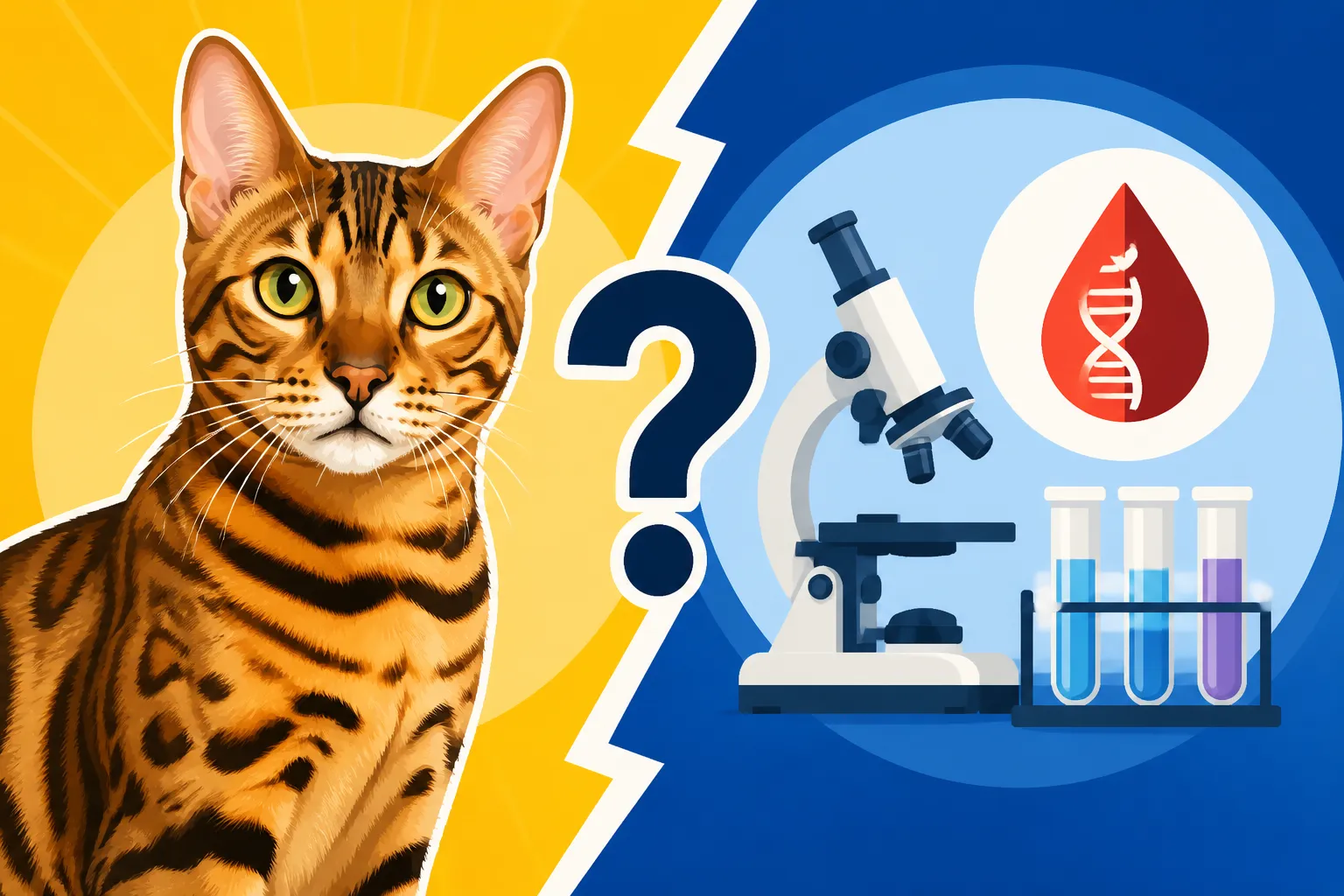
One of the most heart-wrenching anxieties for any Bengal cat owner or prospective adopter is the thought of their vibrant, active companion losing their sight. Progressive Retinal Atrophy, specifically the PRA-b variant common in our beloved Bengals, can lead to complete blindness, often surprisingly early in life. This guide is here to shed light on how we can proactively address this concern by understanding which trusted laboratories offer reliable DNA testing for Bengal cat PRA-b, giving you peace of mind and the tools to make informed decisions.
Understanding PRA-b in Bengal Cats
Progressive Retinal Atrophy (PRA-b) is a genetically inherited eye disease that affects the photoreceptor cells in a Bengal cat's retina. These cells are crucial for detecting light and transmitting visual information to the brain. Over time, these cells degenerate, leading to a gradual, irreversible loss of vision, eventually culminating in complete blindness. It's a condition that can be incredibly distressing for both the cat and their human family, especially for such an energetic and observant breed.
The Mechanism of Vision Loss
The "b" in PRA-b signifies a specific genetic mutation, a variant of the CEP290 gene, that is particularly prevalent in Bengal cats. Unlike some forms of PRA that cause night blindness first, PRA-b often starts with a more generalized vision decline that can be subtle at first. You might not even notice the initial signs, as cats are incredibly adept at navigating their familiar environments even with diminishing sight. However, as the disease progresses, their world slowly fades to black. The exact age at which a Bengal cat's retina starts to degenerate can vary, but typically, cats affected by PRA-b begin showing signs of vision impairment between one to four years of age, though it can appear earlier or later. Unfortunately, there is no cure or effective treatment to halt the progression of What PRA-b Does to a Bengal Cat's Sight.
Why Genetic Testing Is So Important
Given that PRA-b is an inherited condition, genetic testing is absolutely critical for responsible breeding practices and for pet owners who want to understand their cat's potential future health. If both parents carry the gene, each kitten in the litter has a 25% chance of being affected and eventually going blind. Knowing the genetic status of breeding cats can prevent the heartache of producing affected kittens. For pet owners, understanding whether their cat is a carrier or affected allows them to prepare and make adjustments to their home life, ensuring their Bengal can still live a full and happy existence, even if they eventually lose their sight. Early knowledge empowers you to provide the best possible care and support, and it helps you understand how early a Bengal cat kitten's retina starts to degenerate.
Leading Laboratories for Bengal Cat PRA-b Testing
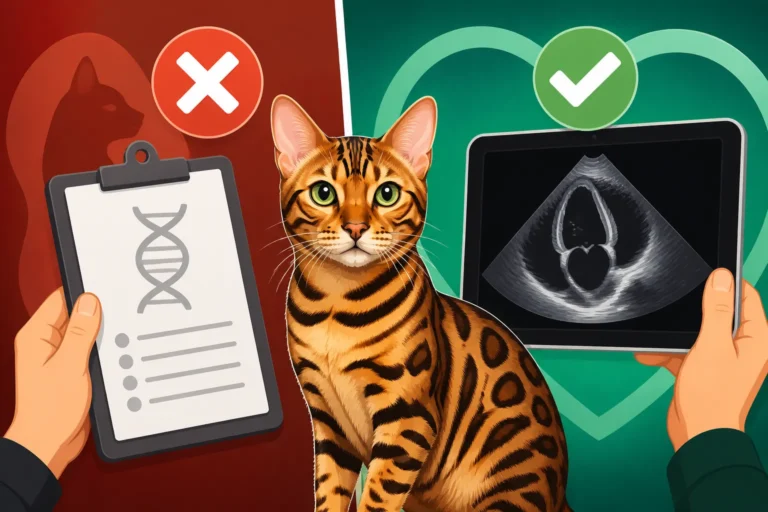
When it comes to something as vital as genetic health, you want to ensure you're using a reputable and reliable laboratory. Several well-established veterinary genetic testing labs worldwide offer specific tests for PRA-b in Bengal cats, and many offer comprehensive panels that screen for other common Bengal health issues like Pyruvate Kinase Deficiency (PKDef) and Hypertrophic Cardiomyopathy (HCM), although HCM testing is primarily via echocardiogram, not a gene test.
Optimal Selection (Wisdom Panel/MyCatDNA)
Optimal Selection, often branded under Wisdom Panel or MyCatDNA, is a highly popular choice for comprehensive feline genetic testing. Based out of Finland, they offer an extensive "Feline Genetic Disease Panel" that includes PRA-b for Bengal cats, alongside dozens of other genetic health markers relevant to various cat breeds. Their panels are a fantastic way to get a broad overview of your cat's genetic predispositions.
To submit a sample to Optimal Selection, you typically order a kit directly from their website. The kit contains sterile cheek swabs, which are incredibly easy to use. You simply swab the inside of your cat's cheek to collect cells, return the swabs in the provided packaging, and mail them back. Results are usually delivered within a few weeks via an online portal, making it convenient to access and share with your veterinarian or future kitten buyers. They provide clear explanations for each test result.
UC Davis Veterinary Genetics Laboratory (VGL)
The Veterinary Genetics Laboratory (VGL) at the University of California, Davis, is a world-renowned institution for animal genetic research and testing. They offer a specific "Bengal PRA-b" test, and their reputation for scientific rigor is outstanding. While they might not offer as many extensive "panels" as some commercial labs, their specialized tests are highly accurate and trusted.
Submitting a sample to UC Davis VGL usually involves downloading a submission form from their website, collecting a DNA sample (most often a cheek swab, but sometimes blood samples are accepted, especially if a vet is involved), and mailing it with the completed form and payment. Their instructions are very clear on How a Bengal Cat's PRA-b Swab Is Taken. Results are typically posted to an online portal or mailed, often with detailed explanations and scientific references. For a specific test like PRA-b, UC Davis is a go-to for many breeders and owners in North America.
Langford Vets (University of Bristol)
For those in the United Kingdom and Europe, Langford Vets, part of the University of Bristol, is a leading facility for genetic testing. They offer a dedicated DNA test for Bengal PRA-b, among other breed-specific genetic screening services. Langford is well-regarded in the European feline community for its expertise and reliable testing.
The process for Langford is similar to other labs: order a kit online, collect a buccal (cheek) swab from your cat, and return it by mail. They aim to provide results efficiently, often within a few weeks, which are then typically sent via email. They also offer a range of genetic tests, making them a comprehensive option for breeders needing multiple screenings.
Antagene
Antagene, a French veterinary genetic laboratory, also provides DNA testing for PRA-b in Bengal cats. They cater to a broad European client base and are known for their focus on genetic health in various animal breeds. Their services are often utilized by breeders who prefer a European lab.
Like the others, Antagene’s process involves ordering a testing kit, collecting a cheek swab sample, and sending it back to their laboratory for analysis. Their results are typically delivered electronically, and they usually provide support for interpreting the findings.
Choosing the right lab often comes down to geographical convenience, the specific tests you need, and whether you prefer a single test or a comprehensive panel. All these labs provide certified results that are accepted by reputable cat registries.
Deciphering Your Bengal Cat's PRA-b Test Results
Once you've sent off your cat's DNA sample, the waiting game begins. When the results arrive, you'll typically see one of three designations: "Clear," "Carrier," or "Affected." Understanding what each of these means is crucial for both breeders and pet owners.
Clear (N/N or Homozygous Normal)
A "Clear" result means your Bengal cat does not carry the specific PRA-b gene mutation. This is the ideal outcome. A clear cat cannot develop PRA-b and cannot pass the PRA-b gene on to any offspring.
- For Pet Owners: This offers immense peace of mind. Your cat is genetically free from PRA-b, and you don't need to worry about them losing their sight due to this specific genetic condition. This doesn't mean they can't develop other eye problems, of course, but PRA-b is off the list.
- For Breeders: A clear cat is highly valuable for a breeding program. They can be safely bred with any other cat, regardless of that cat's PRA-b status (though pairing with another clear cat is always safest), without the risk of producing affected kittens. It also means you won't pass on this particular gene, helping to reduce its prevalence in the breed.
Carrier (N/PRA-b or Heterozygous)
A "Carrier" result means your Bengal cat has one copy of the PRA-b gene mutation and one normal copy. Carriers themselves will not develop PRA-b, as the disease requires two copies of the mutated gene to manifest. This is why it's considered an autosomal recessive condition.
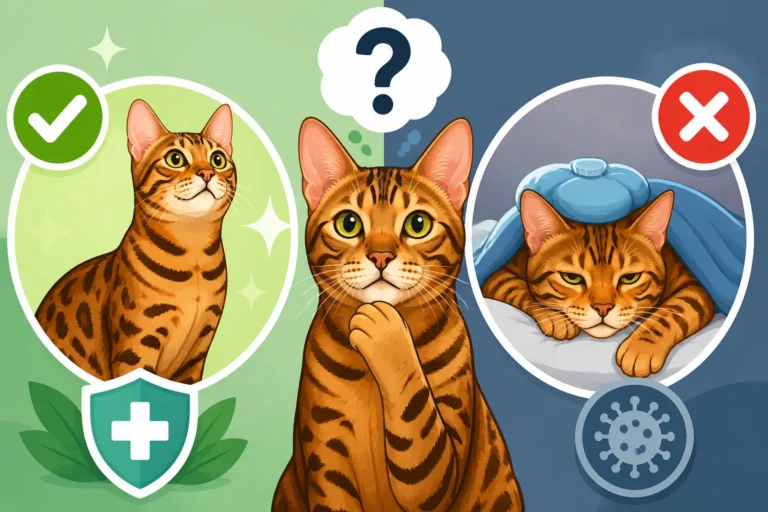
- For Pet Owners: If your cat is a carrier, you still don't need to worry about them going blind from PRA-b. They will live a normal life with full vision. Whether a PRA-b Carrier Bengal Cat Loses Sight is a common question, and the answer is generally no for carriers. It's simply information about their genetic makeup.
- For Breeders: This is important information. A carrier cat can be bred, but only with a cat that is "Clear" of PRA-b. Breeding a carrier with another carrier significantly increases the risk, as there's a 25% chance per kitten of producing an affected, blind kitten. There's also a 50% chance of producing carrier kittens and a 25% chance of producing clear kittens. This is how two carriers produce a blind Bengal cat. Responsible breeders will use this information to make careful pairing decisions to avoid producing affected offspring.
Affected (PRA-b/PRA-b or Homozygous Affected)
An "Affected" result means your Bengal cat has two copies of the PRA-b gene mutation (one from each parent). This cat will develop PRA-b and will eventually go blind.
- For Pet Owners: This is the most difficult result to receive. It means you will need to prepare for your cat's eventual vision loss. While it's certainly upsetting, knowing in advance allows you to make your home safe and accessible. You can start making small changes, keeping furniture in consistent locations, and teaching your cat voice commands. While the age a Bengal cat is fully blind from PRA-b varies, typically it's between 2-4 years. Knowing this gives you time to adapt and ensure they can still enjoy life to the fullest. Cats are incredibly adaptable; How a Blind Bengal Cat Copes is often inspiring.
- For Breeders: An affected cat should never be used in a breeding program. If an affected cat has already produced offspring before testing, those offspring should also be tested, as they would all be carriers at minimum. This result underscores the paramount importance of pre-breeding genetic screening.
Here's a quick summary table for clarity:
| Result Status | Genetic Makeup | Will Develop PRA-b? | Will Pass Gene to Offspring? | Breeding Recommendation |
|---|---|---|---|---|
| Clear | N/N | No | No | Can be bred with any cat |
| Carrier | N/PRA-b | No | Yes (50% chance per kitten) | Only breed with a Clear cat |
| Affected | PRA-b/PRA-b | Yes | Yes (100% chance per kitten) | Should not be bred |
Beyond the Test: Next Steps and Responsible Breeding
Receiving your Bengal cat's PRA-b test results is just the beginning of a truly informed approach to their health and well-being. Whether your cat is clear, a carrier, or affected, knowing their genetic status allows you to take appropriate next steps.
What to Do with Your Results as a Pet Owner
If your Bengal cat is Clear or a Carrier, you can breathe a sigh of relief regarding PRA-b. Your feline friend won't go blind from this specific condition. Continue to provide a loving home, regular veterinary check-ups, and enjoy their boundless energy. There's no special care needed for a carrier, as they lead perfectly normal lives.
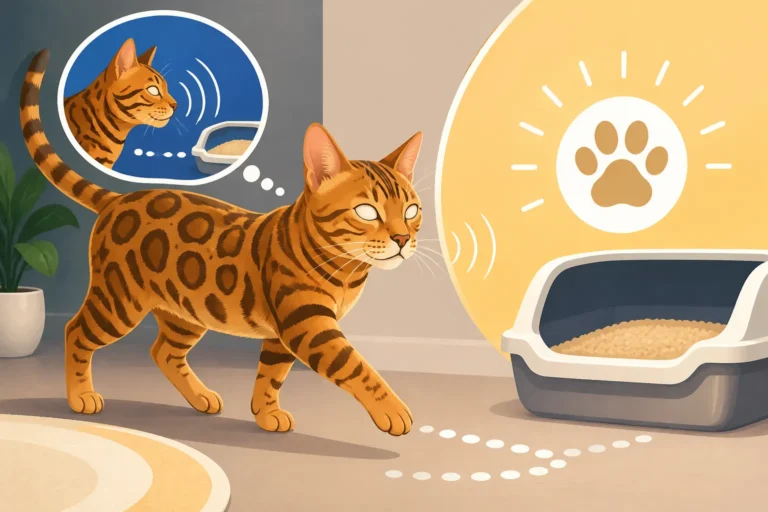
If your Bengal cat tests as Affected, it's a tough pill to swallow, but knowledge is power. Your cat will eventually lose their vision from PRA-b. This means it's time to start planning. Begin by ensuring their environment is consistent – don't rearrange furniture unnecessarily. Consider ways to make their world tactile and scent-rich. You can start using sound cues for feeding or play. Many owners find success with How to Rearrange a Home for a Blind Bengal Cat by using scent markers, consistent feeding stations, and preventing access to dangerous areas. Regular vet visits will also be important to monitor their overall health, as Whether a Bengal Cat With PRA-b Lives a Normal Life is largely dependent on proper care and environmental adaptations.
It’s also wise to consider pet insurance, like plans offered by Healthy Paws. While most pet insurance policies won't cover pre-existing conditions (so if your cat is already diagnosed with PRA-b, it might not be covered), having a policy in place for other potential health issues can be invaluable. Healthy Paws, for example, is known for its comprehensive coverage for accidents and illnesses, which can help manage the costs of future veterinary care, even if it's unrelated to PRA-b.
The Role of DNA Testing in Responsible Breeding
For breeders, genetic testing is not merely a recommendation; it's an ethical imperative. Responsible breeders strive to eliminate inherited diseases from their lines, and PRA-b testing is a cornerstone of this effort.
- Screening All Breeding Stock: Every single cat intended for breeding should be tested for PRA-b, along with other known genetic conditions. This is part of What a Bengal Cat Breeder Should Have Tested. These results should be transparently shared with prospective buyers.
- Making Informed Pairings: As discussed, clear cats can be bred with any other cat. Carrier cats, however, should only be bred with clear cats. This ensures that no affected kittens are produced. While it's tempting to remove carriers from a breeding program entirely, sometimes a carrier might possess other highly desirable traits (temperament, type, markings). If carefully managed by breeding only to clear mates, carriers can still contribute to the breed's genetic diversity without producing affected offspring. However, Whether Two PRA-b Carrier Bengal Cats Should Be Bred is a definitive "no" if you want to avoid affected kittens.
- Educating Buyers: Reputable breeders will not only test their breeding cats but will also educate potential kitten buyers about PRA-b and provide documentation of their cat's parents' test results. This ensures that new owners understand the health background of their kitten. Transparency builds trust and helps the breed as a whole.
Ethical Considerations and Future Planning
The decision to breed a carrier cat is one that sparks debate in some circles, but when done responsibly, it can be a valuable strategy to maintain genetic diversity. The goal is always to reduce the frequency of the gene in the overall population over time. By consistently breeding carriers to clear cats, you ensure no affected cats are born, and you're always producing a percentage of clear offspring who can then move forward in a breeding program without the carrier gene.
The widespread availability of DNA testing makes it easier than ever for both breeders and pet owners to gain vital insights into their Bengal cat's health. This proactive approach helps us ensure that these magnificent, wild-looking companions continue to thrive, living long, healthy, and happy lives, even in the face of genetic challenges. Understanding which gene causes PRA-b in a Bengal cat and utilizing the testing tools available are fundamental steps in securing the future of the breed.
Disclaimer
Please remember that the information provided in this guide is for informational purposes only and does not constitute veterinary medical advice. Always consult with a qualified veterinarian for any health concerns or before making any decisions related to your pet's health and treatment. Genetic testing should be performed by reputable laboratories, and results should be interpreted in conjunction with professional veterinary guidance.