Whether HCM Runs in Particular Bengal Cat Lines
It’s a heartbreaking worry for any Bengal cat owner: the thought of their beloved, energetic companion being struck down by a silent killer like Hypertrophic Cardiomyopathy (HCM). You hear stories, you see discussions in online groups, and a common question always arises – "Does HCM run in specific Bengal cat lines?" This guide is here to unravel that complex question, diving deep into the genetics, the practicalities, and the frustrating realities of this serious heart condition, so you can better understand the risks and how to protect your cherished feline.
Understanding HCM in Bengal Cats: A Silent Threat
The phrase "silent killer" might sound dramatic, but for a condition like Hypertrophic Cardiomyopathy (HCM), it's often terrifyingly accurate. This isn't just a Bengal cat problem, mind you, but it’s certainly a big concern within our breed, and understanding its nature is the first step in addressing the lineage question. Owners are often left feeling helpless, watching for subtle signs that can be easily missed until the disease is quite advanced. It’s a constant source of anxiety, and it’s completely valid to seek every piece of information you can to ease those fears.
What is Hypertrophic Cardiomyopathy HCM
Alright, let's break down what HCM actually is. Imagine your cat's heart. It's a powerhouse, constantly pumping blood throughout their body. Now, picture the walls of the main pumping chamber – the left ventricle – becoming abnormally thick. That's essentially what HCM is. This thickening makes the heart muscle stiff and less efficient. It can't relax properly to fill with enough blood, and it has to work much harder to push what blood it does contain out to the body. Over time, this extra strain can lead to serious complications like congestive heart failure, fluid in the lungs, or even blood clots that can cause paralysis, which is often HCM Is What Kills Bengal Cats Early.
This isn't just a minor issue; it's a progressive disease that significantly impacts a cat's quality of life and lifespan. When you consider What HCM Does to a Bengal Cat's Heart, it becomes clear why this condition is such a grave concern for us as owners and breeders. The thickening of the heart muscle isn't like a human getting stronger from exercise; it's a pathological change that impedes function, and sadly, it can affect cats of any age, though it often becomes apparent in middle age. The disease can progress at different rates, too – some cats live for years with a mild form, while others decline rapidly, leaving owners heartbroken.
Why Bengal Cats and HCM Seem Connected
Bengal cats, along with other popular breeds like Maine Coons and Ragdolls, appear to have a higher prevalence of HCM compared to the general cat population. This isn't just anecdotal; studies and veterinary cardiologists often highlight these breeds when discussing the condition. The underlying reason is complex, but it largely points to a genetic component. When a disease pops up more frequently in a specific breed, it’s a big red flag that there might be genes at play that predispose them to it.
The very nature of breed development, where certain traits are selected for, can inadvertently concentrate genetic predispositions to certain conditions. Think about it: early Bengal cat breeders were focused on perfecting that wild, exotic look and those incredible rosetted patterns. While they were achieving those goals, some genetic variations that contribute to HCM might have been passed down and become more widespread within the developing breed. It’s a bitter irony that the beauty and athleticism we cherish in our Bengals can, in some cases, come hand-in-hand with health challenges like HCM.
The Frustration of Unpredictable Disease
One of the most frustrating aspects of HCM is its unpredictability. You can do everything right: choose a reputable breeder, ensure your kitten has a clean bill of health, and still, years down the line, your Bengal could develop HCM. This isn't like testing for a simple recessive gene where two carriers create an affected kitten. For Bengal cats, Why There Is No Bengal Cat HCM Gene Test is a major hurdle. While some breeds, like the Maine Coon, have a known genetic marker for a specific form of HCM, the same marker doesn't apply to Bengals, and a definitive "Bengal HCM gene" hasn't been identified.
This lack of a simple DNA test means we can't definitively screen out affected animals or even carriers from breeding programs with a simple swab. It leaves breeders reliant on regular screening via echocardiograms, which are only snapshots in time. A cat with a clear echo one year might develop HCM the next. This uncertainty is incredibly stressful for owners and makes responsible breeding a monumental task. The constant worry, the regular vet visits, and the understanding that this disease can strike without warning leaves many feeling emotionally drained.
The Role of Genetics and Lineage: Is There a "Bad Line"?
This is the million-dollar question, isn't it? As owners, we desperately want clear answers, a map that tells us which lines to avoid, which pedigrees are "safe." The reality, unfortunately, is far more nuanced and less comforting. While there's strong evidence of a genetic predisposition in Bengal cats as a breed, pinpointing specific "bad lines" is incredibly difficult, and frankly, often misleading. It’s not as simple as black and white, and many good breeders are struggling with this very issue.
How Genetic Predisposition Works
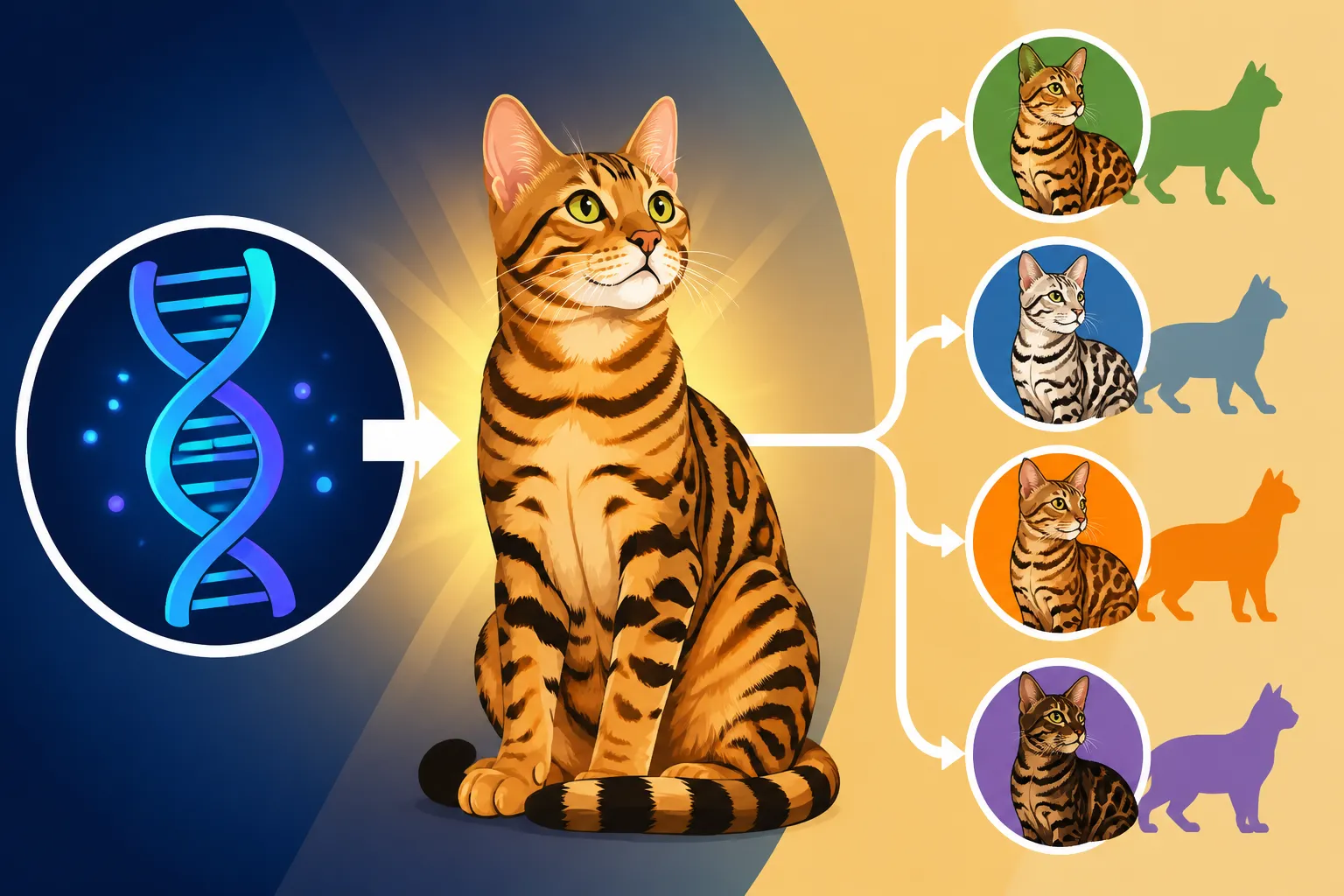
When we talk about genetic predisposition, it means certain genes or combinations of genes make an individual more likely to develop a condition, but it's not a guarantee. It's often not a single gene, but multiple genes interacting, possibly combined with environmental factors, that lead to HCM. This complex inheritance pattern is what makes it so hard to predict and track. Imagine a puzzle with hundreds of pieces; if you're missing just a few key pieces, or if some pieces are slightly warped, the whole picture of the heart's health can be affected.
Because there isn't one identified "HCM gene" for Bengals, we can't simply test for it like we can for other conditions. This means that even seemingly healthy parents with clear echocardiograms could potentially carry genes that, when combined in their offspring, lead to HCM. It's not a simple Punnett square scenario, which is why breeders who are truly committed to health are constantly scanning their cats and carefully evaluating pedigrees, even when the answers aren't obvious. This genetic complexity is a huge part of the frustration, making the search for a "perfect" line almost impossible.
Identifying High-Risk Lines or the Lack Thereof
So, can you identify high-risk lines? In a broad sense, if a particular breeder or a specific set of ancestors consistently produces offspring that develop HCM, then that line could be considered higher risk. However, this relies heavily on transparency and consistent health screening across many generations and many different breeders who might use those lines. The problem is, many owners don't report back, and not all breeders are diligent with lifelong scanning or sharing results openly. This creates a murky picture where it's almost impossible to draw definitive conclusions about specific "lines."
What often happens is that if HCM appears in a seemingly healthy line, owners or other breeders might start pointing fingers. But without knowing the full genetic picture, and given that HCM can manifest at different ages, it's really challenging to say with certainty that a specific cat or line is "bad." It’s more accurate to say that HCM can appear in any Bengal cat line, even those with excellent health records, simply because of the complex genetic inheritance and the lack of a direct DNA marker. This makes the job of responsible breeders incredibly tough, as they are constantly battling against an unseen enemy that could be lurking anywhere.
The Challenge of Breeding Programs
For breeders, the issue of HCM and lineage is a constant tightrope walk. They want to produce beautiful, healthy kittens, but without a gene test, their primary tool is the echocardiogram. This means regular, expensive heart scans by a veterinary cardiologist for all breeding cats. When considering When a Bengal Cat Should Have Its First Echo and How Often a Bengal Cat Needs an Echo, it's a significant commitment that adds to the operational cost of a cattery. If a breeding cat develops HCM, even after producing several litters, that cat should be removed from the breeding program immediately, and any offspring should be carefully monitored.
The challenge is when to make those tough decisions. If a valuable breeding cat, one that carries exceptional type or temperament, is diagnosed, it means potentially losing years of carefully planned genetics. Breeders who are truly dedicated to the breed's health will make those hard choices, but it's a financial and emotional strain. Furthermore, if a breeder discovers HCM in their lines, the ethical responsibility to share that information with other breeders who have used their cats or kittens is paramount. This transparency is crucial for the breed's overall health, allowing everyone to make more informed decisions, but it doesn't always happen, leading to continued frustration across the community.
Practical Steps for Bengal Cat Owners: Protecting Your Feline Friend
While the genetic landscape of HCM can be frustratingly complex, as owners, there are concrete steps we can take to minimize risk and manage the disease if it unfortunately appears. It’s about being proactive, staying informed, and building a strong relationship with your veterinarian and your breeder. This proactive approach can make all the difference in catching the disease early and giving your Bengal the best possible quality of life, even if they are diagnosed with Signs a Bengal Cat Has Heart Disease.
The Importance of Regular Echocardiograms
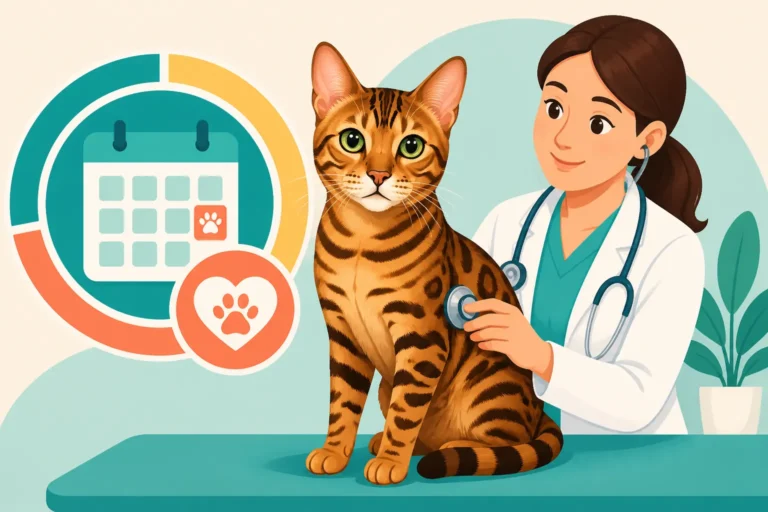
Since there's no reliable gene test for Bengal cat HCM, regular echocardiograms are your strongest defense. An echocardiogram is essentially an ultrasound of the heart, allowing a trained veterinary cardiologist to visualize the heart's structure and function. They can measure the thickness of the heart walls, assess blood flow, and detect any abnormalities that might indicate HCM. This is not just a general vet check-up; it needs to be done by a board-certified cardiologist experienced with cats.
For breeding cats, the recommendation is typically an annual echo, though some cardiologists might suggest different intervals based on a cat's age and previous results. For pet owners, it’s a good idea to discuss a baseline echo with your vet, especially if your cat comes from lines where HCM has been reported, or if you simply want peace of mind. Even if your cat has a clear echo, it doesn't mean they're immune, but it provides a snapshot of health. Remember, How a Bengal Cat's Echo Is Performed is a non-invasive procedure, generally well-tolerated, and can provide invaluable information. This is one of the most powerful tools we have to monitor this tricky disease.
Communicating with Breeders
Your breeder is your first line of defense and a crucial partner in your cat's health journey. A responsible breeder will be open and honest about their health screening protocols, their specific breeding lines, and any instances of HCM that have appeared in their cattery or among cats they've produced. Don't be shy about asking direct questions:
- Ask for proof of echocardiograms: A reputable breeder will happily show you the cardiologist's reports for both parents, usually within the last 12-18 months. These reports should specify "Normal" or "No evidence of HCM." This is a key part of Whether a Bengal Cat Breeder Shows Echo Results.
- Inquire about family history: Ask if HCM has appeared in the grandparents, siblings, or previous offspring of the parents. While there's no definitive "bad line" as we discussed, patterns can emerge.
- Understand their policy for HCM: What happens if a cat they bred develops HCM? Do they offer support or advice? Transparency here is vital for both trust and the health of the breed.
A breeder who is defensive or unwilling to discuss health screening is a huge red flag. You want someone who views their breeding program as a commitment to the health and longevity of the Bengal breed, not just about producing pretty kittens. If you are considering purchasing a Bengal cat, you should definitely ask Which Questions to Ask a Bengal Cat Breeder about HCM screening, as it can save you a lot of heartache and expense down the road.
Managing Risk and Financial Preparedness
Beyond screening, managing the risk of HCM also involves financial preparedness. The reality is, if your Bengal cat is diagnosed with HCM, the treatment can be costly and ongoing. Medications, follow-up echocardiograms, and potential emergency care for complications like blood clots can add up quickly. This is where pet insurance can be an absolute lifesaver. Companies like Healthy Paws offer comprehensive plans that can cover a significant portion of these veterinary expenses. It's an investment in peace of mind, knowing that you can afford the best care for your furry friend.
Imagine facing a sudden vet bill for a life-saving procedure or ongoing medication for your beloved Bengal. Having pet insurance from a provider like Healthy Paws means you can focus on getting your cat the best care without the added stress of crushing financial burden. Early diagnosis, often thanks to proactive screening, can lead to earlier intervention, potentially extending your cat’s life and improving their comfort. Considering the potential costs, a reliable pet insurance plan from Healthy Paws can truly alleviate much of the financial strain during an already emotional time.
The Broader Picture of Bengal Cat Health: A Community Effort
Addressing HCM in Bengal cats isn't just about individual owners and breeders; it's a community-wide effort. The more we understand, share information, and advocate for best practices, the healthier the breed will become overall. It’s about looking beyond just this one condition to ensure our Bengals lead the long, vibrant lives they deserve.
Beyond HCM: Other Health Concerns
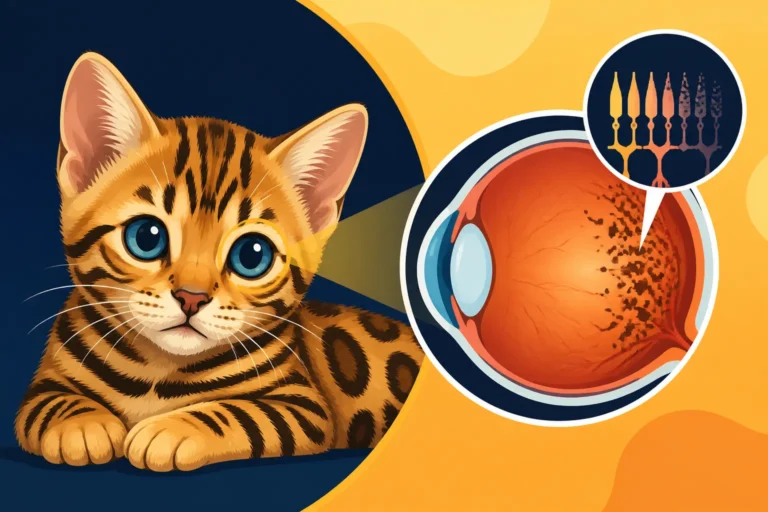
While HCM is a significant concern, it's important to remember that Bengal cats, like any breed, can be prone to other health issues. For example, Pyruvate Kinase Deficiency in a Bengal Cat and PRA-b Blinds a Bengal Cat by Two and There Is a DNA Test are other genetic conditions for which DNA tests do exist and reputable breeders will screen for. Ensuring your breeder provides results for a full What a Bengal Cat Breeder Should Have Tested panel is crucial.
Don't let the focus on HCM overshadow the need for comprehensive health checks and awareness of other potential issues. Regular veterinary check-ups, a balanced diet, and an enriched environment all contribute to your Bengal's overall well-being. A good pet insurance policy, like those offered by Healthy Paws, can provide a safety net for unexpected illnesses or accidents, covering a wide range of conditions beyond just HCM. This holistic approach ensures you’re prepared for whatever life throws at you and your Bengal, offering comprehensive protection.
Advocating for Healthier Breeding Practices
Ultimately, the future health of Bengal cats, including the understanding and reduction of HCM, rests on the shoulders of dedicated breeders and informed owners. Support breeders who are transparent, who regularly screen their breeding cats with echocardiograms performed by board-certified cardiologists, and who are willing to openly discuss their health results and lineage information. Encourage the submission of echo results to public databases, which can help researchers identify patterns and potentially lead to breakthroughs in understanding complex conditions like HCM.
By choosing a kitten from a breeder committed to health, you're not just getting a pet; you're supporting ethical practices that benefit the entire breed. Educate yourself and others about the importance of health testing, and consider how your pet insurance with a company like Healthy Paws can help you afford diagnostic tests and treatments, indirectly supporting a culture of responsible pet ownership. It’s a collective journey, and every informed decision contributes to a brighter future for these magnificent cats.
HCM and Other Genetic Conditions: A Comparison
| Condition | Primary Diagnostic Tool | Definitive Gene Test Available? | Bengal Cat Specific Concern? | Potential Financial Impact (Treatment) |
|---|---|---|---|---|
| Hypertrophic Cardiomyopathy (HCM) | Echocardiogram (by Cardiologist) | No (for Bengals) | Yes, higher prevalence | High, ongoing medication & monitoring |
| Progressive Retinal Atrophy (PRA-b) | DNA Test / Ophthalmic Exam | Yes | Yes | Low (no treatment), but lifestyle changes |
| Pyruvate Kinase Deficiency (PKD) | DNA Test / Bloodwork | Yes | Yes | Moderate to High (transfusions, care) |
Disclaimer
This guide is intended for informational purposes only and does not constitute veterinary advice. Always consult with a qualified veterinarian for any health concerns or before making any decisions about your pet's care.