How Giardia Spreads Through a Bengal Cat Cattery
Dealing with Giardia in a Bengal cat cattery can feel like an unending battle against an invisible enemy. You clean, you treat, you feel like you're doing everything right, only for another kitten to show symptoms or for the parasite to pop up again weeks later. This comprehensive guide will walk you through exactly how this persistent bug spreads through a cattery environment and, more importantly, how you can break its relentless cycle.
Understanding Giardia's Sneaky Nature in a Cattery
Giardia is one of those words that can strike fear into the heart of any Bengal cat breeder or multi-cat household owner. It's not just a simple stomach bug; it's a persistent, often frustrating challenge that can quickly take hold if you're not incredibly vigilant.
What Exactly is Giardia?
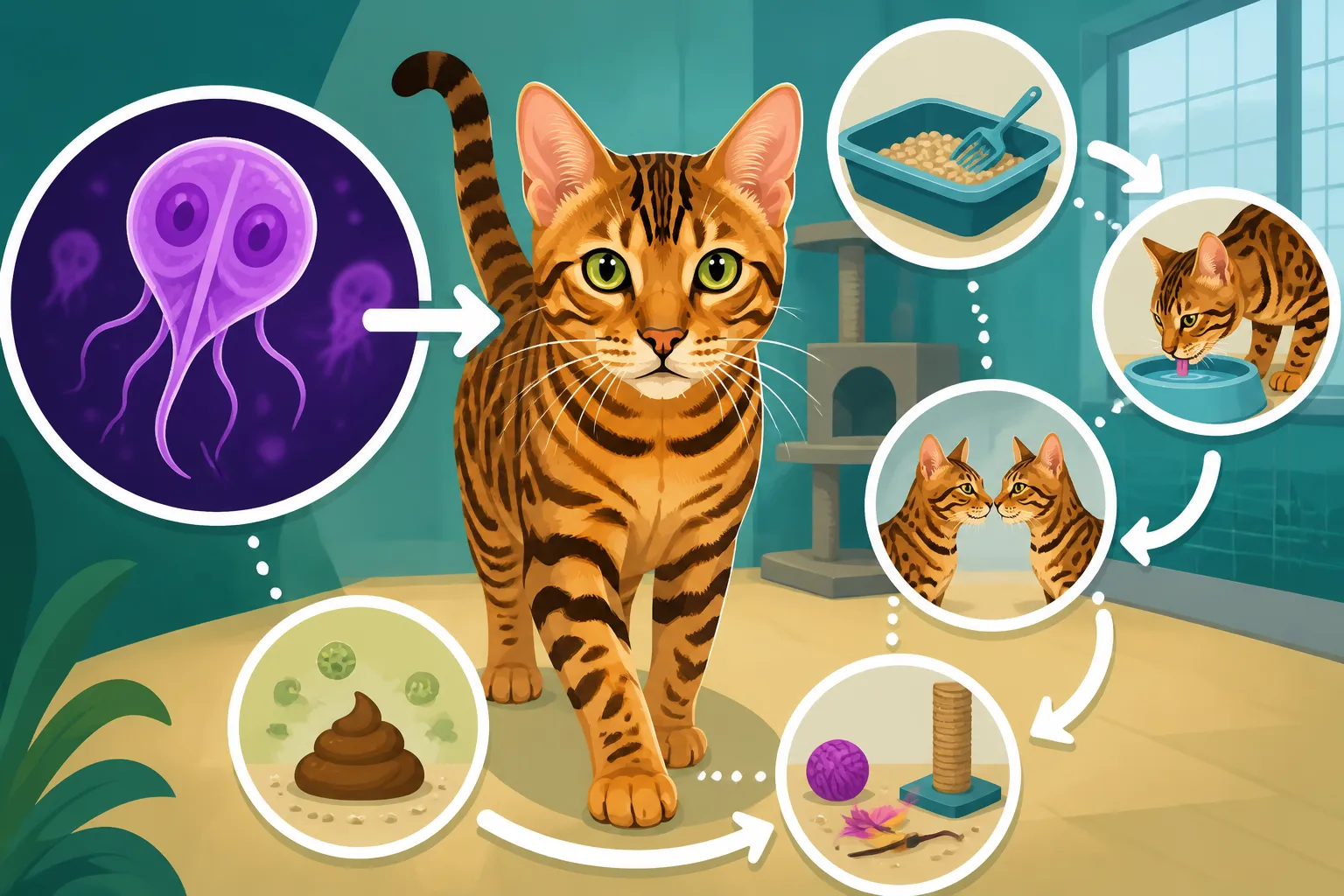
Giardia is a tiny, single-celled protozoan parasite, not a bacterium or a virus, and that distinction is really important when it comes to understanding why it's so hard to get rid of. It lives in the intestines of infected animals, including cats, and exists in two main forms: trophozoites and cysts. The trophozoites are the active, swimming forms that live in the gut and cause symptoms, but it's the cysts that are the real troublemakers for spread. These cysts are tough, protective shells that the parasite forms before it's shed in feces.
Imagine a tiny, microscopic bunker. That's essentially what a Giardia cyst is. It’s incredibly hardy, able to survive for weeks or even months in cool, moist environments outside of a host. This resilience is precisely why it’s such a headache in a cattery setting. You might think you've eradicated it, but if even a few of these cysts are lurking in a damp corner, they can re-infect your cats, starting the whole cycle over again. It truly makes you feel like you're fighting an uphill battle, especially when your beautiful Bengal kittens are suffering.
The Silent Threat: How Giardia Gets Into a Cattery
The frustrating truth about Giardia is that it can sneak into your cattery in so many ways, often without you even realizing it until it's too late. The most common culprit, and perhaps the hardest to manage, is through the introduction of a new cat. This could be a new breeding prospect, a rescue, or even a temporary foster. Even if a cat appears perfectly healthy and shows no signs of diarrhea, they could be an asymptomatic carrier, silently shedding millions of these resilient cysts into your environment.
Another less obvious pathway is through contaminated objects or even people. Have you ever visited a friend's cattery, a shelter, or a vet clinic and then returned home? Without realizing it, you could be tracking in Giardia cysts on your shoes, clothing, or even pet carriers. Outdoor areas can also harbor Giardia, brought in by wildlife like birds, rodents, or even stray cats. If your Bengal cats have access to outdoor catios or play areas, or if you bring outdoor elements like soil or leaves inside, you're unwittingly creating potential entry points for the parasite. This is why understanding How a Bengal Cat's Gut Is So Sensitive is so crucial; their systems can be particularly vulnerable to these kinds of invaders.
The Vicious Cycle: How Giardia Spreads Rapidly Among Bengal Cats
Once Giardia has gained a foothold, its spread within a cattery is incredibly efficient and difficult to stop without aggressive intervention. It capitalizes on the natural behaviors of cats and the very nature of a shared living space.
Fecal-Oral Transmission: The Primary Pathway
The primary way Giardia spreads is through what's called the fecal-oral route. Simply put, an infected cat sheds Giardia cysts in its feces, and another cat ingests those cysts. It sounds simple, but in a busy cattery, this happens constantly and in countless ways. Imagine a kitten who's just used the litter box; some microscopic cysts might cling to its paws. When it grooms itself, as Bengal cats are meticulous about doing, it ingests those cysts.
Shared resources are huge vectors. Litter boxes, food bowls, water dishes, bedding, and even toys can all become contaminated with microscopic cysts. When multiple cats use the same litter box, the risk skyrockets. A cat might step in contaminated litter, then jump onto a cat tree, spreading cysts to surfaces where other cats will inevitably explore and groom. Water sources are especially dangerous; if one cat sheds cysts near a communal water fountain or bowl, every other cat that drinks from it is at risk. It's a continuous, invisible chain reaction that makes you realize why breeders often feel overwhelmed when trying to contain an outbreak. If you’ve ever wondered How much of a Bengal Cat's Water Ends Up on the Floor, imagine those puddles also being potential Giardia hotbeds.
Environmental Contamination: A Persistent Problem
What makes Giardia particularly insidious in a cattery is the longevity of its cysts in the environment. Unlike some other parasites, Giardia cysts are incredibly tough and can survive for an extended period outside a host, especially in cool, moist conditions. This means that even if you've treated all your cats, if the environment isn't meticulously decontaminated, re-infection is almost guaranteed.
Think about all the surfaces in a cattery: carpet, concrete, tile, bedding, toys, cat trees, scratching posts, and even the crevices in walls or floors. Cysts can lurk in these spots, waiting for an unsuspecting cat to come into contact with them. Steam cleaning, bleach solutions, or specific Giardia-effective disinfectants are often needed, and even then, multiple rounds might be necessary. Simply wiping surfaces down isn't enough to destroy these resilient little invaders. It's a daunting task that requires constant vigilance, and often, it's the environment that dictates the success or failure of your Giardia management efforts. This is often an overlooked aspect when considering What a Bengal Cat Breeder Should Have Tested, as environmental testing is almost as crucial as individual animal testing.
The Role of Asymptomatic Carriers
One of the most frustrating aspects of Giardia in a cattery is the presence of asymptomatic carriers. These are cats who are infected with the parasite and shedding cysts, but they don't show any outward signs of illness, like diarrhea or weight loss. They look perfectly healthy, yet they are silently spreading the infection to other cats in the cattery. This is particularly problematic for Bengal cat breeders because an apparently healthy new cat, or even one of your established breeding queens or studs, could be the source of a recurring outbreak.
These silent carriers make diagnosing and controlling Giardia incredibly challenging. You might treat all the cats showing symptoms, but if an asymptomatic carrier isn't identified and treated, they will continue to shed cysts, leading to new infections. It’s like trying to plug holes in a leaky boat when you can't even see all the holes. This is why comprehensive testing is so important, not just for symptomatic cats but for all cats in a cattery, especially when you're introducing new bloodlines. You can read more about other gut issues in Chronic Diarrhea Is the Bengal Cat Complaint Nobody Warns About, where asymptomatic carriers can often be a factor.
Preventing and Managing Giardia in a Bengal Cat Cattery
Tackling Giardia requires a multi-pronged approach that focuses on both prevention and aggressive management during an outbreak. It's not just about treating the cats; it's about treating the entire environment and changing your daily routines.
Strict Hygiene Protocols: Your First Line of Defense
When it comes to Giardia, cleanliness isn't just next to godliness; it's essential for survival in a cattery. You need to implement an incredibly strict and consistent hygiene protocol. This means daily, thorough cleaning and disinfection of all surfaces that cats come into contact with. Litter boxes should be scooped multiple times a day and disinfected daily with products known to kill Giardia cysts. Quaternary ammonium compounds, accelerated hydrogen peroxide, or a strong bleach solution (1:32 dilution) are often effective, but always check product labels for efficacy against protozoan cysts and safety around animals.
Food and water bowls should be washed and sanitized daily. Bedding needs to be laundered frequently at high temperatures. Don't forget vertical spaces either; cat trees, shelves, and climbing structures can all harbor cysts. Consider using easily washable surfaces where possible and minimize carpeting, which can be almost impossible to fully disinfect. Pay extra attention to corners and crevices where cysts can hide. This level of meticulous cleaning might seem overwhelming, but it’s absolutely critical to stop the spread.
Quarantine and Testing: Protecting Your Existing Colony
One of the most crucial steps to prevent Giardia from entering your cattery, or to contain it if it does, is a rigorous quarantine protocol for any new cat. Every single new Bengal cat entering your cattery, regardless of its origin or apparent health, should undergo a minimum two-week quarantine in a completely separate area, ideally with its own ventilation. During this time, multiple fecal tests, specifically Giardia antigen tests (like ELISA) and PCR tests, should be performed. The PCR test is particularly sensitive and can detect even small amounts of Giardia DNA, helping identify those sneaky asymptomatic carriers. Knowing What the Bengal Cat Fecal Panel Costs can help you budget for this essential step.
If a new cat tests positive, it must be treated and re-tested until it produces at least two negative results a week apart before it can be introduced to your general population. This also applies if you send a cat out for breeding and it returns – treat it like a new introduction. It's a tedious process, but it's the best way to safeguard the health of your entire cattery. Don't be afraid to ask for test certificates (Whether a Bengal Cat Kitten Comes With Test Certificates) from any breeder you work with, as this transparency is vital.
Targeted Treatment and Environmental Management
If Giardia is confirmed in your cattery, immediate and comprehensive treatment is necessary. The most common medications are Fenbendazole (Panacur) and Metronidazole (Flagyl). Fenbendazole is often preferred due to fewer side effects and its effectiveness against various intestinal parasites. It typically needs to be given for 3-10 days, sometimes longer, and often in conjunction with other treatments. Your vet will guide you on the best protocol. Remember, treating all cats in the cattery, not just those showing symptoms, is usually recommended to catch asymptomatic carriers.
During and immediately after treatment, environmental sanitation must be ramped up significantly. Daily disinfection, steam cleaning, and washing all bedding are paramount. Consider bathing affected cats on the last day of treatment to remove any lingering cysts from their fur, especially around the perineal area. For breeders, the cost of these treatments can really add up, but having a comprehensive pet insurance plan from a provider like Healthy Paws can significantly lighten the financial burden of unexpected veterinary care. Early detection and aggressive treatment, coupled with environmental control, are your best shot at breaking the Giardia cycle. It’s important to distinguish Giardia from other persistent parasites, such as those covered in What Tritrichomonas Does to a Bengal Cat.
Long-Term Strategies for a Giardia-Free Cattery
Achieving a Giardia-free cattery isn't a one-and-done event; it requires ongoing commitment and a proactive mindset. It’s about building a fortress against future infections.
Regular Monitoring and Routine Testing
Even after a successful Giardia eradication, continuous vigilance is key. Implement a schedule for routine fecal testing for all your Bengal cats, perhaps every 3-6 months, or whenever you notice any changes in stool consistency. This is especially important for breeding cats before planned matings or after litters are weaned, as stress can sometimes cause asymptomatic carriers to start shedding more cysts. Regular fecal PCR tests can be a valuable screening tool.
If you have a large cattery, rotating which cats you test each quarter can be a practical approach. Keep detailed records of all test results and treatments. This proactive monitoring helps catch any new infections quickly before they have a chance to spread widely, saving you a lot of heartache and expense down the line. Remember, What a Bengal Cat Weighs is a good indicator of overall health, and unexpected weight loss could be a subtle sign of an underlying issue like Giardia.
Managing Outdoor Access and Pests
Limiting opportunities for external contamination is a crucial long-term strategy. While Bengal cats adore exploring and thrive on enrichment, unsupervised outdoor access can expose them to Giardia cysts from wildlife or contaminated soil. A secure catio, like those discussed in What a Catio for a Bengal Cat Costs, can provide safe outdoor time while minimizing risk. Ensure the catio floor is easy to clean and disinfect, not just dirt or grass.
Beyond direct outdoor exposure, consider indirect pathways. Implement strict shoe and clothing hygiene for anyone entering your cattery space. Have dedicated indoor-only shoes, or use disposable shoe covers. Control pests like rodents and insects, as they can also carry Giardia cysts on their bodies or in their droppings. Good drainage around your cattery and preventing standing water will also reduce areas where cysts can thrive. Every potential entry point needs to be considered and mitigated.
Nutritional Support and Immune Health
While nutrition alone won't prevent Giardia, supporting your Bengal cats' overall immune health can help them be more resilient to infections and potentially reduce the severity of symptoms if they do get exposed. A high-quality, species-appropriate diet is fundamental. Some breeders advocate for specific diets, and sometimes, if gut issues persist, a vet might recommend When a Bengal Cat Needs a Special Diet for Its Gut.
Probiotics can also play a role in maintaining a healthy gut microbiome, which acts as a barrier against pathogens. Discuss with your veterinarian which probiotics might be beneficial for your cattery, especially for kittens or cats recovering from an infection. A strong immune system won't make your cats immune to Giardia, but it can give them a better fighting chance, making symptoms less severe and potentially shortening the duration of shedding. Veterinary checks, which often include aspects of a health panel (Which Tests the Bengal Cat Health Panel Covers), can also help ensure their overall health is optimal.
Giardia Transmission and Prevention Summary
Here's a quick overview of how Giardia spreads and what you can do to prevent it:
| Transmission Risk Factor | Explanation | Prevention Strategy |
|---|---|---|
| New Cats | Asymptomatic carriers or newly infected cats introduce cysts. | Strict quarantine (2+ weeks) and multiple fecal PCR/ELISA tests before introduction. Re-test after breeding visits. |
| Fecal-Oral Route | Cats ingest cysts from contaminated feces (grooming, shared resources). | Scoop litter boxes multiple times daily. Disinfect litter boxes, food/water bowls daily. Bathe cats on last day of treatment to remove cysts from fur. |
| Environmental Contamination | Cysts survive for weeks/months in moist, cool areas (floors, bedding). | Daily, thorough disinfection of all surfaces (floors, walls, cat trees, toys) with Giardia-effective products. High-temperature washing of bedding. Minimize carpeting. Ensure good drainage. |
| Contaminated Objects/People | Cysts tracked in on shoes, clothing, carriers, or pest activity. | Dedicated indoor shoes/shoe covers. Strict hand hygiene. Pest control. Limit outdoor access (catios with cleanable floors). Prevent standing water. |
| Asymptomatic Carriers | Cats shed cysts without showing symptoms, maintaining the cycle. | Test all cats in a cattery during an outbreak, not just symptomatic ones. Routine fecal testing for all cats. Treat all infected cats thoroughly, including re-testing for clearance. |
| Stress | Can trigger shedding in asymptomatic carriers. | Minimize stress in the cattery environment. Provide adequate enrichment and space. Maintain consistent routines. |
It's a lot to keep track of, but staying on top of these details is what truly protects your cattery from this incredibly challenging parasite. And should the worst happen, knowing you have support from your vet and potentially a robust pet insurance plan from a company like Healthy Paws can provide immense peace of mind.
Disclaimer
The information provided in this article is for general informational purposes only and is not intended as a substitute for professional veterinary advice. Always consult with a qualified veterinarian regarding any health concerns or before making any decisions about your Bengal cat's care, diet, or treatment.