Whether a Bengal Cat Grows Out of Loose Stools
It's incredibly disheartening, isn't it, to constantly find soft stools or outright diarrhea from your beautiful Bengal cat? Many of us, especially when we first bring home a kitten, cling to the hope that it's just a phase, that they'll simply "grow out of it." But the reality for many Bengal owners is that persistent loose stools are a frustrating and often ongoing challenge that rarely resolves itself without intervention. This guide will walk you through understanding why your Bengal might be struggling, what common issues could be at play, and how to effectively address them.
The Myth and Reality of Growing Out of Loose Stools
When you're dealing with a Bengal kitten who regularly has soft or liquid poop, it's easy to fall into the trap of thinking, "Oh, they're just a kitten, their system is still developing," or "Bengals just have sensitive stomachs." While there's a kernel of truth to the latter, it's a dangerous oversimplification that can lead to prolonged discomfort for your feline friend and ongoing stress for you.
Why Bengal Kittens Often Have Sensitive Stomachs
Bengal kittens, much like human babies, are going through a massive period of adjustment when they first arrive in their new homes. They're leaving their mother and littermates, adapting to new sights, sounds, and smells, and often a completely different diet. All of these factors can contribute to temporary digestive upset. Think about it: a sudden change in environment is stressful for anyone, and cats, particularly sensitive breeds like Bengals, often manifest stress through their digestive systems. It's not uncommon for a kitten to have a few days of less-than-perfect stools as they settle in.
Furthermore, the very genetic makeup of the Bengal cat, stemming from their Asian Leopard Cat ancestors, gives them a digestive system that can sometimes react differently than a typical domestic shorthair. Their guts are built to process a very specific kind of diet found in the wild, and our domestic offerings, even high-quality ones, can sometimes present challenges. This unique physiology means their gut microbiome can be more susceptible to imbalances. We often talk about "kitten fuzzies" as a phase their coats go through, but you could almost think of it as "tummy fuzzies" – a period of digestive immaturity that needs careful handling.
When "Growing Out Of It" Is Just Wishful Thinking
Here's the tough truth: if your Bengal cat's loose stools persist beyond a few weeks, or if they're accompanied by other symptoms like lethargy, vomiting, weight loss, or a dull coat, they are absolutely not going to just "grow out of it." Persistent loose stools are a red flag, a symptom of an underlying issue that needs to be identified and addressed. Waiting it out often means allowing a problem to fester, potentially leading to more serious health complications down the line. It's a common frustration among Bengal owners to be told "that's just how Bengals are," but a truly healthy Bengal, while perhaps having a more particular diet, should have well-formed stools consistently.
I've heard countless stories from owners who spent months, even years, hoping for improvement, only to discover a treatable condition that had been causing their cat distress all along. A Bengal cat's gut is often very sensitive, and it's our responsibility as their guardians to not dismiss these signs. If you're constantly scooping runny messes, it's not normal, and it's time to dig deeper.
Common Culprits Behind a Bengal Cat's Loose Stools
Understanding why your Bengal has loose stools is the first step toward a solution. There's a whole host of reasons, from simple dietary issues to more complex parasitic invaders or chronic conditions. It’s rarely just one thing, which is what makes it so tricky to pinpoint without help.
Dietary Triggers and Sensitivities
Diet is almost always the first place to look when digestive issues arise. Bengals, with their sensitive systems, can react poorly to many ingredients commonly found in commercial cat foods.
- Poor Quality or Inappropriate Food: Many commercial cat foods contain fillers like corn, wheat, or soy, as well as artificial colors, flavors, and preservatives. These ingredients offer little nutritional value and can be incredibly irritating to a sensitive feline gut. Even some "premium" brands might have ingredients that simply don't agree with your individual cat.
- Sudden Food Changes: Cats thrive on routine, and their digestive systems are no exception. Abruptly switching from one food to another, especially if the protein source or ingredient list is very different, can send their gut into a tailspin. This is why breeders usually advise a very slow transition over several days, or even a week or two.
- Food Allergies or Intolerances: Just like people, cats can develop allergies or intolerances to specific food proteins. Common culprits include chicken, beef, fish, dairy, and grains. The difference between an allergy and an intolerance is important: an allergy involves an immune response, while an intolerance is a digestive difficulty. Both can cause loose stools. For a deeper dive into their unique digestive needs, you might find our article on Why a Bengal Cat's Gut Is So Sensitive quite illuminating. Some owners swear by a raw diet for their Bengals, believing it aligns more closely with their ancestral diet, but it's a decision that requires careful research, as discussed in Whether a Raw Diet Suits a Bengal Cat's Gut.
Parasitic and Bacterial Infections
This category is often overlooked or misdiagnosed, leading to endless frustration for owners. Many parasites are not visible to the naked eye and require specific diagnostic tests.
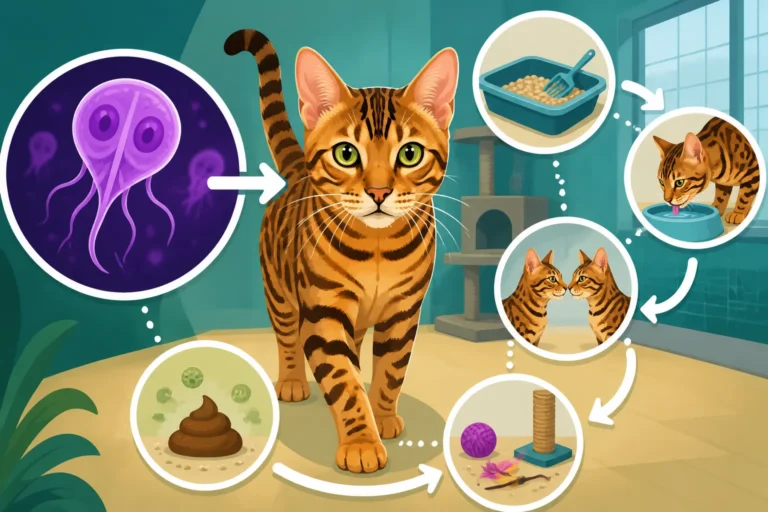
- Tritrichomonas foetus (T. foetus): This single-celled protozoan is a notorious troublemaker in Bengal cat communities. It causes chronic, foul-smelling diarrhea, often with mucus or fresh blood, and cats can appear otherwise healthy. It's incredibly difficult to get rid of and requires a specific medication. Its presence can be persistent and maddening, as detailed in What Tritrichomonas Does to a Bengal Cat. Standard fecal tests often miss it, necessitating specialized PCR tests.
- Giardia: Another common protozoan parasite, Giardia can cause intermittent or chronic diarrhea, often pale and greasy, and sometimes with mucus. It's highly contagious, especially in catteries or multi-cat households, and cats can be asymptomatic carriers. Treating Giardia often involves specific antibiotics and meticulous environmental cleaning. You can learn more about its treatment in How a Bengal Cat's Giardia Is Treated.
- Coccidia, Roundworms, Hookworms, Tapeworms: These are more common parasites, especially in kittens. While many breeders deworm kittens regularly, some parasites can be resistant or re-acquired. Routine fecal examinations are crucial for identifying these.
- Bacterial Imbalances: Sometimes, an overgrowth of "bad" bacteria or a lack of "good" bacteria in the gut can lead to dysbiosis, resulting in loose stools. This can be secondary to other issues or arise from antibiotic use.
Stress, Environment, and Other Factors
Beyond diet and parasites, other elements can significantly impact your Bengal's digestive health.
- Environmental Stress: As mentioned, Bengals are sensitive creatures. Moving, a new pet, a change in household dynamics, loud noises, or even a different litter can trigger stress, which manifests as digestive upset. A cat's gut and brain are highly connected, so emotional states directly affect physical functions.
- Underlying Health Conditions: Sometimes, loose stools are a symptom of a more serious, chronic health issue. Inflammatory Bowel Disease (IBD) is one such condition, where the digestive tract becomes chronically inflamed, leading to diarrhea, vomiting, and weight loss. IBD can be challenging to diagnose and manage, often requiring specialized diets and medications. Our article on Whether IBD Is Common in Bengal Cats offers more context. Other conditions like hyperthyroidism (in older cats), kidney disease, or even certain cancers can also cause digestive upset.
- Pancreatic Insufficiency: Less common, but sometimes the pancreas doesn't produce enough digestive enzymes, leading to malabsorption and chronic diarrhea.
Actionable Steps to Firm Up Your Bengal's Stools
Feeling overwhelmed? Don't worry. There are concrete steps you can take to help your Bengal cat achieve healthier digestion. It often requires patience, persistence, and a close partnership with your veterinarian.
The Power of a Controlled Diet
Dietary management is often the cornerstone of resolving loose stools. This isn't just about throwing a different bag of kibble at the problem; it's about a thoughtful and strategic approach.
- Slow Transitions: When introducing any new food, do it gradually. Mix a small amount of the new food with their old food, slowly increasing the proportion of the new food over 7-10 days. This gives their digestive system time to adjust.
- High-Quality, High-Protein, Limited-Ingredient Diets: Look for foods with a named meat source (e.g., "chicken meal," not "poultry meal") as the first ingredient, and minimal fillers. For Bengals, a diet high in animal protein is often beneficial. If food allergies are suspected, a limited ingredient diet (LID) with a novel protein source (like duck, venison, or rabbit) can be a game-changer. These diets reduce the number of potential allergens your cat is exposed to. For more guidance on this, check out When a Bengal Cat Needs a Special Diet for Its Gut. Many owners report success with specific foods that seem to help firm up their Bengal's stool, and exploring Which Food Settles a Bengal Cat's Stomach can give you some starting points.
- Consistent Feeding: Stick to a consistent feeding schedule. Free-feeding can sometimes lead to overeating or eating stale food, which can exacerbate digestive issues. Measured meals, two or three times a day, can help regulate their system.
Here's a quick look at common dietary changes and their typical impacts:
| Dietary Change | Potential Impact on Stools | Pros | Cons |
|---|---|---|---|
| Switching to Limited Ingredient Diet (LID) | Often improves stool consistency if allergies/intolerances are present | Reduces exposure to common allergens, simplifies ingredient analysis | Can be more expensive, might require specific protein sources |
| Increasing Wet Food Content | Can improve hydration, softer but often better-formed stools | Adds moisture, often more palatable, can aid nutrient absorption | Some wet foods contain carrageenan which can irritate some cats |
| Transitioning to Raw Diet | Can lead to very firm, smaller stools for some Bengals | Closer to ancestral diet, high bioavailability of nutrients | Requires careful balancing, risk of bacterial contamination, not for all cats |
| Eliminating Grains/Fillers | Can reduce irritation and inflammation, leading to firmer stools | Removes common irritants, often higher protein content | Can be tricky to find truly grain-free foods without other problematic ingredients |
| Adding Probiotics/Prebiotics | Improves gut microbiome balance, better digestion | Supports beneficial bacteria, can reduce inflammation | Results vary, some probiotics are more effective than others |
Working with Your Veterinarian for Diagnosis and Treatment
Your vet is your most important ally in this battle. Don't hesitate to seek their expertise, especially if dietary changes alone aren't making a difference.
- Comprehensive Fecal Exams: A routine fecal float might catch common parasites, but for persistent loose stools, insist on a PCR fecal panel. This test is much more sensitive and can detect tricky parasites like Tritrichomonas foetus and Giardia that often elude standard tests. Understanding How a Vet Tests a Bengal Cat for Tritrichomonas can help you advocate for the right diagnostic steps. These tests can add up, so having a pet insurance policy like one from Healthy Paws can be incredibly helpful in covering these diagnostic costs.
- Blood Tests and Imaging: If parasites are ruled out, your vet might suggest blood work to check for underlying organ issues (like liver or kidney disease), inflammatory markers, or pancreatic function. In some cases, abdominal X-rays or ultrasounds might be recommended to look for IBD or other structural abnormalities.
- Prescription Medications: If Tritrichomonas foetus is diagnosed, your vet will likely prescribe Ronidazole, a specific antibiotic effective against this protozoan. Learning Which Drug Clears Tritrichomonas in a Bengal Cat is essential, as this medication can have side effects and requires careful dosing. For bacterial overgrowth, other antibiotics might be used, or anti-inflammatory drugs if IBD is suspected.
- Probiotics and Prebiotics: These supplements can help rebalance the gut microbiome. Probiotics introduce beneficial bacteria, while prebiotics provide food for those good bacteria. While not a cure-all, they can be a valuable supportive therapy. Many owners wonder Whether Probiotics Help a Bengal Cat, and for many, they do make a noticeable difference when used consistently. The cost of such supplements and prescription diets can accumulate, making a good pet insurance plan from Healthy Paws a practical consideration.
Environmental Management and Stress Reduction
Sometimes, the solution isn't in a pill or a new food, but in their environment.
- Stable Routine: Cats thrive on predictability. Try to maintain a consistent schedule for feeding, playtime, and sleep.
- Safe Spaces: Ensure your Bengal has quiet, secure places to retreat to if they feel overwhelmed. This is especially important in multi-pet households or busy homes. Vertical spaces like cat trees or shelves are excellent for this.
- Enrichment: A bored or under-stimulated Bengal can become stressed. Provide plenty of toys, puzzle feeders, interactive play sessions, and opportunities for mental and physical exercise. A catio can be a fantastic way to provide safe outdoor stimulation.
- Hygiene: If you have multiple cats or suspect parasites, meticulous hygiene is paramount. Scoop litter boxes frequently (at least twice a day), and regularly clean and disinfect them. This helps break the cycle of reinfection, especially with resilient parasites like Giardia cysts or T. foetus.
Long-Term Gut Health for Your Bengal
Once you've managed to firm up those stools, the work isn't over. Maintaining a healthy digestive system for your Bengal is an ongoing commitment, but it's one that pays off with a happier, healthier cat.
Building a Resilient Digestive System
Think of it as nurturing their internal ecosystem. A robust digestive system is better equipped to handle minor stressors and recover more quickly from upsets.
- Consistent, High-Quality Diet: Once you find a diet that works for your Bengal, stick with it. Avoid frequent changes, and resist the urge to introduce new treats or human foods indiscriminately. If you do introduce something new, do it very slowly and monitor their stools closely. Remember, a high-protein diet is usually key for these athletic cats.
- Regular Vet Check-ups: Even if your cat seems perfectly healthy, annual (or even bi-annual for older cats) wellness exams are crucial. Your vet can catch subtle changes or emerging issues before they become major problems. A routine fecal exam should always be part of this check-up, especially if you have a cat with a history of digestive issues. Be sure to discuss What a Bengal Cat's Fecal Panel Costs with your vet or pet insurance provider like Healthy Paws, as regular screening is important.
- Proactive Parasite Prevention: Work with your vet to establish a routine deworming and parasite prevention schedule, especially if your cat has any outdoor access or interacts with other animals.
Monitoring and Early Intervention
You know your cat best. Being observant and proactive can make all the difference in catching potential issues early.
- Know What "Normal" Looks Like: Pay attention to your Bengal's normal stool consistency, color, and frequency. A healthy cat should have firm, well-formed, chocolate-brown stools once or twice a day. Any deviation from this should be noted.
- Keep a Stool Diary: If your cat is prone to digestive issues, a simple diary can be invaluable. Note the date, consistency (e.g., using a Fecal Scoring Chart), color, presence of mucus or blood, and any changes in diet, treats, or environment. This information can provide critical clues to your vet.
- When to Call the Vet Without Delay: Don't hesitate to contact your vet if you notice severe diarrhea, diarrhea accompanied by vomiting, lethargy, loss of appetite, straining to defecate, or blood in the stool. These symptoms warrant immediate veterinary attention. Remember that chronic diarrhea or consistently loose stools are not something to just "deal with"; they indicate an underlying problem that needs to be addressed for your cat's long-term health and comfort. If a specific prescription gut diet is required, understanding What a Prescription Gut Diet Costs a Bengal Cat Owner can help you budget, and this is another area where a comprehensive pet insurance plan from Healthy Paws can ease the financial burden.
Ultimately, while the hope that a Bengal cat will "grow out of loose stools" is understandable, it’s rarely the reality. These magnificent cats often require a bit more attention to their digestive health, but with the right approach and veterinary partnership, you can ensure they lead a comfortable, happy life with firm, healthy poops!
Disclaimer
This article is intended for informational purposes only and is not a substitute for professional veterinary advice. Always consult with a qualified veterinarian for any health concerns or before making any decisions related to your pet's care.