Why a Bengal Cat Kitten’s Chest Flattens
Finding a tiny, precious Bengal cat kitten with a chest that looks… flat, sunken, or strangely compressed, can be an incredibly alarming and heartbreaking experience for any breeder or new owner. This worrying condition, known as Flat Chested Kitten Syndrome (FCKS), leaves many feeling helpless and searching for answers about why it happens and what, if anything, can be done. This comprehensive guide will delve into the intricacies of FCKS in Bengal cat kittens, exploring its causes, how to recognize the signs, and the potential treatments available to give these vulnerable little ones the best chance at life.
Understanding Flat Chested Kitten Syndrome (FCKS) in Bengal Cats
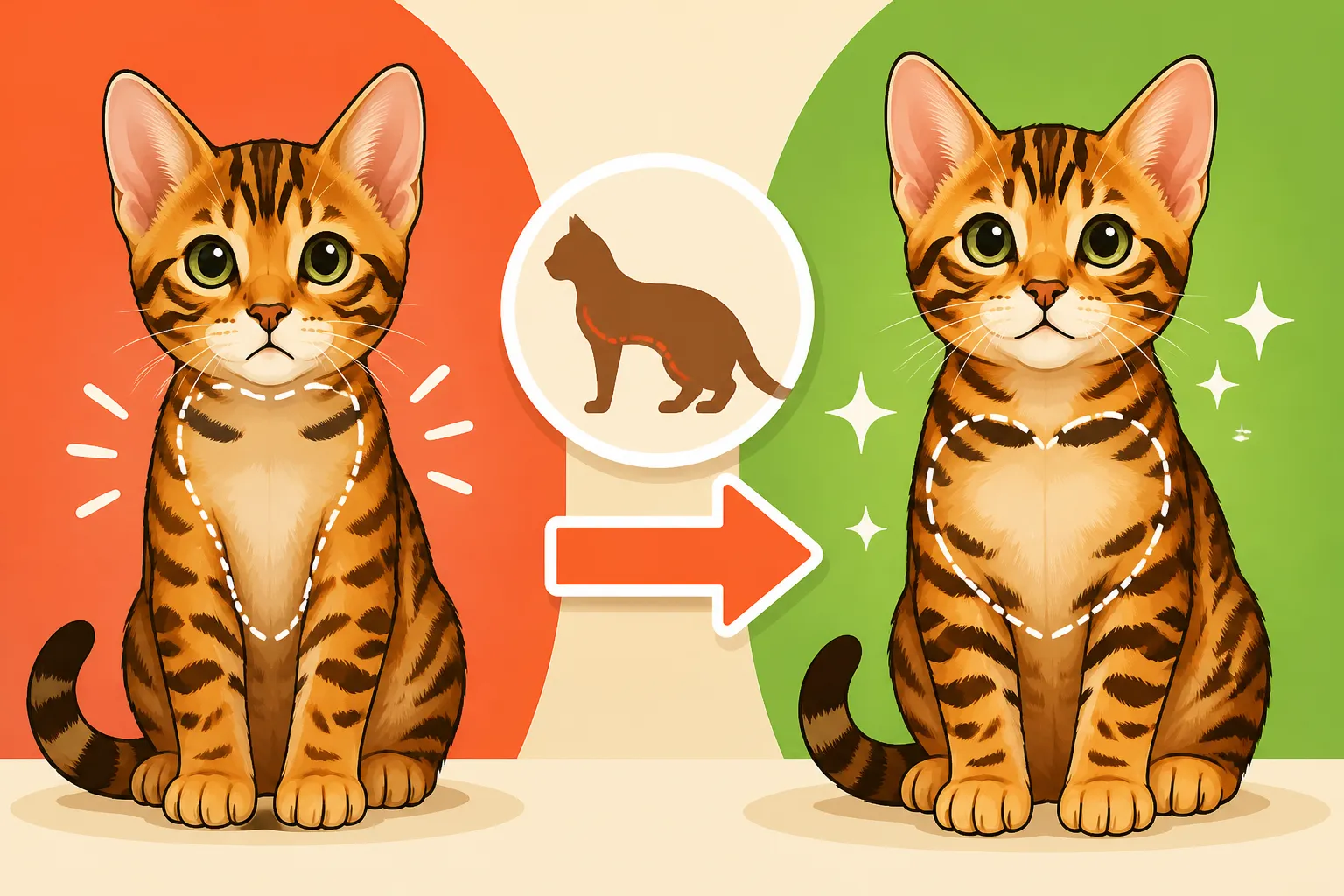
Flat Chested Kitten Syndrome, or FCKS, is a condition that, unfortunately, strikes some newborn kittens, including those adorable Bengal babies we all cherish. It’s a physical deformity where the kitten’s ribcage, instead of being nicely rounded, appears compressed, flattened, or even concave. Imagine looking at a kitten from the front and seeing its chest wall push inwards or flatten out, rather than expanding normally. It’s a visual and tactile difference that can be quite unsettling.
What Exactly Is FCKS and What Does It Look Like?
When we talk about FCKS, we're referring to an abnormal development of the rib cage. Instead of the ribs forming a gentle, open arch that allows the lungs ample space to expand, they can become severely flattened or even malformed. This compression can range from mild to severe, and the appearance changes accordingly. In a mild case, you might just notice a slight indentation or flatness on one side of the chest, perhaps barely perceptible. In moderate cases, the entire sternum (breastbone) might seem pushed inwards, making the chest appear narrow and shallow. Severe cases are truly distressing, with the chest wall being profoundly sunken, sometimes creating a visible "V" shape or even twisting, which significantly impedes lung function.
The term "flat" can be a bit misleading because it's not always just flat; sometimes it's a concavity, like a small divot, or even a twisted appearance. The hallmark is that the normal rounded shape of the chest is absent, replaced by something far more rigid and restrictive. This isn't just a cosmetic issue; it's a structural problem that can directly impact a kitten's ability to breathe properly, as the lungs struggle to inflate fully within the confined space.
The Heartbreaking Reality of Diagnosis
Discovering FCKS in a new litter is, frankly, gut-wrenching. You're filled with such hope and excitement for these tiny lives, and then to see one struggling with this condition is incredibly tough. For breeders, it can be a particularly stressful situation, as they’ve invested so much time and care into their queen and her litter. Owners who adopt a kitten that later develops or shows signs of FCKS often feel overwhelmed by the sudden challenge, wondering if they're equipped to handle it. The initial diagnosis is usually made visually, often within the first few days of life, sometimes even at birth. The kitten might seem weaker, struggle to nurse, or just not thrive like its siblings.
The reality is that kittens with severe FCKS often have a very poor prognosis, and it’s a difficult conversation to have with a veterinarian. There's a lot of emotional weight that comes with caring for such a fragile creature, knowing that its survival is far from guaranteed. This condition is often silent in its earliest stages, becoming more apparent as the kitten tries to grow and its need for oxygen increases. It’s a stark reminder of the delicate balance of life in those first crucial weeks.
Deciphering the Causes: Why Some Bengal Kittens Develop FCKS
The exact reasons why a Bengal cat kitten's chest flattens are still somewhat of a mystery, but research and anecdotal evidence point to a combination of genetic predispositions and environmental factors during development. It’s rarely one single cause, which makes it even harder to predict or prevent.
Genetics vs. Environment: The Ongoing Debate
One of the biggest questions surrounding FCKS is whether it's primarily inherited or if external factors play a more significant role. Some breeders and veterinarians believe there's a genetic component, suggesting that certain lines or pairings might be more prone to producing kittens with the syndrome. This leads to the very important question of whether certain pedigrees should be avoided or if carriers exist, similar to how we test for other genetic issues like whether Flat Chested Kitten Syndrome Is Inherited in Bengal Cats. However, no specific gene has been identified, making it difficult to test for or breed away from systematically.
On the other hand, many believe that environmental factors during gestation or the very early stages of a kitten's life are crucial. Think about the conditions inside the womb: overcrowding in a large litter, the position a kitten adopts, or even a lack of amniotic fluid could theoretically contribute to chest compression. After birth, factors like the nest box environment, how the queen positions her kittens, or even mild trauma could be considered, though these are less likely to cause the severe underlying skeletal changes characteristic of FCKS. It’s a complex interplay, and often, despite the best efforts and perfect conditions, a kitten can still develop the syndrome, leaving everyone perplexed.
Other Contributing Factors in the Litter
Beyond genetics and direct environmental pressure, other elements within the litter dynamics might contribute to the manifestation or severity of FCKS. For instance, a very large litter, especially when considering How Many Kittens a Bengal Cat Litter Holds, could mean more competition for space and resources, potentially leading to developmental compromises. If a queen has a particularly boisterous or large litter, smaller or weaker kittens might get squashed or be unable to compete for prime nursing spots, leading to malnutrition that exacerbates any existing chest flattening.
Nutritional deficiencies in the queen during pregnancy, though less commonly cited for FCKS specifically, can also play a role in overall kitten development and resilience. If the queen isn't receiving optimal nutrition, her kittens might be born weaker or with subtle developmental issues that make them more susceptible to conditions like FCKS. Furthermore, some theories suggest that a deficiency in certain minerals or vitamins might affect cartilage and bone development. While these are not definitive causes, they highlight the multifactorial nature of kitten health and development, making it incredibly challenging to pinpoint one single culprit for the syndrome.
Recognizing the Signs and Navigating Diagnosis & Prognosis
Early recognition of FCKS is paramount, as timely intervention can significantly improve a kitten’s chances of survival and quality of life. Owners and breeders need to be vigilant from birth, observing not just the obvious physical appearance but also subtle behavioral cues.
Early Detection: What to Look for in Tiny Kittens
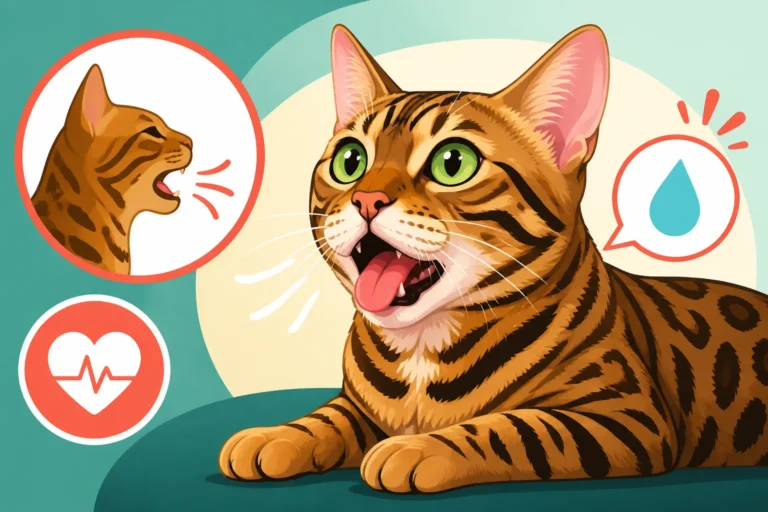
Observing newborn Bengal kittens is a joyful but also critical task. In the first few days, you'll be looking for signs that go beyond just a flat chest, as the flattening itself can sometimes be subtle initially. Pay close attention to their breathing. A kitten with FCKS might exhibit shallow, rapid breathing, or struggle more than its siblings. You might notice an exaggerated movement of the abdomen to compensate for the restricted chest expansion. They might make soft grunting or wheezing sounds, indicating respiratory distress.
Beyond breathing, observe their general vigor. Kittens with FCKS often appear weaker, less active, and struggle to compete for nursing. They might seem lethargic, fail to gain weight at the same rate as their littermates, or even push away from the nipple because nursing is too exhausting. Their cries might be weaker, and they might have difficulty crawling or moving around the nest box. When you gently handle them, you might feel the rigidity or abnormality of the chest wall. If you suspect FCKS, it’s critical to contact your veterinarian immediately for an assessment. Early intervention is key, and the vet can help guide you on What Flat Chested Kitten Syndrome Does to a Bengal Cat in specific cases.
Working with Your Vet and Understanding the Outlook
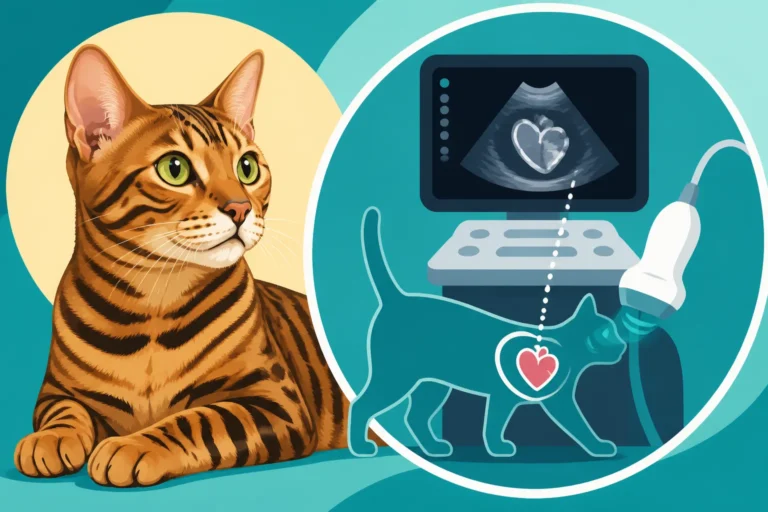
Once you've identified a suspected case of FCKS, your veterinarian will conduct a thorough physical examination. They will carefully palpate the chest, assess breathing, and listen to the heart and lungs. X-rays are often recommended to get a clearer picture of the skeletal deformity and to evaluate the lungs for any signs of collapse or fluid. This imaging helps determine the severity of the flattening and whether there are other complications.
The prognosis for kittens with FCKS varies wildly depending on the severity. Mild cases might spontaneously resolve as the kitten grows, often improving significantly by 4-6 weeks of age, leading to a largely normal life. Moderate cases present a more guarded prognosis, often requiring intervention and close monitoring. Sadly, severe cases often carry a very poor prognosis, with many kittens succumbing to respiratory failure within the first few days or weeks. This is the painful reality when considering Whether a Flat Chested Bengal Cat Kitten Survives. Your vet will be able to provide an honest assessment and help you make difficult decisions if necessary, always keeping the kitten's comfort and quality of life paramount. It's a challenging time, and having a good pet insurance plan, like those offered by Healthy Paws, can certainly ease the financial burden of diagnostic imaging and potential treatments during such a critical period.
Support and Treatment for Bengal Kittens with FCKS
While FCKS can be devastating, there are various approaches to supportive care and treatment that can sometimes make a significant difference, particularly for kittens with mild to moderate cases. The goal is always to support the kitten's breathing and growth, allowing the chest wall to develop more normally over time.
Immediate and Supportive Care: Making Them Comfortable
The first line of defense for a kitten with FCKS is intensive supportive care. These tiny furballs are incredibly vulnerable, and maintaining their basic needs is crucial. This includes keeping them warm, as hypothermia is a significant risk for weak kittens. A heated bed or incubator can make a world of difference. Dehydration is another immediate threat, so ensuring they are adequately hydrated, either through assisted nursing, syringe feeding, or even subcutaneous fluids, is vital.
Nutrition is equally important. Kittens with FCKS often struggle to nurse effectively due to their breathing difficulties and overall weakness. You might need to gently assist them to latch onto the mother's nipple or provide supplemental formula via syringe or specialized kitten feeding bottle. This ensures they get the calories and nutrients they desperately need to grow and gain strength. A kitten struggling with FCKS needs every advantage it can get, and proper nutrition helps them to build the muscle and bone mass that can contribute to eventual chest wall improvement. This supportive care is crucial, especially when thinking about What a Bengal Cat Kitten Needs to Build Muscle and thrive.
Bracing and Therapeutic Interventions
For some kittens, particularly those with moderate flattening, veterinarians or experienced breeders might recommend chest bracing. This involves creating a custom-fitted brace, often made from lightweight materials like craft foam or a 3D-printed plastic, which is gently applied to the kitten's chest. The idea behind a brace is to provide gentle, constant outward pressure on the flattened ribs, encouraging them to expand into a more natural, rounded shape as the kitten grows. The brace must be custom-made and fitted carefully by a professional to ensure it doesn't restrict breathing further or cause skin irritation. It also needs regular adjustments as the kitten grows.
Other therapeutic interventions can include very gentle physical therapy, sometimes involving careful chest compressions or stretches to encourage flexibility and expansion. Some clinics might also use oxygen therapy for kittens in significant respiratory distress. These specialized treatments are usually overseen by a veterinarian who can advise on How a Flat Chested Bengal Cat Kitten Is Treated based on the individual case. It's important to remember that these interventions require a huge commitment of time and resources, and while they can be effective, success is not guaranteed. Again, having pet insurance like Healthy Paws could significantly alleviate the financial burden of these specialized treatments and frequent vet visits.
Long-Term Outlook and Quality of Life
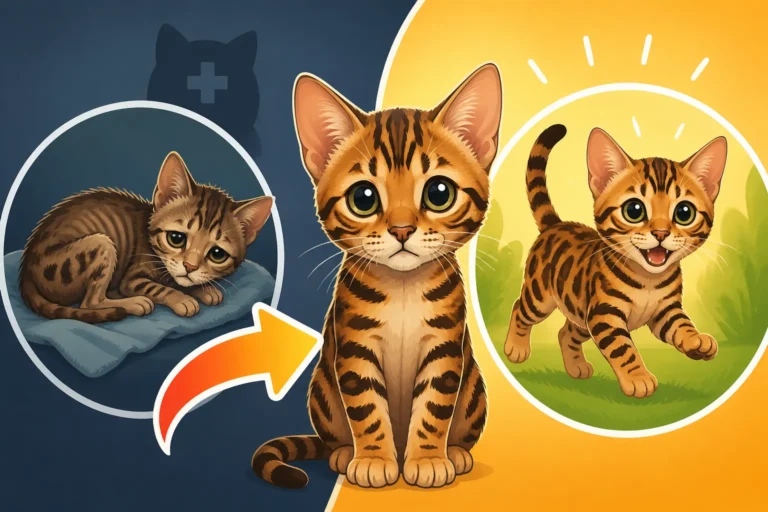
The long-term outlook for a Bengal kitten with FCKS varies greatly. Many kittens, especially those with mild cases who receive good supportive care, can grow out of the condition. As they get bigger and stronger, their ribcages can often round out, and their breathing becomes normal. It's truly a relief when Whether a Flat Chested Bengal Cat Kitten Grows Out of It turns into a positive outcome. These kittens often go on to live full, happy lives with no lasting health issues.
However, for kittens with more severe or persistent FCKS, there might be residual effects. Some might always have a slightly flatter chest, though it may not impact their health. Others might experience ongoing respiratory challenges, reduced exercise tolerance, or be more prone to respiratory infections. In very rare, severe cases, surgery might be considered, but this is highly specialized and carries significant risks for such tiny patients. Responsible breeders are also mindful of the potential genetic link, and while there's no definitive test, they often assess the health records and genetic history when determining What a Bengal Cat Breeder Should Have Tested and which pairings to make. Regular check-ups are vital, and it’s always a good idea to discuss the long-term implications with your vet during a What a Bengal Cat's Wellness Exam Should Cover visit to ensure the kitten’s ongoing well-being.
| Severity Level | Appearance | Breathing Difficulty | Prognosis (with care) | Potential Long-Term Issues |
|---|---|---|---|---|
| Mild | Slight flatness/indentation, often unilateral | Minimal to none | Good; often resolves spontaneously | Rare to none |
| Moderate | Noticeable flattening/concavity, often bilateral | Mild to moderate labored breathing | Guarded; may require bracing | Possible mild exercise intolerance |
| Severe | Deeply sunken or twisted chest, rigid | Significant respiratory distress, rapid/shallow breaths | Poor; high mortality rate | Chronic respiratory issues, poor quality of life |
Ultimately, caring for a Bengal cat kitten with FCKS is a journey that requires immense dedication, patience, and a strong partnership with your veterinary team. While it can be heartbreaking, celebrating the success stories and providing the best possible care for these vulnerable kittens is incredibly rewarding.
Disclaimer
The information provided in this article is for general informational purposes only and does not constitute veterinary advice. Always consult with a qualified veterinarian for any health concerns or before making any decisions related to your Bengal cat's health and treatment.