Whether an Aging Bengal Cat Slows Down
It’s a natural worry for any Bengal cat owner: will that boundless energy, that relentless drive to climb, explore, and play, ever truly fade? You’ve lived with a feline dynamo, a cat that often seems to defy the very concept of "resting." The idea of your vivacious Bengal slowing down can feel almost impossible to imagine, or perhaps even a little sad. You might wonder if their unique physiology, so close to their wild ancestors, means they’ll be tearing around like kittens well into their golden years. The truth is, while Bengal cats maintain an impressive level of activity much longer than many other breeds, the aging process does eventually catch up, bringing with it a more subtle, gradual shift rather than an abrupt halt. This guide will explore how aging impacts a Bengal cat's activity, what signs to look for, and how you can support their changing needs to ensure they continue to live a fulfilling life.
The Myth of the "Sudden Stop": A Bengal Cat's Activity Over a Lifetime
Many cat owners, especially those new to the breed, often hold onto the idea that Bengal cats are somehow exempt from the typical aging process that sees other felines become couch potatoes. It's a testament to their incredible vitality, but it's also a misconception that can lead to missing important signs when changes do occur. Understanding their baseline activity is crucial to recognizing when they begin to slow down.
The Untamed Energy of a Young Bengal
From the moment you bring home a Bengal kitten, you're introduced to a whirlwind of energy. These cats are not just active; they are driven. Their wild ancestry, tracing back to the Asian Leopard Cat, has imbued them with an insatiable curiosity, powerful muscles, and a need for constant mental and physical stimulation. A young Bengal cat will often spend their waking hours in perpetual motion: climbing to the highest shelves, exploring every nook and cranny, and engaging in intense play sessions. It's not uncommon for them to demand several dedicated play sessions throughout the day, often with interactive toys like wand teasers or puzzle feeders. They’ll chase, pounce, fetch, and perform acrobatic feats that would leave many other cats gasping. If you’ve ever wondered How Many Hours a Day a Bengal Cat Plays, the answer is usually "a lot!" This high-octane lifestyle isn't just for fun; it's deeply ingrained in their genetic makeup, a continuous expression of their predatory instincts. They often seem to thrive on pushing their physical limits, showcasing incredible agility and endurance.
This isn't to say they don't sleep – they absolutely do, but often in shorter bursts, recharging quickly before resuming their adventures. You might find them scaling your tallest cat tree, then suddenly appear at your feet demanding a game of fetch, only to disappear moments later to investigate a new sound. Their sheer intensity can be both exhilarating and, let's be honest, sometimes a little exhausting for their human companions. This profound level of activity forms the benchmark against which any future "slowing down" will be measured. It’s important for owners to remember this baseline so they can accurately assess changes as their cat matures, rather than comparing them to a less active domestic breed.
The Gradual Shift: Not an On/Off Switch
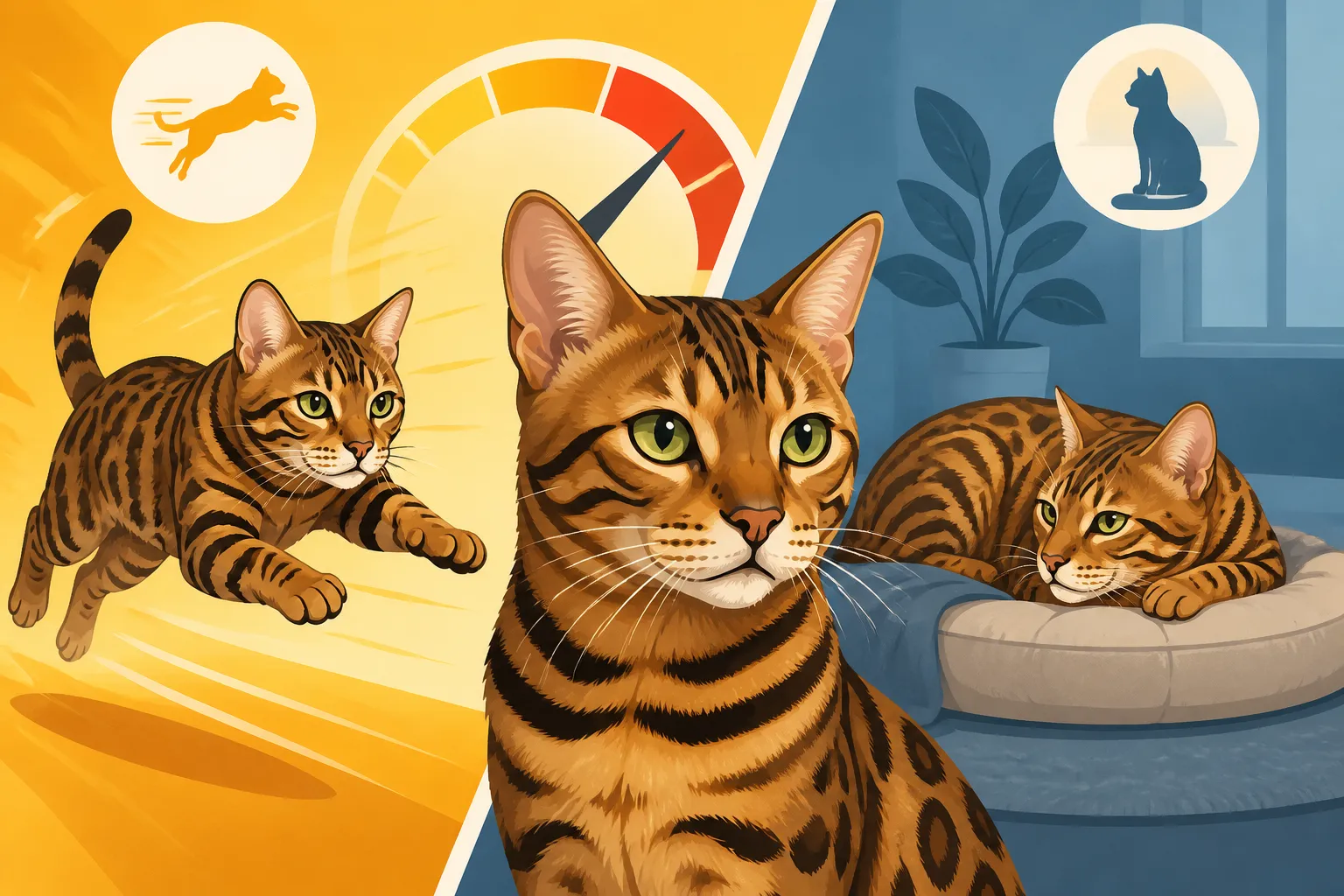
When a Bengal cat begins to age, it’s rarely an overnight transformation. You won't wake up one morning to find your once-feral adventurer suddenly content to nap all day. Instead, the process is far more subtle and gradual, like the dimming of a light rather than a switch being flipped off. They don't simply "stop"; rather, their bursts of energy might become shorter, their jumps a little less high, and their recovery time after a vigorous play session a bit longer. You might notice them choosing a cozy sunbeam over a daring climb to the top of the bookshelf more often, or perhaps they'll watch a bird from the window with intense focus instead of launching themselves at the glass.
For many Bengal cats, their senior years officially begin around the age of ten, though some might start showing subtle signs closer to eight or nine. By the time they reach The Age a Bengal Cat Is Considered Senior, their energy might still seem considerable compared to other cat breeds, but it will undeniably be reduced from their youthful prime. Owners might observe that while they still enjoy playtime, they might initiate it less frequently, or retreat from it sooner. Their vocalizations, which are often quite demanding in their younger years, might become softer or less insistent. It's a delicate balance, as their inherent drive for activity remains, but their physical capacity to sustain it begins to wane. This means you need to be observant, looking for nuances in their behavior that indicate a shift, rather than waiting for a dramatic change that likely won't happen.
Recognizing Subtle Changes in an Older Bengal Cat
Because Bengal cats are so adept at masking discomfort, and because their baseline activity is so high, it can be challenging for owners to spot the early signs of aging. It's not about them becoming entirely sedentary, but rather noticing the small differences that accumulate over time.
Physical Indicators of Reduced Mobility or Comfort
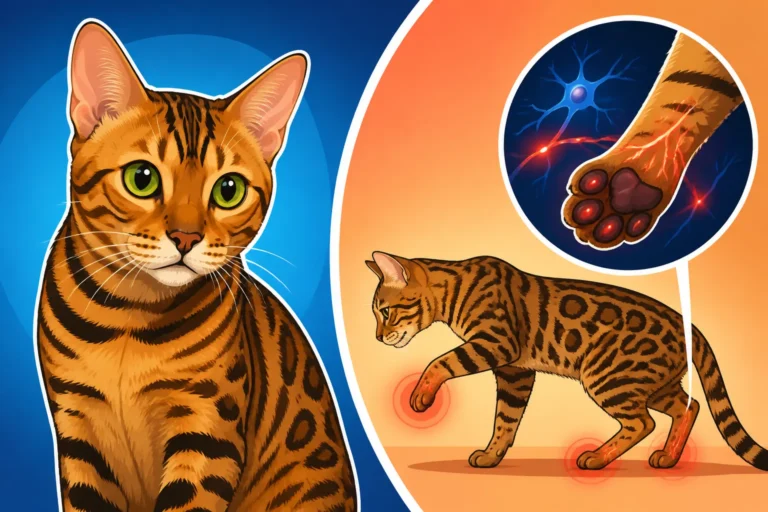
Even the most agile Bengal will eventually experience some physical limitations as they age. One of the first things you might notice is a slight decrease in their impressive jumping prowess. They might still reach high places, but they might take an extra step, use a chair as an intermediary, or hesitate slightly before launching themselves. Their once-effortless leaps onto kitchen counters might require more visible effort. You might also observe subtle changes in their gait or posture. They might walk with a slightly stiffer back, or perhaps their hind legs don't quite have the spring they once did. This can be especially noticeable when they're descending stairs or jumping down from furniture. These subtle signs could indicate conditions like arthritis, which is common in older cats, but often well-hidden. If you notice your Bengal isn't grooming themselves as meticulously as before, especially in harder-to-reach areas like their lower back or tail base, it could be a sign that reaching those spots is causing discomfort.
Look for changes in their sleeping habits too. While young Bengals sleep, senior Bengals might sleep more deeply and for longer periods, often seeking out warmer, softer spots. They might also take longer to "wake up" and get going after a nap, appearing a bit groggy initially. Pay attention to how they use their litter box; if they're having trouble stepping into a high-sided box, or seem to strain while eliminating, it could point to joint pain or other age-related issues. Remember, a Bengal cat's innate drive can push them to conceal pain and discomfort, a survival instinct passed down from their wild ancestors. This is why vigilance in observing these small physical cues is so important.
Behavioral Shifts and What They Mean
Beyond the purely physical, an aging Bengal cat can exhibit behavioral changes that signal a shift in their energy levels and overall well-being. They might still greet you with enthusiasm, but perhaps their "zoomies" are shorter-lived, or they engage less frequently in intense play with toys. A Bengal that once demanded constant interaction might be more content to simply sit near you or observe activities from a comfortable perch. You might also notice a decrease in their exploratory nature; while a young Bengal will investigate every new sound or object, an older one might be more selective, or less inclined to exert the effort.
Changes in social interaction can also occur. A senior Bengal might be less tolerant of boisterous play from younger pets or children, preferring quiet companionship. They might even become a little more irritable if pushed too hard during playtime, or if their rest is disturbed. Conversely, some Bengals might become more clingy, seeking out extra affection and reassurance. Their vocalizations might change; while a young Bengal’s voice is a demanding, insistent sound, an older Bengal might use softer chirps or meows, or simply be less vocal overall. It's about looking for deviations from their established personality and habits, not just comparing them to an average housecat. A good way to gauge is to consider What Changes in a Bengal Cat After Ten and observe your own cat for similar subtle shifts.
The Importance of Regular Veterinary Check-ups
Given how well Bengal cats hide their discomfort, regular veterinary check-ups become even more critical as they age. These aren't just routine visits; they are essential opportunities for a professional to assess subtle changes you might miss. Your vet can perform a thorough physical examination, checking for signs of arthritis, dental disease, or other common age-related ailments. They might recommend What a Bengal Cat's Yearly Bloodwork Should Cover to screen for underlying conditions like kidney disease, thyroid issues, or diabetes, which can all impact energy levels and overall health. Early detection of these conditions is paramount, as many can be managed effectively with medication, diet, or lifestyle adjustments, significantly improving your Bengal's quality of life.
| Age Range (Years) | Typical Activity Level | Common Behavioral Changes | Key Health Considerations |
|---|---|---|---|
| 0-2 (Kitten/Young) | Extremely High, relentless, demanding | Highly exploratory, playful, vocal, destructive if bored | Growth, vaccinations, spay/neuter |
| 2-7 (Adult) | High, sustained, intelligent play, still very active | Engaged, less frantic but still energetic, established routines | Maintaining ideal weight, dental health |
| 7-10 (Mature) | High-Moderate, slight decrease in duration, still athletic | May choose comfort more, slight hesitancy in jumps, still enjoys play | Early signs of arthritis, dental disease |
| 10+ (Senior) | Moderate, shorter bursts, more rest, less extreme acrobatics | Increased sleeping, less exploration, more sensitive to environment, may hide pain | Arthritis, kidney disease, hyperthyroidism, HCM Is What Kills Bengal Cats Early |
Even if your Bengal seems perfectly healthy, an annual or bi-annual senior check-up allows your vet to establish a baseline and track any changes. They can advise you on appropriate nutrition, weight management, and enrichment for an aging cat. Don't wait for obvious signs of illness; proactive care is the best defense against age-related decline. Many owners find that pet insurance, such as through Healthy Paws, becomes particularly valuable during these later years, helping to cover the costs of diagnostic tests and ongoing treatments that can arise with age. It helps ensure you can make healthcare decisions based on what’s best for your beloved Bengal, not solely on financial concerns.
Factors That Influence an Aging Bengal Cat's Energy Levels
While age is an undeniable factor, it's not the only one. A variety of elements can contribute to how much an aging Bengal cat slows down, from genetics and health to diet and environment. Understanding these can empower you to provide the best possible care.
Common Health Conditions Affecting Mobility and Vitality
One of the primary drivers behind an aging Bengal cat's reduced activity is the onset of age-related health conditions. Just like humans, cats become more susceptible to certain ailments as they get older. Arthritis is a significant culprit, often leading to stiffness, pain in the joints, and a reluctance to jump or climb. You might notice Whether an Aging Bengal Cat Gets Stiff after lying down for a long time, or they might be less willing to engage in high-impact play. Dental disease is also incredibly common in older cats and can cause significant pain, making them less enthusiastic about eating or playing.
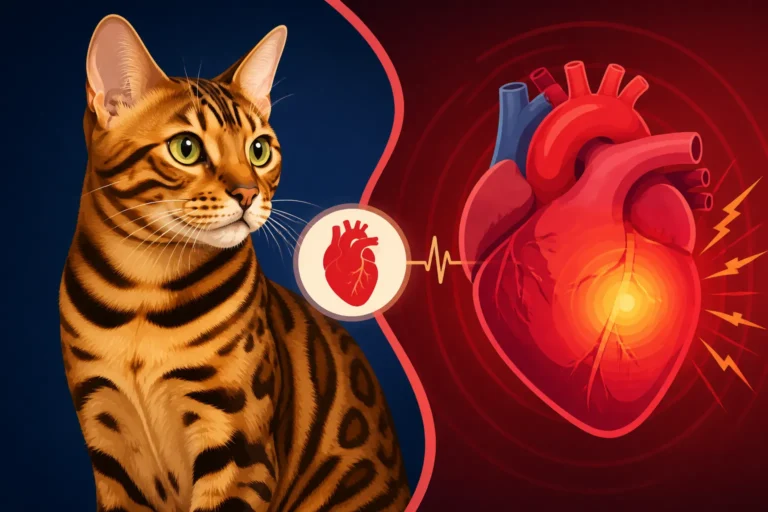
Beyond musculoskeletal issues, systemic diseases can dramatically impact energy. Kidney disease, hyperthyroidism, and diabetes are frequently diagnosed in senior felines. Kidney disease can lead to lethargy, increased thirst, and poor appetite, while hyperthyroidism (an overactive thyroid) can paradoxically cause weight loss despite a good appetite, coupled with restlessness and irritability, but can also manifest as fatigue in later stages. Heart conditions, such as Hypertrophic Cardiomyopathy (HCM), a genetic predisposition in Bengal cats, can also worsen with age and significantly reduce their stamina. While HCM Is What Kills Bengal Cats Early is a serious concern, ongoing monitoring and management can impact their quality of life in their senior years. Regular check-ups, as discussed, are essential for catching these issues early. If your vet diagnoses a condition, Healthy Paws, for example, could provide support for covering the costs of necessary treatments, giving you peace of mind.
Nutrition and Weight Management in Senior Bengals
Proper nutrition plays an indispensable role in maintaining an aging Bengal cat's energy and overall health. As their metabolism naturally slows down and their activity decreases, their caloric needs change. Feeding the same amount of food they ate as a vibrant two-year-old can quickly lead to weight gain, which exacerbates joint pain and increases the risk of other health problems. Conversely, some older cats may experience a decrease in appetite or have conditions that lead to weight loss, requiring calorie-dense or specialized diets. It's a delicate balance. Your vet can help you determine What a Healthy Bengal Cat Weighs for their age and build, and recommend appropriate food choices.
Many senior cat foods are formulated with lower calorie counts but higher levels of easily digestible proteins to support muscle mass, as well as joint-supporting supplements like glucosamine and chondroitin. It's also important to ensure they are getting enough moisture, especially if kidney function is a concern; incorporating wet food into their diet is often beneficial. Providing multiple, smaller meals throughout the day can also aid digestion and keep energy levels more stable. Regular weight checks at home, and certainly at vet visits, are vital to ensure your Bengal maintains an ideal body condition. A cat that is well-nourished and at a healthy weight will naturally have more energy and less strain on their aging body.
Environmental Adaptations for an Easier Life
An aging Bengal cat might slow down not just because they physically can't do certain things, but because their environment makes it harder or more uncomfortable. As their jumping ability diminishes and joint pain sets in, those towering cat trees they once loved might become inaccessible. Consider adding ramps or steps to help them reach their favorite perches, or repositioning furniture to create easier pathways to high spots. A low-sided litter box can make a world of difference for a cat with arthritis. Providing soft, orthopedic beds in warm, quiet spots will encourage rest and reduce strain on their joints.
Think about temperature regulation too; older cats can be more sensitive to cold. Ensure they have access to cozy, warm sleeping areas, especially during colder months. Even seemingly small changes can significantly impact their comfort and willingness to move around. If your Bengal still loves to look out the window, ensure there's an easily accessible, soft perch for them. For Bengals that still enjoy their outdoor time in a catio, consider adding ramps or easier levels to navigate. The goal isn't to prevent them from moving, but to make movement less painful and more inviting, encouraging them to stay as active as they comfortably can.
Nurturing Your Senior Bengal: Keeping Them Engaged and Comfortable
Watching your once-frantic Bengal mellow with age can be bittersweet, but it doesn't mean their days of joy and engagement are over. It simply means adapting your approach to their care and enrichment. You can still provide a rich, stimulating life tailored to their evolving capabilities.
Tailoring Playtime to Their Changing Needs
While your senior Bengal may not have the stamina for an hour-long chase session, their inherent desire to hunt and play doesn't disappear. It just needs to be channeled differently. Instead of vigorous sprints, opt for shorter, more frequent play sessions. Use wand toys that allow them to stalk and pounce without too much high-impact jumping. Floor-level games, where they can swat at toys or chase a laser pointer (with a physical 'catch' at the end to prevent frustration), can still provide mental and physical stimulation. Puzzle feeders remain an excellent way to engage their intelligent minds without requiring intense physical exertion. Whether a Puzzle Feeder Tires a Bengal Cat often depends on the complexity, but for older cats, it's more about mental engagement and gentle movement.
Observe your Bengal carefully during play; if they show signs of fatigue, such as panting heavily or retreating, end the session gracefully. It’s better to have several short, enjoyable playtimes than one long, exhausting one that leaves them sore. Rotate their toys to keep things fresh and interesting, appealing to their keen curiosity. Remember, even a short burst of activity can keep their muscles toned, their minds sharp, and their spirits high. Don’t assume they no longer want to play; simply adjust how you play with them. For example, Healthy Paws can also offer resources and advice on maintaining pet wellness at every life stage, including creative ways to keep older cats active.
Creating a Low-Stress, Supportive Home Environment
A serene and predictable home environment is particularly beneficial for an aging Bengal cat. Their senses might not be as sharp as they once were, and sudden loud noises or unfamiliar situations can cause more stress than they would have in their youth. Provide designated safe spaces where they can retreat and feel secure, perhaps a cozy bed under a table or a high perch away from household commotion. Maintain a consistent routine for feeding, playtime, and sleep, as predictability can be very comforting for older cats.
Ensure that essential resources like food, water, and litter boxes are easily accessible and located in quiet areas. If you have multiple pets, especially younger, more rambunctious ones, make sure your senior Bengal has opportunities to eat and rest undisturbed. Gentle, consistent affection can also go a long way in reinforcing their sense of security and well-being. Even if your Bengal was once a bit aloof, many become more cuddly as they age. Pay attention to How a Bengal Cat Hides Pain and watch for subtle changes in their behavior that might indicate they are feeling stressed or uncomfortable, then adjust their environment accordingly.
Proactive Care and Early Intervention
The best strategy for supporting your aging Bengal cat is a proactive one. This means not just reacting to problems, but anticipating them and taking steps to prevent or mitigate their impact. Beyond regular vet check-ups, consider specialized senior care from your veterinarian. They might recommend supplements for joint health, or suggest dietary changes based on specific health markers. Staying informed about common age-related conditions and their symptoms will help you act quickly if you notice any changes.
If your Bengal does receive a diagnosis, adhering to the prescribed treatment plan is crucial. This might involve daily medication, a therapeutic diet, or even physical therapy exercises. Early intervention can often slow the progression of diseases and significantly extend your cat’s comfortable lifespan. For example, if your Bengal is diagnosed with early arthritis, a vet-prescribed anti-inflammatory or joint supplement regimen, possibly covered by pet insurance like Healthy Paws, can make a huge difference in their mobility and comfort for years to come. Remember, while your Bengal cat will naturally slow down to some degree, your dedicated care can ensure that their golden years are filled with comfort, engagement, and plenty of love. Caring for a Bengal Cat Past Ten is a commitment, but one that rewards you with continued companionship from these extraordinary felines.
Disclaimer
This article is for general informational purposes only and does not constitute professional advice. Laws, prices and regulations vary by location and change over time. Consult a qualified professional for guidance on your specific situation.