Which Cities Ban the Bengal Cat
It’s a truly frustrating experience when you’re dreaming of bringing a beautiful Bengal cat into your home, only to discover that local regulations might stand in your way. Many aspiring owners get caught off guard, assuming that if a breed is legal in their state, it's legal everywhere within that state. This simply isn’t true, and navigating the patchwork of city-specific laws can feel like trying to solve a complex puzzle. This comprehensive guide is here to shed light on which cities ban the Bengal cat, explain why these rules exist, and offer practical advice on how to verify your local ordinances so you can avoid potential heartbreak and legal issues.
Understanding the Complex Landscape of Bengal Cat Laws
The legal status of Bengal cats can be incredibly confusing, primarily because there isn't one universal rule across the United States, or even within individual states. What might be perfectly acceptable in one town could be strictly prohibited just a few miles down the road. This variability stems from how laws are enacted and the differing perceptions of the Bengal breed. Many assume a pet cat is just a pet cat, but the Bengal's unique heritage as a hybrid often places it under a different legal microscope.
The core of this issue lies in the fact that local jurisdictions often have the power to create their own animal control ordinances, which can be more stringent than state-level laws. This means that while your state might allow Bengal cats up to a certain generation, your city or county could impose a complete ban or additional restrictions. This layered legal system is what makes proper research absolutely critical before you commit to bringing one of these magnificent felines home. Ignoring these laws, even unknowingly, can lead to severe consequences, including fines, confiscation of your beloved pet, and even legal battles.
State vs. City Ordinances: Where the Rules Come From
When we talk about pet ownership laws, it's essential to understand the hierarchy at play. State laws typically set a broad framework. For instance, a state might declare that any cat beyond the F4 generation (meaning four generations removed from the wild Asian Leopard Cat ancestor) is considered fully domesticated and therefore legal. However, this state-level approval doesn't automatically supersede city or county ordinances.
Cities often enact their own animal control laws to address specific local concerns, which could include public safety, perceived threats to local wildlife, or simply a blanket prohibition on "exotic" or "hybrid" animals. These local rules can be far more restrictive. For example, some cities might ban all Bengal cats, regardless of generation, effectively nullifying the state's more lenient stance within their city limits. Other cities might permit only later generations, like SBT (Studbook Tradition) Bengals, while requiring special permits or banning earlier generations entirely. This distinction is crucial for any prospective Bengal owner to grasp, as simply checking your state law isn't enough. You absolutely must look into the regulations specific to your town or city, as this is where the most direct impact on your ownership will occur. It highlights why understanding Where Bengal Cat Law Is Set, the State or the City is so vital.
The Role of Generation Numbers F1-SBT
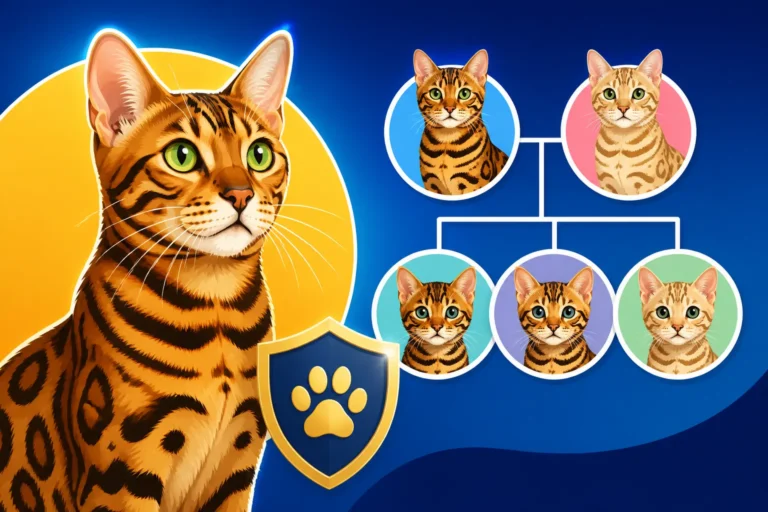
The "F" number, or filial generation, is a key determinant in many Bengal cat laws, whether at the state or local level. This number indicates how many generations removed a Bengal cat is from its wild ancestor, the Asian Leopard Cat (ALC).
- F1 Bengals are direct offspring of an ALC and a domestic cat. They retain a significant amount of their wild instincts and physical traits.
- F2 Bengals have an F1 parent and a domestic cat parent.
- F3 Bengals have an F2 parent and a domestic cat parent.
- F4 Bengals are considered the first generation that breeders can register as "Studbook Tradition" (SBT) in most cat registries. These are generally seen as fully domesticated and furthest removed from their wild heritage, having an F3 parent and a domestic cat parent.
The perception of a Bengal cat's "wildness" diminishes with each successive generation, and this perception directly influences legal classifications. Many cities and states draw a clear line at the F4 generation, considering F1, F2, and F3 Bengals to be "wild animals" or "exotic pets" due to their closer proximity to the Asian Leopard Cat. This classification often triggers bans or requires strict permits, special caging, and substantial fees. In contrast, an SBT Bengal, being at least four generations removed, is usually viewed legally as a domestic cat, making it much more widely accepted. Understanding Why the Generation Number Decides Whether You Can Own a Bengal Cat is therefore not just about breed history, but about direct legal consequences.
Major Cities with Outright Bengal Cat Bans
While the Bengal cat is a popular and increasingly common breed, several major cities across the United States have implemented outright bans on owning them. These prohibitions often stem from concerns about public safety, the classification of Bengals as "wild animals," or local interpretations of hybrid animal regulations. It's a sad reality for many who fall in love with these cats, only to find their city won't allow them.
These bans are typically part of a broader ordinance against exotic or wild animals and don't make exceptions for temperament, training, or even generation. For instance, it doesn't matter if your Bengal is a sweet, docile SBT cat that has never shown a hint of aggression; if the city code bans "hybrid cats" or "cats descended from wild felines," your Bengal could be deemed illegal. This can be incredibly frustrating for responsible owners who provide excellent care for their pets and ensure they are well-socialized.
New York City's Stance on Bengal Cats
New York City serves as a prime example of a major metropolitan area with a stringent ban on Bengal cats. Despite New York State law permitting later-generation Bengals (specifically F5 and beyond, or SBT), New York City's administrative code has a much stricter interpretation. Under city law, Bengal cats, regardless of their filial generation, are classified as "wild animals" and are therefore prohibited from being kept as pets within the five boroughs.
This means that if you live in Manhattan, Brooklyn, Queens, the Bronx, or Staten Island, owning any generation of Bengal cat is illegal. The city's stance is often rooted in concerns about managing potentially wild or exotic animals in a densely populated urban environment, even if many Bengal owners would argue their cats are no different than a particularly active domestic shorthair. The consequences of violating this ban can include significant fines and the confiscation of the animal by Animal Care Centers of NYC. This situation illustrates the critical point that local city ordinances often override state allowances, a concept further explored in our guide on Why New York City Bans Every Bengal Cat.
Other Notable Cities with Complete Prohibitions
Beyond New York City, several other urban centers have taken a similar approach, implementing full bans on Bengal cats. These include:
- Denver, Colorado: Historically, Denver has had strict regulations on hybrid cats, often classifying them as wild animals. While specific nuances might apply, the general trend has been towards prohibition.
- Seattle, Washington: Seattle's municipal code generally restricts the ownership of wild or exotic animals, and hybrid cats often fall under this umbrella depending on interpretation.
- Baltimore, Maryland: Baltimore has also had ordinances that categorize hybrid cats as prohibited, reflecting a cautious approach to animals with wild lineage in an urban setting.
- Honolulu, Hawaii: While not a "city" in the same sense as the others, the entire state of Hawaii has a complete ban on all Bengal cats, making it impossible to legally own one anywhere on the islands. This is unique in its breadth.
These bans aren't always immediately obvious and might be buried within broader exotic animal ordinances. They often create challenges for residents who move into these areas with an existing Bengal cat, or for those who were unaware of the local nuances. It underscores the vital need for thorough research, especially if you're relocating. Even if you're just visiting, bringing an illegal pet into a city can cause immense stress and legal headaches.
Cities with Restrictions and Permit Requirements
Not all cities go as far as an outright ban. Many urban areas choose a middle ground, allowing Bengal cats but imposing strict restrictions or requiring special permits. This approach attempts to balance the desire for pet ownership with concerns about public safety and responsible animal care. These regulations are generally more common and require careful attention to detail from prospective owners.
The idea behind permits is often to ensure that owners are educated, prepared, and capable of providing an appropriate environment for a Bengal, especially earlier generations. It’s also a way for local authorities to keep track of these animals within their jurisdiction. However, navigating these requirements can be a bureaucratic maze, often involving fees, home inspections, and a deeper understanding of the specific rules.
Generation-Specific Restrictions in Urban Areas
Many cities focus their restrictions on the earlier generations of Bengal cats, acknowledging that later generations (SBT Bengals) are generally more domesticated. This often means F1, F2, and F3 Bengals are either completely banned or subject to very stringent permit requirements that make ownership impractical for the average pet owner.
For example, cities in states like Connecticut or Massachusetts might allow SBT Bengals without a special permit, but explicitly prohibit or heavily regulate F1-F3 generations. These regulations can include:
- Permit fees: Often substantial and recurring annually.
- Containment requirements: Specific enclosures or catios might be mandated to prevent escape, reflecting concerns about their perceived "wild" nature. A secure, well-designed catio, as discussed in Why a Catio Is the Answer to a Bengal Cat, might even be a requirement.
- Insurance: Proof of liability insurance for exotic animals may be required.
- Microchipping and identification: Mandatory, ensuring the animal can be traced if lost.
The reasoning here is usually tied to the animal's proximity to its wild ancestor. Early generation Bengals are believed to retain more of the Asian Leopard Cat's instincts, such as a stronger prey drive, greater physical strength, and a more cautious nature with strangers. While many F1-F3 owners will attest to their cats being loving and social pets, cities often err on the side of caution due to their potential, however rare, for displaying wild behaviors. It’s critical to verify if your city draws a line at a specific generation, as the difference between an F3 and an F4 could be the difference between legal ownership and a violation.
The Permit Application Process in Restricted Cities
If your city requires a permit for Bengal cat ownership, be prepared for a detailed application process. This isn't usually a simple form-filling exercise; it often involves a thorough vetting of the prospective owner and their living situation.
Here's a general overview of what you might expect:
- Application Form: This will collect basic information about you, your address, and the Bengal cat in question (generation, age, spay/neuter status, microchip number).
- Proof of Generation: You'll almost certainly need to provide documentation, such as the cat's TICA registration papers, which clearly state its filial generation. Without this, proving your cat's legality can be challenging, as outlined in How to Prove Your Bengal Cat's Generation.
- Veterinary Records: Proof of current vaccinations, spay/neuter, and general health check-ups. Some cities might require a specific vet endorsement confirming the cat's temperament.
- Enclosure/Containment Plan: For earlier generations, you might need to submit plans or photos of your secure outdoor enclosure (like a catio) or indoor safety measures. This addresses concerns about their propensity for escape and exploration.
- Home Inspection: Animal control officers or a designated city official might conduct a home visit to ensure your living environment meets the specified safety and welfare requirements for an exotic or hybrid animal. This could include checking for secure windows, doors, and appropriate space.
- Fees: Permit fees can vary widely, from a nominal charge to several hundred dollars annually, reflecting the administrative burden and resources required for oversight.
- Liability Insurance: Some cities mandate proof of exotic pet liability insurance to cover any potential incidents, such as bites or escapes. While a general pet insurance like Healthy Paws can cover vet bills, this is a distinct type of policy.
This process can be time-consuming and expensive, which is why many individuals in restricted cities opt for later-generation Bengals that typically fall outside the stricter permit requirements. It's a clear illustration of how cities attempt to manage the breed without an outright ban, but it places a significant burden on the owner.
Why Cities Ban or Restrict Bengal Cats
It can feel arbitrary when your beloved Bengal is deemed illegal in one place but cherished in another. However, city ordinances aren't usually enacted without some underlying reasoning, even if those reasons are based on outdated information or misperceptions about the breed. Understanding these motivations can help prospective owners anticipate and navigate potential legal hurdles.
The core of these bans and restrictions often revolves around two main pillars: public safety concerns, particularly regarding the "wild" perception of the Bengal cat, and environmental worries about their potential impact on local wildlife if they were to escape.
Public Safety Concerns and 'Wild' Perception
One of the primary drivers behind urban bans or restrictions on Bengal cats is the perceived public safety risk. Because Bengals are a hybrid breed with a wild ancestor (the Asian Leopard Cat), there's often a misconception that they are inherently wild, unpredictable, or dangerous, even if they are many generations removed from their ALC heritage. This "wild perception" is often fueled by sensationalized stories or a lack of understanding of how domestication works over generations.
City officials might worry about:
- Aggression: The fear that a Bengal cat might attack people or other pets due to its wild lineage. While any cat can be aggressive, well-socialized SBT Bengals are generally no more aggressive than a domestic tabby. However, earlier generations (F1-F3) can indeed retain more cautious and less outwardly friendly traits, which might be perceived as a risk.
- Escape Risk: Bengals are known for their intelligence, agility, and incredibly high energy levels. They can open cabinets, manipulate doorknobs, and generally be escape artists, as highlighted in A Bengal Cat Opens Cabinets, Doors and Drawers. Cities worry that escaped Bengals, especially earlier generations, could pose a threat to the public or be difficult to recapture.
- Disease Transmission: Though less common, there's sometimes a general concern about "exotic" animals carrying diseases that could spread to humans or other domestic animals.
These concerns, while sometimes exaggerated for later generations, lead cities to classify Bengals under "wild animal" or "exotic pet" ordinances, even when the cat in question acts like any other domestic feline. It's an uphill battle to change these deeply ingrained perceptions, making bans and restrictions a persistent reality in some urban environments.
Environmental Impact and Wildlife Protection
Another significant reason cities implement bans or restrictions on Bengal cats is concern for the local environment and native wildlife. This often goes hand-in-hand with the escape risk worries. If a Bengal cat, particularly one with strong hunting instincts, were to escape and establish itself in a local ecosystem, city officials fear it could have a detrimental impact.
Here’s why this is a concern:
- Strong Prey Drive: Bengals often retain a strong prey drive from their ALC ancestors. They are highly efficient hunters, even when well-fed. If an escaped Bengal were to hunt local birds, small mammals, or reptiles, it could disrupt delicate ecosystems.
- Competition with Native Predators: In some areas, an escaped Bengal could potentially compete with native predators for food sources, further stressing local wildlife populations.
- Hybridization: While less of a concern with later generations, there's a theoretical fear that escaped early-generation Bengals could breed with feral domestic cats, potentially introducing their genetics into the wild cat population and altering local feline genetics.
These environmental concerns are often more pronounced in cities located near nature preserves, parks, or areas with sensitive wildlife populations. Officials aim to prevent the introduction of a perceived non-native predator into these environments. While many Bengal owners are incredibly responsible and take great pains to ensure their cats are secure, such as building robust catios, the fear of "what if" can drive city legislative decisions. This ties back to broader discussions about responsible pet ownership and how breeds like the Bengal challenge traditional definitions of "domestic" animals.
Navigating Local Laws Before Bringing a Bengal Home
The absolute worst feeling is falling in love with a Bengal cat, only to find out it's illegal to keep them in your home. To avoid this heartbreak and potential legal trouble, proactive research is not just recommended, it's essential. This isn't just about reading a blog post or asking a friend; it requires diligent investigation into official city and county documentation.
Many reputable breeders will ask about your local laws, but ultimately, the responsibility falls to you, the prospective owner, to ensure compliance. Ignorance of the law is never an excuse, and the consequences for non-compliance can be severe, affecting both you and your cat.
How to Research Your City's Specific Ordinances
This is where the rubber meets the road. Simply Googling "Are Bengal cats legal in [my city]?" might give you some starting points, but it's not a substitute for official verification.
Here’s a step-by-step approach to properly research your city's specific ordinances:
- Start with Your City's Official Website: Look for sections related to "Animal Control," "Animal Services," "Municipal Code," or "Ordinances." Most cities have their laws published online.
- Look for Keywords: Use search terms like "hybrid cats," "exotic animals," "wild animals," "feline species," and "Bengal cat" within the city's legal documentation.
- Check County Laws: If your city doesn't have specific regulations, or if you live in an unincorporated area, then county laws will apply. Repeat the process on your county's official website.
- Contact Animal Control: If you're still unsure after reviewing the online codes, call your local animal control department. They are the authorities responsible for enforcing these laws and can provide clarity. Be specific in your questions: "Are Bengal cats of any generation permitted?", "Are F1, F2, F3, or SBT Bengals permitted?", "Are permits required, and what is the process?"
- Speak with a Local Veterinarian: Local vets often have a good understanding of animal ownership laws in their practice area. They might be able to offer insights or confirm information you've found.
- Consult with a Bengal Cat Breeder in Your Area: Reputable local breeders, especially those registered with The International Cat Association (TICA), will typically be very familiar with local regulations. They have a vested interest in ensuring their kittens go to legal homes.
Remember that laws can change, so it's a good idea to periodically check for updates, especially if you're considering a move or if new legislation is proposed. For a deeper dive into decoding these legal texts, refer to our guide on How to Read Your City Code for a Bengal Cat.
Consequences of Non-Compliance and Confiscation
The decision to ignore or bypass local Bengal cat bans or restrictions can lead to very serious, and often heartbreaking, consequences. These aren't minor infractions; cities take these ordinances seriously, and enforcement can be swift and severe.
Here's what you could face:
- Fines: Monetary penalties can be substantial, often ranging from hundreds to thousands of dollars, sometimes for each day the violation continues. These fines are designed to be a deterrent and can quickly add up.
- Confiscation: This is often the most devastating consequence for an owner. Animal control has the authority to seize any animal deemed illegal. Once confiscated, the future of your Bengal cat is uncertain. It might be placed in a shelter, transferred to an exotic animal rescue, or in extreme cases, even euthanized if no suitable legal home can be found. Our article on What Happens to a Confiscated Bengal Cat delves into this difficult situation.
- Legal Action: In some instances, non-compliance can lead to court appearances, legal fees, and a permanent record of the offense. This is particularly true for repeat offenders or in cases where public safety was perceived to be jeopardized.
- Difficulties with Housing: If you're a renter, an illegal pet can violate your lease agreement, leading to eviction. Similarly, homeowner's insurance might deny claims if an incident occurs involving an illegally owned animal.
- Emotional Distress: Beyond the legal and financial ramifications, the emotional toll of losing a beloved pet due to non-compliance is immense. The bond with a Bengal cat, as with any pet, is incredibly strong, and forced separation is a traumatic experience.
Consider a hypothetical: You move into a new apartment in a city like New York City, unaware of their strict Bengal ban. You order your cat's favorite food from Chewy, thinking nothing of it. A neighbor reports your "wild-looking" cat. Animal control investigates, verifies your Bengal's breed, and issues a summons for illegal ownership. Your cat is then taken away. This scenario, while fictional, highlights the real risks involved. Understanding these potential outcomes should underscore the importance of due diligence from the very beginning.
The Impact of Local Bans on Bengal Cat Ownership and Welfare
Beyond the immediate legal ramifications, city-level bans and restrictions on Bengal cats have far-reaching impacts on both current owners and the welfare of the breed itself. These policies don't just affect whether a cat can live in a home; they influence the entire ecosystem of Bengal cat care, community perception, and rescue efforts.
It's a complex issue, as these bans can inadvertently lead to more problems than they solve, creating underground ownership scenarios or making it harder for responsible owners to get the support they need. The emotional and practical burden placed on individuals can be immense, potentially leading to difficult decisions about their cherished pets.
Challenges for Owners in Restricted Areas
For individuals who find themselves living in a city with a Bengal cat ban or strict restrictions, daily life with their pet can become a constant source of anxiety and practical challenges.
- Fear of Discovery: Owners often live in fear of their pet being discovered by authorities. This can lead to a secluded lifestyle, avoiding vet visits in their own city (and traveling out of town instead), or being unable to take their cat outdoors, even on a leash, which is a popular activity for Bengals. This fear significantly impacts the quality of life for both cat and owner.
- Limited Veterinary Care: Finding a veterinarian willing to treat a known illegal animal can be difficult. While most vets prioritize animal welfare, some may be hesitant due to legal implications or concerns about reporting. This means owners might have to travel far distances, potentially drawing more attention, or even delay necessary care, putting their cat's health at risk.
- Insurance Problems: Obtaining pet insurance, like through Healthy Paws, can become complicated. While policies don't always ask about breed legality, a claim could be denied if the animal is found to be illegally owned, or if the insurer has a clause against exotic pets.
- Social Isolation: Owners may feel unable to discuss their pet openly with neighbors or friends, leading to isolation and a lack of support that other pet owners take for granted.
- Difficulty Relocating: If an owner needs to move to another city or state, navigating different laws becomes a nightmare. An animal legal in one location might become illegal in another, forcing agonizing decisions, as detailed in What Happens If You Move With an Illegal Bengal Cat.
These challenges contribute to a stressful environment, often undermining the very joy of pet ownership. It raises questions about whether the punitive nature of bans truly serves the best interests of the animals or simply pushes the problem underground.
The Role of Rescues and Rehoming in Banned Cities
When cities ban Bengal cats, it inevitably creates a significant challenge for animal welfare organizations and rescue groups. These organizations are often left to deal with the fallout when owners are forced to surrender their pets or when illegal Bengals are confiscated.
- Increased Intake: Bans can lead to an increase in Bengal cats being surrendered to shelters or breed-specific rescues, particularly if owners are moving to a restricted area, can no longer afford fines, or simply fear legal repercussions.
- Placement Challenges: Finding suitable homes for these surrendered Bengals becomes more difficult. Rescues must ensure any potential adopter lives in an area where Bengal cats are legal, often requiring extensive background checks and travel. This limits the pool of available homes and can lead to longer stays in shelters for these active cats.
- Strain on Resources: Bengal-specific rescues, like Bengal Cat Rescue, often operate on limited budgets and are strained by the influx of animals needing rehoming. The specialized care, dietary needs, and behavioral support that many Bengals require can be costly.
- Advocacy and Education: Many rescues also take on an advocacy role, working to educate the public and local legislators about the true nature of later-generation Bengal cats, hoping to influence policy changes towards more nuanced and breed-appropriate regulations. They emphasize the difference between an F1 and an SBT, hoping to dispel misconceptions.
Ultimately, city bans, while intended to protect public safety and wildlife, can place a heavy burden on animal welfare organizations and create dire situations for individual Bengal cats. The goal should always be responsible ownership, and sometimes, bans prevent that by pushing well-meaning owners into impossible situations. This also adds to the overall cost and emotional burden, sometimes leading owners to wonder Whether a Bengal Cat Is Worth the Money, despite their love for the breed.
| City/Region Example | Type of Restriction | Typical Generations Affected | Permit Required? | Common Rationale |
|---|---|---|---|---|
| New York City, NY | Outright Ban | All Generations (F1-SBT) | No (Not Allowed) | Public Safety, Wild Animal Classification |
| Honolulu, HI | Statewide Ban | All Generations (F1-SBT) | No (Not Allowed) | Biosecurity, Wildlife Protection |
| Denver, CO | Often Restricted | F1-F3 typically banned | Yes, for F4+ | Hybrid Classification, Public Safety |
| Seattle, WA | Often Restricted | F1-F3 typically banned | Yes, for F4+ | Exotic Animal Regulations |
| Many Suburban Towns | Check Local Ordinances | Varies widely, often F1-F3 | Sometimes | Local Authority Discretion |
Disclaimer
This article is for general informational purposes only and does not constitute professional advice. Laws, prices and regulations vary by location and change over time. Consult a qualified professional for guidance on your specific situation.