What a Bengal Cat Costs Over Its Lifetime
It's easy to fall head over heels for the striking beauty and captivating personality of a Bengal cat. Their wild looks and endless energy are truly enchanting! But before you bring one of these magnificent creatures home, it's absolutely vital to understand that owning a Bengal is a significant, long-term financial commitment. This isn't just about the initial purchase price; it's about the decades of care, specialized enrichment, and potential health considerations that will add up over their typically long lifespan.
Many first-time Bengal owners are surprised by the ongoing expenses, often because these cats aren't your average couch potato housecat. They have distinct needs that translate into higher costs. This comprehensive guide will walk you through the various financial aspects you'll encounter during your Bengal cat's entire journey with you, from kittenhood to their golden senior years.
The Initial Investment: Bringing Your Bengal Home
The very first hurdle for many prospective Bengal owners is the sticker shock of the purchase price, but that's just the tip of the iceberg. There are many other essential costs right at the beginning that you absolutely cannot skimp on. These foundational expenses set the stage for your Bengal's health and happiness.
The Purchase Price of a Bengal Cat
The cost to acquire a Bengal kitten can vary dramatically, depending on factors like pedigree, generation, markings, and the reputation of the breeder. You might see prices ranging quite a bit, with some kittens on the lower end and others commanding a premium. Generally, a pet-quality Bengal from a reputable breeder, often an SBT (Stud Book Traditional) generation, will fall within a certain range. Show-quality or breeding Bengals will, of course, be at the higher end of the spectrum. It's crucial to remember that a lower price might sometimes indicate a less reputable breeder who hasn't invested in proper health testing or socialization, which could lead to far greater costs down the line. Always ask to see the parents' health clearances and the kitten's veterinary records. You can learn more about this in What a Bengal Cat Costs to Buy in 2026.
Remember, this initial outlay secures your companion for potentially The Twelve to Sixteen Years a Bengal Cat Gets, so it's a fundamental decision. Don't let the allure of a "bargain" sway you from doing your thorough research and choosing a healthy, well-socialized kitten from an ethical source.
Essential Startup Supplies and Initial Vet Care
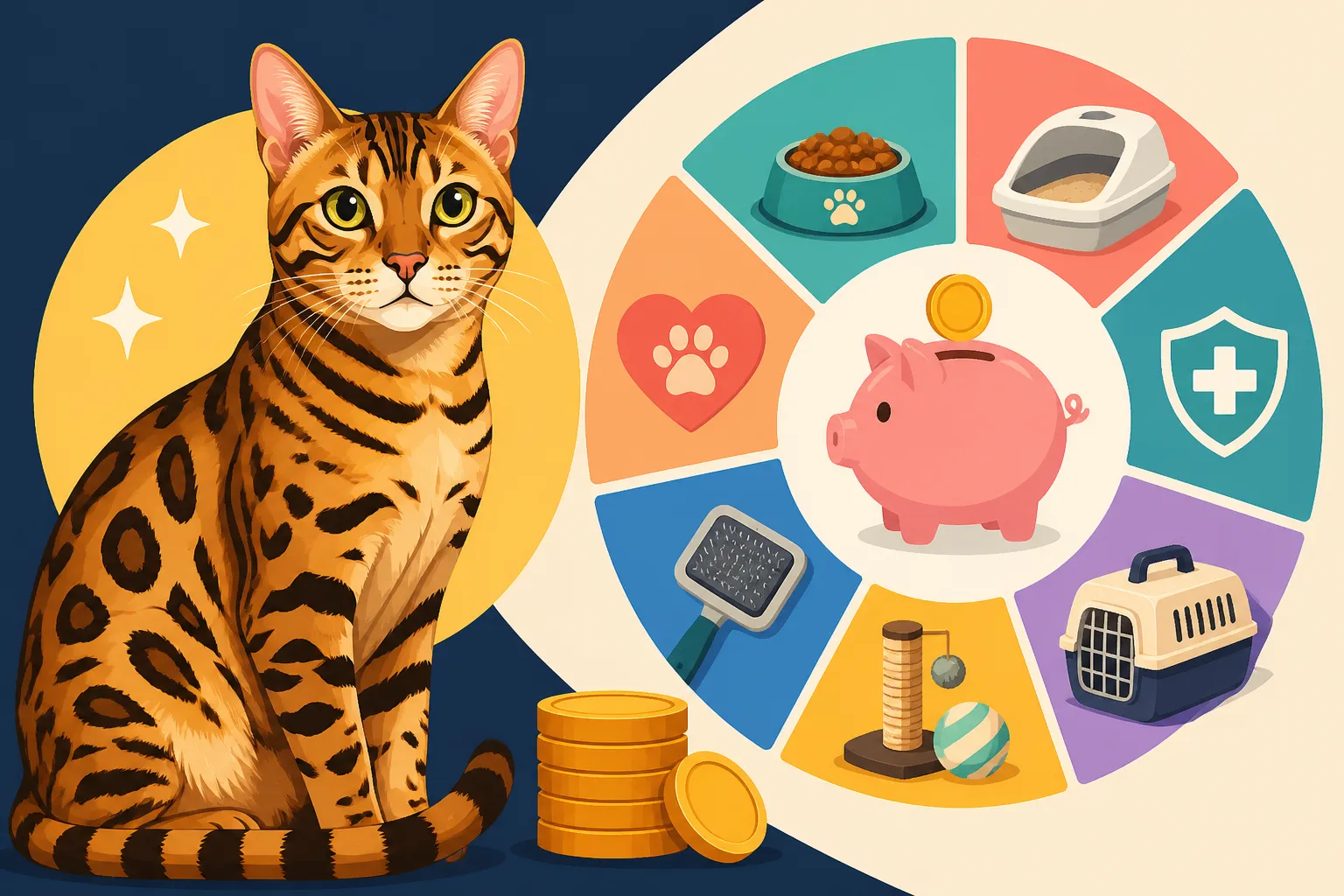
Once you've chosen your kitten, the spending certainly doesn't stop. Before your Bengal even steps paw inside your home, you'll need to prepare. This includes a robust carrier for safe transport, appropriate food bowls (stainless steel or ceramic are often recommended for hygiene), and a comfortable, secure bed—though don't be surprised if your Bengal prefers your bed! Litter boxes are another critical item, and given how vigorously Bengals dig, you'll likely need large, high-sided options to contain the mess. Which Litter Box Survives a Bengal Cat can give you some ideas.
Beyond supplies, your new kitten will need immediate veterinary attention. This includes a thorough first check-up, any remaining kitten vaccinations, deworming, and microchipping. Some breeders include initial vaccinations or even spay/neuter in their price, but often these are additional costs. These early vet visits are crucial to establish a baseline of health and to ensure your new companion is off to the best possible start. It's an investment in preventing more expensive problems later.
Ongoing Annual Expenses: The Day-to-Day Realities
Once your Bengal is settled, the initial costs transition into a steady stream of recurring annual expenses. These are the day-to-day realities of keeping such an active and intelligent cat healthy and happy. Neglecting these can lead to larger problems and higher costs in the long run.
Food and Nutrition
Feeding a Bengal cat is not usually a budget affair. These are highly active, muscular animals, and they thrive on a high-quality, high-protein diet. This often means premium kibble, wet food, or even a raw diet. The cost difference between a generic supermarket brand and a high-quality, species-appropriate food can be substantial over a year. Many Bengal owners find success with brands that focus on meat-first ingredients and minimal fillers. You'll likely be purchasing food frequently, especially given their energetic metabolism. Some owners opt for fresh, customized meal plans or have premium foods delivered right to their door.
Beyond the daily meals, consider treats (Bengals are often highly food-motivated for training!), and potentially supplements, especially if your vet recommends them for specific health needs. How Much a Bengal Cat Eats a Month might surprise you, given their activity levels.
Routine Veterinary Care and Prevention
Just like us, Bengals need regular check-ups to stay in peak condition. Yearly veterinary visits are essential for boosters, general health assessments, and to catch any potential issues early. These visits typically include a physical exam, vaccinations, and sometimes routine fecal tests to check for parasites. Given the Bengal's unique gut sensitivities, these fecal tests might be more frequent or comprehensive than for other breeds, especially if they show signs of digestive upset. Chronic Diarrhea Is the Bengal Cat Complaint Nobody Warns About highlights the importance of proactive gut health.
Beyond annual exams, you'll need to budget for flea, tick, and heartworm prevention, which are typically monthly or quarterly medications. Dental care, which often involves professional cleanings under anesthesia every few years, also represents a significant, recurring veterinary expense that's critical for their overall health.
Pet Insurance Premiums
This is one area where many pet owners, especially new ones, hesitate, but it can be an absolute lifesaver with an active breed like the Bengal. Given their adventurous nature and the potential for inherited health conditions like HCM Is What Kills Bengal Cats Early or Pyruvate Kinase Deficiency in a Bengal Cat, unforeseen veterinary emergencies or chronic disease management can quickly run into substantial figures. Pet insurance can help mitigate these costs dramatically, offering peace of mind.
While premiums vary based on your cat's age, breed, and your location, a good policy from providers like Healthy Paws can cover a significant percentage of accident, illness, and even some emergency costs. It's an ongoing monthly or annual expense, but one that can prevent financial catastrophe if your Bengal needs complex surgery or long-term medication. Think of it as investing in a safety net for your cherished companion. What Insuring a Bengal Cat Costs a Month delves into this further.
Enrichment and Lifestyle: Fueling the Wild Child
Bengals aren't content to simply nap in a sunbeam all day. Their wild ancestry means they have an insatiable need for mental and physical stimulation. Investing in their enrichment isn't a luxury; it's a necessity to prevent boredom-induced destructive behaviors, and it adds significantly to their lifetime cost.
Providing Vertical Space and Climbing Opportunities
One of the hallmarks of a Bengal cat is their love for climbing. They are agile, powerful jumpers who instinctively seek out high vantage points. Your standard small cat tree simply won't cut it. You'll need tall, sturdy cat trees, wall-mounted shelving systems, or even custom-built "cat highways" to satisfy their need for vertical exploration. These aren't cheap. The materials need to be robust enough to withstand a powerful, athletic cat, and the installation can sometimes be complex.
Without adequate vertical space, your Bengal is likely to climb your curtains, bookshelves, and kitchen cabinets, which can lead to damage and frustration. Investing in proper climbing structures is an upfront cost that prevents ongoing damage control. How High a Bengal Cat Climbs emphasizes just how much vertical space they require.
Cat Wheels and Catios: Active Living
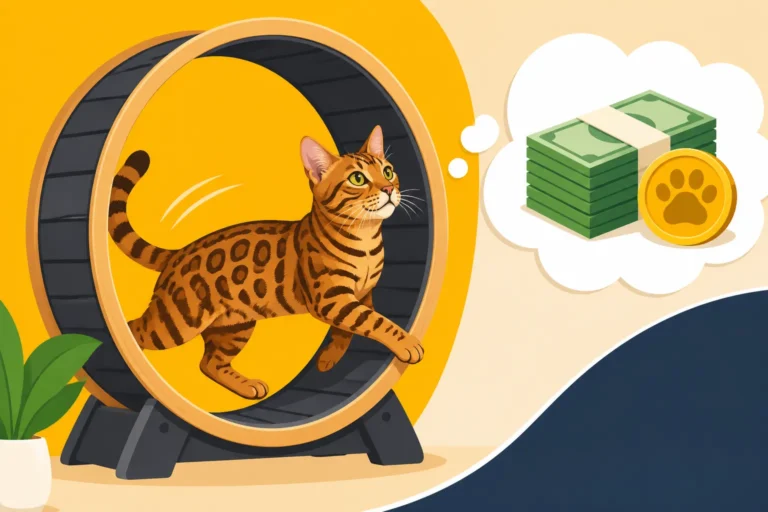
Beyond climbing, Bengals possess an almost endless well of energy that needs to be burned off. A cat wheel, while a significant investment, can be an incredible outlet for their running instincts, especially if they're primarily indoor cats. It allows them to "run off" their zoomies safely within the home. Similarly, a catio (an enclosed outdoor patio for cats) provides a safe way for your Bengal to experience the sights, sounds, and smells of the outdoors without the dangers of free-roaming.
Building or purchasing a quality catio, whether a large, custom-built enclosure or a smaller window box version, represents a notable expense. However, for a Bengal, this kind of dedicated enrichment space can dramatically improve their quality of life and reduce indoor destructive behaviors. What a Catio for a Bengal Cat Costs illustrates this investment. Many owners also train their Bengals for leash walking, which requires a sturdy harness and leash and some dedicated time. A Bengal Cat Walks on a Leash can guide you on this exciting adventure!
Toys and Interactive Play
You'll quickly discover that a Bengal cat's toy box needs constant refreshing. They are intelligent and easily bored, and they tend to destroy toys with impressive efficiency. Durable wand toys with interchangeable lures, puzzle feeders that challenge their minds, and a variety of small, interactive toys are essential. Don't be surprised if you're frequently restocking their toy supply, either from local pet stores or online retailers like Chewy.
The cost isn't just in buying the toys; it's in the time you dedicate to interactive play. Bengal cats need multiple dedicated play sessions daily to truly tire them out and satisfy their predatory instincts. While your time isn't a monetary cost, it's a significant investment in their well-being that can indirectly save you money by preventing property damage.
Health Concerns and Senior Care: The Later Years
While Bengal cats are generally a robust breed, like all animals, they are susceptible to certain health issues, some of which are genetic. As they age, their needs will change, and veterinary costs can increase significantly in their senior years.
Potential Inherited Health Conditions
Responsible breeders screen for several genetic conditions that can affect Bengal cats, but even with careful breeding, issues can arise. Conditions like Hypertrophic Cardiomyopathy (HCM), a common feline heart disease, or Pyruvate Kinase Deficiency (PK Deficiency), which can cause anemia, require ongoing monitoring and potentially expensive treatment. What HCM Does to a Bengal Cat's Heart and What PK Deficiency Does to a Bengal Cat explain these in detail.
The diagnostic process alone, often involving specialized echocardiograms from a veterinary cardiologist for HCM, can be costly. If a condition is diagnosed, medication, specialized diets, and frequent veterinary follow-ups can become a significant monthly expense for the remainder of your cat's life. This is where pet insurance, like a policy from Healthy Paws, really proves its worth, helping to cover these substantial medical bills. Many good breeders will show results for these health checks, including echo scans. Why a Bengal Cat Breeder Must Show an Echo, Not a Gene Test is an important read.
The Rising Cost of Senior Care
As your Bengal cat ages, typically after the age of ten, their needs will shift. Just like humans, senior cats are more prone to conditions like arthritis, kidney disease, dental issues, and sometimes even cancer. These conditions often require more frequent veterinary visits, blood work, specialized diets, and long-term medications. Caring for a Bengal Cat Past Ten goes into more detail about these changes.
An aging Bengal might need ramps or steps to access their favorite high spots, a heated bed for comfort, or a more specialized diet to support kidney or joint health. The cumulative cost of these interventions, while essential for maintaining their quality of life, can be substantial. Regular wellness exams and vigilance for subtle changes in behavior become even more critical in these later years.
Hidden and Miscellaneous Costs: The Unforeseen Extras
Beyond the predictable expenses, there are always those "hidden" costs that can sneak up on you. These are the unexpected extras, the occasional necessities, and the costs associated with the unique personality of a Bengal cat.
Pet-Sitting, Boarding, and Travel Expenses
Unless you never plan to leave home, you'll need to budget for care when you're away. Bengals, being social and demanding, often don't do well being left alone for extended periods. Professional pet-sitters or boarding facilities are often the best options. Given their high energy and sometimes "wilder" demeanor, some sitters or boarding facilities might charge a premium for Bengal cats due to their specific needs for play and interaction.
If you travel with your Bengal, you'll incur costs for carriers suitable for airline travel, potential health certificates, and pet fees. Even a car trip requires proper restraint and preparation. These costs can add up quickly over the years.
Property Damage and Unexpected Repairs
Let's be honest: a bored or undersupplied Bengal cat can be a force of nature. Their intelligence and agility mean they can get into places you never thought possible. They can learn to open cabinets, doors, and drawers with surprising ease. A Bengal Cat Opens Cabinets, Doors and Drawers is a testament to this! This can lead to chewed cords, scratched furniture, knocked-over valuables, and even plumbing surprises if they decide a running faucet is a new toy.
While proactive enrichment and cat-proofing can mitigate some of this, be prepared for occasional repairs or replacements of items damaged by an enthusiastic Bengal. Investing in child-proof locks for cabinets, sturdy furniture, and high-quality scratching posts can help, but sometimes, their ingenuity wins out.
Emergency Fund and Unexpected Situations
No matter how careful you are, accidents happen. Your Bengal might eat something they shouldn't, take an unexpected fall while climbing, or develop a sudden illness. Having an emergency fund specifically for your pet is incredibly wise. This fund can cover the deductible on your pet insurance or pay for treatments that fall outside your policy's coverage.
TABLE: Estimated Lifetime Bengal Cat Ownership Costs (Qualitative)
| Category | Initial Costs (Purchase & Setup) | Annual Recurring Costs | Potential Health & Senior Care | Enrichment & Miscellaneous |
|---|---|---|---|---|
| Kitten/Cat Acquisition | High | N/A | N/A | N/A |
| Initial Vet Care | Moderate | N/A | N/A | N/A |
| Basic Supplies | Moderate | N/A | N/A | N/A |
| High-Quality Food | N/A | Moderate to High | Moderate to High (specialized) | N/A |
| Litter & Supplies | N/A | Moderate | Moderate | N/A |
| Routine Vet Visits/Prevention | N/A | Moderate | Moderate to High (more frequent) | N/A |
| Pet Insurance Premiums | N/A | Moderate | Moderate (may increase with age) | N/A |
| Climbing Structures/Furniture | Moderate to High | Low (replacement) | Low (accessibility aids) | N/A |
| Cat Wheel/Catio | High | Low (maintenance) | N/A | N/A |
| Toys & Enrichment | N/A | Moderate | Moderate | N/A |
| Pet-Sitting/Boarding | N/A | Variable | Variable | N/A |
| Property Damage | N/A | Variable | Variable | Variable |
| Emergency Vet Care | N/A | N/A | High (can be very high) | N/A |
| Total Lifetime Impact | Significant | Consistent & High | Potentially Very High | Important |
This table provides a qualitative overview, as actual costs will vary greatly.
Budgeting and Planning for Your Bengal
Understanding the lifetime cost of a Bengal cat requires careful planning and a realistic assessment of your financial situation. This isn't just about whether you can afford a Bengal today, but whether you can comfortably provide for all their needs over the next decade or more. Fifteen Years of a Bengal Cat, Priced Out breaks down some of these long-term considerations.
Creating a Comprehensive Pet Budget
The best way to manage Bengal cat expenses is to create a detailed budget. Start by tracking all initial costs, then factor in monthly and annual recurring expenses like food, litter, routine vet care, and pet insurance. Don't forget to allocate a portion for toys and enrichment items, as well as a buffer for unexpected costs. Many pet owners find a dedicated savings account or an emergency fund to be invaluable.
Regularly reviewing and adjusting your budget is important. As your Bengal ages, some costs might decrease (like kitten-specific items) while others will increase (like senior vet care). Being proactive about your budget will help you avoid financial stress and ensure your Bengal always receives the best care.
The Long-Term Commitment
Bringing a Bengal cat into your life is a joy, but it's also a significant commitment of time, energy, and financial resources. These cats demand a lot, but they give back so much more in affection, entertainment, and companionship. The cost isn't just a number; it's an investment in a vibrant, intelligent, and truly unique family member.
By thoroughly understanding and planning for the lifetime costs involved, you can ensure that you and your Bengal enjoy a long, healthy, and happy life together, free from financial worries. The upfront planning makes all the difference in providing the best possible home for these magnificent creatures. Whether a Bengal Cat Is Worth the Money is a question only you can answer after considering all these factors.
Disclaimer
This article is for general informational purposes only and does not constitute professional advice. Laws, prices and regulations vary by location and change over time. Consult a qualified professional for guidance on your specific situation.