Why an F1 Bengal Cat Costs Most of All
When you first start looking into bringing a Bengal cat into your home, the prices can be quite a shock, especially when you encounter the figures for an F1 Bengal. It's not just a little more expensive; it's often significantly higher than even a well-bred, championship-line domestic cat. This guide is going to walk you through all the intricate, often challenging, reasons why these first-generation beauties command such a premium, from their unique genetics to the intensive care they require.
The Rare and Wild Genetics of an F1 Bengal
The "F1" in F1 Bengal cat stands for "Filial 1," meaning it's a first-generation cross. This isn't just a fancy designation; it fundamentally changes everything about the cat, from its appearance to its temperament, and directly impacts its price. Understanding what makes an F1 different is key to grasping the cost.
What "F1" Really Means
An F1 Bengal cat is the direct offspring of an Asian Leopard Cat (ALC) and a domestic Bengal cat. Imagine the incredible leap: one parent is a truly wild animal, native to the forests and grasslands of Asia, and the other is a domesticated companion. This isn't a diluted lineage; it's a very direct link to the wild. This initial cross means that an F1 carries a significant percentage of wild DNA, typically around 50%. This direct genetic input from a wild ancestor is what sets F1s apart from later generations, where the wild blood is progressively diluted.
The ALC contributes not only its stunning wild looks—the dramatic rosettes, the intense contrast, the powerful physique—but also its innate instincts and behaviors. This makes the F1 a truly unique creature. Unlike an SBT (Stud Book Traditional) Bengal, which is many generations removed from its wild ancestor, an F1 is literally one step away. This close proximity to the wild is both its greatest allure and its greatest challenge, and consequently, a huge factor in its cost. If you're curious about the genetic breakdown, you might want to read How Much Asian Leopard Cat DNA an F1 Bengal Cat Has.
The Challenges of Breeding an F1
Breeding F1 Bengal cats is far from straightforward and involves significant hurdles that contribute to their high price tag. First, you're dealing with a wild animal, the Asian Leopard Cat, as one of the parents. ALCs are not domesticated and retain their natural instincts, including being wary of humans and having specific environmental needs. This makes the breeding process itself incredibly complex and specialized.
Female ALCs often have different reproductive cycles than domestic cats, making successful mating difficult to achieve. The gestation period can also vary, and rearing hybrid kittens requires immense expertise and dedication from the breeder. There's a higher risk of complications during pregnancy and birth, and sadly, sometimes the ALC female may not accept the hybrid kittens, necessitating human intervention from day one. These aren't just minor inconveniences; they are significant obstacles that require vast experience, patience, and often, substantial financial investment in specialized facilities and veterinary care. Many pairings fail, meaning a successful litter represents a triumph against considerable odds. This difficulty and the inherent risks mean that breeders dedicate an immense amount of time and resources, which naturally translates into a higher cost for the resulting kittens. To understand more about the wild parent, check out What an Asian Leopard Cat Is Behind Every Bengal Cat.
Legal and Ownership Complexities Increasing the Price Tag
Owning an F1 Bengal isn't just about finding a reputable breeder and writing a check. The close proximity to their wild ancestry means they often fall into a different legal and practical category than typical domestic cats, adding layers of complexity and cost that you won't encounter with an SBT Bengal.
Restrictions and Permits
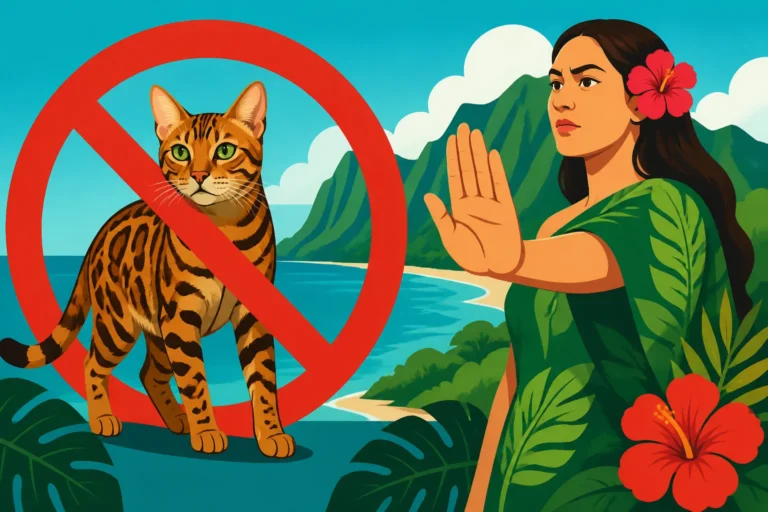
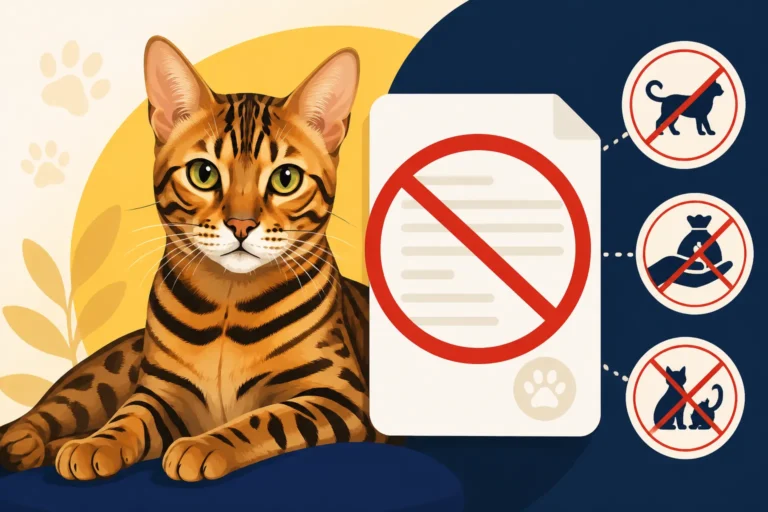
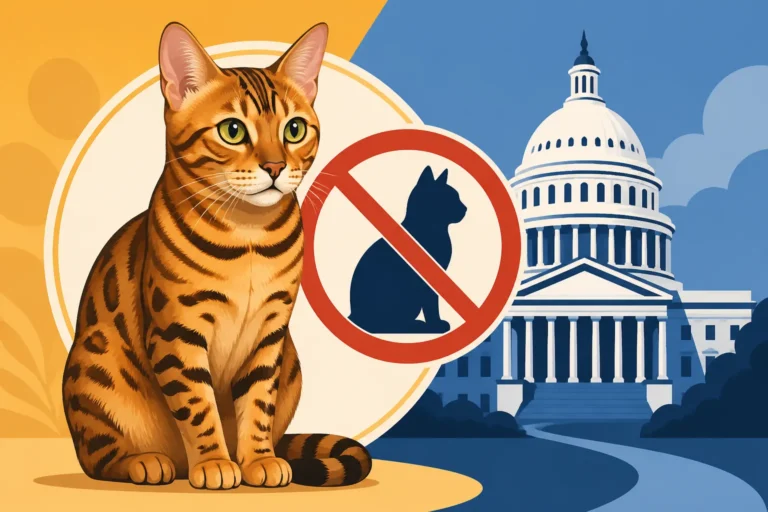
Because F1 Bengal cats are so closely related to a wild species, many states, counties, and even cities classify them differently than fully domesticated cats. This often means they are outright banned, or they require special permits to own. For example, some jurisdictions might allow SBT Bengals without issue but draw a hard line at F1, F2, or F3 generations. Navigating these laws can be a bureaucratic nightmare. A breeder must be acutely aware of the laws in their own location and the laws where a potential buyer resides. This legal complexity means that the pool of eligible buyers is smaller, and the process of selling legally can be protracted.
Obtaining a permit, where allowed, often involves an application fee, specific housing requirements (like a secure outdoor enclosure, or "catio," which is a whole other expense), and regular inspections by animal control. These requirements are often designed for exotic animal ownership, not for a typical household pet. The breeder often has to absorb some of these costs in ensuring their facility meets standards, and these regulations contribute to the higher price of an F1. You can start your research by looking into Where a Bengal Cat Is Illegal in the United States and What Permit an Early Generation Bengal Cat Needs.
Specialized Care Requirements
An F1 Bengal is not just a larger, more active house cat. Their wild ancestry dictates a much more intense and specialized care routine. They have incredibly high energy levels that often surpass what even a dedicated owner might expect from a "domestic" cat. This means they require extensive daily play, mental stimulation, and often, significant vertical space and secure outdoor access (like a large, predator-proof catio) to thrive. A small apartment is rarely suitable.
Their wild instincts are stronger, too. They might be more prone to marking territory, be wary of strangers, or exhibit behaviors that are less common in domestic cats, such as a strong prey drive towards small pets. This isn't to say they can't be wonderful companions, but it means their needs are profound and specific. They require an owner who understands and can accommodate these behaviors, often someone experienced with exotic or highly active breeds. This isn't something you can just pick up from a basic pet store. You'll likely be purchasing specialized enrichment toys that can withstand their destructive tendencies, or seeking out higher-end, protein-rich foods to support their active metabolism and sensitive digestive systems. All of these specialized needs translate into ongoing costs for the owner, and the initial price reflects the breeder's investment in setting up these kittens for success. Delve deeper into their unique behaviors with How an Early Generation Bengal Cat Behaves Differently.
| Characteristic | F1 Bengal Cat | SBT (Standard) Bengal Cat | Impact on Cost (F1 vs. SBT) |
|---|---|---|---|
| Wild Ancestry | Direct cross from Asian Leopard Cat (ALC) | Many generations removed from ALC | Higher due to direct wild parentage, rarity, and breeding difficulty |
| Temperament | More pronounced wild instincts, intense, active, often shy | More domesticated, active, playful, generally outgoing | Higher due to need for specialized socialization and experienced owners |
| Legal Status | Often restricted or illegal; requires permits | Generally considered domestic; legal almost everywhere | Higher due to legal hurdles, permits, and specific housing mandates |
| Breeding Difficulty | Very challenging; higher failure rates, specialized care | Standard domestic cat breeding practices | Higher due to extreme breeder investment, time, and risks |
| Physical Needs | Extensive vertical space, secure outdoor enclosure (catio) | High energy, benefits from vertical space and secure outdoor access | Higher due to need for robust, specialized enrichment and housing |
| Dietary Needs | Often benefits from very high protein, sometimes raw | Thrives on high-quality, high-protein commercial cat food | Higher due to potential for specialized or raw feeding |
Intense Breeder Investment and Risk
Behind every F1 Bengal kitten is an incredible amount of work, knowledge, and financial outlay from the breeder. This isn't a casual endeavor; it's a highly specialized field that carries significant risks, all of which are factored into the final price of the kitten.
Health and Temperament Screening
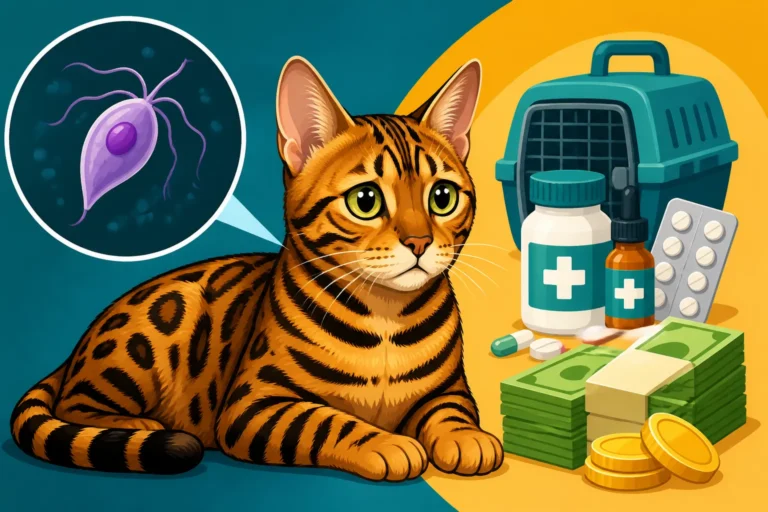
Bringing an F1 Bengal into the world requires meticulous attention to health and temperament. Breeders must invest heavily in comprehensive health screening for both the Asian Leopard Cat parent and the domestic Bengal parent. This includes genetic tests for common Bengal cat ailments like Pyruvate Kinase Deficiency (PKDef) and Progressive Retinal Atrophy (PRA-b), as well as regular cardiac screening (echocardiograms) for Hypertrophic Cardiomyopathy (HCM). These tests are expensive, and they need to be performed by qualified veterinary specialists. A responsible breeder will also ensure the ALC is healthy and free from transmittable diseases.
Beyond physical health, temperament is paramount. Because F1s retain strong wild instincts, early and intensive socialization is crucial to help them adapt to a domestic environment. This means the breeder spends countless hours handling, playing with, and exposing the kittens to various sights, sounds, and experiences from a very young age. This hands-on, dedicated approach helps the kittens become more accustomed to humans, reducing potential behavioral issues later on. This level of personalized care and early intervention is a significant investment of time and expertise, contributing substantially to the kitten's price. Reputable breeders are transparent about their testing; you should always ask What a Bengal Cat Breeder Should Have Tested.
Time, Labor, and Failure Rates
The sheer amount of time and labor involved in breeding F1 Bengals cannot be overstated. From successfully pairing an ALC with a domestic Bengal—which, as discussed, is a feat in itself—to managing pregnancy, assisting with birth, and then raising a litter of F1 kittens, the process is incredibly demanding. The breeder's schedule revolves around these animals, often requiring round-the-clock care, especially during the critical early weeks. This isn't just a nine-to-five job; it's a lifestyle.
Furthermore, the failure rate in F1 breeding can be high. Unsuccessful pairings, difficult births, and kittens that may not thrive or possess suitable temperaments for pet homes are all possibilities. Unfortunately, male F1 to F3 Bengal cats are typically sterile, meaning they cannot reproduce. This limits the breeding pool for later generations and means that the F1 males, despite their stunning looks, cannot contribute to future lines, adding another layer of complexity for breeders trying to establish healthy, viable breeding programs. All of these factors—the intense labor, the high risks, and the potential for financial losses—are absorbed by the breeder and reflected in the higher purchase price of the successful, healthy F1 kittens. For more on this, consider reading Why F1 to F3 Bengal Cat Males Cannot Breed.
The Exclusive Market of F1 Bengal Cats
F1 Bengal cats occupy a very specific, exclusive niche in the feline world. They are not for everyone, and their high cost reflects their limited availability and the specialized demands of their potential owners.
The Exclusive Market
The F1 Bengal is not a mass-market pet. It caters to a very particular kind of owner: someone who deeply appreciates the wild aesthetics and spirited nature, has extensive experience with high-needs animals, and is prepared for the significant commitment in terms of time, resources, and environment. These are often individuals looking for a pet that stands out, a feline companion that truly embodies the exotic appeal of its wild ancestor. This limited, discerning market means that F1 breeders are few, and the kittens they produce are rare.
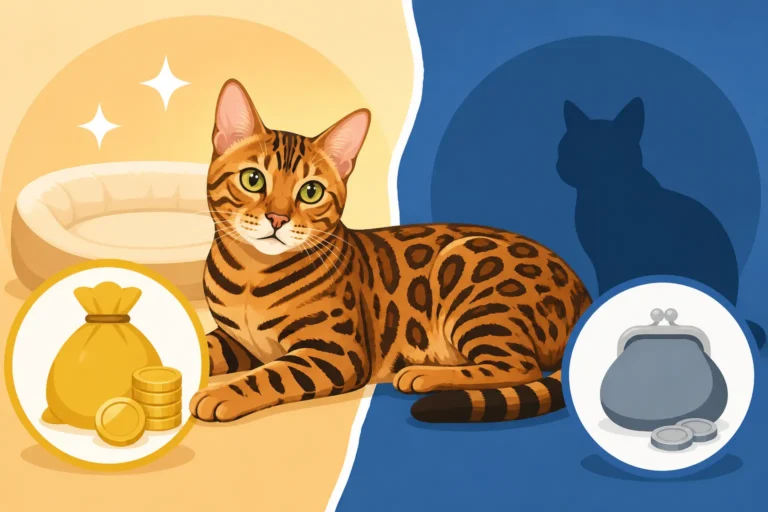
This exclusivity naturally drives up the price. When demand, even from a small pool of qualified buyers, meets a very limited supply of exceptionally rare animals, prices will inevitably be high. Owners often approach this purchase with the understanding that they are acquiring a unique, almost ambassadorial animal that requires a significant financial and lifestyle investment, much more akin to acquiring a rare, specialized breed of dog or even a small exotic pet than a typical housecat.
Valuation Beyond a "Pet"
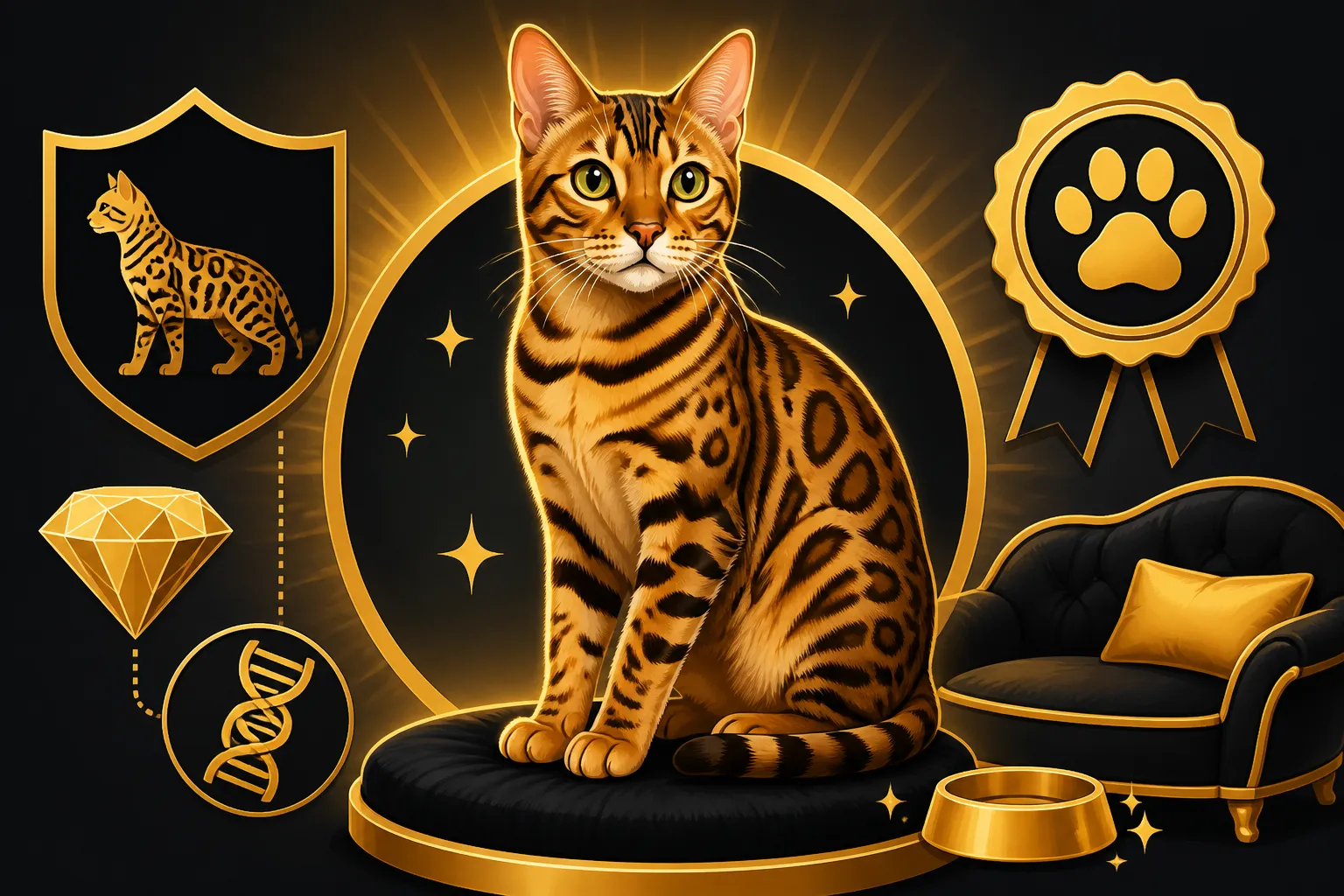
An F1 Bengal cat is often valued beyond the traditional concept of a "pet." For many, it's an investment in a living work of art, a direct connection to the wild, and a testament to specialized breeding efforts. Their cost reflects their uniqueness, the extensive resources required to produce them, and the ongoing commitment needed to care for them properly. You're not just paying for a kitten; you're contributing to the years of genetic research, health screening, dedicated socialization, and specialized housing that went into its lineage and early life.
The high price also serves as a natural barrier, ensuring that only truly dedicated and financially capable individuals consider F1 ownership. Breeders want to be sure their precious kittens are going to homes where they will thrive, and the significant financial commitment is one indicator of an owner's serious intent. When considering The F1 to F5 Price Ladder for a Bengal Cat, it becomes clear that the F1 sits at the very top, not just because of its physical traits, but because of the entire ecosystem of care, legality, and exclusivity that surrounds it. Investing in an F1 isn't just a purchase; it's entering a world of specialized feline care and unique companionship.
Disclaimer
This article is for general informational purposes only and does not constitute professional advice. Laws, prices and regulations vary by location and change over time. Consult a qualified professional for guidance on your specific situation.