How to Stop a Bengal Cat Flooding the Bathroom
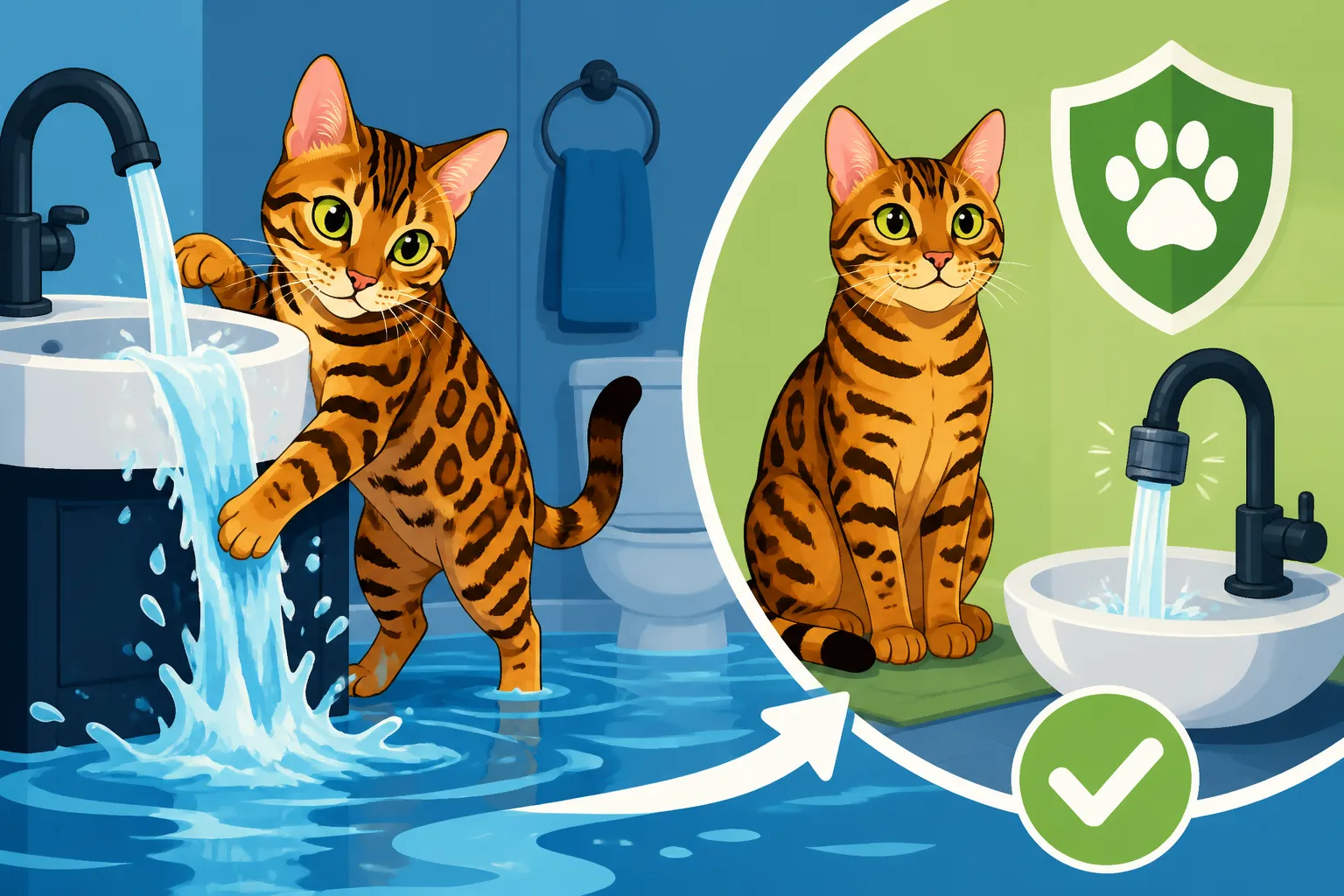
Waking up to a cold, wet surprise on your bathroom floor is a scenario far too many Bengal cat owners know all too well. It's not just a messy inconvenience; it's a genuine frustration that can lead to water damage, safety concerns, and endless exasperation. This guide dives deep into why your clever, water-obsessed Bengal turns your bathroom into a personal water park and, more importantly, provides actionable strategies to keep your home dry and your sanity intact.
Understanding the Bengal Cat's Fascination with Water
If you own a Bengal, you've undoubtedly noticed their unique affinity for water. Unlike many domestic cats who treat water with suspicion, Bengals often see it as a thrilling plaything. This isn't just a quirky personality trait; it's deeply rooted in their ancestry.
The Wild Ancestry Link
At the heart of every Bengal cat lies the wild spirit of the Asian Leopard Cat (ALC). These captivating wild felines are known for their comfort around water, often hunting fish, frogs, and other aquatic creatures. They're not afraid to get their paws wet, or even go for a full swim, if it means a meal or a good play session. This primal instinct has been passed down through the generations to our beloved Bengals.
When your Bengal is batting at the faucet stream or trying to join you in the shower, they're not being "naughty" in a human sense. They're simply expressing an innate, hardwired behavior that's been part of their lineage for millennia. It's a natural drive, and understanding this can help shift your perspective from frustration to a more proactive approach in managing their behavior. It's why they seem to understand water (Whether a Bengal Cat's Water Love Comes From the Wild).
Hunting Instincts and Play
Beyond direct genetic predisposition, the movement and sound of water trigger a Bengal's natural hunting instincts. Think about it: a dripping faucet creates ripples, a running tap provides a dynamic, moving target, and a full bathtub offers a miniature ocean of possibilities. These are irresistible stimuli for a cat bred for intelligence and high energy.
A Bengal sees the shimmering surface of water as a potential hiding place for imaginary prey. They might bat at it, pounce, or even try to "catch" the water itself. This play is a vital outlet for their predatory drive and provides immense mental and physical stimulation. If they don't have enough appropriate outlets for this energy, the bathroom, with its accessible water sources, becomes the perfect, albeit destructive, playground. This explains Why a Bengal Cat Plays in Its Water Bowl with such gusto, often leaving a trail of watery paw prints.
Why Your Bengal Cat is a Bathroom Menace
It’s one thing to understand why they love water, but another to figure out why they specifically target your bathroom and seem intent on turning it into a swamp. There are several factors at play, from sheer curiosity to learned behaviors.
The Allure of Running Water
For a Bengal, running water is like a siren song. The constant drip of a faucet, the swirling flush of a toilet, or the sheer volume of a shower are all deeply intriguing. They perceive these as active, engaging elements in their environment, far more exciting than a static water bowl.
Many Bengals quickly learn that a faucet can be manipulated to produce this magical running water. They watch you turn it on, and with their incredible intelligence and dexterity, they quickly figure out how to replicate the action. Once they've mastered the trick, the bathroom sink becomes their personal water park, often leading to How to Stop a Bengal Cat Turning on Taps becoming a daily challenge. And let's not forget the toilet – that mesmerizing swirl of water, combined with the fact that many Bengals prefer to drink from moving water, makes it an attractive, albeit unsanitary, drinking fountain or plaything.
Access and Opportunity
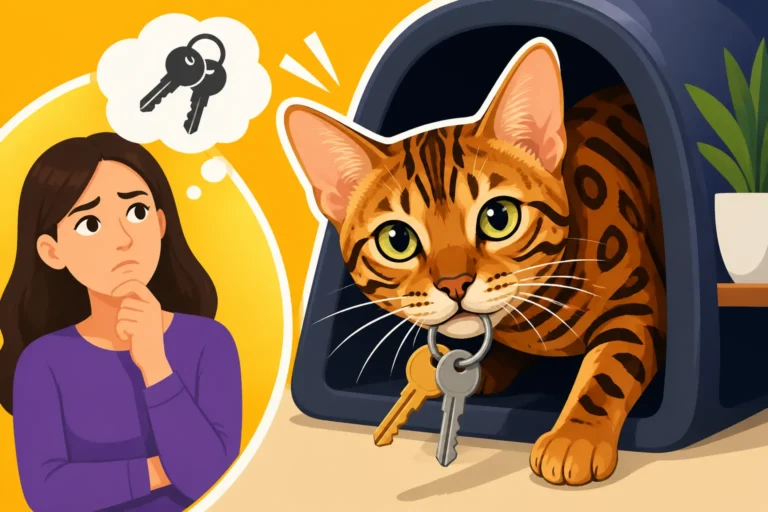
Your Bengal isn't just smart; they're incredibly agile and resourceful. They don't just want to play with water; they'll find a way to get to it. This often means learning how to open doors, cabinets, and even, yes, turn on faucets. They observe, they experiment, and they learn quickly.
A Bengal can become incredibly adept at opening cabinet doors, especially if there’s a loose knob or a slight gap they can wedge a claw into. They might be after the cleaning supplies, or simply see the cabinet as a challenge to conquer. Then there's the shower: many Bengals absolutely love joining their humans in the shower or playing in the residual water afterward. If they can easily push open a shower door or pull back a curtain, they will. This inherent cleverness is part of How a Bengal Cat Learns to Open a Cabinet.
Boredom and Lack of Stimulation
Perhaps one of the biggest drivers behind destructive bathroom water play is simply boredom. Bengals are high-energy, highly intelligent cats that require a significant amount of mental and physical stimulation. If they don't get enough appropriate outlets for their energy and cunning, they will create their own entertainment – and often, that entertainment involves water.
A Bengal left alone for too long with insufficient toys, interactive play, or environmental enrichment will seek out novel activities. The bathroom, with its reflective surfaces, running water, and various nooks and crannies, becomes an irresistible puzzle. Flooding the bathroom, even if it seems "bad" to us, might simply be a successful, engaging game from their perspective. It's a clear sign that they need How Much Enrichment a Bengal Cat Actually Needs to prevent these kinds of destructive behaviors.
Practical Strategies to Secure Your Bathroom
Once you understand why your Bengal is trying to turn your bathroom into a mini-lake, you can start implementing practical, proactive measures to secure the area and redirect their aquatic antics.
Faucet and Tap Proofing
This is often the first line of defense for a water-loving Bengal. Many cats can easily nudge or bat at lever-style faucet handles, turning them on with surprising ease. Traditional knob-style faucets might be harder, but a determined Bengal can still manage.
One effective solution is to install child-proofing devices on your faucet handles. There are clear plastic covers that enclose the entire faucet, making it impossible for tiny paws to manipulate. For lever handles, you might find covers designed to prevent children from accessing them, which work equally well for cats. Another, more high-tech option, though certainly an investment, could be motion-sensor faucets. These only turn on when hands are directly beneath them, eliminating the opportunity for your cat to play with the running water. You can find a range of child safety locks and faucet covers on platforms like Amazon that are designed for exactly this kind of situation.
Toilet and Shower Management
The toilet and shower are huge attractions for a Bengal. Keeping toilet lids down seems like a simple solution, but a Bengal's strength and curiosity can make even this a challenge. Consider a toilet lid lock – yes, they make them for cats and curious toddlers – to keep the lid securely fastened. This not only prevents water play but also stops them from drinking from the toilet, which isn't the cleanest habit.
For showers, the key is prevention. Always ensure the shower door is securely closed, or the shower curtain is pulled all the way across and tucked in if possible. Some Bengals are excellent at pushing open sliding shower doors or even getting behind curtains. If your Bengal insists on getting into the shower with you, that's a different behavioral challenge (and often a sign of their intense need for companionship and interaction – see Why a Bengal Cat Joins You in the Bath). But for preventing accidental flooding, simply blocking access is paramount.
Cabinet and Drawer Security
Beyond the direct water sources, securing cabinets and drawers is crucial, especially if they contain cleaning supplies, medicines, or anything else that could be harmful or create a mess when splashed with water. Bengals are incredibly adept at How a Bengal Cat Learns to Open a Cabinet.
Magnetic cabinet locks, often used for child-proofing, are a lifesaver for Bengal owners. These locks are installed on the inside of the cabinet and can only be opened with a special magnetic "key" from the outside. Another option is a simple latch that threads through cabinet handles. While some Bengals might figure out how to manipulate these over time, they present a much greater challenge than standard catches. Websites like Amazon offer a wide variety of these security devices, ensuring you can find something that blends with your home decor while standing up to your intelligent feline.
Here’s a quick overview of bathroom security measures:
| Area | Common Bengal Behavior | Recommended Security Measure | Where to Find (Examples) |
|---|---|---|---|
| Faucets | Turning on taps, batting at streams | Faucet covers, child-proof handle locks, motion-sensor taps (expensive) | Amazon, hardware stores |
| Toilets | Drinking, splashing, flushing | Toilet lid locks, always keep lid down | Amazon, baby supply stores |
| Showers/Tubs | Entering shower, playing with standing water | Securely close shower doors, use heavy shower curtains | Home improvement stores |
| Cabinets | Opening doors, exploring contents, pulling items out | Magnetic cabinet locks, internal latches, external safety straps | Amazon, child safety aisle |
| Doors | Opening bathroom door, gaining access | Lever handle locks, door knob covers (if applicable), high latches | Hardware stores, Amazon |
Enrichment Beyond the Bathtub
Since a lot of bathroom mischief stems from boredom and a need for stimulation, providing alternative, appropriate outlets for your Bengal's energy and water fascination is key. Think of it as redirection and damage control through proactive fun.
Dedicated Water Play
Instead of fighting their natural inclination, embrace it in a controlled environment. Offer your Bengal dedicated water play that doesn't involve your plumbing system. A wide, shallow dish or a dedicated cat fountain can provide hours of entertainment. Look for fountains with multiple streams or bubbling features, as the movement of the water is often what fascinates them. These are readily available on Amazon and can be a great way to satisfy their craving for moving water without the risk of floods.
You can also set up a small, supervised "water station" in a safe area, perhaps a utility sink or a tiled floor. Fill a shallow basin with an inch or two of water and toss in some floating toys, ping-pong balls, or even a few ice cubes for them to "fish" out. Always supervise these sessions and put the basin away afterward to prevent unsupervised messes. This allows them to indulge their instincts in a way that's fun for them and stress-free for you.
High-Energy Play and Mental Stimulation
Bengals are known for being incredibly active and intelligent. They need daily, intense play sessions to burn off their boundless energy and keep their minds engaged. If they're not getting enough, they'll invent their own games, and those often involve things you'd rather they didn't. How Much a Bengal Cat Needs a Day can be surprising to new owners.
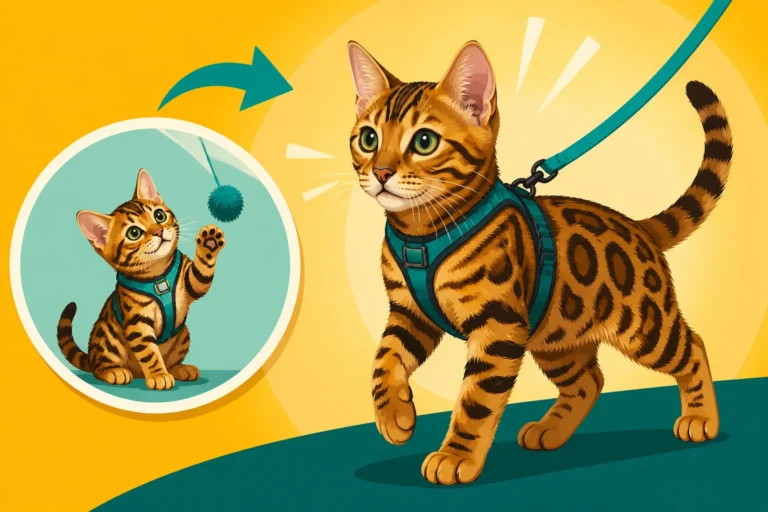
Invest in a variety of interactive toys like wand toys, laser pointers (used sparingly and always ending with a physical toy to "catch"), and puzzle feeders. Puzzle feeders are excellent for mental stimulation, as they require your cat to use their problem-solving skills to get treats or kibble. Some Bengals even benefit from a cat wheel, which allows them to run to their heart's content indoors. This kind of vigorous activity can tire them out both physically and mentally, making them less inclined to seek destructive forms of entertainment. If your Bengal is particularly smart, you'll need Which Puzzle Feeder Beats a Bengal Cat.
Vertical Space and Catios
Bengals love to climb and explore. Providing ample vertical space gives them appropriate outlets for this instinct, keeping them off counters and away from potential water hazards. Tall cat trees, wall-mounted shelves, and cat "highways" can transform your living space into an enriching jungle gym. How Much Vertical Space a Bengal Cat Needs is often more than most owners realize.
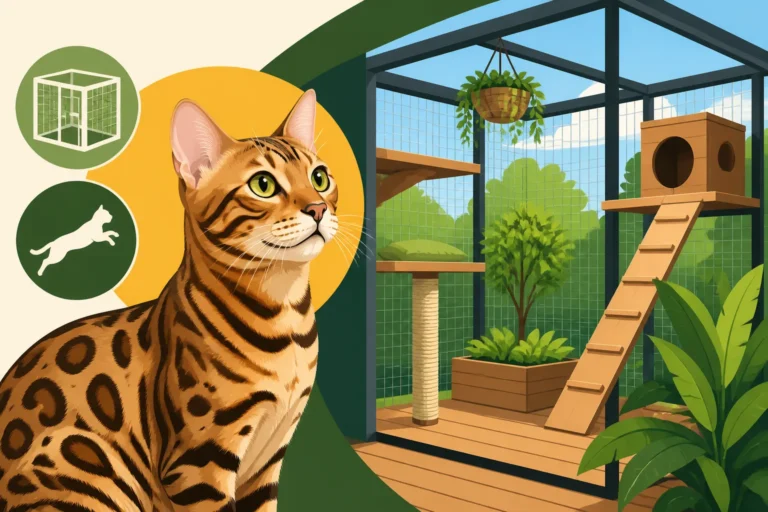
For those who can, a catio (a secure outdoor enclosure) is an absolute game-changer for a Bengal. It offers them safe access to fresh air, sunshine, and the sensory stimulation of the outdoors, all without the risks of free-roaming or the temptation to flood your bathroom. A well-designed catio can include shelves, branches, and even small water features that they can play in without making a mess indoors. This outdoor enrichment can significantly reduce their indoor destructive behaviors, including excessive water play. Knowing What Size Catio a Bengal Cat Needs is crucial for ensuring it's an effective space.
Living with a Water-Loving Bengal
Accepting that your Bengal has a unique relationship with water is the first step. While you can't erase their instincts, you can certainly manage them effectively and integrate their quirks into your life.
Training and Redirection
Bengals are highly trainable, and positive reinforcement is your best friend here. If you catch your Bengal attempting to turn on a faucet or play in the toilet, immediately redirect their attention. Gently move them away from the water source and engage them in an appropriate play activity with a favorite toy, ideally one that involves their hunting instincts. Reward them generously for engaging with the appropriate toy or water station.
Clicker training can be incredibly effective for Bengals. You can teach them commands like "off" or "leave it" and reward them for complying. Consistency is key. Every family member needs to be on board with the training and redirection efforts to prevent confusion and reinforce the desired behaviors. This patience and dedication can make a huge difference in managing their water antics, and clicker training can help them learn Which Commands a Bengal Cat Learns Fastest.
Managing Expectations
It's important to have realistic expectations. You might not completely stop your Bengal from ever playing with water or even attempting to turn on a tap. Their drive is powerful. However, with consistent effort, environmental management, and appropriate enrichment, you can drastically reduce the frequency and severity of bathroom floods.
Think of it as harm reduction rather than eradication. Your goal is to make it difficult for them to cause trouble and easy for them to engage in desirable activities. This might mean always closing the bathroom door, even for a moment, or constantly checking if the toilet lid is down. It's an ongoing process, but one that leads to a much more peaceful cohabitation with your active and intelligent feline companion.
Damage Control and Prevention
Despite your best efforts, occasional mishaps might still occur. Having a plan for damage control can save you a lot of stress and potential repair costs. For instance, consider placing waterproof mats or rugs around sinks and toilets, especially if your cat is prone to splashing water from their dedicated water bowl or cat fountain.
Regularly inspect your bathroom for any signs of water damage, such as warped baseboards or discolored flooring. Catching issues early can prevent more extensive and costly repairs. For some high-risk areas, a small, inexpensive water leak detector could be a worthwhile investment, alerting you immediately if water is where it shouldn't be. Living with a Bengal means being prepared for anything, and that includes being ready to quickly clean up any unexpected puddles. By anticipating their wild side and taking these proactive steps, you can still enjoy your adventurous Bengal without turning your bathroom into a permanent hazard zone.
Disclaimer
This article is for general informational purposes only and does not constitute professional advice. Laws, prices and regulations vary by location and change over time. Consult a qualified professional for guidance on your specific situation.