How Vocal a Bengal Cat Is
One of the first things prospective Bengal cat owners wonder about, often with a mix of excitement and apprehension, is just how much these stunning felines like to "talk." It's a common frustration for many cat owners to have a companion that barely makes a peep, or perhaps one that uses their voice to a degree that becomes, well, challenging. This guide will dive deep into the fascinating world of Bengal cat vocalizations, exploring not just how loud they are, but the unique range of sounds they make, what those sounds mean, and how to live harmoniously with their rather expressive personalities.
The Distinctive Voice of the Bengal Cat
Let's be clear from the outset: Bengal cats are generally not quiet creatures. If you're looking for a silent, demure companion who communicates solely with a gentle gaze, a Bengal might not be the right fit for your home. Their vocalizations are one of their most defining traits, often surprising first-time owners with their sheer volume and variety. It's a hallmark of the breed, rooted deeply in their wild ancestry, and it’s a beautiful, if sometimes startling, part of their charm.
More Than Just a Meow: The Range of Bengal Sounds
When we talk about a cat's voice, most people picture a standard "meow." Bengals, however, offer a whole symphony of sounds that go far beyond this simple vocalization. They possess an extensive repertoire, each sound carrying a different nuance and intention. You'll hear everything from soft chirps to insistent demands, and yes, sometimes even a full-throated yowl that might make you wonder if there’s a wild animal trapped in your living room. Their vocal cords seem to be finely tuned instruments, capable of producing a wide spectrum of pitches and tones. They aren't just loud; they're diverse in their loudness.
Imagine a busy morning in your home. Your Bengal might start with a series of quick, bird-like chirps as they follow you from room to room, a sound often associated with excitement or trying to get your attention, much like an alarm clock with a purr. As you head to the kitchen, these might turn into more insistent meows, perhaps a little sharper, a little higher-pitched, clearly communicating that their breakfast bowl is, tragically, still empty. If you're late, or if their demands aren't immediately met, you might then hear the notorious Bengal yowl – a long, drawn-out, almost mournful sound that can vibrate through the entire house, leaving no doubt about their displeasure. They really do make it known when they want something, and they're not shy about it.
The Wild Echo in Their Vocalizations
A significant reason for the Bengal cat's unique vocal range and intensity lies in their lineage. Descended from the Asian Leopard Cat, they retain many ancestral traits, and vocal communication is definitely one of them. Wild felines often use a broader spectrum of sounds to communicate with each other, warn off rivals, or call to their young in dense environments. While our domestic Bengals aren't navigating jungles, that primal urge to communicate loudly and clearly is still very much a part of their genetic makeup. It's not just a cute quirk; it's a deep-seated instinct.
Think about how a bobcat or a lynx might communicate. Their calls are typically more guttural, more resonant, and designed to carry across distances. While your Bengal won't sound exactly like their wild cousins, you'll notice a distinct difference from the soft "mews" of a typical domestic shorthair. There's a certain rawness, an almost untamed quality, to their cries and chirps. This is particularly true for early-generation Bengals, where the wild influence is even more pronounced. This wild echo is what gives their voice its distinctive character and often surprises people who expect a conventional cat sound. You might hear this especially when they're particularly excited or frustrated, as if their inner leopard is momentarily coming to the forefront. When you hear Why a Bengal Cat's Voice Sounds Wild, you’ll understand just how much their ancestry plays a role.
Volume and Persistence: Are They Always Loud?
So, are they always loud? Not every single second of every day, thankfully! However, they do have a high baseline for vocalization compared to many other breeds. A Bengal cat's "quiet" can still be louder than another cat's normal meow. Their vocalizations are often persistent, meaning they won't just ask once and then give up. They will continue to "discuss" the matter with you, increasing in intensity and volume, until their point is made or their need is satisfied. This persistence can be endearing to some, and maddening to others, depending on your personality and tolerance for feline chatter.
It's not uncommon for a Bengal to follow you from room to room, voicing their thoughts and opinions on your every move. They might "talk" to the birds outside the window, engage in lengthy soliloquies about the state of their water bowl, or narrate their playtime antics with enthusiastic chirps. This isn't just random noise; it's often a direct attempt to engage with you, or their environment. They thrive on interaction, and vocalization is their primary tool for initiating it. If you're trying to work from home, prepare for some vocal "co-workers" who have no concept of mute buttons!
Why Bengal Cats Are So Vocal: Decoding Their Communication
Understanding why Bengal cats are so vocal is key to appreciating their communication style and fostering a strong bond with them. It’s not just noise; it’s communication with purpose. They aren't being intentionally annoying (most of the time!), they're simply expressing themselves in the most effective way they know how.
Instinctual Communication from Their Wild Ancestors
As mentioned, their wild heritage plays a huge role. In the wild, clear and distinct vocalizations are crucial for survival. From warning off predators to signaling territory or calling for mates, a strong voice is an asset. While your Bengal isn't facing these exact challenges in your living room, those deeply ingrained instincts manifest as a tendency towards robust vocal expression. The ability to make a wide range of sounds, and to make them with conviction, has been passed down through generations.
Consider the solitary nature of wild felids like the Asian Leopard Cat. They might not live in large social groups, but they still need to communicate over distances, especially when it comes to mating calls or warning off competitors from their hunting grounds. That deep-chested yowl you hear from your Bengal can be seen as a faint echo of these powerful, far-reaching calls. It's an innate drive to be heard and understood, a carryover from a time when being heard meant survival. This isn't something that can be easily trained out of them; it's part of who they are.
Expressing Needs and Desires with Utmost Clarity
Bengals are incredibly adept at communicating their needs and desires. They don't just hint at what they want; they broadcast it. Whether they're hungry, thirsty, bored, want attention, or need a specific toy, they have a sound for it, and they will use it until they get a response. This clarity, while sometimes overwhelming, means you rarely have to guess what your Bengal wants. They will tell you, often repeatedly and at high volume. The Bengal Cat Voice Is a Demand, Not a Greeting is a perfect description of this trait.
For instance, if your Bengal wants to play, they might bring a toy to you, drop it at your feet, and then emit a series of chirps and trills, looking directly at you with intense eyes. If you don't respond immediately, the chirps will escalate, perhaps morphing into insistent meows, and if you still don't engage, they might resort to a plaintive yowl, as if their world is ending because you're not participating in their chosen game of fetch. This isn't just cute; it’s them actively engaging with you, testing boundaries, and ensuring their needs are met. It's part of their interactive nature.
Social Butterflies: Conversing with Their Humans
Unlike some cats who are more aloof, Bengals are often very social and thrive on interaction with their human companions. They see you as part of their pride, and they want to communicate with you constantly. Vocalization is their way of participating in family life, offering commentary, asking questions, and generally being involved in everything you do. They're not just pets; they're active members of the household who expect to be heard and acknowledged.
This desire for conversation can manifest in many ways. You might find your Bengal "talking" to you as you walk through the house, following you like a shadow, offering a running commentary on your activities. They might chirp happily when you walk into a room, greet you with excited meows at the door, or even engage in what seems like a back-and-forth dialogue if you respond to their sounds. They enjoy the interaction, and your vocal responses actually reinforce their behavior. They learn that their voice gets your attention, and for a smart cat like a Bengal, that's a powerful lesson. They're not just making noise; they're genuinely trying to "chat" with you.
Understanding the Bengal's Dictionary: What Different Sounds Mean
Deciphering your Bengal's unique language can be a rewarding experience. While every cat is an individual, there are some common interpretations of their various vocalizations. Learning to understand these sounds will deepen your bond and help you respond appropriately to their needs.
The Affectionate Chirp and Chirrup
One of the most endearing sounds a Bengal cat makes is the chirp or chirrup. These are soft, bird-like sounds, often emitted with a slight trill, that convey a sense of greeting, happiness, or an invitation to interact. They are typically used when a Bengal is feeling content, curious, or wants to get your attention in a gentle, non-demanding way. Think of it as their "hello" or "come look at this!"
You'll often hear chirps when your Bengal spots something interesting, like a bird outside the window, or when they're trying to coax you to play. It’s also a sound of pure contentment, perhaps when they're weaving around your legs or observing you from a high perch. If your Bengal approaches you with a tail held high and emits a series of soft chirrups, it's a clear sign of affection and a desire for interaction. This is often the sound you hear when they're truly happy to see you. You can learn more about What a Bengal Cat's Chirp Means and What a Bengal Cat's Chirrup Means to better understand these delightful vocalizations.
The Urgent Yowl, Cry, and Demand
This is where the Bengal's vocal prowess really comes into its own, and where frustrations can arise if not understood. The yowl is a deep, drawn-out, often loud sound that carries significant urgency. Cries are similar but might be shorter, more frequent, and sound more distressed. Demands, on the other hand, are insistent meows or yowls specifically aimed at getting you to do something right now. These vocalizations are rarely subtle.
A Bengal will yowl or cry when they are distressed, in pain, lonely, or, most commonly, when they desperately want something from you. This could be food, attention, to be let into a room, or even just to voice their opinion on a situation they find unsatisfactory. If your Bengal is sitting by their empty food bowl, staring at you, and letting out long, dramatic yowls, they are not just asking for food; they are demanding it. They have learned that persistence and volume often yield results. It’s important to distinguish between a cry of genuine distress and a simple demand, but both will certainly get your attention. If you're wondering Why a Bengal Cat Yowls at You, it's likely they want something you're not providing quickly enough.
Growls, Hisses, and Other Warning Signals
While less common in daily interaction with their beloved humans, Bengal cats, like all felines, possess the ability to growl and hiss. These are distinct warning signals that communicate fear, aggression, or extreme discomfort. A growl is a low, rumbling sound often accompanied by a stiff body posture, flattened ears, and dilated pupils, indicating they feel threatened or are protecting something. A hiss is a sharper, more explosive sound, often accompanied by spitting, indicating they are ready to defend themselves.
These sounds are rarely directed at a trusted human unless the cat is in significant pain, is feeling very threatened, or is extremely overstimulated. You might hear a Bengal growl if another pet tries to steal their food, or if an unfamiliar person approaches them too quickly. A hiss is a clear "back off" signal, and it should always be taken seriously. If your Bengal is growling or hissing, it means they are feeling intensely uncomfortable and need space. It's a primal defense mechanism, a final warning before they might resort to physical action.
Managing Excessive Vocalization: Keeping the Peace
Living with a vocal Bengal cat means learning to manage their communication effectively. It's about finding a balance between acknowledging their needs and not inadvertently encouraging excessive or demanding behaviors. You can't silence a Bengal, but you can certainly shape how and when they use their voice.
Meeting Their Needs: Enrichment is Key
One of the most common reasons for excessive Bengal vocalization is boredom or unmet needs. These are incredibly intelligent, energetic, and curious cats who require a lot of stimulation. A bored Bengal is a noisy Bengal. Ensuring they have ample physical exercise and mental enrichment can significantly reduce unwanted vocalizations. Think about their ancestral traits: they're hunters, climbers, explorers. They need outlets for these instincts.
This means providing plenty of opportunities for play, interaction, and exploration. Invest in robust wand toys that stand up to their vigorous hunting instincts, like those available on Amazon, and engage them in multiple play sessions throughout the day. Puzzle feeders are excellent for mental stimulation, making them work for their food rather than just gobbling it down. A large, sturdy cat tree, or even How to Build Shelves for a Bengal Cat, gives them vertical space to climb and observe their territory. Consider a cat wheel if you have the space; it’s an amazing way for them to burn off energy. The more fulfilled and tired your Bengal is, the less likely they are to resort to constant vocal demands out of sheer boredom. Remember, How Much Enrichment a Bengal Cat Actually Needs is probably more than you think!
Establishing Routines and Ignoring Demands
Cats thrive on routine, and Bengals are no exception. Establishing consistent feeding times, play sessions, and cuddle times can help reduce anxiety and the need for constant vocal reminders. If your Bengal knows exactly when their next meal is coming, they might be less likely to yowl for it an hour in advance.
Crucially, it’s vital to avoid rewarding demanding vocalizations. If your Bengal is screaming at you for food, don't immediately rush to fill the bowl. Wait for a moment of silence, even just a few seconds, before you respond. This teaches them that quiet behavior, not incessant noise, is what gets results. This can be incredibly challenging, especially when their yowls are piercing, but consistency is paramount. If you give in even once, you reinforce the demanding behavior. It takes patience, but it works. This is the essence of How to Stop a Bengal Cat Demanding.
Training for Quieter Communication
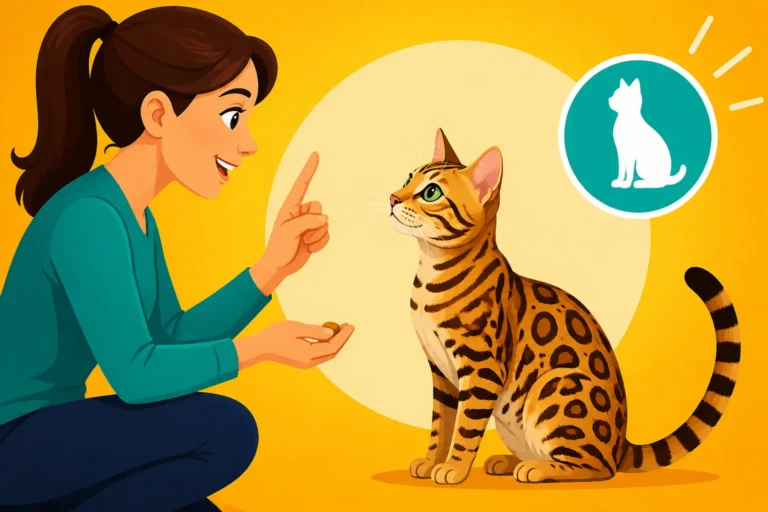
Believe it or not, you can actually train a Bengal cat to be less vocal, or at least to vocalize in more acceptable ways. Clicker training, in particular, can be very effective. You can teach them to associate a quiet demeanor with a reward. For example, if they are quietly sitting next to you rather than yelling, reward them. If they are playing independently without demanding your attention, reward them.
You can also use verbal cues. If they start to get too loud, a firm but gentle "quiet" or "no" followed by a moment of ignoring them can help. When they stop, even for a second, then offer praise or a treat. The key is to be consistent and to reward the absence of unwanted noise, rather than punishing the noise itself. Punishment rarely works with cats and can damage your bond. Instead, focus on positive reinforcement for the behavior you do want to see. Bengals are intelligent animals, as detailed in How Intelligent a Bengal Cat Is, and they can absolutely learn these boundaries with patience and positive methods.
Age, Hormones, and Environment: Factors Affecting Bengal Vocalizations
Several factors can influence how vocal a Bengal cat is, beyond their inherent breed tendencies. Age, hormonal status, and their living environment all play a significant role in their communication habits.
Does Neutering Quiet a Bengal Cat?
For unneutered male and unspayed female Bengal cats, vocalization is often tied to reproductive instincts. Intact males will yowl and call out in an attempt to attract females, especially if they can scent one nearby. Unspayed females in heat will become incredibly vocal, producing loud, persistent yowls and cries to signal their receptiveness to mates. These are primal calls, incredibly difficult to ignore, and often significantly louder and more insistent than their usual conversational meows.
Neutering or spaying your Bengal cat can, and often does, dramatically reduce these hormonally driven vocalizations. While it won't turn a naturally vocal Bengal into a silent one, it will eliminate the intense, demanding cries associated with the mating cycle. This is one of the primary reasons vets recommend altering pets not intended for breeding, both for the cat's welfare and the owner's peace of mind. If you’re considering whether to alter your cat, understanding Whether Neutering Quiets a Bengal Cat can be a major factor.
The Vocal Habits of Bengal Kittens vs. Adults
Bengal kittens are often incredibly vocal, as they rely heavily on their voices to communicate their needs to their mother and littermates. They'll cry when hungry, cold, or when seeking comfort. As they grow, they learn more sophisticated ways to communicate, but the foundation of their vocal nature is established early on. A Bengal kitten's "fuzzies" aren't just about their coat; their vocal cords are in training too!
As they mature into adults, their vocalizations may become more refined and purposeful, but not necessarily quieter. They learn what works to get your attention and develop their own unique "vocabulary." Some owners report that their Bengals calm down slightly with age, becoming less incessantly demanding, especially if they have received consistent training. However, the fundamental vocal personality of a Bengal generally remains throughout their life. Don’t expect a complete transformation into a silent statue. You might observe changes over time, as explored in The Age a Bengal Cat Settles.
Environmental Triggers for Increased Chatter
The environment your Bengal lives in can also significantly impact their vocalization levels. Stress, boredom, changes in routine, or even the presence of other animals can act as triggers. A Bengal who feels insecure or anxious might vocalize more as a way to express their discomfort or seek reassurance.
Consider a Bengal who suddenly starts yowling at night. This could be due to a new pet in the house, a change in your work schedule, or simply boredom because their daytime enrichment has decreased. Living in a quiet environment might make their voice seem louder, while a bustling household might mask some of their chatter. The more stimulating, secure, and consistent their environment is, the less likely they are to use excessive vocalizations out of distress or boredom. Make sure they have a designated safe space, plenty of vertical territory, and consistent interaction to minimize these environmentally induced bursts of chatter. For those wondering Why a Bengal Cat Yowls at Night, environmental factors are often a key culprit.
When Vocalization Signals a Problem: Recognizing the Red Flags
While Bengal cats are naturally vocal, there are times when their vocalizations can indicate a problem that requires attention. It's crucial for owners to differentiate between normal chatter and cries for help.
Sudden Changes in Volume or Frequency
One of the most important red flags is a sudden and unexplained change in your Bengal's vocal patterns. If your usually quiet Bengal suddenly becomes very loud, or if your already vocal Bengal escalates their intensity significantly, it warrants investigation. This could be a new, persistent yowl, an increase in crying, or a sudden onset of vocalizations at unusual times, like in the middle of the night when they typically sleep.
Such a change can be a strong indicator of pain, discomfort, or an underlying medical issue. Cats are masters at hiding illness, and increased vocalization can sometimes be one of the few outward signs that something is wrong. For example, a cat with urinary tract issues might cry out when using the litter box, or a cat with dental pain might vocalize more when eating. Don't dismiss a significant shift in vocal behavior as just "being a Bengal"; always consider it a potential symptom.
Vocalizations Accompanied by Other Symptoms
When excessive vocalization is combined with other unusual symptoms, it’s an even clearer sign that something is amiss. Look for changes in appetite, thirst, litter box habits, energy levels, or grooming.
Here's a quick reference table for concerning symptoms:
| Vocalization Change | Accompanying Symptoms | Potential Concern |
|---|---|---|
| Increased yowling/crying | Hiding, lethargy, decreased appetite | Pain, illness, severe stress |
| Crying in litter box | Straining to urinate/defecate, frequent trips | Urinary tract infection, blockage, constipation |
| Constant meowing/calling | Pacing, restless, disoriented | Cognitive dysfunction (in older cats), anxiety |
| Loud purring with distress | Drooling, difficulty breathing | Respiratory distress, nausea, severe pain |
| Low growls, hisses | Aggression, reluctance to be touched | Pain, fear, territorial issues |
This table is not exhaustive, but it highlights how vocal cues, when paired with other observations, can give you a better picture of your cat's well-being. If your Bengal is unusually withdrawn, or if you notice changes in their normal patterns, trust your gut.
Seeking Veterinary Advice for Persistent Cries
If you observe persistent or concerning vocalizations, especially those accompanied by other symptoms from the table above, the most responsible course of action is to consult your veterinarian. Don't wait to see if it "gets better." Early detection and treatment of health issues are always best for your cat's long-term health and comfort.
Your vet will likely conduct a thorough physical examination, and depending on their findings, may recommend further diagnostics such as blood tests, urinalysis, or imaging. Describing the specific nature of the vocalizations (e.g., "is it a short cry?" "is it a continuous yowl?"), when they occur, and any other symptoms you’ve noticed will be immensely helpful to your vet in pinpointing the problem. Remember, you know your Bengal best, and your observations are invaluable. It's better to make an appointment and find out it was nothing serious than to overlook a genuine cry for help.
Disclaimer
This article is for general informational purposes only and does not constitute professional advice. Laws, prices and regulations vary by location and change over time. Consult a qualified professional for guidance on your specific situation.