How Clever a Bengal Cat Is
Anyone who's ever shared their home with a Bengal cat quickly realizes that these aren't just ordinary felines; they're furry, four-legged Einsteins with a penchant for mischief. If you've ever walked into a room to find your supposedly "secure" cabinets flung open, or your clever kitty gleefully batting around a hidden treat from a complex puzzle toy, you know the unique blend of admiration and exasperation that comes with their incredible intelligence. This guide is here to dive deep into just how clever Bengal cats truly are, explore the fascinating origins of their sharp minds, and offer realistic strategies for channeling their genius into positive, enriching behaviors that make living with them a joy rather than a constant battle of wits.
The Roots of Bengal Cat Intelligence
It's not just a myth; Bengal cats really do possess a distinct level of intelligence that sets them apart. This isn't accidental, but rather a direct inheritance from their wild ancestors, coupled with an insatiable curiosity that drives them to constantly learn and explore.
The Wild Ancestry Factor
At the heart of every Bengal cat lies the DNA of the Asian Leopard Cat (ALC), a small, wild feline known for its incredible agility, stealth, and sharp survival instincts. These instincts aren't just about hunting; they're about problem-solving. In the wild, an ALC needs to figure out how to navigate complex terrain, outsmart prey, find food in challenging environments, and avoid predators. This requires a quick, adaptable mind, keen observation skills, and a strong memory.
When the Bengal breed was first developed, breeders sought to retain many of these striking physical traits, but they also inadvertently (or perhaps intentionally, in some cases!) carried over much of that impressive cognitive ability. Unlike many domestic cats who have had generations to rely on humans for their every need, the Bengal still holds onto that raw, intelligent edge, constantly assessing their environment and looking for ways to interact with it. It's truly fascinating to see how their genetic blueprint still influences their behavior in a modern home.
Innate Curiosity and Drive
Beyond their wild lineage, Bengals are simply wired differently when it comes to curiosity. They don't just idly observe; they actively investigate. If there's a closed door, they want to know what's behind it. If there's a new object, they'll meticulously examine it from every angle, sometimes even attempting to take it apart. This relentless drive to understand and manipulate their surroundings is what often leads them to "discover" how things work – whether it's the latch on a pantry door or the intricacies of a complex toy.
This innate curiosity isn't just about playing; it's a fundamental aspect of their cognitive process. They are constantly learning through trial and error, storing information, and applying it to new situations. This means that if they learn how to open one type of cabinet, they'll quickly figure out variations on that theme elsewhere in the house. It's this active, investigative approach to life that makes them so uniquely intelligent and, let's be honest, sometimes a little bit of a handful!
Problem-Solving Prowess: Masters of Manipulation
You might think your house is cat-proof, but a Bengal will see that as a personal challenge. Their intelligence shines brightest in their ability to solve practical problems that would stump most other cats.
Opening Doors and Cabinets
This is perhaps one of the most common and frustrating examples of Bengal cleverness. Many owners have been utterly baffled by how their cat manages to open a door with a lever handle, or even a round knob, by jumping up and manipulating it with their paws. They learn through observation – watching you turn the knob or pull the lever – and then by persistent experimentation. They quickly realize that a certain action leads to a desired outcome: freedom, or access to the forbidden treats.
Cabinets and drawers are no match either. Standard child locks, those little plastic clasps, or even magnetic locks are often quickly circumvented. Bengals have dexterous paws and incredible persistence. They'll pull, push, bat, and even gnaw at latches until they figure out the mechanism. We've heard stories of Bengals learning to open refrigerators or even figuring out how to get into trash cans that were thought to be completely secure. It's a testament to their problem-solving skills, and a clear sign that if they want something badly enough, they'll find a way to get it. If you've ever wondered How a Bengal Cat Learns to Open a Cabinet, you're certainly not alone!
Retrieving Hidden Objects
Bengal cats are excellent at understanding object permanence and demonstrating complex memory. If you hide a favorite toy or a treat, even if they don't see exactly where it goes, they will remember the general area and launch a targeted search. They won't just bat aimlessly; they will actively move objects, dig under furniture, and explore crevices until they find what they're looking for. This isn't just instinct; it's a planned, methodical approach to a goal.
This skill is particularly evident when they "steal" small items. Keys, hair ties, shiny coins – anything small and interesting can become a target. They might stash these items in secret hiding spots, treating them as their own personal treasures. This behavior isn't malicious; it's often a form of play or an exercise of their inherent hunting and retrieving instincts, showcasing their memory and understanding of where they put their "prey."
Outsmarting Food Puzzles
For most domestic cats, a simple puzzle feeder that requires a paw swipe or a gentle nudge is enough of a challenge. For a Bengal, those are often mere appetizers. These cats thrive on complex feeders that require multiple steps, understanding cause-and-effect, or even manipulation of small parts. They'll quickly figure out how to slide panels, lift lids, or turn dials to get their reward. If a puzzle toy isn't challenging enough, they'll master it in minutes and then quickly become bored.
Many owners find themselves constantly upgrading their Bengal's puzzle toys, searching on platforms like Amazon for the next level of brain-teaser. You'll often find reviews from Bengal owners lamenting how quickly their clever cat defeats even the most intricate designs. This drive to solve puzzles isn't just about getting food; it's about the mental stimulation and the satisfaction of a challenge met. If you're looking for something that truly challenges your cat, you might be interested in Which Puzzle Feeder Beats a Bengal Cat.
Learning and Adaptability: Quick Studies
A Bengal cat's intelligence isn't just about brute force problem-solving; it's also about their impressive capacity to learn, adapt, and even imitate. They are truly quick studies, absorbing information from their environment and the humans around them at an astonishing rate.
Rapid Command Learning
Unlike the common stereotype of aloof cats, many Bengal cats can be taught a variety of commands, much like a dog. They can learn to sit, stay, come when called, fetch, and even perform more complex tricks. This isn't just about repetition; it's about their ability to connect a verbal cue or hand signal with a specific action and a rewarding outcome. Their intelligence means they pick up on these associations quickly, often surprising first-time Bengal owners with their responsiveness.
This willingness to learn commands also stems from their desire to engage with their humans. For a Bengal, interaction and mental stimulation are paramount, and learning tricks can be a fantastic way to bond and provide that much-needed mental workout. A consistent approach with positive reinforcement goes a long way, and you'll be amazed at what your clever kitty can grasp.
Observing and Imitating Behavior
One of the most fascinating aspects of Bengal intelligence is their observational learning. They watch you. They truly do. They'll study how you open doors, turn on faucets, flush toilets, or interact with various objects in the home. And then, often to your surprise, they'll attempt to replicate these actions. This isn't just mimicry; it's an understanding of the mechanics behind the action. If they see you press a button to open a trash can, don't be shocked if they try to press it themselves later.
This imitative behavior can extend to other pets as well. If you have a dog that performs certain tricks or interacts with specific toys, a Bengal might watch and then try to engage in similar ways. This social learning demonstrates a high level of cognitive function, showing that they aren't just reacting to stimuli, but actively processing and learning from their environment and its inhabitants. Many owners have been shocked when their cat started turning on the faucet after watching them use it for weeks, proving Why a Bengal Cat Turns on a Faucet isn't just a quirk, but a learned behavior.
Harness and Leash Training Success
While leash training a cat might sound like an oxymoron to some, for many Bengal owners, it's a completely achievable and rewarding endeavor. Their intelligence, coupled with their adventurous spirit, makes them far more receptive to wearing a harness and exploring the outdoors on a leash than most other cat breeds. They understand the concept of the harness, the leash, and the boundaries it sets. They learn to follow commands while outside and adapt quickly to new sights, sounds, and smells.
The success of How to Leash Train a Bengal Cat isn't just about patience from the owner; it's a direct reflection of the Bengal's cognitive abilities and their willingness to engage in novel experiences. They enjoy the mental and physical stimulation that comes with walks, and their cleverness helps them quickly navigate new environments while safely connected to their human.
The Challenges of Living with a Genius Cat
While their intelligence is endlessly fascinating, it also comes with its own set of unique challenges that prospective and current Bengal owners need to be prepared for. A smart cat requires a smart owner!
Boredom and Destructive Tendencies
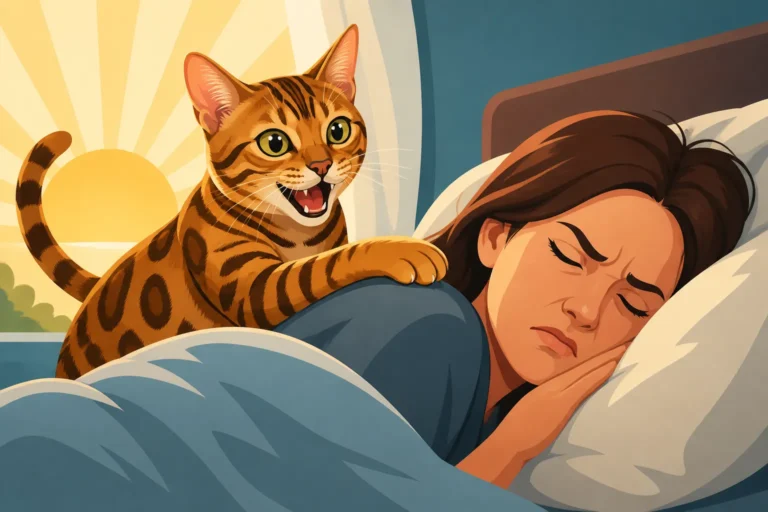
The flip side of high intelligence is a profound need for mental stimulation. A bored Bengal is not just a lazy cat; it's often a destructive one. If their clever minds aren't adequately engaged, they will find their own ways to entertain themselves, and those ways rarely align with human household standards. This can manifest as scratching furniture (even with plenty of scratching posts), knocking items off shelves (just to watch them fall!), unrolling toilet paper, or exploring "forbidden" areas. When considering What a Bored Bengal Cat Destroys, remember it's a sign of their intelligence going unchecked.
This isn't malicious behavior; it's a direct consequence of their unfulfilled mental needs. They need to think, to solve, to explore, and if you don't provide appropriate outlets, they'll create their own, often at the expense of your belongings or your sanity. It's crucial to remember that their destruction often signals a cry for more engagement, not a lack of affection.
The "Bengal Brain" vs. Household Security
For most cats, closing a door, latching a cabinet, or putting away an object means it's secure. For a Bengal, it's often an invitation to a puzzle. Their intelligence means that conventional cat-proofing measures are often ineffective. They'll figure out child locks, manipulate lever handles, and even learn to open zippers on cat carriers. This constant battle of wits can be exhausting for owners who are always one step behind their cunning feline.
It's not just about physical barriers; it's about anticipating their next move. If they see you hide something, they'll remember. If they see you perform an action, they'll try to replicate it. This requires owners to be constantly vigilant and innovative in their methods of securing their home and belongings. What works for a typical house cat probably won't cut it for a Bengal.
Maintaining Engagement and Preventing Frustration
Living with a highly intelligent animal means you are signing up for a lifelong commitment to mental enrichment. This isn't a cat you can leave alone for long stretches without consequences. They thrive on interaction, learning, and challenges. If you fail to provide this, both you and your Bengal can become incredibly frustrated. They will act out, and you will feel overwhelmed.
It means being proactive: thinking ahead about what they might get into, how to redirect their energy, and how to constantly provide new and engaging stimuli. It's a continuous process of learning and adapting, not just for the cat, but for the human as well. Understanding How Long a Bengal Cat Copes Alone is crucial before bringing one into your home.
Tools and Strategies for a Clever Bengal
Luckily, there are many ways to channel your Bengal's intelligence into positive behaviors and keep their brilliant minds happily engaged. It’s all about providing the right outlets and challenges.
Engaging Puzzle Toys and Interactive Play
Given their love for problem-solving, puzzle toys are a must-have for Bengal cats. Look for ones that require multiple steps, offer varying levels of difficulty, and can be refilled with different treats or kibble to keep things fresh. You'll find a wide array of options on Amazon, from treat dispensers that require paw swipes to complex mazes that challenge their dexterity and patience. Don't be afraid to invest in durable toys, as a clever and determined Bengal can quickly dismantle cheaper alternatives.
Beyond static puzzle toys, interactive play is paramount. Think wand toys with feathers or small plush animals that mimic prey. Bengals love to chase, stalk, and "hunt." Structured play sessions several times a day will help burn off their boundless energy and provide critical mental stimulation. Remember, they need to feel like they're working for their "kill," so make the toy dart and hide.
The Benefits of Clicker Training
Clicker training is an incredibly effective method for working with intelligent cats like Bengals. It leverages their ability to quickly associate an action with a clear, immediate reward. The "click" precisely marks the desired behavior, and the subsequent treat reinforces it. This method builds a strong communication bridge between you and your cat, allowing you to teach a vast array of behaviors and tricks. How to Clicker Train a Bengal Cat can transform your relationship with your pet.
From teaching them to sit or stay, to more complex routines, clicker training keeps their minds active and provides a positive outlet for their intelligence. It also strengthens your bond, as you become a source of engaging challenges and rewarding experiences for your clever feline. It's a fantastic way to engage their brains without them having to resort to turning on your faucets or opening cabinets.
Environmental Enrichment and Vertical Space
A smart cat needs an enriching environment that caters to their natural instincts. Bengals are incredible climbers, and providing ample vertical space is essential. Cat trees that reach the ceiling, wall-mounted shelves, and cat "highways" give them opportunities to survey their territory from above, engage their climbing muscles, and explore. This also helps prevent boredom and gives them an alternative to scaling your bookshelves or curtains.
Consider investing in a catio (cat patio) if you have the space. This secure outdoor enclosure allows them to safely experience the sights, sounds, and smells of nature, which is incredibly stimulating for their wild instincts. It's a way to let their innate curiosity and love for exploration flourish without the dangers of free-roaming outdoors. A spacious catio with climbing structures and perches can be a true haven for a clever Bengal, helping them expend their mental and physical energy in a safe environment. Also, ensure they have plenty of opportunities to express their natural behaviors, even something as simple as providing a sturdy Which Scratching Post a Bengal Cat Needs.
Is a Clever Bengal Cat Right For You?
Considering a Bengal cat means understanding and embracing their unique intelligence. They are not a "set it and forget it" kind of pet; they require active participation from their humans.
Assessing Your Lifestyle and Time Commitment
Bringing a Bengal into your home means committing to providing significant daily enrichment. Their intelligence demands constant mental stimulation, and if you have a busy lifestyle that leaves little time for dedicated play sessions, training, and creative engagement, a Bengal might not be the best fit. They need an owner who is willing to invest time in understanding their needs and finding innovative ways to keep them challenged and happy.
If you lead a quiet, sedentary life and prefer a cat that's more of a decorative lap warmer, a Bengal's boundless energy and inquisitive nature might prove overwhelming. It's crucial to be realistic about how much time and effort you can truly dedicate to managing and nurturing such a brilliant animal. They might not always want to cuddle, but they will always want to engage. Think about How Much Enrichment a Bengal Cat Actually Needs before taking the plunge.
The Rewards of a Highly Intelligent Companion
Despite the challenges, living with a clever Bengal cat is an incredibly rewarding experience. Their intelligence makes them highly interactive, playful, and responsive companions. They often form deep bonds with their owners, becoming integral, albeit sometimes mischievous, members of the family. Watching them solve a new puzzle, learn a trick, or engage in a complex play session is truly captivating and endlessly entertaining.
They bring a unique vibrancy and dynamism to a home that few other breeds can match. If you are prepared for the commitment and enjoy the process of engaging with a highly intelligent animal, a Bengal cat will offer years of joy, laughter, and endless fascination. Their cleverness isn't just a trait; it's a core part of their captivating personality, making them truly extraordinary feline companions.
| Trait | Typical Domestic Cat | Bengal Cat (Intelligent) |
|---|---|---|
| Problem-Solving | May attempt simple puzzles, often gives up quickly | Persistent, analyzes mechanisms, masters complex puzzles rapidly |
| Curiosity & Exploration | Explores familiar areas, mild interest in new objects | Insatiable, actively investigates, manipulates objects, seeks novelty |
| Learning New Tricks/Commands | Limited interest, slow to learn, often inconsistent | Quick learner, eager to engage, enjoys complex training, responsive |
| Observed Imitation | Rare or accidental imitation of human actions | Actively watches and attempts to mimic human and animal behaviors |
| Environmental Needs | Basic enrichment, comfortable with routine | Requires constant mental challenges, extensive vertical space, novelty |
| Boredom Response | Sleeps more, mild mischievousness | Destructive, persistent meowing, attention-seeking, can become anxious |
Disclaimer
This article is for general informational purposes only and does not constitute professional advice. Laws, prices and regulations vary by location and change over time. Consult a qualified professional for guidance on your specific situation.