Which Tricks a Bengal Cat Can Learn
One of the most common frustrations Bengal cat owners face is finding enough outlets for their cat's incredible energy and sharp mind. You might feel like you're constantly inventing new games or watching your clever companion figure out yet another way to get into mischief. But what if I told you that boundless energy and intelligence could be channeled into something truly amazing and rewarding for both of you? This guide is going to walk you through the fascinating world of Bengal cat trick training, showing you not just what tricks they can learn, but how to teach them and why it's such a beneficial journey.
Understanding the Bengal Cat Mindset
Before we dive into the nitty-gritty of trick training, it's really important to understand the unique mind of a Bengal cat. These aren't your typical couch-potato felines. They're a breed born from a wild ancestor, the Asian Leopard Cat, and they retain a significant portion of that wild curiosity, intelligence, and high energy. Trying to treat a Bengal like any other domestic shorthair cat will often lead to frustration for both of you, simply because their needs are so different. They crave engagement, mental stimulation, and a way to burn off that incredible drive.
The Inner Workings of a Clever Cat
Bengal cats are notoriously intelligent. Owners often describe them as having a dog-like personality, not just in their playfulness but in their capacity to learn and interact. This isn't just anecdotal; their intelligence is a consistent theme among breeders and owners alike. They are problem-solvers by nature, which means they'll quickly figure out how to open cabinets, turn on faucets, or even escape from seemingly secure enclosures. This innate cleverness makes them fantastic candidates for trick training. They thrive on challenges and the mental workout that comes with learning new behaviors. If you've ever wondered How Clever a Bengal Cat Is, you'll soon find out just how quickly they pick things up.
Think about it: a cat that can methodically work out how to open a kitchen cupboard, pull out a bag of treats, and then attempt to rip it open, isn't just being naughty. It's exercising its impressive cognitive abilities! Without appropriate outlets, this intelligence can manifest as destructive behavior or relentless demands for attention. Trick training provides a structured, positive way to engage their brains, preventing boredom and building a stronger bond between you.
Why Tricks Aren't Just for Dogs
For the longest time, the idea of teaching an animal tricks was almost exclusively associated with dogs. Cats were seen as too independent, too stubborn, or simply not interested in performing. But Bengal cats really challenge this stereotype head-on. Their motivation for interaction, coupled with their intelligence, makes them incredibly receptive to learning tricks. It’s not about forcing them to do something they don’t want to do; it’s about tapping into their natural desire to explore, play, and earn rewards.
Many Bengal owners find that their cats genuinely enjoy the training process. It's a game to them, a way to interact with their favorite human and get some tasty treats or praise. Unlike some breeds that might tolerate training, Bengals often actively participate, eagerly awaiting the next command or challenge. They often seem to take pride in their accomplishments, especially when a treat is involved! This makes the entire experience much more enjoyable and rewarding than you might initially imagine, proving that felines can be just as capable as canines in the world of tricks.
Essential Building Blocks for Trick Training
So, you're ready to teach your Bengal cat some cool tricks. That's fantastic! But before you jump straight into teaching them to fetch you a beer from the fridge (we'll get there, maybe), there are a few foundational principles and tools that will make your journey much smoother and more successful. Consistency, patience, and the right approach are key when working with these intelligent but independent felines.
The Power of Positive Reinforcement
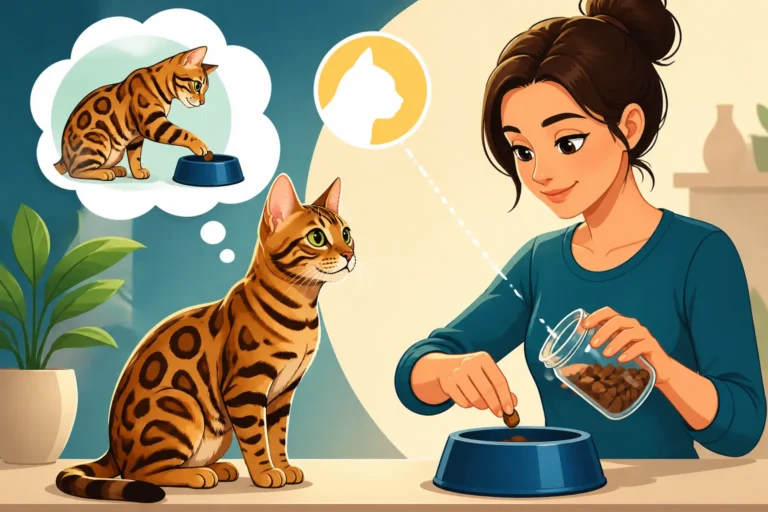
This is, hands down, the most crucial element in any animal training, especially with Bengals. Forget punishment or scolding; it simply doesn't work with cats and can damage your bond. Bengals, like all cats, respond best to positive reinforcement. This means rewarding them immediately after they perform the desired action. The reward could be a high-value treat, a favorite toy, a clicker sound, or even enthusiastic verbal praise and petting. The goal is to make the cat associate the action with a positive outcome, making them more likely to repeat it.
For a Bengal, high-value treats are often the best motivators. Think small pieces of cooked chicken, freeze-dried salmon, or special cat treats they absolutely adore. Every cat has their particular favorites, so experiment a little to find what truly makes their eyes light up. The quicker and more consistently you reward, the clearer the message is to your cat. If you're too slow, they might not understand what they're being rewarded for. This immediate feedback loop is essential for effective learning and helps keep their short attention spans engaged.
Clicker Training Fundamentals
If you're serious about trick training with your Bengal, investing in a clicker is a game-changer. A clicker is a small device that makes a distinct, consistent sound. It acts as a "marker" for the exact moment your cat performs the correct behavior. Unlike verbal praise, which can vary in tone, or a treat, which takes time to deliver, a click is precise and instantaneous. This precision helps your Bengal understand exactly what they did right.
The process, often called "charging the clicker," is simple: click, then immediately give a treat. Repeat this many times in short sessions. Your cat will quickly learn that the click means a treat is coming. Once they understand this, the clicker becomes an incredibly powerful communication tool. When teaching a trick, you click the instant they perform the desired action, then follow with a treat. This tells them, "Yes! That was it!" If you want to dive deeper, you can learn How to Clicker Train a Bengal Cat and discover the nuances of this effective method. Many great clickers and training treat pouches can be found on Amazon.
Short, Sweet, and Consistent Sessions
Bengal cats have bursts of energy and focus, but their attention spans aren't endless. Long, drawn-out training sessions will lead to frustration and boredom for both of you. Aim for short, frequent sessions—think 5 to 10 minutes, perhaps two or three times a day. This keeps it fun and prevents your cat from becoming overwhelmed or losing interest. It’s much better to have several successful short sessions than one long, unproductive one.
Consistency is equally important. Try to train at similar times each day, or integrate it into your regular play routine. This helps your Bengal anticipate the sessions and get into the "training mindset." Even if you only have a few minutes, a quick review of a previously learned trick, followed by a reward, reinforces the behavior and keeps it fresh in their mind. Remember, training should always end on a positive note, even if it's just practicing a simple trick they already know perfectly.
Common and Impressive Tricks a Bengal Can Master
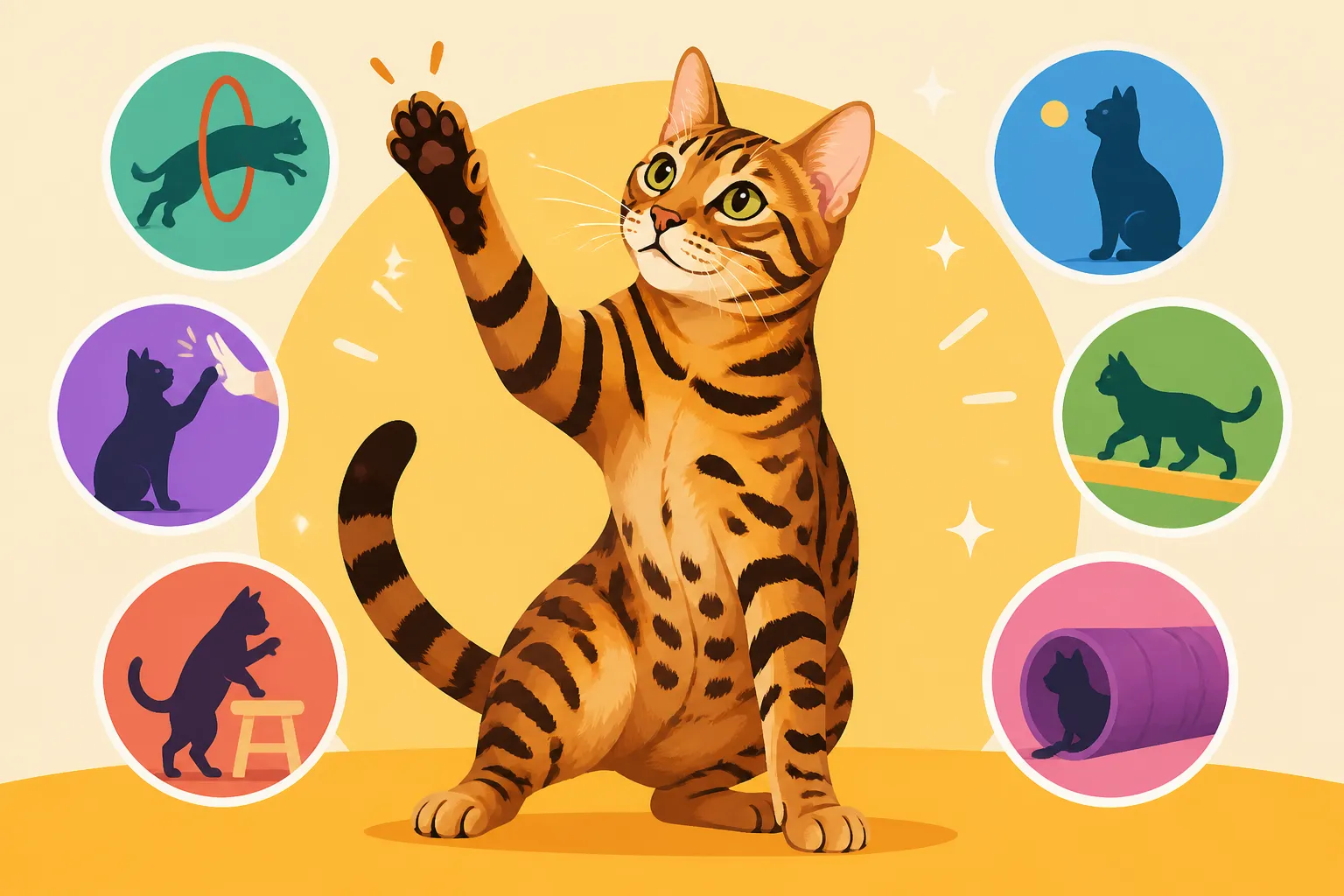
Now for the fun part: what tricks can your Bengal cat actually learn? You might be surprised at the variety and complexity of behaviors they can pick up, often with startling speed. Their natural agility, intelligence, and love for play make them excellent students for a range of commands, from basic obedience to impressive party tricks.
The Classic Fetch and Retrieve
Yes, many Bengal cats absolutely adore playing fetch! Unlike many other felines, Bengals often have a natural inclination to chase, retrieve, and bring toys back to you, much like a dog. This isn't universally true for every Bengal, but it's a common trait. To teach fetch, start by tossing a lightweight, favorite toy a short distance. When your cat brings it back (or even close to you), lavish them with praise and a treat. If they don't bring it all the way back, try luring them closer with another treat, or gently pick them up and bring them back to you with the toy.
The key is to make it a positive experience. Some Bengals will drop the toy right at your feet, others might need a bit more encouragement to release it. Don't grab the toy from them; wait for them to drop it or offer a trade with a treat. You'll be amazed at How Well a Bengal Cat Fetches once they get the hang of it, and it's a fantastic way to burn off some of their boundless energy. They often have favorite "fetch" objects, so pay attention to Which Objects a Bengal Cat Brings Back most enthusiastically. Small crinkle balls, spring toys, or even crumpled paper can be big hits.
Sit, Stay, and Come: Basic Obedience with a Bengal Twist
While these might sound like dog commands, Bengals are perfectly capable of mastering them, and they can be incredibly useful.
- Sit: Hold a treat just above your cat's head, slowly moving it back towards their tail. As their nose follows the treat, their rear end will naturally lower into a sit. The instant their bottom touches the ground, click and treat. Repeat this until they consistently sit. Then, start adding the verbal cue "Sit" just as their rear touches the floor. Eventually, you can fade the lure and rely on the verbal command. This is a foundational trick, and you can find more detailed steps on How to Teach a Bengal Cat to Sit.
- Stay: This is a bit more challenging for an active Bengal but entirely doable. Once they've mastered "Sit," ask them to sit. Then, hold up a flat palm (your "stay" signal) and take one tiny step back. If they remain seated for even a second, click and treat. Gradually increase the distance and duration. If they break, just calmly reset them and try again. Patience is paramount here.
- Come: This is perhaps the most important trick for their safety and your peace of mind. Start in a quiet room. Kneel down, use an exciting, happy tone of voice, and say their name followed by "Come!" or just "Come!" as you show them a high-value treat. As they approach, click and treat generously. Gradually increase the distance and add distractions. Many Bengals respond well to their name and the promise of a treat, making "Come" a surprisingly achievable and vital command. How to Teach a Bengal Cat to Come can be an absolute lifesaver.
High Five, Spin, and Weave: More Advanced, Fun Tricks
Once your Bengal has the basics down, you can move on to more impressive and entertaining tricks that really showcase their agility and intelligence.
- High Five: Get your cat into a sit position. Hold a treat in your closed fist. When your cat paws at your fist to get the treat, click and reward. Repeat this, and then start to open your hand slightly, so they have to lift their paw higher. Introduce the verbal cue "High Five" as they make contact. Eventually, you'll be able to present your open hand, and they'll offer their paw for a tap. Teaching them How to Teach a Bengal Cat to High Five is incredibly rewarding and a great way to show off their skills.
- Spin: With your cat standing, hold a treat close to their nose and lure them in a complete circle. As they complete the circle, click and treat. Practice in both directions. Once they're consistently spinning, add the verbal cue "Spin" as you start the lure, and gradually make your hand motion smaller until they respond to the verbal cue alone.
- Weave: This trick is a fantastic demonstration of their agility. With your legs slightly apart, lure your cat through your legs with a treat. As they go through, click and treat. Alternate which leg they go through, so they weave back and forth. This one takes a bit more coordination from you and your cat, but it's incredibly fun to watch.
Opening Doors and Cabinets (and how to mitigate it)
This isn't so much a "trick to teach" as it is a natural skill many Bengals develop, often to the exasperation of their owners! Bengal cats are notorious for figuring out how to open lever-handle doors, slide open cabinet doors, and even manipulate drawers. It's a testament to their intelligence and dexterity. If you have a Bengal, you've probably already witnessed How a Bengal Cat Opens a Door and other household items.
Instead of fighting this natural inclination, you can sometimes harness it. For example, you could teach them to only open certain drawers or cabinets on command, or even to close them. You might use child-proof locks from Amazon for areas you absolutely don't want them accessing, and create a designated "open-access" cabinet filled with their toys or treats that they are allowed to explore on command. This way, you're not stifling their natural intelligence, but redirecting it in a more controlled and less destructive manner.
Advanced Tricks and Beyond for the Ambitious Bengal
For those who want to push the boundaries and truly explore the depths of their Bengal cat's capabilities, there's a whole world of advanced tricks and activities that can further enrich their lives and strengthen your bond. These often combine multiple learned behaviors or tap into their inherent athleticism.
Leash Walking and Outdoor Adventures
This might seem less like a "trick" and more like an activity, but getting a Bengal cat comfortable and confident on a harness and leash is a significant training accomplishment that involves many small steps. It opens up a whole new world of enrichment, allowing them to safely explore the outdoors. How to Leash Train a Bengal Cat involves patience, positive reinforcement, and gradual introduction to the harness, leash, and then outdoor environments. Many Bengals thrive on walks, enjoying the sights, sounds, and smells of nature.
Starting with short sessions indoors, letting them get used to the harness, and only then attaching the leash will set you up for success. Reward them for simply wearing the harness, then for walking a few steps with the leash, and gradually build up to longer strolls around your yard or even local, quiet parks. This isn't just about control; it's about providing a stimulating and natural outlet for their curious, adventurous spirit.
Puzzle Solvers and Interactive Play
Bengal cats are natural puzzle solvers, and their intelligence can be wonderfully engaged through various interactive toys and puzzle feeders. While not strictly "tricks," teaching them to manipulate these items involves problem-solving skills and reinforces positive behavior. You can start with simple puzzle feeders from Amazon where they have to bat a ball or open a lid to get a treat. As they master these, you can move to more complex ones that require multiple steps, like sliding panels or pulling levers.
Integrating these into their daily routine, especially if you have to leave them alone for periods, can be immensely beneficial. It helps prevent boredom, which can lead to destructive behaviors, and provides mental stimulation when you're not actively engaging with them. Think about it, a bored Bengal cat might start to get into places it shouldn't, so providing sanctioned outlets for their cleverness is key. You'll soon discover Which Puzzle Feeder Beats a Bengal Cat and keeps them entertained the longest!
The Agility Course
For the truly ambitious Bengal owner, setting up a miniature agility course in your home or backyard can be an incredible way to engage their physical and mental prowess. This involves teaching them to navigate obstacles like tunnels, weave poles, and jumps. Each component of the course can be broken down into individual tricks. For instance, first teaching them to go through a tunnel, then over a jump, and finally stringing them together into a sequence.
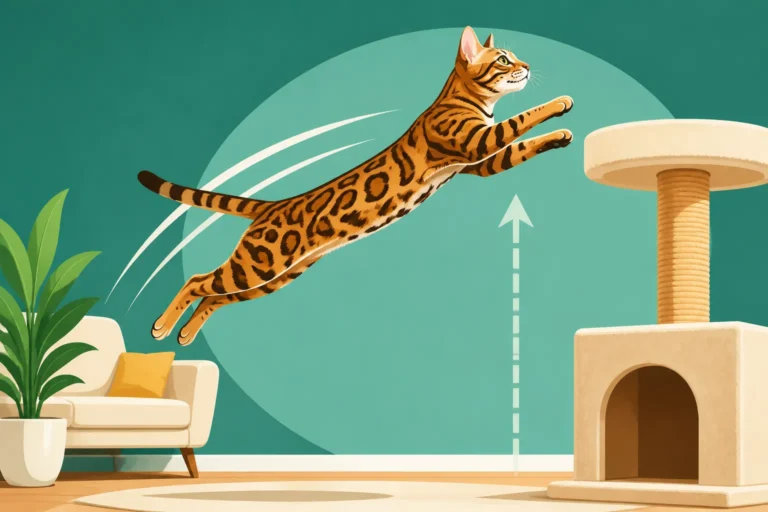
You can use household items like laundry baskets, cushions, or even hula hoops, or invest in inexpensive pet agility equipment from an online retailer. The process of teaching them to follow a lure or target through the course, combined with clicker training and high-value rewards, will be immensely stimulating. Not only does it provide fantastic exercise, but it also taps into their natural athleticism and problem-solving abilities, showcasing just how much vertical space a Bengal cat needs to feel challenged.
Overcoming Training Challenges and Keeping it Fun
Even with the smartest and most eager Bengal, you're bound to hit a few bumps in the road during training. It's important to remember that every cat is an individual, and some days will be more successful than others. The key is to approach challenges with patience, flexibility, and a commitment to keeping the experience positive and fun.
Dealing with Boredom and Distractions
Bengal cats, while intelligent, can also be easily distracted or quickly bored if the training isn't engaging enough. If your cat is losing interest, don't force it. End the session, and try again later. Sometimes, a change of scenery, a different type of treat, or a new toy can re-ignite their enthusiasm. If you notice signs of a bored Bengal, such as excessive meowing or destructive chewing on things it shouldn't, it might be a sign they need more varied mental stimulation or that your training sessions aren't hitting the mark.
Environmental distractions can also derail a session. Try to train in a quiet room where there aren't other pets, loud noises, or interesting things to stare at out the window. As they become more proficient, you can gradually introduce more distractions to help generalize the behavior, teaching them to perform the trick reliably in various environments. Remember, they are masters of observation, learning from How a Bengal Cat Learns From Watching You even when you're not actively training them.
When Your Bengal Just Isn't Interested
There will be days when your Bengal simply isn't in the mood to learn a new trick, or even practice an old one. This is perfectly normal! Cats operate on their own terms, and trying to force them will only lead to resentment and a breakdown of trust. If your cat walks away, grooms themselves, or seems agitated, respect their wishes and try again later. Maybe they're tired, or simply not feeling motivated by the current treat.
Consider if the trick is too difficult or if you've broken it down into small enough steps. Sometimes, simplifying the task or going back to a trick they already know well can rebuild their confidence and motivation. If you're consistently running into disinterest, re-evaluate your rewards—are they high-value enough? Are you delivering them immediately? Sometimes, the problem isn't the cat, but the method, and a slight adjustment can make all the difference. Also consider their overall enrichment; a cat that has been left How Long a Bengal Cat Can Be Left Alone without adequate stimulation might be too overstimulated or understimulated to engage.
The Importance of Patience and Persistence
Trick training a Bengal cat is a journey, not a race. There will be incredible breakthroughs and moments of pure genius, and there will be frustrating plateaus. It's in these moments that your patience and persistence will truly pay off. Don't get discouraged if a trick takes longer than you expect, or if your cat seems to "forget" something they knew yesterday. Cats learn at their own pace, and consistency over time is far more effective than intense, sporadic efforts.
Celebrate every small success, no matter how tiny. Acknowledge their effort, even if the execution isn't perfect. This positive reinforcement, coupled with your calm and persistent approach, will foster a confident and happy learner. The bond you build through this shared activity, the understanding you develop with each other, is far more valuable than the performance of any single trick.
Here's a quick look at some tricks and what they entail:
| Trick Name | Difficulty | Key to Success | Typical Reward | Benefits |
|---|---|---|---|---|
| Sit | Easy | Luring with a treat, consistent click & treat | High-value treat, verbal praise | Builds focus, basic obedience |
| Fetch | Easy-Medium | Finding preferred toy, positive release | Favorite toy, treat | Physical exercise, mental engagement |
| High Five | Medium | Shaping paw movement with a treat lure | Freeze-dried meat, enthusiastic praise | Fun party trick, builds interaction |
| Spin | Medium | Luring a full circle, clear hand signal | Tuna flakes, soft pets | Agility, mental stimulation |
| Come | Easy-Medium | High-pitched voice, irresistible treat | Chicken bits, exciting play | Crucial for safety, reinforces bond |
| Leash Walking | Medium-Hard | Gradual introduction to harness/leash | Outdoor exploration, special treats | Provides enrichment, safe outdoor access |
| Go Through Tunnel | Medium | Luring with treat, making it a game | Playtime with wand toy, treats | Agility, confidence, mental challenge |
In the end, teaching your Bengal cat tricks isn't just about showing off their incredible abilities (though that's certainly a perk!). It's about providing the mental and physical stimulation they so desperately need, preventing boredom and potential mischief, and most importantly, forging an even deeper, more communicative bond with your wild-at-heart companion. Embrace the journey, enjoy the process, and prepare to be amazed by what your clever Bengal can achieve!
Disclaimer
This article is for general informational purposes only and does not constitute professional advice. Laws, prices and regulations vary by location and change over time. Consult a qualified professional for guidance on your specific situation.