How to Teach a Bengal Cat to High Five
You've brought home a magnificent Bengal cat, full of sparkle and boundless energy, and now you're wondering how to channel that incredible brainpower into something fun, like teaching them a trick. It's easy to feel overwhelmed by their endless curiosity and mischievous nature, but the truth is, a Bengal cat's intelligence makes them a fantastic candidate for learning tricks, and teaching them to high five is a brilliant place to start. This guide will walk you through the process, offering realistic tips and troubleshooting advice to help you and your clever companion master this impressive feat.
The Unique Mind of a Bengal Cat: Why They're Prime for Trick Training
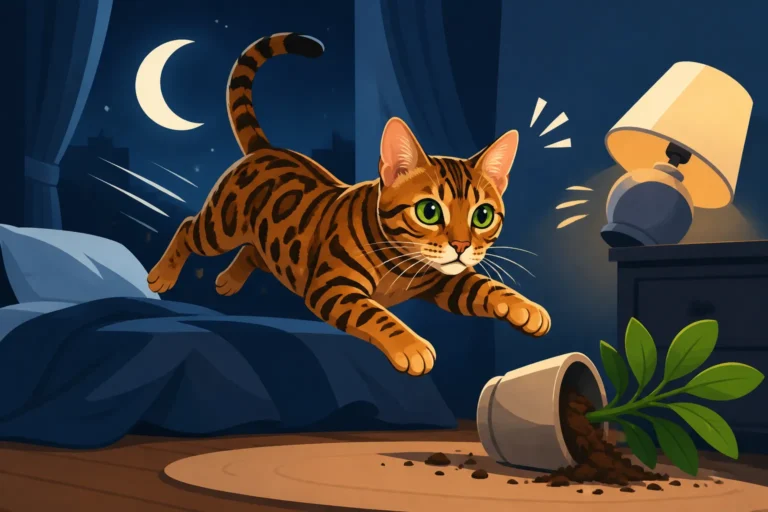
Let's be honest, living with a Bengal cat is a bit like living with a furry, spotted rocket of intellect and energy. These aren't your average couch potatoes; they're descendants of the wild Asian Leopard Cat, and that heritage shines through in their sharp minds and insatiable need for mental and physical stimulation. Many new Bengal owners quickly realize that traditional cat toys just don't cut it, and leaving them to their own devices can lead to some truly creative (and sometimes destructive) antics.
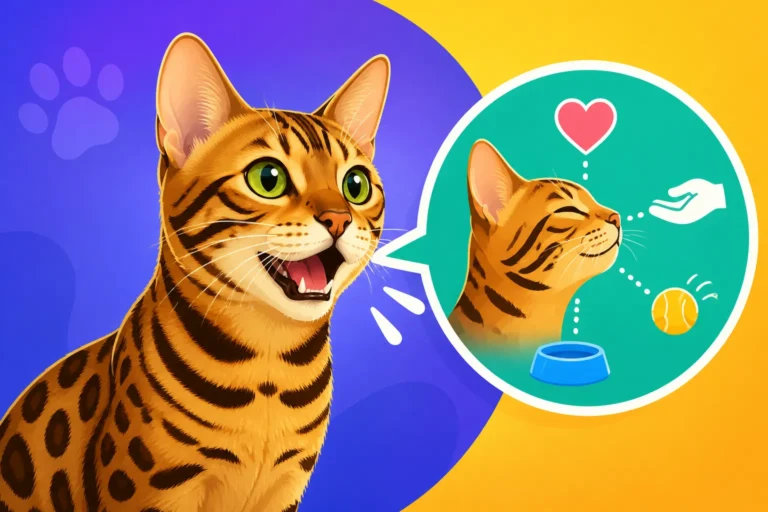
This inherent intelligence and drive are precisely why Bengal cats excel at trick training. They thrive on challenges, love interacting with their human companions, and are incredibly food-motivated, which are all ingredients for a successful training session. Think of trick training not just as a party trick, but as a vital part of their enrichment. It builds confidence, strengthens your bond, and provides an outlet for that brilliant brain. If you've ever wondered How Intelligent a Bengal Cat Is, you'll quickly discover the answer when you start training them. They pick up on patterns and cues with astonishing speed, making them far more trainable than many people imagine a cat could be.
Gearing Up for the High Five: Essential Tools and Mindset
Before you dive headfirst into teaching your Bengal to high five, you'll want to gather a few essential tools and prepare yourself for the journey. Remember, consistency and positive reinforcement are your best friends here.
The Power of the Clicker
If you're serious about trick training with your Bengal, a clicker is a game-changer. It's a small device that makes a distinct "click" sound, and it acts as a precise marker for the exact moment your cat performs the desired behavior. Cats, especially Bengals, respond incredibly well to this clear communication. Before you even start the high five, you need to "charge" the clicker. This simply means pairing the sound with something your cat loves. Sit in a quiet room, click, then immediately give a high-value treat. Repeat this about 10-20 times in short sessions. Your cat will quickly associate the click with good things, making it a powerful motivator. A good quality clicker, often sold in multi-packs, is readily available on Amazon or at any well-stocked pet store. You might want to check out our guide on How to Clicker Train a Bengal Cat for a deeper dive into this method.
High-Value Treats are Your Secret Weapon
Bengals are notoriously food motivated, which is fantastic for training! However, not all treats are created equal. For trick training, you need something truly irresistible – a "high-value" treat. This isn't their everyday kibble; it's something special. Think tiny pieces of cooked chicken, salmon, freeze-dried treats, or even squeeze-up cat treats. The key is to find what your individual Bengal goes absolutely crazy for. Keep these treats exclusively for training sessions to maintain their special appeal. You can find a huge variety of options on Amazon or at your local pet store, but remember to choose something small so your cat can eat it quickly and keep their focus. If you're struggling to find the perfect motivator, our article Which Treats a Bengal Cat Will Work For has some great ideas.
Creating the Right Training Environment
While a Bengal cat can certainly learn in a bustling home, for initial training sessions, a quiet, distraction-free environment is ideal. Choose a time when your cat is naturally alert and engaged, not sleepy or zoomy. A calm room where you can both focus will yield the best results. Keep sessions short, no more than 5-10 minutes, especially when starting out. Bengals have incredible bursts of energy but can lose focus if sessions drag on.
Patience and Persistence: Your Most Important Tools
Teaching a cat, even a clever Bengal, takes patience. There will be days when they seem to "forget" everything, or they're more interested in stalking a dust bunny than giving you a high five. Don't get discouraged! Celebrate every tiny success, even if it's just a twitch of a paw in the right direction. Bengals are incredibly sensitive to your mood, so keep it light, fun, and positive. Your persistence will pay off, strengthening your bond and demonstrating that learning can be a wonderful game.
Step-by-Step: Teaching Your Bengal Cat to High Five
Now that you're armed with your clicker, high-value treats, and a patient attitude, let's break down the "high five" into manageable steps. This isn't about forcing your cat; it's about guiding them to offer the behavior willingly.
Step 1: The Lure Method (Getting the Paw Up)
The first goal is to get your Bengal to lift their paw.
- Position Yourself: Sit on the floor in front of your Bengal. Have your clicker and treats ready.
- The Lure: Hold a high-value treat between your thumb and forefinger. Let your cat sniff it, but don't let them eat it yet.
- Guide the Paw: Slowly move the treat upwards and slightly backward, over your cat's head, in a way that naturally encourages them to lift a paw to try and get it. As their paw lifts, even slightly, click and immediately give them the treat from your other hand (not the one holding the lure).
- Repeat and Refine: Do this a few times until your cat starts to anticipate lifting their paw when you move the treat. The goal here is just the paw lift, not necessarily touching your hand yet.
Step 2: Introducing the Target (Your Hand)
Once your Bengal is reliably lifting a paw with the lure, it's time to introduce your open palm as the target.
- Position Your Hand: With your cat in front of you, hold your open palm out flat, a few inches above the ground and slightly in front of them.
- Lure Towards Your Hand: Hold the treat in your other hand, just above your open palm. Use the treat as a lure to encourage their paw to go towards your open palm.
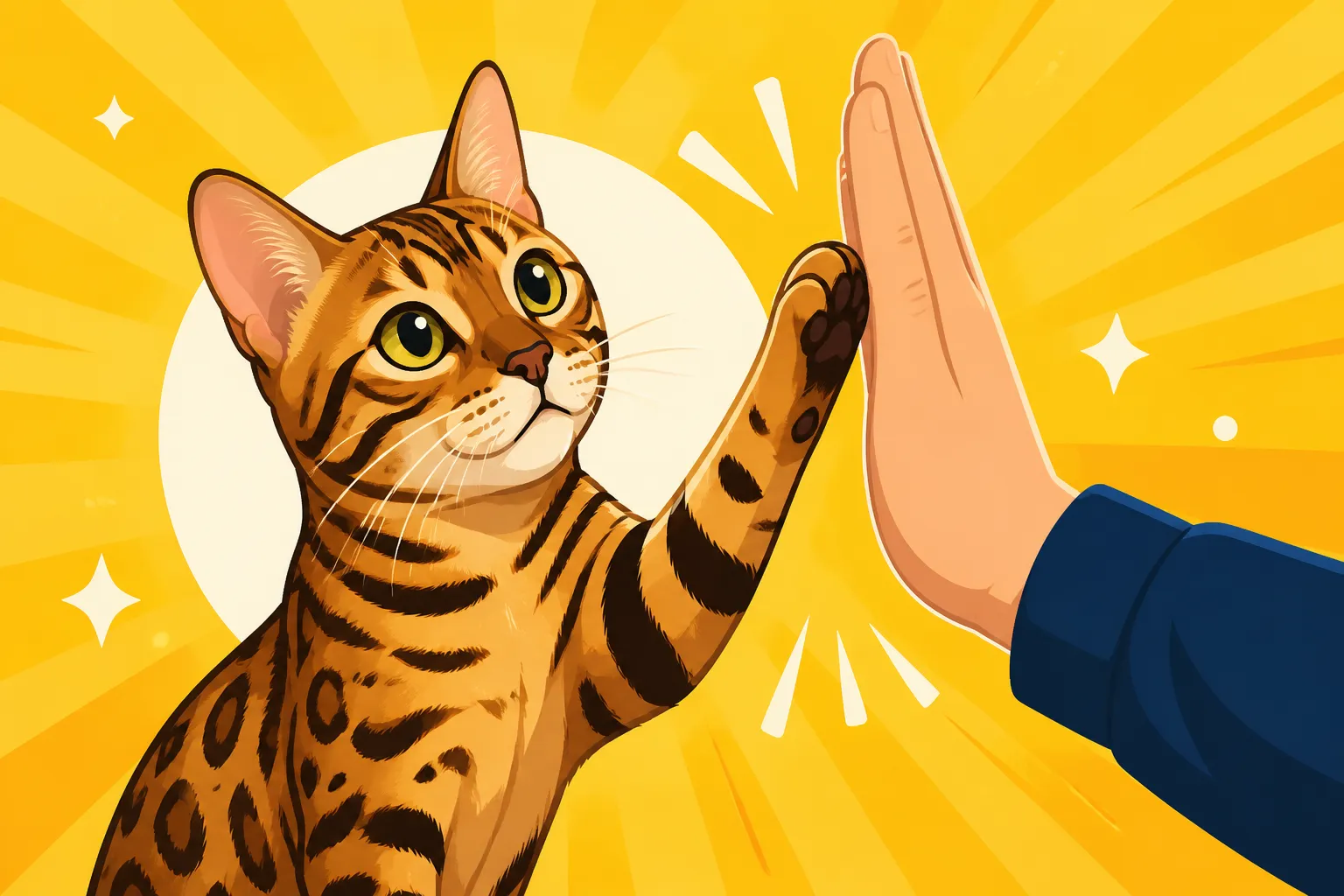
- Click and Treat: The instant their paw touches your open palm, click and give them the treat. Don't worry if it's a gentle touch or a playful swat – any contact counts!
- Practice: Repeat this several times. Your Bengal will start to understand that touching your hand with their paw is what earns the click and treat.
Step 3: Adding the Verbal Cue and Clicker
Now that your cat understands the physical action, it's time to add the verbal command.
- Verbal Cue First: Just before you offer your hand and lure, say "High Five!" clearly and cheerfully.
- Execute the Motion: Immediately follow with the hand target and lure as practiced in Step 2.
- Click and Treat: The moment their paw touches your hand, click and treat.
- Consistency is Key: Always say "High Five!" before they perform the action. This helps them associate the words with the behavior.
Step 4: Fading the Lure and Relying on the Cue
This is where you gradually remove the visible treat lure.
- Reduce the Lure: Instead of holding the treat directly above your hand, start by holding it in your fisted hand, or even just mime the luring motion without a visible treat. Your open palm should still be there as the target.
- Click for the High Five: When you say "High Five!", present your open palm. If your cat touches it, click and then produce the treat from your pocket or nearby stash.
- Eventually, No Lure: Over time, your cat will respond to "High Five!" and your presented palm without needing any physical lure. The clicker and the eventual treat are their motivators.
Step 5: Practice and Generalization
Don't expect perfection overnight. Regular, short practice sessions are far more effective than infrequent, long ones.
- Short and Sweet: Stick to those 5-10 minute sessions a few times a day.
- Vary the Location: Once your cat is consistent, try doing the high five in different rooms. This helps them understand the trick isn't tied to one specific spot.
- End on a High Note: Always finish a session after a successful high five, reinforcing the positive experience.
Here's a quick reference table for the steps:
| Step | Action | Key Focus |
|---|---|---|
| 1: Lure the Paw Lift | Hold treat over head, encourage paw lift, click & treat instantly for any lift. | Associate paw lift with click/treat. |
| 2: Introduce Hand Target | Hold open palm, lure paw to touch it, click & treat instantly for contact. | Associate touching hand with click/treat. |
| 3: Add Verbal Cue | Say "High Five!" before presenting hand and lure, then click & treat on contact. | Associate verbal cue with the action. |
| 4: Fade the Lure | Gradually remove visible treat lure, rely on verbal cue and hand target, click & treat after contact. | Cat performs action from cue, not lure. |
| 5: Practice & Generalize | Short, frequent sessions. Practice in different locations. | Consistency, reliability, and understanding that the trick isn't location-dependent. |
Troubleshooting the High Five: When Things Don't Go as Planned
It's completely normal for training to hit a snag or two. Don't worry, these clever cats just need a little adjustment from us sometimes.
My Bengal Just Bites My Hand!
This is a common concern, especially with playful Bengals. First, differentiate a gentle "nip" from an aggressive bite. If it's a gentle mouth-on-hand, your cat might be trying to "grab" the treat or is just a bit overexcited.
- Reduce Excitement: Keep your energy calm. If they get too frantic, end the session briefly and restart when they've settled.
- Treat Placement: Ensure you're giving the treat from your other hand immediately after the click, not from the hand being "high fived." This breaks the association of biting your training hand to get food.
- Redirection: If they mouth your hand, briefly withdraw it, say "no" (calmly, not angrily), and then re-present for the correct behavior. Click and treat only for the gentle paw touch.
- Gloves (Optional): Some owners find wearing a thin glove during initial training helps protect their hands and reduces the cat's instinct to mouth skin for the treat.
They Just Don't Get It / Lose Interest Quickly
This often boils down to one of three things: treat value, session length, or making the steps too big.
- Treat Value: Is your treat truly high-value? If your Bengal isn't enthusiastic, try something new. Some cats prefer savory pastes, others freeze-dried liver. Experiment!
- Session Length: Bengals, with all their boundless energy, also have surprisingly short attention spans for focused tasks. If your sessions are longer than 5-10 minutes, they're probably already mentally checked out. Keep it brief and leave them wanting more. You might be surprised at How Many Play Sessions a Bengal Cat Needs to stay engaged and happy.
- Break It Down: If your cat isn't even lifting their paw, you need to break Step 1 down even further. Start by just clicking and treating for looking at the treat, then for a head tilt, then for a slight paw movement. Make the steps so tiny that success is almost guaranteed.
They Only Do It for One Specific Treat
It’s great that they love a treat, but relying on just one can be tricky if it's unavailable or if your cat suddenly decides they don't like it anymore (Bengals can be finicky!).
- Rotate High-Value Treats: Have a few different types of irresistible treats in your arsenal and rotate them. This keeps things interesting and prevents your cat from becoming too fixated on one specific food.
- Praise and Petting: While food is a strong motivator, don't forget verbal praise and gentle petting for cats who enjoy it. Pair these with the click and treat to add another layer of positive reinforcement.
My Cat Runs Away When I Try to Train
If your Bengal is ditching you, it means the session isn't fun or rewarding enough for them.
- No Pressure: Training should never be forced. If your cat walks away, let them go. Try again later when they seem more receptive.
- Start with Play: Sometimes, a short burst of interactive play right before training can get their energy out and make them more focused for a calm training session.
- Make it Predictable: Establish a routine. For example, "after breakfast, we do a quick training session." Cats thrive on routine, and knowing what to expect can make them more willing participants.
Remember, every Bengal is an individual. What works perfectly for one might need tweaking for another. The key is to stay positive, patient, and to always end on a successful note, even if it's just practicing an easier trick they already know.
Beyond the High Five: A World of Tricks for Your Bengal
Mastering the high five is a fantastic achievement, but for a Bengal cat, it's often just the beginning! These intelligent felines thrive on continuous mental stimulation, and trick training is an excellent way to provide it. Don't stop at one trick; keep challenging your clever companion!
Once your Bengal has the high five down, you'll find that their understanding of the clicker and positive reinforcement makes learning new behaviors much faster. Their confidence will grow, and you'll probably notice them starting to "offer" behaviors, trying to figure out what new trick will earn them a click and a treat. This is a sign of a truly engaged and happy Bengal.
Consider moving on to other fun and stimulating tricks that leverage their natural abilities:
- Sit: This is a classic and very useful command. You can easily teach this using a lure, guiding their nose up and back until their rear touches the ground. Then, click and treat! Our guide How to Teach a Bengal Cat to Sit dives into this.
- Come: Another incredibly practical trick, especially if your Bengal is a bit of an escape artist or you want to ensure they respond to their name. Start by calling their name when they're close, click and treat when they look at you or take a step towards you. Build up distance gradually. How to Teach a Bengal Cat to Come offers more details.
- Fetch: Many Bengals naturally love to fetch! Find a favorite small, lightweight toy (like a crinkly ball or a spring toy – often available in multi-packs on Amazon) and encourage them to bring it back. Start by rewarding them for picking it up, then for bringing it a short distance, then for dropping it. This is a great way to provide both mental and physical exercise. Which Wand Toy a Bengal Cat Destroys Fastest might give you ideas for toys that spark their interest.
- Targeting: Beyond your hand, you can teach them to touch a target stick with their nose. This is the foundation for many complex behaviors, like going to a specific spot or weaving through your legs.
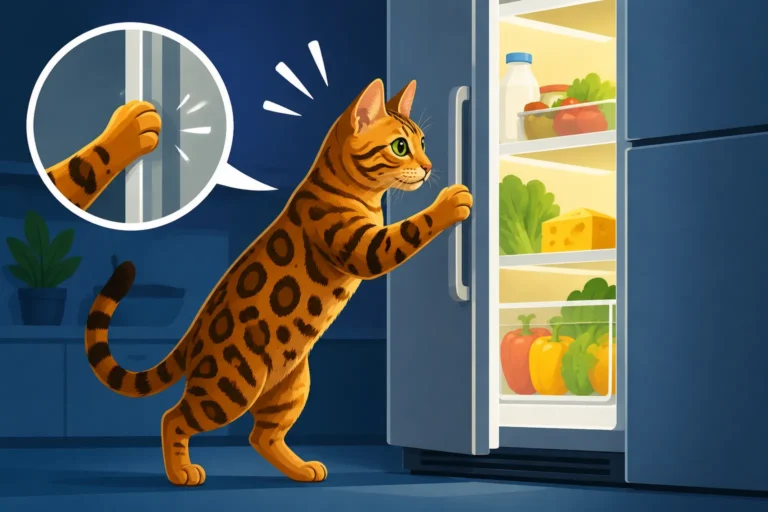
The possibilities are vast, and the benefits extend far beyond just showing off. Regular trick training helps prevent boredom, which, let's face it, is a Bengal's worst enemy. A bored Bengal is an inventive Bengal, and that inventiveness often leads to destructive behaviors like scratching furniture or opening cabinets. What a Bored Bengal Cat Destroys can give you an idea of the mayhem a neglected Bengal mind can cause.
Beyond active training, consider incorporating other forms of enrichment. Puzzle feeders, for example, can keep their minds busy while they eat, slowing down mealtime and providing a challenge. You can find some fantastic and durable options on Amazon designed to really make cats think. You might be surprised at Whether a Puzzle Feeder Tires a Bengal Cat. For their boundless physical energy, don't forget about interactive play with wand toys or even a cat wheel. Many Bengals adore a cat wheel, and it's a fantastic way for them to burn off steam indoors. Checking out Which Cat Wheel Size a Bengal Cat Needs is a good idea if you're considering one.
Embrace the journey of discovery with your Bengal cat. They are truly exceptional companions, and by tapping into their incredible intelligence through trick training, you'll foster a deeper bond and enjoy countless hours of entertainment together.
Disclaimer
This article is for general informational purposes only and does not constitute professional advice. Laws, prices and regulations vary by location and change over time. Consult a qualified professional for guidance on your specific situation.