How Long a Bengal Cat Can Be Left Alone
It's a common dilemma for Bengal cat owners: you adore their vibrant energy and playful antics, but real life, like a full-time job or a weekend away, often means leaving your spirited companion by themselves. The guilt can be overwhelming, wondering if your highly intelligent and active Bengal is truly coping or simply counting down the minutes until your return. This guide will delve deep into understanding how long a Bengal cat can realistically be left alone, exploring their unique needs and offering actionable strategies to ensure they remain happy, healthy, and mentally stimulated, even in your absence.
Understanding the Bengal Cat's Unique Needs for Alone Time
Bengal cats are not your typical house cats who are content to nap in sunbeams all day. Their wild heritage means they come with a distinct set of physical and mental requirements that profoundly impact their tolerance for solitude. Ignoring these innate traits can lead to a less-than-harmonious household.
High Energy and Activity Levels
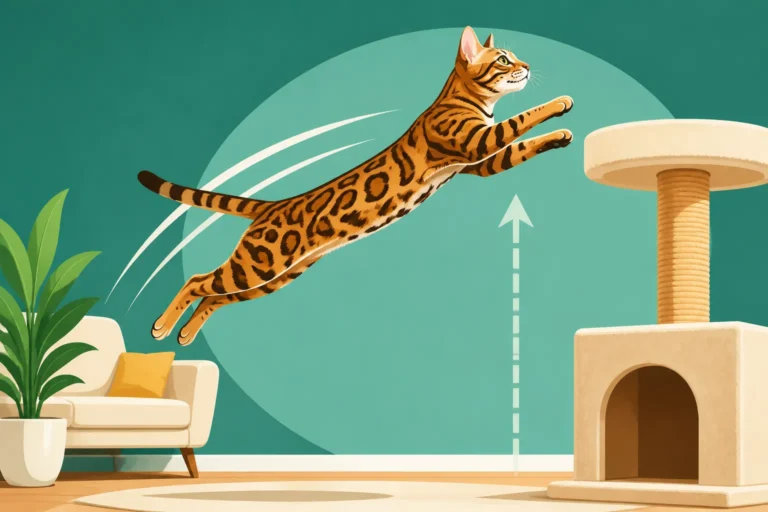
One of the most striking characteristics of a Bengal is their boundless energy. These cats are athletes in miniature, constantly in motion, exploring, climbing, and playing. They inherited this drive from their Asian Leopard Cat ancestors, who spent their days hunting and navigating complex environments. This isn't just a quirky personality trait; it's a fundamental aspect of their being. A Bengal cat that isn't provided with ample opportunities to burn off this energy will quickly become bored, and a bored Bengal is a destructive Bengal. They need outlets for their hunting instincts, their climbing prowess, and their sheer physical strength. Expecting them to entertain themselves with a few static toys for eight hours straight is simply unrealistic. Their bodies are wired for action, and their minds crave engagement.
When we talk about how long they can be left alone, it's not just about their physical needs but also the mental and emotional toll of inactivity. A Bengal needs more than just a place to sleep; they need a stimulating environment that mimics, as much as possible, the challenges and excitement of a wild setting. This might mean vertical spaces, interactive toys, or even the opportunity to 'hunt' for their meals. Failing to acknowledge this core need is where many owners run into trouble, finding their furniture shredded or their belongings scattered. Understanding How Active a Bengal Cat Is is crucial to setting realistic expectations for their alone time.
Intelligence and Need for Mental Stimulation
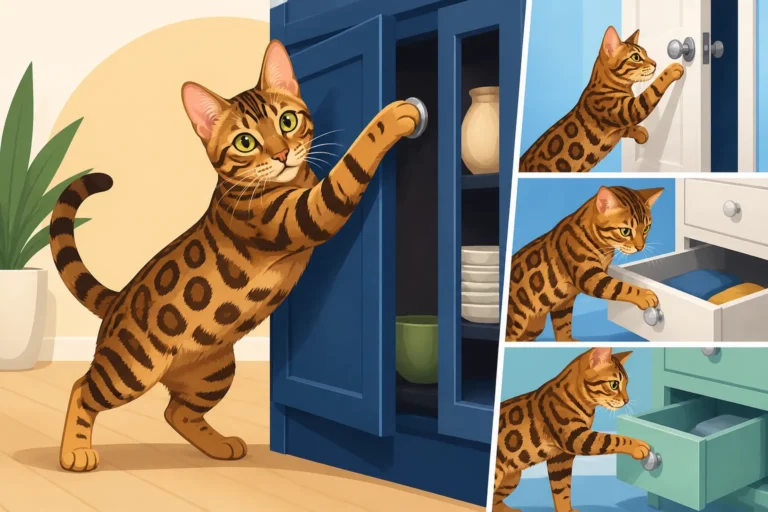
Beyond their physical energy, Bengal cats possess a remarkable intelligence that sets them apart. They are problem-solvers, curious explorers, and incredibly observant. This intelligence means they require significant mental stimulation to prevent boredom and frustration. A Bengal cat isn't just going to stare at a wall; they're going to figure out how to open that cabinet, dismantle that puzzle feeder, or turn on the faucet. Their brains are constantly working, analyzing their environment, and looking for new challenges.
Leaving an intelligent animal like a Bengal alone without adequate mental engagement can be detrimental. It's like leaving a highly intelligent child in an empty room with nothing to do; they will inevitably find ways to entertain themselves, and those ways might not always align with your preferences. Interactive toys, regular training sessions, and environmental enrichment are not luxuries for a Bengal; they are necessities. They thrive on novelty and challenge, and without it, they can develop behavioral issues stemming from sheer understimulation. Owners often find themselves asking How Clever a Bengal Cat Is only after their cat has outsmarted every childproof lock in the house.
Social Nature and Attachment
Despite their wild appearance, many Bengal cats are surprisingly social creatures who form strong bonds with their human families. They often seek interaction, follow you from room to room, and even "talk" to you with their unique vocalizations. This social aspect means that prolonged periods of isolation can be particularly hard on them, leading to feelings of loneliness or separation anxiety. While they might not show it in the same way a dog does, a Bengal cat can certainly miss your presence and crave interaction.
This isn't to say every Bengal needs constant companionship, but it's important to recognize that their need for social interaction varies. Some Bengals are more independent, while others are veritable "velcro cats." If your Bengal thrives on your presence, leaving them alone for long stretches without any form of substitute interaction can cause stress. This stress can manifest in various ways, from over-grooming to changes in appetite or even house soiling. Understanding their social cues and individual personality is key to determining their comfort level with solitude.
Factors Influencing How Long a Bengal Can Be Left Alone
There's no single "magic number" for how long a Bengal cat can be left alone, as it really depends on a tapestry of individual factors. What works for one Bengal might be detrimental to another, making it crucial for owners to assess their specific cat's circumstances.
Age and Developmental Stage
A Bengal cat's age plays a significant role in their capacity for alone time. Kittens, much like human babies, require far more supervision and interaction. A young Bengal kitten, especially under six months, should ideally not be left alone for more than a few hours at a time. They are still learning about their world, developing social skills, and establishing routines. Prolonged isolation at this critical stage can impact their socialization and lead to anxiety. They need frequent meals, litter box access, and active playtime to ensure healthy development.
As Bengals mature into adulthood (typically between one and ten years old), they generally become more independent and capable of tolerating longer periods alone. A healthy, well-adjusted adult Bengal might be fine with a typical workday (8-10 hours), provided their environment is set up for enrichment and their needs are met before and after you leave. However, senior Bengals (over ten years old) often require more attention. They might have age-related health issues, reduced mobility, or cognitive changes that make long periods of solitude more challenging. They might need more frequent access to litter boxes, easier access to food and water, and simply appreciate more comfort and companionship. The Age a Bengal Cat Is Considered Senior means their needs for companionship and supervision can shift dramatically.
Individual Personality and Temperament
Just like people, every Bengal cat has a unique personality. Some Bengals are naturally more independent, confident, and self-sufficient. They might be content to explore their environment, play with toys, or simply nap in a quiet spot for extended periods. These cats often adapt well to being alone during the workday, especially if their home is set up to cater to their activity levels.
On the other hand, some Bengals are highly attached, sensitive, or prone to anxiety. These cats might exhibit signs of distress, such as excessive vocalization, destructive behavior, or inappropriate urination, even after relatively short periods of solitude. They might be the ones who greet you with frantic meows or immediately demand attention upon your return. Observing your individual Bengal's behavior is paramount. Are they relaxed when you prepare to leave, or do they become clingy or agitated? Do they seem genuinely happy and calm when you get back, or do they seem stressed? Tailoring alone time to your cat's specific temperament is far more effective than a one-size-fits-all approach.
Environmental Enrichment and Routine
The quality of your Bengal's environment is arguably the most crucial factor in determining how well they cope with being left alone. A stimulating, enriching home can transform their solitary hours from boring to engaging. This means providing ample vertical space for climbing and exploration, plenty of interactive toys, and opportunities for mental challenges. A cat tree, shelves mounted on walls, and even a secure What a Catio for a Bengal Cat Costs can make a huge difference. Without these provisions, even the most independent Bengal will eventually succumb to boredom.
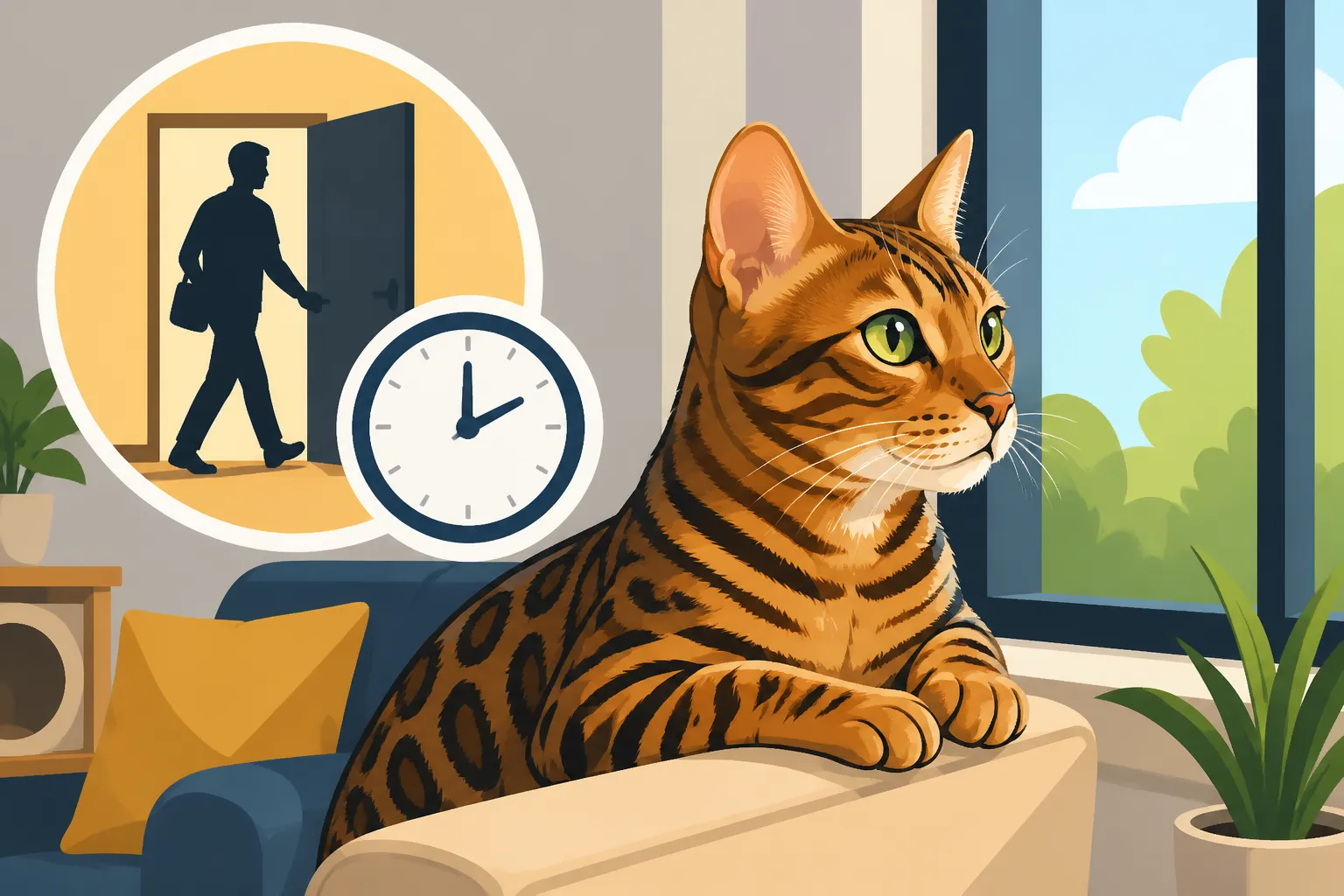
A consistent routine also provides a sense of security and predictability for your Bengal. Knowing when to expect meals, playtime, and your return can reduce anxiety. If your schedule is erratic, your Bengal might struggle more with alone time because they lack that sense of structure. Establishing a morning play session, a consistent feeding schedule, and a hearty play session upon your return can help them better anticipate and cope with your absence. Think of it as creating a predictable rhythm that reassures them you'll always come back. A good routine helps a Bengal manage How Long a Bengal Cat Copes Alone.
Strategies for Managing Alone Time
Once you understand your Bengal's needs, you can implement specific strategies to make their alone time as enriching and stress-free as possible. This isn't just about preventing bad behavior; it's about fostering their well-being.
Providing Ample Physical and Mental Stimulation
The cornerstone of managing alone time for a Bengal cat is ensuring they have plenty of opportunities to express their natural instincts. Before you leave for the day, engage in a vigorous play session. Think wand toys that simulate hunting, chasing, and pouncing. A good 15-20 minute session can help burn off some initial energy, making them more likely to relax or engage in self-play while you're gone. Remember, How Many Hours a Day a Bengal Cat Plays is significant, so front-loading some of that playtime can be very beneficial.
Throughout the day, they need access to toys that challenge their minds. Puzzle feeders, which dispense treats as your cat solves a problem, are excellent for this. Look for durable, multi-level puzzle feeders on Amazon that require them to bat, roll, or manipulate parts to get their reward. This taps into their intelligence and hunting drive. Rotational toys can also keep things fresh; don't leave all toys out all the time. Cycle them every few days to maintain novelty. Consider toys that move on their own or make sounds, which can capture their attention intermittently.
Vertical space is also non-negotiable for a Bengal. Tall cat trees, wall-mounted shelves, and cat "superhighways" allow them to climb, perch, and observe their territory from a high vantage point, which is instinctually satisfying. The more vertical exploration opportunities, the better. Consider setting up a window perch with a view of birds or squirrels, which can provide hours of passive entertainment.
Utilizing Technology and Automated Solutions
Technology can be a huge asset in bridging the gap when you're not home. Automatic feeders are fantastic for maintaining a consistent meal schedule, even if you're running late. Many models allow you to program multiple meals throughout the day, dispensing small portions to keep your Bengal satisfied and prevent overeating. Some even have voice recording features, so your cat can hear your familiar voice at mealtime.
Pet cameras are another excellent tool, providing peace of mind and allowing you to check in on your Bengal remotely. Many cameras offer two-way audio, so you can speak to your cat, and some even have treat dispensers, letting you toss them a snack from afar. This can be a great way to offer a burst of positive reinforcement or distraction if you see them starting to look bored. You can find many reliable options on Amazon that integrate with your smartphone.
Interactive laser toys or automated feather wands that turn on at timed intervals can also provide intermittent entertainment. While they shouldn't replace direct human interaction, they can help break up long stretches of quiet time. Just ensure any automated toys are safe and can't be easily destroyed or ingested by your tenacious Bengal.
Considering a Companion
For some Bengals, especially those with high social needs or those exhibiting signs of separation anxiety, a companion animal can make a world of difference. Another Bengal cat, or even a compatible, playful domestic cat, can provide much-needed interaction, wrestling partners, and mutual grooming sessions. Many owners find that Whether Two Bengal Cats Tire Each Other Out is a valid question, and often, the answer is yes! They can keep each other entertained, fulfilling a social need that humans simply cannot always provide.
However, introducing a second cat should be done carefully and thoughtfully. Not all cats get along, and a botched introduction can create more stress than it solves. It's usually best to adopt two kittens together, or introduce an adult Bengal to another cat with a similar energy level and personality. Gradually introduce them in separate spaces before allowing supervised interactions. A second cat is a significant commitment, so ensure you're prepared for the increased responsibility and cost before taking the plunge. If considering a companion, research How to Introduce a Bengal Cat to a Resident Cat thoroughly.
The Dangers of Leaving a Bengal Cat Alone Too Long
While it might seem convenient to leave your Bengal alone for extended periods, doing so without adequate preparation can lead to a cascade of negative consequences, impacting both your cat's well-being and your household.
Behavioral Issues from Boredom and Frustration
A Bengal cat left alone for too long without sufficient mental and physical outlets is a recipe for disaster. Boredom quickly turns into frustration, which then manifests as undesirable behaviors. This is often when owners start asking What a Bored Bengal Cat Destroys. You might find your furniture shredded, your curtains climbed, or your houseplants dug up. They might start "counter surfing" more frequently, not out of hunger, but purely for the thrill of exploration and problem-solving. Some Bengals resort to dismantling paper towels, chewing on electrical cords, or pulling items off shelves, anything to create some action in their quiet environment. This isn't malicious; it's a desperate attempt to relieve the overwhelming energy and intelligence that has no constructive outlet. The destruction can be extensive and costly, and it stems directly from unmet needs.
| Behavior Type | Common Manifestations | Underlying Cause |
|---|---|---|
| Destructive | Shredded furniture, torn curtains, knocked-over objects, chewing wires, excessive scratching on inappropriate surfaces. | Lack of physical exercise, need for outlet for hunting instincts, desire for mental engagement. |
| Vocal | Excessive yowling, constant meowing, demanding attention immediately upon your return. | Loneliness, boredom, seeking interaction, expressing frustration. |
| Elimination | Urinating or defecating outside the litter box (not due to medical issue). | Stress, anxiety, seeking attention, protest behavior due to feeling neglected or insecure. |
| Self-Harm | Over-grooming (leading to bald spots or skin irritation), excessive sucking on blankets. | Anxiety, stress, self-soothing behaviors due to feeling alone or insecure. |
| Aggression | Play aggression towards owners (nipping, biting), irritability. | Pent-up energy, frustration, under-socialization, lack of appropriate play outlets. |
Developing Separation Anxiety
While often associated with dogs, cats can also develop separation anxiety, and Bengals, with their strong social bonds, can be particularly susceptible. If your Bengal becomes overly distressed when you leave, or shows extreme relief and clinginess upon your return, it could be a sign of anxiety. This isn't just a behavioral quirk; it's a genuine emotional struggle for them. Symptoms can include excessive vocalization (howling or meowing), destructive behavior specifically around entry/exit points (like scratching doors), inappropriate urination or defecation, or even frantic attempts to escape.
Living with a cat experiencing separation anxiety can be heartbreaking and stressful for both pet and owner. It often requires a multi-faceted approach, including environmental changes, a consistent routine, gradual desensitization to your departure cues, and sometimes, even professional veterinary or behavioral intervention. The key is to address the underlying anxiety rather than just punishing the symptoms, which will only exacerbate the problem. Recognizing the signs early is crucial to supporting your Bengal.
Risk of Accidents and Safety Hazards
Leaving an active, intelligent, and curious Bengal cat alone for extended periods can also present safety risks. Their innate drive to explore means they will get into things you might not expect. Loose electrical cords become tempting chew toys, potentially leading to electrocution. Cleaning supplies or toxic plants can be investigated and ingested. Small objects left within reach can become choking hazards. A forgotten open window or door can lead to an escape, and an unsupervised Bengal outdoors is at risk from traffic, other animals, and theft.
It's vital to thoroughly "Bengal-proof" your home, ensuring that anything potentially dangerous is secured or removed. Childproof locks on cabinets, securing toxic items, putting away small breakables, and ensuring all windows and doors are securely latched become even more critical when your intelligent feline is left unsupervised. Their cleverness, while endearing, also means they can quickly turn everyday household items into hazards. Always assume they will try to get into everything, and plan accordingly.
When to Consider Companionship or Professional Help
Sometimes, even with the best intentions and strategies, a Bengal cat's needs for companionship and stimulation exceed what a busy owner can provide alone. It's okay to admit this and explore other avenues to ensure your beloved feline lives their best life.
The Benefits of a Second Cat (or Other Pet)
For many Bengal cats, especially those from reputable breeders who prioritize socialization, another cat can be an absolute godsend. As mentioned earlier, When a Bengal Cat Needs a Second Cat is often when they're left alone for long stretches, and a compatible companion can fill that void. They can chase, wrestle, groom each other, and simply exist together, providing a constant source of interaction that no amount of toys or human attention can fully replicate. This mutual companionship can significantly reduce boredom and loneliness, potentially curbing destructive behaviors and signs of separation anxiety.
If you decide to get a second cat, carefully consider the personality and energy level. Another Bengal can be a fantastic match, as they often understand each other's intense play style. However, a calm, patient domestic cat might also be a good foil for a high-energy Bengal. Introduce them slowly and positively to ensure a harmonious household. While less common, some Bengals can also form strong bonds with cat-friendly dogs, creating a lively multi-species household. The goal is to provide a consistent, living presence that can share their days.
Hiring a Pet Sitter or Utilizing Daycare
If your schedule regularly demands that you leave your Bengal alone for longer than they comfortably tolerate (e.g., more than 10-12 hours on a regular basis, or multi-day trips), professional help might be the best solution. A qualified pet sitter can visit your home once or twice a day to feed, play, clean the litter box, and provide much-needed human interaction. This is often less stressful for cats than boarding, as they get to stay in their familiar environment. A good pet sitter will understand the specific needs of an active breed like a Bengal.
For highly social or anxious Bengals, or those prone to extreme boredom, a specialized cat daycare facility (if available in your area) could be an option. While less common than dog daycare, some facilities cater to cats, offering supervised playtime and enrichment in a safe environment. Before choosing any professional service, always do your homework: check references, read reviews, and ensure the caregivers are experienced with energetic and intelligent breeds like Bengal cats. This ensures your Bengal's social and physical needs are being met even when you're not there.
Consulting with a Veterinarian or Feline Behaviorist
If your Bengal cat continues to struggle with alone time despite your best efforts – exhibiting persistent destructive behavior, anxiety, or inappropriate elimination – it's time to seek professional guidance. Your veterinarian can rule out any underlying medical conditions that might be contributing to the behavior. Pain, discomfort, or urinary issues can often manifest as behavioral changes.
If medical issues are ruled out, a certified feline behaviorist can be an invaluable resource. They can assess your cat's specific situation, identify triggers for their stress or undesirable behaviors, and develop a tailored behavior modification plan. This might involve environmental adjustments, specific training techniques, or even temporary anti-anxiety medication in severe cases. A behaviorist can help you understand the root cause of your Bengal's struggles and provide humane, effective strategies to improve their coping mechanisms and overall well-being. Don't feel like you're failing; sometimes, expert help is exactly what's needed for complex issues like separation anxiety in a highly intelligent breed.
Setting Up the Ideal "Alone Time" Environment for Your Bengal
Creating a home that supports your Bengal cat's needs while you're away is paramount. It’s about more than just toys; it’s about designing a space that caters to their instincts and provides continuous engagement.
Vertical Space and Scratching Opportunities
Bengals are natural climbers. They love to be up high, observing their territory and feeling secure. Investing in a truly sturdy and tall cat tree is essential. Look for one that reaches close to the ceiling, with multiple perches, hidey-holes, and scratching surfaces. Materials like sisal rope are usually more appealing and durable for their strong claws than flimsy carpet. Better yet, consider installing wall-mounted cat shelves and platforms. These create a "cat superhighway" that allows your Bengal to patrol their domain without ever touching the floor. How to Build Shelves for a Bengal Cat can be a fun DIY project, providing valuable vertical territory.
Scratching is another fundamental cat behavior, and for a Bengal, it's often more intense due to their muscle strength. Provide a variety of scratching posts and boards: vertical, horizontal, and angled, made from different materials like sisal, cardboard, and wood. Place them in prominent areas, especially near entryways or sleeping spots, where cats naturally stretch and mark. This gives them appropriate outlets for their scratching instincts, diverting their attention from your sofa or favorite armchair. Remember, if you skimp on scratching options, your furniture will pay the price.
Interactive Toys and Puzzle Feeders
While you're away, static toys can quickly lose their appeal for a clever Bengal. This is where interactive and puzzle toys shine. Beyond the standard catnip mice, think about toys that offer more challenge. Ball-and-track toys, where balls spin around a track, can keep them entertained for a while. Electronic toys that move erratically or have rotating feathers can mimic prey. Just make sure they are robust enough to withstand a Bengal's enthusiastic play. Many innovative interactive toys can be found on Amazon, designed to engage their hunting instincts without your direct involvement.
Puzzle feeders are, without a doubt, one of the best tools for keeping a Bengal cat mentally stimulated while alone. Instead of simply putting food in a bowl, puzzle feeders require your cat to "work" for their meal or treats. This replicates the effort of hunting and satisfies their problem-solving nature. Start with simpler puzzles and gradually introduce more complex ones. Rotate your puzzle feeders to prevent boredom; a different challenge each day keeps them engaged. This also encourages slower eating, which can be beneficial for digestion.
Safe Water Access and Litter Box Solutions
Bengal cats are famously fond of water. Leaving out multiple water bowls isn't always enough, as they might prefer to play in them rather than drink. A sturdy, filtered water fountain is an excellent investment. The running water is often more appealing to cats and can encourage better hydration. Look for stainless steel or ceramic fountains on Amazon that are harder to tip over and easier to clean than plastic. Ensure it's placed in a stable location where splashes won't cause damage.
When it comes to litter boxes, bigger is always better for an active, digging Bengal. Provide at least one more litter box than you have cats, and ensure they are large, open, and easily accessible. Avoid covered boxes, as they can trap odors and make some Bengals feel claustrophobic, leading to inappropriate elimination. Scoop the boxes daily, ideally before you leave and immediately upon your return, to maintain a clean and appealing environment. A dirty litter box is a common reason a Bengal might decide to go elsewhere. Using high-sided boxes or a mat around the box can help contain the enthusiastic digging and Which Litter a Bengal Cat Throws Least.
Conclusion: Balancing Independence with Engagement
Leaving a Bengal cat alone requires a thoughtful and proactive approach, recognizing that these aren't just any house cats. Their blend of high energy, keen intelligence, and often social nature means they thrive on a rich, stimulating environment and consistent interaction. There's no single answer to "how long," as it's deeply personal to each cat, their age, temperament, and the quality of their alone-time experience.
By understanding their unique needs, implementing effective strategies like ample enrichment, utilizing smart technology, and considering companionship or professional support when necessary, you can ensure your Bengal remains happy and healthy, even when you're not physically present. It’s about providing them with a life that satisfies their wild heart within the comforts of your home, turning potentially stressful alone time into periods of engaging self-discovery.
Disclaimer
This article is for general informational purposes only and does not constitute professional advice. Laws, prices and regulations vary by location and change over time. Consult a qualified professional for guidance on your specific situation.