Where the Bengal Cat Ranks on Activity
Many people bring home a Bengal cat expecting a beautiful, exotic-looking companion, and while they certainly are stunning, a common frustration for new owners is underestimating just how much energy these magnificent felines possess. If you've ever found yourself wondering if your Bengal is actually a tiny, spotted perpetual motion machine, you're not alone! This guide will delve into exactly where the Bengal cat ranks on the activity scale, comparing their boundless energy to that of an average domestic cat and exploring why they are such a force of nature in your home.
The Unrivaled Energy Levels of a Bengal Cat
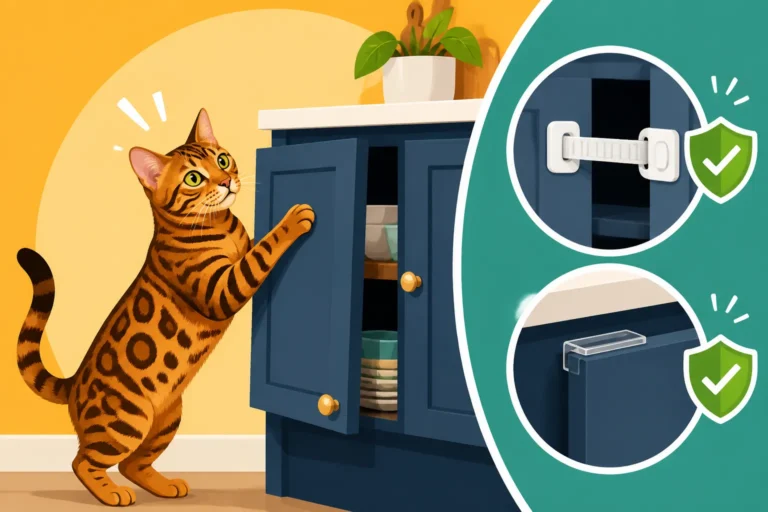
Let's not mince words: the Bengal cat is not just an active cat; it's often described as one of the most active domestic cat breeds you can possibly own. When you compare them to a typical housecat, say a relaxed tabby or a sedate Persian, the difference is night and day. Where other cats might enjoy a leisurely nap in a sunbeam for hours, a Bengal is plotting its next aerial assault on a feather wand, scaling your curtains, or investigating the mysterious depths of your kitchen cabinets. This isn't just a quirky trait; it's a fundamental aspect of their nature.
Their energy manifests as a near-constant drive for exploration, play, and interaction. They don't just play for a few minutes and then settle down; they engage in sustained bursts of high-intensity activity, often chasing toys, wrestling with housemates, or navigating complex obstacle courses they've created out of your furniture. It's not uncommon for a Bengal owner to feel like they've just run a marathon after an intense play session, while their cat is already eyeing the next adventure. This high level of activity means they require significantly more engagement from their human companions than many other breeds. They thrive on challenges, love to learn new tricks, and will often invent their own games if you're not quick enough to provide entertainment. The Bengal Cat Is the Most Active Cat You Can Own truly encapsulates this reality for anyone considering bringing one into their life.
Why Bengal Cats Are Such a Whirlwind of Motion
The profound activity level of a Bengal cat isn't just a random genetic quirk; it's deeply rooted in their lineage. Bengs are a hybrid breed, meaning they were created by crossing a domestic cat with a wild Asian Leopard Cat (ALC). While many generations separate today's Bengal cats from their wild ancestors, that wild heritage has left an indelible mark on their behavior, particularly their drive for activity. Think about What the Bengal Cat's Wild Ancestor Is Like – a lean, agile hunter, constantly on the move, exploring its territory, and seeking out prey. These instincts are still very much alive in your domesticated Bengal.
This ancestral DNA contributes to several key behavioral traits. Firstly, their predatory drive is incredibly strong. They love to stalk, pounce, and chase, making wand toys and laser pointers (used with caution and a tangible reward) irresistible. This isn't just "play" in the casual sense; it's a deep-seated instinctual need to hunt and 'kill' their prey. Secondly, they are natural climbers and explorers. In the wild, an ALC would use vertical spaces for hunting, safety, and observation. Your Bengal cat brings this need indoors, which is why they will often try to reach the highest point in any room, whether it's the top of a bookshelf, a door frame, or your refrigerator. This vertical exploration is a crucial part of their mental and physical well-being. Lastly, their intelligence, which is also a product of their wild heritage, means they need mental stimulation as much as physical. A bored Bengal is often a destructive Bengal, finding creative (and often undesirable) ways to entertain themselves.
Living with a High-Energy Bengal: What to Expect
When you bring a Bengal cat into your home, you're signing up for a dynamic and often boisterous companion. Their activity isn't just about running around; it's about a constant engagement with their environment. You'll quickly notice their acrobatic abilities; they can jump surprising heights with ease, often appearing on top of cabinets or door frames seemingly out of nowhere. How High a Bengal Cat Can Jump is something many owners quickly learn to appreciate (or guard against!). They often possess an almost dog-like devotion to play, engaging in games of fetch with small toys or even carrying them around the house, presenting them to you for another round.
This translates into a daily routine that revolves heavily around providing outlets for their energy. A Bengal won't typically be content with a quick pat and a bowl of food. They require dedicated play sessions, often multiple times a day, to truly tire them out. If they don't get enough physical and mental stimulation, you might find yourself dealing with behaviors like counter-surfing, opening cabinets, incessant vocalization, or even destructive scratching. This is not because they are "naughty" but because they are unmet needs. What a Bored Bengal Cat Destroys can range from toilet paper rolls to your favorite houseplant, so understanding their needs for enrichment is paramount. Investing in sturdy, engaging toys, from interactive puzzle feeders (you can find a great variety on Amazon) to durable wand toys, is essential for keeping them happy and your home intact.
Managing the Bengal's Boundless Enthusiasm
So, how do you live harmoniously with a cat that has an energy output comparable to a small reactor? The key lies in consistent and creative enrichment. It's not about trying to stop their activity, but rather redirecting it into appropriate and safe channels.
Daily Play Sessions
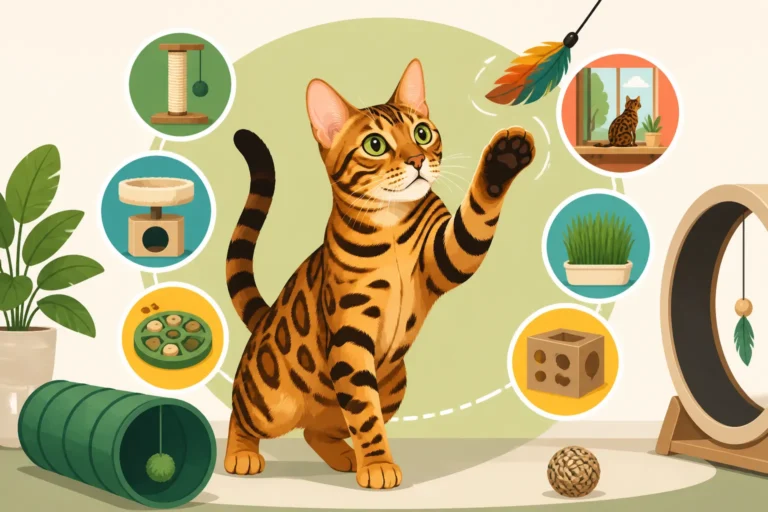
Structured play is non-negotiable. Aim for several dedicated play sessions throughout the day, each lasting at least 15-20 minutes, where you actively engage with your cat using wand toys, feather teasers, or retrieving toys. These sessions should mimic a hunt, with stalking, chasing, pouncing, and a "kill" at the end (allowing them to catch the toy). Knowing How Long a Bengal Cat Plays in One Session helps you plan these effectively. Don't just throw a toy and walk away; be present and involved.
Vertical Space and Climbing Opportunities
Bengals inherently need to climb. Providing ample vertical space is crucial. Think tall cat trees, wall-mounted shelves, and cat "superhighways" that allow them to explore and survey their territory from above. A good quality, stable cat tree that reaches the ceiling can be a fantastic investment. Consider How Much Vertical Space a Bengal Cat Needs when setting up your home. You'll quickly find out that traditional small cat scratchers simply won't cut it. Look for robust options, perhaps even custom-built shelves, to satisfy their urge to go up.
Mental Stimulation and Puzzle Toys
Beyond physical exertion, their sharp minds also need a workout. Puzzle feeders that dispense treats only after your cat solves a problem can be excellent. Teach them tricks using positive reinforcement and clicker training – many Bengals love learning commands like "sit," "stay," "fetch," or even "high-five." Their intelligence means they learn quickly, and this mental engagement helps burn off energy just as much as physical play. How a Bengal Cat Learns From Watching You means you need to be mindful of your own actions, as they pick up on routines and behaviors quickly. Many interactive toys and puzzle feeders can be found on Amazon, offering different levels of difficulty to keep them challenged.
Outdoor Access with Safety
Many Bengal owners find that a secure outdoor enclosure, or "catio," is the ultimate solution for their cat's energy needs. Why a Catio Is the Answer to a Bengal Cat is because it allows them to experience the sights, sounds, and smells of the outdoors in a safe, contained environment. This natural stimulation can significantly reduce indoor restlessness and destructive behaviors. If a catio isn't feasible, leash training can be another fantastic way to provide outdoor exploration, but it requires patience and consistency. How Much Exercise a Bengal Cat Needs a Day can often be partially met through these safe outdoor adventures.
Understanding the Bengal's Activity Ranking
To truly appreciate where Bengal cats stand, let's look at a quick comparison:
| Activity Trait | Typical Domestic Cat (e.g., Tabby) | Bengal Cat |
|---|---|---|
| Daily Play Duration | 30-60 minutes, often in short bursts | 1-3+ hours, often sustained and intense |
| Vertical Exploration | Occasional climbing, enjoys window perches | Constant climbing, seeks highest points, very agile |
| Vocalization (Play) | Soft chirps, purrs, occasional meows | Loud chirps, growls, expressive meows, yowls |
| Response to Boredom | Increased napping, mild mischief, overeating | Destructive behavior, vocal demands, anxiety |
| Need for Interaction | Enjoys affection, independent at times | Demands attention, highly interactive, follows you |
| Energy Level | Low to moderate | Extremely high, almost boundless |
| Learning New Tricks | Possible with patience | Eager learner, can master complex tricks |
This table clearly illustrates that Bengal cats are in a league of their own when it comes to activity. They are definitely not the breed for someone seeking a quiet, independent lap cat. They demand engagement, challenge, and plenty of outlets for their powerful instincts and relentless energy. If you can provide that, you'll be rewarded with a clever, endlessly entertaining, and devoted companion. For many owners, investing in a cat wheel, for example, is a fantastic way to let their Bengal burn off some serious steam, especially if they are indoors only. Understanding Which Cat Wheel Size a Bengal Cat Needs is essential to ensuring their comfort and safety.
Ultimately, ranking the Bengal cat on activity isn't just about listing them as "high energy." It's about recognizing that their entire being is geared towards movement, exploration, and interaction. They are truly one of the most active, intelligent, and engaging feline companions you could ever invite into your life, but they come with a responsibility to meet those profound needs. It's a commitment, but one that many Bengal owners find incredibly rewarding. To help them settle down before bed, consider How to Tire a Bengal Cat Before Bed with an intense play session followed by a meal to simulate the hunt-eat-sleep cycle.
Disclaimer
This article is for general informational purposes only and does not constitute professional advice. Laws, prices and regulations vary by location and change over time. Consult a qualified professional for guidance on your specific situation.